
On Autism: One Case
In this paper, we develop an equation for Autism. We make use of detailed knowledge of his diet and behaviour. The basic problem is that he has too much serotonin which enlivens the senses. It’s the opposite of depression.
Introduction
I have had the opportunity to see how a person with Severe Autism lives, what he eats, how he talks, how he behaves. He is quite good looking and is very cognisant of colors. He also talks a lot of repeating phrases over and over. He is loud and disturbing other patients. He is extremely outgoing. He parrots everything he hears. He is an artist-at least he takes art lessons weekly. Unusual, but he has extreme amount of ketchup (Salt, Vinegar, and Sugar) on his meals. He also drinks copious water -4 large glasses at a time at supper time. He consumes a lot of food. His head is rather large. I will not attempt to say more because I am not a psychiatrist. Unusual that he seems sometimes to behave like a conductor of an orchestra. He is very annoying to be around for the other patients [1]. Building on the chemistry of other papers, I will attempt to make sense of the autism -what causes it? The chemistry is as follows:
C19H28O2 + C7H16NO2 + CO-+3NO-+ 15Cl C16H12N2O+ C11H12N2O2+ 5OH + 15HCl Testosterone + Acetylcholine + Neurotrans Serotonin+Tryptophan+Carboxylic Acid+Vinegar.
Testosterone explains why Autism is four times more prevalent in boys than girls. Those with Autism have too much serotonin. It is the opposite of depression. The cravings of ketchup is really for vinegar (HCl) (Figures 1 & 2).
Opinion
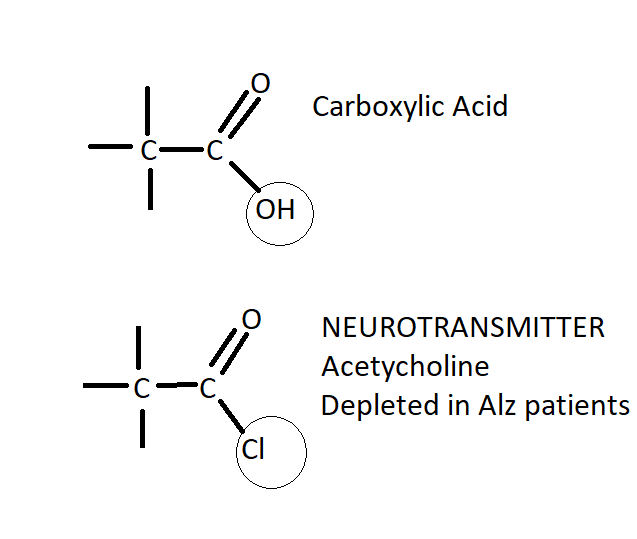
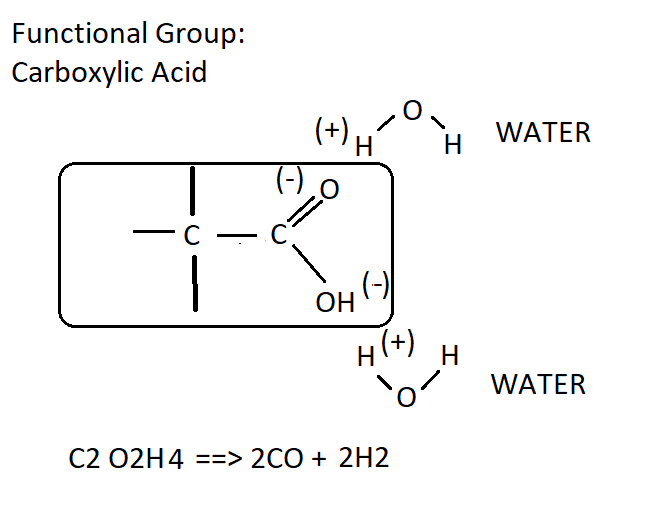
The Autism patient should NOT eat foods high in Tryptophan including Meats; Salmond; Milk; Soybeans; Squash; Oatmeal, and eggs. This is what his diet essentially consists of presently.
Conclusion
We have developed a chemical equation for Autism.
References
-
Cusack, PTE (2020) Camphor: Potential Cause of Autism (ASD).
- Pattern of Gonadal Hormones in Oral Testosterone-Supplimented Male Wistar Rats with Diabetes-Induced Hypogonadism
- Re-Evaluation of the Genotoxicity of Currently Used Food Dyes in Mouse Multiple Organs Via Continuous Administration by Drinking Using the Comet Assay
- Pharmacogenetics of Type 2 Diabetes Mellitus: Linking Genetic Variability to Drug Efficacy and its Cardiovascular Outcomes
- Exploratory Proteomic Profiling of SARS-CoV-2 Infected THP-1 Macrophages Reveals Alterations in Inflammatory Response and Cellular Metabolism
- Study of Genotoxicity of Hepatocarcinogens in Multiple Organs in Mice by Feeding and Drinking Using the Comet Assay
- Spirulina Polypeptides Inhibit the Growth of Human Lung Tumor (H460) Cells