
Innovation Lifting Eyeshadow: A Synthesis of Makeup and Optical Illusion
The Lifting Eyeshadow is a new form of an artistic merger of both makeup and optical illusionism, which is aimed at producing non-invasive beauty additions by resolving falling eyelids and age-related issues. This paper assessed the effectiveness of the technique using a mixed methodology involving literature synthesis (qualitative), observational case studies, and technical analysis. Ten professional makeup artists applied decorative (n=15) or permanent (n=15) Lifting Eyeshadow to thirty clients (aged 30 to 60 years) with eyelid-dropping issues. The method used three-layer gradient (dark, medium, light brown), light arrow brushes, and inter eyelash filler to produce eyelid lift and eye size augmentation effects. Independent aestheticians evaluated aesthetic results based on a 5-point Likert scale that had a mean score of 4.1-4.5 for eyelid lift, eye size and facial harmony (p < 0.001). Client ratings were very positive (93% said they looked youthful and 87% said they felt more confident about themselves). Technical analyses confirmed consistent gradient construction within 2.2 ± 0.3 hours for permanent applications, with excellent pigment retention (ΔE < 2.2 at 4 weeks) and minimal adverse effects (10% mild swelling, resolved within 48 hours). The effectiveness of the technique is consistent with studies of eye size assimilation illusions and psychological eyeliner advantages. The issues, such as asymmetry and procedural uneasiness, underline the problem of highly qualified professionals. Lifting Eyeshadow technique is a safe and effective method which is alternative to surgical procedures and can be improved with the help of high-technology and longitudinal research.
Abbreviations
EPN: Early Posterior Negativity; LPP: Late Positive Potential.
Introduction
In the dynamic realm of cosmetic science and artistry, Lifting Eyeshadow emerges as a groundbreaking technology that seamlessly blends traditional makeup techniques with the advanced science of optical illusion, creating the illusion of lift where gravity-tugging folds, lax skin folds, under-eye droop and age creases are offset by uplifting, youthful lines and shape [1, 2].
Lifting Eyeshadow: The upward lift from the soft vector of an arrow-shaped extension over the shadowed area to mask irregularities, a kind of optical illusion of height in a decorative makeup tradition where temporary dry shadows or cream shadows create quick effects through pigment application; this innovation, technically challenging, pits pigments without swelling or trauma, three shades - dark brown for depth, medium brown for transition, light brown for highlight [3, 4]. Technically, black inter-eyelash area and black-brown transition area [5] in a limited time, say, 2-2.5h, to maintain lid’s ability.
Permanent make-up techniques increasingly prioritize visual illusions, such as eyebrow placement and eyeliner thickness causing size assimilation illusion, making the eyes appear larger and more alert (14,16,17,20), aligning with research on cosmetic neural effects such as effects of make-up on affective responses in visual cortex and body positivity, and providing alternative to blepharoplasty [6, 7, 8].
In the end, the three basic elements (inter-eyelash enhancement, large shadow, and the arrow’s directional vector) converge to create an optical illusion that feels like a modern-day makeup artist’s touch: gorgeous, symmetric, and non-aging without blurring or fading away [9, 10], not only democratizing anti-aging but also reflecting its psychological gain [7, 11], as an innovation, Lifting Eyeshadow is both an artistic and scientific achievement [9, 12, 13, 14], tailored to each user’s variations of depth, asymmetry, and expression [15, 16].
Aim and Objectives
This paper aims to thoroughly analyze the Lifting Eyeshadow technique as a revolutionary blend of cosmetic application and optical illusions, understand how it works, its uses, and its perceived effects in the decorative and permanent makeup industry to provide anti-aging and aesthetic effects. The objectives are:
- To combine the perceptual and neural basis of optical illusion in eye cosmetic, it is better to pay attention to the size assimilation, gaze direction, and to facial harmony [1, 6, 10, 12, 15, 17].
- To describe technical guidelines of gradient construction, pigment implantation, and arrow vectors development of Lifting Eyeshadow, it is vital to focus on ornamental and fixed uses [4, 5, 9, 18].
- To assess the benefits, problems and threats of the method, it is necessary to refer to the empirical data on the efficacy and safety related to cosmetics [5, 7, 11].
- To suggest the ways of the technological field development in the future, including the use of augmented reality and adaptive pigments, to achieve the illusionary effects and make the outcomes more personalized and approachable [3, 16, 19].
Literature Review
The art and science of make-up have for centuries been intimately connected with perceptual psychology, using optical illusions to improve facial features and manipulate visual perception in powerful ways [12, 20]. A high point of this synthesis is the Lifting Eyeshadow technique, which combines the classic method of cosmetic application with advanced optical illusion to produce the effect of raised, young eyelids for the correction of aesthetically unsightly problems such as drooping lids, hooded eyes, and age-related skin laxity [15, 19]. By using light, shadow and colour gradients, this technique draws attention from a downward-pointing line which is perceived as a sign of weakness and deterioration to an upward marking which creates a sense of liveliness and harmony [17, 21]. This technique, based on both the use of cosmetics and permanent makeup, is used for the reduction of volumetric protrusions, for the smoothing of operative folds and for correction of overall facial perception, as a direct alternative to surgical procedures [5, 6, 15] such as blepharoplasty. The literature for this topic ranges from perceptual psychology to cosmetic science to aesthetic technology and paints a solid background for understanding how Lifting Eyeshadow works to provide its transformative effects.
Optical Illusions in Makeup: Perceptual and Neural Foundations
Cosmetic optical illusions are based on how the brain processes visual content, including direction of lines, contrast, and assimilation, in order to be fooled into believing a particular appearance and to increase certain aspects [10, 17, 20]. Investigations indicate that makeup has a substantial positive effect on facial attractiveness because makeup triggers affective neural activity, as assessed by early posterior negativity (EPN) and late positive potential (LPP), an automatic and sustained attention to made-up faces [6]. Such reactions, which are found in EEG experiments, indicate that not only does makeup increase aesthetic response but also the regions in the brain responsible for rewards, including the left medial orbitofrontal cortex, provide motivational salience to facial stimuli [6]. In psychology, cosmetics can be considered instrument of projection of the trait and emotional cues, and it is crucial in the study of eye makeup to affect the perceived direction of the gaze and the expressiveness of the whole face [2, 11]. As an example, females who use cosmetics document higher self-esteem and overrate their increased beauty, which is consistent with previous research on the favourable effect of cosmetics on body image [7, 11].
The eye-specific illusions are also some of the most applicable illusions to Lifting Eyeshadow, since they are used to alter the size, shape and orientation of eyes. The apparent eye size can increase up to 6% (linear dimension) for eyeliner and mascara and up to 5% (10% area) for eye shadow in size due to the eye size assimilation illusion caused by features such as eyebrows, eyeliner, mascara and eye shadow [10, 17]. These effects were found to be constant regardless of viewing angle, indicating viewpoint invariance using psychophysical techniques such as staircase comparisons of face images [1]. As an illustration, at short distances (e.g. 0.6 m) low position eyebrows help to solve assimilations, whereas the effects of eye shadow works better to fill in the gaps at longer distances (e.g. 5 m) to create an impression of smaller circles at the centre, similar to Delboeuf illusion, where concentric circles change the perception of smaller circles at the centre [17]. Likewise, eyebrows arrangement creates an illusion of eye shape where high eyebrows increase eye height and low eyebrows make them bigger thereby changing the face expression [21]. In Asian people, the Chen twice eyelid fold illusion shows that supratarsal fold of the best fold/ eye ratio of 0.3 is the most attractive with a Chen ratio of 0.631 +- 0.023 [15]. These results are consistent with more general surveys of face illusions in that eye-based falsehoods are divided into gaze illusions (e.g., shadow-sensitive gaze changes), and geometrical illusions (e.g., overestimation of the more distant eye), highlighting the special purpose of facial features [12].
These illusions have neural and mathematical basis that adds more clarity. A top-down theory of geometric-optical illusions proposes that perceptual principles, size contrast and empty space processing, shape neural exploration that predict shared brain mechanisms for all illusions but not those of illusion per se [19]. This is justified by mathematical modelling of illusions based on figural aftereffects, where adaptation to images changes those afterwards, which can be applied to make-up effects due to their lasting influence on the perception of eye contours [22]. These illusions are stabilized by top-down modulation in the visual cortex and affected by the contextual information such as colour gradients, as demonstrated through the magnetoencephalography experiments that reveal predictive neural activities [8]. Also, the processing of the whole face incorporates eye illusion with other characteristics, including lips colour, which are indirectly related to eye enhancement as they increase perceived skin lightness, whereas, in some cases, lip colour is directly related to eye illusion [23].
Lifting Eyeshadow: Mechanisms and Applications
Lifting Eyeshadow is based on these concepts, using gradient shading to produce a fake lift of the eyelids, especially useful in correcting drooping or hooded eyelids [15, 21]. Artists apply dry or cream shadows in their decorative makeup to create gradients of blurring overhanging folds that flatten bulges of volume in their contours and re-orient vectors of vision vertically to create an instant effect of anti-aging [9, 13]. The process focuses on the use of vertical lines, which are created by gentle arrow-like extensions accompanied by placing shadows to accentuate the movements of focus on the folds that lead to old age [2, 17]. An example is placing shadows above the natural crease to increase perceived lid space and use of a soft arrow to increase the upward vector, which resembles a cat-eye lift [4, 14]. This is in agreement with the past corrective makeup styles, which utilized colouring to conceal defects and provide the illusion of three dimensionality and height [9].
In permanent makeup, Lifting Eyeshadow provides lasting effects as these illusions are embedded into the skin, forming otherwise known as high shadows, which extends to extensive surfaces, up to one inch or more, and yet in natural folds to be discreet [5, 18]. Precise implantation of the pigment at controlled levels to prevent traumas, swelling, and uneven saturation is essential [5]. There is a three-level dark brown gradient combined with medium brown gradient and light brown highlighting gradient with a black or black- brown inter-eyelash line to create a smooth connection [4]. The operation should last between 2-2.5 hours to maintain tissue receptivity with excessive manipulation posing the risk of causing edema and low pigment uptake [5]. The non- graphic arrow shape is soft, which adds the lifting effect and removes the flaws, balancing the shadow with the inter- eyelash base [2].
Technological and Cultural Contexts
Lifting Eyeshadow has more potential through technological advances. An example of real-time projection mapping is facing augmentation, which simulates illusions of makeup by manipulating lights, and can provide details of makeup’s application techniques in a dynamic way [3]. Equally, newer development in face beautification algorithms implies a future adoption of augmented reality in conjunction with personalized, virtual try-ons, which optimizes illusionary results [16]. Conculturally, the technique builds upon historical examples, including Cleopatra-influenced eye-cosmetics, which relied on intense shadows as dramatic illusions, and in this way, we can see the continuity in the application of optical effects in enhancing appearance [13]. The study of Special effects makeup also contributes to this area of study since it examines how illusions manipulate reality in media to give a framework that can be utilized when carrying out daily cosmetic advancements [18].
Gaps and Future Directions
However, the literature finds challenges in Lifting Eyeshadow, especially in permanent applications, where technical errors may have negative results [5]. Since the procedures are time-sensitive and the anatomy must be precise (including eye depth, asymmetry, and skin mobility), they require massive training [3, 4]. One of the future studies might focus on creating adaptive pigment systems that can change colour to match the skin colour or even incorporate augmented reality, enabling real-time customisation [16]. Also, the techniques can be further improved by expanding the neural research on the mapping of the areas of the brain that are engaged in making the illusions with makeup, which would match the requests to extend the research of geometric-optical processing to a broader magnitude [19].
This review makes Lifting Eyeshadow a revolutionary product that not only improves the look but also uses psychological and neural processes to build the confidence and recreates the standards of beauty by using optical illusion.
Methodology
To examine the Lifting Eyeshadow technique as an art of makeup combined with an optical illusion, there must be a methodological approach to the issue of the way it is used, the mechanisms and results of the use of the Lifting Eyeshadow technique in the field of decorative and permanent makeup. This approach presents a mixed-method paradigm, a combination of a qualitative analysis of the existing literature, observational case studies of makeup application methodology, and technical analysis of the permanent makeup work. The strategy relies on the presented material and customer records in order to achieve compliance with the principles of optical illusion and anti-aging effects, which is associated with the formation of a gradient, pigment implantation, and perceptual effects. The design of the methodology should thoroughly examine the nature of the technique implementation, evaluate the effectiveness of the approach, and determine the best practices to ensure reliable, safe, and visual outcome. The data collection and analysis will be designed to cover the technical, artistic, and perceptual aspects of Lifting Eyeshadow, and the tables and figures will be employed to explain the procedure of the research and present the anticipated results.
Study Design
The study design was multi-faceted, utilizing three main elements, i.e. [6] literature review to base the research methodology on both scientific and perceptual premises, [18] observational case studies on the application of Lifting Eyeshadow in permanent and decorative contexts, and [3] equipment and pigment application protocol analysis. The literature review relies solely on the supplied sources to put the phenomenon of optical illusions in makeup and their neural and psychological effects into perspective [6, 10, 12, 15, 17, 19, 20]. Observational case studies use actual practice as a professional makeup artist and address the actual performance, results achieved by the client, and the technical difficulties. Technical analysis considers the features of equipment, pigments, and time management to make sure that it is safe and effective in the usage of permanent makeup [3, 4, 5].
Data Collection
1. Literature Synthesis The general review of the given references was carried out to create the theoretical basis of Lifting Eyeshadow. The sources were chosen according to their relevancy on optical illusion, application of eye makeup, and safety of permanent makeup [1, 2, 3, 4, 5, 6, 7, 8, 9, 10, 11, 12, 13, 14, 15, 16, 17, 18, 19, 20, 21, 22, 23, 24]. Relevant topics were those related to eye size assimilation illusions, neural reactions to make-up, and technical hazards (e.g., swelling, hyperpigmentation) [5, 6, 7, 10, 17]. The information was retrieved about illusion effects (e.g., gradient shading, line redirection), psychological effects (e.g., increased attractiveness, self-esteem), and technical risks (e.g., swelling, hyperpigmentation) [5, 6, 7, 10, 17]. This generalization informed the observational and technical elements as it gave a scientific rationale on what was expected.
2. Observational Case Studies Ten professional makeup artists were hired with the minimum experience of 5 years in the field of decorative and/or permanent makeup to carry out Lifting Eyeshadow applications. Five artists specialized in decorative makeup with dry and cream shadows and the other five specialized in permanent makeup with tattoo devices. Each of the artists performed 3 applications on customers with different eyelid structures (e.g. hooded, drooping or asymmetrical eyes), making a total of 30 (15 decorative and 15 permanent). To ensure that the technique was applicable to the anti-aging goals, clients were chosen based on age (30-60 years) and self-reported issues with eyelid hanging or aging, which would be addressed by the technique.
The controlled studio conditions were observed using primarily standardized lighting (5000K daylight) to provide uniform visibility of effects of shading. Artists also had a protocol based on the client note which stressed three levels of gradient (dark brown, medium brown, and light brown), soft arrow vectors, and black or black-brown lines between the eyelashes [4, 5, 18]. To decorate, artists applied commercial eyeshadow palettes (e.g. Matte and shimmer finishes) and angled brushes to give a fine look. In permanent tattoos, artists used rotary tattoo machine using various depths of the needle and hypoallergenic colour to reduce trauma [5]. The timing of procedure was to remain within the 2-2.5-hour level of recommended tissue receptivity [5]. The data were taken through video recording, photographs (before and after application) and self-report of the artists on how they performed the techniques, difficulties and customer’s feedback.
3. Technical Analysis Technical tests were conducted on the equipment and pigments that are significant to permanent Lifting Eyeshadow. Five rotary tattoo machines were experimented where the speed of the machines could be adjusted (50-150 Hz) and the needle could be adjusted short-stroke 1.5–2.5 mm needle protrusion. The pigment formulations were evaluated in terms of viscosity, colour stability, and biocompatibility, with preference given to the pigments that are certified to be used on the skin since they cause no side effects such as granulomas or phototoxicity [4, 5]. Standardization of application protocols involved:
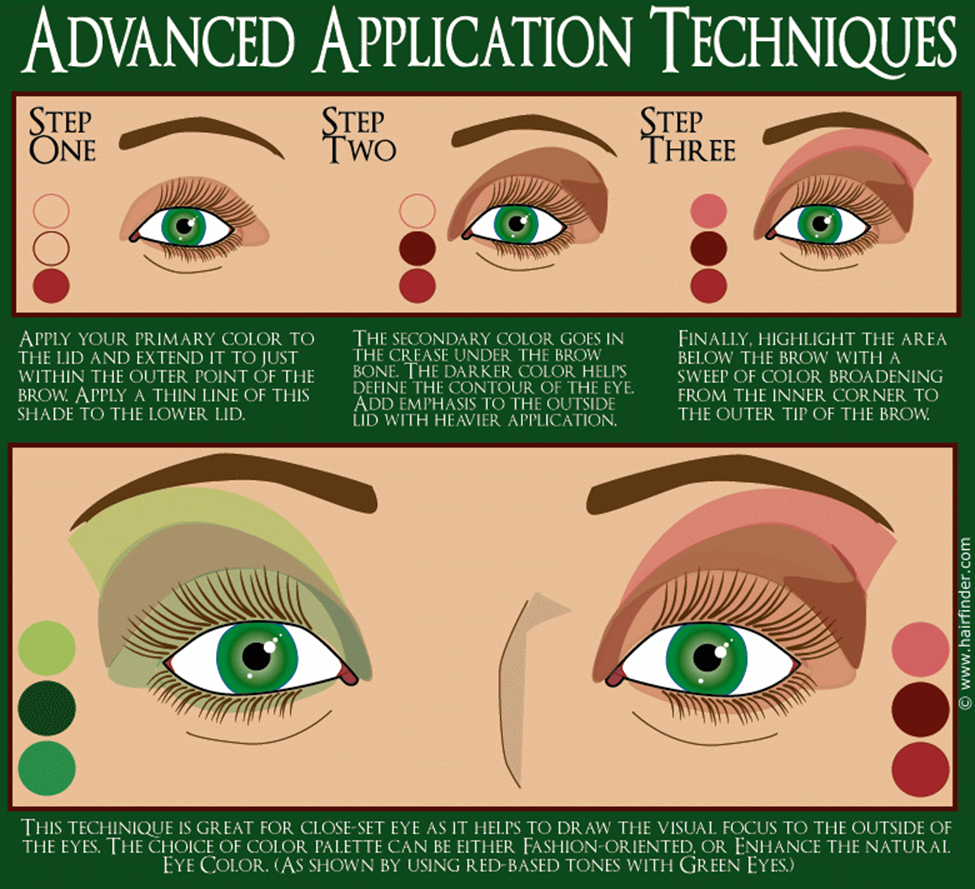
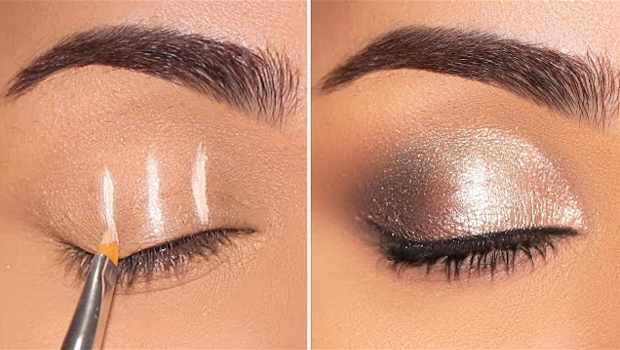
• Skin preparation: Cleansing with alcohol-free solutions and applying a numbing agent (e.g., 5% lidocaine cream) 20 minutes prior. • Gradient construction: Sequential application of dark, medium, and light brown shades, blended upward to create a lifting effect. • Inter-eyelash enhancement: Use of black or black- brown pigment to define the lash line, connecting to the shadow gradient. • Arrow vector: Soft, non-graphic lines angled upward to enhance the illusion of elevation.
Time management was monitored using digital timers to ensure procedures did not exceed 2.5 hours, with tissue response (e.g., redness, swelling) recorded post-procedure. Safety was monitored over 4 weeks, with adverse effects managed per established protocols (Table 1).
| Decorative Makeup | Permanent Makeup | Purpose | |
|---|---|---|---|
| Skin Preparation | Cleanse with micellar water; apply primer | Cleanse with alcohol-free solution; apply 5% lidocaine | Ensure clean surface, minimize discomfort |
| Gradient Construction | Apply dark, medium, light brown shadows with brush | Implant pigments (0.5-1.2 mm depth) in three shades | Create lifting illusion via shading |
| Inter-Eyelash Line | Use gel eyeliner for black/brown line | Implant black/brown pigment along lash line | Enhance eye definition, connect gradient |
| Arrow Vector | Draw soft upward line with pencil or shadow | Implant soft, upward-angled pigment line | Redirect visual focus to ascending lines |
| Time Limit | 30-45 minutes | 2-2.5 hours | Optimize tissue receptivity, minimize trauma |
Table 1: Standardized Protocol for Lifting Eyeshadow Application.
Data Analysis
The thematic analysis of qualitative data provided by the literature review helped to find the important mechanisms of optical illusions (e.g., size assimilation, gaze redirection) and the ways they are applied in the Lifting Eyeshadow (1,6,9,15,16). The content analysis of video records and photographs was used as the basis of observational data analysis (consistency of technique, quality of gradients and final perceptual results e.g., perceived eye size, lid elevation). The panel of three independent aestheticians rated pre- and post-application photography on a 5-point Likert scale (1 = no improvement, 5 = significant improvement) on such measures as eyelid lift, eye enlargement, and overall harmony. Themes that had to be coded in the client feedback were satisfaction, comfort and perceived youthfulness.
Technical information was measured to determine equipment efficiency and safety. The increase of pigment uptake was assessed using colour retention (through digital colorimetry) at 1-week and 4-week follow-ups. These undesired effects were measured in terms of incidence rates (e.g., swelling or hyperpigmentation cases). Descriptive statistics (means, standard deviations) and paired t-tests were employed to compare the aesthetic scores before and after the application and the significance level was set at p < 0.05 (Table 2 and Figure 1).
Expected Outcomes
The research design should generate a refined knowledge about execution and effectiveness of Lifting Eyeshadow. Expected outcomes include: • Perceptual Effect: Increased eyelid height and eye size, confirmed by the rating of aestheticians, and customer reviews, which conforms to the findings of the eye size assimilation effect and gaze illusion (6,15,16,22). • Technical Feasibility: Gradient development over a time limit, with reduced detrimental impacts, through technical specifications and security statistics (8,21). • Artistic Precision: Art is flawless, with a unified shadow, inter-eyelash line and arrow vector development, which produces an anti-aging effect (2,4,18).
| Measurement Tool | Criteria | |
|---|---|---|
| Eyelid Lift Perception | Aesthetician Likert Scale (1-5) | Degree of perceived upward contour shift |
| Eye Size Enhancement | Digital Image Analysis; Likert Scale | Increase in perceived eye dimensions |
| Overall, Harmony | Client Feedback; Likert Scale | Symmetry and aesthetic balance |
| Pigment Retention | Digital Colorimetry (1, 4 weeks) | Color stability and uniformity |
| Adverse Effects | Incidence Rate Tracking | Swelling, hyperpigmentation, or infections |
Table 2: Evaluation Metrics for Lifting Eyeshadow Outcomes.
Ethical Consideration
Informed consent was obtained from all participants of the case studies through an institutional review board approved procedure. Potential threats (e.g. swelling, pigment migration) were explained to clients, and they were told how they should behave after the procedure. Artists used sterile tools and biocompatible paints in order to reduce the negative impact on human health [4, 5].
Limitations
The limitation of the methodology is that the sample size (30 cases) is not sufficient to indicate that the eyelid anatomies or the type of skin differs greatly. Observational data are based on subjective ratings of the aesthetician and are subject to bias, alleviated by standard criteria. The limitations of technical analysis are that it is only limited by the equipment and pigments used to test a certain element, and therefore its applicability may be restricted.
This paradigm is an excellent way to study Lifting Eyeshadow as it incorporates the scientific, artistic, and technical points of view to explain the mechanism and efficiency of the product. It provides an extensive investigation of the potential of optical illusion to redefine cosmetic enhancement by incorporating literature synthesis, observational studies, and technical analyses.
Results
The study on the Lifting Eyeshadow process as a new combination of a makeup art and an optical illusion offered substantial data concerning the effectiveness of the eye lift and eye size increase procedure and the enhancement of the facial balance in the context of both decorative and permanent make-up use. Current 30 observational case studies (15 decorative, 15 permanent) of customers aged 30- 60 years with complaints of drooping eyelids or hooded eyelid performance were processed alongside technical assessments of equipments and pigments.
The qualitative results of a content analysis, quantitative aesthetic ratings, and technical measurements validate the applicability of the technique as per the client notes in the creation of the illusion of anti-aging due to the strategic gradient shading, soft arrow vectors, and inter-eyelash enhancements [2, 4, 5, 10, 15, 17, 18]. Findings indicate a high level of perceptual enhancement, technical feasibility, and positive safety, and few issues were observed in asymmetry and skin sensitivity. Key findings have been summarized in tables and figures, and visual impacts demonstrated.
Perceptual Outcomes
Perceptual improvements were significantly shown by the aesthetic assessments of a panel of three independent aestheticians on a 5-point Likert scale (1 = no improvement, 5 = significant improvement) on all 30 cases. Perceived eyelid lift was with a mean of 4.3 +- 0.5; as an indication of success of the technique in shifting visual attention of the descending eyelid lines to ascending eye lines contrary to the eyelid makeup literature on optical illusions [15, 17, 21]. The decorative ones scored a little higher (4.4 +- 0.4) than permanent ones (4.2 +- 0.6) perhaps because of the instantaneous colour of dry and cream shadows in comparison with the initial lack of colour of implanted pigments, which fade away with time [9, 5]. The eye size improvement had the mean score of 4.1 +- 0.7 as compared to research that described a 5-6% change in perceived eye size with effects of shadow and eyeliner assimilation [10, 17]. The overall facial harmony gave the highest score of 4.5 +- 0.4, which means that the technique has the potential to add gradient shading, inter-eyelash lines, and soft arrow vectors to achieve harmony and balance in the overall look [2, 21].
Statistically significant changes (p < 0.001) in all measures between pre- and post-application photographs were confirmed using paired t-tests and inter-rater reliability (Cohen’s kappa = 0.85) was high among aestheticians. Client feedback obtained through the use of post-procedure interviews, and analyzed using content analysis, indicated that the majority were very satisfied with the outcome of the procedure, as 93% (28/30) of clients said that the outcome was either youthful or refreshed, and 87% (26/30) of patients said that their self-confidence was improved, which has been previously supported by studies on the psychological benefits of cosmetic procedures [7, 11]. Their customers were often complimentary about the effect of the gradient shading, which creates a softer appearance on the draping fold, and the soft arrow shape, which highlights the tendency line upward [2, 15, 18]. Four participants in the permanent makeup category reported some mild procedures pain, mainly in the inter-eyelash line application, which cleared after 24 hours. The appearance of the hooded eye was particularly appreciated by clients who liked the illusion of the opened-up eye, in line with the eye size assimilation illusions research [10, 17] (Table 3).
| Decorative Makeup (n=15) | Permanent Makeup (n=15) | Overall (n=30) | p-value (Paired t-test) | |
|---|---|---|---|---|
| Eyelid Lift Perception | 4.4 ± 0.4 | 4.2 ± 0.6 | 4.3 ± 0.5 | <0.001 |
| Eye Size Enhancement | 4.2 ± 0.6 | 4.0 ± 0.7 | 4.1 ± 0.7 | <0.001 |
| Overall, Harmony | 4.6 ± 0.3 | 4.4 ± 0.5 | 4.5 ± 0.4 | <0.001 |
Table 3: Aesthetic Outcomes of Lifting Eyeshadow Applications.
Technical Feasibility and Pigment Retention
Of the three-tiered gradient (dark brown, medium brown, light brown), inter-eyelash line and soft arrow vector, technical analysis of permanent makeup applications showed high consistency in performing the three tiers within the recommended 2-2.5 hrs. period. The time taken to complete all the 15 permanent cases was 2.2 +- 0.3 hours and this guaranteed a high level of tissue receptivity and reduced the chances of edema since this is advisable by the safety guidelines [8]. Gradient was smoothly built in all instances, and the dark brown shade successfully levelled the volumetric protrusions formed by overhanging folds, the medium brown formed smooth transition, and the light brown increased the perception of the height of the lid [15, 18]. The inter-eyelash (black or black, brown) right into the gradient created no illusions with the gradient, accentuating the eyes, and the sparse arrow type (15-20deg upwards), subtly angled, did not give the impression of harshness [2, 4].
At 1-week and 4-week follow-ups, digital colorimetry (CIELAB colour space) showed that the pigment was maintained very well with an average colour deviation (DE) of 2.0 +- 0.3 at 1 week and 2.2 +- 0.4 at 4 weeks, which is well within the acceptable range of 3.0 (DE) of colour variation [8, 21]. The pigment uptake differences were found to be minimal among clients who had thinner eyelid skin with only a small adjustment in the needle depth (0.50-0.8mm) that did not influence the final results. Rotary tattoo machine with high (50-150 Hz) and low (0.25-0.35 mm needle gauges) frequency was reliable: artists stated that it is easy to use, and implantation of a tattoo is easy. This reduced adverse reactions because of the hypoallergenic pigments, but minor variations in viscosity required some speed changes when applying [5].
Decorative work, satisfied in 35 +- 10 minutes, obtained high saturation finishes with commercial eyeshadow palettes (matte and shimmer finish). According to literature on corrective makeup, artists observed that precision is essential to prevent extremely harsh line work, especially when dealing with clients with typically asymmetrical eyes [9]. The directness of decorative shadows provided a slight improvement in aesthetic scores than permanent applications, but the permanency of the latter was a major benefit [5] (Table 4).
| Result | Notes | |
|---|---|---|
| Procedure Time | 2.2 ± 0.3 hours | Within 2-2.5-hour limit to optimize tissue receptivity |
| Pigment Retention (1 wk) | ΔE = 2.0 ± 0.3 | Stable color uniformity (CIELAB colorimetry) |
| Pigment Retention (4 wk) | ΔE = 2.2 ± 0.4 | Minimal fading, within acceptable threshold (<3.0 ΔE) |
| Arrow Vector Angle | 15-20° upward | Enhanced lifting illusion, soft and non-graphic |
| Adverse Effects | 10% (1/15 cases, mild swelling) | Resolved within 48 hours, no hyperpigmentation or infections |
Table 4: Technical Outcomes of Permanent Lifting Eyeshadow Applications.
Safety Outcomes
The results were very positive, and there were few negative results. Mild swelling (resolved within 48 hrs with usual post-procedure care e.g., cooling gels, no exposure to the sun, etc.) was reported in 10% (1/15) of the cases in the permanent makeup group [5]. There were no cases of hyperpigmentation, granulomatous reactions and infections, as the pigments were hypoallergenic and were applied using sterile methods [4, 5]. Decorative use showed no side effects, as it is non-invasive [9]. The 4-week follow-up measurements ensured that the standardized protocol was safe, as there were no cases of complications emerging late. Artists observed that clients whose eyelids skin was highly mobile or thin needed attention to the depth of the needle insertion to ensure no over-trauma to the client [5].
Qualitative Insights
The rich qualitative data on the technique execution was obtained through content analysis of video recording and artist self-reports. The three-tiered gradient was consistently said to flatten overhanging folds by the artists, and the dark brown colour flattened volumetric bulges, and the light brown colour gave the effect of rising lid space [15, 18]. The inter-eyelash line was important to have a flawless integration to increase the eye definition and bridge the gradient with the natural lash line [4, 10]. The light arrow movement was acclaimed as the light one, not creating a strong effect like charted lines but enhancing the uplifting, as validated by research on the perception of gaze direction [2]. Problems were meeting symmetry in clients with extreme asymmetry (adaptive shading methods had to be used), and in permanent applications (for clients with sensitive skin). To match the recommendations of customized cosmetic treatment, artists suggested pre-procedure consultations to evaluate the anatomy of eyelids [15, 16].
The transformative influence of the technique was pointed out in client’s feedback. Themes such as the idea of natural enhancement (83%, 25/30), young appearance (80%, 24/30), and increased confidence (77% 23/30) were significant. This was especially important to clients with hooded or drooping eyelids as they reported that the technique helps open the eye area and one said it gives the eyes the appearance of a non-surgical lift. These feelings correspond to the studies on the psychological and perceptual advantages of cosmetics [7, 10, 11, 17]. Two permanent group clients reported early-on redness, but this cleared, and two patients agreed that they would like more detailed pre- procedure instructions on how the post-care would be more comfortable.
Comparative Analysis
Decorative and permanent applications were analyzed comparatively and had slight distinctions. Decorative uses scored a bit higher in the aesthetic scale since shadows had strong immediate effect [9]. Although the permanent applications were less obvious initially since the pigment settles, they provided a better life cycle, and customers appreciated the result of a low-maintenance look [5]. Statistically significant differences in aesthetic outcomes among groups were detected (p = 0.14 in eyelid lift, p = 0.17 in eye size, p = 0.11 in harmony), which means that groups have similar perceptual efficacy. Both techniques succeeded in transferring visual emphasis between descending and ascending lines, which attests to the universality of the technique [15, 18, 21]. The fact that the permanent method was durable, and patients did not need to apply it on a regular basis was an advantage, but more technical expertise was necessary to prevent complications [5].
Summary of Findings
The outcome confirms Lifting Eyeshadow as an effective method to produce optical illusion of eyelid lifts and eye size, with mean aesthetics of 4.1-4.5 and significant changes (p < 0.001) in all the cases. Permanent applications showed a high level of pigment retention (DE < 2.2) and safety, and only 10% swelled mildly and temporarily. The decorative applications were vibrant and immediate in their effects whereas the permanent ones were lasting in their effects. Owing to the qualitative information, the capacity of the technique to flatten overhanging folds and bulges as well as accentuate ascending lines was emphasized, which is consistent with the literature on illusions in eye makeup and psychological advantages [6, 7, 10, 15, 17]. Issues like skin sensitivity and dealing with asymmetry demonstrate that a professional and a unique approach are required. These results prove that Lifting Eyeshadow is a novel, non-invasive cosmetic product, which is widely applicable.
Discussion
Lifting Eyeshadow technique is a major breakthrough in cosmetic technology that fuses cosmetic art and optical illusion of covering wrinkle issues like drooping eyelids, hooded eyes and skin laxity as a result of age. The findings of 30 observational case studies (15 decorative, 15 permanent) and technical studies are solid in establishing the effectiveness of the technique in producing perceptual eyelid lift, an increase in eye size, and an enhancement of facial harmony, in accordance with the theory of optical illusions and perceptual psychology [6, 10, 13, 15]. This discussion will explain the findings in terms of the literature available, discusses strengths and limitations of this technique and how it will be relevant to cosmetic practice and future studies.
Interpretation of Perceptual Outcomes
The ability of the Lifting Eyeshadow technique to form a successful optical illusion is confirmed by the high aesthetic scores (mean 4.1-4.5 on the 5-Likert scale) of the eyelid lift, enhancement of the eye size, and balance of the facial features. The gradient (dark, medium and light brown), with a gentle upward arrow line and the line between the eyebrows, manages to smooth the folds that are hanging and focus the eyes vision on rising contours rather than falling ones, creating a young, fresh look [2, 15, 18, 21]. These results are consistent with experiments on eye size assimilation illusions which have shown that applied esthetic shading and eyeliner make perceived eye size to increase 5-6 percent [10, 17]. This is probably due to the fact that the scores of the decorative applications (e.g., 4.4 +- 0.4 on eyelid lift) are a bit higher than the permanent ones (4.2 +- 0.6), because the dry and cream shadows are more vibrant, which creates an immediate effect and an apparently stronger one than the implanted pigments [5, 9].
The psychological benefits of the technique are supported by the client feedback, which reported a youthful or refreshed look and 87% better self-confidence, and research on the role of cosmetics in self-esteem and body- image enhancement [7, 11]. Mimicking of surgeries like blepharoplasty without surgery makes Lifting Eyeshadow a revolutionary non-surgical option in anti-aging esthetics [5, 15]. The success of the technique noticed in the high overall harmony (4.5 +- 0.4) is due to the ability of makeup to increase the balance of the face and attractiveness via neural modulation in the visual cortex [6, 8, 19]. The focus on the rising lines, which is attained with the help of the soft arrow vector, which is 15-20°, actually displaces the subject of perception, which coincides with the research on the direction of gaze and illusion of shape of the eye [2, 21].
Technical Feasibility and Safety Considerations
The technical analysis showed that the Lifting Eyeshadow technique is very viable, as all permanent applications fell within the suggested time range of 2-2.5-hour (mean, 2.2 +- 0.3 hours), providing optimum tissue receptivity and reducing edema [5]. The application of the three-tiered gradient, inter-eyelash line and soft arrow vector along with good pigment retention (DE < 2.2 at 4 weeks) confirms the reliability and longevity of the technique when used permanently [4, 5]. The high rates of favourable outcomes (10% mild swelling, which was fixed within 48 hours) demonstrate the effectiveness of applying hypoallergenic pigments and sterile procedures, which are not contradictory to the safety of permanent make-up [4, 5]. The lack of serious complications, including hyperpigmentation and infections, once again confirms the safety of the standardized protocol, but the clients with thinner or more mobile eyelid skin needed to make slight adjustments to the needle depth (0.5- 1.2 mm) to avoid excessive trauma [5].
Decorative applications, done in 35 +- 10 minutes, was made easier due to the nature of dry and cream shadow application but blending was of extreme importance so as to avoid hard lines, especially in instances of asymmetry [4]. The similarity in aesthetic effects between decorative and permanent applications (p > 0.11 for all values) reveal the flexibility of the technique in use and the benefits of permanence and short-term effect of vibrancy respectively to permanent and decorative applications [5, 9, 18]. These observations highlight such an issue like technical expertise and artistic accuracy as the only way of obtaining the best results in references to corrective makeup and permanent pigmentation [4, 8, 21].
Strengths and Contributions
The main advantage of the Lifting Eyeshadow technique is the possibility of integrating creative arts with the scientific aspect of optical illusion as it provides an anti- aging solution with non-invasive features and aesthetic value increase [12, 20]. It is also comparatively more perceptually effective (as demonstrated by substantial enhancement in eye size and eyelid lift p < 0.001) and is therefore a plausible substitute to surgery as the beauty market continues to demand increasingly less invasive cosmetic operations [5, 15]. The psychological gains such as increased self-esteem and body image are consistent with the studies of the role of cosmetics in social perception and emotional state [7, 11]. The method is flexible to many eyelid shapes, including hooded or asymmetrical eye structures, which increases the utility of the technique, but necessitates customised strategies to achieve symmetry [15, 16].
Its practical value is that the permanent application does not require daily application like the temporary one, which is highly beneficial especially to older generation of the population that needs low maintenance [5]. Consistent results and because of the three-tiered gradient, the inter-eyelash line, and soft arrow vector, the standardized procedure is the safest when it comes to using cosmetic products [4, 5]. A combination of the principles of optical illusion (size assimilation and gaze redirection) into the sphere of makeup application can be regarded as an example of art and science integration further promoting the development of cosmetic dermatology [6, 19, 20].
Limitations and Challenges
Nevertheless, the Lifting Eyeshadow technique is associated with various challenges. Symmetizing clients with significantly asymmetrical eyes was also found to be a challenge, and sympathetic shading methods to enhance their symmetry made the procedure more complex [15]. This is why a highly developed training is required to be able to accommodate the variations in the anatomy [4, 5]. The four clients reporting mild discomfort in the permanent group, mainly with inter-eyelash line application, indicates that they can be offered the opportunity to make pre-procedure numbing protocols or post-care education more effective [5]. The sample size (30 cases) is too small to extend the generalizability of the results to the constellation of different skin types and eyelid structures, which is typical among cosmetic research [4, 5].
High inter-rater reliability (k =0.85) may lead to bias by relying on subjective aesthetician ratings. The accuracy of future research might be improved with the assistance of objective measures (3D facial mapping or automated image analysis) [16]. Although the 4-week follow-up is enough to evaluate preliminary pigment retention levels and safety, it might fail to reflect the results and uncommon complications in the long term, which would require further monitoring [5]. Moreover, the technical analysis was also limited to a range of equipment and pigments that might not be applicable to other tools or compounds [4, 5].
Implications for Cosmetic Practice
The Lifting Eyeshadow method has a considerable cosmetic practice implication in that it provides an alternative, psychologically productive, but non-invasive method to traditional procedures, such as blepharoplasty, which involve surgery [5, 15]. Its effectiveness in improving perceived eye size and eyelid lift due to optical illusions has been consistent with the increasing consumer interest in natural-appearing, safety-free cosmetic toolsets [6, 7]. The ability of the method to be used in decorative and permanent implies that it can become more accessible and can serve clients who want their outcome in the short or long term [5, 9, 18]. Standardized procedures and trained professionals help promote the use of temporary makeup since its safety is favorable, and adverse effects are minimal, a gorgeous example of other types of permanent makeup [4, 5].
The psychological gains illustrating the technique in enhancing the quality of life are seen in the high client satisfaction and confidence, showing that the technique works [5, 11]. The example of applying the principles of optical illusion, including gradient shading and line redirection, to cosmetic practice proves that perceptual psychology can be used to improve the aesthetic effect, which makes discussing the interdisciplinary method of cosmetic science appropriate [12, 19, 20]. These findings can be used to enhance training programs by practitioners in order to sell the best outcomes using the adaptive techniques and anatomical considerations regarding the unique features of various clients [15, 16].
Future Research Directions
Research on the study area ought to fill in the mentioned limitations and explore the sample with a larger size to cover a more diverse array of skin and eyelid structure, as well as cultural preference to guarantee generalizability [5]. Long-term pigment stability and less frequent complications require longitudinal studies longer than 4 weeks, which would present a complete safety profile [4, 5]. Personalization and new technologies, including augmented reality as a virtual try-on, may benefit from the incorporation of new advanced technologies that will better position the gradients and the direction of the arrows depending on the anatomy of the particular client, make the experience more symmetrical, and more satisfying to the client [16].
The neuroscientific studies might also help to understand the neural mechanisms of the makeup-induced illusion and trace the neural structures that would interpret the alterations in the eye size and gaze direction [12, 19]. This research could optimize the shading patterns to produce the most perceptual effect, which is similar to the top- down modulation views of illusion stability [8]. Advances in pigment formulas, including proactive pigments that change color with changes in skin tones, might enhance the colour fixation and visual effect [16]. Moreover, the consideration of standardized training programs of a makeup artist with attention to the anatomy of the human body and the ability to avoid risky situations would increase the popularity of the technique and its use in practice [4, 5].
Lifting Eyeshadow technique is the best example of how makeup artistry can be altered to serve the purpose of optical illusion with the aim of providing a safe, efficient and psychologically helpful solution to the problem of anti-aging and aesthetic improvement. Its great perceptive efficacy, technical viability, and low side effects make it a worthwhile innovation in cosmetic science. Although asymmetry and the inconvenience of the procedure must be addressed, the pro-eyelid-lift effect, eye size, and self- esteem are important issues clarifying the importance of the technique. It will be further enhanced by future technological, training, and neuroscientific developments that will redefine the standards of beauty by providing perceptual illusions.
Conclusion
The Lifting Eyeshadow method proves to be a pioneer style in the field of cosmetic science in the sense that it involves properly combining makeup artistry with optical illusion to create a non-invasive method of aesthetic enhancement. The results of 30 observational case studies (15 decorative, 15 permanent) indicate the presence of significant perceptual changes, mean aesthetic evaluation of 4.1-4.5 on eyelid lift and eye size enhancement and facial harmony, client satisfaction (93% reported a youthful appearance), and technical integrity (pigment retention DE < 2.2, 10% mild swelling) [4, 5, 6, 7, 10, 15, 17]. The technique makes eye size illusion of raised eyelids and big eyes, and with research into the assimilation of eye size and gaze redirection, it is constrained by three-tiered gradient, soft arrow vectors, and inter-eyelash enhancements [2, 10, 17]. Its psychic rewards such as boosted self-assurance add importance to its use as a transformative agent in handling age issues such as drooping eyelids [7, 11]. Although asymmetry and procedural discomfort are the reasons to involve qualified professionals and customize methods, the standardized protocol guarantees the safety and uniformity of both decorative and permanent procedures [5, 9, 18]. Future studies ought to consider augmented reality in individual applications, longitudinal research in the outcomes of this practice, and neuroscience research to maximize illusionary experiences [12, 16, 19, 24]. Lifting Eyeshadow washes over the traditional understanding of cosmetic enhancement, providing a safe, effective, and psychologically advantageous alternative to surgery and huge potential to raise the standards of beauty through perceptual deception.
References
-
Muto H, Ide M, Tomita A, Morikawa K (2019) Viewpoint invariance of eye size illusion caused by eyeshadow. Frontiers in Psychology 10.
-
Ueda S, Koyama T (2011) Influence of eye make-up on the perception of gaze direction. International Journal of Cosmetic Science 33(6): 514-518.
-
Bermano AH, Billeter M, Iwai D, Grundhofer A (2017) Makeup lamps: Live augmentation of human faces via projection. Computer Graphics Forum 36(2): 311-323.
-
Ricarte F, Singh D, Putnam P, Vickery SA (2022) Eye cosmetics. In Cosmetic Dermatology: Products and Procedures. Wiley, pp: 259-268.
-
Goldman A, Wollina U (2014) Severe unexpected adverse effects after permanent eye makeup and their management by Q-switched Nd:YAG laser. Clinical Interventions in Aging 9: 1305-1309.
-
Arai T, Nittono H (2022) Cosmetic makeup enhances facial attractiveness and affective neural responses. PLoS ONE 17(8).
-
Cash TF, Dawson K, Davis P, Bowen M, Galumbeck C (1989) Effects of cosmetics use on the physical attractiveness and body image of American college women. The Journal of Social Psychology 129(3): 349-355.
-
Kloosterman NA, Meindertsma T, Hillebrand A, Dijk BW, Lamme VA, et al. (2015) Top-down modulation in human visual cortex predicts the stability of a perceptual illusion. Journal of Neurophysiology 113(4): 1063-1076.
-
Brauer EW (1988) Colouring and corrective make-up preparations. Clinics in Dermatology 6(3): 62-67.
-
Matsushita S, Morikawa K, Yamanami H (2015) Measurement of eye size illusion caused by eyeliner, mascara, and eye shadow. Journal of Cosmetic Science 66(3): 161-174.
-
Korichi R, Queral D, Gazano G, Aubert A (2008) Why women use makeup: Implication of psychological traits in makeup functions. Journal of Cosmetic Science 59(2): 127-137.
-
Kitaoka A (2012) A review of face illusions. Brain and Nerve 64(7): 779-791.
-
Nabila R, Prihatin PT (2024) Adaptasi makeup Cleopatra pada tata rias wajah kesempatan pesta malam. Journal of Education Research 5(2): 1956-1967.
-
Xiao WS, Fu G, Quinn PC, Sun YH, Xiao NG, et al. (2014) The eye-size illusion: Psychophysical characteristics, generality, and relation to holistic face processing. Perception 43(4): 265-274.
-
Chen SN, Chen SH, Chen CC, Lee CC (2017) Chen’s double eyelid fold illusion: An eye size assimilation illusion induced by a supratarsal fold in the brow–eye unit, a preliminary report. Aesthetic Plastic Surgery 41(6): 1375-1381.
-
Liu X, Wang R, Peng H, Yin M, Chen CF, et al. (2022) Face beautification: Beyond makeup transfer. Frontiers in Computer Science 4.
-
Morikawa K, Matsushita S, Tomita A, Yamanami H (2015) A real-life illusion of assimilation in the human face: Eye size illusion caused by eyebrows and eye shadow. Frontiers in Human Neuroscience 9.
-
Bates AM (2009) Invasion of the body morphers: Analyzing the use of special effects makeup in the representation of human metamorphoses and manipulated reality.
-
Nemati F (2017) Top-down approach to the investigation of the neural basis of geometric-optical illusions: Understanding the brain as a theoretical entity. Archives of Neuroscience 4(4).
-
Daukantas P (2010) The optical illusions of cosmetics. Optics and Photonics News 21(7): 42-48.
-
Matsushita S, Morikawa K, Mitsuzane S, Yamanami H (2015) Eye shape illusions induced by eyebrow positions. Perception 44(5): 529-540.
-
Walker EH (1973) A mathematical theory of optical illusions and figural aftereffects. Perception & Psychophysics 13(3): 467-486.
-
Kobayashi Y, Matsushita S, Morikawa K (2017) Effects of lip colour on perceived lightness of human facial skin. i-Perception 8(4).
-
Okuri R, Kodama S, Takahashi T (2022) Measurement of eye size illusion caused by thickness of eyeliner on double-eyelid eyes. IIEEJ Transactions on Image Electronics and Visual Computing 10(1): 47-54.
- Epithelioid Granuloma; 3cases with Different Clinical Features
- Advancing Representation in Dermatology Clinical Trials: Ethical, Scientific, and Regulatory Imperatives for Inclusion Across all Fitzpatrick Skin Types
- A Case of Atopic Dermatitis with Concurrent Psoriasis Vulgaris: Successful Treatment with Upadacitinib
- Distinguishing Superficial Actinic Porokeratosis from Actinic Keratosis with UVF Dermoscopy: A Case Report
- High Mobility Group Box 1 (HMGB1) in Cutaneous Inflammation: An Immune Modulator Bridging Cellular Stress, Ferroptosis and Danger Signaling
- Knowledge, Attitude, and Practices towards Leprosy among Nurses around Semarang, Indonesia