
Intragastric Balloon for Overweight and Obesity
Incidence of obesity is increasing world over. It leads to various medical problems and health risks. It is very important to understand the issues and try to rectify it in time.
Introduction
Incidence of obesity is increasing world over. It leads to various medical problems and health risks. It is very
What is Metabolic Syndrome?
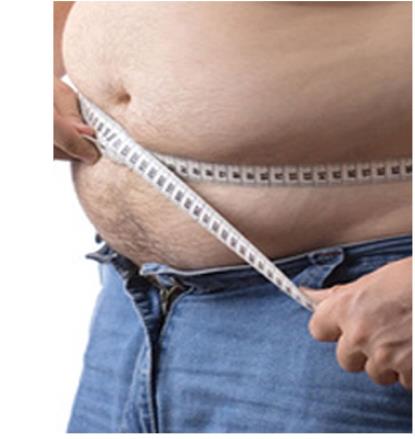
Metabolic syndrome is a condition in which excess body fat has accumulated to such an extent that health may be negatively affected and life span is shortened. It is a group of diseases where increased abdominal girth (more than 90cm in males and more than 80 cm in females) generally is associated with increase BMI, diabetes, hyperlipidemia, hypertension, polycystic ovaries, sleep apnoea and non-alcoholic steato hepatitis (fatty liver). Globally 671 million people are affected by obesity.
important to understand the issues and try to rectify it in time.
Obesity occurs over a period of time when you eat more calories than you burn. The balance between calories-in and calories-out differs for each person. Factors that might tilt the balance include you genetic makeup, overeating, eating high – fat foods and not being physically active. Hormones in the gut like Ghrelin, GLP1 also play a role. Adipose tissue secretes adipokines and free fatty acids into blood which in-turn produce insulin resistance and thus lead to diabetes, high blood pressure, high cholesterol and other obesity related disease.
Metabolic syndrome raises concern because of its implications on the health. It increases the risk of many diseases and health conditions. These include:
- Type 2 diabetes
- Coronary heart disease (Heart attack)
- Hypertension (high blood pressure)
- Cancers (endometrial , breast and colon)
- Dyslipidemia (high total cholesterol and triglyceridemia)
- Stroke
- Liver and gallbladder disease
- Sleep apnea and respiratory problems
- Osteoarthritis
- Mental disorders
- Polycystic ovary disease & Infertility Figure 4: Type 2 diabetes.
Metabolic Syndrome can be treated effectively Treating Metabolic Syndrome involves more than keeping to a certain diet or taking a tablet. It requires multidisciplinary assessment, which involves several specialists collaborating as a team. The team often comprises a dietician, psychologist, gastroenterologist, cardiologist, pulmonologist, diabetologist, surgeon, anaesthesiologist and intensive care specialist. Treatment can be adapted to the needs of the patient and may include: Psychological support, diet and exercise, medical treatment, endoscopic balloon placements and Metabolic Surgery. Intragastric Balloon (IGB) is placement of a deflated balloon in the stomach using endoscopy and then filling it to decrease the amount of intragastric space. It can be left in the stomach for a period of 6 months and results in average weight loss of 10-15 kg in half a year. It may be used in patients who are overweight and not coming to the category of sleeve gastrectomy. If you suffer from Metabolic Syndrome and have tried various treatments without results, metabolic surgery may be indicated. At present, surgery combined with behavioural changes is the only documented method for achieving long lasting weight loss for patients with morbid obesity.
Intragastric Balloon
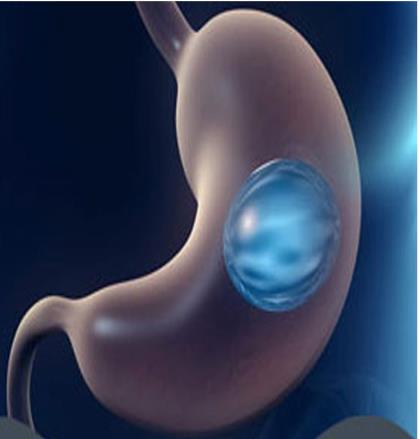
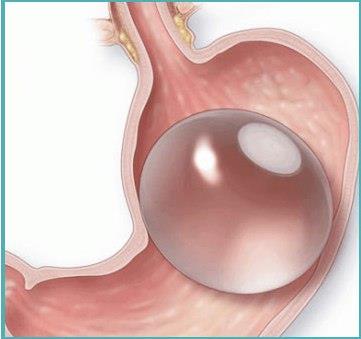
A silicon balloon is placed in the stomach, under endoscopic guidance. A gastric balloon aims to reduce feeling of hunger and helps to feel fullness of stomach. The intragastric balloon device is not considered a permanent weight loss procedure. There are different types and sizes of balloons in the market. All balloons are temporary and need to be removed after a period of time (6-12 months).
Indications
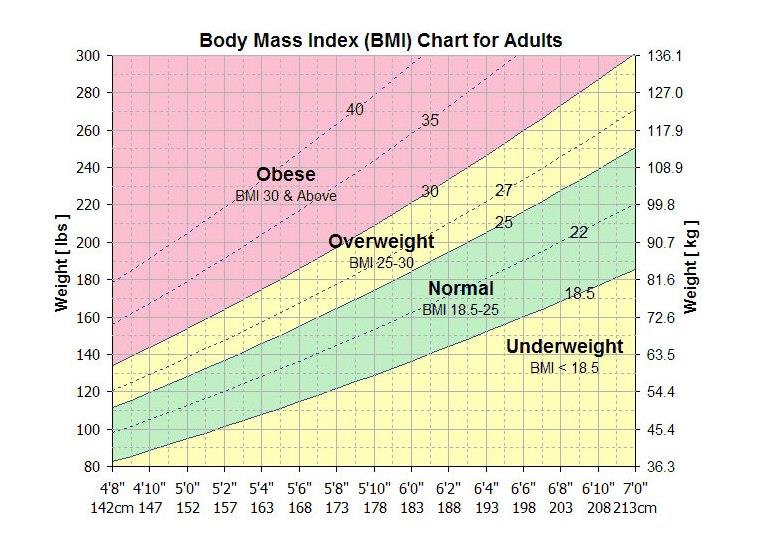
- More than 30 BMI - obesity class I (BMI 27.5 – 32)
- Class II obesity (BMI 32-37) in whom surgery is not possible due to medical conditions or patient’s dislike for surgery.
- In Morbidly obese (BMI > 37) as a procedure before bariatric surgery to reduce surgical morbidity.
- Any patient with an excess weight of 10 -20 kg (BMI 23-27.4), with failed dietary measures especially in cases with PCOD (Polycystic Ovarian Disease) and infertility. (Obesity class is based on guidelines for Asian population).
Multidisciplinary approach- Bariatric Team
The insertion of balloon does not require surgery. You will be supported by a multidisciplinary team that includes a bariatric surgeon, a gastroenterologist, a dietician and an anaesthesiologist.
Doctor consultation helps in
- Assessment
- Guidance
- Discussion about various procedures. You may ask any questions that you feel are necessary.
- The team confirms that intragastric balloon is a good option for you.
After this you may be advised investigations and consultations that are felt necessary for the assessment of your health condition.
IGB preprocedural Evaluation
- Hemogram, RBS, HbA1C
- Liver function test, Lipid Profile, Thyroid function test, Renal function test
- S. Calcium, S. Magnesium
- S. Cortisol, Blood Group
- Hbs Ag, HIV I & II, Anti HCV, VDRL , Urine RE
- C peptide fasting, C peptide 1 hr pp, Insulin fasting
- GAD Antibodies , IA2 Antibodies (in diabetic patients)
- ECG, X-Ray Chest PA, USG abdomen, Dexa Scan. Consultations: Anaesthesia, Cardiology, Counselling, Diabetology, Dietician
The placement of the Intragastric balloon
Your doctor does an endoscopy under mild anaesthesia with a flexible tube equipped with a camera to see the inside of the stomach. If there is no local disease during endoscopy he sets up the intragastric balloon in the stomach. The gastric balloon consists of a silicon elastomer based material. It is soft and pliable. It is inserted uninflected through the mouth and down the esophagus. It is coated with a local anaesthetic to facilitate the passage. Once the balloon is in the stomach, it is filled with a sterile saline solution colored in blue (BIB system) or air (Heliosphere system), through a catheter attached to the balloon. When a balloon is filled, the doctor gently pulls on the inner end of the catheter to remove it. The balloon has a self-sealing valve that prevents the leakage of liquid or air. The balloon floats freely in the stomach. The procedure time is about 20 minutes. You will be monitored in the hospital for a few hours before returning home (Generally overnight)
Medications
During the initial days of the insertion of the balloon, nausea, vomiting, abdominal pain, acid reflux are common. Your doctor would prescribe medications to minimize gastritis. Medicines for nutritional supplementation/ multi-vitamins may not be generally needed. You can contact the doctor during the following days. You have to have food as prescribed by the dietician. It is important to drink more water to avoid dehydration. Some patients take a light meal. A radiograph of abdomen or abdominal ultrasound is rarely indicated for persistent abdominal pain. Nutritional assessment is done after one month and three months. A consultation (in person or by phone) every month will be scheduled. The consultations help to assess the progress of weight loss.
Dietary Counselling
The first consultation is scheduled a week later. Nutritional and behavioural modification is the key to lose weight and keeps it off after removal of the balloon. Your physical activity is evaluated and diet is adjusted to your body needs and profession. A psychological treatment may be necessary in case of eating disorders.
The Intragastric Balloon Withdrawal / Removal
Intra gastric balloon is removed when:
- Weight loss is adequate.
- 6-8 months time
- Spontaneous rupture
- Patient not tolerating Removing the balloon is carried out after 6 months. The balloon is no longer effective because the stomach has adapted to it. The gastric secretions make it porous and then it can deflate. The gastric balloon is removed the same way it has been introduced - through the esophagus and mouth - without surgery. The removal is performed under mild general anaesthesia under endoscopic control. The removal lasts around 15 minutes. The balloon is punctured and the fluid or air is removed and then the empty balloon is brought outside.
Complications
No major complication. Nausea and vomiting during the first week in 7.4 % which settles itself
- Overweight & Obesity causes major health risks.
- Get rid of your excess – weight related diseases
- Intragastric balloon in time may avoid a surgical option later.
Frequently Asked Questions
How much weight can I loose with gastric balloon?
The balloon is an effective aid for losing weight in combination with diet and eating behavior modification program. Dietary counseling is done monthly and sometimes more frequently if needed. The weight you lose will depend on your motivation and the quality of diet. The balloon is not an appetite suppressant. This an effective aid for the modification of habits and eating behavior. The weight loss is between 10 and 20 kg for 6 months when the balloon is in place. After its removal the weight maintenance and prevention of weight regain will depend on how you adapt long-term lifestyle changes in eating and exercise. It is therefore important to continue the diet plan after removal of balloon.
Our result: out of 75 cases
- Average weight loss:- 15 to 20 kg
- Diabetes, Hypertension, Dyslipidemia • Complete resolution: - 50% • Reduction of medicines: - 50%
- Rate of PCOD resolution with positive pregnancy is excellent
- Sleep apnea (Snoring) very good control
- Investigation of Polymorphisms in PPAR-Ɣ and TRHR Genes and their Impact on Turkish Diabetic and Obese Individuals
- The Impact of Aircraft Noise Exposure on the Efficacy of Empagliflozin Therapy in an Animal Model of Obesity
- Rooibos Mitigates Metabolic and Inflammatory Dysfunctions in Mice Fed a High-Carbohydrate Diet
- Synergistic Effect of Combined Leaf Extract of Vernonia amygdalina, Ocimum gratissimum, and Zingiber officinale Tuber on Phytochemical Profile, Antioxidant Activity, Serum Insulin, and Biochemical Parameters in Streptozotocin-Induced Diabetic Rats
- Investigation of Cardiovascular Responses to Aerobic Exercise in Obese University Students
- A Look at the Phase Angle Obtained by Electrical Bioimpedance