
Unveiling the Power of Alkaline Water- A Comprehensive Guide to its Health Benefits of Diabetes
A growing body of research, based on both animal and clinical investigations, suggests that drinking Alkaline Ionized Water (AIW) has health advantages. Based on its capacity to scavenge and neutralise radicals found in cells, AIW has been linked to several health advantages. AIW can shield other molecules, including proteins, from oxidative damage. As a result, it could be crucial in improving a variety of conditions, including diabetes, cancer, and renal impairment. This article will discuss the health benefits of alkaline ionized water and the balance between acidity and alkalinity of the body.
Abbreviations
CE: European Commission; RBCs: Red Blood Cells; AIW: Alkaline Ionized Water.
Introduction
Understanding Alkaline Water
Water, which makes up more than 70% of the human body, is essential to almost every process in life. Colourless, clear, tasteless, odourless, inorganic, and chemical substances are the main characteristics of water. It is a vital but frequently underestimated requirement that is involved in the majority of biochemical reactions; it is a component of body fluids such as blood, lymph, cerebrospinal fluid, saliva, and other digestive fluids; it is also necessary for joint lubrication, detoxification, and blood pressure maintenance. However, it is much more than just an ingredient. The pH level of alkaline water is greater than that of regular drinking water. Cellular system control may be affected by water treatment.
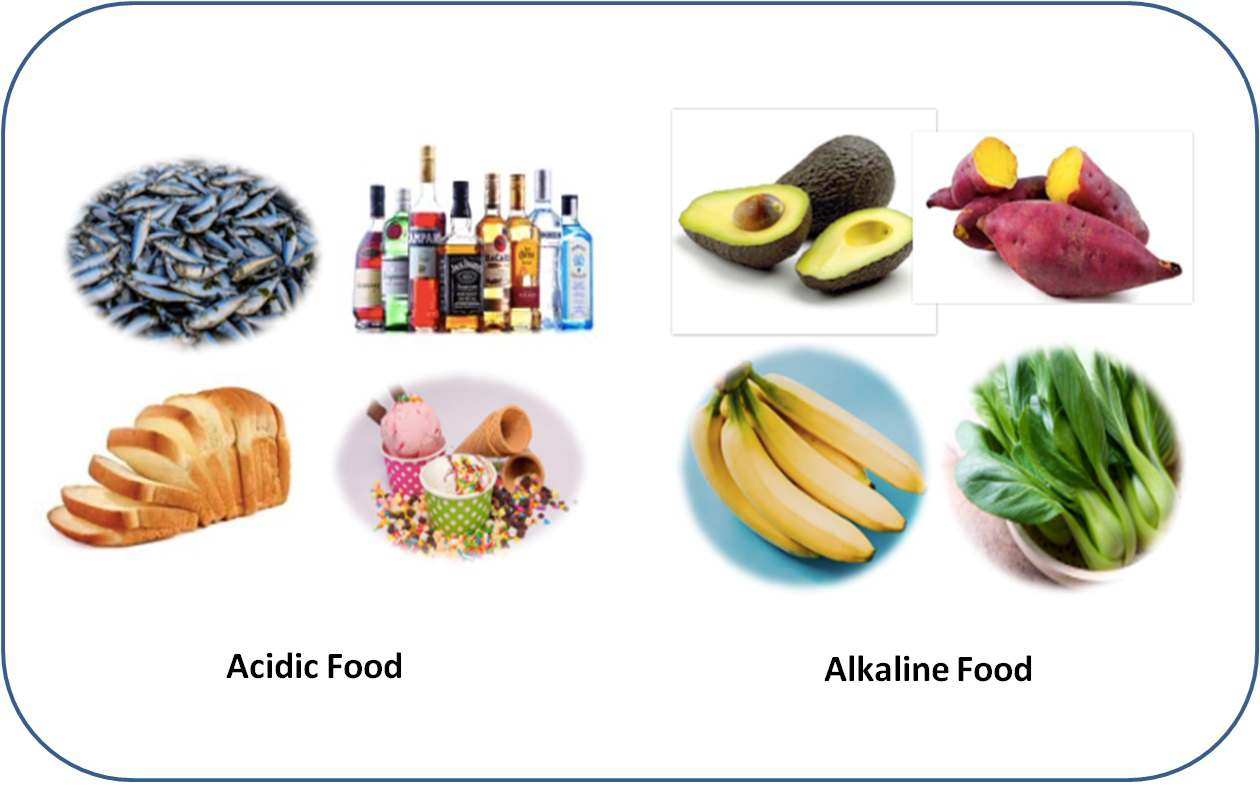
Additionally, it has joint pain-relieving properties and enhances muscular strength by promoting joint mobility and muscle flexibility [1]. Typically, alkaline water has a pH of 8 or 9. The body may become more acidic after consuming acidic meals like citrus fruits, processed foods, or fizzy drinks (Figure 1). It is believed that alkaline water will counteract this acidity by increasing pH, which may lessen the body’s total acidic burden. The electrolysis of water results in the production of alkaline ionised water.
Particularly in relation to its impact on human health, it has attracted a lot of study interest. There was a claim made regarding the antioxidant and radical-scavenging abilities of alkaline ionised water. According to a new field of study on water, water dynamics and structure are far more complicated than previously believed. Water is an intricate, dynamic liquid that reacts to its surroundings [2, 3]. Table 1 shows the different pH of water used for different purposes.
| S. No | Type of water | pH value | Applications |
|---|---|---|---|
| 1 | Very strong acidic water | 2.7-4.5 | For tooth brush disinfectant, as mouth wash and for disinfecting the surfaces |
| 2 | Higher acidic water | 4.5-6.5 | Pet cleaning, face wash, hair cleaning, polishing, preservation of fruit and vegetables. |
| 3 | BIS recommended Drinking water | 6.5-8.5 | Drinking water for all |
| 4 | Higher Alkalinity Water | 8.5-9.5 | Watering the plants |
| Mix with tea and coffee | |||
| Good to use during the preparation of handmade sauces etc. | |||
| Maximum amount of this water should be drunk is 2 litres/day | |||
| 5 | Strong alkalinity water | 9.5 -10.5 | Stain removal from hard surface clothes or carpets |
| Clean kitchen counters, stovetops and other greasy or dirty surfaces. | |||
| This strong alkalinity water can remove the pesticides and oil/wax from vegetables or fruits. |
Table 1: Applications of Alkaline water.
History and Properties of Alkaline Water
In Japan, the Ministry of Health, Labour, and Welfare approved the use of alkaline reduced water generated by home electrolysis equipment in 1965 as a treatment for gastrointestinal ailments. These days, these gadgets are widely accessible and without reservation in a number of nations. In addition to gastrointestinal issues, the device’s marketing literature suggests drinking one to one and a half litres of water daily for a host of other ailments including diabetes, cancer, inflammation, and the like [4].
Only since 1990 has academic study on this topic been conducted in Japan, but it has already been shown that the active component is dissolved dihydrogen, which in vivo removes the free radical HO•.
Furthermore, it was shown that the device’s operation generates highly reactive platinum nanoparticles, the toxicity of which has not yet been established, when the electrodes deteriorate. Water ionisers were first created in Japan, where they are now a significant and rapidly expanding business. The Association of Alkaline Ionised Water Apparatus is an organisation that several manufacturers have banded together to join. The Ministry of Health, Labour, and Welfare in Japan endorses this association but also demands assurances regarding the safety and calibre of water generated by water ionisers. Although these imported appliances entering Europe bear the CE (European Commission) designation, they are not currently classified as medical devices and are thus exempt from the stringent regulations enforced by the health authorities [5].
Research and observations about the impact of consuming AIW on health: A study from Rubik
The body loses water as we age, which causes the biggest physiological shift rather than changes to our bio molecules [6]. A newborn’s body is more than 80% water, however an adult over 70 years old’s body is usually made up of not quite 60% water. The quality of drinking water is a major worry for many people worldwide these days [7]. For a variety of reasons, a lot of individuals choose to drink commercially bottled water, yet its healthfulness is in doubt. Certain device makers assert that water that has been “energized” by electromagnetic fields, vortexes, or other physical methods is healthier than untreated water and may even delay the aging process [6].
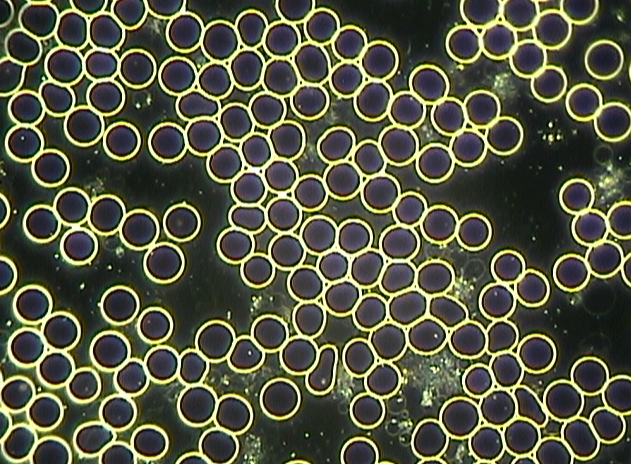
Figure 2 displays a microphotograph from a live blood analysis. This image shows the typical, healthy blood of a 37-year-old woman who has fasted. Red blood cells (RBCs) are thought of as spherical, solitary, free cells. There are very few platelet aggregates seen as grey patches in the plasma. The blood sample does not include any clotting factors or RBC stickiness.
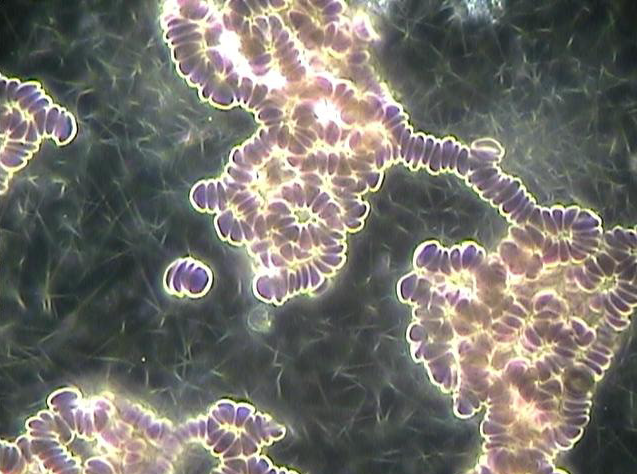
On the other hand, Figure 3 depicts the blood of a 65-year- old man. This blood type is similarly similar to that of many older people. When the RBCs are clumped together firmly in rouleau, they resemble sharply edged coins. The presence of fibrin, or white threads, indicates that blood clotting and coagulation have begun. This is how systemic inflammation looks like. Since a single RBC can only pass through the tiniest capillaries, the subject’s peripheral circulation was similarly compromised. Elderly people sometimes complain of having poor circulation in their extremities. The 65-year- old subject, M, did not alter her food or way of living after the test; instead, she drank one to 1.5 litres of ERW every day from an ioniser for six months.
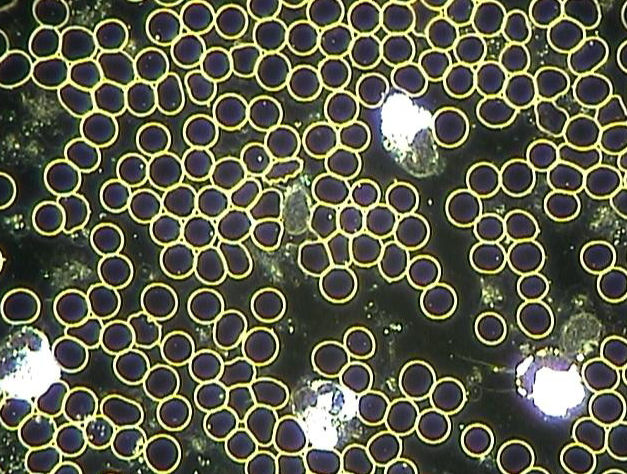
Six months later, Figure 4 displays the same person’s blood. There are no longer any RBC stickiness, aggregation, or clotting factors. Observing this alteration in the blood of an elderly person is really remarkable. Several more examples have also been seen, even though this one is the only one that is given here.
AIW is referred to as commercially available water with high pH value. The pH is a measure of the acid-base balance of water. Typically, the pH of natural water ranges between 6.5 and 8.5, and it is controlled by the carbon dioxide-bicarbonate- carbonate equilibrium system [8]. Acidic water is the result of a decrease in pH caused by an increase in dissolved carbon dioxide. On the other hand, lower carbon dioxide content raises the pH of water, producing alkaline water.
Potential Role of Alkaline Water in Diabetes Management
Diabetes is a metabolic disorder characterized by high blood sugar levels due to inadequate insulin production or impaired insulin function. This condition can lead to various health complications if not properly managed. One potential avenue of exploration in diabetes management is the role of alkaline water. Alkaline water has gained attention for its potential benefits in overall health and hydration [9, 10].
There is limited research specifically focusing on the effects of alkaline water on diabetes management. However, some studies have suggested that alkaline water might help in regulating blood sugar levels and improving insulin sensitivity [11]. Alkaline water, with its higher pH level, has been theorized to potentially aid in diabetes management by reducing the acidity in the body. Some proponents suggest it could help stabilize blood sugar levels and improve insulin sensitivity, though scientific evidence supporting these claims is currently limited and inconclusive. While hydration is important for overall health, including for individuals with diabetes, the direct impact of alkaline water on blood glucose control requires further research. It’s advisable for individuals with diabetes to prioritize evidence-based strategies such as balanced diet, regular exercise, and medication adherence, under the guidance of healthcare professionals [11, 12].
Diabetes management typically involves monitoring blood sugar levels, maintaining a healthy diet, engaging in regular physical activity, and taking appropriate medications. Adding alkaline water to this routine may potentially provide additional benefits in managing diabetes. However, further research is needed to fully understand the effects and mechanisms of alkaline water in diabetes management. It is important for individuals with diabetes to consult with their healthcare provider before making any changes to their treatment plan or incorporating alkaline water into their routine [12].
Conclusion
In conclusion, while alkaline water has gained attention for its potential health benefits, particularly in relation to diabetes management, scientific evidence supporting these claims remains limited and inconclusive. While some studies suggest alkaline water may slightly improve hydration and possibly help in reducing acid reflux symptoms, its direct impact on blood sugar levels or overall health outcomes in diabetics is not well-established.
For individuals with diabetes, the cornerstone of effective management continues to be a balanced diet, regular physical activity, medication adherence as prescribed by healthcare providers, and consistent monitoring of blood glucose levels. Lifestyle factors such as stress management, adequate sleep, and overall well-being also play crucial roles.
Before making significant changes to their diet or hydration practices, individuals with diabetes should consult healthcare professionals to ensure that any adjustments align with their personalized treatment plans. While alkaline water may be part of a healthy lifestyle for some, it should not replace proven medical treatments or lifestyle interventions recommended by healthcare providers.
References
-
Logozzi M, Mizzoni D, Di Raimo R, Andreotti M, Macchia D, et al. (2020) In vivo antiaging effects of alkaline water supplementation. J Enzyme Inhib Med Chem 35(1): 657- 664.
-
Giap LK, Muthuraman A (2020) Health Benefits of Alkaline Ionized Water. Rapports De Pharmacie 6(1): 616-621.
-
Smith CW (2004) Quanta and coherence effects in water and living systems. J Altern Complement Med 10(1): 69- 78.
-
Henry M, Chambron J (2013) Physico-Chemical, Biological and Therapeutic Characteristics of Electrolyzed Reduced Alkaline Water (ERAW). Water 5(4): 2094-2115.
-
(2024) Association of Alkaline Ionized Water Apparatus. History of alkaline ionized water apparatus.
-
Rubik B (2011) Studies and observations on the health effects of drinking electrolyzed-reduced alkaline water. Water Soc 153: 321-327.
-
Magro M, Corain L, Ferro S, Baratella D, Bonaiuto E, et al. (2016) Alkaline Water and Longevity: A Murine Study. Evid Based Complement Alternat Med 2016(1): 3084126.
-
Selvin R, Shrisha SR, Bhuvana D (2024) The State of Diabetes: Understanding India’s Epidemic. Diabetes Obes Int J 9(1): 1-5.
-
Ignacio RMC, Joo KB, Lee KJ (2020) Clinical effect and mechanism of alkaline reduced water. J Food Drug Analysis 20(1): 33.
-
Hsu HL (2024) Management of Prediabtes (An Increased Risk of Type 2 Diabetes) with Life Style Modifications. Diabetes Obes Int J 9(1): 1-5.
-
Rias YA, Kurniawan AL, Chang CW, Gordon CJ, Tsai HT (2020) Synergistic Effects of Regular Walking and Alkaline Electrolyzed Water on Decreasing Inflammation and Oxidative Stress, and Increasing Quality of Life in Individuals with Type 2 Diabetes: A Community Based Randomized Controlled Trial. Antioxidants 9(10): 946.
-
Weidman J, Holsworth Jr. RE, Brossman B, Cho DJ, St. Cyr J, et al. (2016) Effect of electrolyzed high-pH alkaline water on blood viscosity in healthy adults. J Int Soc Sports Nutr 13(1): 45.
- Investigation of Polymorphisms in PPAR-Ɣ and TRHR Genes and their Impact on Turkish Diabetic and Obese Individuals
- The Impact of Aircraft Noise Exposure on the Efficacy of Empagliflozin Therapy in an Animal Model of Obesity
- Rooibos Mitigates Metabolic and Inflammatory Dysfunctions in Mice Fed a High-Carbohydrate Diet
- Synergistic Effect of Combined Leaf Extract of Vernonia amygdalina, Ocimum gratissimum, and Zingiber officinale Tuber on Phytochemical Profile, Antioxidant Activity, Serum Insulin, and Biochemical Parameters in Streptozotocin-Induced Diabetic Rats
- Investigation of Cardiovascular Responses to Aerobic Exercise in Obese University Students
- A Look at the Phase Angle Obtained by Electrical Bioimpedance