
Gorewada: A Journey to Diverseness
Nagpur! The sub-capital of Maharashtra is not only famous for its class oranges but also possesses a heritage of a nature-friendly environment, prosperous forest lands, and mesmerizing wildlife. Nagpur is also known as the Tiger Capital of India. A few years ago, the Forest Department conserved a barren land in the Gorewada constituency of Nagpur with the objective of converting it into a naturally grown forest ere resulted in the Gorewada Forest Conservancy. Signs of Human Civilization in the form of stone circles from at least two thousand years ago were found in this region.
Opinion
Nagpur! The sub-capital of Maharashtra is not only famous for its class oranges but also possesses a heritage of a nature-friendly environment, prosperous forest lands, and mesmerizing wildlife. Nagpur is also known as the Tiger Capital of India. A few years ago, the Forest Department conserved a barren land in the Gorewada constituency of Nagpur with the objective of converting it into a naturally grown forest ere resulted in the Gorewada Forest Conservancy. Signs of Human Civilization in the form of stone circles from at least two thousand years ago were found in this region.
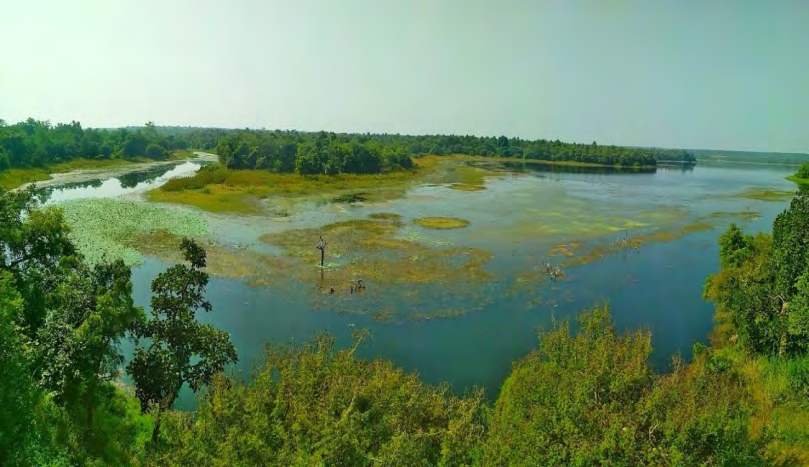
Gorewada Reserve Forest has located 10 km from Zero Milestone of Nagpur city which is also referred to as the geographical center of India. With the area of about 1914 Ha. of Reserve land, it is home to more than 250 species of birds, 90 species of butterflies, and other fauna including Mammals and Reptiles. Gorewada reserve forest is a dry scrubland dominated by the teak tree (Tectona grandis). Gorewada In the heart of the Gorewada Reserve Forest, there is one Water body that is connected to few small stream rivers that provide shelter, food, and other essential factors to the fauna. Gorewada Lake acts of Lungs of Gorewada Reserve Forest and for the Nagpur city as it provides drinking water to the citizens.
Gorewada Reserve Forest shows seasonal diversity of flora and fauna due to its diverse vegetation and habitat. In monsoon, we get to see the emerging life of flora and flora where everything blooms. Monsoon becomes home for many species of Mammals, Birds, Reptiles, and Insects as they are all connected and maintain ecological balance. Faunal species like Leopard, Jungle cat, Blue bull, Sambar deer, Oriental honey buzzard, Black-winged kite, Butterflies like Common nawab, Tawny Rajah, Crimson rose, reptiles like Opinion Russell’s viper, Indian cobra, Python everyone is linked with each other to maintain the ecological health and biodiversity of the forest.
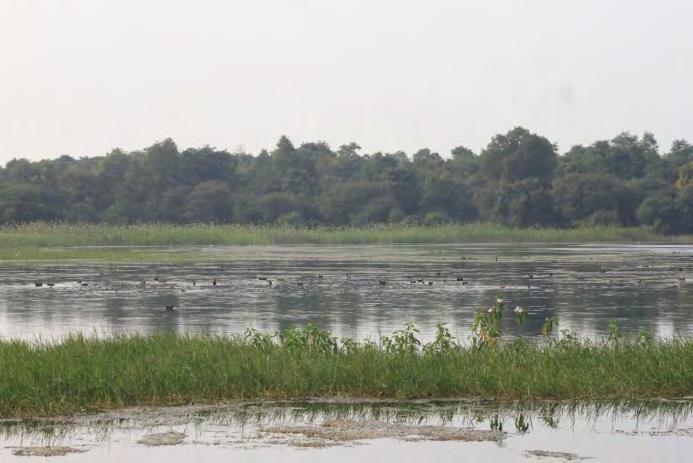
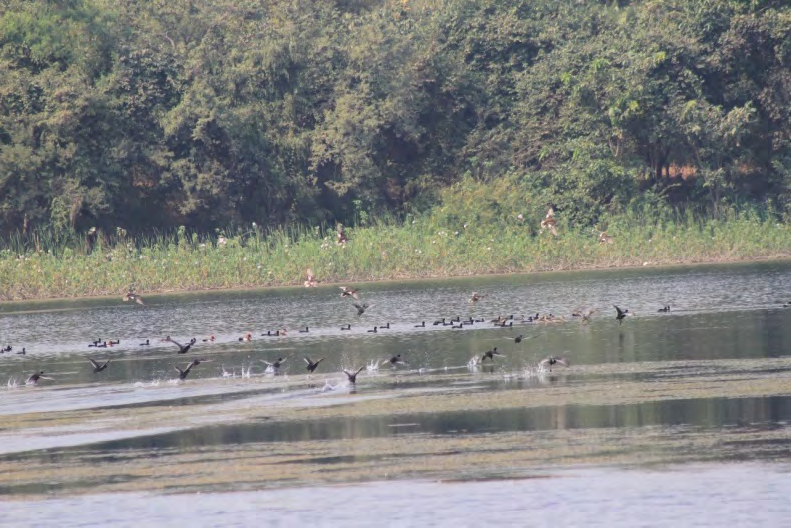
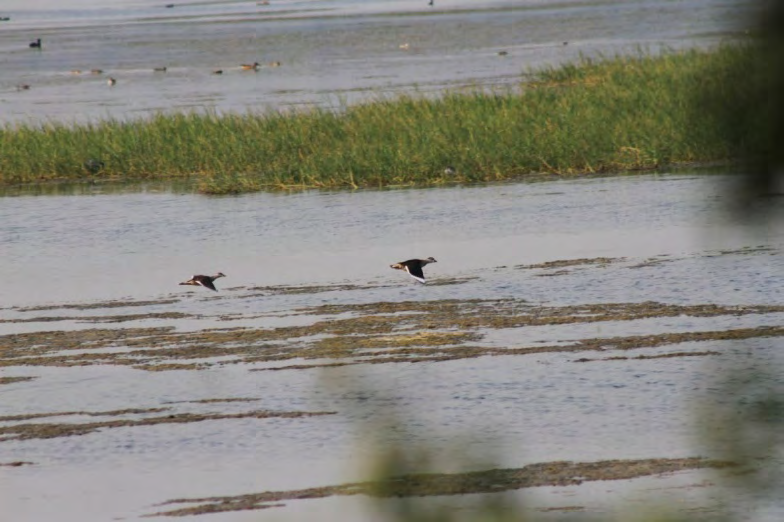
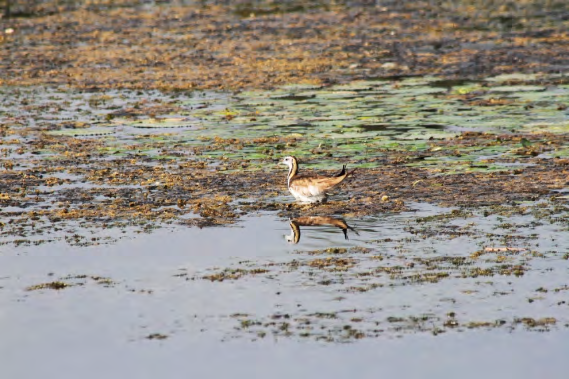
In the months of winter, Gorewada Lake becomes homes to more than 55 species of Migratory birds such as Bar-headed goose, Red-crested pochard, Common Pochard, Eurasian wigeon, etc. they stay for few months at Gorewada Lake complete their needs and also helps citizens science to create awareness among the citizens of Nagpur city. Some of these migratory birds travel around more than 5000 km of distance from the North-eastern side some eastern side and some out of the country. They come, stay and fly away by the end of the winter season (Figures 1-12).
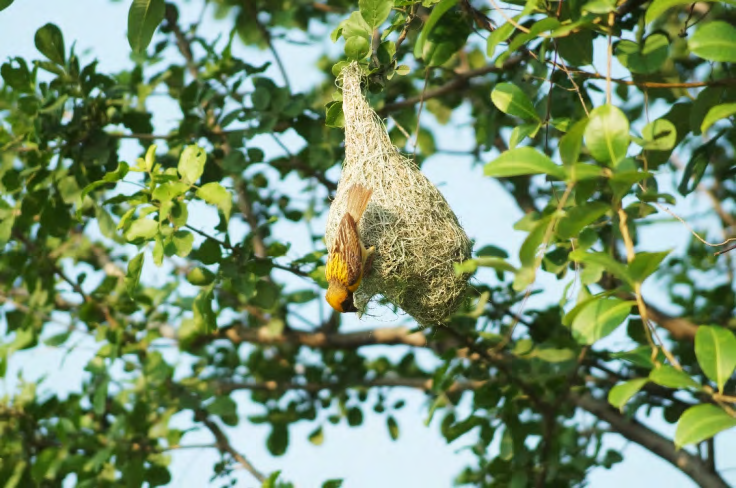
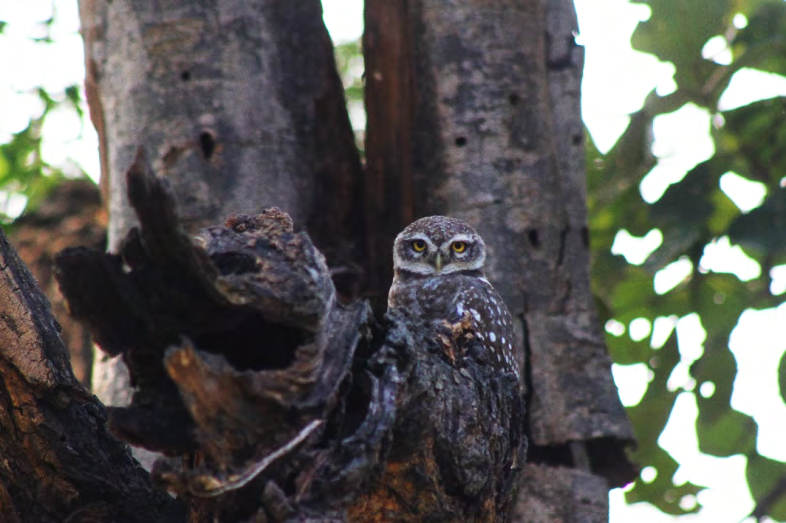
Apart from the migratory birds, Gorewada Reserve Forest is also touched by few local birds too such as a Silverbill, Black-winged kite, Indian Robin, Jungle babbler, Green Bee-eater, etc. All these birds are so diverse that it helps to maintain its health of forests throughout the year. As the seasonal patterns of vegetation get change with this diversity of avian fauna also gets change indicating the health of the forest.
Butterflies, Honey bees, and some other creatures like birds play a crucial role in maintaining the health of flowering plants & trees by pollinations. Near about more than 90 species of Butterflies and 216 species of birds among them almost all species of birds help in pollination due to which diversity of plants is maintained. Butterflies pollinate flowers by visiting flowers along with birds do pollinate by dispersing pollen grains. Birds also help plants by dispersing their seeds through their poop.
Year and year, Gorewada reserve Forest Showing some natural diversification through its art by adding some faunal and floral species in its home and making it more Diverse
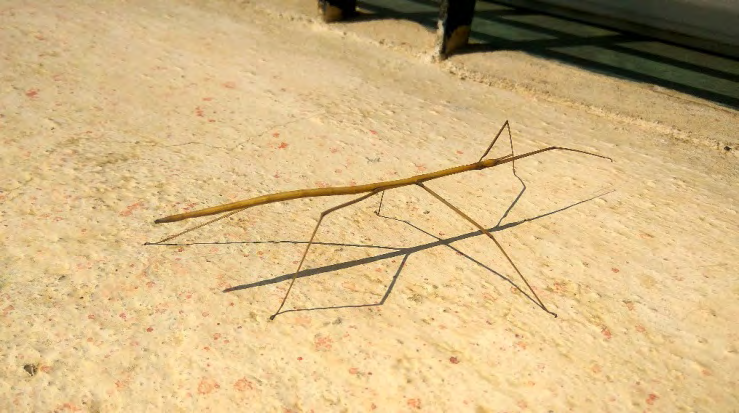
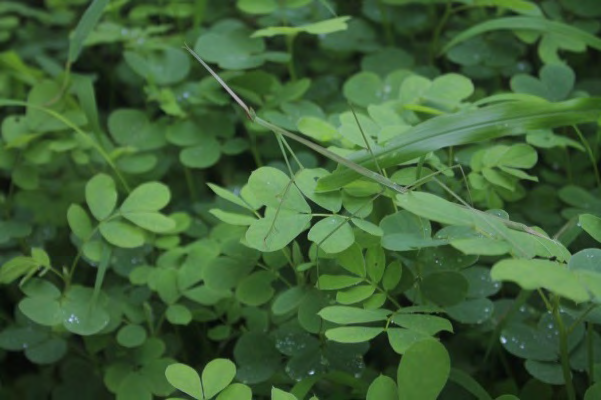
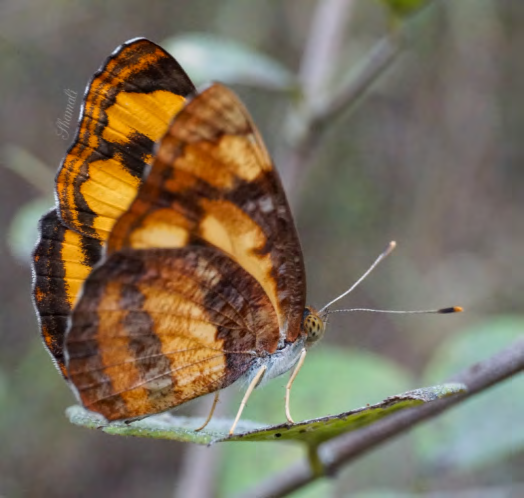
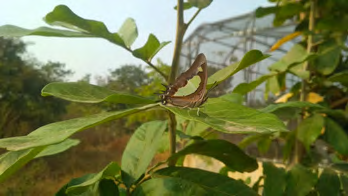
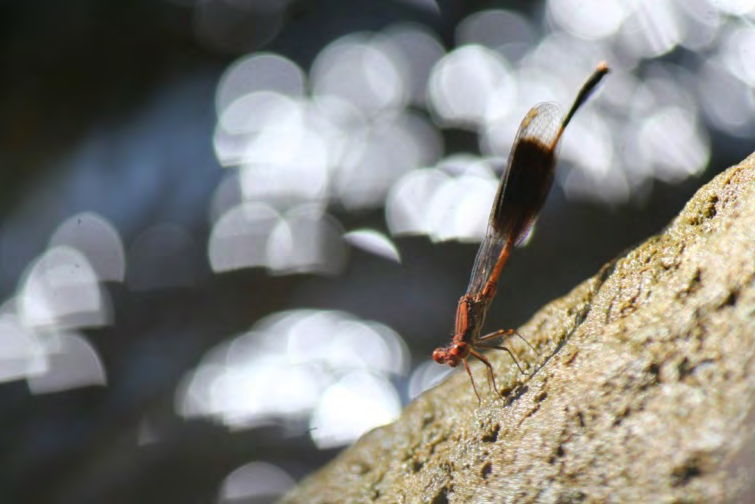
in the heart of Nature. Some species viz Indian stick insects (Order: Phasmida); Indian grass mantis (Order: Mantodea); Black-winged bamboo tail (Order: Odonata); Common lascar, Common Nawab, Tawny Rajah (Order: Lepidoptera) reported only in Gorewada habitat. All species found in summer except mantis. This is very amazing experience to explore diverness and go with comparative study.
- Natural Decline to Extinction of A New Zealand Rabbit Population
- Mitochondrial Bio-Logistics: Steering Co-Enzyme Q10 and Lycopene Synergies within the Science 4.0 Bio-OS Framework
- Hymenoptera Specimens from the Caño Negro Wetland, of the National Museum Collection, Costa Rica
- Science 4.0: Comprehensive Architecture of the Biological Operating System (Bio-OS) A Framework for Systemic Resilience and Industrialized Bio-Governance
- Rabbit on, or Hare Back? Understanding Climate Change
- Clinical Validation of Science 4.0: Flow Steering and Epigenetic Drift Inversion on a 76-Year-Old Hybrid System