
Artificial Intelligence and Machine Learning Approach towards COVID-19
COVID-19 pandemic is abruptly changing the normality and is taking a colossal toll which leads to human death. The scientific advancement requires the support and delivery of upcoming technologies like Artificial Intelligence (AI), Internet of Things, Big Data and Machine Learning Language which can look beyond the conventional strategies of healthcare delivery system. In this review we have discussed several search engines tools and AI-based applications viz., early detection and diagnosis during the infection, tracing the contact of the individuals, monitoring the treatment, development of drugs and vaccines which can be approached by the usage of these technologies. Discovery of drugs requires these technologies to accelerate deep learning technologies to create a model and predict the diagnosis process to treat COVID-19. AI can be used to understand the existing patterns of the drugs and extract new insight by AI algorithms which would discover in developing a vaccine and can be therapeutic potential.
Introduction
The pandemic disease novel Corona (COVID-19), had its origin from the Wuhan District of China (Hubei Province). SARS CoV-2 belongs to a class of enveloped viruses β-corona virus group with an RNA genome. It is observed SARS CoV and the Middle East Respiratory Syndrome Coronavirus (MERS-CoV) have a phylogenetic similarity with previous severe acute Respiratory syndrome [1]. During the Corona virus pandemic, COVID-19 virus got evolved evolutionarily. Thus the range of COVID -19 spread was severe than the previous COVID-19 and MERS-CoV. Severe Acute Respiratory Coronavirus 2 (SARS-CoV-2 which widely spreads through contact, droplets, and air. The patients can be divided into mild, moderate and acute based on the aetiology of the symptoms [2]. The tracking of the spread of the virus can be identified by using technology such as AI, Machine learning which can identify high – risk patients and can treat patients in real-time. AI can predict by population screening samples data the prediction for the risk of mortality of the patients [2]. It was observed in the prior literature survey of [3a,3b], 1273 online publications were checked related to SARS CoV-2, COVID-19 from databases of Nature, Elsevier, arXiv, bioRxiv, Google Scholar, medRxiv out of which filtered 267 papers used AI methods explicitly. Nevertheless, it can also predict notification and suggestions to control the infection and help us to fight the virus through screening of the population. As it is an evidenced-based tool which can be used medically to improve planning in treatment procedure and can have reported the outcome of the COVID-19. A schematic representation of the general procedure which can be helpful to general physicians during the Covid-19 is shown in figure 1.
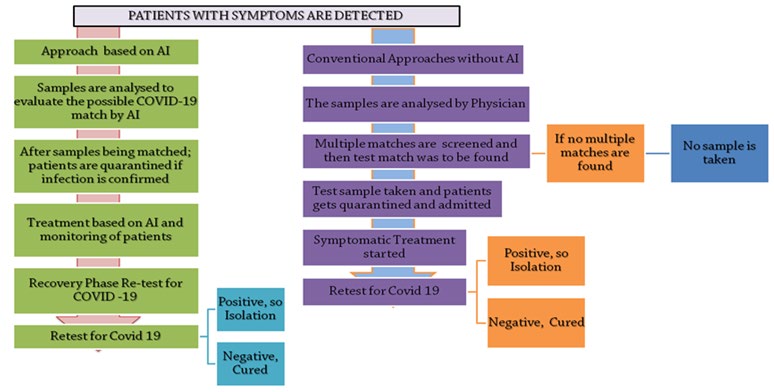
The above figure 1 represents a flow diagram of Artificial based treatment and non- AI-based treatment which represents high accuracy and reduces complexity and the time taken for diagnosis. The AI application will allow the physician to not only control the disease but also help to focus on the treatment process. There is now an enormous amount of datasets related to coronavirus which can be leveraged with Artificial Intelligence (AI) to fight against the pandemic by establishing innovative approaches to contacting tracing of individuals, monitoring the patients, drug discovery, drug repurposing, vaccine development and reducing the burden on healthcare [2]. There is now a growing amount of coronavirus related datasets as well as published papers that must be leveraged along with artificial intelligence (AI) to fight this pandemic by driving news approaches to drug discovery, vaccine development, and public awareness. In the review, we will discuss the key areas about the application of AI and Machine learning (ML) which can address the challenges in clinical research, clinical trials in repurposing drugs to treat COVID-19, and the clinical trials for new drugs discovery.
The Significance of Artificial Intelligence
FDA approved drugs are on a declining spree due to adverse efficiency and reduced potential of potential compounds. The release of drugs with new molecular entities (NMEs) is declining to create a complex situation? Artificial Intelligence with computational drug designing provides a new way into a system-centric idea for R and D leading to future precise discovery [4]. AI has the potential to act in case of inefficiencies which occurs during the time of drug development thus minimising bias and human intervention in the process [5]. The scientists and the healthcare system have increasingly shown inclination on computer simulations to understand the pandemic situations in real-time. Further, computational scientists can construct a physical system in which virtually computerised model can take real-world data as input and prediction of assessment can be done based on the future evolution and severity of the Covid-19. These model predictions can be closely matched with model predictions and can thus empower the administrations to take local-specific decisions. AI aims to track the literature which has grown exponentially as the new updates in Corona Virus surfaces. It is observed in the website of NIH that tracks papers related to SARS-Cov-2 lists contain 28,000 articles [6]. To extract specific relevant literature which is driven by a combination of factors which includes the availability of a large collection of relevant papers, advancement in natural language processing (NLP) technology the AI and Machine learning tools can be utilised. The AI usually comprises of two methods A. Specific keywords in paper and analyse the text accordingly B. Deep neural networks a type of machine – learning method trained in collecting and recognizing information based on large data sets. The details of AI-based search engines which can track the latest on COVID-19 are listed in Table 4.
Applications of Artificial Intelligence
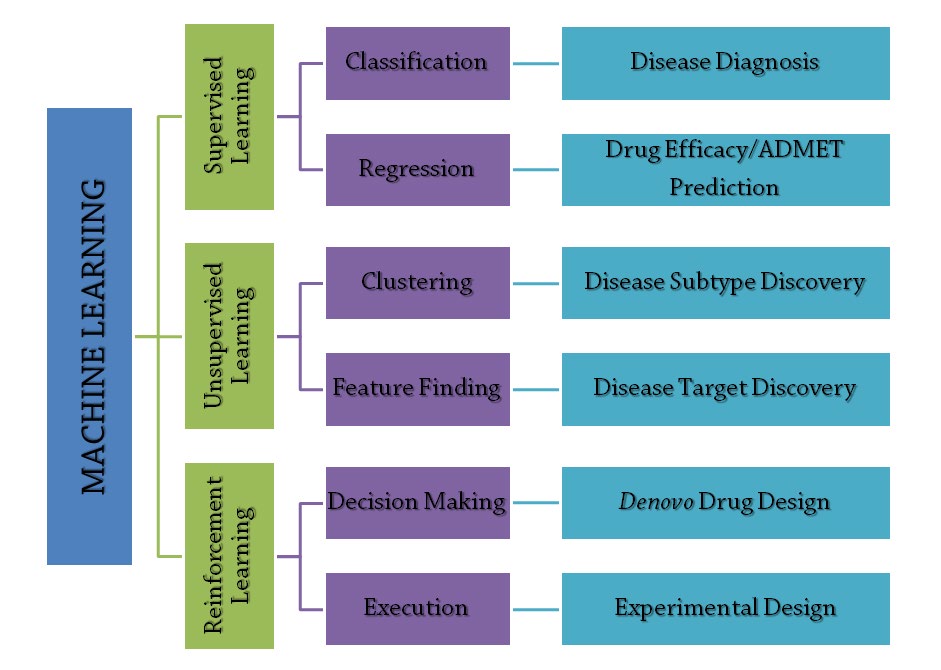
AI strategy can be implemented in several ways to quickly access the pandemic on a real-time basis which can be more accurately involved in treating patients. The applications of Artificial Intelligence in different arenas are listed in figure 2 and the schematic with the applications of Machine Learning is shown in figure 3.
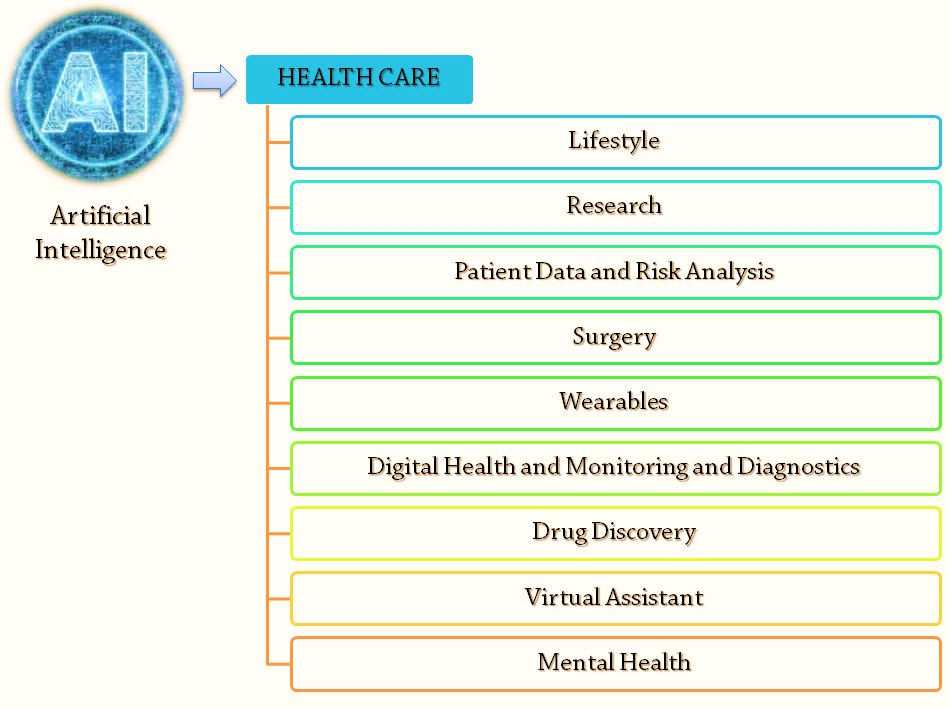
| AI can be used in quick detection of potential drug a. Tracing the contact of the individuals discovery, planning, treatment on a clinical methodology and b. Monitoring the treatment can be an evidence-based tool against COVID-19 [1]. c. Development of drugs and vaccines d. Drug Repurposing The early detection and diagnosis during the infection | a. Tracing the contact of the individuals |
| b. Monitoring the treatment | |
| c. Development of drugs and vaccines | |
| d. Drug Repurposing | |
| The early detection and diagnosis during the infection |
The Early Detection and Diagnosis During the Infection
AI can quickly analyse the symptoms based on irregular situations and thus can monitor the patients with the other healthcare authorities. AI can provide faster decision thus can be cost-effective. It gives a new diagnosis which can be managed effectively through proper algorithms. AI uses technologies viz., Computed tomography (CT), Magnetic Resonance Imaging (MRI) and scanning of the human body [2].
Tracing the Contact of the Individuals
AI can construct a platform by using a neural network for the proper treatment of categorised affected individuals. This can be done by automatic monitoring and prediction by AI to limit the spread of the virus by tracing the contact of the individuals [2]. This can increase the updates as AI can process effectively heterogeneous data and its sources within a limited duration of time and can provide solutions in COVID-19. In AI machine learning (ML) and deep learning (DL) are two important approaches. AI-powered temperature screening has been deployed in public locations during the pandemic in China. Further, AI-powered smartphones application is developed to track the geographical scale of COVID-19 these kinds of apps can be targeted to understand the population and communities which are susceptible and thus will envisage us with real-time dissemination of information about the potential hotspots in real-time. This is significant to identify and isolate rapid transmission which can flatten the transmission curve [7]. AI and big data can be leveraged upon to develop robust and predictive models eg. Deep convolution network model was adopted to classify X-ray images into normal, pneumonia and COVID-19 [8]. Apps developed for contact tracing in various countries is given in Table 1.
| S. No. | Apps used for contact tracing | Location Tracking | Launch On | Country |
| 1 | COVIDSafe | BlueTrace protocol: Bluetooth | 14-Apr-20 | Australia |
| 2 | Stopp Corona | Bluetooth, Google/Apple | Mar-20 | Austria |
| 3 | ViruSafe | GSM | May-20 | Bulgaria |
| 4 | BeAware Bahrain | Bluetooth, GSM | 31-Mar-20 | Bahrain |
| 5 | CovTracer | GPS, GSM | May-20 | Cyprus |
| 6 | CoronApp | GPS | 12-Apr-20 | Colombia |
| 7 | eRouška (eFacemask) | BlueTrace protocol: Bluetooth | 15-Apr-20 | Czech Republic |
| 8 | Estonia’s App | Google/Apple, DP-3T, Bluetooth | Apr-20 | Estonia |
| 9 | Ketju | DP-3T, Bluetooth | May, 2020 | Finland |
| 10 | StopCovid | Bluetooth | May-20 | France |
| 11 | CoronaApp | Bluetooth, Google/Apple | May-20 | Germany |
| 12 | GH Covid-19 Tracker App | GPS | 12-Apr-20 | Ghana |
| 13 | VirusRadar | Bluetooth | 13-May-20 | Hungary |
| 14 | Ranking C-19 | GPS | Apr-20 | Iceland |
| 15 | Aarogya Setu | Bluetooth & location-generated social graph | 2-Apr-20 | India |
| 16 | Mask.ir | GSM | May-20 | Iran |
| 17 | HSE Covid-19 App | Bluetooth, Google/Apple | May-20 | Ireland |
| 18 | HaMagen | Standard location APIs | Mar-20 | Israel |
| 19 | Immuni | Bluetooth, Google/Apple | May-20 | Italy |
| 20 | AMAN App | GPS | May-20 | Jordan |
| 21 | Apturi COVID | Bluetooth | 29-May-20 | Latvia |
| 22 | MyTrace | Bluetooth, Google/Apple | 3-May-20 | Malaysia |
| 23 | CovidRadar | Bluetooth | May-20 | Mexico |
| 24 | NZ COVID Tracer | Contact details and physical address | 20-May-20 | New Zealand |
| 25 | StopKorona | Bluetooth | 13-Apr-20 | North Macedonia |
| 26 | Smittestopp | Bluetooth and GSM | 16-Apr-20 | Norway |
| 27 | ProteGO | Bluetooth | May-20 | Poland |
| 28 | Ehteraz | Bluetooth and GSM | May-20 | Qatar |
| 29 | Corona Map | Bluetooth | 3-Apr-20 | Saudi Arabia |
| 30 | TraceTogether | BlueTrace protocol, Bluetooth | 20-Mar-20 | Singapore |
| 31 | Non-app-based | Mobile device tracking data and card transaction data | May-20 | South Korea |
| 32 | SwissCovid | DP-3T protocol, Bluetooth, Google/Apple | 20-May-20 | Switzerland |
| 33 | Hayat Eve Sigar | Bluetooth, GSM | April, 2020 | Turkey |
| 34 | TraceCovid | Bluetooth | May-20 | UAE |
| 35 | NHS Covid-19 App | Bluetooth, | May-20 | UK |
Table 2: Apps for Contact Tracing Used in Various Countries.
Monitoring the Treatment
Diagnosis in the quick process helps to screen pandemic diseases like COVID-19. Thus, monitoring is a significant part of the transmission of disease in a cost-effective manner. AI and ML can augment the diagnosis and screen the process for identification of a patient with radio imaging technology akin to Computed Tomography (CT), X-ray, and clinical samples of blood. Prior literature studies of ML with the use of the convolutional neural network (Resnet-101) as an adjuvant tool on 1020 CT images of 108 Covid-19 infected patients along with viral pneumonia of 86 patients, which resulted in 86.27%, 83.33% of accuracy and specificity respectively [9]. The potentiality of AI and ML tools can be explored thus suggesting new models which can rapidly validate a method for SARS-CoV-2 by using a deep convolutional network. These models can process large heterogeneous data to create inter and intra layers of operability in systems to handle predictable tasks [10]. In prior literature, researchers have employed support vector machines to determine clinical, laboratory features and demographic information of patients to build classification model [11].
Development of Drugs and Vaccines
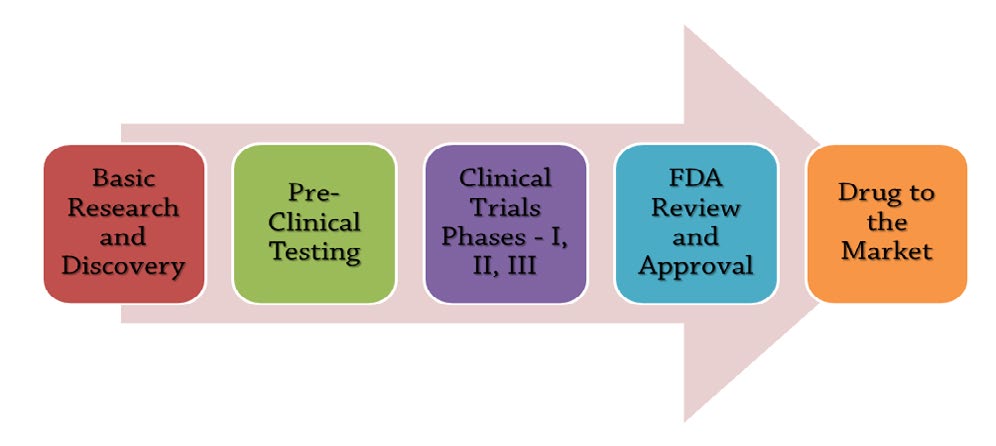
In the US for treating Ebola antiviral drug was developed. This discovery was actively done in 2014 by AI, ML-based pharmacophore computational analysing on a limited size of invitro infected carriers of the Ebola virus. Nevertheless, this led to the uncovering of drug development based on AI and ML technology fusion which utilised computational screening with docking application [12]. As the coronavirus has become pandemic AI and ML technology constitutes to be enthralling. It is seen from prior literature in Taiwan a new model has been developed to augment the development of a novel drug. Using AI and ML technology utilised deep neural network eight drugs viz., Gemcitabine, Clofazimine, Vismodegib, Celecoxib, Brequinar, Conivaptan, Tolcapone, Bedaquiline that were found to be effective in infectious feline peritonitis coronavirus [12]. Further, there are drugs viz., Homoharringtonine, Salinomycin Tilorone, Chloroquine and Boceprevir which are found to be operational during various AI experiments [13]. Prior literature studies revealed that in the US and South Korea a molecule transformer-drug target interaction model was proposed which can treat the Covid-19. This study was organized by virtual screening and molecular docking by AutoDock Vina which employed a deep learning algorithm with the proposed model on 3C like proteinase. And also, further FDA approved 3,410 existing drugs which are available in the market of Covid-19. These findings resulted in antiretroviral drug which can be used to treat HIV led Antazanavir followed by Remidisivir [12]. According to prior literature, in 2019 clinical trial on AI- based flu vaccine was sponsored by the National Institute of Allergy and Infectious Diseases. The vaccine was developed by scientists at Flinders University first using AI programme which generated trillions of synthetic compounds. Further, they used the AI program known as Search Algorithm for Ligands (SAM) which screen trillions of compounds to determine good candidates as vaccine adjuvants. This whole process of AI and ML technology can vividly shorten the process of vaccine development. Using CORD-19 dataset AI algorithms can be trained to build a model to screen existing drugs which can have potential efficacy towards the treatment of COVID-19 [14]. The process of drug discovery to market is represented in figure 4.
Drug Repurposing
A new drug discovery and development process take a sustainable amount of time before it is released in the market. The below table shows the process of drug development (Table 2).
| Cost (%) | Time in Years | The population used for testing | Rate of Success | |
|---|---|---|---|---|
| Discovery of the target | 4 | 2.5 | Studies in Laboratory and Animals | Compounds of 5000 evaluated |
| Generation of Lead Compounds and Optimization | 15 | 3 | ||
| Development at Preclinical stages | 10 | 1 | - | - |
| Clinical Trials at I, II and III Phases | 68 | 7 | - | 5 enters trial out of which 1 will be approved |
| Phase I | - | 1.5 | 20-100 healthy volunteers | |
| Phase II | - | 2 | 100-500 patient volunteers | |
| Phase III | - | 3.5 | 1000-5000 patient volunteers | |
| Review and FDA Approval | 3 | 1.5 | - | - |
| Marketing of the drugs | $880 | 15 | - | - |
Table 3: Various Stages of Development of a Drug before Marketing in the Countries.
According to prior literature reports, it is observed that the discovery of drug is a lengthy and expensive process, and prone to several trials which takes time to come to the market [15, 16]. A new molecular drug entity takes 10-15 years to develop thus the success rate is 2.01% [1]. As, the development of a drug is lengthy, high-priced during clinical trials and it has to undergo regulatory authorizations to get released in the market as potential drugs, it is quick to repurpose already approved drugs for active treatments of COVID-19 patients. Drug repurposing is a technique where old drugs are modified and the therapeutics entity of the repurposed drugs are utilised for the treatment [17]. With AI, the new drug can directly enter into phase II trials without passing phase I clinical trials which becomes economic leveraging with time and toxicity testing repeatedly. A deep learning-based drug target interaction model was developed known as Molecular Transformer -Drug Target Interaction (MT-DTI) by Natural Language Processing based on an algorithm. Thus, in COVID-19 it was used to recognize those drugs which can act on viral proteins [18]. Prior studies drug-target interaction datasets suggested good performance and robust results. In studies of Li et al. proposed [19] a novel network for the repurposing of a drug to treat COVID-19. The genomic sequence of COVID-19 was first analysed and through the pipeline of AutoSeed 34 genes related to COVID-19 was identified. These obtained genes are then used as seeds to build the network [19]. Repositioning of the drug is significant as the repurposed drugs can be directly used in clinical trials which minimize the initial steps of manufacturing thus lowering the costs. Thus, based on the time factor and potential treatments repurposing of the approved drugs for the treatment during COVID-19 can show directions in the faster treatment process [1]. In prior studies, a machine learning model was developed to discover antibodies through high throughput screening of antibodies that inhibits COVID-19. 18 antibodies are found to be very effective with this model. Molecular Dynamics simulation was used to predict 8 stable antibodies [20]. Prior literature of Rapaport and Rapaport in 2004 suggested the stability of predicted antibody was checked by molecular dynamics simulation and found 8 stable antibodies which could neutralize COVID-19. So, here in this context for viral infection, we can use Chloroquine (CQ) and Hydroxyl analogue Hydroxychloroquine (HCQ) which have already shown it effective treatment as an antimalarial drug [21]. Likewise, antiviral drug Remdesivir which is mainly used in the Ebola virus treatment has already been exposed to market against the new treatment of COVID -19 [22]. Drugs viz., Lopinavir and Ritonavir can be administered for COVID-19 treating patients. These drugs mainly affect proteolysis in the replication cycle of corona [23]. An analogue of ribonucleic and inhibitor of RNA polymerization Ribavirin drug in the preclinical study has shown in-vitro activity against SARS-COV 2 [24]. Moreover, an immunosuppressive drug Tocilizumab, mainly deployed for rheumatoid arthritis which decreases the clinical symptoms of virus infection was used in the treatment of patients in vivo during COVID-19 pandemic in China [25]. Nevertheless, antiviral drugs mixed with Ascorbic acid (Vitamin C) additionally can be supportive in the treatment of patients of COVID-19 patients. In future studies associated with repurposing a drug in this line against COVID-19 can be suggested [26]. List of companies which use AI for Drug discovery and repurposing is given in Table 3.
| S. No. | Name of the Company | AI in drug repurposing | Ref. | |
|---|---|---|---|---|
| 1 | Innoplexus | The Indo-German company utilized patients’ information to treatments during Covid-19 viz., Remdesivir Hydroxychloroquine | [27,28] | |
| 2 | Deargen | The Korean company with Dankook University at AI stage has recommended Atazanavir (A medication for HIV treatment) to increase the power of activity in treatment. | [29] | |
| 3 | Gero | The Singaporean organization anticipated having adequacy of 9 medications using AI which includes - niclosamide and nitazoxanide being hostile to viral and parasitic medications | [30] | |
| 4 | Cyclica | The organization based in Canada screened 6,700 atoms in preliminary Human Phase I on their AI-based medication repurposing stage Match Maker. They are also working with China’s Institute of Materia Medica for evaluating in vitro and in vivo samples | [28] | |
| 5 | Healx | This organization based in the UK is using the information to find out the rate of mortality which found higher with comorbidities of respiratory and heart frameworks. Also, this organization is working on uncommon infections and is trying to reveal bi and tri mixes of affirmed drugs against infection | [31] | |
| 6 | VantAI | This organization based in New York recognizes drugs which can obstruct the infection’s movement in Golgi contraption and is presently screening around 300 leads with a CRO to prevent viral contamination further | [32] | |
| 7 | Benevolent AI | The UK based organization is employing AI techniques to repurpose the drugs against coronavirus | [33,34] | |
| 8 | Exscientia | Spin-out from the University of Dundee (U.K) and it collaborates with many companies to successfully apply AI in small molecule for drug discovery. Further, it is heading to study mechanism and functioning of SARS-CoV-2 by data modelling through AI | [35] | |
| 9 | Berg | In clinical-stage, an artificial intelligence-powered biotech company which leverages its platform to map disease and revolutionize treatments across oncology, neurology and rare diseases | [36] | |
| 10 | In silico Medicine | A Hong-Kong based company which came up with seven molecules out of which two molecules are synthesized for testing against COVID-19 | [4] | |
| 11 | Iktos and SRI international | France-based AI firm Iktos teamed up with SRI Biosciences (US) and work with new potent molecules to synthesize and test the molecules in their synthetic chemistry laboratory | [4] | |
| S. No. | Search Engine | Function | Developed by | Ref. |
| 1 | COVID Scholar | Literature Search for COVID-19 which uses AI to tag papers with keywords and topic labels and filters | Lawrence Berkeley National Lab | [37] |
| 2 | SPIKE-CORD | AI is used to retrieve the papers on extract information by a simple query language | Allen Institute for AI and Bar-Ilan University | [38] |
| 3 | COVID-19 Open Research Dataset (CORD-19) | AI is used to data mining for the COVID-19 literature | White House Office of Science and Technology Policy | [39] |
| 4 | COVID-19 KnetMiner | AI visualises linked human biological data related to SARS-CoV-2 and GWAS data | Rothamsted Research, Harpenden, UK | [40] |
| 5 | COVID-19 Portfolio | AI tools use this a website that tracks papers related to the SARS-CoV-2 coronavirus | National Institutes of Health (NIH) | [41] |
| 6 | COVID-19 Research Explorer | A semantic search interface with AI-powered tool which helps researcher and scientists to efficiently search articles to answer COVID-19 related questions | [42] | |
| 7 | COVID-19 PRIMER | Uses the most advanced NLP algorithms, which trends the latest research in COVID-19, conversations around them and updates within 24 hours | PRIMER | [43] |
| 8 | Vilokana | Based on artificial intelligence it’s a deep semantic search which enables researchers to get deeper insights into scientific studies on Covid-19 | Indian Institute of Information Technology and Management – Kerala | [44] |
| 9 | SciSight | Search tool based on AI to visualize the emerging literature network around COVID-19 | Allen Institute of AI | [45] |
Table 4: List of Companies Which Use AI for Drug Discovery and Repurposing.
Conclusion
With the existence of pandemic SARS-COVID-19, there is a hike in coronavirus related datasets which drives new approaches to fight against the virus. AI, ML, can leverage this situation through its applications in various public awareness, early detection and diagnosis during the infection, contact tracing, monitoring the treatment, drug discovery and vaccine development. AI can be powered to screen trillions of compounds and establish models to predict for rapid diagnosis and treatment. For this, pharmaceutical companies and science laboratories can cooperate to work with industry leaders such as Google and IBM to create powerful AI tools to search good published papers and to predict drugs which can be clinically tested further. Further, during this panic situation chatbots can be created through AI tools to disseminate the information related to COVID-19 thus minimizing the spread of false information and interpretation related to COVID-19. In the paper we have discussed how patients can be diagnosed, contact traced, monitored and drugs and vaccines can be developed with AI- based approaches. The usage of emerging technologies with integrative medicines with AI could accelerate the revival of the pandemic situation in a manageable way.
References
-
Harun Al Rashid, Mridul Mayank, Mohanty Chandana, Swayamsiddha Swati (2020) Application of Artificial Intelligence in COVID-19 drug repurposing. Diabetes & Metabolic Syndrome: Clinical Research & Reviews 14(5): 1027-1031.
-
Vaishya R, Javaid M, Khan IH, Haleem A (2020) Artificial Intelligence (AI) applications for COVID-19 pandemic. Diabetes & Metabolic Syndrome: Clinical Research & Reviews 14(4): 337-339.
-
Chen J, Li K, Zhang Z, Li K, Yu PS (2020) A Survey on Applications of Artificial Intelligence in Fighting Against COVID-19. arXiv preprint arXiv, 2007.02202.
-
(2020) How AI is fighting COVID-19: the companies using intelligent tech to find new drugs. Pharmaphorum.
-
Kaushik AC, Raj U (2020) AI-driven drug discovery: A boon against COVID-19? AI Open 1: 1-4.
-
Seddon G, Lounnas V, McGuire R, van den Bergh T, Bywater RP, et al. (2012) Drug design forever, from hype to hope Journal of computer-aided molecular design 26(1): 137-150.
-
Growth of the COVID-19 Literature.
-
Hellewell J, Abbott S, Gimma A, Bosse NI, Jarvis CI, et al. (2020) Feasibility of controlling COVID-19 outbreaks by isolation of cases and contacts. The Lancet Global Health 8(4): 488-496.
-
Agbehadji IE, Awuzie BO, Ngowi AB, Millham RC (2020) Review of Big Data Analytics, Artificial Intelligence and Nature-Inspired Computing Models towards Accurate Detection of COVID-19 Pandemic Cases and Contact Tracing. International journal of environmental research and public health 17(15): 5330.
-
Ardakani AA, Kanafi AR, Acharya UR, Khadem N, Mohammadi A (2020) Application of deep learning technique to manage COVID-19 in routine clinical practice using CT images: Results of 10 convolutional neural networks. Computers in Biology and Medicine 121: 103795.
-
Salah K, Rehman MHU, Nizamuddin N, Al-Fuqaha A (2019) Blockchain for AI: Review and open research challenges. IEEE Access 7: 10127-10149.
-
Sun L, Liu G, Song F, Shi N, Liu F, et al. (2020) Combination of four clinical indicators predicts the severe/critical symptom of patients infected COVID-19. Journal of Clinical Virology 128: 104431.
-
Ekins S, Mottin M, Ramos PR, Sousa BK, Neves BJ, et al. (2020) Déjà vu: Stimulating open drug discovery for SARS-CoV-2. Drug Discovery Today 25(5): 928-941.
-
Lalmuanawma S, Hussain J, Chhakchhuak L (2020) Applications of machine learning and artificial intelligence for Covid-19 (SARS-CoV-2) pandemic: A review. Chaos, Solitons & Fractals 139: 110059.
-
Ahuja AS, Reddy VP, Marques O (2020) Artificial Intelligence and COVID-19: A Multidisciplinary Approach. Integrative Medicine Research 9(3): 100434.
-
DiMasi JA, Faden LB (2011) Competitiveness in follow- on drug R&D: a race or imitation? Nature Reviews Drug Discovery 10(1): 23-27.
-
Carter PH, Berndt ER, DiMasi JA, Trusheim M (2016) Investigating investment in biopharmaceutical R&D. Nature Reviews Drug Discovery 15: 673-674.
-
Xue H, Li J, Xie H, Wang Y (2018) Review of drug repositioning approaches and resources. International Journal of Biological Sciences 14(10): 1232-1244.
-
Beck BR, Shin B, Choi Y, Park S, Kang K (2020) Predicting commercially available antiviral drugs that may act on the novel coronavirus (SARS-CoV-2) through a drug- target interaction deep learning model. Computational and structural biotechnology journal 18: 784-790.
-
Li X, Yu J, Zhang Z, Ren J, Peluffo AE, et al. (2020) Network bioinformatics analysis provides insight into drug repurposing for COVID-2019. Preprints.
-
Magar R, Yadav P, Farimani AB (2020) Potential neutralizing antibodies discovered for novel coronavirus using machine learning. arXiv preprint arXiv:2003.08447.
-
Rolain JM, Colson P, Raoult D (2007) Recycling of chloroquine and its hydroxyl analogue to face bacterial, fungal and viral infections in the 21st century. International journal of antimicrobial agents 30(4): 297-308.
-
Gautret P, Lagier JC, Parola P, Meddeb L, Mailhe M, et al. (2020) Hydroxychloroquine and azithromycin as a treatment of COVID-19: results of an open-label non-randomized clinical trial. International journal of antimicrobial agents 56(1): 105949.
-
Elavarasi A, Prasad M, Seth T, et al. (2020) Chloroquine and Hydroxychloroquine for the Treatment of COVID-19: a Systematic Review and Meta-analysis. J Gen Intern Med.
-
Wang LS, Wang YR, Ye DW, Liu QQ (2020) A review of the 2019 Novel Coronavirus (COVID-19) based on current evidence. International Journal of Antimicrobial Agents 55(6): 105948.
-
Onder G, Rezza G, Brusaferro S (2020) Case-fatality rate and characteristics of patients dying in relation to COVID-19 in Italy. Jama 323(18): 1775-1776.
-
Chan JFW, Yao Y, Yeung ML, Deng W, Bao L, et al. (2015) Treatment with lopinavir/ritonavir or interferon- β1b improves the outcome of MERS-CoV infection in a nonhuman primate model of the common marmoset. The Journal of infectious diseases 212(12): 1904-1913.
-
Gordon DE, Jang GM, Bouhaddou M, Xu J, Obernier K, et al. (2020) A SARS-CoV-2 protein interaction map reveals targets for drug repurposing. Nature 583: 459-468.
-
Siddiqui A (2020) China’s Institute of Materia Medica Partners with Cyclica on Innovative drug repurposing for COVID-19. China’s Institute of Materia Medica Partners with Cyclica for COVID-19.
-
Scudellari M (2020) Five companies using AI to fight coronavirus. IEEE Spectrum.
-
Kurji N (2020) China’s Institute of Materia Medica Partners with Cyclica on Innovative drug repurposing for COVID-19. Cyclica News.
-
Guilliams T (2019) Healx joins forces with Boehringer Ingelheim to discover new treatment approaches for rare neurological diseases. Healx News.
-
Vant AI (2020) DE NOVO AI-powered drug design.
-
Mak KK, Pichika MR (2019) Artificial intelligence in drug development: present status and future prospects. Drug discovery today 24(3):773-780.
-
Richardson PJ, Corbellino M, Stebbing J (2020) Baricitinib for COVID-19: a suitable treatment? – Authors’ reply. The Lancet, Infectious Diseases 20(9): 1013-1014.
-
https://www.exscientia.ai
-
https://www.berghealth.com
-
https://www.nature.com/articles/d41586-020-01733- 7
-
https://spike.covid-19.apps.allenai.org/search/covid19
-
https://www.kaggle.com/allen-institute-for-ai/CORD- 19
-
https://www.bio.tools/covid-19_knetminer
-
https://www.icite.od.nih.gov/covid19/search/
-
https://www.covid19-research-explorer.appspot.com/
-
https://www.covid19primer.com/
-
https://www.vilokana.in/
-
https://www.scisight.apps.allenai.org/
- Solution-Processed Chiral Perovskites for Biomedical Applications
- Nanotechnology in Health Chemistry and Medicine: Current Challenges and Future Directions
- Human Exposure to Micro- and Nanoplastics: Pathways, Toxicity, and Intervention Strategies
- Exosome Nanomedicine for Cancer Therapy
- Micro and Nanoplastics–Plastisphere, Biotoxicity, Impact on Human Health, and Mitigation Strategies
- Process Validation of Cefixime Powder for Suspension Dosage Form, 50 mL