
Nanotechnology for a Greener Tomorrow: Exploring Ecofriendly Nanomaterial Applications
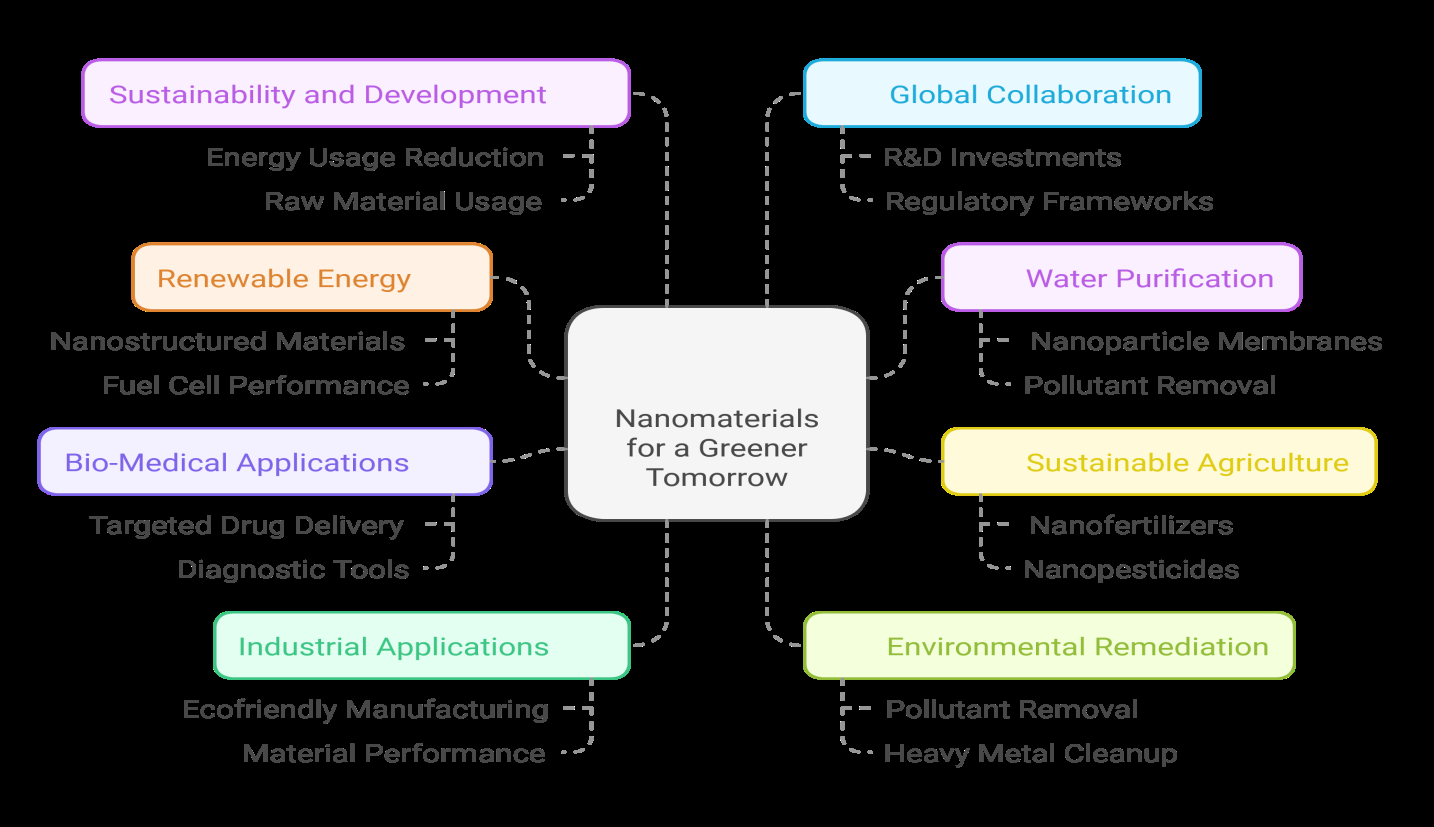
The world is in the need of a revolution in sustainability, and nanotechnology. Ecofriendly nanomaterials, with their unique properties and functionalities, are poised to transform various industries and applications, minimizing environmental footprints and paving the way for a more sustainable future. One of the most significant advantages of ecofriendly nanomaterials is their potential to transform the renewable energy sector. For instance, nanostructured materials can be used to improve the efficiency of solar cells, enabling them to harness more energy from the sun. Similarly, nanomaterials can be used to enhance the performance of fuel cells, which have the potential to replace traditional fossil fuels. By transitioning to renewable energy sources, we can significantly reduce our reliance on fossil fuels, leading to a decrease in greenhouse gas emissions and mitigating the impact of climate change. Another area where ecofriendly nanomaterials are making a significant impact is in water purification. Nanomaterials can be used to create membranes that are capable of removing contaminants and pollutants from water, making it safe for human consumption. This technology has the potential to revolutionize the way we access clean drinking water, particularly in developing countries where access to clean water is limited. By providing clean drinking water, we can improve public health, reduce the incidence of water-borne diseases, and enhance the overall quality of life.
Editorial
The world is in the need of a revolution in sustainability, and nanotechnology. Ecofriendly nanomaterials, with their unique properties and functionalities, are poised to transform various industries and applications, minimizing environmental footprints and paving the way for a more sustainable future. One of the most significant advantages of ecofriendly nanomaterials is their potential to transform the renewable energy sector. For instance, nanostructured materials can be used to improve the efficiency of solar cells, enabling them to harness more energy from the sun. Similarly, nanomaterials can be used to enhance the performance of fuel cells, which have the potential to replace traditional fossil fuels. By transitioning to renewable energy sources, we can significantly reduce our reliance on fossil fuels, leading to a decrease in greenhouse gas emissions and mitigating the impact of climate change. Another area where ecofriendly nanomaterials are making a significant impact is in water purification. Nanomaterials can be used to create membranes that are capable of removing contaminants and pollutants from water, making it safe for human consumption. This technology has the potential to revolutionize the way we access clean drinking water, particularly in developing countries where access to clean water is limited. By providing clean drinking water, we can improve public health, reduce the incidence of water-borne diseases, and enhance the overall quality of life.
Nanotechnology; Sustainability; Ecofriendly; Nanomaterials; Renewable Energy
Introduction
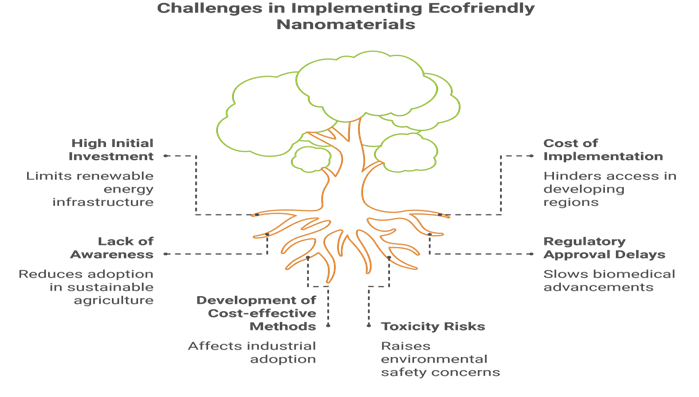
In addition to renewable energy and water purification, ecofriendly nanomaterials are also being explored for their potential applications in sustainable agriculture. For instance, nanomaterials can be used to create more efficient fertilizers and pesticides, reducing the amount of chemicals used in agriculture. This can lead to a decrease in soil pollution, improved crop yields, and enhanced food security. Moreover, nanomaterials can be used to create more durable and sustainable agricultural equipment, reducing the environmental impact of farming practices. Ecofriendly nanomaterials are also being used in biomedical applications, where they have the potential to revolutionize the way we diagnose and treat diseases. For instance, nanomaterials can be used to create more efficient drug delivery systems, enabling doctors to target specific cells and tissues with greater precision. This can lead to improved treatment outcomes, reduced side effects, and enhanced patient care. Moreover, nanomaterials can be used to create more sensitive and accurate diagnostic tools, enabling doctors to detect diseases at an early stage and provide more effective treatment. The use of ecofriendly nanomaterials can lead to significant reductions in greenhouse gas emissions, waste generation, and pollution. By transitioning to more sustainable materials and practices, industries can reduce their environmental footprint, improve public health, and enhance the overall quality of life. As the world continues to grapple with the challenges of sustainability, ecofriendly nanomaterials are poised to play a vital role in creating a more sustainable future. The benefits of ecofriendly nanomaterials are multifaceted. Not only do they reduce environmental impact by minimizing waste, pollution, and energy consumption, but they also improve efficiency and performance. This, in turn, contributes to sustainable development by providing solutions to pressing issues such as climate change, poverty, and inequality. Moreover, the development and application of ecofriendly nanomaterials can create new economic opportunities, jobs, and industries, driving sustainable economic growth. The use of ecofriendly nanomaterials can also lead to significant cost savings, as they can reduce the need for raw materials, energy, and waste management. Additionally, ecofriendly nanomaterials can improve public health by reducing exposure to toxic substances and pollutants. Despite the promise of ecofriendly nanomaterials, there are challenges to be addressed. Scalability and commercialization are major hurdles, requiring significant investment and infrastructure development. Additionally, regulatory frameworks and standards must be established to ensure the safe and sustainable use of these materials. Raising public awareness and education about the benefits and risks of ecofriendly nanomaterials is also crucial to promote their adoption and development.
Conclusion
Furthermore, there is a need for more research and development to improve the performance, safety, and sustainability of ecofriendly nanomaterials. The development of new synthesis methods, characterization techniques, and testing protocols is necessary to ensure the quality and reliability of ecofriendly nanomaterials. To overcome these challenges, governments, industries, and academia must work together to promote the development and application of ecofriendly nanomaterials. This can be achieved through investments in research and development, the establishment of regulatory frameworks, and public awareness campaigns. Additionally, the development of international standards and guidelines for the safe and sustainable use of ecofriendly nanomaterials is necessary to facilitate their global adoption. By working together, we can unlock the full potential of ecofriendly nanomaterials and create a more sustainable future for generations to come. As the world continues to grapple with sustainability challenges, ecofriendly nanomaterials are poised to play a vital role in shaping a greener tomorrow.
- Solution-Processed Chiral Perovskites for Biomedical Applications
- Nanotechnology in Health Chemistry and Medicine: Current Challenges and Future Directions
- Human Exposure to Micro- and Nanoplastics: Pathways, Toxicity, and Intervention Strategies
- Exosome Nanomedicine for Cancer Therapy
- Micro and Nanoplastics–Plastisphere, Biotoxicity, Impact on Human Health, and Mitigation Strategies
- Process Validation of Cefixime Powder for Suspension Dosage Form, 50 mL