
AI-Enabled Algorithm for Evaluating the Impact of COVID -19 on Food Consumption and Nutrition
Food is a fundamental human necessity. We need enough nutrition from the diet to carry out our tasks. The biochemical and physiological process known as nutrition describes how an organism uses food to turn it into energy. One of the primary nutrients, carbohydrates keep bodily cells' levels of energy stable. Malnutrition is a severe issue for public health since it has detrimental long-term effects. Adults over 65 years old's nutritional status is influenced by both psychological changes and physiologic factors. The blood glucose level is directly regulated by carbohydrates, which also lowers the chance of developing chronic diseases. Fresh fruits and vegetables, whole grains, legumes, seeds, and nuts are all part of a healthy diet, which also includes fewer animal products, especially fatty and processed meats. In this study, we will determine how much nutrition we consume from food, the impacts that result when that level is over normal, the repercussions of undernutrition, and the precise information regarding carbohydrates. An AI-enabled Recapitulated Neuro Fuzzy Optimization algorithm is applied for evaluating the nutritious food intake of men and women during Covid-19 situation.
Abbreviations
ML: Machine Learning; AI: Artificial Intelligence; RF: Random Forest; KNN: K-Nearest Neighbours; SVM: Support Vector Machine; LSTM: Long Short-Term Memory, BiLSTM: Bidirectional Long Short-Term Memory; CNN: Convolutional Neural Network; DL: Deep Learning.
Introduction
As we are all aware, humans have three fundamental necessities. They are sustenance, adornment, and shelter.
We will make a determination regarding food relying on these three. We obtained nutrients from the meals we ate biochemical and physiological process through which an organism transforms food into nutrients and energy is known as nutrition. When we discuss nutrients, we usually refer to carbohydrates, proteins, lipids, vitamins, and minerals as the main nutrients. The primary nutrient, carbohydrates, is essential for maintaining the energy level of human tissues, organs, and cells. In the modern world, eating is our only worry. Everyone will have a query regarding the meal they just consumed. Is the meal good for you or bad for you? Is it healthy or not? Similar to this, questions often strike our minds, especially in the modern society. Everyone desires a diet that is both healthy and balanced. In this study, we will determine how much nutrition we consume from food, the impacts that result when that level is over normal, the repercussions of under nutrition, and the precise information regarding carbohydrates.
Nutrition
Specifically speaking of nutrition, nursing is the only way to meet an infant’s nutritional demands. For the first six months of life, mothers breastfeed their babies exclusively. In addition to breastfeeding, supplemental foods are introduced to the child’s diet between the ages of 6 and 24 months to help avoid malnutrition because this time frame is particularly vulnerable. It’s vital to start supplemental feeding from 6–8 months [1]. Up until the age of four months, children who exclusively breastfeed had a lower risk of obesity [2]. Human milk is the best diet for infants because of its special nutritional qualities. In addition to having non-lactose carbohydrates that help with infection resistance, human milk is loaded with certain fatty acids that are crucial for brain development [3]. In general, it is advised that both adults and children eat at least five servings (500g) of fruits and vegetables each day, as well as legumes and whole grains. During adolescence, it is advised to eat 5 to 8 servings of fruits and vegetables daily. It is advised that adults consume 30g of unsalted nuts daily as nuts and almonds lower LDL cholesterol levels. Between three and five servings of 30g per week are recommended for kids [2]. Milk is considered to be nature’s most nutrient-balanced and complete food, providing nearly all of the important nutrients in addition to high-quality protein and fat [4]. More than two-thirds of the world’s population rely on rice as a staple food because of its high source of carbohydrates and other health benefits. According to Jyoti Singh, rice is a fantastic source of carbs, which the body requires as fuel. Millets are high in phytochemicals such tannins, phenolic acids, anthocyanins, phytosterols, and policosanols as well as protein, fibre, B vitamins, calcium, phosphorus, iron, zinc, and magnesium. Millets are also superior to cereals like rice and wheat in terms of nutrients and quality. Numerous studies have suggested that millets can be used to correct nutritional deficiencies and obtain adequate nutrient intake [5]. When a person gets older, nutrition needs to get extra attention. Adopting nutritional intervention may be a step toward resolving the current issue of nutritional deficiency and fostering a healthy lifestyle. A sufficient protein intake contributes to an increase in muscle mass. Elderly people are encouraged to have an equal quantity of protein at each meal of the day, such as at breakfast, lunch, and dinner. Age- related metabolic changes cause a significant decline in the capacity to generate muscle protein. It is well known that consuming enough necessary amino acids or protein can increase the rate of skeletal muscle protein synthesis [6]. For elderly adults, the recommended daily intake is between 0.8 and 1 g/Kg of protein on average, and about 30 Kcal per kg of bodyweight, with no more than 30% coming from fat [7].
Malnutrition
A critical, long-term effect of malnutrition is a delay in children’s motor, sensory, cognitive, social, and emotional development. Malnutrition is a major public health issue. The first six months of life are regarded as a crucial developmental period. If malnutrition develops during this time, it can have life-long negative effects. Acute malnutrition is a lack of nutrients brought on by either insufficient protein or calorie intake. Acute starvation causes biochemical alterations based on systems in the metabolism, hormones, and glucose regulation. Kwashiorkor, marasmus, and intermediate phases of marasmic kwashiorkor are among the diseases associated with acute malnutrition [8]. Malnourished children are less likely to do well in school and are more likely to grow up to be malnourished adults, which increase the risk of illness and early mortality. A high incidence of infectious diseases combined with inadequate consumption of food, both in terms of quality and quantity, and increased nutritional needs owing to growth have frequently led to nutrient deficiencies among vulnerable groups, particularly in children. Deficiencies in nutrients are also caused by a low intake of vegetables and animal products [5]. The nutritional status of persons over 65 is influenced by both physiologic and psychological factors. Age- related physiologic and psychological changes in the body pave the way for inadequate nutrition. Patients who are undernourished are more likely to have weaker muscles and poorly healing wounds [7]. A good diet must include foods strong in antioxidants to help keep a healthy pace, but meals heavy in protein because high levels of calcium, which weakens the bones over time [9].
Carbohydrates
The only macronutrient without a formal minimum need is carbohydrates. They are the only food ingredients that directly regulate blood sugar levels and lower the risk of developing chronic diseases [10]. In the human body, carbohydrates are essential because they provide energy, support insulin and blood glucose metabolism, take part in the metabolism of triglycerides and cholesterol, and also aid in fermentation. During digestion, carbohydrates are converted to glucose, which is then used as an energy source. Sugar, fruits, vegetables, fibre, and legumes are all examples of carbohydrates [11]. Since fat cannot serve as a source of energy for the brain, glucose must be used instead. The blood glucose level should therefore always be kept above the minimum level [12]. Otto Warburg discovered in the 1920s that cancer cells absorb more glucose than healthy cells do and use glycolysis to turn it into lactic acid. It is logical to assume that a decrease in CHO intake leads to a rise in blood glucose since cancer cells require more glucose than normal cells do, which may help prevent or treat cancer. Pre-clinical research has assessed the safety and effectiveness of low- CHO diets in cancer prevention or therapy, and these results are encouraging [13]. However, further research is needed to confirm the safety and effectiveness of these diets in humans.
Balanced Diet
The incidence of diseases is reduced when people eat more foods that are good for their health and less of the less healthy ones. A healthy diet includes more plant-based foods, such as whole grains, legumes, seeds, and nuts, as well as fresh fruits and vegetables, whole grains, and nuts, and less animal-based foods, especially fatty and processed meats [14]. Coconut milk is ideal for diets since it has less fat than dairy milk. Additionally, coconut squash is a nutritious soft drink that is low in calories and high in vitamins and minerals [15]. The length of sleep affects obesity as well since those who get 6 to 8 hours of sleep each night tend to gain less weight than those who get less than 6 hours or more than 8 hours. The two main elements that influence a person’s health are diet and lifestyle, both of which can aid in the treatment of diseases that are mostly brought on by metabolic disorders. The body weight increases as a result of physical activity, smoking, and television viewing. Starches, refined grains, and processed foods all have strong positive relationships with changes in weight gain [16]. During the COVID-19 outbreak, the World Health Organization released dietary recommendations that emphasised the value of a balanced diet for maintaining a healthy immune system and reducing the risk of chronic illnesses and infections. For the immune system to function properly, a number of micronutrients, primarily vitamins A, C, and D, as well as trace minerals like zinc and selenium, are essential [17]. A balanced diet should also contain plenty of seafood, low-fat or no-fat dairy products, and polyunsaturated fatty acids [18]. Recent research shows that natural whole food products are always the best because they contain natural nutrients that are good for living a better life [19].
Methodology
The efficiency of radar-based sensing in identifying activities of everyday life can be done through machine learning algorithms to enhance everyday life using Ambient Assistive Technology. A dataset is subjected to machine learning (ML) algorithms to determine if these actions can be categorised by artificial intelligence (AI). Random Forest (RF), K-Nearest Neighbours (KNN), Support Vector Machine (SVM), Long Short-Term Memory (LSTM), Bidirectional Long Short-Term Memory (BiLSTM), and Convolutional Neural Network are some of the machine learning techniques employed (CNN) to identify the activity of elderly peoples [18]. In recent years, numerous application settings have effectively used Deep Learning (DL) approaches, such as Convolutional Neural Networks (CNN) or Long Short-Term Memory Networks (LSTMs), to address the issues of feature selection and model development [12].
With the recent development of the Internet of Things (IoT) and miniature sensors and processors, things which we are using daily can now be recognised to have the capacity for interaction and communication, or in other words, they can be smart. Home occupants now have access to new facilities that can identify abnormalities or evaluate health risks early in order to implement prevention strategies or initiate actions [20, 21, 22]. In this way, home appliances can interact with one another or be managed remotely. Smart everyday things are typically employed in AAL situations along with wearable sensors to gather joint knowledge about individual activities and interactions with the environment’s objects [23, 24, 25].
Recapitulated Neuro Fuzzy Optimization Algorithm is an AI-enabled algorithm which is applied for evaluating the performance measure of food intake for men and women during Covid-19 period. The model framework of the algorithm is as follows.
AI-enabled RECAPITULATED NEURO FUZZY OPTIMIZATION ALGORITHM Model Framework Neural Network computation Neural Network Computation scans with multilayer perceptron with a single hidden layer modelled as x- input with dimension N1, output function f can be defined as
1 N = = =∑
1 ( 1) i j a xiwij φ k j jwjk φ = =∑
2
1 f g( 2) N W in the weighted connection between network from the subsequence layer ( , ) t i t j x y W W wt α + + ∂ = ∂
For each training Error, Calculation
2 1 ( ) 2 k k k E E t a = −
tk = target value ak = activation value E w W α ∂ ∆ −∂
Weight adjustment
kj E w kj W α ∂ ∆ −∂
Data generation: Xi – data with i dimension Training And Back Propagation Program error module xi wkj ∂ ∂ 𝜕𝑥𝑖 − 𝑚𝑎𝑥𝑖𝑚𝑢𝑚 𝑡ℎ𝑟𝑒𝑠ℎ𝑜𝑙𝑑 𝜕𝑤𝑘𝑗 − 𝑚𝑖𝑛𝑖𝑚𝑢𝑚 𝑡ℎ𝑟𝑒𝑠ℎ𝑜𝑙𝑑 Based on the no of epochs data generation takes place with random data generation with approximate weight adjustment back propagation. Deviation of the error with respect to the activation
2 1 2( ) tk ak E ak ak
∂ − ∂ = ∂ ∂
Derivative of the activation with respect to the net input (1 ) net e k ak net k − ∂ + ∂ = ∂ net − net e e k − = +
2 (1 ) Rewrite the terms in terms of activation function
1 1 1 1 net −
net net e e k e k
− − − = + +
Derivation of the input with respect to a weight ( )
net k Wkj aj a wkj W ∂ ∂ = = ∂ ∂
j kj Weight charge for hidden to output ( ) (1 ) ki k k k k j W t a a a a ∆ =∑ − − ki k j W a εδ ∆ = Weight charge rule for an input to hidden weight ki E ak net k net j W ak net k aj w ji α ∂ ∂ ∂ ∂ ∆ −∑ ∂ ∂ ∂ ∂ ( ) (1 ) ] (1 ) k k k k k kj j j i t a a a W a a a ε ∑ − − − [ ] (1 ) k k kj j j i W a a a ε δ ∑ − ji j i W a εδ ∆ = Step 1: The user can import the data for training the model. The imported data must be of any form that includes text files, Excel spread sheets, CSV, etc. Step 2: For any AI algorithm training is more important. Thus, based on the number of iterations and random permutations of data, Recapitulated Neuro Fuzzy Optimization Algorithm generates synthetic data. This self-generation of synthetic data will be helpful to evaluate noisy and missing data. Thus, this step is very important in this algorithm Step 3: This is the key step where the neuro-fuzzy algorithm generates a synthetic dataset for each data with a connection to the adjacent data that control the noises and errors present in the data. Step 4: In this step, the algorithm calculates the error percentage of the data based on the coefficient of variation. Step 5: Every iteration the system generates one synthetic data and a model is generated based on the number of iterations decided by the user. More the number of synthetic data better the performance of the algorithm. Step 6: Finally, the developed model is based on a variable rate of synthetic data predicted by the AI-enabled algorithm.
Discussion
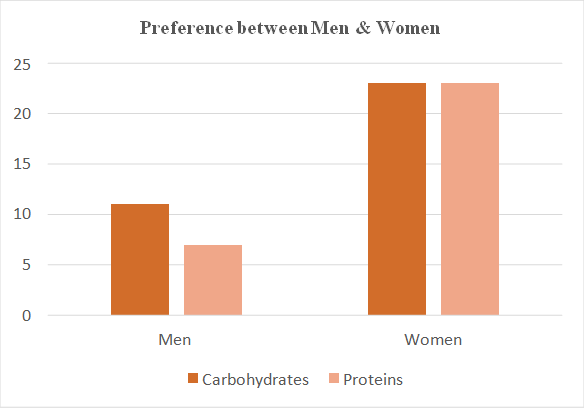
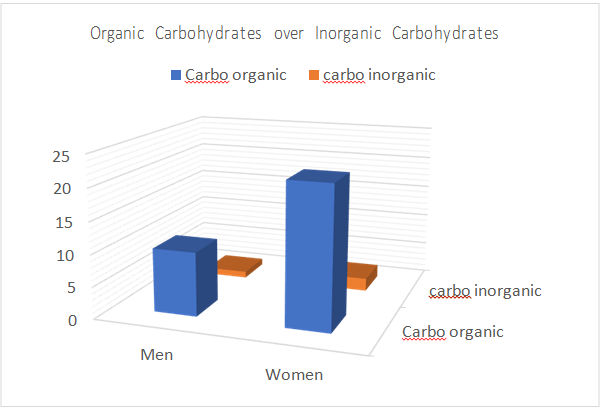
Figure 1 contrasts the preferences among the genders of choosing carbohydrates over protein intakes. It is seen that organic carbohydrates are preferred more than inorganic (Figure 2).
Conclusion
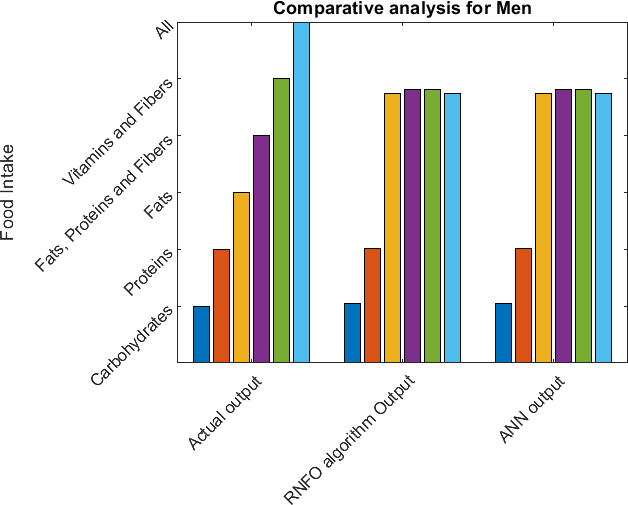
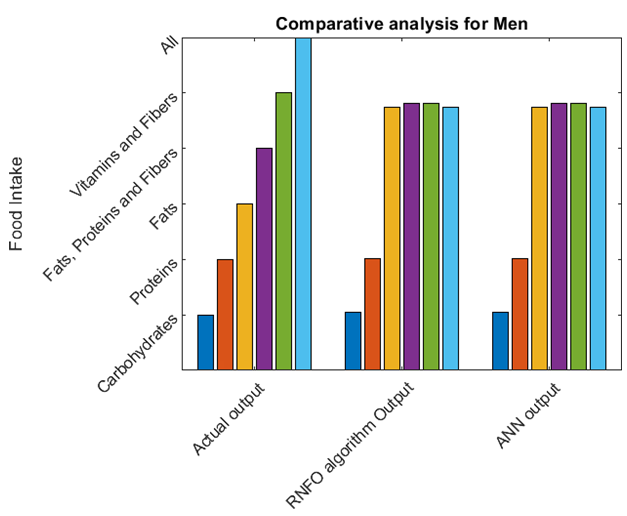
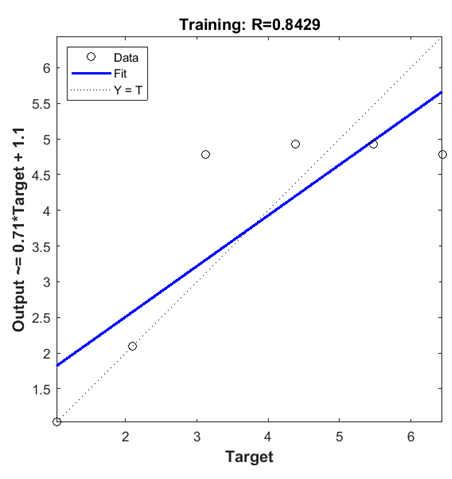
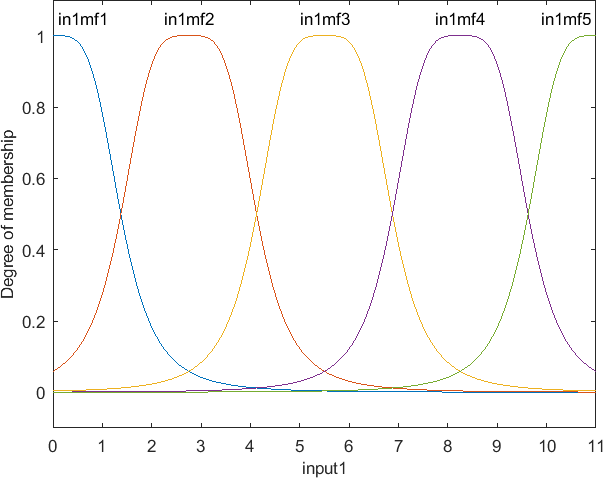
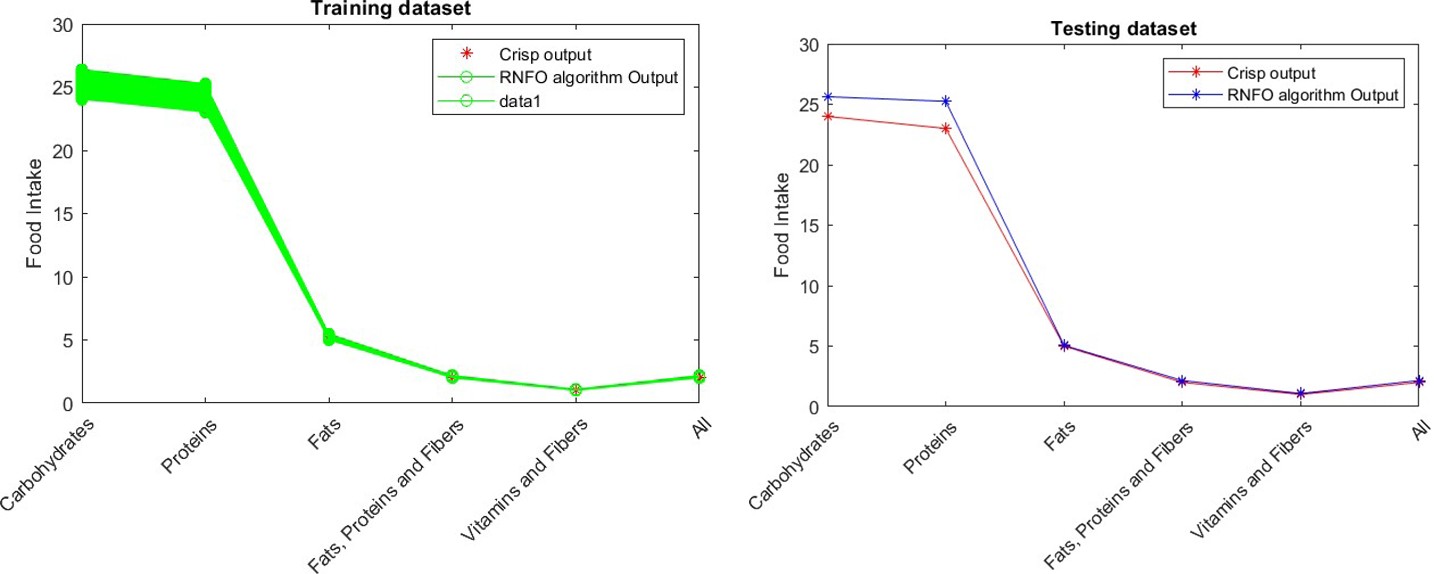
This AI-enabled algorithm reveals the performance of the predictive nutrition intake for both men and women in comparison with Artificial Neural Networks and actual output. Figures 3 & 4 represent the comparative analysis of food intake for men and women respectively. Figure 5 represents the membership function used for this AI- enabled algorithm. Figure 6 depicts the training and testing phase of the algorithm. The actual output shows the linearity whereas the ANN and AI-enabled algorithm analysed other parameters to determine the food intake and the results are very well sensitized for real world. The overall performance of the algorithm is good and thus AI-enabled algorithm can be applied for large amount of dataset to quantize the result precisely and more accurately. The inference of the study can be consolidated as follows.
- One effective strategy for the prevention and treatment of childhood obesity and other chronic diseases is the early promotion of healthy eating habits [26].
- Even though undernutrition can have negative effects at any age, they are most noticeable during the time of rapid growth and become irreversible if not treated in a timely manner. Therefore, it is crucial to tackle undernutrition as early as possible in order to break the cycle of it from one generation to the next [27].
- In terms of population health, carbohydrate quality is seen to be more significant than carbohydrate intake. Despite the advances in our understanding of how carbohydrates affect metabolism, there are still numerous unresolved issues. Mechanistically focused feeding studies, long-term clinical trials, prospective observation research, and an analysis of the effects on the economy and environment are all required for the resolution of these problems [28, 29].
- Many people are quite worried about their diets and desire to alter their eating habits. First and foremost, it’s crucial to comprehend the automatic and contextual factors that contribute to people’s failure to follow through on their well-intentioned diet modification [Denise de Ridder].
- A balanced diet and regular exercise help someone stay fit and healthy. It’s also crucial to get enough rest and sleep [30].
References
-
Ranil J, Anoop M (2020) Balanced diet is a major casualty in COVID-19. Diabetes Metab Syndr 14(5): 1085-1086.
-
Rose A, Elaine A (2005) Nutrition in Older Adults: Intervention and assessment can help curb the growing threat of malnutrition. American Journal of Nursing 105(3): 40-50.
-
Holesh JE, Aslam S, Martin A (2023) Physiology, Carbohydrates. Book.
-
Kristaly DM, Moraru SA, Neamiu FO, Ingureanau DE (2018) Assistive Monitoirng System Inside a Smart House; Proceedings of the International Symposium in Sensing and Instrumentation in IoT Era.
-
Cena H, Calder PC (2020) Defining a Healthy Diet: Evidence for The Role of Contemporary Dietary Patterns in Health and Disease. Nutrients 12(2): 334.
-
Bassoli M, Bianchi V, Munari I, Ciampolini P (2017) An IoT Approach for an AAL Wi-Fi- Based Monitoring System. IEEE Trans Instrum Meas 66: 3200-3209.
-
Kalpana K (2017) Can we achieve Micronutrient Adequacy and Cognition in Children through Millets? Food and Nutritional Journal 2(4): 1-3.
-
Henrietta H, Raj AS, Megavathi M, Kavinil V, Giridharan B (2021) An Investigation on Dietetics and Nutritional Interests using Quantitative Analysis in the Existing Prevalent Conditions of COVID-19. Journal of Human Health Research 1(3): 15-23.
-
Elisia I, Krystal G (2021) The Pros and Cons of Low Carbohydrate and Ketogenic Diets in the Prevention and Treatment of Cancer. Frontiers in Nutrition 8: 634845.
-
Bianchi V, Ciampolini P, Munari I (2019) RSSI-Based Indoor Localization and Identification for ZigBee Wireless Sensor Networks in Smart Homes. IEEE Trans Instrum Meas 6(2): 566-575.
-
Kaur D, Rasane P, Singh J, Kaur S, Kumar V, et al. (2019) Nutritional Interventions for Elderly and Considerations for the Development of Geriatric Foods. Current Aging Science 12(1): 15-27.
-
Aggarwal CC (2018) Neural Networks and Deep Learning. Springer.
-
Ridder D, Kroese F, Evers C, Adriaanse M, Gillebaart M (2017) Healthy diet: Health impact, prevalence, correlates, and interventions. Psychology & Health 32(8): 907-941.
-
Ludwig DS, Frank BH, Tappy L, Miller JB (2018) Dietary carbohydrates: role of quality and quantity in chronic disease. Science and Politics of Nutrition pp: 1-6.
-
Singh J, Mishra S (2020) Nutritional Enrichment and Health Benefits of Broccoli Flour in Making Dhokla. Food and Nutrition Journal 5(1): 222.
-
Koutli M, Theologou N, Tryferidis A, Tzovaras D (2019) Abnormal Behaviour Detection for Elderly People Living Alone Leveraging IoT Sensors. Proceedings of the IEEE 19th International Conference on Bioinformatics and Bioengineering (BIBE) pp: 28-30.
-
Dewey KG (2001) Nutrition, Growth and Complementary Feeding of The Brest fed Infant. Pediatric Clinics of North America 48(1): 87-104.
-
Carlos SGE, Beaumont E, Rana R, Abate N, Barthorp H, et al. (2021) Malnutrition in Infants Aged under 6 Months Attending Community Health Centres: A Cross Sectional Survey. Nutrients 13(8): 2489.
-
Ali H, Humayun A, Rabia K, Khalid MJ (2021) A Critical Review on Natural Nutritional Bars and Synthetic Dietary Supplements. International Journal of Food Chemistry and Human Nutrition 1(1): 19-37.
-
Sirajulhaque, Shehla B, Ramesh KT (2015) Balanced diet: Balanced Life. The Professional Medical Journal 20(10):1304-1308.
-
Keum SS, Lee CH, Kang SJ (2019) 29th International Telecommunication Networks and Applications Conference (ITNAC). Auckland, New Zealand.
-
Singh S, Sharma V, Mann B (2017) Milk Lipids Profiling of Minor Species for Assessing Quality of Nutritional Input: A Review. Food Nutr J 2(5): 145.
-
William T, Dashtipour K, Shah SA, Hussain A, Abbasi QH, et al. (2021) Radar Sensing for Activity Classification in Elderly People Exploiting Micro-Doppler Signatures Using Machine Learning. Sensors (Basel) 21(11): 3881.
-
Dipasquale V, Cucinotta U, Romano C (2020) Acute Malnutrition in Children: Pathophysiology, Clinical Effects and Treatment. Nutrients 12(8): 2413.
-
Drapeau V, Harvey AA, Jacob R, Provencher V, Panahi S (2022) The Impact of a Family Web- Based Nutrition Intervention to Increase Fruit, Vegetable, and Dairy Intakes: A Single-Blinded Randomized Family Clustered Intervention. Nutr J 21(1): 75.
-
Henrietta H, Kalaiyarasi K, Raj A (2022) Coconut Tree (_Cocos nucifera_) Products: A review of Global Cultivation and its Benefits. Journal of Sustainability and Environmental Management 1(2): 257-264.
-
Asif HM, Akram M, Saeed T, Khan MI, Akhtaar N, et al. (2011) Carbohydrates. International Research Journal of Biochemistry and Bioinformatics 1(1): 1-5.
-
Magarino I, Lacuesta R, Lloret J (2018) Agent-Based Simulation of Smart Beds With Internet-of- Things for Exploring Big Data Analytics. IEEE Access 6: 366-379.
-
Chellaiyan VG, Liaquathali F, Marudupandiyan J (2020) Healthy Nutrition for a Healthy Child: A Review on Infant Feeding in India. Journal of Family and Community Medicine 27(1): 1-7.
-
Elenberg Y, Shaoul R (2014) The Role of Infant Nutrition in the Prevention of Future Disease. Frontiers in Pediatrics 2(4): 73.
- Revolutionizing Property Measurement Through Artificial Intelligence: The Journey of PropertyMeasure.ai
- AI Infused Business Model Innovation for Competitive Advantage in the Era of Big Data and Digital Transformation
- Use of CPM/PERT in the Effort to Eradicate Polio
- Integrated Multimodal Deep Learning Framework for Early Detection of Mouth Cancer Using CT Imaging and Clinical Symptom Analysis
- Artificial Intelligence in Medical Robotics and Assistance: An Overview
- Server Migration with Multipath-QUIC