
Diabetes, Cinnamon and Green tea
<p>Diabetes is a metabolic disease with many important complications. Recently role of herbal medicine in combination with chemicals is under consideration, especially because of few adverse effect of these medications, they are with importance. Cinnamon and green tea are medicinal herbs which used as common beverage in the world and because of their high concentrate of anti-oxidants have some therapeutic efficacies as anti-diabetics and anti-neurodegenerative, anti-ischemic and also anti-cancer effects, this mini-review discuss about anti-diabetic effect of these herbal medicine.</p>
Mini Review
Diabetes is a chronic metabolic disease with high blood sugar with symptoms of polyuria, polydipsia, increased hunger and weight loss. Also it can induce many complications as diabetic ketoacidosis and non-ketotic- hyperosmolar coma which divided in two categories, insulin dependent (Type1), non-insulin dependent (Type2) which is in related to insensitivity of peripheral cells to insulin [1]. Diabetes is one of common diseases in the world that almost half of the world' population were involved [2, 3]. Therapeutics for diabetes concentrate on keeping blood sugar levels near normal ("euglycemia") as possible, without causing hypoglycemia which usually achieved with diet, exercise, and use of useful medications (insulin for type 1 diabetes; oral therapeutics, as well as possibly insulin, in type 2 diabetes) [3]. A number of medicinal herbs have been reported to have hypoglycemic effects. Cinnamon has been reported in some studies with potentiating the insulin effect through up regulation of the glucose uptake in cultured adipocytes [4]. Also there are some studies about role of green tea in diabetes [4, 5, 6]. In which some researches indicated on its' beneficial effect in diabetes [6]. Ryu, et al. has shown green tea effect on inflammation and arterial stiffness in diabetics [5] but inflammatory markers, such as CRP and IL-6, were unchanged, and neither were blood glucose, lipid profiles, insulin resistance, or serum adiponectin [5].
We have reported in one study either cinnamon and green tea extract could have decreased blood sugar and induce weight gain individually and synergically in animal model of type-1 diabetes [6]. Also in another study we have shown anti-oxidative stress of epicatechin, a major component of green tea on oxidative stress and mitochondrial damage induced by homocycteine using isolated rat hippocampus mitochondria (Figures 1 & 2) [7].
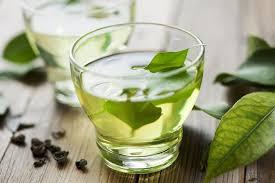
![Figure 2: Cinnamon Tea is an ordinary beverage in the world which have more than 4000 chemicals with different biological effects. Components of tea have anti-oxidant, anti- mutagenic and anti-carcinogenic effects [7,8]. Green tea has some protections against some neurological diseases such as Parkinson, Alzheimer and ischemic damages; it has also shown an anti-diabetic effect in insulin resistant animal models [7,9]. The anti-oxidant effect of green tea is because of its polyphenol cathechine components to scavenge ROS [7,9]. There are some reports about cathechines which are abundant in green tea which have more antioxidant effect than vitamin C and E [7,9]. Also cathechines have some effects on molecular and cellular targets of signaling pathways related to apoptosis and cell viability [7,9]. Some studies have demonstrated that EC, through activating nuclear factor erythroid 2 (Nrf2 and hem-oxygenase, has reduced the risks of ischemic heart diseases [7,10].](/fulltextimages/2196/fig_2.jpeg)
Figure 2: Cinnamon Tea is an ordinary beverage in the world which have more than 4000 chemicals with different biological effects. Components of tea have anti-oxidant, anti- mutagenic and anti-carcinogenic effects [7, 8]. Green tea has some protections against some neurological diseases such as Parkinson, Alzheimer and ischemic damages; it has also shown an anti-diabetic effect in insulin resistant animal models [7, 9]. The anti-oxidant effect of green tea is because of its polyphenol cathechine components to scavenge ROS [7, 9]. There are some reports about cathechines which are abundant in green tea which have more antioxidant effect than vitamin C and E [7, 9]. Also cathechines have some effects on molecular and cellular targets of signaling pathways related to apoptosis and cell viability [7, 9]. Some studies have demonstrated that EC, through activating nuclear factor erythroid 2 (Nrf2 and hem-oxygenase, has reduced the risks of ischemic heart diseases [7, 10].
Mustata, et al. in a study, has reported that green tea therapy with Vit E and C as antioxidant vitamins had no significant differences on glycaemia, but inhibited the formation of hyperlipidemia and had improvement in retinal superoxide [11]. Also some reports about role of cinnamon in diabetes indicated that it could reinforce insulin performance and improve insulin receptor phosphorylation [12, 13]. Polanski, et al. in 1998 during the investigation of cinnamon compounds, has shown that cinnamon contains some components which can enhance insulin secretion [14]. Tsuneki, et al. has shown that daily use of 1.5 g dried green tea powder in human diet could reduce glucose tolerance in diabetics [15]. In another study which studying combined effects of insulin and cinnamon, it was shown that this therapeutically regime was more effective than each of them individually [16, 17]. The main reason for the better improvement of blood glucose with combinational therapy of cinnamon and green tea extracts, may be because of the synergic effect of poly-phenols found in green tea and cinnamon which improve glucose metabolism, reduced food intake and diminishing oxidative stress and these poly-phenols may especially increase glucose metabolism and decrease insulin resistance in adipocytes [6]. Also, Cinnamon and green tea may able to increase insulin secretion from pancreatic Langerhans islet cells too [6].
Conclusion
According to recent studies some controversial ideas are for role of cinnamon and green tea in diabetes, in many studies, either cinnamon and green tea extract decreased blood sugar and induced weight gain individually and observed to have synergic effect in animal and human models but their anti-oxidant properties to reduce diabetes' complications are more dominated than their hypoglycemic effect. Also with considering the absence of herbal profound adverse effects, these therapeutic herbal regimes can be suggested for people with high risk and also as a complementary regime with anti-hyperglycemic drugs.
References
-
Buse JB, Caprio S, Cefalu WT, Ceriello A, Del Prato S, et al. (2009) How do we define cure of diabetes? Diabetes Care 32(11): 2133-2135.
-
Association AD (2008) Diagnosis and classification of diabetes mellitus. Diabetes Care 31(Supply 1): 55-60.
-
Nagao T, Hase T, Tokimitsu I (2007) A green tea extract high in catechins reduces body fat and cardiovascular risks in humans. Obesity 15(6): 1473- 1483.
-
Qin B, Nagasaki M, Ren M, Bajotto G, Oshida Y (2003) Cinnamon extract (traditional herb) potentiates invivo insulin-regulated glucose utilization via enhancing insulin signaling in rats. Diabetes Res Clin Pract 62(3): 139-148.
-
Ryu O, Lee J, Lee KW, Kim HY, Seo JA et al. (2006) Effects of green tea consumption on inflammation, insulin resistance and pulse wave velocity in type 2 diabetes patients. Diabetes Res Clin Pract 71(3): 356- 358.
-
Shokri G, Fathi H, Jafari Sabet M, Nasri Nasrabadi N, Ataee R (2015) Evaluation of anti-diabetic effects of hydroalcoholic extract of green tea and cinnamon on Streptozotocin-induced diabetic rats. Pharm Biomed Res 1(2): 20-29.
-
Shaki F, Shayeste Y, Karami M, Akbari E, Rezaei M, et al. (2017) The effect of epicatechin on oxidative stress and mitochondrial damage induced by homocycteine using isolated rat hippocampus mitochondria. Res Pharm Sci 12(2): 119-127.
-
Zaveri NT (2006) Green tea and its polyphenolic catechins: medicinal uses in cancer and noncancer applications. Life Sci 78(18): 2073-2080.
-
Sutherland BA, Rahman RM, Appleton I (2006) Mechanisms of action of green tea catechins, with a focus on ischemia-induced Neurodegeneration. J Nut Biochem 17(5): 291-306.
-
Shah Zale R, Ahmad AS, Kensler A, Yamamoto M, Biswal S, et al. (2010) The flavanol (-)-epicatechin prevents stroke damage through the Nrf2/HO1 pathway. J Cereb Blood Flow Metab 30(12): 1951- 1961.
-
Mustata GT, Rosca M, Biemel KM, Reihl O, Smith MA, et al. (2005) Paradoxical effects of green tea (Camellia sinensis) and antioxidant vitamins in diabetic rats improved retinopathy and renal 10mitochondrial defects but deterioration of collagen matrix glycoxidation and cross-linking. Diabetes 54(2): 517- 526.
-
Jarvill-Taylor KJ, Anderson R, Graves DJ (2001) A hydroxychalcone derived from cinnamon functions as amimetic for insulin in 3T3-L1 adipocytes. J Am Coll Nutr 20(4): 327-336.
-
Onderoglu S, Sozer S, Erbil K, Ortac R, Lermioglu F (1999) The Evaluation of Long‐term Effects of Cinnamon Bark and Olive Leaf on Toxicity Induced by Streptozotocin Administration to Rats. J Pharm Pharmacol 51(11): 1305-1312.
-
Imparl-Radosevich J, Deas S, Polansky MM, Baedke DA, Ingebritsen TS, et al. (1998) Regulation of PTP-1 and insulin receptor kinase by fractions from cinnamon: implications for cinnamon regulation of insulin signalling. Horm Res 50(3): 177-182.
-
Tsuneki H, Ishizuka M, Terasawa M, Sasaoka T, Kimura I, et al. (2004) Effect of green tea on blood glucose levels and serum proteomic patterns in diabetic (db/db) mice and on glucose metabolism in healthy humans. BMC pharmacology 4(1): 18.
-
Khan A, Safdar M, Khan MM, Khattak KN, Anderson RA (2003) Cinnamon improves glucose and lipids of people with type-2 diabetes. Diabetes Care 26(12): 3215-3218.
-
Broadhurst CL, Polansky MM, Anderson RA (2000) Insulin-like biological activity of culinary and medicinal plant aqueous extracts in vitro. Journal of Agricultural and Food Chemistry 48(3): 849-852.
- Shaping Healthy Futures: Pediatric Endocrine Breakthroughs of 2025
- Precision Medicine in Obesity: Customizing Treatment for 2025
- The Thyroid Revolution: How 2025 is Redefining Hormone Health
- Editorial- Targeting Immunometabolism for Generating Innovative Therapies for Cancer
- Current Knowledge of Chickenpox
- Correlation of Preinjection Values of Gonadotropins and Estradiol Level with Clinical and Radiologic Evidence of Sufficient Pubertal Suppression in Girls with Central Precocious Puberty