
A Review on Ganoderic Acid, Cordycepin and Usnic Acid, an interesting Natural Compounds from Mushrooms and Lichens
Mushrooms and lichens are generous source of nutritional and medicinal compounds, and medicinal uses of the mushrooms and lichens still need to be worked out for their biological activities. This review aims to put ganoderic acid, cordycepin and usnic acid under light spot through representing their important as biological activities exerted by ever one. Further studies and investigations are fortified in order to find more about these interesting natural products.
Introduction
Mushrooms are used from ancient times and have a long history as nutritious tasty food items with low fattening values and high in proteins, vitamins, iron, zinc, selenium, sodium, chitin, fibres, minerals and other important nutrients [1, 2, 3, 4, 5]. Besides high nutritional value mushrooms have well known medicinal usefulness due to well recognized therapeutic potential. Fruit bodies and mycelium of medicinal mushrooms are reported to contain important bioactive compounds (Such as ganoderic acid, cordycepin) with high antioxidant potential, Anticancer, Antiviral, Anti- inflammatory, Antidiabetic, anti-cholesterol and other [6, 7]. Extracts from the wild mushroom fruiting body are considered as important medicines for the prevention and cure of many diseases in several parts of the world [8, 9, 10, 11]. Wild edible mushrooms have a high nutritional property that has been consumed by people from different parts of the world, producing a wide variety of bioactive compounds such as polysaccharides, peptides, glycoproteins, triterpenoids, lipids, and their derivatives [12, 13, 14]. In the world, multidrug- resistant pathogens have been increasing extremely, and it is very urgent to search for alternative solutions to fight against multidrug-resistant pathogens. Moreover, unhealthy foods, ultraviolet radiation, as well as other environmental effects, are responsible for generating free radicals, oxidative stress, and numerous health diseases [15, 16, 17, 18, 19, 20]. Hence, the wild edible mushroom could be an alternative source of new antimicrobial potential and possesses antioxidant properties that can play significant roles in preventing various health diseases. In this review, we focus on investigating the antimicrobial, antioxidant, anticancer, antiviral, anti- inflammatory, anti-diabetic, anti-cholesterol and others potential of wild edible mushrooms and their bioactive compound production [21, 22, 23, 24].
Biologically active compounds from species of the phylum Basidiomycota and Ascomycota have been shown a wide range of pharmacological activities and provide a massive reservoir of potential innovational drugs. The aim of this review is to discuss some mechanisms of action involved in antioxidant, anti-inflammatory, cytotoxic/anticancer and other bioactivities attributed to the most common important bioactive compounds like Ganoderic acid and Cordycepin, from the genera Ganoderma species and Cordyceps species belonging to the phylum Basidiomycota and Ascomycota. We show that isolated ganoderic acid and cordycepin from Ganoderma species and Cordyceps species fruit bodies, and other secondary metabolites like polysaccharides that presented antioxidant properties and other bioactivities. Investigating the mechanisms of action of biologically active compounds (Ganoderic acid and cordycepin) extracted form medicinal mushrooms (Ganoderma species and Cordyceps species) and other medicinal edible mushrooms will facilitate further efforts to accelerate the discovery of novel therapeutic strategies [25, 26].
Lichens are unique structures formed by an association between fungi and algae or cyanobacteria, by developing a unique morphological form that is separate from either component organism [27, 28, 29]. They have been used by humans for centuries as food and as a source of dye, and for their therapeutic properties in traditional medicine [30]. An exhaustive collection of papers on these topics is Sylvia Sharnoff’s database on human uses of lichens. The introduction of the innovative analytical techniques, TLC and HPLC, in the 1960s represented a significant contribution to the identification of a large number of lichen substances. In this often-mutualistic relationship, the fungus and the algae are referred as mycobiont and the phycobiont, respectively [31]. The mycobiont component most commonly belongs to the Ascomycetes, however, some may be Basidiomycetes and may even form mushroom-like spore bearing structures. The Phycobiont component belongs to the divisions Chlorophyta and Cyanophyta [32]. Lichens can grow on a range of surfaces from rocks to existing as epiphytes on trees or leaves [33]. The vegetative component of lichen is called the thallus and this can be subdivided into four main categories. Foliose: A leaf-like thallus, attached to the substrate at various points. Crustose: A thallus which is flattened against the substrate and its lower surface is entirely attached. Fruticose: the thallus is mainly composed of pendulous or, less commonly, upright branches and is attached at a single point. Squamulose: In which the thallus begins like a foliose lichen, but subsequently develops erect branches named podetia [34, 35].
The lichen has different functional layers and each functional layer accumulates specific secondary metabolites such as upper cortex which is mycobiont layer (accumulates atranorin, parietin, usnic acid, fungal melanins), medullary layer (accumulates physodic acid, physodalic acid, protocetraric acid), and an algal layer which is having photobionts [36]. Most of the lichen secondary metabolites exhibit significant biological activities. For example, Usnic acid exhibits several biological properties such as antimicrobial, larvicidal, anticancer, and UV absorption etc. Lichens play an important role in many ecosystems and exist as a symbiotic association between fungi and algae or cyanobacteria. This symbiosis results in the production of unique secondary metabolites known as lichen substances, which arise within the thalli and are typically in crystal form on the surface of the fungal hyphae. Recently, lichens and their secondary metabolites have been receiving increased attention due to their nutritional value and pharmaceutical potential, [27, 28, 29, 37, 38]. This review aims to highlight on the importance of common lichen secondary metabolites usnic acid and summarises the most relevant studies, and focusing on a number of biological activities in different fields.
Ganoderic Acids
Mushrooms are rich sources of biologically active compounds and cosmetic ingredients [39]. Ganoderma lucidum, a traditional medicinal mushroom, has been used to treat and prevent various diseases for two millennia in Asian countries [40]. Ganoderic acids (GAs), a type of tetracyclic triterpenoid, are one of the major ingredients of Ganoderma lucidum and have diverse pharmacological activities, including antitumor, anti-metastasis, anti-HIV, antiviral, hepatoprotective, hypocholesterolemic antioxidant, and antiaging effects [41].
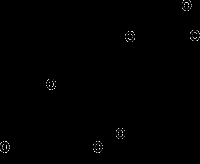
Ganoderma lucidum is a mushroom that has a long history of medicinal use in the Far East countries as this mushroom is revered for its supposed miracle cures and life improving properties. Recently, this mushroom has come under scientific scrutiny to examine the possibility of finding biologically active compounds that may have an impact on human physiology. The main category of biologically active compounds produced in the Ganoderma lucidum, are the triterpenoids, which are known as Ganoderic Acids [42]. Ganoderma lucidum contains a wide variety of bioactive compounds, such as, terpenoids, steroids, phenols, and nucleotides and their derivatives, glycoproteins, and polysaccharides. The biologically active molecules that may have a particular interest in the clinical setting are the terpenes and more specifically ganoderic Acids. Terpenes are a class of compounds produced by the Ganoderma lucidum which are carbon structures composed of one or more isoprene C5 units. Ganoderic acids (Figure 1) are classified as Triterpenes, a subtype of triterpenoids, as they are composed of six isoprene units [43].
In spite of their important biological functions, the low production of Ganoderic acids is a bottleneck for clinical trials and commercial applications [44, 45]. At present, Ganoderic acids is mainly obtained from fruiting bodies and mycelia of Ganoderma lucidum. Compared to fruiting body cultures, a submerged culture is a promising alternative for the production of triterpenoids, as it is easy to control the product quality and is cost effective. Many efforts, such as by operating fermentation conditions, developing bioprocessing and elicitor strategies, and metabolic engineering, have been conducted to increase the production of Gas by fermentation of mycelia. Ganoderma lucidum, common name Ling-Zhi in Chinese and Reishi in Japanese, has been used as a traditional medication for prevention and treatment of various human diseases for several thousand years in Asia [46, 47]. Also, according to different functional groups and side-chain types, structural skeleton of Ganoderic acids can be classified into three categories [47]. The great extent of oxidative modification (with hydroxyl, oxo, acetoxyl group), especially at C-3, C-7, C-15, and C-22 positions. Until now, GAs is mainly extracted from the solid cultivated fruiting bodies of Ganoderma lucidum [48].
Ganoderic Acid-DM may be a potential therapeutic candidate to treat an assortment of cancers as well as other diseases. His compound is capable of inducing apoptosis in cancer cells while exhibiting minimal toxicity to healthy cells. Ganoderic Acid-DM is also capable of stimulating an immune response in the tumor environment to potentially provide long-term protection from the malignant tumors [43]. More studies provide great support for utilizing Ganoderic Acid- DM as an alternative or supplemental therapy for various types of cancers, and more research is required to better understand the full scope of molecular targets Ganoderic Acid-DM [43]. Li and Wang described ganoderic acid extracted from Ganoderma lucidum as an anti-hepatitis B agent since it inhibited virus replication [49]. Zhang, et al. recorded the significant anti-viral activity of Ganoderma lucidum against enterovirus, which is the major cause of hand, foot and mouth diseases [50]. Li, et al. and Yuen & Gohel reported that Ganoderic acid X produced by Ganoderma amboinense and Ganoderma lucidum have significant Anti-cancer activity [51, 52]. Also Sliva, et al. and Zhang, et al. mentioned that Ganoderic acids from Ganoderma lucidum has Anti-oxidant activity and Anti- Microbial Activity [53, 54].
Cordycepin
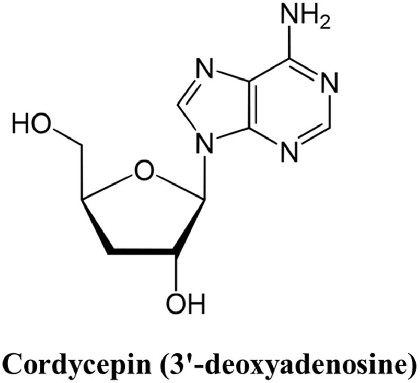
Cordyceps is a type of Ascomycetes which parasitizes insect larvae, grows and gradually changes into a fruit body [55]. In the early 1980s, many scientific institutes began to study the cultivation of Cordyceps sinensis. Previous work, over the course of a decade, was mainly focused on the anamorphic fungi related to Cordyceps sinensis. The Sichuan TCM Institute also achieved the artificial cultivation of Cordyceps sinensis, although commercial production has not been carried out because of the high cost and low stability [56, 57]. Cordyceps militaris and Cordyceps sinensis, are a macro fungus of biomedical importance, contains a number of bioactive components. Many of them are biological response modifiers which activate our immune systems for a multitude of defensive functions. The immunomodulating effects are associated with its antitumour and other different biological activities. Cordycepin (Figure 2) was first isolated from Cordyceps militaris and its structural formula was confirmed as 3’-deoxyadenosine but it is only found in natural Cordyceps militaris with very low content and cannot be detected in the cultured ones [58]. Cordycepin is the most considerable adenosine analogue from some Cordyceps, which is a derivative of the nucleoside adenosine differing from the latter by the absence of oxygen in the 3’ position of its ribose entity [59]. Cordycepin is a category of compounds that exhibits significant therapeutic potential and has many intracellular targets, including nucleic acid, apoptosis, and cell cycle. Cordycepin can participate in various molecular processes in cells because of its similarity with adenosine [60, 61]. Cordycepin, a metabolite of Cordyceps militaris, cordycepin has been investigated previously for its pharmacological potential, particularly in connection with the use of Cordyceps militaris fruiting bodies as a traditional herbal medicine. It has been reported to have anti- inflammatory as well as anti-tumour and anti-angiogenic properties [50, 62, 63, 64].
Up to now, in fact, the artificial cultivation of this valuable fungus has not been successfully achieved; only a product made using a Cordyceps sinensis anamorph has been made by fermentation methods. Modern experimental methods in biochemistry have proved that Cordyceps sinensis consists of active constituents such as crude fats, proteins, fibre, carbohydrate, cordycepin, cordycepic acid, polysaccharide, a series of vitamins, mannitol, nucleosides, ergosterol, aminophenol and trace elements [16, 65]. It has a broad medical effect, and its function of immunity regulation plays an important role in antitumour effects, organ transplantation and the prevention of kidney, liver and heart disease [66, 67].
On the other hand, Cordyceps sinensis is a complex of larva and parasitic fungus, many species in this genus are valuable medicinal fungi with broad development potential. The parasitic complex of the fungus and caterpillar, well known as ‘DCXC’, is only found in the prairie soil at an elevation of 3500–5000 m. It is mostly distributed in Tibet, Qinghai, Sichuan, Yunnan and Gansu province in China. While complexes consisting of other species of fungi and insects are called ‘ChongCao’, not ‘DCXC’ [68].
Although the pharmacologically active components of Cordyceps sinensis are still unresolved, at least two chemical constituents, cordycepin and cordycepic acid, have been identified and proposed as important active constituents. It is now believed that cordycepic acid is, in fact, D-mannitol, and that cordycepin is 3’-deoxyadenosine (3’-dA), a purine alkaloid, a derivative of the nucleoside adenosine, differing from the latter by the absence of oxygen in the 3’ position of its ribose part [16].
Usnic Acid
Lichen substances are derived for defence against most of the pathogens in nature. There are several interesting examples found reported in literature. Atranorin isolated from Physcia aipolia, fumarprotocetraric acid isolated from Cladonia furcata, gyrophoric acid isolated from Umbilicaria polyphylla, lecanoric acid isolated from Ochrolechia androgyna, physodic acid isolated from Hypogymnia physodes), protocetraric acid isolated from Parmelia caperata, stictic acid isolated from Parmelia conspersa and the most important lichen substances is usnic acid isolated from Flavoparmelia caperata, Pseudocyphellaria glabra, Pseudocyphellaria homoeophylla, Usnea campestris, Usnea diffracta, Usnea longissima, Usnea misaminensis and other exhibited potential antimicrobial effects against six types of bacteria and ten types of fungi, including human, animal, plant pathogens, mycotoxin producers and food-spoilage organisms [69]. Usnic acid (Figure 3) is a yellowish pigment produced by several lichen species. It is a product of the secondary metabolism of the fungal partner and it exists in two enantiomers which differ in the orientation of the methyl group located in position 9b.
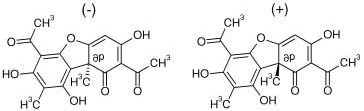
Usnic acid seems to play many biological roles such as: antibiotic, antimycotic, antifeedant, phytotoxic, photobiont regulator, UV filter. The difficulty of culturing whole lichen thalli in controlled conditions for an appropriate length of time clearly represents a limitation for research. Usnic acid probably does not have a single main biological role, but can play different, species-specific roles, also depending on habitat factors. Further investigations are necessary in order to test these hypotheses [70]. Usnic acid seems to be an exclusive lichen product. No synthetic derivatives more effective than the natural form are known. On the other hand, both the (+) and (–) enantiomers of usnic acid are effective against a large variety of Gram-positive (G+) bacterial strains. The (+)-usnic acid enantiomer appears to be selective against Streptococcus mutans without inducing perturbing side effects on the oral saprophyte flora. Furthermore, the (–) usnic acid enantiomer is a selective natural herbicide because of its blocking action against a specific key plant enzyme [70].
Usnic acid has significant biological profile against pathogenic gram +ve organisms and anaerobic bacteria [71]. In addition, usnic acid has also been used in topical preparations, toothpastes and mouth washes. Lichen compounds significantly inhibit bacterial growth at lower concentration, while comparing with other antibiotics [36]. Usnic acid is class of dibenzofuran functional group and it has multiple biological activities. It shows antitumor activity against Lewis Lung carcinoma and P388 leukaemia through the mechanism of mitosis inhibition and apoptotic induction [71, 72]. Usnic acid was found to be a good antimicrobial agent when compared to streptomycin [73]. (+)-usnic acid produced by Cladonia arbuscula (Have antimycobacterial activity), and (–) usnic acid produced by Cladonia leptoclada (Have anti-tumour activity) [74, 75]. Also Odimegwu, et al. and Bhattacharjya, et al. reported that, usnic acid produced by Pseudocyphellaria glabra and Pseudocyphellaria
homoeophylla have antiviral, antimicrobial and cytotoxic activities [76, 77]. Usnea campestris, Usnea diffracta, Usnea longissima and Usnea misaminensis can produced usnic acid which have different biological activities (Antimicrobial and anti-inflammatory) [78, 79].
Moura et al., and Gylfason, mentioned that, usnic acid produced by Cladonia spp. and Alectoria ochroleuca, have antibiotic activity and antifungal. Protousnea poeppigii produced usnic acid, Isodivaricatic acid, 5-propylresorcinol and divaricaticacid have different biological activities like Antiprotozoal, antifungal [73, 80, 81]. D-Usnic acid, evernic acid and atranorin produced by Pseudoevernia furfuracea have significant anti-Allergy activity [82]. Parmotrema dilatatum, Parmotrema tinctorum and Pseudoparmelia sphaerospora all can produce usnic acid, orsellinic acid esters and salazinic acid, all have significant anti-Mycobacterium tuberculosis [83]. Usnic acid isolated from Ramalina terebrata and Parmelia caperata inhibits the growth of Bacillus subtilis, Staphyrococcus aurens, Escherichia coli and Pseudomonas aeruginosa [84]. (-)-Usnic acid isolated from Cladonia stellaris and Alectoria sarmentosa, active against Staphylococcus aureus [85, 86, 87, 88].
Also, more research is needed to make possible intensive lichen culture, in order to produce large quantities of lichen usnic acid and other substances for pharmaceutical, cosmetic and agricultural purposes. Some biological aspects, i.e. the possible biological roles of usnic acid, need to be investigated and discussed.
Conclusion
Studies with mushrooms and lichens have been developed recently and it is figured out that potent property of secondary metabolites from different wild mushroom and lichens species showed great biological activities. There is a growing interest in active metabolites that are obtained from these natural sources as an alternative to synthetic drugs like ganoderic acid and cordycepin from wild mushrooms and usnic acid from lichens.
Several compounds are responsible for the therapeutic activities of many medicinal mushrooms and lichens genera, the main groups of these compounds are polysaccharides, terpenes, phenolic compounds, and essential amino acids, as well as minerals. Ganoderic acid and cordycepin from wild mushrooms and usnic acid from lichens are showing the most potent therapeutic activities.
References
-
Elkhateeb WA, Daba GM, Thomas PW, Wen TC (2019) Medicinal mushrooms as a new source of natural therapeutic bioactive compounds. Egypt Pharmaceu J 18(2): 88-101.
-
Elkhateeb WA, Daba GM, Elnahas M, Thomas P, Emam M (2020) Metabolic profile and skin-related bioactivities of Cerioporus squamosus hydromethanolic extract. Biodiversitas J Biological Div 21(10).
-
Elkhateeb WA, Daba GM (2020) Termitomyces Marvel Medicinal Mushroom Having a Unique Life Cycle. Open Access Journal of Pharmaceutical Research 4(1): 1-4.
-
Daba GM, Elkhateeb W, ELDien AN, Fadl E, Elhagrasi A, et al. (2020) Therapeutic potentials of n-hexane extracts of the three medicinal mushrooms regarding their anti- colon cancer, antioxidant, and hypocholesterolemic capabilities. Biodiversitas Journal of Biological Diversity 21(6): 1-10.
-
Elkhateeb WA (2020) What medicinal mushroom can do? Chem Res J 5(1): 106-118.
-
Elkhateeb WA, Daba GM, Elmahdy EM, Thomas PW, Wen TC, et al. (2019) Antiviral potential of mushrooms in the light of their biological active compounds. ARC J Pharmac Sci 5(2): 45-49.
-
El-Hagrassi A, Daba G, Elkhateeb W, Ahmed E, El-Dein AN, et al. (2020) In vitro bioactive potential and chemical analysis of the n-hexane extract of the medicinal mushroom, Cordyceps militaris. Malays J Microbiol 16(1): 40-48.
-
Elkhateeb WA, Daba GM, El-Dein AN, Sheir DH, Fayad W, et al. (2020) Insights into the in-vitro hypocholesterolemic, antioxidant, antirotavirus, and anticolon cancer activities of the methanolic extracts of a Japanese lichen, Candelariella vitellina, and a Japanese mushroom, Ganoderma applanatum. Egyptian Pharmaceutical Journal 19(1): 67-73.
-
Elkhateeb WA, Elnahas MO, Thomas PW, Daba GM (2019) To Heal or Not to Heal? Medicinal Mushrooms Wound Healing Capacities. ARC Journal of Pharmaceutical Sciences 5(4): 28-35.
-
Elkhateeb WA, Daba GM, Elnahas MO, Thomas PW (2019) Anticoagulant capacities of some medicinal mushrooms. ARC J Pharma Sci 5(4): 1-9.
-
Elkhateeb W, Elnahas MO, Paul W, Daba GM (2020) Fomes fomentarius and Polyporus squamosus models of marvel medicinal mushrooms. Biomed Res Rev 3(1): 119.
-
Elkhateeb WA, Daba GM (2021) Mycotherapy of the good and the tasty medicinal mushrooms Lentinus, Pleurotus, and Tremella. Journal of Pharmaceutics and Pharmacology Research 4(3): 1-6.
-
Elkhateeb WA, Daba GM (2021) The Fascinating Bird’s Nest Mushroom, Secondary Metabolites and Biological Activities. International Journal of Pharma Research and Health Sciences 9 (1): 3265-3269.
-
Elkhateeb WA, Daba GM, Gaziea SM (2021) The Anti- Nemic Potential of Mushroom against Plant-Parasitic Nematodes, Open Access Journal of Microbiology & Biotechnology 6(1): 1-6.
-
Elkhateeb WA, Elnahas MO, Thomas PW, Daba GM (2020) Trametes Versicolor and Dictyophora Indusiata Champions of Medicinal Mushrooms. Open Access Journal of Pharmaceutical Research 4(1): 1-7.
-
Elkhateeb WA, Daba G (2020) The endless nutritional and pharmaceutical benefits of the Himalayan gold, Cordyceps; Current knowledge and prospective potentials. Biofarmasi Journal of Natural Product Biochemistry 18(2): 1-10.
-
Daba GM, Elkhateeb W, ELDien AN, Fadl E, Elhagrasi A, et al. (2020) Therapeutic potentials of n-hexane extracts of the three medicinal mushrooms regarding their anti- colon cancer, antioxidant, and hypocholesterolemic capabilities. Biodiversitas Journal of Biological Diversity 21(6): 1-10.
-
Thomas PW, Elkhateeb WA, Daba GM (2020) Chaga (Inonotus obliquus): a medical marvel but a conservation dilemma?. Sydowia 72: 123-130.
-
Elkhateeb W, Thomas P, Elnahas M, Daba G (2021) Hypogeous and Epigeous Mushrooms in Human Health. In: Advances in Macrofungi. pp: 7-19.
-
Elkhateeb WA, El Ghwas DE, Gundoju NR, Somasekhar T, Akram M, et al. (2021) Chicken of the Woods Laetiporus Sulphureus and Schizophyllum Commune Treasure of Medicinal Mushrooms. Open Access Journal of Microbiology & Biotechnology 6(3): 1-7.
-
Elkhateeb WA, Daba GM (2021) Highlights on Unique Orange Pore Cap Mushroom Favolaschia Sp. and Beech Orange Mushroom Cyttaria sp. and Their Biological Activities. Open Access Journal of Pharmaceutical Research 5(3): 000246.
-
Elkhateeb WA, Daba GM (2021) Highlights on the Wood Blue-Leg Mushroom Clitocybe Nuda and Blue-Milk Mushroom Lactarius Indigo Ecology and Biological Activities. Open Access Journal of Pharmaceutical Research 5(3): 000249.
-
Elkhateeb WA, Daba GM (2021) Highlights on the Golden Mushroom Cantharellus cibarius and unique Shaggy ink cap Mushroom Coprinus comatus and Smoky Bracket Mushroom Bjerkandera adusta Ecology and Biological Activities. Open Access Journal of Mycology & Mycological Sciences 4(2): 000143.
-
Jais HM, Tajuddin R, Iffendy KA (2014) Macrofungi of a Healty Campus (Penerbit USM). Penerbit USM.
-
Román MP, Mantilla NB, Flórez SA, De Mandal S, Passari AK, et al. (2020) Antimicrobial and Antioxidant Potential of Wild Edible Mushrooms. In: An Introduction to Mushroom, pp: 1-18.
-
Gomes DC, de Alencar MV, Dos Reis AC, de Lima RM, de Oliveira Santos JV, et al. (2019) Antioxidant, anti- inflammatory and cytotoxic/antitumoral bioactives from the phylum Basidiomycota and their possible mechanisms of action. Biomedicine & Pharmacotherapy 112: 108643.
-
Elkhateeb WA, Daba G, Donia Sheir, The-Duy Nguyen, Hapuarachchi K, et al. (2020) Mysterious World of Lichens: Highlights on Their History, Applications, and Pharmaceutical Potentials. The Natural Products Journal 11(3): 1-13.
-
Elkhateeb WA, Daba GM (2020) Occurrence of terpenes, polyketides, and tannins in some Japanese lichens and green mosses. Egyptian Pharmaceutical Journal 19(3): 216-223.
-
Elkhateeb WA, Daba GM (2020) Lichens− masters of extraordinary symbiosis with potent pharmaceuticals. Egyptian Pharmaceutical Journal 19(3): 197-201.
-
Hobbs C (1986) Usnea: the herbal antibiotic. Botanica Press, Capitola, Calif.
-
Sharma G, Gupta G, Sharma P (2018) A Comprehensive review of free radicals, antioxidants, and their relationship with human ailments. Crit Rev Eukaryot Gene Expr 28(2): 139-154.
-
Shukla V, Joshi GP, Rawat MS (2010) Lichens as a potential natural source of bioactive compounds: a review. Phytochem Rev 9: 303-314.
-
Fabian A, Peter D, Matthew J, Mathieu P, Dolores M, et al. (2005) Fungal Genet. Biol 42: 554.
-
Nayaka S (2014) Methods, techniques in collection, preservation and Identification of Lichens. In: Rana TS, et al. (Eds.), Plant Taxonomy and Biosystematics: Classical and Modern Methods. pp: 101-105.
-
Monge-Najera J (2019) Relative humidity, temperature, substrate type, and height of terrestrial lichens in a tropical paramo. Rev Biol Trop 67(1): 206-212.
-
Bhattacharyya S, Deep PR, Singh S, Nayak B (2016) Lichen secondary metabolites and its biological activity. Am J PharmTech Res 6(6): 29-44.
-
Elkhateeb W, Somasekhar T, Thomas P, Wen TC, Daba G (2021) Mycorrhiza and lichens as two models of fungal symbiosis. Journal of microbiology, biotechnology and food sciences 11(3): e4644-e4644.
-
Elkhateeb WA, Elnahas MO, Daba GM (2021) Lichentherapy: Highlights on the Pharmaceutical Potentials of Lichens. Open Access Journal of Microbiology & Biotechnology 6(2): 1-10.
-
Chaturvedi VK, Agarwal S, Gupta KK, Ramteke P, Singh MP (2018) Medicinal mushroom: boon for therapeutic applications. 3 Biotech 8(8): 334.
-
Paterson RR (2006) Ganoderma-a therapeutic fungal biofactory. Phytochemistry 67(18): 1985-2001.
-
Xu JW, Zhao W, Zhong JJ (2010) Biotechnological production and application of ganoderic acids. Appl Microbiol Biotechnol 87(2): 457-66.
-
Hapuarachchi KK, Elkhateeb WA, Karunarathna SC, Cheng CR, Bandara AR, et al. (2018) Current status of global Ganoderma cultivation, products, industry and market. Mycosphere 9(5): 1025-1052.
-
Bryant JM, Bouchard M, Haque A (2017) Anticancer activity of ganoderic acid DM: current status and future perspective. Journal of Clinical & Cellular Immunology 8(6): 535.
-
Wagner R, Mitchell DA, Sassaki GL, De Almeida Amazonas MAL, Berovic M (2003) Current techniques for the cultivation of Ganoderma lucidum for the production of biomass, ganoderic acid and polysaccharides. Food Technol Biotechnol 41: 371-82.
-
Feng J, Zhang JS, Jia W, Yang Y, Liu F, et al. (2014) An unstructured kinetic model for the improvement of triterpenes production by Ganoderma lucidum G0119 based on nitrogen source effect. Biotechnol Bioproc Eng 19(4): 727-32.
-
Chen RY, Yu DQ (1990) Progress of studies on the chemical constituents of Ganoderma triterpenes. Yao Xue Xue Bao 25(12): 940-953.
-
Shiao MS, Lee KR, Lin JL, Wang CT (1994) Natural products and biological activities of the Chinese medicinal fungus Ganoderma lucidum. Food Phytochemicals for Cancer Prevention II; ACS Symposium Series; American Chemical Society, Washington.
-
Xu P, Ding ZY, Qian Z, Zhao CX, Zhang KC (2008) Improved production of mycelial biomass and ganoderic acid by submerged culture of Ganoderma lucidum SB97 using complex media. Enzyme Microb Technol 42(4): 325-331.
-
Li YQ, Wang SF (2006) Anti-hepatitis B activities of ganoderic acid from Ganoderma lucidum. Biotechnology letters 28(11): 837-841.
-
Zhang DW, Wang ZL, Qi W, Lei W, Zhao GY (2014) Cordycepin (3′ - deoxyadenosine) down-regulates the proinflammatory cytokines in inflammation induced osteoporosis model. Inflammation 37(4): 1044-1049.
-
Li CH, Chen PY, Chang UM, Kan LS, Fang WH, et al. (2005) Ganoderic acid X, a lanostanoid triterpene, inhibits topoisomerases and induces apoptosis of cancer cells. Life Sciences 77(3): 252-265.
-
Yuen WMJ, Gohel MDI (2005) Anti-cancer Effects of Ganoderma lucidum: A Review of Scientific Evidence. Nutrition and Cancer 53(1): 11-17.
-
Sliva D, Sedlak M, Slivova V, Valachovicova T, Lloyd Jr FP, et al. (2003) Biologic activity of spores and dried powder from Ganoderma lucidum for the inhibition of highly invasive human breast and prostate cancer cells. The Journal of Alternative and Complementary Medicine 9(4): 491-497.
-
Zhang XQ, Ip FC, Zhang DM, Chen LX, Zhang W, et al. (2011) Triterpenoids with neurotropic activity from Ganoderma lucidum. Natural Product Research 25(17): 1607-1613.
-
Jianghai GDZ, Xin L (2006) A Review and Prospect on the Studies of Cordyceps Sinensis (Berk) Sacc [J]. Journal of Chinese Institute of Food Science and Technology 2.
-
Yi J, Yijian Y (2003) Anamorphic fungi related to Cordyceps sinensis. Jun wu xi Tong Mycosystema 22(1): 161-176.
-
Hongchun G, Jiquan G, Qianyun X, Xiaohong L (2003) Research and development for Cordyceps sinensis. Wei Sheng wu xue za zhi 23(1): 50-55.
-
Yang FQ, Li DQ, Feng K, Hu DJ, Li SP (2010) Determination of nucleotides, nucleosides and their transformation products in Cordyceps by ion-pairing reversed-phase liquid chromatography–mass spectrometry. Journal of Chromatography A 1217(34): 5501-5510.
-
Paterson R (2008) Cordyceps–a traditional Chinese medicine and another fungal therapeutic biofactory?. Phytochemistry 69(7): 1469-1495.
-
Yue K, Ye M, Zhou Z, Sun W, Lin X (2013) The genus Cordyceps: a chemical and pharmacological review. Journal of Pharmacy and Pharmacology 65(4): 474-493.
-
Liu Y, Wang J, Wang W, Zhang H, Zhang X, et al. (2015) The chemical constituents and pharmacological actions of Cordyceps sinensis. Evidence-Based Complementary and Alternative Medicine pp: 1-10.
-
Kondrashov A, Meijer HA, Barthet-Barateig A, Parker HN, Khurshid A, et al. (2012) Inhibition of polyadenylation reduces inflammatory gene induction. RNA 18(12): 2236-2250.
-
Ashraf S, Radhi M, Gowler P, Burston J, Gandhi RD, et al. (2019) The polyadenylation inhibitor cordycepin reduces pain, inflammation and joint pathology in rodent models of osteoarthritis. Sci Rep 9: 4696.
-
Lu H, Li X, Zhang J, Shi HU, Zhu X, et al. (2014) Effects of cordycepin on HepG2 and EA. hy926 cells: Potential antiproliferative, antimetastatic and antiangiogenic effects on hepatocellular carcinoma. Oncology letters 7(5): 1556-1562.
-
Wei L (2003) Research advanced in functional composition content of Cordyceps. West Chin J Pharm Sci 18: 359-360.
-
Kuo YC, Tsai WJ, Shiao MS, Chen CF, Lin CY (1996) Cordyceps sinensis as an immunomodulatory agent. Am J Chin Med 24(2): 111-125.
-
Shi YX (2005) Update on researches of pharmacological effects of Cordyceps. Chin Pharm 14: 72-74.
-
Ping ZH (2003) Advances on Cordyceps genus fungi research. Journal of Biology pp: 06.
-
Branislav R, Marijana M (2008) The antimicrobial activity of substances derived from the lichens Physcia aipolia, Umbilicaria polyphylla, Parmelia caperata and Hypogymnia physodes. World J Microbiol Biotechnol 24(7): 1239-1242.
-
Cocchietto M, Skert N, Nimis P, Sava G (2002) A review on usnic acid, an interesting natural compound. Naturwissenschaften 89(4): 137-146.
-
Galanty A, Paśko P, Podolak I (2019) Enantioselective activity of usnic acid: A comprehensive review and future perspectives. Phytochem Rev 18(2): 527-548.
-
Türk H, Yılmaz M, Tay T, Türk AÖ, Kıvanç M (2006) Antimicrobial activity of extracts of chemical races of the lichen Pseudevernia furfuracea and their physodic acid, chloroatranorin, atranorin, and olivetoric acid constituents. Zeitschrift für Naturforschung C 61(7-8): 499-507.
-
Macedo DC, Almeida FJ, Wanderley MS, Ferraz MS, Santos NP, et al. (2021) Usnic acid: from an ancient lichen derivative to promising biological and nanotechnology applications. Phytochem Rev 20: 609-630.
-
Moura JB, Vargas AC, Gouveia GV, Gouveia JJ, Ramos- Júnior JC, et al. (2017) In vitro antimicrobial activity of the organic extract of Cladonia substellata Vainio and usnic acid against Staphylococcus spp. obtained from cats and dogs. Pesquisa Veterinária Brasileira 37(4): 368-378.
-
Noël A, Garnier A, Clément M, Rouaud I, Sauvager A, et al. (2021) Lichen-associated bacteria transform antibacterial usnic acid to products of lower antibiotic activity. Phytochem 181: 112535.
-
Kumar K, Mishra JP, Singh RP (2019) Anti-cancer efficacy and mechanisms of usnic acid. Indian J Pharma and Biol Resear 7(03): 1-4.
-
Odimegwu DC, Ngwoke K, Ejikeugwu C, Esimone CO (2019) Lichen secondary metabolites as possible antiviral agents. In: Lichen Secondary Metabolites. pp: 199-214.
-
Bhattacharjya R, Begum A, Tiwari A (2020) Role of Algae–Fungi Relationship in Sustainable Agriculture. In: Agriculturally Important Fungi for Sustainable Agriculture. pp: 227-254.
-
Xu H, Yang T, Xie P, Liu S, Liang Y, et al. (2018) Pheophytin analogues from the medicinal lichen Usnea diffracta. Nat product res 32(9): 1088-1094.
-
Yousuf S, Choudhary M (2014) Lichens: chemistry and biological activities. In Studies in natural products chemistry 43: 223-259.
-
Gylfason AE (2019) Content and distribution of usnic acid enantiomers in three Icelandic lichen taxa.
-
Schmeda‐Hirschmann G, Tapia A, Lima B, Pertino M, Sortino M, et al. (2008) A new antifungal and antiprotozoal depside from the Andean lichen Protousnea poeppigii. Phytother Research 22(3): 349-355.
-
Sarikurkcu C, Kocak MS, Calapoglu M, Ocal C, Tepe B (2016) Biological and phytochemical evaluation: Pseudevernia furfuracea as an alternative multifunctional agent. J Functional Foods 24: 11-17.
-
Honda NK, Pavan FR, Coelho RG, de Andrade SR, Micheletti AC, et al. (2010) Antimycobacterial activity of lichen substances. Phytomedicine 17(5): 328- 332.
-
Paudel B, Bhattarai HD, Lee HK, Oh H, Shin HW, et al. (2010) Antibacterial activities of Ramalin, usnic acid and its three derivatives isolated from the Antarctic lichen Ramalina terebrata. Z Naturforsch C J Biosci 65(1-2): 34- 38.
-
Gollapudi SR, Telikepalli H, Jampani HB, Mirhom YW, Drake SD, et al. (1994) Alectosarmentin, a new antimicrobial dibenzofuranoid lactol from the lichen, Alectoria sarmentosa. J Natural Prod 57(7): 934-938.
-
Elo H, Matikainen J, Pelttari E (2007) Potent activity of the lichen antibiotic (+)-usnic acid against clinical isolates of vancomycin-resistant enterococci and methicillin- resistant Staphylococcus aureus. Naturwissenschaften 94(6): 465-468.
-
Ranković B (2015) Lichen secondary metabolites. Cham: Springer International Publishing.
- Acido Labile or Gastro Irritant Apis and Enteric Release in Galenic Practice: An Overview
- A Study on Knowledge, Attitude and Practice of Hand Hygiene among Healthcare Professionals at a Tertiary Care Hospital, India
- Influence of Inoculum Concentration on In Vivo Incubation Period of Emmia lacerata, Pathogenesis and Management of Wilt in Pepper (Capsicum annuum L.)
- Vanilla’s Chemistry
- Marine Anti-Cancer Compounds and Adverse Effects of Global Warming on Oceans: An Overview
- Serological Investigation of Chikungunya Virus Antibody among Malaria-Suspected Febrile Patients in Some Healthcare Facilities in Rivers State