
Efficacy of Clove (Syzygium Aromaticum) Extracts on Food Borne Pathogens
The study was aimed to investigate the phytochemical constituents and antibacterial activity of Syzygium aromaticum extracts against some food borne pathogen. Aqueous and methanol extracts from Syzygium aromaticum buds were prepared, screened for phytochemical analysis and tested for antibacterial activity against 6 pathogenic bacteria (Klebsiella pneumoneae, Salmonella typhi, Shigella spp, Pseudomonas aeruginosa, Escherichia coli, and Staphylococcus aureus). Phytochemical screening of the extracts showed that Syzygium aromaticum bud extracts contain Alkaloid, Anthraquinone, saponin, tannin, phenol, steroid, and flavonoid, terpenoid while glycoside and reducing sugar were absent. On the hand, alkaloids was found to be the most abundant phytochemical (9.6%) followed by tannin, saponin and flavonoids. Statistical analysis of the result showed that methanol extract demonstrated highest antibacterial activity with average zone of inhibition of 14.18±2.47 mm among the isolates than aqueous extracts (12.33±1.82 mm). Based on the susceptibility of the organisms to the extracts, E. coli was found to be the highest susceptible organisms with average zone of inhibition of 14.79±1.97 mm, followed Salmonella typhi (13.84±2.52 mm), S. aureus (13.7±1.65 mm), Shigella (13.44±1.12 mm), Pseudomonas (12.27 ±0.98mm) while least average zone of inhibition is shown by Klebsiella (11.55±1.60 mm). The MIC and MBC of the extracts ranges from 3.125 to 50 mg/ml There is no significant different on the susceptibility of the organisms against the extracts at p< 0.05. The results of present study have provided the justification for therapeutic potential of ginger and also used as dietary supplement for food flavoring and preservation.
Introduction
Spices such as clove, ginger, mint, thyme and cinnamon, have been employed for centuries as food preservatives and as medicinal plants mainly due to its antioxidant and antimicrobial activities [1]. Nowadays, many reports confirm the antibacterial, antifungal, antiviral and anticarcinogenic properties of spice plants [1]. Clove (Syzygium aromaticum) belong to the family Myrtaceae, it is widely cultivated in Spice Islands, Indonesia, Pemba and Zanzibar, though earlier production of the plant was in China. It is used in the seasoning of food [2]. Its antimicrobial potential was established when its essential oil extracts killed many Gram positive and Gram negative organisms including some fungi [3]. The antimicrobial activity of Syzygium aromaticum is attributable to eugenol, oleic acids and lipids found in its essential oils [4]. Syzygium aromaticum in particular has attracted the attention due to the potent antioxidant and antimicrobial activities standing out among the other spices [5]. It is one of the most valuable spices that have been as food preservative and for many medicinal purposes. Syzygium aromaticum is an important medicinal plant due to the wide range of pharmacological effects consolidated from traditional use for centuries. The antimicrobial activities of clove have been proved against several bacterial and fungal strains. Sofia, et al. tested the antimicrobial activity of different Indian spice plants as mint, cinnamon, mustard, ginger, garlic and clove, the only sampled that showed complete bactericidal effect against all the food- borne pathogens tested Escherichia coli, Staphylococcus aureus and Bacillus cereus was the aqueous extract of Syzygium aromaticum at 3% [6]. At the concentration of 1% Syzygium aromaticum extract also showed good inhibitory action. The antibacterial activity of clove essential oil was tested against E. coli O157:H7, the result showed different grades of inhibition of these essential oils [7]. The aim of the research is determine the bioactive constituents and antibacterial activity of aqueous and methanol extract of Syzygium aromaticum against food borne pathogens.
Materials and Methods
Sample Collection and Identification of Plant Materials
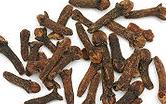
Clove (Syzygium aromaticum) buds were used in this study and were purchased from Rimi market in Kano city, Nigeria. Identification and authentication of the plant material was done at compounding laboratory in the Department of Pharmaceutical Technology, School of Technology Kano with the following voucher number SOT/PCT/01/081. Voucher specimen has been deposited there for future reference (Figure 1).
Test Organisms
Six (6) bacterial strains responsible for food spoilage including Klebsiella pneumoneae, Salmonella typhi, Shigella sp, Pseudomonas aeruginosa, Escherichia coli, and Staphylococcus aureus were obtained from Laboratory of Science Lab Technology, School of Technology Kano. The bacteria were isolated from spoiled food and diagnosed to the species level by using different laboratory procedures including; Gram's stain, cultural characterization and Biochemical tests include (Indole, Methyl red, Vougues Proskeaur, Catalase, Citrate utilization and coagulase tests). The isolates were maintained on Nutrient agar slants.
Preparation of Extracts
Aqueous and methanol extracts of Syzygium aromaticum were prepared separately. The fresh buds of Syzygium aromaticum were washed and air dried for two weeks. After drying, the buds were grounded to fine powder using sterile pestle and mortar under laboratory condition. Fifty grams (50 g) powder of the plant material was soaked in 500 ml of distilled water and methanol respectively. The flasks were kept at room temperature for 3 days with intermittent shaking after which filtration was done using What man filter paper. The methanol extracts was evaporated at 50°C using rotary evaporator while the aqueous extract was evaporated at 70°C in water bath. All dried extract samples were dissolved in 10% DMSO separately to the final concentration of 200 mg/ml as a stock concentration. The extract solutions were stored at 4°C before use.
Qualitative Phytochemical Screening
The phytochemical screening of the plant materials for various phytochemical constituents such as terpenoids, flavonoids, alkaloids, reducing sugars, steroid, glycoside, phenol, Anthraquinones, saponin and tannin was conducted using standard methods as described by Sofowora and Trease and Evans [8, 9].
Quantitative Phytochemical Analysis
Different methods were employed in evaluating the quantity of phytochemical constituents of the plant material used. Spectrophotometry method was used to determine Terpenoids, tannins, steroids, anthraquinones, and glycosides. Folin-Ciocalteu procedure was used to determine phenol content. Flavonoids, alkaloids and saponin were determined by the methods described by Adeniyi, et al. [10].
Antibacterial Susceptibility Test
The sensitivity of each extracts was determined using the agar well diffusion method as described by Ahmed and Beg with modifications [11]. The prepared bacterial suspension equivalent to 0.5 McFarland Standard (1.5 x 10⁶ CFU) was inoculated into sterile Mueller- Hinton agar medium in a sterile Petri-dish. A sterile 6 mm diameter sterile cork borer was used to bore 5 wells into the agar medium. The wells were then filled up with approximately 0.1ml of the extract solution at a concentration of 25, 50, 75 and 100 mg/ml taking care to prevent spillage onto the surface of the agar medium. The plates were allowed to stand on the laboratory bench for 1 hour to allow proper diffusion of the extract into the medium after which the plates were incubated at 370C for 24 hours, and thereafter the plates were observed for zones of inhibition and measured. Ciprofloxacin 50 mg/ml from Micro Lab limited was used as a positive control.
Determination of Minimum Inhibitory Concentration (MIC)
The MIC of the extracts was determined using broth dilution technique. Two fold serial dilutions of the extracts were prepared by adding 2ml of 100mg/ml of the extract into a test tube containing 2ml of Nutrient broth, thus producing solution containing 50mg/ml of the extract. The process continue serially up to test tube No. 5, hence producing the following concentrations; 50, 25, 12.5, 6.25 3.125 mg/ml. Test tube No. 6 do not contain extracts and serve as negative control. Exactly 0.5 ml of 0.5 McFarland equivalent standards of test organisms were introduced into the test tubes and incubated at 37°C for 24 hours. After incubation the test tubes were observed for growth by checking for turbidity [11].
Determination of Minimum Bactericidal Concentration (MBC)
From each tube that did not show visible growth in the MIC, 0.1ml was aseptically transferred into extract free Mueller Hilton agar plates. The plates were incubated at 37°C for 24 hours. The MBC was recorded as the lowest concentration of the extract that had less than 99% growth on the agar plates [11].
Statistical Analysis
The data of average zone of inhibition produced by the isolates against the antibiotics used was analyzed using One-Way ANOVAs and the statistical program SPSS 21.0 (Statistical Package for the Social Sciences). The results were presented as the means ± standard deviation. Significance level for the differences was set at p<0.05.
Results
Phytochemical Screening
The qualitative and quantitative phytochemical screening of Syzygium aromaticum extract is presented in (Table 1). The result indicated the presence of Alkaloid, terpenoids, flavonoids, steroid, phenol, Anthraquinones, saponin and tannin while reducing sugars and glycoside are absent. Quantitatively, Alkaloid was found to be the abundant constituent making about 9.6%, followed by Tannin and saponin constituting 4.8% and 3.7% respectively.
| S/N | Phytochemical | Qualitative analysis | Quantitative analysis (%) | ||||||||
|---|---|---|---|---|---|---|---|---|---|---|---|
| 1 | Alkaloids | + | 9.60±0.12 | ||||||||
| 2 | Flavonoid | + | 3.00±0.09 | ||||||||
| 3 | Glycosides | - | 0.00±0.00 | ||||||||
| 4 | Reducing sugar | - | 0.00±0.00 | ||||||||
| 5 | Saponin | + | 3.70±0.00 | ||||||||
| 6 | Steroids | + | 1.80±0.04 | ||||||||
| 7 | Phenols | + | 0.10±0.01 | ||||||||
| 8 | Terpenoid | + | 1.70±0.01 | ||||||||
| 9 | Anthraquinones | + | 1.20±0.03 | ||||||||
| 10 | Tannin | + | 4.80±0.00 |
Table 1: Qualitative and quantitative phytochemical screening of Syzygium aromaticum extract
- Antibacterial Activity of Aqueous Extract
- The antibacterial activity of aqueous
- Syzygium aromaticum extract is presented in (Table 2). The results showed that zones of inhibition recorded by the isolates
- Isolates
- Concentration (mg /ml)/zone of inhibition (mm)
- 25
- 50
- 75
- 100
- Control
- Klebsiella pneumoneae
- 9.2±0.00
- 9.8±0.00
- 10.5±0.11
- 12.1±0.13
- 22
- Salmonella typhi
- 11.3±0.15
- 12.4±0.13
- 13.7±0.22
- 16.5±0.26
- 21
- Shigella sp
- 9.7±0.17
- 11.2±0.20
- 13.8±0.09
- 13.6±0.31
- 22
- Pseudomonas aeruginosa
- 8.3±0.00
- 10.2±0.26
- 12.4±0.14
- 12.6±0.21
- 20
- Escherichia coli
- 12.3±0.20
- 13.5±0.12
- 14.7±0.17
- 17.4±0.36
- 22
- Staphylococcus aureus
- 9.3±0.15
- 11.8±0.20
- 14.3±0.23
- 15.0±0.12
- 19
Table 2: Antibacterial activity of Syzygium aromaticum aqueous extract
- Antibacterial Activity of Methanol Extract
- The antibacterial activity of methanol extract is presented in (Table 3). The results showed that zones of inhibition recorded by the isolates depend on the type of
- Isolates
- Concentration (mg /ml)/zone of inhibition (mm)
- 25
- 50
- 75
- 100
- Control
- Klebsiella pneumoneae
- 10.8±0.20
- 11.4±0.12
- 13.2±0.17
- 15.4±0.17
- 22
- Salmonella typhi
- 12.8±0.12
- 13.5±0.17
- 14.4±0.25
- 16.2±0.20
- 21
- Shigella sp
- 11.7±0.32
- 12.8±0.25
- 15.1±0.32
- 19.7±0.37
- 22
- Pseudomonas aeruginosa
- 12.0±0.12
- 12.2±0.36
- 13.9±0.15
- 16.0±0.23
- 20
- Escherichia coli
- 13.3±0.32
- 14.2±0.20
- 15.8±0.12
- 16.9±0.32
- 22
- Staphylococcus aureus
- 12.3±0.17
- 12.5±0.32
- 16.1±0.20
- 18.3±0.47
- 19
Table 3: Antibacterial activity of Syzygium aromaticum methanol extract
MIC and MBC of the Extract
Minimum inhibitory concentration of aqueous and methanol extract of Syzygium aromaticum is represented in (Table 4). The result showed dilutions of various concentrations of aqueous and methanol extracts can inhibit and/or kill the isolates. Lower MIC (3.125 mg/ml) was shown by methanol extract than aqueous extract. MBC of methanol extract ranges between 12.5 - 50mg/ml while the MBC of Shigella sp and Pseudomonas aeruginosa was not found in aqueous extract.
| Aqueous extract | Methanol extract | |||||||||||||
|---|---|---|---|---|---|---|---|---|---|---|---|---|---|---|
| Isolates | MIC (mg/ml) | MBC (mg/ml) | MIC (mg/ml) | MBC (mg/ml) | ||||||||||
| Klebsiella pneumoneae | 12.5 | 50 | 6.25 | 25 | ||||||||||
| Salmonella typhi | 6.25 | 12.5 | 6.25 | 25 | ||||||||||
| Shigella sp | 12.5 | NF | 6.25 | 50 | ||||||||||
| Pseudomonas aeruginosa | 12.5 | NF | 12.5 | 50 | ||||||||||
| Escherichia coli | 6.25 | 25 | 3.125 | 12.5 | ||||||||||
| Staphylococcus aureus | 12.5 | 50 | 6.25 | 25 |
Table 4: Minimum inhibitory concentration (MIC) and MBC of the extracts.
Key: NF = Not found Table 4: Minimum inhibitory concentration (MIC) and MBC of the extracts.
Discussion
The results of the present study suggested that several phytochemicals are present in Syzygium aromaticum bud extracts. The presence of the phytochemicals can be correlated with the fact that solvent extracts showed antibacterial activity against the bacterial strains. Phytochemicals give plants their colour, flavour, smell and are part of a plant`s natural defense system and protect them against herbivorous insects and vertebrates, fungi, pathogens, and parasites [12]. The phytochemicals alkaloid, terpenoids, flavonoids, steroid, phenol, Anthraquinones, saponin and tannin were present in Syzygium aromaticum extracts according to this study. The results are in accordance with the findings of other authors who have studied this plant [13]. According to this study, Alkaloid is present in the extracts. Alkaloids comprising a large group of nitrogenous compounds are widely used as cancer chemotherapeutic agents, anaesthetics and Central Nervous Stimulants [14]. Alkaloids are known to play some metabolic roles and control development in living system [15]. It also interferes with cell division, hence the presence of alkaloids in clove could account for their use as antimicrobial agents. Aboaba, et al. had reported that the antimicrobial properties of substances are desirable tools in food spoilage and food safety [16]. This suggests that the Syzygium aromaticum extracts which have been confirmed to contain alkaloids may also be useful as preservatives in food. Terpenoids have been found to be useful in the prevention and therapy of several diseases, including cancer. Terpenoids are also known to possess antimicrobial, antifungal, antiparasitic, antiviral, anti- allergenic, antispasmodic, ant hyperglycemic, anti- inflammatory and immunomodulatory properties [17]. Flavonoids are also present in the extract as a potent water-soluble antioxidant and free radical scavenger, which prevent oxidative cell damage and also have strong anticancer activity [18, 19]. It also helps in managing diabetes induced oxidative stress. Steroids are importance in pharmacy as they possess compounds like sex hormones and can be used for drug production [20]. Tannin and saponin were present in the extract_. Saponins protect against hypercholesterolemia and antibiotics properties [21]. In addition, it has been found that saponins have antitumor, antioxidant and anti-mutagenic activities and can lower the risk of human cancers by inhibiting the growth of cancer cells [22, 23]. The growth of many fungi, yeast, bacteria and viruses was inhibited by tannins [24]. The phytochemical content of the extract of _S. aromaticum revealed that the Alkaloids was found to be the most abundant phytochemical (9.6%) followed by tannin, saponin and flavonoids.
The results of antibacterial activity of Syzygium aromaticum extracts against food borne pathogens are given in (Tables 2 and 3) which shows that the methanol extracts is more effective against the tested isolates than aqueous extracts. E. coli and Salmonella were also more susceptible to the extracts in comparison with the rest 14.97 and 13.84 mm respectively. The result of antimicrobial activity of Syzygium aromaticum in this study was inconformity with the study conducted by many researchers [6, 7]. The extract of Syzygium aromaticum showed highest zone of inhibition (11.67±1.53mm) against Salmonella spp. and lowest zone of inhibition (8.0±1.73mm) against Escherichia coli. Syzygium aromaticum extract also showed lower zone of inhibition (8.67±2.52mm) against Staphylococcus aureus compared to the Gram-negative bacteria. Based on the susceptibility of the organisms to the extracts, E. coli was found to be the highest susceptible organisms with average zone of inhibition of 14.97±1.97 mm, followed Salmonella typhi (13.84±2.52 mm), S. aureus (13.7±1.65 mm), Shigella (13.44±1.12 mm), Pseudomonas (12.27 ±0.98mm) while least average zone of inhibition is shown by Klebsiella (11.55±1.16 mm). The antibacterial activities of the extracts are expected due to the presence of compounds such as alkaloid, flavonoids and tannin. The results obtained in this study corroborate with the report of Nzeako, et al. which found that clove extract possessed a broad spectrum of antimicrobial activity exhibited for both bacteria and fungi [25]. The clove oils possess antimicrobial activity against S. aureus, E. coli, P. aeruginosa as well as against S. pyogenes, Corynebacterium, Salmonella, Bacteroides and C. albicans at various dilutions of the extracts. The result of this justified that of Sofia et al. [6] who tested the antimicrobial activity of different Indian spice plants as mint, cinnamon, mustard, ginger, garlic and clove, the result showed complete bactericidal effect against all the food-borne pathogens tested Escherichia coli, Staphylococcus aureus and Bacillus cereus was the aqueous extract of clove at 3%. At the concentration of 1% clove extract also showed good inhibitory action. The result of MIC and MBC of the extracts showed that dilutions of various concentrations of aqueous and methanol extracts of Syzygium aromaticum can inhibit and/or kill the isolates. Lower MIC (3.125 mg/ml) was shown by methanol extract than aqueous extract. MBC of methanol extract ranges between 12.5 - 50mg/ml while the MBC of Shigella sp and Pseudomonas aeruginosa was not found in aqueous extract. This is in line with the study of Gislene, et al., who found that the plant extract contained agents that killed Salmonella, C. albicans, P. aeruginosa and E. coli [3].
Conclusion
In conclusion, this study revealed that Syzygium aromaticum extracts possess medicinal properties and antibacterial activity that inhibit bacterial growth. The results of the present study show that Syzygium aromaticum ethanol extracts are more effective against all tested bacterial strains than aqueous extracts. E. coli and Shigella were also more susceptible to the extracts while Klebsiella was the least susceptible. The antibacterial activities of the extracts are expected perhaps due to the present of bioactive compounds like Alkaloid, Terpenoid, Saponin, Tannin, flavonoids and Anthraquinones which were dissolved in the solvents. The results of present study have provided the justification for therapeutic potential of Syzygium aromaticum and also used as dietary supplement for food preservation in addition pharmacological values.
Acknowledgement
The authors wish to acknowledge to Technical staff of Departments of Pharmaceutical technology and those of Science Laboratory Technology (SLT), School of Technology Kano for sample provision and use of Laboratory facilities.
References
-
Cortés-Rojas DF, Fernandes de Souza CR, Oliveira WP (2014) Clove (Syzygium aromaticum): a precious spice. Asian Pac J Trop Biomed 4(2): 90-96.
-
Gijzen M, Efraim L, Savage T, Croteau R (1991) Bioactive Volatile Compounds from Plants. In: Teranishi R, Buttery RG, Sugisawa H, (Eds.), Conifer Monoterpenes: Biochemistry and Bark Beetle Chemistry Ecology. 2nd (Edn.), Washington DC: American Chemistry Society.
-
Gislene GF, Locatelli J, Paulo C, Giuliana L (2000) Antibacterial Activity of Plant Extracts and Phytochemicals on Antibiotic Resistant Bacteria. Braz J Microbiol 31(4): 314-325.
-
Hammer KA, Carson CF, Riley TV (1999) Antimicrobial Activity of Essential Oils and Other Plant Extracts. J Appl Microbiol 86(6): 985-990.
-
Shan B, Cai YZ, Sun M, Corke H (2005) Antioxidant capacity of 26 spice extracts and characterization of their phenolic constituents. J Agric Food Chem 53(20): 7749-7759.
-
Sofia PK, Prasad R, Vijay VK, Srivastava AK (2007) Evaluation of antibacterial activity of Indian spices against common food borne pathogens. Int J Food Sci Technol 42(8): 910-915.
-
Burt SA, Reinders RD (2003) Antibacterial activity of selected plant essential oils against Escherichia coli O157:H7. Lett Appl Microbiol 36(3): 162-167.
-
Sofowora A (1993) Medicinal plants and traditional medicine in Africa. (2nd Edn), Spectrum Books Ltd, pp: 26-100.
-
Trease GE, Evans WC (2002) Phytochemicals. In: Pharmacognosy. 15th (Edn.), Saunders Publishers, London, pp: 42-393.
-
Adeniyi SA, Orjiekwe CL, Ehiagbonare JE (2009) Determination of alkaloids and oxalates in some selected food samples in Nigeria. African Journal of Biotechnology 8(1): 110-112.
-
Ahmed I, Beg AZ (2001) Antimicrobial and phytochemical studies on 45 Indian Medicinal plants against multi-drug resistance human pathogens. J Ethnopharmacol 74(2): 113-123.
-
Ibrahim TA, Dada IBO, Adejare RA (2010) Comparative phytochemical properties of crude ethanolic extracts and physicochemical characteristics of essential oils of Myristical fragrans (nutmeg) seeds and Zingiber officinate (ginger) roots. Electronic J Environ Agric Food Chem 9(6): 1110- 1116.
-
Jirovetz L, Buchbauer G, Stoilova I, Stoyanova A, Krastanov A, et al. (2006) Chemical composition and antioxidant properties of cloves leaf essential oil. J Agric Food Chem 54(17): 6303-6307.
-
Madziga HA, Sanni S, Sandabe UK (2010) Phytochemical and Elemental Analysis of Acalypha wilkesiana Leaf. Journal of American Science 6(11): 510-514.
-
Edeoga HO, Omobuna G, Uche LC (2006) Chemical composition of Hyotis suaveoleus and Ocimum gratissium hybrids from Nigeria. African Journal of Biotechnology 5(10): 892-895.
-
Aboaba OO, Ezeh AR, Anabuike CL (2011) Antimicrobial activities of some Nigerian spices on some pathogens. Agriculture and Biology Journal of North America 2(8): 1187-1193.
-
Rabi T, Bishayee A (2009) Terpenoids and breast cancer chemoprevention. Breast Cancer Res Treat 115(2): 223-239.
-
Salah N, Miler NJ, Pagange G, Tijburg L, Bolwell GP, et al. (1995) Polyphenolic flavonoids as scavenger of aqueous phase radicals as chain breaking antioxidant. Arch Biochem Broph 322(2): 339-346.
-
Rio DA, Obdululio BG, Casfillo J, Marin FG, Ortuno A (1997) Uses and properties of citrus flavonoids. J Agric Food Chem 45(12): 4505-4515.
-
Okwu DE (2001) Evaluation of the chemical composition of indigenous spices and flavoring agents_._ Global Journal of Pure and Applied Sciences 7(3): 455-459.
-
Amin MM, Sawhney SS, Jassal MS (2013) Qualitative and quanditative analysis of phytochemicals of Taraxacum officinale. Wudpecker J Phar and Pharmaco 2(1): 001-005.
-
Rao AV, Sung MK (1995) Saponins as anti- carcinogens. J Nutr 125(3): 717S-724S.
-
Prohp TP, Onoagbe IO (2012) Determination of phytochemical composition of the stem barks of triplochiton scleroxylon k. schum. (sterculiaceae). International Journal of Applied Biology and Pharmaceutical Technology 3(2): 68-76.
-
Chung KT, Wong TY, Wei CL, Huang YW, Lin Y (1998) Tannins and human health: a review. Criti Rev Food Sci Nutri 38(6): 421-446.
- Effects of 5-HTP and Melatonin on the Sleep Cycle of Medical Students
- Adsorption of Bisphenol A on NH4OH- Modified Rice Husk and Sugar Cane Bagasse Biochar
- Comparative Assessment of the Reinforcement Efficiency of Palm Fruit Fibre and Coconut Fibre in High Density Polyethylene (HDPE) Matrix Composite
- Importance of Bio Compounds Naturally Present in Food with Functionality in Animal Metabolism
- Sub-Acute Study on the Cardiotoxic Effects of Monosodium Glutamate Ingestion in Albino Rat
- Weight Management and Its Natural Solutions: A Review