
Intestinal Protozoan Infections in Cancer Patients Undergoing Chemotherapy
Background and Aim: Parasitic infections, especially opportunistic parasites, can cause serious problems of immunocompromised patients. This study aimed to evaluate parasitic infections in cancer patients undergoing chemotherapy as a risk factor for parasitic infections. Methods: In this study, 250 stool samples were collected from cancer patients undergoing Chemotherapy and sent to the parasitology laboratory of Shahrekord University of Medical Sciences. All samples were examined macroscopically and microscopically through the direct method and a specific acid-fast staining method. To confirm the microscopic results, the DNA of the isolated parasite was extracted using a Qiagen kit and the polymerase chain reaction was performed on positive samples with the specific primers. Results: In this study, 106 (42.4%) patients were male, 144 (57.6%) were female, 187 (74.8%) were living in urban areas, and 63 (25.2%) were living in rural areas. In terms of education level, most of the patients in this study were low level of literacy; 12 samples (4.8%) were infected with intestinal parasites; 7 (2.8%) cases were infected with Blastocystis hominis; and 5 (2%) patients were infected with Giardia lamblia. Conclusion: The results of this study showed that Blastocystis hominis and Giardia lamblia are the most prevalent parasite in cancer patients undergoing chemotherapy. Due to the prevalence of this protozoan and its complications in the treatment of cancer patients undergoing chemotherapy, timely diagnosis and treatment of this infection are crucial.
Introduction
One of the most important health indicators of any community is the status of its infectious diseases including parasitic (protozoa and worm) infections [1, 2, 3]. Protozoan infections are worldwide problems and barriers to economic Investigation Paper and social development [4] and efficient control of parasitic infection can advantage the economy of countries [5]. Despite persistent efforts and extensive WHO planning, they are still one of the major health problems in developing countries. According to the report of WHO, the number of people who infected with different types of parasites in the world is estimated to be around 3 billion [6, 7]. It seems that in cancer patients caused by the involvement of lymphocytes and degradation of the immune system of the body, the probability of infection is high by various types of microorganisms [8, 9, 10]. Therefore, as the diagnosis of infection in immunocompromised patients is often difficult according to typical symptoms of infection such as fever and remains hidden or absent due to a decrease in white blood cells, so it is highly necessary to identify protozoan infections in this group of patients. On the other hand, due to the development and progress of cancer diagnosis methods, followed by treatment with chemical drugs and radiation and organ transplants in different wards of the hospital, the number of immunocompromised patients is increasing day by day [7, 8, 9, 11, 12]. Regarding the limited number of studies conducted in Chaharmahal va Bakhtaran province, it is necessary to investigate the frequency of protozoan parasitic infections in cancer patients undergoing chemotherapy. Given the importance of timely diagnosis of parasitic infections in these patients and their critical need for treatment against these infections and limited studies conducted in this regard, using diagnostic methods is attractive because of the features such as lack of need for expensive and complicated equipment, high sensitivity and specificity, and speed in obtaining the results. This study aimed to evaluate the frequency of intestinal protozoa in cancer patients in Shahrekord in 2017.
Materials and Methods
In this descriptive cross-sectional study, data were collected through observation and interviews and recorded in for each patient in demographic forms. Required data were extracted from information forms and classification results were evaluated and reported. The study population included cancer patients undergoing chemotherapy in Kashani Hospital of Shahrekord.
Number and Method of Sampling
Census and non-probabilistic sampling methods were used in this study. Almost 90 to 100 cancer patients are admitted to the oncology ward of Kashani hospital every month. So, sampling was done on 250 patients who were admitted during the chemotherapy process from March to May 2016 and were willing to participate in the study. Before starting the procedure, the permission of the Ethics Committee and in coordination with hospital authorities was obtained. A questionnaire containing information such as age, gender, type of job, and level of education was prepared. After completing them, three stool collection containers were given to each subject. The containers were labeled with the name or number of the patient.
Parasitology Methods
Direct Method: Physiological serum was used to prepare wet slides. Accordingly, using a diamond pen, the name and number of the patient were written on one side of the slide and then a drop of physiological serum was placed on the slide. Using a wooden applicator, a small portion of the sample was removed and gently mixed with physiology serum. The lamellae (22 × 22 mm) were gently placed on the sample and droplet mixture so that the lamellae edge contacts the droplet and prevent bubble formation. For microscopic observation, the entire surface of the slide was examined regularly from one corner upward, downward, backward, and forward at 10x magnification. In the case of suspected cases, 400× magnification and appropriate light were used [13].
Cold Ziehl Neelsen Method: Alkaline fuchsine stain includes two stains (A and B) that are prepared as follows. To prepare solution A, 0.3 g of fuchsine stain was dissolved in 10 ml of 86℃ ethanol and to prepare solution B, 6.5 g of phenol was mixed in 100 ml of distilled water and heated. Solution B was added to solution A. This stain is stable for 1 year at room temperature. In this study, 1 ml of hydrochloric acid was added to 88 ml of methanol at 88℃. To prepare the background stain, 0.3 g of methylene blue was dissolved in 100 ml of distilled water. Physiologic serum was used to prepare smear from consistent samples. In preparing the smears, the smears should be made in such a way that the newspaper inscriptions to be readable after that they were dried. The prepared smears were air-dried and 86℃ methanol was used to stabilize the sample in staining stages.
The smear prepared from the stool sample was dried. Also, to stabilize the smear, it was fixed for 3 min using methanol. The surface of the smear was covered with Carbol fuchsin for 20 min. After 20 min, the smeared surface was washed with water. At the next stage, staining was performed 1 to 10 s using 1% chloric acid bleach and then re-washed with water. Using 0.3% methylene blue solution for 30 s, it was stained and re-washed. The smear was air- dried and then examined by light microscopy at 100× and 400× magnifications and using impression oil at 1000× magnification [14, 15].
Polymerase Chain Reaction (PCR): To confirm the results obtained by microscopy, samples that were positive for intestinal protozoa were tested on positive samples by PCR and Nested PCR for B. hominis and G. lamblia respectively in the parasitology laboratory of Shahrekord University of Medical Sciences. DNA was extracted from stool samples using the Qiagen kit (QIAamp® DNA Stool (50541)) according to the manufacturer’s instructions. For purity and qualify, DNA was surveyed by Nano drop device (Thermo
scientific, Lithuania). Then, using specific primers forward primer 3’-ATCTGGTTGATCCTGCCAGT-5’-and reverse primer 3’-GAGCTTTTTAACTGCAACAACG-5 of B. hominis that designated by Pandey PK, et al. [16] and outer forward primer 3’-AAATIATGCCTGCTCGTCG-5’ and outer reverse primer - CAAACCTTITCCGCAAACC-5’ 3‘ and inner forward primer 3’-CCCTTCATCGGIGGTAACTT-5’, and inner reverse primer 3’-GTGGCCACCACICCCGGGGGGGGGGGGGGG of G. lamblia, microscopic results were confirmed. The primers were used for nested PCR primers described by Sulaiman IM, et al. [17].
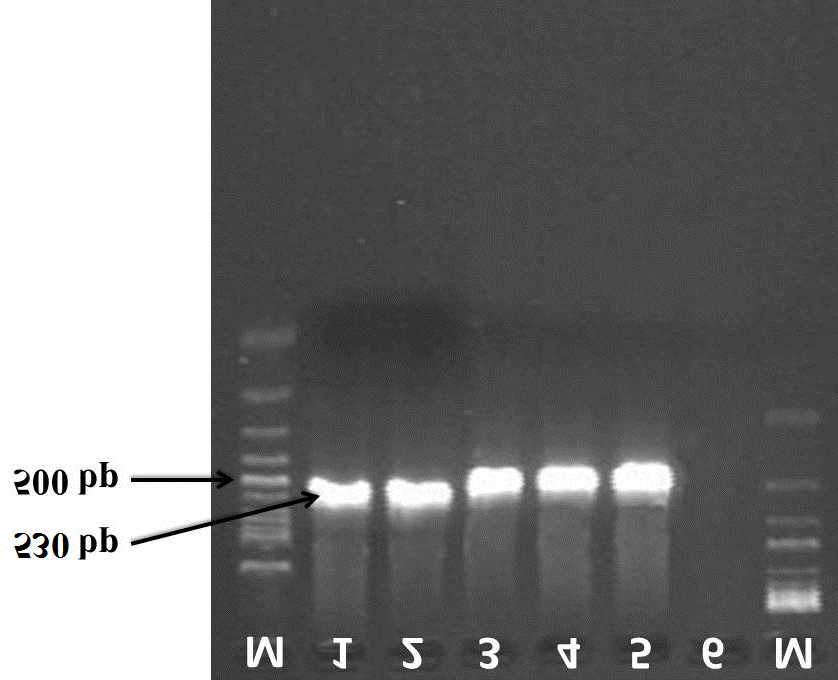
The PCR for B. hominis was performed and a 600 bp fragment amplified of the SSU rDNA gene. PCR was performed in a 20 μL mixture containing the template 4 μL of DNA, 0.5 μL of each primer, 5 μL Distilled water and 10 μL of master mix (Ampliqone, Denmark). The PCR conditions consisted of one cycle denaturing at 95°C for 5 min, 35 cycles including denaturing at 95°C for 20 s, extending at 58°C for 20 s, annealing at 72°C for 20 s, and an additional cycle with a 5 min chain elongation at 72°C. The nested PCR for G. lamblia was done a 530 bp fragment amplified of the TPI gene for two steps. This work was done in a 20 μL mixture containing the template 2 μL of DNA (2.5 μL in second stage), 0.5 μL of each primer, 7 μL distilled water (6.5 μL in second stage) and 10 μL of master mix (Ampliqon, Denmark). After initial start at 94°C for 5 min, each of cycles consisted of 95°C for 45 s, 50°C for 50 s and 72°C for 1 min for 35 cycles and ends with 72°C for 10 min. Finally, the PCR product was stained with power load and electrophoresed on 1.5% gel, then was visualized on a UV transilluminator by Gel Doc.
Data Analysis Method: The results of each individual’s tests were recorded in a questionnaire. Finally, SPSS 16 software and Chi-square test were used for extracting data and performing statistical tests.
Results
In this study, 250 cancer patients were evaluated in terms of intestinal parasitic infections. Demographic data including gender, living place, age, job, education level, and duration of chemotherapy are given in (Table 1).
Demographic information including gender, living place, age, job, education level and duration of chemotherapy in cancer patients referred to Ayatollah Kashani Hospital in Shahrekord in 2017.
| Variable | N | % | |
|---|---|---|---|
| Gender | Male | 106 | Apr-42 |
| Female | 144 | Jun-57 | |
| Living place | Urban | 187 | Aug-74 |
| Rural | 63 | 25-Feb | |
| Age groups (year) | 0-10 | 17 | 6-Aug |
| 20- 11 | 12 | 4-Aug | |
| 30- 21 | 14 | 5-Jun | |
| 40- 31 | 27 | 10-Aug | |
| 50- 41 | 49 | 19-Jun | |
| 60- 51 | 55 | 0/22 | |
| Over 60 | 76 | 30-Apr | |
| Job | Farmer | 12 | 4-Aug |
| ranchman | 10 | 4 | |
| employee | 14 | 5-Jun | |
| Self-employed | 55 | 22 | |
| housewives | 116 | Apr-46 | |
| Unemployed | 27 | 10-Aug | |
| Retired | 16 | 6-Apr | |
| Education level | Illiterate | 87 | Aug-34 |
| Elementary | 60 | 0/24 | |
| Secondary | 31 | 12-Apr | |
| High school | 41 | 16-Apr | |
| Academic | 31 | 12-Apr | |
| Duration of chemotherapy (months) | 6-1 | 162 | Aug-64 |
| 7-12 | 27 | 10-Aug | |
| 24- 13 | 29 | 11-Jun | |
| 36- 25 | 17 | 6-Aug | |
| Ober 37 | 15 | 0/6 | |
| Macroscopic results of stool samples | Formed | 147 | Aug-58 |
| Soft | 74 | 29-Jun | |
| Loose | 23 | 9-Feb | |
| Watery | 6 | 2-Apr |
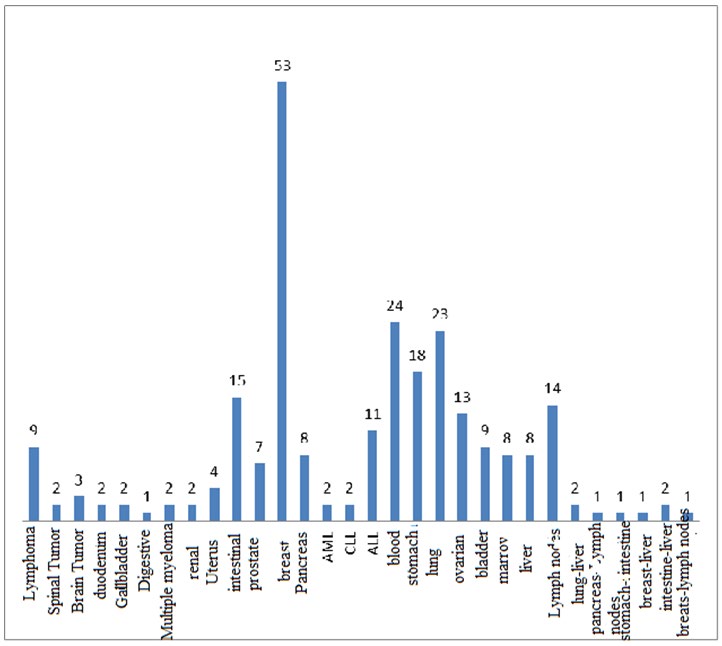
Chart 1: Evaluation of cancer type in cancer patients undergoing chemotherapy referring to Ayatollah Kashani Hospital in Shahrekord in 2017.
In the present study, of 250 samples, 7 (2.8%) were infected with Blastocystis hominis (B. hominis) and 5 (2%) were infected with Giardia lamblia (G. lamblia). It is noteworthy that all clients were sampled three times and all samples were examined in duplicate. In addition to the direct method, all samples were examined using modified Ziehl Neelsen staining. The results of this study showed that 100% of the stained samples were negative in terms of the presence of Coccidia oocysts, The concentration of DNA extracted with Nanodrop was surveyed in terms of quantity, purity and quantity that was prepare for PCR reaction (OD: 1.75).
Primers AL3543 and AL3546 and primers AL3544 and AL3545 were used to confirm Giardia lamblia infection. All slides of the positive patient were examined by microscopic PCR and all samples that were positive in the direct assay were also positive in the molecular method (Figures 1 & 2).
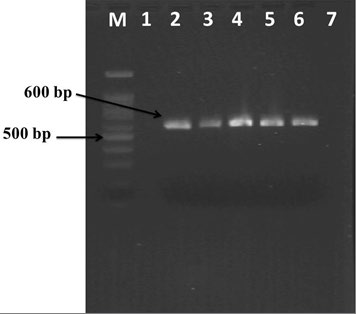
Also, the single-step PCR through RD5 and BhRDr primers was used to determine the Blastocystis hominis genus. All slides of patients that were positive by microscopic methods were also examined by PCR.
Discussion and Conclusion
Parasitic intestinal infections have been variably reported among immune compromised in Iran while data on cancer patients have been limited. On the other hand the current widespread use of chemotherapy have altered the pattern of some parasitic infections so as they have become one of the most important cause of global risk factors and finally maybe it causes of Increase the rate of morbidity and mortality [18]. In this prospective cross-sectional study we assessed the clinical profile of intestinal parasitic infections among cancer patients undergoing chemotherapy in Shahrekord, Iran. Our study demonstrated12 of 250 (4.8%) people that involve with cancer was infected by two common protozoans. The most infection 7 (2.8%) with B. hominis and 5 (2%) were infected with G. lamblia. Also In the study of Athari A, et al. [19]. Hominis was report 19.6% and was introduced as the most common parasite. Also in study of Zabolinejad N, et al. [20] that assessed of frequency of intestinal parasite between children with Lymphohematopoietic Malignancy showed the most prevalent parasite was G. lamblia (18%) [20]. More than half of all cancers occur in developing countries, such as those located in South America and Asia. Nearly three-quarters of these people live in low- and middle-income countries. The rate of cancer survivors in developing countries is often one- third of those living in developed countries [21]. Annually, 9 million new cancer cases, 4 million in developed countries and 5 million in developing countries, are reported around the world. More than 1.2 million Americans are affected by cancer each year, and more than 56,000 die due to malignancy in the United States [11].
It is predicted that a higher percentage of deaths in the world will be caused by non-communicable diseases in the near future and cancer will account for about 13% of all deaths. It is also predicted that cancer will be the first and the leading cause of human death by 2030. According to the latest reports and epidemiological studies in Iran, following cardiovascular diseases and accidents, cancers are the third leading cause of death such that 98 people die every day due to cancer in Iran [11]. The most common cancers in the world include lung, stomach, and breast, in the order of their appearance. Also, the most common cancers in Iran are skin, breast cancer (in women), gastric cancer (in men), bladder cancer, colon and rectum cancer, and esophageal cancer, in the order of their appearance. The prevalence of immunodeficiency diseases and especially cancers in Iran is also increasing [22].
Different types of cancer have been reported from different parts of the country, with breast cancer being the most common one (21.2%). Various studies have been performed on the prevalence of parasitic infections in cancer patients and different results have been obtained. Several
studies have shown that the prevalence of intestinal parasites in cancer patients who take immunosuppressive drugs is higher than healthy controls [8, 19]. In a study conducted by Monsef et al., the prevalence of intestinal parasites in patients with malignancy was lower than that in the general population, which may be due to the effect of the drugs used in chemotherapy [23]. Menon, et al. showed that 42% of children with different types of cancer were infected with intestinal parasites. In another study, parasitic infections along with diarrhea were observed in 16.5% of patients, which is different from the prevalence observed in previous studies (23% and 12.5% respectively).
Although there is no statistically significant difference between the different types of immunodeficiency and the prevalence of intestinal parasites in some cases, a strong relationship has been observed between the presence of parasites and clinical symptoms in immunocompromised individuals. In the present study, 4.8% of patients were infected with parasitic infections. Compared with other studies in this area, no significant difference was found. Concerning the relationship between parasitic infections and cancer or immune system deficiency, it is hypothesized that parasitic infections are highly prevalent in cancer patients and patients undergoing chemotherapy. However, the results of a recent study and other studies showed that the prevalence of parasitic infections in these patients was not significantly different compared to other healthy people. An explanation for this result is that despite the reducing effect of drugs used in chemotherapy on the immune system, these drugs may also have a destructive effect on parasitic cells and reduce the parasites in these individuals.
Also, cancer patients may be less exposed to parasitic agents due to intensive care and those undergoing chemotherapy may be less exposed to parasitic infections due to decreased activity and increased health care. The present study showed that the rate of intestinal parasitic infections was higher in housewives than that in other jobs. The main reason for this is that most housewives are involved in cleaning, cooking, washing vegetables and fruits, shopping, and so on. Hence, exposure can be an important factor in parasitic infection. Azizi M, et al. [24], investigated the relationship between parasitic infections and cancer, their observed indicate that the highest rate of infection in housewives.
In the present study, the majority of the infected patients were either illiterate or had an elementary level of education (P<0.05). This result is line with the results of other studies and is also scientifically justified because people with low levels of education are more prone to various infectious and parasitic diseases due to lack of knowledge about the methods of transmission and lack of receiving necessary health educations. In another study, Niaz S, et al. [25] evaluated the prevalence of giardiasis among the staff of food processing and distribution centers in the economic zone of Pars-e Jonubi (south pars). According to their results, the highest parasitic infection was in people with a lower level of education compared to other groups [25].
B. hominis is a very common infection that is not usually diagnosable by conventional laboratory methods. Also, the reported prevalence of this parasite is less than its real rate. In a study conducted by Rahimi Asbuei et al. hominis was the most common parasitic infection in Mazandaran province (8.1%) [13]. In another study conducted by Soleymani E, et al. at a mental rehabilitation center in Mazandaran province, the prevalence of B. hominis was reported to be 2.06% [26]. Moreover, the infection by this parasite is widespread in other provinces of Iran. For example, Emami Naeini, et al. showed that 3.9% of the subjects were infected with B. hominis. Abad et al. also reported the prevalence of this infection in Kermanshah province at 8% [27].
In the study conducted by Amin N, et al. in Mazandaran province, 44.68% of the subjects were infected with G. lamblia parasite, which was significantly higher than other infections [28]. However, other studies have reported that the G. lamblia parasite was the most prevalent compared to other infections. In a study conducted by Jahani, et al. the prevalence of G. lamblia was 3.1%, which is consistent with studies conducted in western countries and even in Iran. Several studies have shown that small intestinal parasites, especially G. lamblia, can induce indigestion. In this regard, in patients with indigestion without ulcer, it is commended to consider these parasites as the potential causes of indigestion. The prevalence of G. lamblia in the studies conducted by Monsef, et al. was reported to be 5.8% in cancer patients, which is consistent with the reported rate in this study [14]. The prevalence of G. lamblia in AIDS patients with immunodeficiency has been reported at 7.3% [24].
The results of this study showed that except for B. hominis and G. lamblia, which were more common in cancer patients undergoing chemotherapy compared to other non- cancer individuals, other intestinal parasites did not show a significant difference in this group. Due to the prevalence of this protozoan and its complications in the treatment of cancer patients undergoing chemotherapy, timely diagnosis and treatment of this infection are crucial. Due to the specific conditions of these patients, parasites, especially opportunistic ones such as B. hominis, may cause more clinical manifestations in these patients. Therefore, timely diagnosis and treatment of parasitic infections in these patients are of critical value. One of the limitations of this study was the lack of access to a sufficient number of cancer patients who have not received any medication.
References
-
Haghi S, Najm M, Fakhar M, Gholami S, Haghi SFM (2013) Prevalence of Enterobius vermicularis infection among kindergartens in Mazandaran Province, 2011. J Mazand Univ Med Sci 23: 241-247.
-
Farmer RD, Lawrenson R (2004) Lecture notes: epidemiology and public health medicine. Wiley- Blackwell.
-
Ahmad Rajabi R, Varzandeh F, Arab M, Abbaszadeh A (2003) Prevalence of intestinal parasite infections in the day care centers of bam. Journal of Rafsanjan University of Medical Sciences 2(2): 102-111.
-
Al Braiken AF (2008) Is intestinal parasitic infection still a public health concern among Saudi children?. Saudi Med J 29(11): 1630-1635.
-
Mizani A, Gill P, Daryani A, Sarvi S, Amouei A, et al. (2017) A multiplex restriction enzyme-PCR for unequivocal identification and differentiation of Trichostrongylus species in human samples. Acta Trop 173: 180-184.
-
Mohammadi GB, Pezeshki A, Kohansal MH, Esmaeilnezhad G (2017) Frequency of Intestinal Parasites in Patients with Malignancy in Ardabil Province, Northwest Iran. J Hum Environ Health Promot 2(2): 118-124.
-
(2002) Organization WH. National cancer control programmes: policies and managerial guidelines.
-
Ferlay J, Foucher ES, Tieulent JL, Rosso S, Coebergh JW, et al. (2013) Cancer incidence and mortality patterns in Europe: estimates for 40 countries in 2012. European Journal of Cancer. 49(6): 1374-1403.
-
(2008) Society AC. Cancer Facts & Figures: The Society.
-
Motavalli M, Khodadadi I, Fallah M, Maghsood AH (2018) Effect of oxidative stress on vital indicators of Acanthamoeba castellanii (T4 genotype). Parasitol Res 117(9): 2957-2962.
-
Kolahdoozan S, Sadjadi A, Radmard AR, Khademi H (2010) Five common cancers in Iran. Arch Iran Med 13(2): 143-146.
-
Izadi S, Mohaghegh MA, Najafabadi ZG, Azami M, Mirzaei F, et al. (2020) Frequency and Molecular Identification of Cryptosporidium Species among Immunocompromised Patients Referred to Hos-pitals, Central Iran, 2015-16. Iran J Parasitol 15(1): 31-39.
-
Esboei BR, Gholami S, Ghorbani A, Pourhajibagher M, Hassannia H, et al. (2013) The prevalence of parasitic infection in patient’s reffered to the gastrointestinal clinics, 2009. Laboratory Sciences Journal 7(2): 37-41.
-
Wilke G, Jones LF, Ravindran S, Kuhlenschmidt M, Stappenbeck T, et al. (2017) Development of an improved in vitro culture system for Cryptosporidium parvum. The Faseb Journal 31(1): 620.3-620.3.
-
Checkley W, White AC, Jaganath D, Arrowood MJ, Chalmers RM, et al. (2015) A review of the global burden, novel diagnostics, therapeutics, and vaccine targets for cryptosporidium. Lancet Infect Dis 15(1): 85-94.
-
Pandey PK, Verma P, Marathe N, Shetty S, Bavdekar A, et al. (2015) Prevalence and subtype analysis of Blastocystis in healthy Indian individuals. Infection, Genetics and Evolution 31: 296-299.
-
Sulaiman IM, Fayer R, Bern C, Gilman RH, Trout JM, et al. (2003) Triosephosphate isomerase gene characterization and potential zoonotic transmission of Giardia duodenalis. Emerg Infect Dis 9(11): 1444-1452.
-
Sanad MM, Thagfan FA, Al Olayan E, Almogren A, Al Hammaad A, et al. (2014) Opportunistic coccidian parasites among Saudi cancer patients presenting with diarrhea: prevalence and immune status. Res J Parasitol 9(2): 55-63.
-
Togeh GR, Keihani M, Athari A, Sadafi H (2000) Parasitic infestation in cancer patient’s chemotherapy. Tehran University Medical Journal 58(1): 52-58.
-
Zabolinejad N, Berenji F, Eshkaftaki EB, Badeii Z, Banihashem A, et al. (2013) Intestinal parasites in children with lymphohematopoietic malignancy in Iran, Mashhad. Jundishapur Journal of Microbiology 6(6): 7765.
-
Van Lier EA, van Kranen HJ, van Vliet JA, Langendoen JC (2008) Estimated number of new cancer cases attributable to infection in the Netherlands in 2003. Cancer letters 272(2): 226-231.
-
Jeske S, Bianchi T, Moura MQ, Baccega B, Pinto NB, et al. (2017) Intestinal parasites in cancer patients in the South of Brazil. Braz J Biol 78(3): 574-578.
-
Monsef AR, Hashemi SH, Abbasi M, Taherkhani H, Shalchi Z, et al. (2008) Frequency of intestinal parasites in patients with malignancy, admitted in oncology ward of Sina Hospital, Hamadan, Iran. Journal of Gorgan University of Medical Sciences 9(4): 51-55.
-
Azizi M, Hoshyar H, Mousavi G, Arbabi M, Zahiri A (2014) Tre relashionship between Cancer and Gastrointestinal parasites in patients under chemotraphy. Scientific Journal of the Islamic Republic of Iran Medical Council 30(1): 42-48.
-
Niazi S, Mazlomi S, Shirdare MR, Mokamalkande A, Ahmadi F (2013) Survey the Outbreak of Giardiasis among Food Supply and Distribution Staff of South Pars Economic Zone Petrochemicals. Journal of Environmental Health Engineering 1(1): 37-43.
-
Soleymani E, Davoodi L, Azami D (2016) The Prevalence of Intestinal Parasitic Infections among the Mentally Retarded Patients in Lamook Rehabilitation Center of Qaemshahr, Mazandaran Province, 2015. Tabari Biomed Stu Res J 2(1): 1-5.
-
Abad M, Gangy R, Sharifian E, Nikdel R, Jafarzadeh M, et al. (2015) Epidemiologic distribution of cancer in a 10-yearstudy: Retrospective review of hospital records and pathology centers of North Khorasan Province from 2003 to 2012. JNKUMS 6(4): 689-696.
-
Amin N, Fakhri HT, Hossini V, Ziaei H, Dadashi A, et al. (2017) Intestinal Parasitic Infections in Patients Attending Gastrointestinal Clinics. J Mazandaran Univ Med Sci 26(146): 191-195.
- Epidemiological Surveillance and Rumors on Social Media
- Awareness and Treatment of Uncontrolled Hypertension in US Overweight/Obese Youths Aged 16–24 Years, NHANES 2021–2023
- Strengthening EPI Through Parental Engagement: Lessons from Dhaka Slums for IA-2030
- Mothers Knowledge of the Prevalence, Causes, Effects, Prevention and Control of Diarrhoea among Children in Ife East Local Government Area, Ile Ife, Osun State, Nigeria
- Covid-19 Reinfections Case Series from October 2023 to October 2024 in A General Medicine Office in Toledo (Spain)
- Water Contact! One Risk Too Many: Risk Factors Associated with Schistosoma haematobium infection in Osun State, Nigeria