
An Uncertain Water-Energy Nexus: What Role for Hydropower, Desalination, Energy Positive Wastewater Treatment and Leakage Reduction on the Path to Net Zero?
This paper explores the water-energy nexus and its role in achieving global net-zero goals. These processes present both risks and opportunities in the global push for decarbonization. Water management is essential for human survival and economic stability. However, it faces challenges from climate change, population growth, and energy-intensive processes like desalination. By combining literature reviews, market research, and real-world examples, the paper provides practical strategies to decarbonize the water sector. The paper identifies key interdependencies, noting that water processes account for 4% of global electricity consumption, while energy production demands substantial water resources. Hydropower, a renewable energy source, supports decarbonization but poses ecological and social risks. The study explores the balance between hydropower benefits with environmental preservation, suggesting modernization of dams and integration of alternative renewables. Desalination, crucial in arid regions, is energy-intensive and generates environmental byproducts, necessitating more sustainable approaches. Case studies, such as Billund Biorefinery, illustrate innovative solutions like energy-positive wastewater treatment, which reduces emissions and supports circular economy principles. Additionally, addressing urban water leakage presents a $40 billion opportunity to conserve resources and minimize energy waste. The findings underscore the urgency of integrating renewable energy, enhancing efficiency, and adopting sustainable technologies to navigate the complex challenges of the water-energy nexus.
Part I: Introducing the Research Objectives and Research Questions
Introduction
The Rise of ’Hydraulic Civilizations’ around the World
Water and electricity are deeply interconnected. Electricity generation relies on water, and water treatment and transport depend on electricity. The water-energy nexus lies at the heart of global decarbonization challenges. Water processes consume about 4% of global electricity, while energy production demands significant water resources. This relationship includes energy-intensive activities like desalination and hydropower but offers opportunities to reduce waste, emissions, and inefficiencies by using wastewater as a resource, and by fixing water leakages [1, 2, 3, 4].
Over the past two decades, the scientific and policy communities have placed growing emphasis on addressing challenges within the ‘water-energy nexus’ [5]. This critical relationship between water usage and energy production encompasses multiple aspects, including the challenges of hydropower and the energy-intensive nature of desalination. The discussion also addresses often-overlooked net-zero solutions such as energy-positive wastewater treatment and the mitigation of urban water leakage [6, 7, 8, 9, 10].
Water is a vital component of our survival and human civilization. But its management now presents significant challenges in the Anthropocene era, not lease due to the uncertainties of extreme climate change [11, 12]. Water has increasingly become a prominent policy concern, even in OECD countries. For example, Spain implemented stringent water restrictions across industry, agriculture, and households during the drought of July and August 2023 [13, 14, 15, 16, 17, 18, 19, 20]. These events underscore the urgency of addressing the challenges of the water-energy nexus, which are expected to escalate with accelerating climate change and increasing uncertainties surrounding the global water cycle. This paper explores the intricate water-energy nexus, a critical relationship between water usage and energy production that underscores key climate stabilization efforts [21]. It highlights opportunities to contribute to decarbonization through hydropower expansion, net energy positive wastewater treatment, fixing urban water leakages, but also highlight challenges within desalination [22].
Rationale and Relevance
Water extraction, treatment, and distribution consume about 4% of global electricity, with demand increasing [23, 24, 25]. The significance of water management is critical to societal and environmental stability. Our management and utilization of water resources will have a big impact on our future well-being and the stability of our civilization; thus, we must pay close attention to these matters [26, 27].
Research Objectives
To analyze the key aspects of the water-energy nexus, and their implications for achieving global decarbonization goals [28].
To evaluate the environmental and socio-economic impacts of hydropower, desalination, and water leakage within the context of climate change [29, 30, 31].
Research Questions
How do key elements of the water-energy nexus - such as hydropower, energy positive wastewater treatment plants, desalination and water leakage management - contribute to or hinder progress toward net-zero emissions? [32].
Research Methodology
This study uses selected methodologies. The literature review synthesizes existing studies, reports, and market intelligence to contextualize the challenges and opportunities [33]. Market research provides data on hydropower expansion, water and energy usage, including future water demand projections and technological advancements. An empirical research approach is used [34]. It emphasizes real- world experience and draws upon robust evidence, statistics, and sector-specific information to enhance relevance [35, 36, 37, 38, 39, 40]. Descriptive analysis evaluates quantitative and qualitative aspects of the water-energy relationship, focusing on hydropower, desalination, and wastewater treatment. Short historic and current cases illustrate real-world examples, applying inductive reasoning to derive insights.
Table 1 provides the dimensions of the water-energy nexus discussed in the paper.
| Element | Description |
| Hydropower | Uses falling water to generate electricity but impacts ecosystems and emits methane from reservoirs [42,43]. |
| Desalination | Energy-intensive process converting seawater to fresh water, requiring renewable energy to decarbonize [44,45]. |
| Water Leakage | A hidden problem causing significant energy waste; modern tech reduces losses [46]. |
| Energy Positive Wastewater Treatment | Shift from energy consumer to producer using sludge for biogas and renewable energy [47]. |
Table 1: Water-Energy Nexus Elements.
Part II: Historical Background on Water Management and Human Civilization
Early Irrigation and Urban Water Management
This section highlights water’s role in human civilization and the historic dimensions of the water- energy nexus [48, 49, 50, 51, 52, 53, 54, 55, 56, 57]. Hydraulic civilizations provide a historical background for understanding modern challenges in hydropower, reducing leakage and handling wastewater treatment. A particular focus is on the changes made to landscapes and water flows [58].
Over 8,000 years ago, early farmers in Africa and Asia relied on water for irrigation, enabling the growth of river-based civilizations such as Egypt along the Nile and Mesopotamia between the Tigris and Euphrates. Simple tools were used to dig canals and irrigate fields, laying the groundwork for agricultural and societal development [59, 60].
These water-based societies mastered irrigation techniques, cultivated diverse crops, and built cities using mud and clay. The historian Karl Wittfogel described such early societies as “hydraulic civilizations,” emphasizing their dependence on sophisticated water systems for survival and prosperity [61, 61].
The Hanging Gardens of Babylon
The Hanging Gardens of Babylon show how water infrastructure drove societal progress. The gardens is shown in Figure 1.

The gardens relied on an advanced irrigation system, constructed by Nebuchadnezzar II and it is often linked to the Seven Wonders of the World. It is a testament to ancient water engineering.
Beyond its aesthetic and symbolic significance, the system highlights early examples of resource optimization in response to environmental constraints. By channeling water from distant sources, it demonstrated profound knowledge of hydraulic principles and engineering precision, setting a precedent for future innovations in sustainable infrastructure design [63].
Today, Middle Eastern cities have overseen large-scale architectural projects in arid environments, such as NEOM, Saudi Arabia’s futuristic city, often relying on extensive water infrastructure. Designed to be a hub of sustainability and innovation, NEOM incorporates cutting-edge desalination technology and smart water systems to support its ambitious goals.
It is reminiscent of historical irrigation achievements, such as Nebuchadnezzar’s efforts, and mirrors the ingenuity of the ancient Hanging Gardens of Babylon through its advanced water management systems, blending modern technology with visionary planning to address environmental challenges in one of the world’s most arid regions.
The Central Role of Waterways for the Spread of Ideas
Waterways have also recently been given a central role in the rise of creative centers in Europe. In his book, “The Creative Society,” author Lars Tvede argues that the emergence of commerce centers and hubs of innovation in riverine cities was not primarily due to the availability of water itself, but because waterways facilitated trade and the exchange of ideas.
Waterways across Europe, encompassing rivers, canals, and other navigable channels, served as efficient transportation routes. Riverine cities and communities and water-based trade routes enabled merchants, travelers, and thinkers to move goods and knowledge across regions. This constant flow of commerce and interaction via the waterways fostered local environments where diverse ideas could meet and merge, leading to increased creativity and progress.
Today, water systems like hydropower and desalination continue to play a crucial role in addressing modern water challenges, ensuring that cities have enough electricity and drinking water to meet rising demand. Recognizing this, it is necessary to consider the changes to landscapes, to the water cycle, and the range of water-related challenges we face today [64].
While cities are unlikely to forego providing clean water and wastewater treatment, there is a need to explore ways of supplying drinking water while keeping temperature increases below 1.5°C, and achieve net zero cities which requires implementing a range of sectoral solutions [5, 6, 7, 8, 9, 10].
Elements in a Water Crisis: Freshwater Demand will Outstrip Supply By 40% by 2030
The Economic and Humanitarian Impacts of Water Scarcity According to an analyst at Morgan Stanley, it is projected that by 2030, the deficit between the global demand for fresh water and the available supply will reach 40%. What is more is that the expanding water crisis is not only a humanitarian issue but it also carries significant economic ramifications. According to the World Bank, water scarcity in certain regions may result in a reduction of up to 11.5% in GDP growth by 2050.
Globally, the number of people exposed to water stress is directly linked to the rise in temperatures. The number of water-stressed people could double by 2050 if we do not keep global warming below 2C above pre-industrial levels.
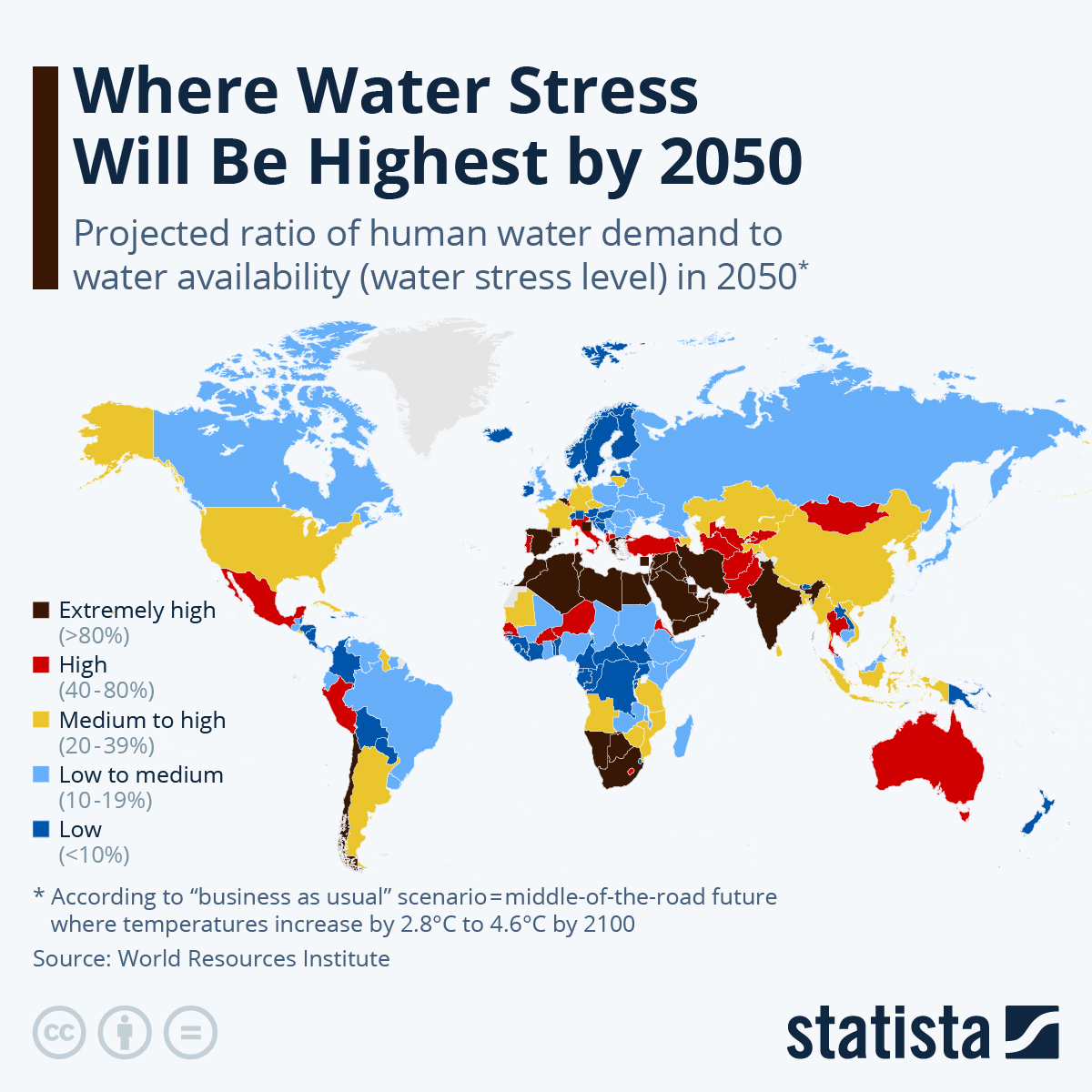
Approximately 70% of the world’s water withdrawals are utilized for agriculture, and the escalating demand for food, combined with an increase in droughts and floods, is expected to exacerbate water supply difficulties in the years ahead. There have been promising developments in reducing water demands for agriculture, including seed innovations to improve crop yields and make them less susceptible to floods and droughts — as well as smart irrigation techniques to grow more food with less water.
The UN General Assembly recognized the basic right of every human being to have access to enough water for personal and domestic uses in 2010. A 2024 study published in Science suggests that over 4.4 billion people in low- and middle-income countries do not have access to safe drinking water at home, highlighting substantial gaps in previous estimates.
The Water-Energy Nexus: A Complex Interdependency
A recent review of the water-energy nexus highlights critical knowledge gaps in optimization models for the water-energy nexus, emphasizing the primary gap: a lack of models optimizing long-term urban water supply planning with renewable energy integration [65].
Energy and water are interconnected, with their interdependencies driving global change and presenting significant institutional challenges. A recent paper explores the policy and institutional dimensions of the water– energy nexus. By examining three U.S. case studies—water and energy development in the Southwest, conflicts from coal production in the East, and shale gas tensions in the Northeast and Central regions—the study identifies key institutional mismatches between local resource challenges and broader governance structures. Findings reveal that while water-related impacts remain localized, there is a need for coordinated water–energy policy integration [66].
Part III: The Benefits and Risks of the Ongoing Hydropower Expansion
Hydropower - An Ancient Technology
Hydropower offers significant benefits for renewable energy production, and thereby decarbonizing a country’s energy system, but also presents environmental and social challenges that must be addressed.
Thanks to human intelligence, water can be made to turn the wheels of a mill or those of turbines such as the modern paddle wheel, which is used in the production of hydroelectric energy. The ancient Romans used watermills to grind their cereals and press olives, demonstrating their mastery of water management, which also included the construction of vast aqueduct systems to transport water over long distances, supplying cities, baths, and agricultural fields. The watermill became widespread in Europe only from the medieval period. This is because it was more costly for the Romans to build and keep up these mills than it was to have slaves and animals do the work of moving water. During medieval times, monks built many mills, thus lightening the human workload.
As watermills evolved into more advanced mechanisms, the application of water power expanded, paving the way for the development of hydropower technologies that revolutionized modern electricity generation.
Hydropower as a Flexible Backbone for Energy Storage and Grid Stability
Hydroelectric power plants work day and night and can generate electricity depending on the demand. When a hydroelectric system puts up a dam to store water in a reservoir, the power of the “falling” water turns the blades of one or several turbines that drive a generator, which produces electricity.
Hydropower plays a dual role in decarbonizing the energy sector and advancing net-zero goals. As a renewable energy source, it provides consistent, large-scale electricity generation, supporting grids during peak demand. Moreover, hydropower’s storage capacity via reservoirs allows it to function as a low-cost “battery,” offering critical flexibility to the energy system.
By storing energy through pumped-storage hydropower (PSH)—where water is pumped uphill during surplus electricity generation and released to generate power during high demand—hydropower enables reliable energy balancing.
This flexibility is essential for integrating intermittent renewable sources like wind and solar, ensuring their variability does not destabilize energy grids. Globally, pumped storage hydropower accounts for over 90% of grid- scale energy storage capacity, underscoring its role as the backbone of energy storage infrastructure. By helping to match energy supply with demand, hydropower enhances system stability, reduces reliance on fossil fuel peaking plants, and creates a more resilient, decarbonized energy system.
The State of Hydropower
Globally, hydropower accounts for 15 percent of the world’s electricity generation — more than nuclear energy. Hydropower is among the most cost-effective means of generating electricity. In Norway, in 2022, hydroelectricity accounted for 88.2% of the country’s electricity output. Other countries highly dependent on hydropower include Brazil, where it contributes around 60-70% of the electricity generation, and Canada, where hydropower makes up nearly 60% of total electricity generation. In China, the world’s largest producer of hydropower, the sector accounts for about 18% of the nation’s total electricity output, with significant ongoing investments in large-scale hydropower projects [67].
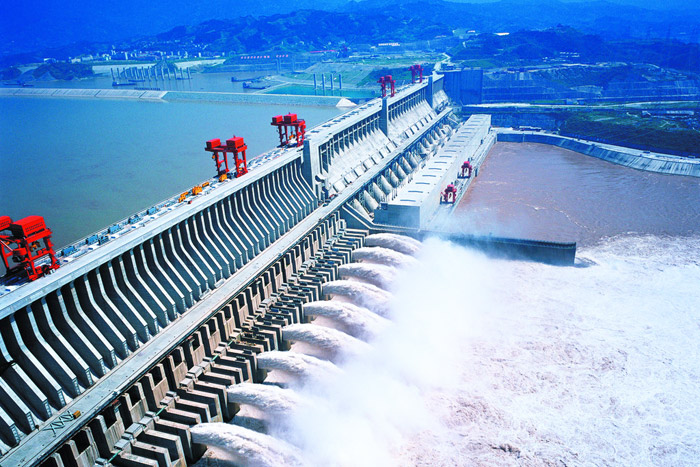
Hydropower plants are growing in size, as seen in China. The world’s largest hydropower plant is the 22.5-gigawatt Three Gorges Dam in China, shown in Figure 3 below. This plant produces enough electricity to supply between 70 million and 80 million Chinese households. But dams of this size has consequences for biodiversity [68].
Large hydropower projects significantly alter river ecosystems, disrupting natural water flows and creating barriers that fragment habitats. This fragmentation isolates aquatic and terrestrial species, hindering migration, breeding, and access to resources. Over time, it reduces genetic diversity and population resilience, exacerbating the global biodiversity crisis.
In countries such as Germany, hydropower dams are being retired due to environmental concerns, such as their impact on aquatic ecosystems and fish migration. In some cases, dams disrupt the natural flow of rivers, leading to the destruction of habitats and biodiversity loss [69]. As a result, Germany has been shifting its focus towards renewable energy sources with less environmental impact, such as wind turbines.
Wind energy has become increasingly attractive due to its lower carbon footprint and ability to be deployed in diverse locations, from offshore sites to rural areas. This transition supports Germany’s commitment to its Energiewende, a strategy for phasing out fossil fuels and increasing the share of renewables in the energy mix.
Hydropower: Climate-Friendly, Yet Vulnerable and Poses Challenges
Increased Risk of Water Shortages and Their Impact on Hydropower
Glaciers and ice caps store about 68.7 percent of the world’s fresh water, according to the US Geological Survey. As they melt, the world’s freshwater supply—including water for food production—melts away. Climate change makes the problem worse, and conflicts could arise around water supplies.
The unpredictable shifts between prolonged droughts and intense rainfall events threaten to disrupt hydropower generation, highlighting the growing uncertainty within the water-energy nexus.
Hydropower Development and Water Access in the Himalayas
The Himalayan glaciers feed great Asian rivers such as the Yangtze, Yellow, Ganges, and the Mekong. Over a billion people rely on these glaciers for drinking water, sanitation, agriculture, and hydroelectric power. These glaciers are critical to sustaining the livelihoods and economies of millions of people across the region. In Pakistan, where the Indus River is expected to lose much of its flow, the population doubled in twenty-five years, implying a growing energy demand. And it is expected that in fifty years, the Indus River may have only half the water it had previously because of climate change. This change will likely exacerbate existing water scarcity issues and challenge the country’s energy systems.
Securing additional water resources necessitates energy input, while increasing energy production typically depends on access to a sufficient and reliable water supply .
Academic research indicates that India, Nepal, Bhutan, and Pakistan are pursuing a significant “water grab” in the Himalayas when they build new hydropower dams to obtain additional sources of electricity for their economies [70, 71].
Asia faces a critical water crisis, threatening economic growth and regional stability. With rapid population growth and inefficient water management, tensions escalate over shared resources. Water scarcity, exacerbated by ambitious infrastructure projects, emerges as a defining challenge, intensifying competition and highlighting the vital need for sustainable solutions. One author, Brahma Chellaney, perceives a major water crisis rising in Asia.
If all proposed dams are constructed, the Himalayas could become the most dammed region globally, with one dam for every 32km of river channel in 28 out of 32 major river valleys. Therefore, this raises concerns of whether the decarbonization strategy chosen leads to environmental degradation.
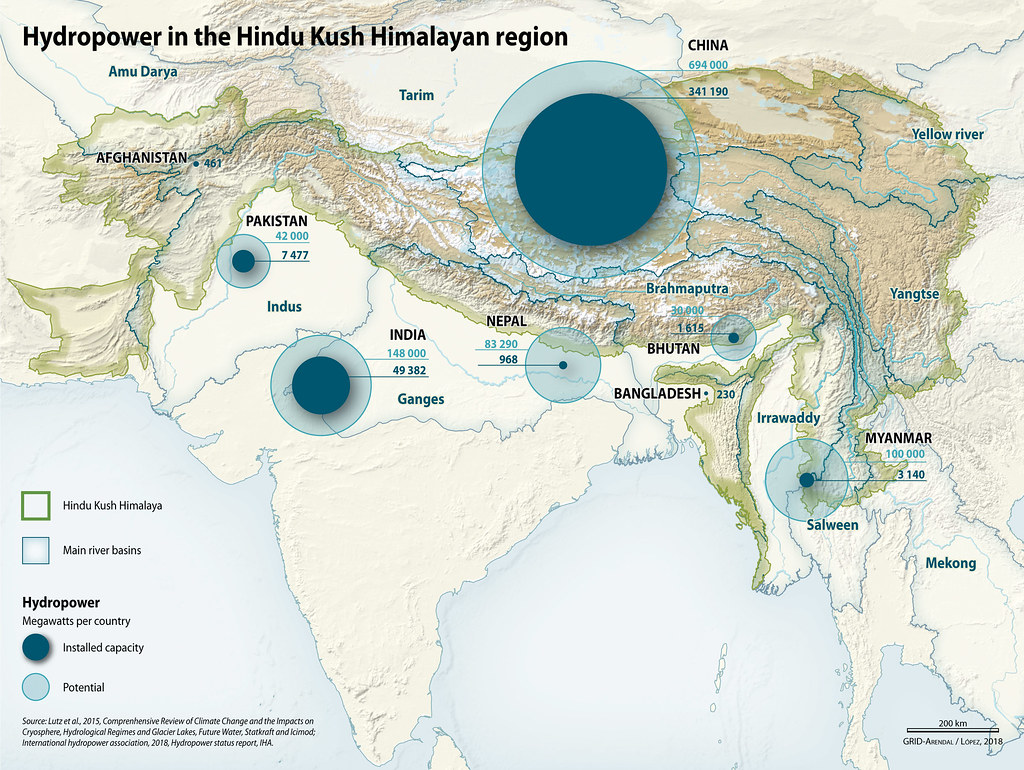
Hydropower Expansion in the Himalayas: Balancing Development and Degradation
The Hindu Kush Himalayas, known as the “Water Tower of Asia,” provide critical water resources for major river systems like the Ganges, Indus, and Brahmaputra, sustaining agriculture, ecosystems, and millions of livelihoods downstream.
The map showcases the region’s vast hydropower potential and existing infrastructure, particularly in India, Nepal, Bhutan, and Pakistan. In these three countries, hydropower is integral to energy strategies. Nepal generates almost all its electricity from hydropower, with a generation capacity of around 3,000 MW. In India, hydropower constitutes approximately 16% of the energy mix, with an installed capacity of around 43 GW, which is about 30% of its potential 145 GW [72].
These countries rely on substantial capacity already installed and ambitious plans for further development. The visual emphasizes the immense untapped potential across key river basins, indicating opportunities for energy generation but also raising concerns about the environmental and social costs of dam construction in one of the world’s most ecologically sensitive regions.
In Europe, Could Hydropower’s Future Be More Uncertain Due to Prolonged Droughts?
Climate change presents a paradox, with both droughts and floods intensifying, altering our environment and ecosystems. Hydropower depends on an adequate level of precipitation so dams can fill up. Yet, longer droughts e.g. in Europe are linked to changes in ocean currents such as a weakening AMOC, which may lead to European rivers running dry, and hydropower becoming a more uncertain source of electricity. The water-energy nexus is now increasingly struck by climate-induced uncertainty [73].
Climate Change and the Hydropower Paradox
A weakened AMOC may sustain Mediterranean winter drying despite significant greenhouse gas reductions. Climate models show that while summer rainfall recovers, weakened AMOC-induced cooling over the subpolar North Atlantic triggers atmospheric changes that perpetuate winter rainfall decline, revealing potential climate system “surprises” that could hinder complete climate recovery efforts .
To give an example: the 2022 Po River drought in northern Italy was the worst in over two centuries, with river flow 30% below the previous record low. Likely triggered by global warming, it reflects a broader trend of severe droughts linked to earlier snowmelt, reduced snowfall, and rising evaporation, scientists conclude [74].

Hydropower, while providing virtually carbon-free energy, can disrupt rivers, lakes, and surrounding ecosystems. Large dams often alter water flow and quality, hinder fish migrations, and release methane—a potent greenhouse gas—from reservoirs.
The Environmental and Social Costs of Hydropower
Despite these challenges, hydropower remains a critical energy source for nations striving to meet rising energy demands sustainably. However, its viability is increasingly tested by climate change, as droughts and floods disrupt energy production.
Ambitious dam-building programs in India, China, and other nations aim to reduce CO₂ emissions. However, they raise pressing concerns about long-term environmental and social trade-offs. These include the displacement of communities and significant disruption to river ecosystems. The Sardar Sarovar Dam in Gujarat, India, for instance, has been criticized for causing extensive ecological damage, including submerging vast tracts of forest and agricultural land, leading to the displacement of thousands of indigenous people.
Similarly, the Three Gorges Dam in China has faced scrutiny for its environmental and social impacts, such as triggering landslides, altering ecosystems, and displacing millions of residents.
The Impact of Hydropower on Rivers
Countries like Kenya, heavily reliant on hydropower, experience power shutdowns due to drought. Norway, grappling with faster glacier melting, struggles with managing hydropower plants. Central Europe, Western US, and the Himalayas face severe consequences from extensive dam projects amidst changing climatic patterns [75].
A report by Florida International University found that existing dams have already fragmented the tributary networks of six of the eight major Andean Amazon river basins. Meanwhile, the University of Leicester and the NGO International Rivers have researched the shrinking of Lake Turkana and subsequent effects on surrounding communities due to dams on the Omo, its main tributary river.
As efforts to achieve a decarbonized future and global net-zero targets advance, it is essential to carefully weigh the benefits of hydropower against its environmental and social impacts. This raises important questions, such as whether the loss of floodplain forests poses a greater concern than methane emissions from reservoirs.
Floating Solar Panels Can Be Integrated With Hydropower Plants
To align decarbonization efforts with sustainability, even in areas with abundant water resources, alternative renewable energy sources such as solar and wind power may present viable options compared to hydropower. Solar and wind power have seen substantial cost reductions and scalability over the past decade, making them economically viable even in diverse geographic regions. It is also possible to make better use of existing hydropower facilities, as floating solar panels can be installed on certain reservoirs [52, 53].
| Element | Description |
| Hydropower’s Role in Decarbonization | Hydroelectric systems use falling water to turn turbines, generating electricity cost-effectively and reliably for energy grids. Hydropower supports net-zero goals through large-scale electricity generation and renewable energy storage and the use is advancing in India and China, but requires sustainability measures. |
| Environmental and Social Impacts of Dams | Large dams disrupt ecosystems, alter water flow, and displace communities; examples include Three Gorges and Sardar Sarovar. Hydropower expansion in the Himalayas risks ecological damage and social costs despite energy benefits. |
| Alternative Energy Integration | Floating solar panels on reservoirs enhance existing hydropower facilities, reducing reliance on ecologically harmful practices. |
Table 2: Hydropower: Key Elements and Descriptions.
Floating solar photovoltaic panels are being integrated with hydropower plants to increase electricity generation efficiency. This hybrid renewable system utilizes the surface area of hydropower reservoirs, which can host significant amounts of solar panels, potentially generating substantial electricity. By combining solar energy during peak daylight hours with hydropower during low solar periods, these systems enhance grid stability. Floating solar also helps reduce water evaporation, improving water availability for hydropower, and can increase overall electricity output, addressing challenges like drought conditions and fluctuating energy demand.
While countries like China and Brazil are building new dams, European countries have older but substantial hydropower assets that can be optimized through technological advancements, policy changes, and behavioral shifts. Modernizing these assets with improved turbines, digital monitoring systems, and efficiency upgrades can enhance output while minimizing environmental impact, supporting decarbonization goals. Table 2 covers the key elements in the discussion on hydropower [54].
Element Description
Hydropower’s Role in Decarbonization Hydroelectric systems use falling water to turn turbines, generating electricity cost-effectively and reliably for energy grids. Hydropower supports net-zero goals through large-scale electricity generation and renewable energy storage and the use is advancing in India and China, but requires sustainability measures.
Environmental and Social Impacts of Dams
Large dams disrupt ecosystems, alter water flow, and displace communities; examples include Three Gorges and Sardar Sarovar. Hydropower expansion in the Himalayas risks ecological damage and social costs despite energy benefits.
Alternative Energy Integration
Floating solar panels on reservoirs enhance existing
hydropower facilities, reducing reliance on ecologically harmful practices [2, 7].
A Perspective on Hydropower Development: Water Diversion in the Soviet Union and the Tragedy of the Aral Sea.
To illustrate the potential impacts of large-scale human interventions in water systems, such as those seen with the expansion of hydropower, the case of the Aral Sea serves as a compelling example. In the 1950s, the Aral Sea was the fourth-largest inland water body on Earth, covering 67,300 km², surpassed only by the Caspian Sea, Lake Superior, and Lake Victoria. Rich in biodiversity, it was particularly abundant in fish, supplying one-sixth of all fish consumed in the Soviet Union at the time.
However, the land was unsuitable for such crops due to its arid nature and lack of hydraulic infrastructure for irrigation. As a result, Soviet engineers devised a plan to use water from the main rivers flowing into the Aral Sea — namely the Amu Daria and Sir Daria. During this period, the Soviet Union included Kazakhstan and Uzbekistan, which shared the coastline [8, 11, 72].
The Soviet project fostered an immense infrastructure plan as, in 1960, a 500 km-long channel was built to divert one third of the water in rivers for supplying water to cotton fields in order to ensure Soviet self-sufficiency in cotton. However, due to incorrect calculations, poor maintenance, and inefficient irrigation systems, the amount of water taken from rivers and aquifers increased.
This led to a series of environmental impacts, including increased evaporation, shallower lakes, and higher salinity levels that caused fish populations to shrink. The lake entered a negative loop, with more evaporation leading to less depth, and less depth leading to more evaporation.
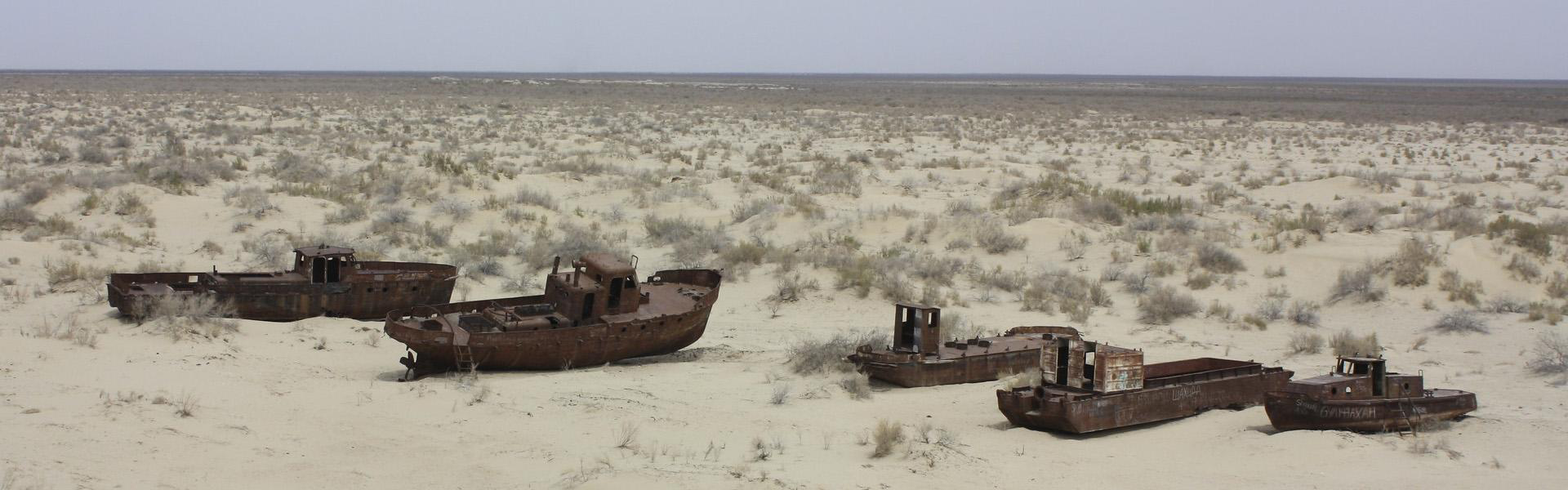
As a result of the impactful irrigation plan, human consumption was impacted — with many people lacking access to clean drinking water, and the remaining water being highly polluted by fertilizers and pesticides used in cotton farming. Fishing was also very difficult and the Aralsk harbor lost its water in 1970 — leaving ships stranded in a desert landscape. Salt storms and aquifer depletion led to the destruction of 40% of vegetation in surrounding lands, causing a large migration of people to more prosperous areas.
The Aral Sea’s Collapse: A Stark Warning for Water Management in an Era of Climate Tipping Points
The Aral Sea’s collapse serves as a stark reminder of how human alterations of water systems can lead to very serious outcomes, exemplifying the risks of underestimating large- scale interventions. ESCAP’s analysis of Aral Sea water disasters highlights the urgent need for more coordinated regional water policies, multi-hazard risk assessments, early warning systems, and resilient agriculture to address resource depletion and transboundary vulnerabilities in Central Asia, emphasizing the critical interdependencies of the water-energy nexus in ensuring sustainable development.
Similarly, climate tipping points, such as the slowing down or collapse of the Atlantic Meridional Overturning Circulation (AMOC), threaten to alter precipitation patterns, with central Europe among the regions at risk. These changes could disrupt hydropower reliability as extreme weather events and prolonged droughts impact water flows, creating new dimensions of risk and uncertainty within the water- energy nexus, and the water cycle-tipping point nexus is a new and important area of growing research interest.
In 2024, researchers found that it when comes to tipping points, current climate models are valuable for studying anthropogenic change but insufficient for the non-linear effects of tipping elements. Nor can the climate models capture the interaction between tipping points. In a policy report from the OECD, fifteen major tipping points were identified.
The activation of these tipping points may rapidly affect precipitation, alter drinking water systems, necessitating updated decision-making approaches. The drying of the Aral Sea exemplifies a historical “known-unknown” in the Rumsfeld Matrix, where the risks of large water bodies disappearing due to human manipulation were recognized but underestimated. This serves as a cautionary tale for the unpredictable nature risks exacerbated by climate change.
As ecosystems face unprecedented pressures, climate- driven water variability introduces “unknown-unknowns,” where unforeseen interactions could destabilize critical water systems, leading to cascading impacts on agriculture, local food prices, and subsequent societal destabilization and dislocation. Cascading impacts around water scarcity emphasize the urgency of integrating adaptive management and precautionary principles into water resource planning.
Part IV: Current and Projected Challenges in the Water-Energy Nexus
Decarbonization of the Water Sector Is Overlooked
Decarbonizing the water sector is an overlooked but vital opportunity to mitigate climate change and improve resource efficiency. The deliberate decarbonization of the water sector may be important for mitigating the interconnected water and climate crises.
The energy-intensive processes of water extraction, treatment, and distribution account for significant greenhouse gas emissions. By transitioning to renewable energy sources and adopting energy-efficient technologies, the sector can drastically reduce its carbon footprint. Moreover, improving water efficiency and infrastructure will minimize waste and strengthen resilience against climate change, ensuring sustainable water access for billions while aligning with global temperature stabilization goals.
The Water Sector Consumes 4% of Global Electricity: Decarbonization Challenges Ahead
The water-energy nexus faces escalating challenges, including rising energy demands and water scarcity, exacerbated by climate change and population growth.
A key aspect of the water-energy nexus is the energy use in the water sector. In fact, the water sector holds great potential for decarbonization efforts. The U.S. Environmental Protection Agency (EPA) estimates that drinking water and wastewater systems account for approximately 2% of energy use in the United States, contributing over 45 million tons of greenhouse gases annually.
Within the water sector, water and wastewater utilities are significant energy consumers. The more we need to move water and treat it, the more energy is consumed in the process.
Water is seldom considered an energy-intensive product. Yet, according to the International Energy Agency’s report, “The Water-Energy Nexus”, the water sector consumes about 4% of the world’s electricity. More importantly, the amount of energy used by the sector is projected to double by 2040 — mainly due to the growing use of desalination plants.
Moreover, the water sector’s share in the overall electricity demand varies in different regions of the world. For example, in Saudi Arabia, the water sector is projected to account for 9% of electricity demand. The water sector in the US and Europe, on the other hand, accounted for only 3% of the total electricity consumption.
Desalination May Lead to a More Energy Intensive Water Sector
Desalination is a key element in the water-energy nexus, demanding energy-intensive processes that must transition to renewable energy sources to support sustainable freshwater supply and decarbonization goals.
The water-energy nexus is particularly relevant in the Middle East. The water–energy nexus in the MENA region reveals a highly skewed dependency: water systems strongly rely on energy, while energy systems are less dependent on freshwater.
Desalination in the Middle East: Balancing Freshwater Needs and Energy Demands
Desalination accounts for 5–12% of electricity consumption in Gulf countries. This highlights the need for integrated policies addressing energy-intensive water systems, food imports, and infrastructure planning.
Desalination provides fresh water to dry regions but challenges Middle Eastern decarbonization efforts. With 70% of the world’s desalination plants located in the Middle East, countries like Saudi Arabia, Kuwait, the United Arab Emirates, Qatar, Bahrain, Libya, and Algeria are heavily reliant on desalination due to growing consumption and water demand.
However, the desalination process often requires large amounts of energy and can contribute to greenhouse gas emissions — a path to net zero for some countries in those regions. Seawater used in desalination plants may contain high levels of boron and bromide, and the process can remove essential minerals such as calcium.
Additionally, the concentrated salt byproduct is often dumped back into the oceans. Such salt deposits can have negative impacts on local wildlife and the ocean’s environment.
Environmental Challenges of Desalination and the Path to Sustainability
Therefore, while desalination may be a necessary solution for addressing water scarcity, it is essential to consider its energy and environmental impacts and work towards more sustainable and efficient desalination methods. Since desalinated water is vastly more energy-intensive than conventional water, it has a higher carbon footprint depending on the energy used in desalinating seawater.
The embodied energy compared to seawater processed by desalination of drinking water provision in Tampa, Florida was factor of 3-6X higher.
The Middle East is a water-stressed region and is slated to have significantly more desalination projects in the future. In fact, due to this ramping up of desalination capacity, its water sector’s share of electricity demand is estimated to go up to 16% by 2040. This significant energy demand highlights the critical interdependence of water and energy systems within the water-energy nexus, where increasing water scarcity necessitates energy-intensive solutions like desalination.
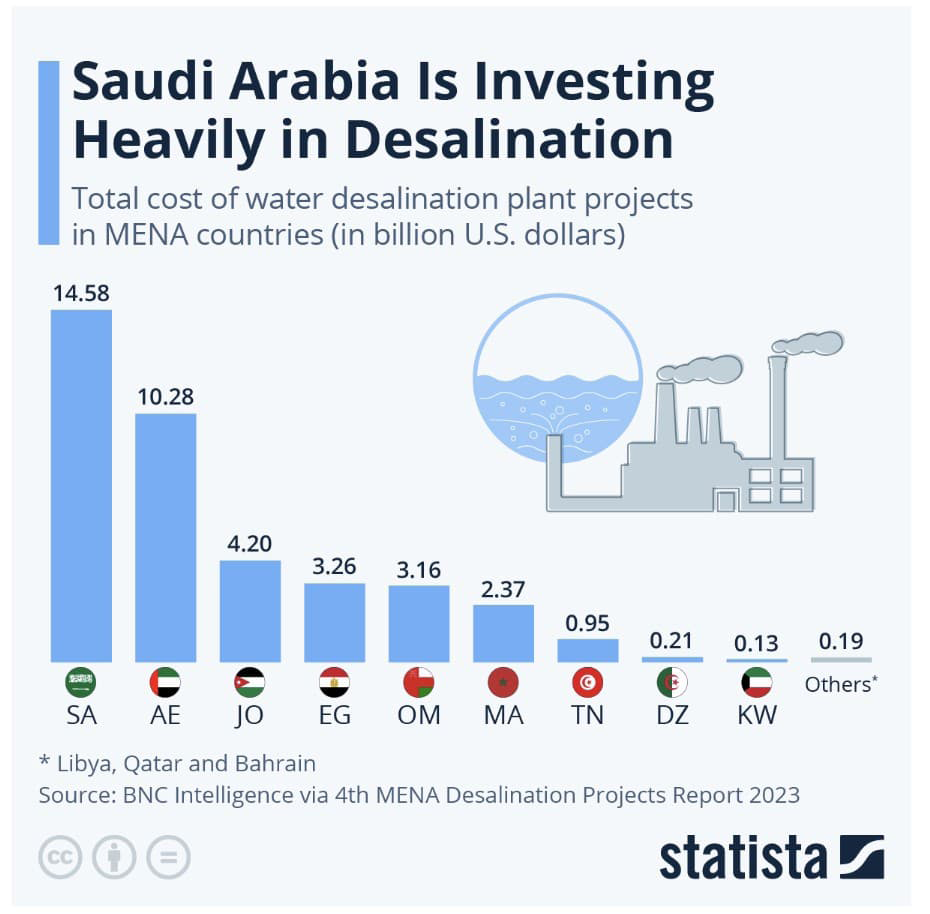
The UAE is a short case worth exploring: The country has the highest per capita consumption of water in the world. Thus, the UAE is faced with serious depletion of their water resources and, for the past thirty years, the water table of this region has dropped about one meter per year. At this current rate, the UAE will deplete its natural freshwater resources in about fifty years. The reliance on energy-consuming technologies, such as desalination, underscores the urgent need for integrating renewable energy into water management systems to ensure decarbonization. This transition is critical as desalination plants may consume 20% of the UAE’s water- related electricity. Greater demand for wastewater treatment due to population growth and urbanization can also lead to increased strain on energy resources.
To ensure the sustainability of the net-zero economy, there is a need for desalination systems that are energy- efficient and that minimize environmental impacts.
| Description | |
|---|---|
| Energy Intensity of Desalination | Desalination requires significant energy, up to 6x more than conventional methods, with a high carbon footprint. |
| Environmental Impacts of Byproducts | Salt byproducts harm marine ecosystems; removing essential minerals impacts water quality. |
| Regional Electricity Demand from Desalination | Middle East desalination accounts for 16% of electricity demand by 2040; varies globally. |
Table 3: Desalination: Key Elements and Descriptions.
Part V: Opportunities Within the Water- Energy Nexus
Wastewater Plants as Energy Factories?
The water sector’s energy consumption is about 4% of the total electricity consumption. In the EU, that number is 3.5%. This includes energy-intensive processes such as water extraction, treatment, and distribution. Improving efficiency and integrating renewable energy sources like solar and wind into water utilities could help reduce emissions and achieve energy neutrality.
Billund BioRefinery – A Wastewater Plant Turned into an Energy Factory The relationship between water and energy is closely intertwined. Water utilities can optimize plant and process efficiency, harvest energy from sludge to create biogas, and produce energy from on-site renewables such as solar or wind energy sources. And it is the process of producing biogas which is the key feature in Billund Biorefinery.
By rethinking wastewater as “resource water,” optimizing systems, and producing energy, utilities can gradually decarbonize the water cycle. Wastewater treatment plants have come a long way since the late 19th and early 20th centuries when centralized sewage treatment plants were first introduced. These large and complex facilities, which historically consumed considerable energy, are now pivoting to energy-neutral or even energy-positive models. Researchers are now starting to see the opportunities to create net-zero-carbon water sector through energy- extracting wastewater technologies.
Billund Biorefinery in the Mid Jutland region of Denmark exemplifies this shift. It uses waste streams and wastewater sludge as energy inputs, producing three times the energy it consumes.
Sewage sludge, once considered a disposal problem, is now a valuable resource. It contains energy that can be harvested and burnt off as biogas (methane) or turned into biochar, contributing to energy production and carbon sequestration. Excess energy from the facility is sold to the grid, while the fertilizer byproducts are traded with local farmers. This achievement demonstrates the potential of circular economy solutions to reduce reliance on fossil fuels, create local energy hubs, and recover valuable byproducts.
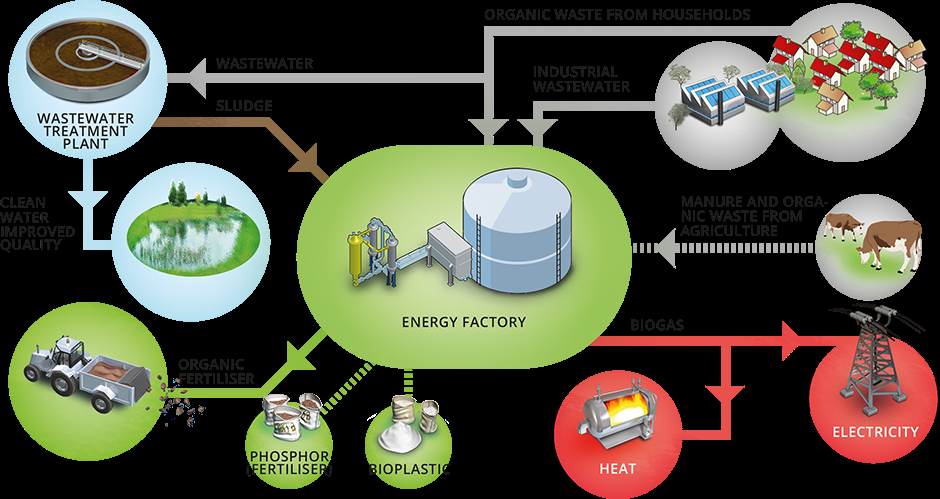
The Billund Biorefinery demonstrates how wastewater treatment can contribute to decarbonization and energy production, showcasing the interdependence between water and energy systems. While wastewater facilities like Billund are turning waste into valuable energy, the broader energy sector’s increasing demand for water highlights the need for integrated solutions.
By transitioning to renewables like solar and wind, which require minimal water for operation, the energy sector could alleviate pressure on freshwater resources, safeguarding ecosystems and reducing stress on critical water supplies. Such efforts not only conserve water, but also enhance resilience against climate-induced droughts and water scarcity.
As the energy sector faces a 60% rise in water demand by 2040, the shift towards energy-positive water treatment models becomes even more critical. Innovative approaches in water and energy use, as exemplified by Billund, can inform strategies to address the rising pressures on both sectors, ensuring sustainability in an interconnected world.
Reducing Water Leakage: A $40 Billion Opportunity for Decarbonization
In exploring the water-energy nexus, it is critical to prioritize addressing significant challenges, such as leaking water pipes, as the loss of drinking water represents an energy drain for the water sector in many countries.
Water leakages in distribution systems are a significant concern, leading to substantial water loss, energy waste, and increased carbon emissions. On average, every cubic meter of water consumed generates approximately 10.6 kg of carbon emissions.
Interconnections Within the Water-Nexus Elements
The water-energy nexus concept connects critical systems such as hydropower, desalination, energy-producing wastewater treatment, and urban water waste. These interdependencies are both technical and systemic, emphasizing the need for integrated water resource management.
Hydropower, for example, relies on the availability of water, which may compete with urban and agricultural needs, particularly in regions experiencing water scarcity, as discussed extensively above. Similarly, desalination is energy-intensive, and its expansion to meet growing water demand can strain energy systems, especially in areas reliant on fossil fuels.
Here, energy-producing wastewater treatment plants provide a circular solution by turning wastewater into biogas, which can offset some of the energy demands caused by desalination.
This approach not only mitigates the energy costs of water management but also reduces greenhouse gas emissions, linking directly to climate objectives. In urban areas, reducing water leakages through pressure management can lower the demand for energy-intensive water production processes, such as desalination or long-distance water transport.
As discussed with the recent science around tipping points, the nexus also highlights vulnerabilities in water cycle in the face of climate change. Altered hydrological cycles can disrupt hydropower production. This could increase the demand for integrated energy-water solutions like the Billund Biorefinery, but droughts could also increase the demand for desalination. Urban water management systems must boost efficiency and cut losses, as water leakages amplify energy demands throughout the system.
Conclusions
This study underscores the critical role of water as a global resource, highlighting the need for sustainable management to ensure societal stability. Drawing on Wittfogel’s concept of “hydraulic civilizations,” the analysis reveals the critical role of water in human history, and the origin of the key technologies used today.
With global water scarcity projected to intensify, this paper adopts a broad perspective, examining the water- energy nexus and its multifaceted implications.
Within the “water-energy nexus”, the paper explored the hydroelectric power conundrum. Hydropower plays a dual role in decarbonization, offering cost-effective renewable energy, particularly in rapidly growing energy markets like India and China, while also presenting significant ecological and social challenges that require careful mitigation and sustainable development approaches.
Water scarcity and unreliable hydropower due to climate impacts demand diversified renewable energy and adaptive water management strategies. The ongoing expansion of hydropower in the Anthropocene warrants caution, as climate tipping points, extreme and prolonged droughts, and altered water cycles threaten the reliability of hydropower generation.
Recent drought and extreme weather events in Europe underscore these risks, with droughts already affecting energy systems, while changes in Asia highlight additional vulnerabilities tied to monsoon variability and glacier-fed rivers. Over-reliance on hydropower in densely populated regions could exacerbate water stress and destabilize energy systems. The Aral Sea example illustrated that planning can become futile if conditions shift and water resources become uncertain.
Reducing water leakage and improving efficiency are vital to conserving resources and cutting energy use. Technological advancements, such as water pressure management and advanced metering, are essential for mitigating the substantial loss of drinking water and reducing energy waste across extraction, treatment, and distribution processes.
These approaches are particularly relevant in regions like the Middle East, where water usage is energy-intensive. For instance, while desalination addresses water scarcity, its high energy requirements and ecological challenges, such as brine disposal, necessitate the integration of renewable energy into these processes.
Decarbonizing the water sector also requires innovative approaches to energy-intensive processes like wastewater treatment. Modern wastewater treatment facilities, designed to be net energy positive, represent a scalable solution. The case of the Billund Biorefinery illustrates how technological innovations, such as biogas generation from wastewater, can significantly reduce the carbon footprint of the water sector.
As the impacts of extreme weather events intensify, the unpredictable behavior of water systems emerges as a critical challenge, with cascading risks affecting agriculture, food security, industrial productivity, and social migration. Adaptive strategies within the water-energy nexus are essential to mitigate these risks.
Disclaimer: The contents of this research article are not meant to recommend courses of actions or investment decisions on the basis of the issues identified and analyzed. The contents are intended to inform you as a reader, and to identify research and policy gaps for further work. Any financial gain or loss incurred by a reader because of this article will result from decisions taken by the reader as an individual. The opinions expressed in this article are my own as an individual, and do not reflect the opinions of my current employer.
References
-
Ackerman, Frank, Fisher J (2013) Is there a water–energy nexus in electricity generation? Long-term scenarios for the western United States. Energy Policy 59 (2013): 235- 241.
-
Shehar B (2017) Karl August Wittfogel. Oriental Despotism: A Comparative Study of Total Power. New Haven, USA: Yale University Press, 1957 (Reprinted 1981). 550 pages. The Pakistan Development Review 56: 393-395.
-
Billund Vand. Billund Biorefinery.
-
Alex Kimani B (2023) The Middle East Is Investing Billions Into Desalination Projects.
-
Brink (2020) News and Insights on Global Risk. The Thirst for Power: Hydroelectricity in a Water Crisis World.
-
Business & Human Rights Resource Centre (2020) NGOs Decry Human Rights Crisis at Three Gorges Project as Reservoir Starts Filling. Business & Human Rights Resource Centre.
-
C40.org. Tokyo: World Leader in Stopping Water Leakage.
-
Brahma C (2013) Water: Asia’s new battleground. Georgetown University Press.
-
Climate Diplomacy (2024) Three Gorges Dam Conflict in China.
-
Cornejo PK (2014) Carbon Footprint of Water Reuse and Desalination: Review of Emissions and Tools. Journal of Water Reuse and Desalination 4(4).
-
Jiangyu D (2018) Water-energy nexus: A review of methods and tools for macro-assessment. Applied energy 210 393-408.
-
Danish EPA (2020) Water Loss. Ministry of Environment of Denmark.
-
Delworth, Thomas L (2022) A weakened AMOC may prolong greenhouse gas–induced Mediterranean drying even with significant and rapid climate change mitigation. Proceedings of the National Academy of Sciences 119(35): e2116655119.
-
Ditlevsen P, Ditlevsen S (2023) Warning of a forthcoming collapse of the Atlantic meridional overturning circulation. Nature Communications 14(1): 4254.
-
Deutsche W (2009) The Technology Behind Water Power.
-
Yaron D (2022) The Carbon Footprint of Water.
-
Encyclopaedia Britannica. Hanging Gardens of Babylon.
-
Falkenmark M (1977) Water and Mankind: A Complex System of Mutual Interaction. Ambio pp: 3-9.
-
Raya F (1984) The Case Study Method: A Case study. Library and Information Science Research 6(3): 273- 288.
-
German Agency for International Cooperation (GIZ) (2024) “Sustainable Water Management: A Global Perspective.
-
GlobeNewswire (2018) Global Non-Revenue Water Losses of About $40 Billion Is Driving Growth Opportunities for Smart Water Leakage Management Solutions.
-
GlobeNewswire (2020) Global Water and Wastewater Treatment Equipment Industry.
-
Alessandro G (2022) Drought Tightens Grip on Northern Italy. The New York Times, USA.
-
Greenwood, Esther E (2024) Mapping Safe Drinking Water Use in Low- and Middle-Income Countries. Science 385: 784-790.
-
Grumbine Edward R, Pandit MK (2013) Threats from India’s Himalaya Dams. 339: 6115: 36-37.
-
Veera Gnaneswar G (2016) Desalination and sustainability–an appraisal and current perspective. Water research 89: 87-106.
-
Hald-Mortensen C (2023) The Main Drivers of Biodiversity Loss: A Brief Overview. Journal of Ecology & Natural Resources 7(3).
-
Hald-Mortensen C (2024) Applying the Rumsfeld Matrix: Unknown Climate Risks in an AMOC Collapse Scenario. AMOC Collapse Scenario. J Ecol & Nat Resour 8(1): 000364.
-
Hald-Mortensen C (2024) Cascading Nature Risks: Applying the Rumsfeld Matrix to Case Studies on Pollinator Decline, an AMOC Collapse, and Zoonotic Pandemics. Journal of Ecology & Natural Resources 8(3).
-
Hald-Mortensen C (2024) The Climate-Biodiversity Nexus Reviewed: Navigating Tipping Points, Science- Based Targets & Nature-Based Solutions. J of Agri Earth & Environmental Sciences 3(6): 111.
-
Hald-Mortensen C (2024) The Anthropocene: A Review of Recent Climate Science, Physical Impacts & Adaptation Investment Areas. Journal of Ecology and Natural Resources 8(4): 401.
-
Hald-Mortensen C (2025) Towards Net Zero Cities: A Review of Best Practices and Prioritized Investment Areas. Journal of Current Trends in Agriculture and Environmental Sustainability 5(3): 1-8.
-
Hald-Mortensen C (2025) Net Zero through Circular Economy: Insights From the Billund Biorefinery and the Kalundborg Industrial Symbiosis. Journal of Current Trends in Agriculture and Environmental Sustainability 5(5): 1-8.
-
Ait Mimoune H, Boudghene Stambouli A Flazi S (2016) A review of the water-energy nexus. Renewable and Sustainable Energy Reviews 65: 319-331.
-
International Energy Agency (2024) Energy and Water.
-
International Energy Agency (2024) Water-Energy Nexus.
-
International Energy Agency (IEA) (2016) World Energy Outlook 2016: Excerpt - Water-Energy Nexus.
-
Monica I (2022) Long-term drought intensification over Europe driven by the weakening trend of the Atlantic Meridional Overturning Circulation. Journal of Hydrology: Regional Studies 42(2022): 101176.
-
Caryssa MJ, Daniel H (2015) Framework for net-zero and net-positive building water cycle management. Building Research & Information 43(1): 121-132.
-
Tariq K (2017) Chart: Globally, 70% of Freshwater Is Used for Agriculture. World Bank Blogs.
-
Ashish K, Ram RN (1994) Environmental Impacts of the Sardar Sarovar Project. Kalpavriksh.
-
MacArthur Foundation (2020) Minimizing Hydropower Impacts on Ecosystems.
-
Maftouh A, El Fatni O, Fayiah M (2022) The Application of Water–Energy Nexus in the Middle East and North Africa (MENA) Region: A Structured Review. Applied Water Science 12: 83.
-
Alberto M (2023) Why the 2022 Po River drought is the worst in the past two centuries. Science Advances 9(32): eadg8304.
-
Stanley M (2024) Water Scarcity Causes and Solutions. Morgan Stanley.
-
Bernhard M (2018) Dendroarchaeological Evidence of Early Medieval Water Mill Technology. Journal of Archaeological Science 93: 17-25.
-
NBC News (2018) Water Crisis Hits Cape Town, South Africa, as Day Zero Looms.
-
Narbayep M, Pavlova V (2022) The Aral Sea, central Asian countries and climate change in the 21st century.
-
National Snow and Ice Data Center (NSIDC) (2024) Glacier Quick Facts.
-
Vladimir N (2011) Water and energy link in the cities of the future–achieving net zero carbon and pollution emissions footprint. Water Science and Technology 63: 184-190.
-
OECD (2022) Climate Tipping Points: Insights for Effective Policy Action. OECD Publishing, Paris, USA.
-
Mildred LP (2016) Proposing empirical research: A guide to the fundamentals. Routledge.
-
Public Policy Institute of California (PPIC) (2024) Water and Energy in California.
-
Aishwarya R (2022) Pathways to a net-zero-carbon water sector through energy-extracting wastewater technologies. NPJ Clean Water 5(1): 49.
-
Science (2013) Threats from India’s Himalaya Dams. 339: 36-37.
-
Jerald LS (2011) Water–energy nexus. Environmental science & technology 45(12): 5065-5065.
-
Christopher AS (2011) Policy and institutional dimensions of the water–energy nexus. Energy Policy 39(10): 6622-6630.
-
Afreen S, Diaz Anadon L (2011) The water–energy nexus in Middle East and North Africa. Energy policy 39(8): 4529-4540.
-
Hannah S (2019) Literature review as a research methodology: An overview and guidelines. Journal of business research 104: 333-339.
-
Jennifer RS, Horvath A (2009) Energy and Air Emission Effects of Water Supply. Environmental Science & Technology 43(8): 2680-2687.
-
Lars T (2015) The Creative Society: How the Future Can Be Won. LID Publishing.
-
UNESCO (2024) Water and Sustainable Development. UNESCO.
-
United Nations (2024) Document on Water Resources and Sustainable Development.
-
U.S. Environmental Protection Agency (2024) Lean Water Toolkit: Chapter 2. USA.
-
United States Environmental Protection Agency (2021) Energy Efficiency for Water Utilities. EPA.
-
Negar V (2018) The role of water-energy nexus in optimising water supply systems–Review of techniques and approaches. Renewable and Sustainable Energy Reviews 82: 1424-1432.
-
Thienen V, Herbert ter Maat P, Sija Stofberg F (2024) Climate Tipping Points and Their Potential Impact on Drinking Water Supply Planning and Management in Europe. Cambridge Prisms Water 3.
-
Westen V, René M, Kliphuis M, Henk Dijkstra A (2024) Physics-based early warning signal shows that AMOC is on tipping course. Science advances 10(6): eadk1189.
-
Mads W (2018) How Europe Can Make Its Water Sector Energy Neutral. Euractiv.
-
Water Power Magazine (2024) Transforming Europe’s Hydropower Legacy.
-
We Are Water Foundation (2024) The Aral Sea: The Difficult Return of Water. We Are Water Foundation.
-
World Bank (2016) High and Dry: Climate Change, Water, and the Economy.
-
World Health Organization and United Nations Children’s Fund (2022) Open Defecation. WHO/UNICEF Joint Monitoring Programme for Water Supply, Sanitation and Hygiene.
-
World History Encyclopedia (2016) Roman Mills.
-
WWF UK (2024) The Effects of Climate Change.
- Lessons to Learn: Trees are More than the Lungs of the World
- Community Forestry Enterprises as a Model for Sustainable Forest Development: The Case Of The "Baja Tarahumara" in Chihuahua, Mexico
- Ecological and Socio-Economic Impacts of Chromolaena odorata and Mesosphaerum suaveolens, Two Invasive Alien Species in Central and Southern Benin, West Africa
- Epigenetic Sustainability: Modeling the Human Factor as a Natural Resource through Science 4.0 and the NR3C1 Biological Pilot
- Growth-at-Risk: A Framework for Assessing Economic Vulnerability
- The Rural Territory as a Socioecological System for the Management of Public Policy for Sustainable Rural Development