
Galenic Laboratory: State of the Art-A Scientific and Technological Discipline, Innovation and Management
The term galenic imply a scientific and technical matter but also an art. Related the hospital practice the future of pharmacy pass though the innovation of the galenic lab. Observing the today hospital practice HP in many countries and the international literature involved it is clear how clinical pharmacy is linked to the galenic lab practice LP. Today more than recent past due to the various kinds of magistral formula requested by the clinicians It is necessary that the clinical pharmacist CP perspective must to be added to the classic galenic lab competencies: this make possible to complete the profile of efficacy and safety of this fundamental and crucial Drugs like the magistral formula and officinal and their use. Aim of this ancient discipline and art is today to provide efficacy and safe drugs for the need of single patient when it is not possible to use the industrial product. The clinical galenic activity can be divided into sterile and non-sterile. (Total parenteral nutrition TPN bags, Pain therapy, oncological parenteral drugs lab UFA, radio drugs and diagnostics and non-sterile galenics).Aim of this work is to deeply investigate this relevant link (Clinical Pharmacy CP with Lab Practice LP) in order to get the really best clinical results for the patients and healthcare org need. Clinical pharmacy CP principle, Pharmaceutical care PC, the managerial competencies and personalized pharmacy added to the best knowledge and competencies in the galenic lab. Make the difference in order to obtain the right final clinical results. The same in this work are submitted to the international pharmacy practitioner, directors, researcher or students the Normative rules operating in an advanced country like Italy: the simplified NBP (NORME DI BUONA PREPARAZIONE), example that can be applied also in the non-advanced nations. In Italy pharmacist can follow or the full NBP (NORME DI BUONA PREPARAZIONE) rules of the official pharmacopeia or the simplified according DM Salute 18.nov.2003. (Related the kind of galenic formula prepared if sterile or not). The NBP (NORME DI BUONA PREPARAZIONE) (good manufacturing rules) introduce a QUALITY CQ SYSTEM MANAGEMENT. The full NBP (NORME DI BUONA PREPARAZIONE) are more used in more complex labs in ex. involved in specialist products (Like oncologic or radio drugs, sterile colliria and other). These rules guarantee the quality, security and the efficacy of a drug prepared in galenic lab. These are based on the responsibility principles, plan, and documentation of all activity. (QUALITY SYSTEM OF INSURANCE CQ). All the phases of the preparation are under the responsibility of the pharmacist. The final quality of the products depends on the correct use of API and excipients, on the right calculations operation, right volume measure or weight operation and the Check on the final products: -following of the procedure, aspects, pakaging and closing system and other request by ITALIAN FU related the specific pharmaceutical form. According NBP (NORME DI BUONA PREPARAZIONE) the lab. Must to be separated (or it must to be separable) form the rest of pharmacy and a second pharmacist (that is different form the pharmacist that prepare) must to check the final preparation. The locals must to be according strictly environmental condition required normative rules by to make possible to prepare in safety way drugs. And it is mandatory to follow the written procedure: instrument verify, training of the pharmacists Cleaning procedure, significations. For Raw materials: it is needed to have certifications, technical sheet, safety sheet, data of the first use, expiry data Working sheet is mandatory to testify the operations. The pharmacist can follow this 2 option related the kind of drugs produced and the characteristic of the lab. It is not the main focus of this work to produce a literal translation of the DM 18/nov /2003 only to submit its general meanings. This can be considered for the authors useful to be added also to the normative rules in force in other non-advanced countries. In order to make more interesting this book some useful concepts of physiology of the stomach and GI tract are reported. The same relevant pharmaceutical concepts and technique with a focus on the capsules CPS as pharmaceutical form (gastro resistance, delayed release), some oral suspension, gels and other few preparation. This work is produced whit a non-conventional approach: it is not a book of pharmaceutical technique. Innovation and management of the system make possible to increase the power of the galenic laboratories In the hospital or in private pharmacy. This work is produced only for international purpose.
Introduction
In history to treat the humans pathology great contribute was obtained with the introduction of GALENIC principle and methods. From GALENUS form Pergamon (Greek) 129 dc – 201 comes the word GALENIC art of the pharmacist to produce drugs inside in the pharmacy.
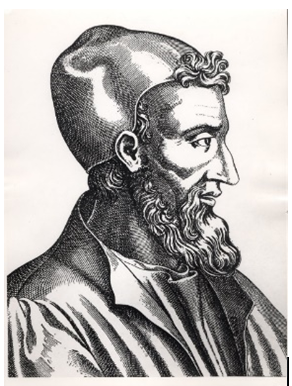
He codified the preparation of drugs using multiple kinds of ingredients. (Active principle API added with excipients). For many times (centuries) this methods was used in the lab to produce remedy to treat many human pathology. Federico II of Svevia 1194-1250 known as “STUPOR MUNDI “related his open mind concepts introduced.
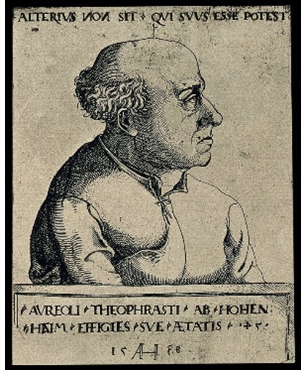
In Europe and in Italy the need to have specific rules for regulation the activity of drugs production in the pharmacy lab. This separates way from the prescription activity of the physicians. All in order to avoid risk of conflict of interest between the prescriptive function from the pharmacy practice this produced the mandatory separation between the medicine and the pharmacy discipline: to the physicians - role in prescription of drugs and therapy and – to the pharmacist the production and sell of the drugs.
But during the illuminist period, in the industrial revolution, the success of medicinal chemistry MC since 1800-1900 make possible to shift the drugs production form the pharmacy to the more complex industry. During all this periods many formulary and then pharmacopeia in various countries was introduced and adopted to make possible to get the adequate quality of drugs produced, safety, reproducibility of the procedure. (Monograph, methods of analysis, table at other reported).
This text becomes mandatory by healthcare normative law in the various contests (FU Italian, FU European, USP, BP and many other examples). Also the competencies of who was involved in remedy preparation increased during the various centuries: from botanic expertise (SCUOLA SALERNITANA in the VII -VIII century) to the Iatrochemistry principle (PARACELSUS in XVI century) since last 2 centuries with the born of the modern pharmacy and medicinal chemistry.

Before the pharmacists, apothecaries that worked alongside with priests and physicians in regard to the patient care. The history of pharmaceutical industry is well known starting from the introduction of the first SULFAMIDICS since the Actual last antivirals drugs (for c-19 treatment). But, related the last industrial pharmaceutical revolution, various problems arose not all pharmaceuticals industries produce drugs for all kind of subpopulation (pediatric patients, swallowing problems in geriatrics, drug shortages). So there is a need for personalized dosages or personalized pharmaceutical form PPP (for pediatric or geriatric patients) or to produce officinal formula: various reason are involved.
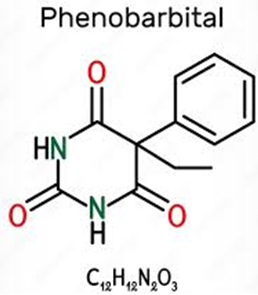
needs to introduce drugs in enteral nutrition NE drugs not available form national or foreign producers (in example due by national or international shortcomings) some orphan drugs OD for some rare disease RD specific needs of specific dermatologic products (not produced by industry, not in the market) Emergency products: in example lat gel, calcium gel, cardio-active oral suspension stokes for pediatric cannabis prepares: CBD, THC (various formulations) some disinfectants and antiseptics formula some antidotes (galenics), in ex Activated charcoal AC, calcium gel, KI cps and other galenics and magistral for pediatric: Phenobarbital bs, caffeine bs, cardio active and other API (cps, oral suspension or bs). Galenics for the metabolic urgencies in pediatric, rare disease some lab.
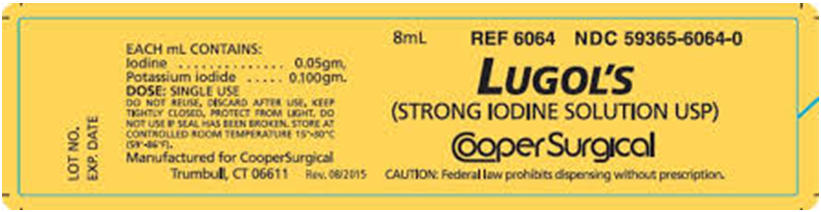
Reagents and solutions, buffers some contrast agents for radiology (sodium bicarbonate cps, citric acid) odontoiatric galenics: like hypochlorite solutions, toluidin solutions otorino solutions: lidocaine solutions, alcohol boric solutions solution used in gynecologic ambulatory: acetic acid 5% and strong lugol and many other useful products. Due to the failure of industry to cover all the situation the galenic lab. Is crucial and real opportunity.
Today also many pharmaceutical industry PI not like more to produce classic drugs as many cardio-active products and other registered drugs and the magistral product make possible to overcome this problem. (Especially today whit actual economic crisis some producers are no more interested to produce registered drugs if the price is highly reduced for various kind of reason). Also a great number of galenic formulas GF are in use and currently in the hospital or in private pharmacy: corrosive products for dermatologist, lugol, acetic acid solutions, alcohol solution for lab, various reactive, phytotherapic derivate and so on. Galenic Pharmacy GP also provides educational, scientific and research activities in the profile discipline – pharmaceutical technology to the pharmacy students or under specialization programs course SPC. But observing international literature IL it is possible to see that the best clinical results are obtained when the lab. Activity in production magistral formula by the physicians is completed when available the clinical pharmacist and managerial competencies in the same team. Galenics is the lab. process that turns an active ingredient (API) into a ready-to-use medicine that can be dosed as required for the various kinds of patients. This is to optimise their absorption. It is known as the discipline (or science) of the dosage form design.
“At the hospital, the pharmacist is constantly challenged to prepare the extemporaneous solutions ES from tablets, capsules or drug powder DP for patients unable to swallow, Like as pediatric, elderly or patients that use Nasoenteric NE or nasogastric tubes. The preparation of extemporaneous solutions ES from capsules, tablets and drug powder requires stability studies analysis” [1].
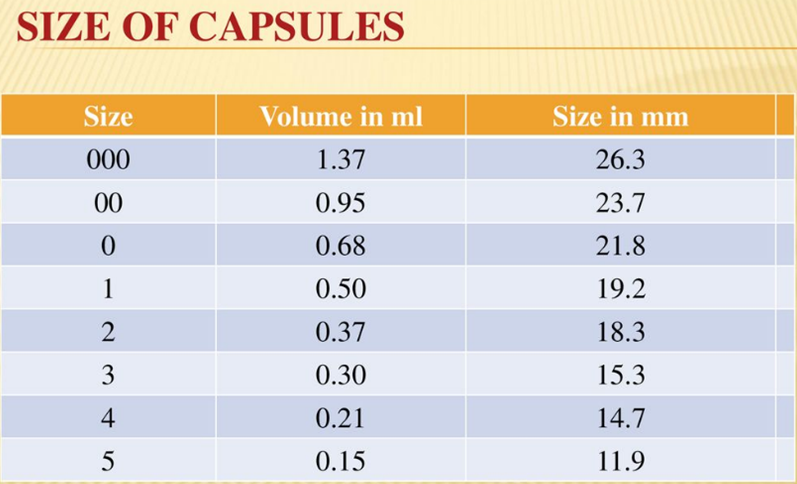
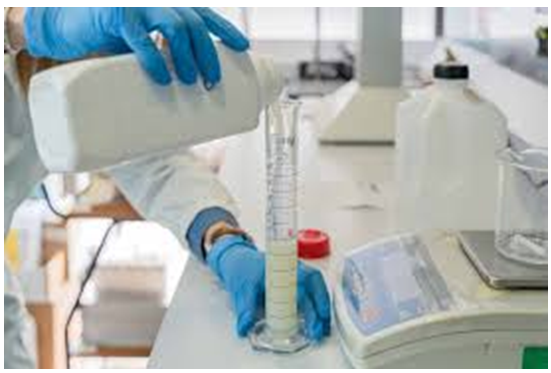
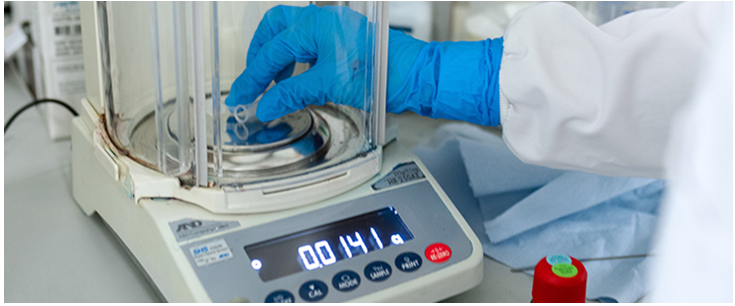
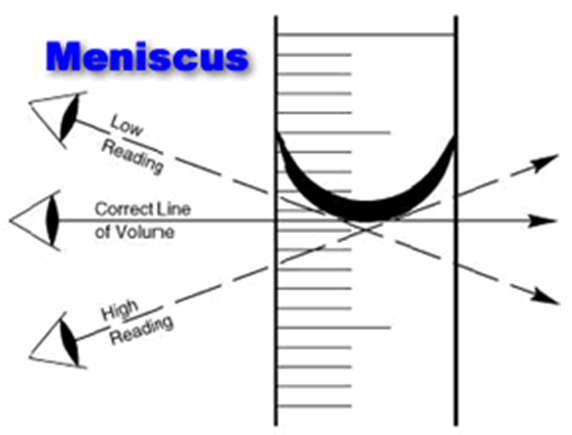
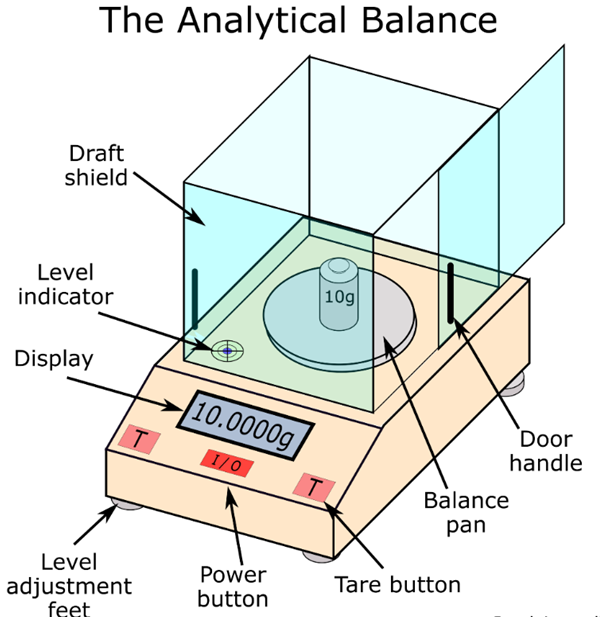
The measures are crucial for API and excipients: In example if technical Balance with sensibility 2mg and admitted error 5% the minimum amount that can be measured: 2x100/5= 40mg Aliquot Weighted method: for measure of API under the precision level of the instrument:
- Choose a multiple of the powder to be measured
- Dilute with inert excipient
- Measure an aliquot of the diluted API + Excipient In example if needed 15mg to be weighted: 15mg x 20 = 300mg (multiplied for factor 20) Mix with excipient 19 x 300mg = 5700gr The global mixture is = 6000mg So it is necessary to weight a measure of 1/20 =300mg that contain 15mg of API
Material and Methods
With and observational point of view a review of relevant article related the topics of this work is performed. It is produced the meaning translation of an Italian normative rule: Decreto M 18 NOV 2003 and are then reported some innovation in galenic field. Finally a global conclusion is submitted to the researcher related also innovations.
Results
“When C-19 pandemic started, the Italian hospital pharmacists faced multiple challenges and change their work practices [2].
The aim of this study work was to describe the impact of the C-19 emergency on the pharmaceutical care (PC) provided by pharmacists during the 1st wave of the pandemic. Issues related to pharmacist’s involvement in the pandemic management PM were: changes in activities support received by authorities and pharmacists’ own perceived role in the Health care System HS. [2]
A cross-sectional study work based on a web survey was conducted between May - Jun 2020 collecting information from the pharmacists, members of the Italian Soc. of Clinical Pharmacy and Therapeutics SCPT. 113(11.4%) completed the questionnaire. The cohort was divided in 2 arms: pharmacists who worked in severely C-19 affected areas (High Spread Regions) and those employed in the less affected areas (Low Spread Regions).
The changes in the pharmacy work settings PWS reflected the increase of logistics area and non-sterile clinical galenic NSG, and reduction of clinical tasks. The most demanding challenge was referred to shortages of medical devices MD and drugs, 61/113 pharmacists reported difficulty in obtaining products compliant to quality standards. National Institute, Regional Governments provided a greater perceived support. More than about 50% of participants felt that their role did not change if compared to other healthcare professionals HP.
Despite some limitations related to their clinical activity, pharmacists played a crucial role in supplying personal protective equipment PE, medical devices MD and medications to improve health outcomes during this emergency. The results may guide pharmacists in future actions to improve the management of the pandemic“[2].
“Aid Progress Pharmacist Agreement Project: aims in developing countries Aid Progress Pharmacist Agreement is a non-profit NP association based on a voluntary work and its main activity is the A.P.P.A.® Project. The Project started in the 2005 as a result of the cooperation between the Pharmacy Faculty Turin and Italian community pharmacists. Its main task is the establishment of galenic laboratories (GLs) in hospitals of developing countries according to the principles of international health cooperation [3]. Aims of this Project:
- establishing GLs in DCs with the aim of preparing medicinal products MP that comply with the quality requirements, first of all to fight the widespread counterfeiting of medicines in DCs;
- tailoring the dosages and pharmaceutical forms PF according to the actual patient needs PN;
- employing the local staff, teaching them a kind of a “new job,” and opening a suitable school;
- minimizing the costs necessary to prepare these medicines formula MF There are various relevant and important reasons why galenics should be used:
- A low cost of the production system and simple kind of operative procedures OP;
- The possibility to adapt the dosages and pharmaceutical forms PF to the patients’ needs and medical prescriptions;
- Reduction in use of counterfeit medicines CM in the settings where the GL is located“[4].
“The clinical pharmacist CP will have a collaborative meeting with both the prescriber and the nurse in order to notify any possible medication errors ME and suggest any proposals to optimize the AMO according to the medical history MH, the clinical status CS, and the therapeutic adherence. (Change of galenic form due to swallowing problem, dose adjustment to the renal function RF). After the collaborative meeting, the clinical pharmacist will check whether the prescriber has accepted his suggestions and modified the AMO [5]. All the pharmaceutical interventions, the medication errors ME detected and the pharmaceutical suggestions of order kind of modification, will be collected and characterized in a standardized form according to the French Society of Clinical Pharmacy FSCP“[4].
“The choice of a pharmaceutical (galenic) concept is primarily based on the requirements of the physico-chemical properties PCP of the active ingredient API to be applied [6]. The fixed combination of API in topical preparations is suitable for only a limited numb. of clinical treatment scenarios” [7]. “Compliance with the national legislation, like as establishing compliance prescribed by the Eu legislation EL in the field of drug development is binding [8].
All manufacturers of drugs and/or API must apply quality standards prescribed by the European Pharm. EP in order to develop, manufacture and sales of medicines. When it comes to the quality of pharmaceutical ingredients PI for the production of drugs in the pharmacy, pharmacies especially in residential institutions in our country is permanently done by the harmonizing national legislation NL in order to improve conditions for the preparation and production of galenic drugs GD in terms of inpatient health institutions HI performed in a manner that is prescribed by international regulations IR. The is requires the adaptation of institutions, including the fundamental changes in competence as national professional and administrative and regulatory rules that apply to state- and private sectors “[5].
“The constant consumption of magistral oral solutions MOS and suspensions by newborns and children of the assessed hospital indicates the need for this such preparations as a pediatric therapeutic alternative PTA in this hospital” [6]. “When there is no on-label or even no off-label treatment for the patients with rare diseases RD pharmacists have to compound the medication needed” [8].
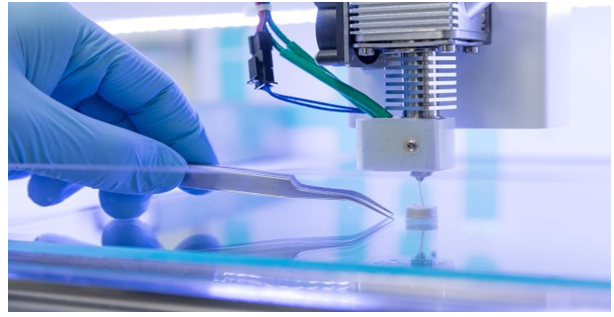
“Backup manufacturing on a small scale (magistral and galenical) could be a good way to overcome some kind of drugs shortages” [9]. “In treatment of pediatric diseases PD, mass-produced dosage forms are often not suitable for children. Commercially available medicines CAM are commonly manipulated- mixed with food by caregivers at home, or extemporaneous kinds of medications are routinely compounded in the hospital pharmacies HP to treat hospitalized children. Despite considerable efforts by regulatory agencies RA, the pediatric population is still exposed to questionable and potentially harmful practices. When designing medicines for children, the ability to fine- tune the dosage while ensuring safety of the ingredients is of paramount and crucial relevance. For these kinds of scope solid formulations SF may represent a valid alternative to liquid formulations for their simpler formula and more stability, and, to overcome the problem of swelling ability, mini-tablets could be a practicable option. This research work deals with the different approaches that may be applied to develop mini-tablets MT intended for pediatrics with a focus on safety of the excipients. Alongside the various conventional method of compression, 3D printing system appeared particularly appealing, as it allows to reduce the number of ingredients and to avoid both the mixing of powders and intermediate steps like as granulation. This technique could be well adaptable to the daily galenic preparations of a hospital pharmacy HP, thus leading to a reduction of the common practice of off-label preparations“[10].
“Three-dimensional (3D) printing offers the potential to revolutionize the production of pharmaceuticals targeted to the gastrointestinal GI tract by offering a flexible drug product manufacturing platform that can adapt readily to changing market and the patient needs. By using a digital computer- aided design software to produce medicines in a layer-by- layer manner, 3D printing enables the on-demand production of drug products DP with personalised dosages PD, drug combinations, geometries and release characteristics; a concept which is currently unattainable and cost inefficient with conventional manufacturing technologies CMT (tableting, encapsulation). This kind of technology has been forecast to disrupt a wide range of pharma applications, ranging from expediting the drug development process DDP and providing benefits for pharmaceutical manufacture, to on demand printing of personalised medicines PM on the front-line and in hard-to-reach areas“[11].
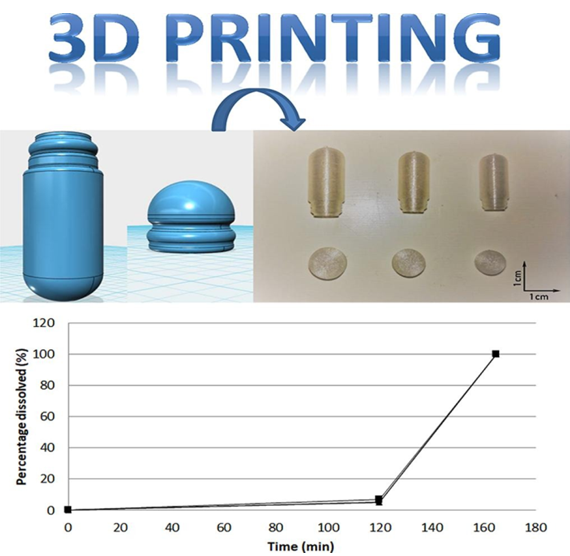
“The purpose of this research study work was to investigate the feasibility to manufacture enteric capsules EC, which could be used in compounding pharmacies CP, by fused-deposition modeling. It is well-known that conventional enteric dip coating of capsules CPS in community pharmacies CP or hospitals is a time-consuming process which is characterized by an erratic efficacy. Fused-deposition FD modeling was selected as a potential 3D printing system method due its ease and low-cost implementation LCI. Before starting to print the capsules CPS, an effective sealing system was designed via a computer-aided design program. Hot melt extrusion HME was used to make printable enteric filaments. They were made of the enteric polymer, a plasticizer and a thermoplastic polymer: Eudragit® L100-55, PEG 400 and polylactic acid, respectively. Riboflavine-5′-phosphate was selected like as a coloured drug model to compare the efficacy of the 3D printed cps to that of enteric dip coated capsules as they are currently produced in community.
Pharmacies and hospitals HP. Different parameters of fabrication which could influence the dissolution profile of the model drug, such as the layer thickness or post-processing step, were studied. It was demonstrated that our 3D printed enteric capsules EC did not release the drug for 2 hours in acid medium (pH 1.2). They completely dissolved within 45 min at pH 6.8 which allowed the release of a minimal amount of 85% w/w of drug as it was recommended by the Eur. Pharmacopoeia EP 9th Edition for enteric products” [12]. Examples of some pharmaceutical forms prepared in pharmacy galenic lab (non-sterile).
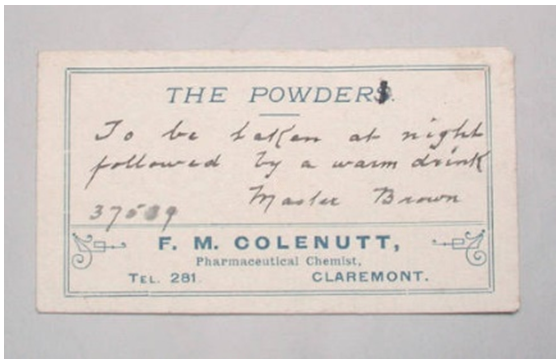
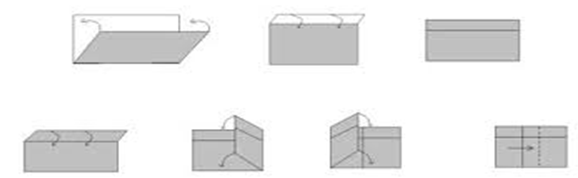
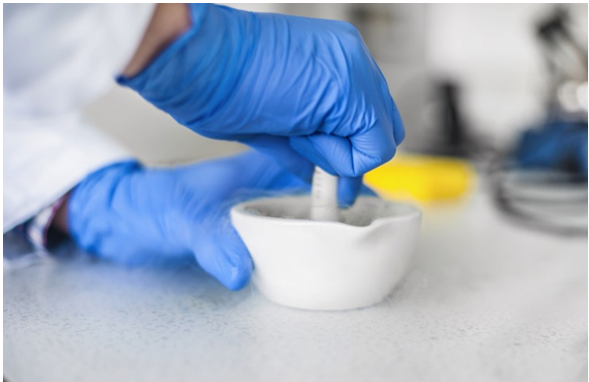
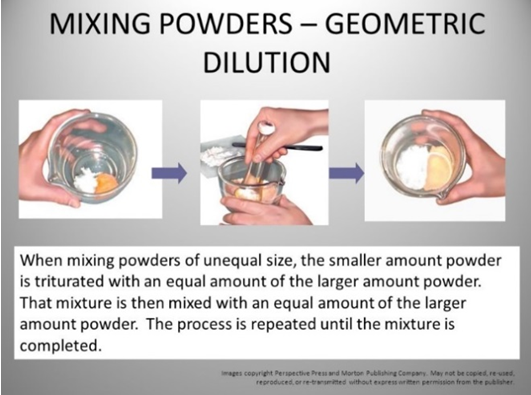
Preparation (only for registered pharmacist): calculate the API needed for requested number of envelopes add with the excipient needed. Mixing well (with geometric dilution methods) in mortar with pestle for the time needed to get a really mixed powder (it can be used a little part of alimetar colour to verify the procedure). The divide into the all envelopes: weighing every single one. Verify also watching the all envelope before close: to verify the amount in visual method. Close the envelope, label, and add the phrases: narcotics, and put at distance form children. Other kinds of preparation: Powders: Activated charcoal sachets 30gr -5gr- 1gr as antidotes for emergencies department.
Procedure: weight the AC for single sachets, fill, and close, label other example: caffeine envelopes for newborn
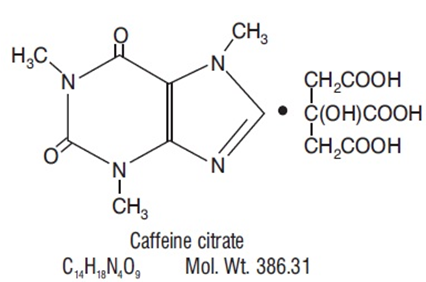
“Caffeine citrate was generally well tolerated by neonates in clinical trials and it decreased the incidence of apnea of prematurity compared with placebo. It has demonstrated similar efficacy to theophylline, but is generally better tolerated and has a wider therapeutic index TI. Caffeine citrate should, therefore, be considered the drug of choice when pharmacological treatment of apnea of prematurity is required”.
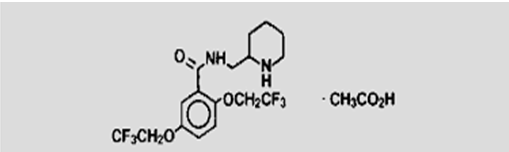
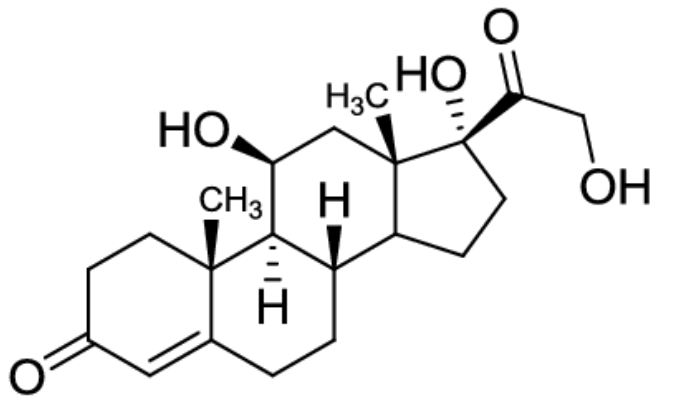
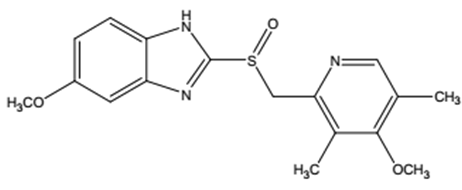
Of interest the profile related PPI: related the gastro resistance needed: Omeprazole Neal Shah W Gossman Feb 7, 2023. Continuing Education Activity “Omeprazole should be ingested 30 to 60 minutes before meals. It may be taken with antacids. When taken twice daily, the first dose should be before breakfast and the 2nd dose before dinner. The cps and tablet should be swallowed whole, not crushed or chewed.”
Gastric Emptying in the Inter‐Digestive Period
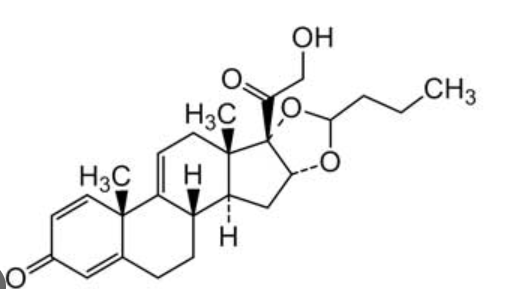
In the inter‐digestive (fasting) period, gastric motility designed to clear the stomach of indigestible residues. It is characterized by a cyclical motor activity called the migrating motor complex (MMC). The MMC is divided into 4 phases. Phase 1 lasts approximately 45‐60 minutes, during which the peristaltic pump exhibits electrical slow waves that are not associated with the muscle contractions. Motor quiescence is due to tonic inhibition of the motor activity. Phase 2 is associated with slow waves associated with frequent phasic contractions. Phase 3 (also called “activity front”) is characterized by a front of large amplitude contractions, lasting 5‐15 minutes that march toward the pyloric sphincter. The phase III of the MMC is neutrally mediated and is independent of the slow waves.” Gastro-Resistance Rigid Capsules and Delay Release: Some API are gastro lesive (fans) and some other are inactivated at PH gastric (omeprazole and other PPI, pancreatin). Budesonide for example need an intestinal release.
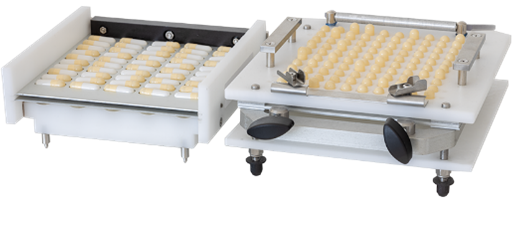
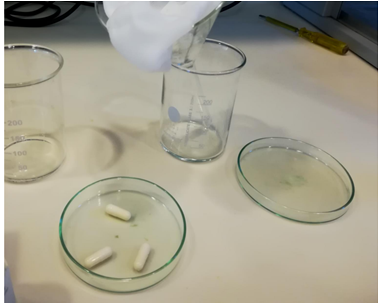
Related the Capsule as Pharmaceutical form in Pharmacy: very used in galenic labs, this can mask odour and taste of various API this can dissolve themselves in GI tract, and can be easily prepared in pharmacy also with manual encapsulates. (Low cost even if imply pharmacist time to produce). About in 15 minutes the hard gelatin capsule dissolves in the stomach. There are 3 kinds of gelatin cps: hard cps, gastro resistance cps, prolonged or delayed release cps. There are cps of gelatin or idrossipropilmetilcellulose (HPMC=ipromellosa) (V-caps), plus colorant and mortifying.
This can be filled with API and excipient particle acid resistance coated or covering the capsules after filling the API+ excipient with specific acid resistance treatment.
In every way it is necessary to consider that: acid resistance cps is not gastro resistance, because the acid resistance cps dissolves themselves in about 30 minutes at PH acid like the stomach.
Delay release capsules are different from gastro resistance.
For this reason it is necessary to consider some concept: In the GI tract there are various pH environments: gastric pH 1-3, duodenum 5.6-8, and Small intestine 7.2-7.5, Colon 7.9- 8.5.
“The intraluminal pH is rapidly changed from highly acid into the stomach to about pH 6 into duodenum. The pH gradually increases in the small intestine from a pH 6 to about pH 7.4 in the terminal ileum. The pH drops to 5.7 in the caecum, but again gradually increases, reaching a pH 6.7 in rectum.” So the Acid Resistance caps are not to be considered as gastro resistance because in 30 minutes this starts to release API in gastric environment.
The Italian pharmacopeia for gastro resistance require at least 1 hour of integrity in HCL 0.1N solution under mixing. Then in phosphate buffer at 6.8 pH they must to disaggregate in 1 hour. The classic hard gelatin capsule starts to disaggregate in 15 minutes about.
For preparation of gastro resistance capsules can be used according National Italy tariffary in use: 1. Capsule in other capsules method: prepare normal gelatin capsules with inside API and excipients then put inside this into other acido resistance capsules of superior measure CPS acid resistance HPMC: 30 minutes resistance in acid environment + 15 minutes normal resistance of hard gelatine = tot 45 minutes. 2. There are experimental proof about efficacy of this method Prepare a normal gelatin capsule with API and excipient inside and then, after closing threat with cellulose acetoftalate 8% in acetone (there are instrument to do this. This procedure must to be repeated at least 2 times: for 30-40 sec in the first step and 20 sec in the second then filtered with gauze).
The importance of coating standardization in gastro- resistant capsules produced in magistral pharmacy Suelen Cristina Franco, Flávia Cristina da Silva, Marcela Maria Baracat, Rúbia Casagrande Janice Aparecida Rafael and Daniela Cristina de Medeiros “it was observed that the cps coated with cellulose acetate phthalate 10% complied with the pharmacopeia’s disintegration specifications required”.
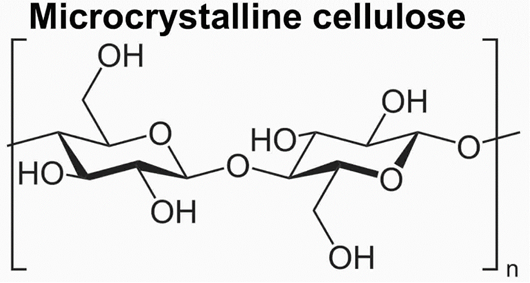
Other interesting method: using an acid resistance capsule but using as excipient METOLOSE 90SH hydroxipropil metil cellulose HPMC at high viscosity (at 10%) in order to increase the global acid resistance (see Bettiol) or metilcellulose with similar viscosity.
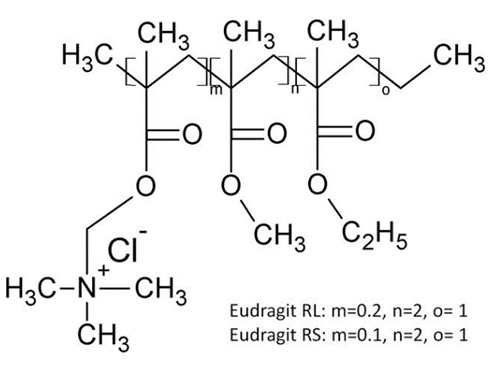
This because in the acido resistence cps the closing system is not able to stop the acid entrance in the capsule and in article: Enteric Dissolution Enhancement of Engineered Gastro Resistant Omeprazole Tablets using Hydroxypropyl Methylcellulose Acetate Succinate 2021 Sagar Kumar Mohapatra, Rudra Narayan Sahoo, S Mallick, Rajaram Mohapatra is reported. “Omeprazole gets degraded in the stomach; to prevent this enteric coating was done employing HPMC. This formulatory approach can be transferred to the local pharmaceutical industries.” delayed release capsules: is used EUDRAGIT type RL to cover capsules produced. In article: Study of a delayed-release system for hard and soft capsules coated with eudragit® s100 acrylic polymers Luciana Arantes, Soares Eduardo Crema Universidade Federal do Triângulo Mineiro, Brasil Acta Scientiarum. Health Sciences Is reported “The findings demonstrate the pharmaceutical application of the Eudragit. S100 in the modification of the coating and the preparation of a delayed- release system of hard and soft capsules, thus enabling ileal release of active ingredients”.
Pancreatin cps: is needed gastro resistance to avoid inactivation of the API (Units for gr) Other kind of cps: Veg caps, for consumers that have dietary restrictions against the consumption of animal byproducts Procedure to prepare hard cps in galenic lab (only for registered pharmacist): according the amount of API in one single cps use the right size of cps, verify if needed a normal hard gelatine cps or gastro resistance or delay release based on the API. Calculate the global API needed for all the cps required, Based on the number of cps asked by physician.
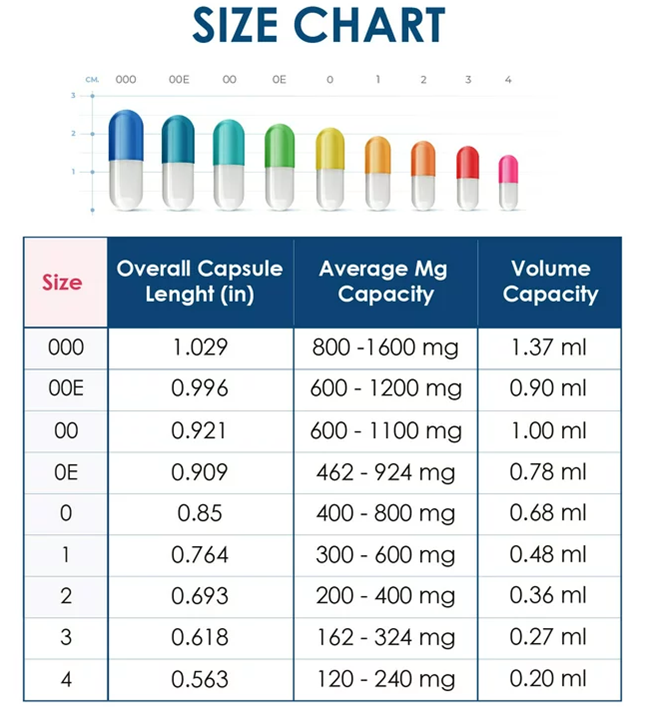
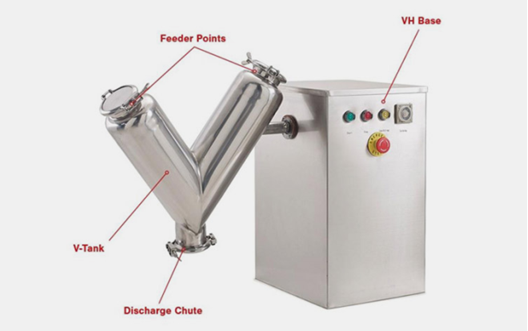
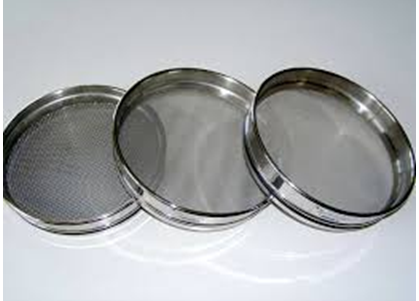
Using the volume method: Volumes filling for 1 cps X total n. cps to be prepared (V TOTAL) Add excipients (in example cellulose microcrystalline or other) to the API since volume total with a cylinder. Mix very well for the time needed. Using encapsulate, after charging the empty gelatin cps, open and fill the cps with the really mixed powder (API + excipients): use the method at fall. Verify all cps are equally filled then close them according the procedure. Perform the quality control required by pharmacopeia: number of doses form, mass unit’s uniformity and all required, then label. In is important to SIEVING of the powders: API and excipients, in order to avoid aggregates For Volume type 0 cps = 0.68ml for 1 cps 100 cps = 68ml capacity Mix the powders: mortar and pestle, V type automatic mixer, Container shake manually Between the Excipients for hard gelatin capsules: is possible to see:
- Diluents
- Glidants
- Lubricants
- Disaggregation
- Tensioactives for hydroscopic API (es ammonio closure) it is used colloidal silica
Right Mixing Procedure of the Powders: API and excipients: using the geometric method dilution Mortar and pestle or mechanical powder automatic systems (3D type or V type O other)
Use of alimentar colour to check the level of mixing. Filling procedure of cps: to be used the volume methods (or weight method if already validated). This because the various powders and API used have different apparent density. It is needed to beat the cylinder with the powder three times before read the level. Saggi previsti dalla FU XII edition Capsule. Uniformità delle unità di dosaggio 2.9.40 Uniformità di contenuto 2.9.6 Uniformità di massa 2.9.5 Dissolution 2.9.3 Disaggregation 2.9.1 Conservation of the cps: in dry and fresh environment, no more than 30 grades Other examples of cps for radiology: cps of sodium bicarbonate and cps of citric acid as MDC. Spatolated cp: in example sildenafil 25mg, API is first accurately mixed with a specific base, then moistened with other specific product then spatulated into the opposite instrument.
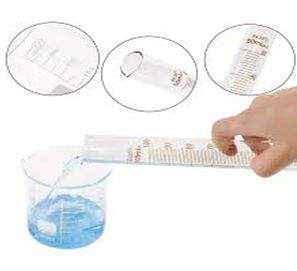
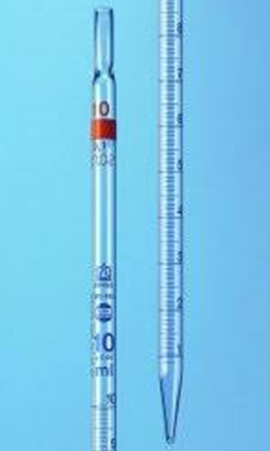
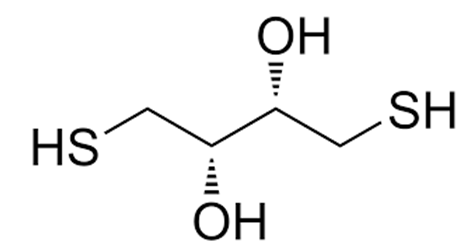
In example: acetic acid solution 5% for gynecologic ambulatory Preparation: add the water then the acid needed, then mix well, fill the bottle and label Write: external use, corrosive. KOH solution and TCA solutions for dermatologic use Boric alcohol 3% in ETOH at 60% in example DTT solution for trasfusional wards:
Preparation: prepare before pbs buffer with water required, then measure the amount of DTT necessary and add to the PBS buffer. Fill the bottle and label, to be stoked at 2-8 centigrade.
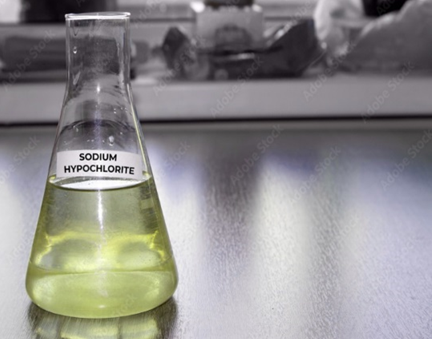
Other example of solution preparation: Toluidine 1% solution for detect oral lesion, hypochlorite solution in water for dentistry.
Joulie Sol Oral: sodium phosphate bi-basic dodecaidrate 17.04gm, ac phosphoric 85% 5.68gm, water qb 100ml for hypophosphatemia and hypercalicemia.
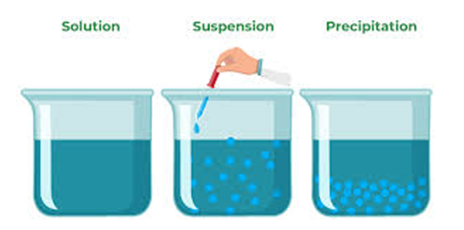
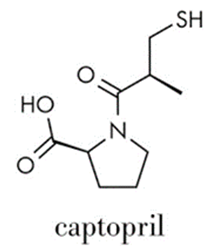
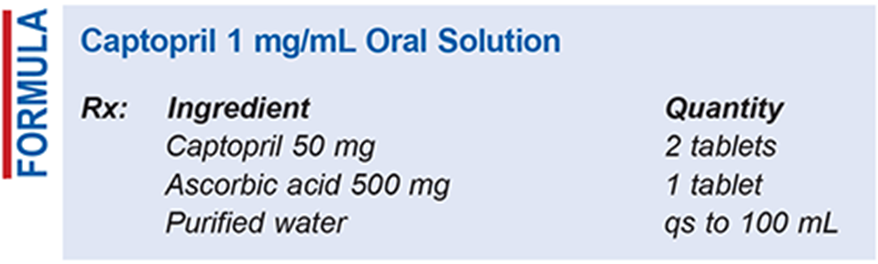
“Captopril solution prepared in water using tablets was stable for about 20 days when stored at 5 degrees C, and that prepared using powder in water was stable for about 27 days.” “Stability: The USP default beyond-use date for preserved aqueous oral liquids is 35 days. However, according to captopril stability studies, this formulation is stable for 14 days at controlled room temperature and for 56 days when refrigerated.” GTT: in example nifedipin gtt
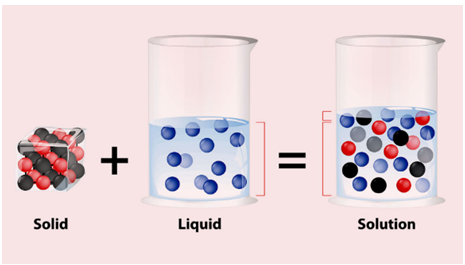
Suspension as pharmaceutical form: dispersion of a solid (size from 0.5-1 to 100 micrometer) in a liquid (the solids particle are Insoluble). This pharmaceutical form is easy to be swallowed, mask unpleasant taste, viscosity adequate. The oral suspension with API powders are mixed i mortar and pastes with a suspending agent then added the aqueous phases (with the rest of irresoluble excipient s) to get the final volume. In use Flocculants agents (repulsion force): electrolytes, tensioactives, polymers (cellulose derivatives, gomme adragante, arabica, gelatin) other excipient s used can be preservatives, antioxidants, aroma and edulcorants. Are available ready for use basis for oral suspension whit right stability during time. Crucial to label the preparation adding the phrase: “shake before the use“
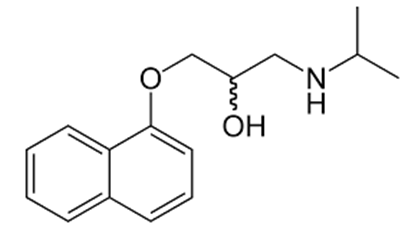
(It is possible to use ready for use basis for oral suspension available in commerce) Quality control for suspensions: Granulometry, sedimentation and re- suspendibility viscosity, density, accelerated aging, API tituli other example Sulfadiazine Oral Suspension: use the API in cp, mortar and pestle, and then add water. To better solve API (ex 40ml), mix well and add base ready for use to the final volume. Verify there are not aggregates before fill the bottle. Captopril oral suspension: generally stable 14 days.
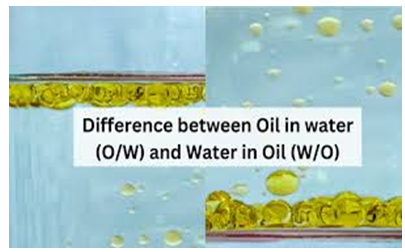
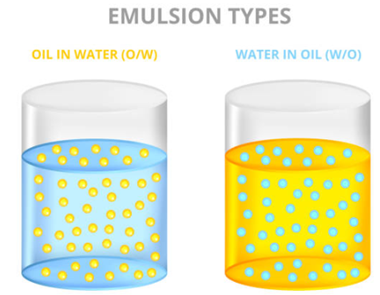
Emulsions as pharmaceutical form: a liquid, dispersed phase into other liquid, dispersion phase not mixable whit it. Use: oral and external: emulsion of olio of castor oil, bases for skin emulsion. Preparation: set the tensioactive and its concentration, dispersion of the phases, dissolution of hydrosolubile component in water phase and the lipid soluble in oleo phase, dissolution of tensioactive in aqueous phase or oleous. Is used mechanical mixer, ultrasonic, homogeneous Modifications: creaming, flocculation, coalescence and rupture.
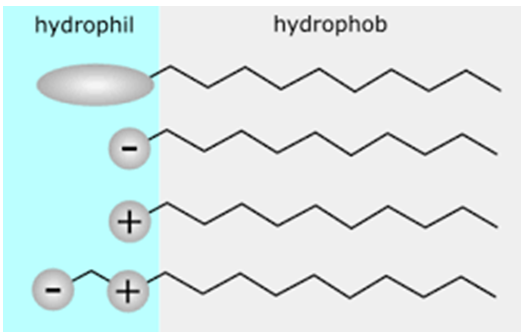
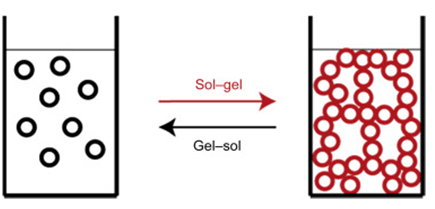
Gels in galenic labs: colloidal dispersion, the disperse phase impeded in the movement holds the dispersion phase inside. (Gel Hydrophilic or hydrophobic) Gelificat used at 0.5-2%, the methods of preparation depends on the kind of gelificant used Carbopol must to be slowly added in water under mixing, gelatin need hot water, metilcellulose need hot water and mixing. Polymer used: gum guar, pectin, alginate, carrageenan, gomma xanthan, gelatin, amide, carbopol, natrosol (idrossietil cellulose), HMPC Are needed preserves to avoid microbial contaminations Es of formulation lat gel for wounds is a topical anesthetic: of Lidocaine, Epinefrine, Tetracaine that is used in conjunction with suturing patients in hospital emergency rooms, Calcium Gel (used in hospital emergency,antidote for fluoride acid burns). Other example: xylocain viscose oral gel 2% for oncological patient (after radiotherapy or other) API at 2%, excipient idrossetil cellulose in preserved water.
Creams: multiphase, 2 Phase’s lipofilic and acqueous 2 types: water in oil or hydrophobe, occlusive, greasy and oil in water or hydrophilic, washable with water Ex cetomacrogol base cream: vaselin, paraffin, alchool cetosterilic, macrogol 1000, water Fusion first of the 4 component then emulsioning of the water at the same temperature, mix well. Unguents: semisolids, those melt at body temperature. They can be hydrophobic (for dry skin or lesions, increase hydration, are emollient, occlusive) this are more persistency then cream, or hydrophilic (in ex PEG based, non-occlusive) Hydrophobia: Vaseline, paraffin, vegetal oil, care Unguent that absorbed water: emollient, occlusive: lanolin, Sorbian ester Ex macrogol base unguent FUXII ED peg 4000 40gm + peg 400 60gm, heat at fusion temp then mix since solidification Paste: Usually this contains at least 20% of solids. Generally are used oleose basis and it is required to heat up. Lasser Paste: use mortar and pestle, micronized well the powders, sieve, melt Vaseline and incorporate in portion the mix of the powder, mix well since cooling dawn. Used in eczema Suppository: ex glicerole supp, 2.5gr - glicerolo 85% 90% and ecc. 10% Ovula: in ex lattic acid ovula, composition ac lattic, gelatin, glicerin, water Rectal Microclism: diazepam, anticonvulsant in emergency pediatric Ex of formulation API needed plus clisma base ready for use. Colliria: this prepares need sterility, so it can be prepared only if the lab meets the normative rules prescriptions. Are used specific software for the calculation, is needed a balance with precision of centesimo of mg Needed white chamber or isolator according full NBP and GMP, whit zone A,B,C,D, in overexpression, closing system that avoid simultaneous opening of the doors. Needed chesk system for Pressure. (It must to be verified regularly), in a HEPA hood vertical flux. Before the hood use and after: treat with ETOH 70% the inside of the working environment. (Used also wood UV light). The pharmacist must use mask ffp3, sterile sovra shirt, sterile gloves and all is required.
1. All operation is performed in sterile conditions, with final filtration with filter 0.2 micron. Are used sterile final bottle opened under the hood. Conservation of the final product 2-8 grades. They need strictly sterility, specific tonicity, PH, viscosity adequate, preservation for microbial contamination Es cyclosporine colliria 1%
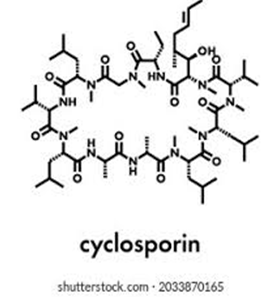
Dilution of the restored drug, in artificial tears Conservation 30 days at 2-8 grades Amphotericin B colliria 2.5ml/ml.
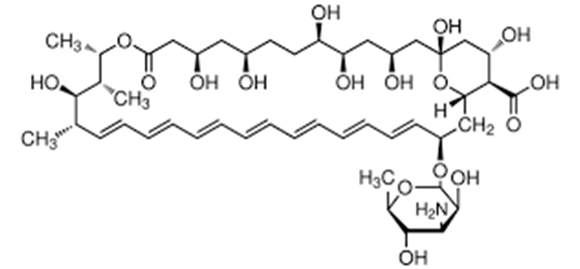
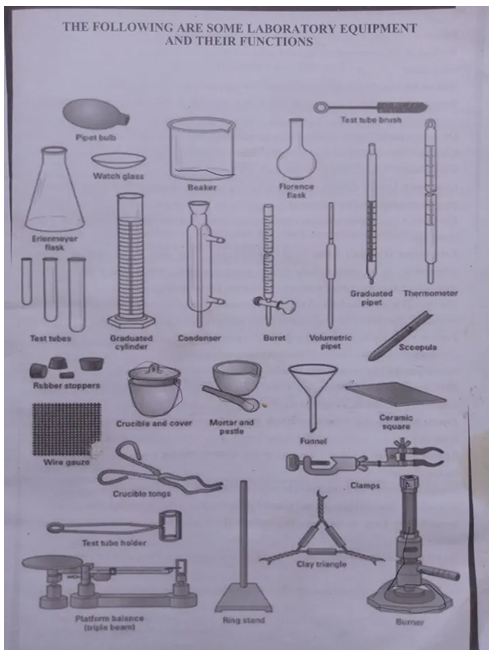
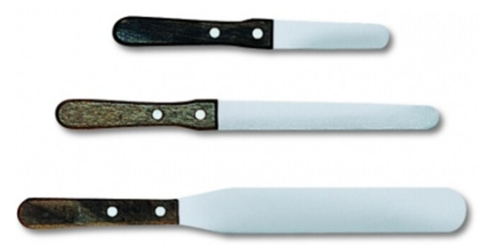
Reconstitution of the drugs Fungi zone 50mg with 2ml Water PI, then remove in sterile way 1ml and dilute this solution with 9ml PI water. (See SIFO formulation). To better understand the need of strictly sterile conditions to be followed for this kind of pharmaceutical form it is Interesting to read this article: Wolters Kluwer Health Sterile Compounding Oversight Changes Since the 2012 Meningitis Outbreak In 2012, contaminated injections made by a compounding pharmacy in Massachusetts sickened 751 people in 20 states and led to the death of 64. “Since then, new laws and increased regulations have tightened oversight of compounding pharmacies to provide greater protection of patients and limit the possibility of another outbreak.” Other device and instrument used in galenic labs:
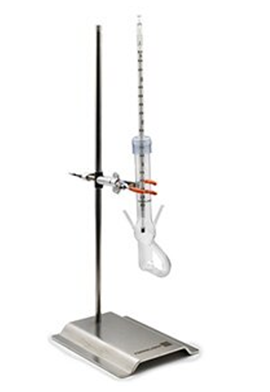
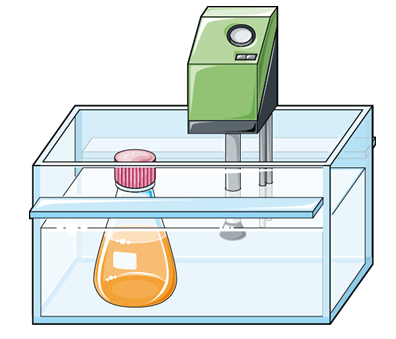
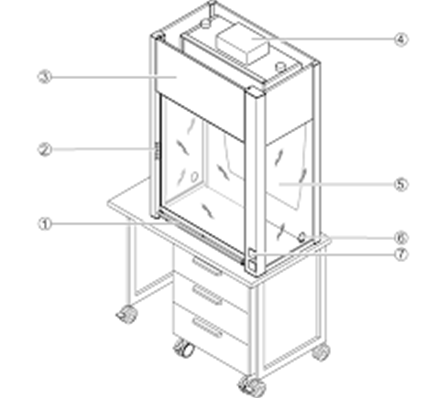
Practical Project
In this part are analyzed the Italian normative rules (NBP (NORME DI BUONA PREPARAZIONE)) and the simplified as DM Salute norme di buona preparazione” applied by law as mandatory in the galenic lab setting inside the pharmacy (public, private – hospital, comunity). NBP (NORME DI BUONA PREPARAZIONE) or GMP good manufacturing practice). The GMP philosophy is based essentially on: documentation of all the process, registrations, every phases of the process, activity, since the single operations.
- Team must receive an adequate practical training, formalized, Written report
- Responsibility must to be clearly identified and documented, under the responsibility of the director
- Quality of the API and excipient s must to be certified
- Cleaning and sanitization procedure (lab, instruments, glassware)
- Regular check of the instruments, documentation
- Process validation, procedure of NC non conformity: management of this so in Italy by law the pharmacist that work in a galenic lab. according DM 22/06/05 must to follow or the FULL NBP (NORME DI BUONA PREPARAZIONE) of ITALIAN FU (more complex) or DM Salute 18.nov.2003 (if not sterile magistral preparations or officinal reduced scale) The pharmacy that prepare non sterile magisterial formula NSMF or officinal reduced scale can follow or full NBP (NORME DI BUONA PREPARAZIONE) or simplified NBP (NORME DI BUONA PREPARAZIONE).
Instead if prepared the sterile products, toxic prepares, poison molecule, anticancer drugs and radio drugs, it must to be used biological hood: it is mandatory to follow full NBP (NORME DI BUONA PREPARAZIONE).
For non-sterile products NSP it is possible in Italy to deviate from full NBP (NORME DI BUONA PREPARAZIONE) and to follow the simplified rules if it is possible to keep under control all the process, proving it. (Quality efficacy, safety depends on organization and consistent control). First NBP (NORME DI BUONA PREPARAZIONE) was introduced in (FU IX ed.)1989.
In the chapter 795 of USP, pharmaceutical compounding of non-sterile products NSP, related the difficulty of the preparations, its stability, storage conditions, dosage form FF, complexity in calculations, systemic, topic use, risk level for pharmacist, damage risk for patients are classified 3 general situations: simple compounding, moderate and complex compounding.
It is request to produce the master formulation records and also the compounding record. Like NBP (NORME DI
BUONA PREPARAZIONE) the USP rules are based on the quality of the final products and on the documentation of all the process. Some preparations at high microbiological quality need to be prepared in zone with HEPA FILTER HF according the regulatory rules in force. A translation of Simplified NBP (NORME DI BUONA PREPARAZIONE) a philosophy (DM Salute 18.nov.2003) and their meaning are reported.
Results
Translation of the meaning of the NBP (NORME DI BUONA PREPARAZIONE) procedure simplified DM 18/nov /2003 Application field: (non-sterile magistral NSM and officinal forms reduced lots) for hospital and community pharmacy medical prescription for magistral formula MF and Pharmacopeia for Officinal reduced scale production. Preliminary evaluation about opportunity -possibility to prepare the galenic requested or needed (Availability of API and excipients). Definitions: Magistral formula, officinal, reduced batch RB lab hygienic written procedure, frequency of this (provided by director of the pharmacy or lab. Responsible) Lab area: it must to be adequate to the kind of the galenic products produced, ceiling and walls washable it can be in a separate room or not separate inside the pharmacy. Instruments: Mandatory list according pharmacopeia uff. Italian table n. six, the measure instrument must to be verified in regular way. The refrigerator must to be cleaned. Containers and related certificate of conformity to pharmacopeia requirement of the primary containers PC, Raw material RM: chemical denomination, date of arrive into the pharmacy lab, batch number, expiration date or date of reticulation, certificate of analysis CA signed by producer (according pharmacopeia quality requirement), conservation condition or use, date of first use. (It is necessary a register of raw materials, excipients and API, with a progressive numeration).
The empty container of the raw material must to be kept for six month after final use. Fulfillments (preventive and after setup) to the preparations. Prescription verify, according the normative requirement, sign of physician, hyper dosages verify (according table n. 8 pharmacopeia Italy), Incompatibility verify, the possibility to prepare into the lab.
After setup: to be written on the prescription the progressive number of the preparation, date of the preparation, expiration date, the excipients used, precautions and cautions, then label must to be attached. Sign of the pharmacist in the label, on the prescription or in the working sheet. Labeling – batch numb. And expiration date, composition qualitative quantitative, API Excipients, date limits for use, precautions, storage condition Price (for community pharmacy) Documents storage - (time), empty bottle. The written prescription must to be kept into the pharmacy for 6 month and the same working sheet.
The prescription of narcotics must to be kept in pharmacy for the time required by normative rules NR. Quality control QC: right following of the procedure, organoleptic characteristics, control of the packaging, sealing of the container, right label compilation, mass uniformity according the FU acceptation limits. A copy of the label must to be attached to the working sheet WS for the documentation. Documentation: of the working space, instruments, raw materials RM. Expiration time ET of the drugs prepared: according FU requirement: 30 days that can be prolonged to 6 month according chemico -phisical microbiological stability documented by official information.
Mandatory equipment and tools in pharmacy a (table N 6 pharmacopeia Italian in force)
- Balance sensitivity to the mg, scale = 0.001g, loading capacity at least 500g or in alternative way 2 different balances, 1 with a sensitivity at the mg (d=0.001g) with a loading capacity at least 50g and the other with sensitivity at level SL of 0.50g (d=0.50g) with carry load at least of 2kg.
- Bain Marie BM or other equipment that can assure, in heating, temperature since to 100°C.
- Fridge able to assure the right storage conditions SC according the pharmacopeia requirement
- Point of fusion equipment. (to test raw material)
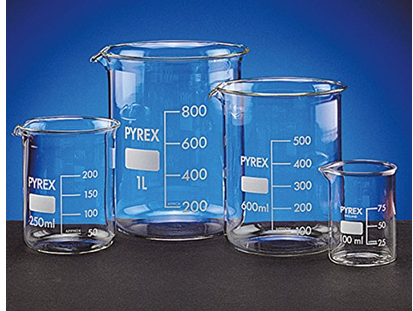
- Chemical glassware, graduated, sufficient for the normal execution of the preparation.
- Percolator – at empty Concentrator [13].
- An encapsulate [14]
- A Tablet press [15].
- A powder Aspiration system AS [16].
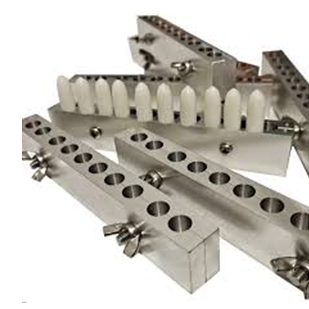
- Moulds or plastic valve for ovules - suppositories [17].
- Tools and devices necessary to guarantee sterility of the preparation [2]
Beyond the reported lab instruments, the pharmacy must have all other instruments, equipment, tools materials, products and reactive adequate to the number end to the nature of the preparations usually performed and of suitable tools for their check to be done according the Pharmacopeia FU indications.
Pharmacy that execute injectable preparations IP must have also materials, equipment’s, and tools essential to this kind of preparations an for all the control expected by pharmacopeia for this specific kind of preparation.
Note:
- Mandatory for pharmacy that prepare extracts. They must to be of materials and adequate dimension to the volume and related the preparation that must to be executed.
- mandatory for the pharmacy that prepare the capsules CPS
- Mandatory for the pharmacy that prepare the tablets.
- Mandatory for pharmacy that prepare tablets, capsules, CPS, teas sachets.
- Mandatory for pharmacy that prepare the suppositories or ova.
- For pharmacy that prepare the sterile products.
Discussion
As reported in this work are clear the advantages to produce some kinds of drugs in a galenic lab. Even the industrial epoca, with the pharmaceutical industry PI increase, the industrial production of drugs Was rapidly developed and so was reduced or stopped the production in the pharmacy galenic labs this process was due to The complexity of the process to produce with an high quality the finished drugs in the amount requested by the hospital and by the patient need. But the same some condition need to maintain this procedure: for magistral formula MF prescription (single patient based) and for the production of officials reduced scale, disinfectants, reagents or other kind of product into the hospital or asked in private pharmacy. It must also to be remembered that during the LAST C-19 PANDEMIA one of the main producers of antiseptic gel hands and alcoholic solution was the hospital pharmacy in their lab as well as in the private pharmacy.
The industry in fact, in this situation, was not able to provide ready to use a great amount of this product needed in few time for the public safety [3]. The galenic hospital lab in the public hospital guarantee this production and the safety of the patient and healthcare professional HP. But novelty in field of galenic lab is crucial even if an ancient origin discipline: Today the technological innovation (TI) make possible to better cover the need for today drugs shortcomings.
In this BOOK it is submitted a new technology useful in galenic labs: the 3D PRINTING SYSTEM As an innovation for quality and global efficiency of the process. About the normative rules in galenic laboratory: Comparing full NBP (NORME DI BUONA PREPARAZIONE) to the reduced DM 18.11, 2003 it is possible to verify that NBP (NORME DI BUONA PREPARAZIONE) require separate or separable locals, check by other pharmacist vs. the one that prepare the drug in lab., and required as mandatory the written procedures WP accredited.
For the cited Decretory instead it is not mandatory complex quality check on final products, no mandatory written procedure are needed (even if suggested): this last are easier to be followed also for lab that not prepare the sterile products. It is clear that innovation in field of galenic imply a great management system to cover the cost of instrument. The same a managerial method make possible to rule the pharmacist involved related. The formative programs, continuous updating of the knowledge, API and excipient ordering activity monitoring of the costs. About Safety It is clear that all galenic lab activities must to be performed observing the chemical risk safety rules as well as safety law for the pharmacist lab worker, using individual DPI and collective PROTECTIONS DISPOSITIVE CPD and other needed. Are To be Followed all procedure related. Before start the preparation it is necessary read technical and safety sheet of materials used. Use anti split kit if accident. Formative course are fundamental. (It must to be documented), CHEMICAL RISK course. See Italy law 81/2008 about safety for workers.
Here are reported Some Simply rules in lab: prepare one magistral formula or an official formula one at time. Use DPI needed use collective protection system as needed before start the preparation study the components and procedure, literature or technical texts, normative rules, professional website and org.
- Verify pharmaceutical form and dosage
- Verify compatibility between API and excipient, related way of subministration
- Attention to acronyms and abbreviations
- Verify that the magistral formula are signed by physician authorized
- Verify errors in the prescription or data incomplete
- Verify age or weight or body surface if needed
- Ask to other pharmacist information also if possible.
- Look at the safety and technical sheet of ingredients
- Verify instruments
- Verify dropper = 20gtt water for milliliter
- Repeat the calculation two times
- Not error in volume measure level or in weighting
- Attention to the limits accepted by pharmacopeia (ex + - 10%)
- Not interruption
- Keep calm
- Write data of first use for excipients and API
- Verify instrument of measure and other instruments used, chemical hood and other
- Register the elaboration steps
- Perform quality control
- Not give drink to the strong acid
- Pay attention to electric instruments
- Right hygiene procedure (hands) and signification of environment
- Pay attention to drugs with narrow therapeutic index (where the pharmacological effects are near to the toxic ones).
- Pay attentions at maximum doses for adults and children (tab 8 FU XII ED and according pediatric manuals like BNF for children) in mixing powder use the geometric method, in mixing PAI and excipient use alimental colour to verify the complete mixing especially for very active drugs in oral dispersion and syrup of very active drugs: crucial to add label with the phrases: needed to mix before the use. Similia similibus solvuntur
- Pay attention to the microbial contamination risk, preservative use
- Pay attention to the poison raw material, caustic or corrosive or strong acid.
- Pay attention to the dosage of narcotics
- Pay attentions to the flammable substance and free flame
- Related stability verify FU, literature, or stability proof API: This can be used as pharmaceutical powder or from registered drugs (tablets, cps and other), phytotherapic extract Related the Raw Materials: EU reg. reach registration evaluation, authorization and restriction of chemicals and CLP classification labeling of chemicals, Register the raw material arrived, label with the first use, and keep empty jars for six month. Verify certificate of analysis, or measure fusion point. Drug Containers: according normative rules, compatible with API and excipients, verify closing system, use safety caps for children Of interest the new list classification of Technological operation in galenic lab of pharmacy (Italy): according new Italian tariffario Decreto min. salute 22 sept 2017 and Decreto 13 dec 2017: weighed, heating, filtration, volumetric measure, grinding, dissolution, mixing, repartition, sterilization, trituration, pulverization, sieving, analytical test, PH measure, jellification, concentration, extraction, filling cps, and other. And about Concentration and other measure or chemico physical factors: % p/p gr/100 gr % p/ v gr/100ml % v/v ml/100 ml Molarity = n. mol/ liter micromole millimol Normality gr equivalent mill equivalent Equivalent weight = atomic weight/ valence Ratio strength part/part ex 1:20 Unity: in example for sodium heparin ex 250 UI/5 ML ppm part for million Density = m/ vol = gr/ml to search volume V= gr/density Weight = vol x density Water density 1gm/1ml Solubility: concentration of a solute in saturated solution at a determinate temperature. Solubility, velocity of (increased by shaking, increase in temperature and molecular size, PH) The temperature increase molecular mobility
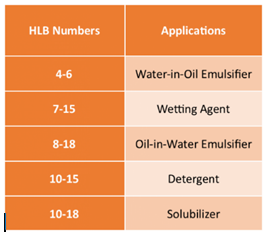
Polarity Crystalline status: amorphous or crystalline
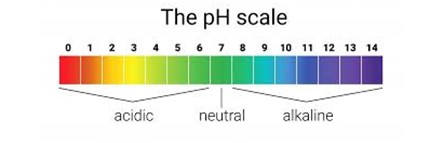
Buffer solutions, acid solutions, basic solutions (to set PH range) Temperature (ATTENTION TO TERMOLABILE API), attention to API to be conserved 2-8 grades Boiling point (water), fusion temperature (suppository excipients) Storage temperature TA, < 25 grades, 2-8 grades Humidity content, dry Crystallization water Size of powder, porosity, apparent volume State of material: solid, liquid, gases Granulometry (powders) Velocity of dissolution Flocculation -deflocculating suspension, sedimentation status Tonicity, isotonicity (0.9% NaCl P/V), ipo (ex 0.45% NaCl), hypertonicity (ex 3% NaCl), osmotic property Plasma osmolality = 280 mOsm/kg Viscosity Surface tension Additive presence: tensioactive, complexant Vapour pressure Substitution factor: for suppository: 1gr of API shift f gr of excipient Where f= density excipient /drug density About UDM measure units: SI international system Gr, centigr, milligram, and kilogram Ml, liter, centiliter Grades Kind of Water in galenic lab: Depurated PPI water, sterility, pyrogen remove Parenteral: pyrogen, endotoxins (LAL test)
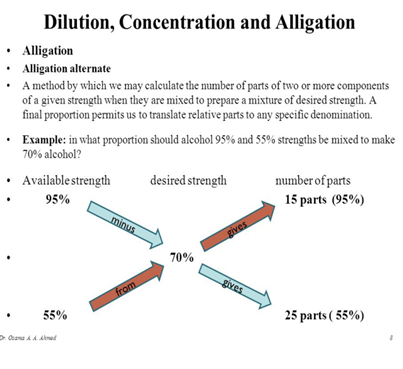
1ml water = 20gtt Alcoholic grade: % v/v alcohol dilution
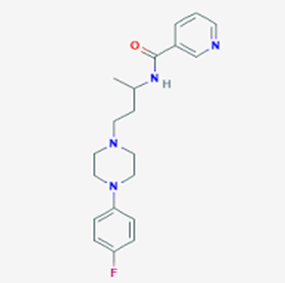
Liquid dilution: dil 1:10 = 1 part + 9 part diluent. Other example: 500ml at 15% solution to be diluted to 1500ml, how will be % final of the diluted solution? Volume initial x % initial = vol final x % finale 500 ml x 15% = 1500ml x X X= 5% Simple syrup FU Saccarose 66.5% p/p water 33.5% An example of medicated syrup: Niaprazin syrup: API, K sorbate, tartaric acid, water PI, Saccarose, aroma (Or using ready for use basis) Heat PI water then solve K sorbate and tartaric acid, cool down, add API an aroma and mix well. So add the simple syrup to final volume.
The Calculation: crucial step in laboratory ratio strength, proportion, conversion of measure unit, % Significant digit, rounding Prefix: milli gr, centi, deci, gr, deca gr, hetto gr, kg and milliliter, centilt, decilt, liter
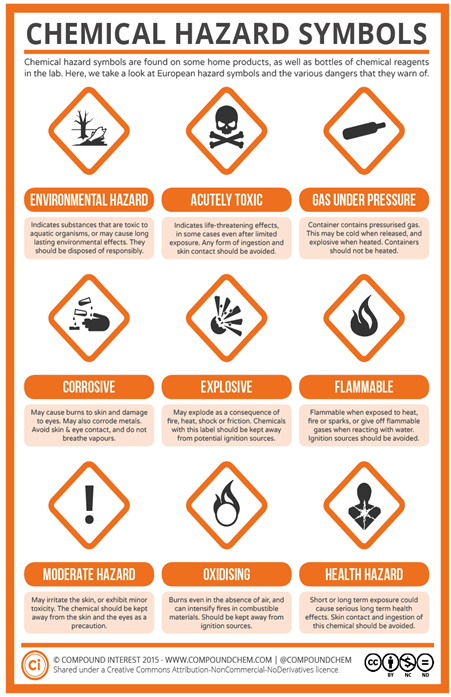
Other to be takes in consideration: Symbols, acronyms, abbreviation Pediatric dosage: weight based, body surface, age based Narcotics free basis and salts: transformation calculations Prescriptions: physicians, specialist, veterinary, in label, off label, orphan drugs Repeatable prescription, not repeatable, limitative prescription, narcotics, poison substance, officinal formula Reduced scale production, limits Type of products: narcotics, poison substance based, doping, corrosive, caustic, acid, flammable products. It must to be followed the specific normative rules.
About “POISON” in lab galenic: substantive that are listed in Tab n. 3 F.U.I. XII IT, and also substantive classified as “lethal” = labeled H300, 310 e 330.
General Labeling Attention Phrases
keep not accessible to children, mix before use, poison, under narcotics rules, keep in refrigerator, veterinary use, doping et other Galenic exception rule: in Italy state council sententia n. 4257/2015 make possible to uptake registered drugs to prepare magistral formula (for different dosages and for therapeutic need) Kinds of Excipients: diluents, adsorbent, disaggregates, polymer for release, wet excipient s, sweeteners, lubricants, glidants, binders, tensioactives, humectants, viscosifying, antimicrobials, chelates, antioxidant et other. They must to be inert vs API, Organism and vs packaging.
Sterilization Methods: filtration, heat (humid and dry), radiations (UV, ionizing), chemical methods. Indicators of sterilization (chemical, biological) Technical Balance Characteristic: max payload, sensibility (the smaller value that can be measured), precision(reproducibility), accuracy (measured value vs real) Innovation in Galenic Field: trends Oral Suspension: introduced in the market of already for use basis products (or for syrup): various producers into the market (also for gatro-sensible principle active) Excipient basis (powders) ready for use, for humans and also for veterinary Ready for use Bases for spatulated tablets Shifting, when possible, pediatric prescription of capsules into oral suspension Ready Basis for cp Topical veiculy ready for use, transdermal Introduction into the market of Extract already titillated of cannabis CBD THC (no more needed HPLC triitulation of the final preparation whit complex analytical instruments). The extract is diluted with vegetal oils. The amount of extract is weighted (gr) then bring at final volume with a cylinder.
Vaporizations Micronizzators, mixer V type powders mixers Introduction of spatulated cp methodology.Dose unit systems Robots: for sterile galenics 3D printing Systems for capsules and cp Advanced software for lab management (order, calculi, labels, raw material management, working sheet) Procedure for Shortness of registered drugs, orphan drugs Software for global management of the galenic lab Sterile products: colliria and ophthalmic virtual injections (only under strictly rules), introduced normative rules for pharmacy academy on line [18, 19, 20, 21, 22, 23, 24, 25].
Conclusion
As conclusion of this Book it is possible to say that observing the Italian Reduced NBP (NORME DI BUONA PREPARAZIONE) rules in advanced countries like Italy can be applied also in the non-advanced countries with great benefit for healthcare of the various kinds of patients. This rules report general behavior and procedure to be followed by the pharmacist to be sure that the drugs produced are safe and useful for the patients or for healthcare org. Not all labs in the world have the same instruments or level of complex lab (due by economic availability) but in every lab It is crucial to know the responsibility as well as procedure adopted ( quality control of raw material RM, active substance API, qualification of the pharmacist, traceability of the lots, API, excipients and other.) For this reason it is opinion of the authors that these rules must to be translated in their general meaning from the Italian to the English languages as reported in this work.
The authors submit to the researchers and pharmacists a new innovative tool: the 3D PRINTING systems for galenic lab. Use: a system that make possible to increase global efficiency of the preparation of capsules CPS or other pharmaceutical form during a period of drug shortages as today situation.
A managerial government of the innovation in galenic field added to the clinical competencies. (Clinical pharmacy and pharmaceutical care) Make possible to provide in healthcare system a great contribution also in this years.
Conflict of Interest
No
Disclaimer
This work has no any therapeutic intent, only to submit to the international researcher and reader some interesting concept.
Ethical Implication
Considered all rules
References
-
Márcio R, Silva M, Pereira D, Pereira E, Ricci J (2020) Preparation of extemporaneous oral liquid in the hospital pharmacy. Braz J Pharm Sci 56: e18358.
-
Vera D, Riccardo B, Daniele M, Marco C, Angelo C, et al. (2021) Hospital Pharmacy Response To Covid-19 Pandemic In Italy: What We Learned From The First Outbreak Wave. Journal of Pharmacy Practice 36(1): 87- 95.
-
Francesca B, Antonio G, Gaetano DL, Richard P, Paola B (2014) Establishment of galenic laboratories in developing countries to produce high quality medicines: results of Aid Progress Pharmacist Agreement (A.P.P.A.®). Project Croat Med J 55(6): 662-668.
-
Géraldine L, Christel C, Clarisse RM, Sophie B, Sandrine A (2018) Impact Of Collaborative Pharmaceutical Care On In-Patients’ Medication Safety: Study Protocol For A Stepped Wedge Cluster Randomized Trial (Medrev Study). Study Protocol 19(19): 1-8.
-
Marija DJ, Maja MR (2015) Information on the Quality of Substance for the Preparation of Pharmaceutical Drugs In Terms Of Hospital Pharmacy. Hospital Pharmacology 2(1): 220-224.
-
Agueda C, Elaine SM, Selma RC, Débora OF, Lenise A, et al (2016) Magistral Drugs In Hospitalized Newborns And Children Medicamentos Magistrais Em Recém-Nascidos E Crianças Hospitalizados. Revista Paulista de Pediatria 34(4): 403-407.
-
Johannes W (2016) Topical Preparations And Their Use In Dermatology. JDDG 14(11): 1061-1070.
-
Dooms M, Carvalho M (2018) Compounded Medication for Patients With Rare Diseases. Orphanet J Rare Dis 13(1): 1-8.
-
Nataša JL, Aleksandra JG, Svetlana S, Nikola J, Slobodan G (2021) Medicine Shortages in Serbia: Pharmacists’ Standpoint and Potential Solutions for a Non-EU Country. Pharmaceutics 13(4): 448.
-
Guendalina Z, Silvana A, Danilo M, Valentina I, Paola B, et al (2022) Mini-Tablets: A Valid Strategy To Combine Efficacy And Safety In Pediatrics. Pharmaceuticals 15(1): 108.
-
Iria SV, Sarah JT, Abdul WB, Alvaro G (2021) Translating 3d Printed Pharmaceuticals: From Hype to Real-World Clinical Applications. Advanced Drug Delivery Reviews 174: 553-575.
-
Christoph N, Giuseppe M, Emeric C, Jean MR, Samira B, et al (2019) Feasibility study into the potential use of fused- deposition modeling to manufacture 3D-printed enteric capsules in compounding pharmacies. Int J Pharm 569: 118581.
-
Luisetto M, Behzad NA, Ghulam RM (2017) Editorial The Clinical Pharmacists Main Focus. Journal Of Applied Pharmacy 9(4): 1000e114.
-
Mauro L, Francesca C, Giovanni B, Behzad NA (2015) Pharmacist Cognitive Service and Pharmaceutical Care: Today and Tomorrow Outlook. UK Journal of Pharmaceutical and Biosciences 3(6): 67-72.
-
Fiazza C, Ferraiuolo A, Luisetto M, Sahu R (2020) Galenic Hospital Lab during Covid-19 Emergency: A Practical Experience in an Advanced Country. Int J Clin Virol 4: 118-125.
-
Luisetto M (2017) Attitudes and Skills in Business Working Settings: A Hr Management Tool. Bus Eco J 8(1): 1000291.
-
Luisetto M, Luca C, Ram S (2016) Management Instrument in Pharmaceutical Care and Clinical Pharmacy. Int J Econ Manag Sci 5(5): 1000373.
-
Pharmaceutical Compounding—Nonsterile Preparations. The United States Pharmacopeial Convention
-
Medicamenta. Paediatric Formulary Committee (2008) BNF for Children Pharmaceutical Press.
-
Stefano L, Nicola N, Chiara V, Paolo R, Riccardo P, et al (2016) Galenica Magistrale Non Sterile: Capitolo 795 Usp Vs Nbp ( Norme Di Buona Preparazione) FUI. Boll SIFO 62(5): 288-294.
-
Colombo P, Catellani PL, Gazzaniga A, Menegatti E, Vidale E (2015) Principi Di Tecnologie Farmaceutiche. 2nd (Edn.), Casa Editrice Ambrosiana, Milano.
-
Franco Bettiol Manual of galenic preparations 5th (Edn.) Tecniche nuove media.
-
Cooperativa Farmaceutica (1924) Medicamenta: Guida Teorico Pratica Per Sanitari, 6th (Edn), Milano.
-
Massimo F, Luca C (2018) Il Galenista E Il Laboratorio 1st (Edn.), Edra.
-
Luisetto M, Khaled E, Fiazza C, Mashori G, Nili BA, et al (2024) Non-Sterile Clinical Galenic Lab: A Scientific Discipline Between Lab Practice Clinical Pharmacy And Personalized Pharmacological Therapy. Arch Phar & Pharmacol Res 4(1): 1-8.
- Acido Labile or Gastro Irritant Apis and Enteric Release in Galenic Practice: An Overview
- A Study on Knowledge, Attitude and Practice of Hand Hygiene among Healthcare Professionals at a Tertiary Care Hospital, India
- Influence of Inoculum Concentration on In Vivo Incubation Period of Emmia lacerata, Pathogenesis and Management of Wilt in Pepper (Capsicum annuum L.)
- Vanilla’s Chemistry
- Marine Anti-Cancer Compounds and Adverse Effects of Global Warming on Oceans: An Overview
- Serological Investigation of Chikungunya Virus Antibody among Malaria-Suspected Febrile Patients in Some Healthcare Facilities in Rivers State