
Silica Assisted Charcoal Bio-Filter Designed for the Remediation of Cr(VI) Contaminated Water Bodies
The International Agency for Research on Cancer(IARC) has classified hexavalent chromium as a potent class I carcinogen. Cr(VI) imparts its harmful effects on the environment’s biotic components including plants and animals. Chromium is a heavy metal used in a variety of industrial applications including mining, leather tanning, textile dyeing, welding, wood polishing, and manufacturing steel and iron products. Chromite mining regions are heavily contaminated with Cr(VI), which leaches into the soil and contaminates groundwater, rendering it unhealthy for human use. People residing in the area in and around the mining sites consume the polluted water thereby posing risk to their health status. This, in turn, contributes significantly to the disruption of environmental equilibrium. The current research intends to design and develop a biofilter that can reduce the concentration of Cr(VI) in contaminated water, consequently lowering toxicity. The biofilter design consists of a layer of silica sandwiched between two layers of activated charcoal in a fixed ratio. The novelty of the design lies in the fact that the silica used in the filter is produced from rice husk, thereby minimizing waste generation and ensuring environmental sustainability. Potassium dichromate solution was taken as the standard for Cr(VI) contaminated water. Silica-assisted charcoal bio-filters have been found to have better Cr(VI) removal efficiency than conventional charcoal filters. The designed biofilter reduces 98 % of Cr(VI) from solution after filtration as compared to the conventional charcoal filter which could able to reduce 70% of the Cr(VI) content in the water. The developed biofilter was able to purify water containing Cr(VI) levels as high as 200 ppm down to 4 ppm in a single filtering flow, a 50-fold reduction. The biofilter efficiency and Cr(VI) concentration in the water sample showed a high correlation value. The results were found to be consistent up to 62 cycles at 200 ppm Cr(VI), after which the efficiency steadily dropped. The prepared biofilter is an eco-friendly technology that could serve rural populations living near chromite mines and industrially contaminated areas to get safe drinking water.
Pratyush Kumar Das* and Chirasmita Mohanty
Centre for Biotechnology, Siksha ‘O’ Anusandhan (Deemed to be University), India *Corresponding author: Pratyush Kumar Das, Centre for Biotechnology, Siksha ‘O’ Anusandhan (Deemed to be University), Bhubaneswar, Odisha, India, Tel: +91-6371865337; Email: das.pratyushkumar@yahoo.co.in
Introduction
Chromium (Cr) is an industrially important metal that finds wide application in industrial processes worldwide. Chromium being a heavy metal is however toxic to the environment and its biotic counterparts [1]. Unlike other heavy metals, the toxicity of Cr is dependent on its available forms or oxidation states [2]. Chromium is mostly available in two stable oxidation states – the trivalent or Cr(III) and the hexavalent or Cr(VI). Cr(III) is comparatively much lesser noxious as compared to Cr(VI) and is an essential micronutrient [3]. On the other hand Cr(VI) is highly noxious and designated as a group I carcinogen by the international agency for research on cancer [4]. The major problem associated with Cr is that both the states (trivalent and hexavalent) are inter-convertible in nature depending on several environmental factors thus making it more susceptible to cause health hazards [5].
Cr(VI) is a proven mutagen and carcinogen. Its high solubility and mobility make it permeable to almost all biological membranes. Due to its high solubility Cr(VI) can easily penetrate through soil colloids thereby contaminating the groundwater. The permissible limit of Cr(VI) in drinking water has been set by the World Health Organization at as low as 0.05 ppm [6]. Cr(VI) being a carcinogen has several toxic impacts on the biotic components of the environment including humans (Figure 1).
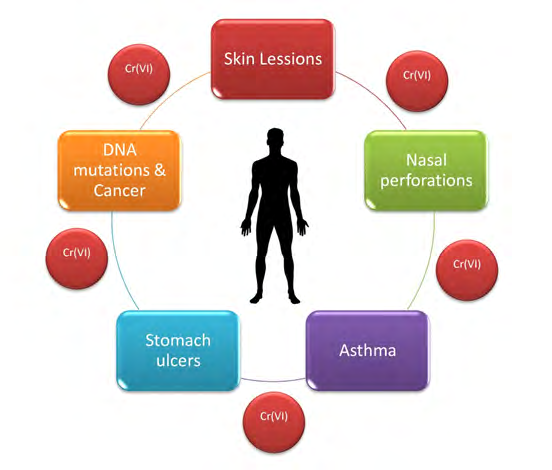
Figure: 1 Toxic impact of Cr(VI) on humans.
Large-scale anthropogenic activities are the major contributor of Cr(VI) into the environment. These include activities like mining, leather tanning, textile dyeing, welding, wood polishing, and manufacturing steel and iron products [7]. Cr(VI) is mostly released as a by-product during various activities and forms a major part of the effluents that are mostly released onto soil and water bodies, thereby contaminating the same.
Cr(VI) Contamination of Water Bodies And Effect on Public Health
Chromium enters the food chain through various environmental components either from natural sources or anthropogenic emissions, the latter can be attributed to industrial activities. Predominantly, non-industrialized regions usually have a concentration below 10ng/m3, whereas they were two to fourfold more in urban centers than concentrations in the locality [6, 8]. The concentration of chromium in rainwater varied greatly, but they were determined to be in the range of 0.2-1 g/l on an average [6]. Mining activities generate a high volume of overburdens containing waste rock debris and chromite ores, which are discharged into the open lands without concern for the adverse environmental impact. Heavy metals from these deposits can leach into water bodies contaminating both surface and groundwater during the rainy season. Furthermore, water naturally coming from mine quarries as a result of excavation is inevitably contaminated with hexavalent chromium, which is then released into the surrounding without treatment. Hexavalent chromium can also be produced through spontaneous oxidation of inert chromites in serpentine rocks, which is aided by weathering, chemical, and microbial action, and is deployed into neighboring water bodies [9]. In India, Sukinda Valley, Kanpur, and Bangalore are some of the places polluted with carcinogenic hexavalent chromium. Samples taken from the Damsala Nala of Sukinda revealed that it contained a significant concentration of Cr(VI), over 50 times higher than the permissible limit. The leaching processes are consistently enhancing the Cr(VI) concentration in groundwater [10]. The tanneries alone produce over 1500 metric tonnes of chromium sulphate waste annually. Effluent from these industrial sectors has been illegally dumped in deep borings, rivers, and open areas. The Cr(VI) concentrations in the Kanpur region were 250 times more than the acceptable limit as reported by the Central Pollution Control Board of India [11]. The water bodies near tannery industries in Bangalore contain 1.48mg/l of hexavalent chromium concentration [12].
Hexavalent chromium being a persistent environmental pollutant cannot be degraded nor eliminated. They have a harmful impact on humans as well as other living organisms both in terrestrial and aquatic environments and invariably affect the food chain [8]. Studies reported that hexavalent chromium is the bioavailable form of chromium which is a potent carcinogen. According to the USEPA [13] Cr(VI) is a proven carcinogen both in oral as well as cutaneous exposure. As reported by researchers, Cr(VI) is absorbed through the membrane sulphate transport channel, where it reacts spontaneously with ascorbate and glutathione (intercellular reductants), eventually combining with the DNA protein complex and disrupting intra-cellular processes [14]. Some of the negative impacts of hexavalent chromium on humans include cytotoxicity, mutagenicity, genotoxicity, hepatotoxicity, and neurotoxicity [15]. Cr(VI) can penetrate the placental barrier and can negatively affect fetal development therefore considered a teratogen. California Environmental Protection Agency (CEPA) has subsumed Cr(VI) in ‘Proposition 65’, a list of pollutants known to cause reproductive cancer [16]. Chromium (VI) being a respiratory tract irritant causes asthma, rhinitis, pharyngitis, congestion, chronic bronchitis, and hyperemia [17].
Current Strategies for Remediation of Cr(VI) Contaminated Water
The prevalence of inhibitory characteristics necessitates a high-enforcement removal technique to remove the Cr(VI) contaminants. The most common technique of disposal for wastes and wastewaters high in chromium is typically a reduction of Cr(VI) to an immobile and less hazardous form of Cr i.e. trivalent form of Cr or Cr(III). Although physical and chemical remediation methods were widely employed to reduce chromium, issues like expensive capital investment and the production of significant volumes of secondary waste have limited their usage in recent years [18]. Even though biological remediation processes are eco-friendly and simple, they are time-consuming [19]. Some of the remediation approaches comprise chemical reduction techniques by using reducing agents such as Fe (0) or Fe (II), adsorption, membrane filtration, floatation, ion exchange, coagulation, chemical precipitation, photocatalysis, and electrochemical treatment [20, 21].
Materials & Methods
Materials of Choice
Activated charcoal is a porous carbonaceous substance, most extensively utilized adsorbent for removing pollutants from contaminated water due to its strong binding affinity for organic contaminants and ease of handling [24]. They are considered the most promising adsorbents due to their excellent adsorption ability, large surface area, extensive micropores, and fast adsorption/desorption rate, and most significantly, cost-effectiveness when compared to other options [25].
Silica is a non-toxic inorganic substance that is considered as an excellent adsorbent due to its large specific surface area, highly porous with tunable pore size, and adequate repertory of functional groups on the surface. They also possess excellent physical and chemical properties such as inertness, water, mechanical and thermal stability. Silica is a better solid for immobilizing a wide range of organic and inorganic ligands due to the presence of silanol groups on the surface [26, 27]. Silica and activated charcoal are selected as value-added adsorbents for Cr(VI) contaminated water treatment considering the above-explained reasons.
Production Of Silica From Rice Residues
The rice husk was placed in a muffle furnace for 1 hour at 700°C and the ash was collected. The slurry of ash and NaOH solution was heated for 1 hour at 100°C. The residue was filtered and dried for 30 mins at 60°C. HCL solution and the residue were mixed and placed on an ice water bath for 1 hour. Then it was filtered and dried in a hot air oven at 60°C. The resultant product is silica [28].
Designing of Cr(VI) Bio-Filter
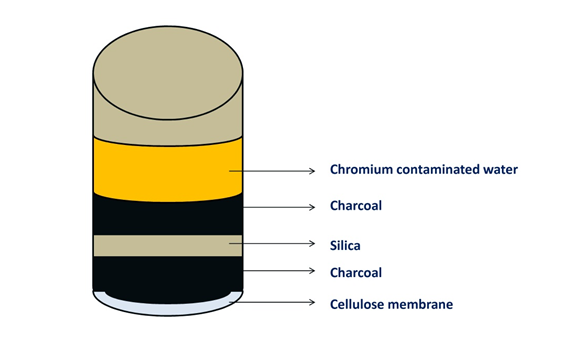
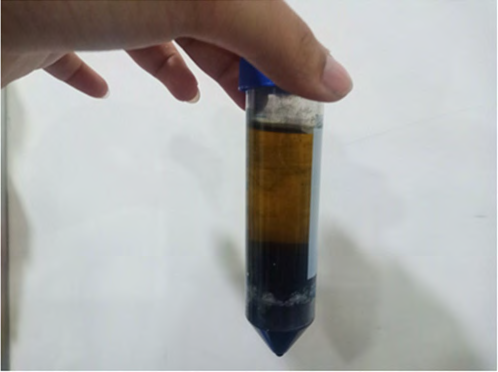
The bio-filter was designed by using an effendorf tube as a column, silica, and activated charcoal for composite along with a cellulose membrane. The biosorbent filtration unit contains a composite bed of biomaterials for filtration purposes. The composite bed was prepared with a layer of silica sandwiched between two layers of activated charcoal in a ratio of 3:1:3 (Figures 2 & 3).
Experimental Set-up
A bio composite-based filtration system was used in the experiment. The filtration system contains a cellulose membrane below the bio composite membrane. A stand was used to support the column housing the bio composite filter. The water travels across the composite membrane by the action of gravitational force. Water samples spiked with different concentrations of Cr(VI) were prepared. Potassium dichromate (K2Cr2O7) was used as the standard Cr(VI) agent.
Determination of Cr(VI) Reduction Efficiency of Charcoal and Silica
The adsorption ability of charcoal and silica for the removal of different concentrations of Cr(VI) from contaminated water was analyzed respectively. The residual concentration of Cr(VI) in the filtrate was analyzed by using the spectrophotometric method of the 1,5-diphenyl carbazide method [29].
Determination of Cr(VI) Reduction Efficiency of the Biofilter
The Cr(VI) reducing efficiency of the biofilter at different concentrations was evaluated by analyzing the residual concentration of Cr(VI) in the filtrate.
Post-Treatment Water Quality Analysis
Hexavalent chromium concentration in the water samples (filtrate) was estimated using the 1,5-diphenyl carbazide method [29]. The post-treatment water (filtrate) was assayed for pH, total dissolved solids (TDS), and chemical oxygen demand(COD) following standard methodology of APHA (2005) [30] .
Results and Discussions
Determination of Cr(VI) Reduction Efficiency of Charcoal and Silica
The adsorption ability of charcoal for hexavalent chromium from contaminated water was analyzed by checking the remaining concentration of Cr(VI) in the filtrate. Maximum percentage reduction was observed in the case of the lowest Cr(VI) concentration i.e. 50 mg/l, which gradually decreased with increasing concentration. Later on, reduction efficiency dropped by 12.6% at a Cr(VI) concentration of 200mg/l but still, the adsorption ability was more than 50% (Table 1). The adsorption capacity decreased with an increased concentration of Cr(VI) which may be due to the unavailability of adsorption sites on the surface of the charcoal. The dwindling efficiency of adsorption can be imputed to the formation of carbon-oxygen groups on the surface, which confers the carbon surface a negative character. The oxidation of carbons on the charcoal surface ameliorates the non-acidic carbon-oxygen groups, known as quinones. The presence of quinonic groups reduces the Cr(VI) to Cr(III) ions. Thus two processes are mutually taking place in the oxidized carbon: an increase in Cr(VI) removal due to reduction to Cr(III) and a decrease in Cr(VI) ion adsorption due to the production of acidic surface groups. The amount of Cr(VI) ions removed from the solution by reduction to Cr(III) appears to be modest, due to the fact that the optimum pH for transforming Cr(VI) ions to Cr(III) ions is about five. Since the pH of oxidized carbons is usually less than five, so there is little or no reduction of Cr(VI) into Cr(III) ions [31].
| Initial concentration of Cr(VI) (mg/l) | Percentage Reduction (%) | Residual concentration of Cr(VI) (mg/l) |
|---|---|---|
| 50 | 82.5±2.06 | 8.75±0.21 |
| 100 | 78.7±1.96 | 21.3±0.53 |
| 150 | 75±1.87 | 37.5±0.93 |
| 200 | 69.94±1.74 | 60.11±1.50 |
| 50 | 34±0.85 | 33±0.82 |
| 100 | 31.5±0.78 | 68.5±1.71 |
| 150 | 28±0.7 | 108±2.7 |
| 200 | 25.5±0.63 | 149 ±3.72 |
Table 1: The adsorption capacity of charcoal in the removal of Cr(VI).
The adsorption ability of silica for hexavalent chromium from contaminated water was analyzed by checking the remaining concentration of Cr(VI) in the filtrate. At 50mg/l of Cr(VI) concentration, 34±0.85% reduction was observed which was maximum, and steadily declined with increasing concentration up to 200mg/l. The reduction efficiency of silica receded to 25.5±0.63 at 200mg/l of Cr(VI) concentration. Despite the fact that the maximum percentage was reduced by 8.5% still the reduction efficiency was significantly much better at such a high concentration of Cr(VI) i.e. 200mg/l (Table 2). The adsorption capacity decreased with an increased concentration of Cr(VI) which may be attributed to the non-availability of surface for adsorption. Earlier research has reported that about 90 percent of the active sites are present in protonated conditions and Cr(VI) ion species are available as HCrO4 - in acidic medium. NH3 + on the adsorbent surface can provide a single adsorption site for HCrO4 within this pH range by electrostatic and hydrogen bonding. The rate of removal increases swiftly at first then slows down, until equilibrium is established. However, as the number of active sites decreases, resulting in a slower diffusion and receded reduction efficiency [32].
Determination of Cr(VI) Reduction Efficiency of the Biofilter
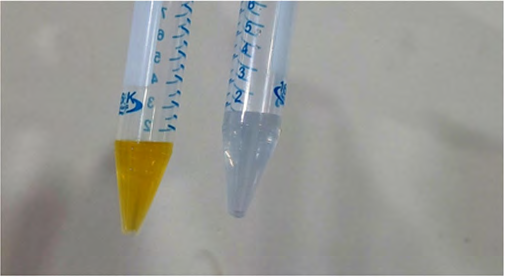
Silica-charcoal composite-based biofilter was employed for the purification of Cr(VI) contaminated water and 100% efficiency was observed. At a lower concentration of Cr(VI) i.e. 50mg/l, the reduction percentage was almost 100 with the residual concentration of Cr(VI) falling below the detectable limit. At a maximum concentration of 200mg/l the reduction efficiency has receded by only 2%. The biofilter is efficient enough for filtration of Cr(VI) contaminated water even at a higher concentration of 200mg/l. The developed biofilter, purified water containing Cr(VI) levels as high as 200 ppm down to 4 ppm in a single filtering flow, a 50-fold reduction (Table 3). The designed biofilter reduces 98 % of Cr(VI) from solution after filtration as compared to the conventional charcoal filter which could able to reduce 70% of the Cr(VI) content in the water. The results were found to be consistent up to 62 cycles at 200 ppm Cr(VI), after which the efficiency steadily dropped. The percentage reduction was 89% up to 62 cycles which gradually decreased to 68% after 100 cycles. Figure 4 provides a comparative image of 200 mg/l Cr(VI) laden water before and after biofiltration.
| Percentage Reduction (%) | Residual concentration of Cr(VI) (mg/l) | |
|---|---|---|
| 50 | 100±2.5 | - |
| 100 | 99.2±2.48 | 0.8±0.02 |
| 150 | 98.3±2.45 | 2.55±0.06 |
| 200 | 98±2.45 | 4±0.1 |
Table 2: The Cr(VI) reduction efficiency of the biofilter. (‘-‘: Below the level of determination).
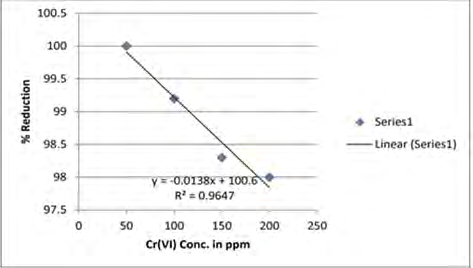
The biofilter efficiency and Cr(VI) concentration in the water sample had a good correlation value. The reducing ability had a high correlation with the Cr(VI) concentration and the coefficient of correlation was found to be 0.982 (Figure 5).
Post-Treatment Water Quality Analysis (Table 4)
| Initial | Final | |
|---|---|---|
| pH | 4.46±0.12 | 7.1±0.34 |
| TDS | 700±16.9ppm | 75±1.8ppm |
| COD | 132±3.2ppm | 12±0.25ppm |
Table 3: Post-treatment water quality analysis.
Initially, the pH was acidic which became neutral after treatment. Similarly, TDS was much higher than the acceptable limit which was reduced to 75ppm and the COD level was reduced to around 12ppm.
Conclusion
Silica-assisted charcoal bio-filter has been found to have better Cr(VI) removal efficiency than conventional charcoal filters in the current study. Silica was found to be instrumental in enhancing the purification process of Cr(VI) contaminated water. The bio-filter is a cost-effective and efficient option to remediate Cr(VI) contaminated water in industrial and mining areas. The bio-filter can act as a better alternative to other water purifiers, especially for the treatment of Cr(VI) contaminated water. The prepared biofilter is an eco-friendly technology that could serve rural populations living near chromite mines and industrially contaminated areas to get safe drinking water. Further studies can be taken up with the scope to purify water contaminated with other potential heavy metals.
Conflicts of Interest
The author(s) declare there is no conflict of interest.
References
-
Peng H, Guo J (2020) Removal of chromium from wastewater by membrane filtration, chemical precipitation, ion exchange, adsorption electrocoagulation, electrochemical reduction, electrodialysis, electrodeionization, photocatalysis and nanotechnology: a review. Environ Chem Lett 18(6): 2055-2068.
-
Kimbrough DE, Cohen Y, Winer AM, Creelman L, Mabuni C, et al. (1999) A critical assessment of chromium in the environment. Crit Rev Environ SciTechnol 29(1): 1-46
-
Kahlon SK, Sharma G, Julka JM, Kumar A, Sharma S, et, al. (2018) Impact of heavy metals and nanoparticles on aquatic biota. Environ ChemLett 16: 919-946.
-
(1990) Monogr on the evaluation of carcinogenic risks to humans. International Agency for Research on Cancer, Lyons 49.
-
Gunkel-Grillon P, Laporte-Magoni C, Lemestre M, Bazire N (2014) Toxic chromium release from nickel mining sediments in surface waters, New Caledonia. Environ Chem Lett 12: 511-516.
-
(2003) World Health Survey. Geneva: World Health Organization.
-
Das PK, Das BP, Dash P (2021) Chromite mining pollution, environmental impact, toxicity and phytoremediation: a review. Environ ChemLett 19(2): 1369-1381.
-
OEHHA (Office of Environmental Health Hazard Assessment) (2011) Public Health Goal for Hexavalent Chromium in Drinking Water. Pesticide and Environmental Toxicology Branch, California Environmental Protection Agency.
-
Das S, Patnaik SC, Sahu HK, Chakraborty A, Sudarshan M, et al. (2013) Heavy metal contamination, physico- chemical and microbial evaluation of water samples collected from chromite mine environment of Sukinda, India. Trans Nonferrous Met Soc China 23(2): 484-493.
-
Naz A, Chowdhury A, Mishra BK, Gupta SK (2016) Metal pollution in water environment and the associated human health risk from drinking water: A case study of Sukinda chromite mine, India. Hum Ecol Risk Assess 22(7): 1433-1455.
-
Sharma P, Bihari V, Agarwal SK, Verma V, Kesavachandran CN, Pangtey BS, Mathur N, Singh KP, Srivastava M, Goel SK (2012) Groundwater contaminated with hexavalent chromium [Cr (VI)]: A health survey and clinical examination of community inhabitants (Kanpur, India). PLOS ONE 7(10): e47877.
-
Shankar B (2009) Chromium pollution in the groundwaters of an industrial area in Bangalore, India. Environ Eng Sci 26(2): 305-310.
-
USEPA (1998) Toxicological review of hexavalent chromium, in support of summary information on the integrated risk information system (IRIS). Washington, DC.
-
Nickens KP, Patierno SR, Ceryak S (2010) Chromium genotoxicity: A double-edged sword. Chem Biol Interact 188(2): 276-288.
-
Marouani N, Tebourbi O, Hallegue D, Mokni M, Yacoubi MT, et al. (2017) Mechanisms of chromium hexavalent- induced apoptosis in rat testes. Toxicol Ind Health 33(2): 97-106.
-
OEHHA (2009) Chromium (hexavalent compounds) Reproductive and cancer hazard assessment section, Office of Environmental health hazard assessment. California Environmental Protection Agency.
-
Gibb HJ, Lees PS, Pinsky PF, Rooney BC (2000) Lung cancer among workers in chromium chemical production. Am J Ind Med 38(2): 115-126.
-
Pradhan D, Sukla LB, Sawyer M, Rahman PK (2017) Recent bioreduction of hexavalent chromium in wastewater treatment: a review. J Ind Eng Chem 55: 1-20.
-
Xia S, Song Z, Jeyakumar P, Shaheen SM, Rinklebe J, et al. (2019) A critical review on bioremediation technologies for Cr (VI)-contaminated soils and wastewater. Crit Rev Environ Sci Technol 49(12): 1027-1078.
-
Karimi-Maleh H, Ayati A, Ghanbari S, Orooji Y, Tanhaei B, et al. (2021) Recent advances in removal techniques of Cr (VI) toxic ion from aqueous solution: a comprehensive review. J Mol Liq 329: 115062.
-
Sakhi D, Rakhila Y, Elmchaouri A, Abouri M, Souabi S, et al. (2018) Optimization of coagulation flocculation process for the removal of heavy metals from real textile wastewater. International Conference on Advanced Intelligent Systems for Sustainable Development, pp: 257-266.
-
Das PK, Das BP, Dash P (2020) 13-Potentials of postharvest rice crop residues as a source of biofuel. Refining Biomass Residues for Sustainable Energy and Bioproducts, pp: 275-301.
-
Todkar BS, Deorukhkar OA, Deshmukh SM (2016) Extraction of silica from rice husk. Int J Eng Res Dev 12(2): 69-74.
-
Wang M, Xie R, Chen Y, Pu X, Jiang W, et al. (2018) A novel mesoporous zeolite-activated carbon composite as an effective adsorbent for removal of ammonia-nitrogen and methylene blue from aqueous solution. Bioresour technol 268: 726-732.
-
Lee KJ, Miyawaki J, Shiratori N, Yoon SH, Jang J (2013) Toward an effective adsorbent for polar pollutants: Formaldehyde adsorption by activated carbon. J Hazard Mater 260: 82-88.
-
Morin-Crini N, Fourmentin M, Fourmentin S, Torri G, Crini G (2019) Synthesis of silica materials containing cyclodextrin and their applications in wastewater treatment. Environ Chem Lett 17(2): 683-696.
-
Diagboya PN, Dikio ED (2018) Silica-based mesoporous materials; emerging designer adsorbents for aqueous pollutants removal and water treatment. Micropor Mesopor Mat 266: 252-267.
-
Bogeshwaran K, Kalaivani R, Ashraf S, Manikandan GN, Prabhu GE (2014) Production of silica from rice husk. Int J Chemtech Res 6(9):4337-45.
-
United States Environmental Protection Agency (1996) Method 3060A.
-
Federation WE (2005) Standard methods for the examination of water and wastewater. American Public Health Association (APHA): Washington, DC, USA, pp: 541.
-
Aggarwal D, Goyal M, Bansal RC (1999) Adsorption of chromium by activated carbon from aqueous solution. Carbon 37(12): 1989-1997.
-
Shi T, Yang D, Yang H, Ye J, Cheng Q (2017) Preparation of chitosan crosslinked modified silicon material and its adsorption capability for chromium (VI). Appl Clay Sci 142: 100-108.
- Pattern of Gonadal Hormones in Oral Testosterone-Supplimented Male Wistar Rats with Diabetes-Induced Hypogonadism
- Re-Evaluation of the Genotoxicity of Currently Used Food Dyes in Mouse Multiple Organs Via Continuous Administration by Drinking Using the Comet Assay
- Pharmacogenetics of Type 2 Diabetes Mellitus: Linking Genetic Variability to Drug Efficacy and its Cardiovascular Outcomes
- Exploratory Proteomic Profiling of SARS-CoV-2 Infected THP-1 Macrophages Reveals Alterations in Inflammatory Response and Cellular Metabolism
- Study of Genotoxicity of Hepatocarcinogens in Multiple Organs in Mice by Feeding and Drinking Using the Comet Assay
- Spirulina Polypeptides Inhibit the Growth of Human Lung Tumor (H460) Cells