
Safeguarding Public Health: The Imperative of Strong Toxic Substance Regulations
The increasing prevalence of toxic substances in our environment poses significant challenges to public health. This editorial examines the importance of robust public health policies related to toxic substance regulation in safeguarding community health. Key components of effective policies, including prevention of exposure, risk assessment, targeted interventions, and education initiatives, are discussed. By advocating for evidence-based approaches and fostering collaboration between stakeholders, policymakers can mitigate the health impacts of toxic substances and create healthier, more resilient communities.
Visual Abstract
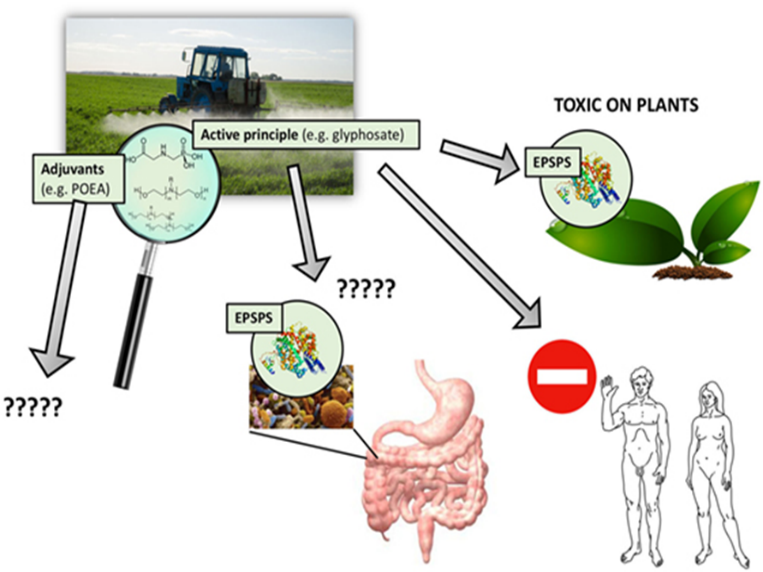
Editorial
In today’s world, the omnipresence of toxic substances presents a critical threat to public health. The heightened morbidity and mortality linked to environmental contaminants have sparked worldwide attention in recent decades due to their toxic nature [1]. From pollutants in the air, we breathe to chemicals in the products we use daily, the risks are pervasive and profound. Numerous pollutants significantly contribute to human diseases. Particulate Matter, characterized by particles of varying but exceedingly small diameters, infiltrate the respiratory system through inhalation. This penetration leads to a spectrum of health issues including respiratory and cardiovascular diseases, reproductive dysfunctions, central nervous system disorders, and cancer [2]. The aim of this editorial, I am delving into the pressing need for robust public health policies aimed at regulating toxic substances, highlighting the indispensable role they play in protecting community well-being.
Despite notable strides in air quality improvements, a staggering portion of the urban population still inhales air falling short of European standards, let alone meeting the health-based World Health Organization Air Quality Guidelines. In the past decade, there has been a stark escalation in evidence revealing that particulate matter air pollution not only exerts a more pronounced influence on established health endpoints but also correlates with an expanded array of disease outcomes, as mentioned. As the prevalence of these hazardous materials continues to rise, so too do the stakes for our collective health, effective policies must encompass a multifaceted approach, starting with the prevention of exposure. Assessment of both regulatory compliance and the efficacy of regulatory oversight are important to ensure that existing standards are being met in all cases and to satisfy citizens’ needs for information concerning incinerator safety [3]. Additionally, the evaluation of both regulatory adherence and the effectiveness of regulatory supervision is crucial to ensure that current standards are universally upheld and to address citizens’ demand for information regarding incinerator safety. By implementing stringent regulations on the production, use, and disposal of toxic substances, we can minimize the likelihood of harmful contact, thereby safeguarding both current and future generations [4].
Furthermore, robust policies must prioritize comprehensive risk assessment methodologies. Especially by enhancing the characterization of risks linked to laboratory, and likewise work spaces activities, dominantly within universities, could enhance health, safety, and environmental management while lowering the incidence of work-related diseases and accidents. Understanding the potential hazards posed by various substances is paramount in devising targeted interventions and allocating resources effectively, not forgetting occupational hazards that are present at every stage of the waste management process, beginning with waste handling by workers at enterprises for collection or recycling, and extending to the final disposal stage [5, 6]. This entails not only evaluating the immediate health risks but also considering the long-term impacts and cumulative effects of exposure. Especially with a focus on future needs, there is a particular demand for simple tools to identify combinations of chemical and non-chemical exposures, uniform risk management guidelines, and effective risk communication materials [7].
Equally important is the role of education in empowering individuals and communities to make informed choices regarding toxic substances. Environmental health education is the great added value towards raising awareness of communities to prevent exposure to hazardous substances. By raising awareness about potential risks, promoting safer alternatives, and fostering a culture of environmental stewardship, we can cultivate resilience and minimize vulnerabilities [8].
Yet, the success of these endeavors hinges on collaboration and coordination among all stakeholders. Also, public health policies heavily depend on toxicological studies involving nonhuman subjects. However, the field of toxicology has frequently fallen short in providing timely and effective evidence for informing public health decisions [9]. From policymakers and regulatory agencies to industry leaders and grassroots advocates, concerted efforts are needed to enact meaningful change. By leveraging the latest scientific research and embracing evidence-based approaches, we can forge a path toward healthier, more sustainable communities [10].
In conclusion, the imperative of strong toxic substance regulations cannot be overstated. As we confront the complex challenges posed by environmental contaminants, proactive measures are essential to safeguarding community health. By championing robust policies grounded in prevention, assessment, intervention, and education, we can mitigate risks, enhance resilience, and pave the way for a healthier future.
References
-
Sokan-Adeaga AA, Sokan-Adeaga MA, Sokan-Adeaga ED, Oparaji AN, Edris H, et al. (2023) Environmental toxicants and health adversities: A review on interventions of phytochemicals. Journal of public health research 12(2): 22799036231181226.
-
Manisalidis I, Stavropoulou E, Stavropoulos A, Bezirtzoglou E (2020) Environmental and Health Impacts of Air Pollution: A Review. Frontiers in public health 8: 14.
-
Kelly FJ, Fussell JC (2015) Air pollution and public health: emerging hazards and improved understanding of risk. Environmental geochemistry and health 37(4): 631-649.
-
National Research Council (US) Committee on Health Effects of Waste Incineration (2000) Waste Incineration & Public Health.
-
Fatemi F, Dehdashti A, Jannati M (2022) Implementation of Chemical Health, Safety, and Environmental Risk Assessment in Laboratories: A Case-Series Study. Frontiers in public health 10: 898826.
-
Jerie S (2016) Occupational Risks Associated with Solid Waste Management in the Informal Sector of Gweru, Zimbabwe. Journal of environmental and public health pp: 9024160.
-
Niemeier RT, Williams PRD, Rossner A, Clougherty JE, Rice GE (2020) A Cumulative Risk Perspective for Occupational Health and Safety (OHS) Professionals. International journal of environmental research and public health 17(17): 6342.
-
Marsili D, Canepa A, Mossone N, Comba P (2019) Environmental Health Education for Asbestos- Contaminated Communities in Italy: The Casale Monferrato Case Study. Annals of global health 85(1): 84.
-
Song X, Ali M, Zhang X, Sun H, Wei F (2021) Stakeholder coordination analysis in hazardous waste management: a case study in China 23: 1873-1892.
-
Mandrioli D, Silbergeld EK (2016) Evidence from Toxicology: The Most Essential Science for Prevention. Environmental Health Perspectives 124(1): 6-11.
- Evaluation of Skin Aging Preventive Effects of Cherry Blossom Petal Extracts Through Antioxidant and Anti-Glycation Activities
- Is Cell Death Responsible for False Positive Results of In Vivo Comet Assay?
- Pattern of Gonadal Hormones in Oral Testosterone-Supplimented Male Wistar Rats with Diabetes-Induced Hypogonadism
- Re-Evaluation of the Genotoxicity of Currently Used Food Dyes in Mouse Multiple Organs Via Continuous Administration by Drinking Using the Comet Assay
- Pharmacogenetics of Type 2 Diabetes Mellitus: Linking Genetic Variability to Drug Efficacy and its Cardiovascular Outcomes
- Exploratory Proteomic Profiling of SARS-CoV-2 Infected THP-1 Macrophages Reveals Alterations in Inflammatory Response and Cellular Metabolism