
Plasmids: Cause of Bacterial Diversity
Plasmids, that is, extrachromosomal DNA, were first recognized in Enterobacteriaceae. From that point onward, they were found in practically every one of the strains noticed. The plasmid structure is made out of roundabout twofold abandoned DNA atoms that self-governingly recreate in the host cell. Its length can differ from a couple to many kilobases (kb). In microorganisms, plasmids are moved chiefly on a level plane through the formation cycle. The plasmid replication interaction can be isolated into three phases: inception, expansion and end. The interaction includes DNA helicase I, DNA gyrase, DNA polymerase III, endonuclease and ligase. The plasmid contains qualities fundamental for the capacity of the plasmid and its conservation in the host cell (commencement and control of replication). Some of them have qualities that control the steadiness of the plasmid. Notwithstanding, microorganisms have numerous organic capacities identified with plasmids. The recognizable proof and order of plasmids depend on their lasting hereditary qualities in all plasmids. They are: the capacity to protect themselves and control the replication cycle in the host cell. Along these lines, the plasmid order between the contradictory gatherings is done. The replicon composing technique dependent on genotype instead of phenotypic qualities has similar outcomes as jumble bunching.
Review
A plasmid is an extrachromosomal component, typically roundabout DNA. Plasmids are roundabout twofold abandoned DNA (dsDNA) atoms that can harm the chromosomal DNA of cells. These extrachromosomal DNAs normally happening in microbes, yeasts and some higher eukaryotic cells exist in the parasitic or cooperative relationship with the host cell. The size of the plasmid goes from a couple thousand base sets to around 100 kilobases (kb). Like the chromosomal DNA of a host cell, plasmid DNA recreates before every cell division. During cell division, something like one plasmid DNA is isolated in every phone to guarantee that the plasmid keeps on increasing in progressive ages of the host cell. Plasmid is an entirely significant apparatus in the fields of science and hereditary qualities, particularly in the field of quality grafting. They assume a critical part in methods, for example, quality cloning, the creation of recombinant proteins (like human insulin), and quality treatment research. In this kind of method, a catalyst called limitation endonuclease is utilized to cut the plasmid at a chose site (or destinations). Then, at that point, the exogenous DNA components (like the insulin quality) are grafted into the plasmid. The subsequent roundabout construction, the recombinant DNA particle, is then brought into the bacterial cell (this cycle is called change). Self-
sufficient replication of plasmids in bacterial cells makes it conceivable to give an enormous number of duplicates of recombinant DNA atoms for exploratory tasks or for business purposes (for instance, because of the creation of a lot of insulin). The plasmid upholds quality grafting otherly. For instance, their anti-infection obstruction qualities have been demonstrated to be valuable in distinguishing bacterial cells that influence recombinant DNA atoms in the raised foundation of non-changed cells (the change recurrence is just around 1 out of 100,000 cells).
Not needed by microbes, yet may give a benefit in choice. One sort of plasmid, colistin factor (or Col), decides the gathering of a protein called colistin, which has anti-microbial action and can kill different microorganisms. Another sort of plasmid, the R factor, presents anti-infection opposition on microbes. Some Col variables and R elements can be moved starting with one cell then onto the next, so they can spread quickly in the bacterial populace. Plasmids joined to the phone divider or coordinated into the bacterial chromosome are called episomes. The plasmid is considered a replicon, fit for self-ruling replication in a reasonable host. In any case, a few group don’t think about plasmids, as infections, to be a sort of life. Plasmids are for the most part communicated starting with one bacterium then onto the next (or considerably another species) through three fundamental systems: change, transduction, and formation. This exchange of hereditary material from one host to another is called level quality exchange, and plasmids are by and large thought about piece of the versatile gathering. Not at all like infections, which wrap their hereditary material in a defensive protein layer called a capsid, plasmids are “exposed” DNA and don’t encode the qualities important to embody hereditary material for move to another host. Notwithstanding, specific kinds of plasmids encode the zygosity “sex” pili essential for their own exchange. The size of the plasmid goes from 1 to more than 1000 kbp. At times, the quantity of a similar plasmid in a solitary cell can go from 1 to thousands. The plasmids are not difficult to control and detach utilizing microscopic organisms (see additionally soluble lysis), and they will be incorporated into the mammalian genome, giving mammalian cells any hereditary capacity they convey. Hence, this empowers you to intensify half breed qualities delivered in vitro by utilizing microbes to bring qualities into a given organic entity. This little however incredible plasmid particle is the premise of recombinant DNA innovation. Numerous plasmids that exist in contain qualities that give a few advantages to the host cell, and the piece of the plasmid that fulfills the cooperative relationship. For instance, some bacterial plasmids encode compounds that inactivate anti- toxins. These safe plasmids have become a difficult issue in the treatment of numerous normal bacterial microbes. With the far and wide utilization of anti-microbials, plasmids that contain different medication safe qualities keep on advancing, making their host cells resistant to the spread of numerous anti-toxins simultaneously. A large number of these plasmids additionally contain “move qualities” that encode proteins that will frame macromolecular cylinders or fimbriae through which duplicates of plasmids are ordinarily moved to other host cells of same or related bacterial species. This exchange can prompt the quick spread of medication safe plasmids and increment the quantity of anti-toxin safe microscopic organisms in emergency clinics and different settings. Adapting to the spread of medication safe plasmids is an incredible test confronting contemporary medication. There are two sorts of plasmids; severe plasmids possibly repeat when the chromosome recreates. In case you are utilizing proteins that are destructive to cells, this is extraordinary. The unwinding plasmid imitates itself. This gives you a superior plasmid to chromosome proportion.
The connection among microorganisms and plasmid DNA is neither parasitic nor proportional, in light of the fact that each suggests the presence of a free species that is in an unsafe or harmonious state with the host living being. Interestingly, plasmids give a component to level quality exchange inside the microbial populace, and for the most part give a specific benefit in a given natural state. Plasmids can convey qualities that are impervious to anti-microbials present in a cutthroat climate, or the proteins created can go about as poisons in comparative circumstances, or permit the body to utilize explicit natural mixtures, which is worthwhile when supplements are scant.
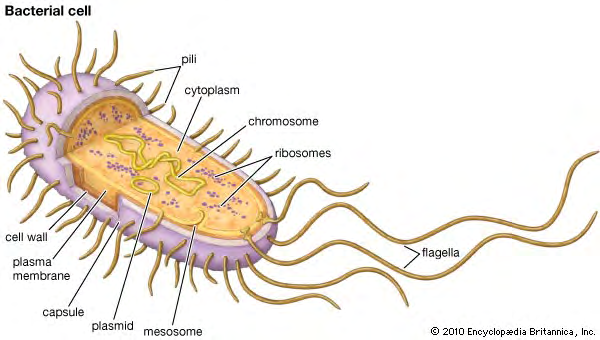
To put it plainly, we recommend; the ensuing examination on plasmids, the successive utilization of plasmids in our lab, and the utilization, research and ceaseless use of plasmids in our everyday lives Figure 1.
- Are the Vaccines the Only Solution to Prevent the COVID-19 Pandemic? Part Two
- Clinical Characteristics of Women in this New Global Immunodeficiency
- Cell Dynamics in HIV Pathogenesis: Insights and Implications
- Determination of the CDR (CDR1, CDR2) « Complementary- Determining Region Invertebrate Primitive Antibody from Sea Star »
- Prioritizing Care for High-Risk COVID-19 Patients in the EU: 10 Civic Recommendations to the Institutions
- Comprehensive Insights into ModRNA Vaccines: Persistent PP-Spike Recombinant Protein, Hyperimmune/Inflammatory Reactions, Thrombotic Vasculopathy, Chronic Organ Complications and Excess Deaths