
Impacts of the Leachates of the Mpasa Landfill in the Surrounding Waters of the Ndamaba Neighborhood in the Municipality of N'sele in DR Congo
Leachate produced at landfills constitutes a great danger for the environment and the health of the population. In order to answer the questions of a healthy environment, physicochemical analyzes of leachate and surrounding water (pond) was carried out. The samples were taken at 10 a.m. and 1 p.m. at the discharge level and at the water level of the ponds. The parameters determined are: temperature, pH, electrical conductivity, dissolved oxygen, chloride ions, calcium, magnesium, nitrates, phosphates and sulfate. The results of the analyzes show that the leachates produced at the Massant discharge have values such as Eques, the Ph exceeds neutrality (8.15), the temperature of 32° suggests that these leachates are excessively polluted, the conductivity characterizes a charged leachate, dissolved oxygen shows that the anaerobic phase of the pond given that the latter tells the leachates of the landfill. The ions mentioned above are also charged, this situation demonstrates that these leachates are the basis of the contamination of the pond water and possibly affect the health of the fish consuming population.
Seki Khonde Thomas5
Keywords: Leachate; Landfill; Impacts; Pond; Population
Introduction
This study takes place in a context marked by enormous factors unfavorable to a suitable and liveable environment for the population of the Ndamaba district in particular and that of the city province of Kinshasa in general.
The growth of the city and that of the population living there has produced waste of all kinds that accumulâtes Along the streets. In Kinshasa it poses serious problems of public insalubrity with a worrying magnitude for human health and the environment. This growth means that some municipalities encounter difficulties in cleaning up the environment. The urban environment of Kinshasa is unsanitary due to solid waste, wastewater and rainwater; this situation exceeds the financial capacity of municipal administrations to treat it at the same rate of their production.
Kinshasa is today in the case of dirty, unsanitary cities, where household waste is treated at the whim of city dwellers. Illegal public dumps are found everywhere, coexisting with residential houses and points of sale for other foods. The city has thus transformed into a gigantic petri dish, everyone is irresponsible. This state is known beyond the borders to the point that Kinshasa is described as the dirtiest city in the world.
Numerous campaigns launched for its cleanliness such as: «Operation KIN BOPETO» in September 1977, «SALONGO» since March 2005: Operation coup de poing «KIN / BOPETO» and numerous NGOs. All have resulted in results not visible in the light of the aspirations of the general public. The production of municipal waste in the city of Kinshasa was estimated in 2016 at two million tons per year, or 5,600 tons per day, for a population estimated at more
Presentation of the landfill
than 12 million inhabitants [1].
This is how we chose the Mpasa Technical Waste Landfill Center located in the commune of n’sele where analyses on leachates and water from ponds located on the slopes of this landfill were carried out.
Presentation of the Study Environment, Materials and Method
Presentation of the study environment
The Mpasa landfill is located in the commune of N’sèle, Ndamaba district in the East of Kinshasa, 35 km from the city center. It is the only landfill in the city of Kinshasa. It was built in 2010, with funding from the European Fund. The CET occupies an area of 130 hectares.
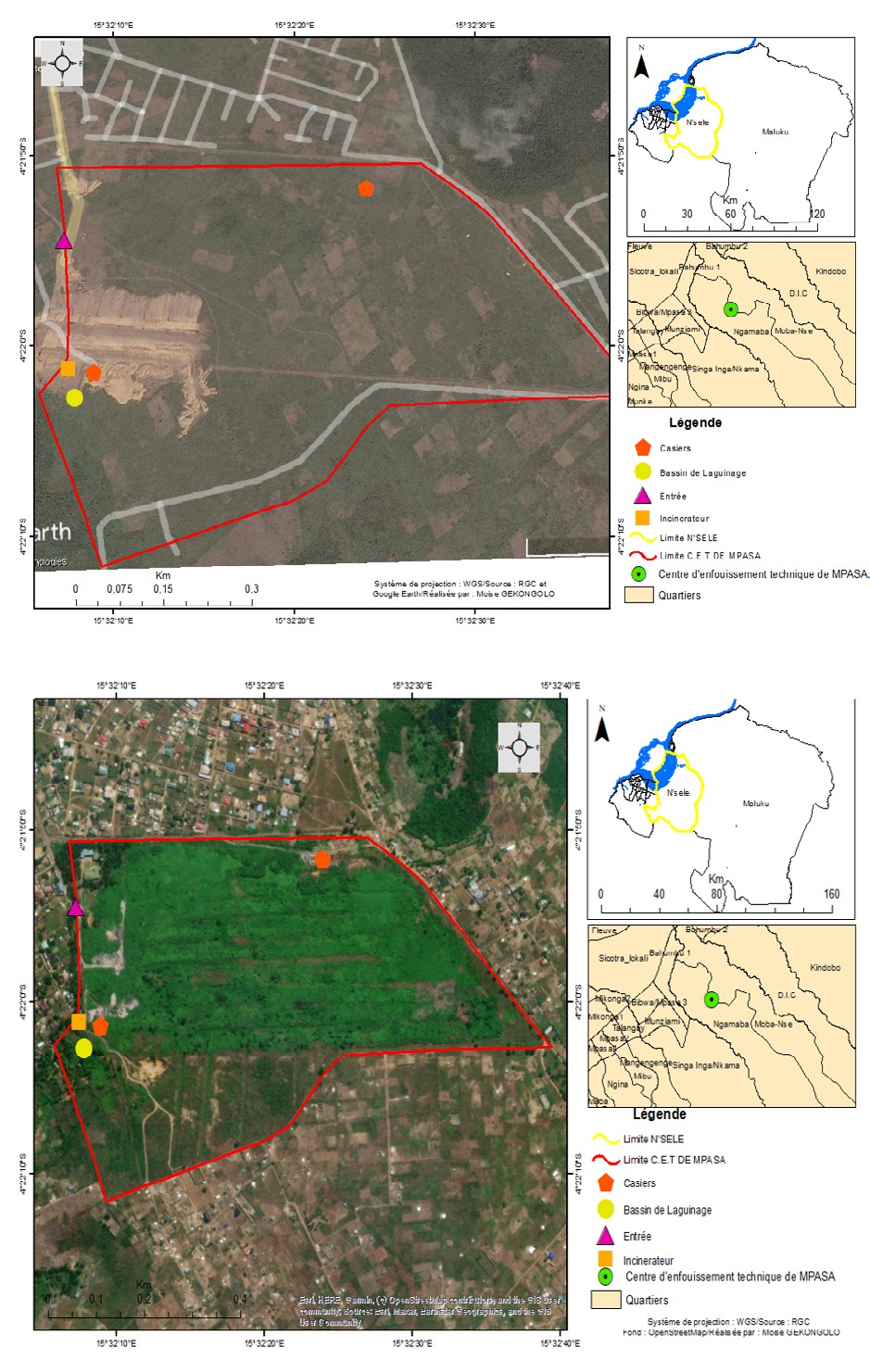
Map 1: Presentation of the Mpasa 2010 landfill.
Map 2: Presentation of the Mpasa 2023 landfill.
The Mpasa landfill was created to collect waste from all the municipalities of the city of Kinshasa to bury them. This burial in the ground did not take into account the sorting of waste. The burial was done in wells called «casier». The latter had a trapezoidal shape, the dimension more or less 4 m, the height was 5 m the length depended on 2 sections of the user:
- Means made available to the builder.
- Space.
There were drains on both sides of the locker, the depth was 60 cm low was 40 cm on its surface this base. The locker was covered with a membrane (strong plastic bag, less hard by stapled with iron bar n ° 6), then it was covered with earth. In the drain we put pebbles n°031 we covered the drains with geotextiles (piece of transparent cotton fabric which was used to filter the leachate before it entered the drain.
The codrin leachate pipe to the gunage basin, the latter was used to store the leachate, we covered it with aquatic plants. It was built of rubble, covered with plastic sheet called membrane.
1 month after the waste was buried, the bin was melted, which showed that the waste had decomposed. We put PVC (vacuum cleaner) by perforating the bin, the PVC was closed at the top but next to it there was a hole that we called a collector, we put it before reaching the membrane. The PVC sucked up the butane gases so that the bin would not explode one day. The CET had 30 bins in total.
For the moment there is only wild incineration due to lack of means, we no longer bury the waste.
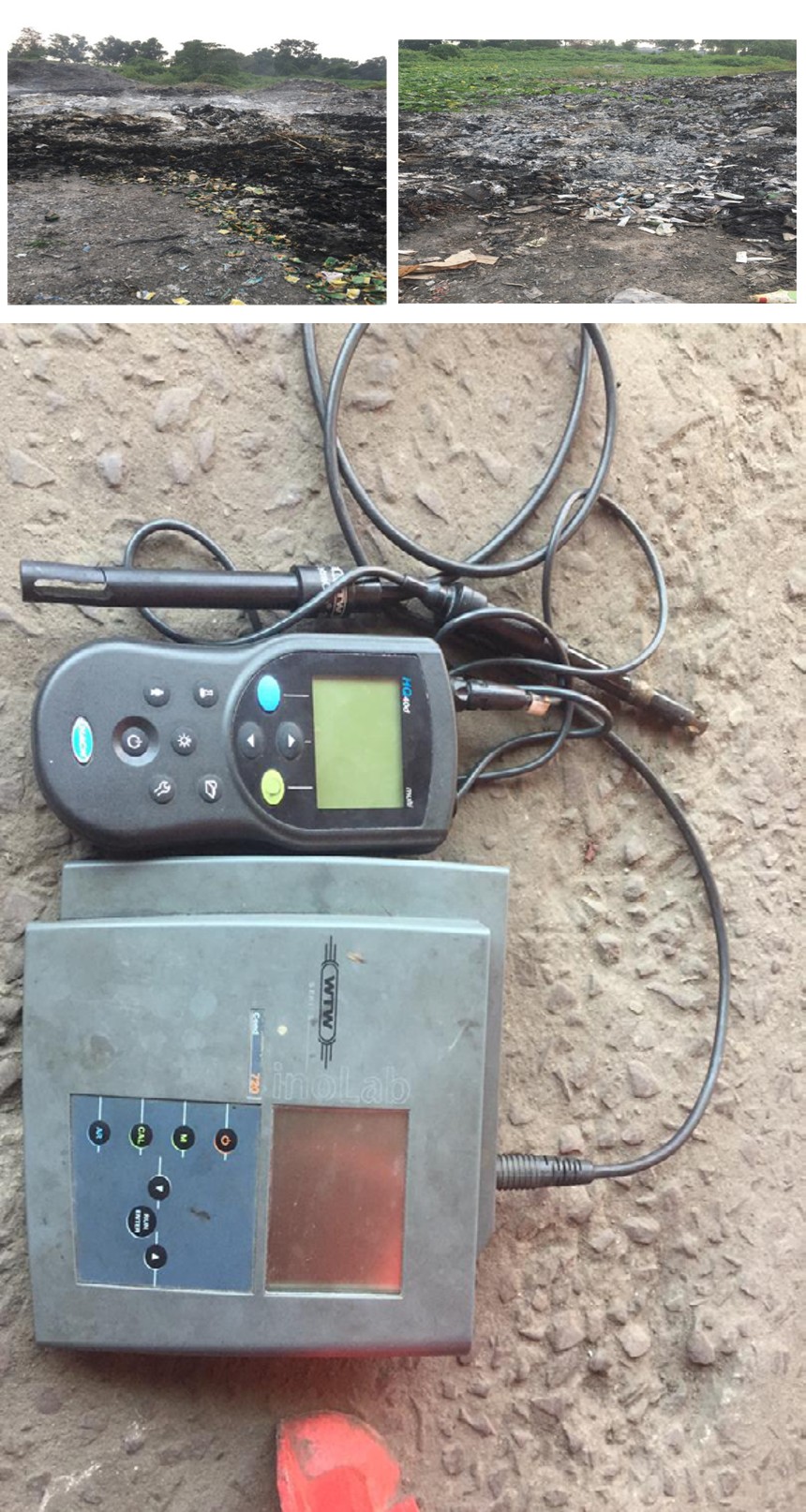
Photo 1: Wild incineration. Source: field survey, 2023
Analytical methods
These allowed us to analyze the different physicochemical parameters contained in the leachate samples taken from the technical landfill and water taken downstream of the landfill in the Mpasa landfill.
The surrounding water samples (500ml) were taken manually using a sterile plastic bottle, all samples were stored in a cooler at 4°C and transported to the UNIKIN environmental laboratory for various analyses within 24 hours.
Physicochemical Parameters Measured in Situ
In the field, we had to determine certain parameters including temperature, pH, and electrical conductivity. To determine these different parameters mentioned. We used the Ha4od brand multi-parameter probe and the wtw probe for electrical conductivity as equipment.
Photo 2: Multi-parameter probe. Source: field survey, 2023
• PH The PH is used to say whether a water sample is acidic (PH inference at 7) neutral (PH equal to 7) or basic (PH goes from 7 to 14) it is one of the parameters influencing the scaling or aggressive tendencies of the water and its scale varies from 0 to 14.
The biological activity is in the range that goes from 6.5 and 9 outside this range. It affects aquatic life and consequently the self-purification of the environment. Highly acidic drinking water can have consequences on the living organism by weakening the immune system. Maerie: the PH electrode of the multi-parameter probe operating mode: turn on the multi-parameter probe, connect the electrode and extend in the water then read the result on the screen.
- Electronic Conductivity It measures the capacity of water to conduct electric current between two electrodes. Most of the dissolved matter in water is in the form of electrically charged ions. Its measurement allows us to determine the quality of the salts dissolved in the water. In the aquatic environment, a high concentration of salts can have an influence on aquatic beings and disturb self-purification.
- Equipment: The conductivity electrode of the multi- parameter probe.
- Operating mode: turn on the WTW probe and immerse the conductivity electrode in the water then read the result.
- Temperature Une température élevée réduit la solubilité de gaz dans l’eau et en particularité la teneur en oxygène, si la température de l’eau varie de 13 à 20 °C la concentration en oxygène chute de 13% or le rôle de l’oxygène est fondamental pour les organismes. Les températures basses affectent l’autoépuration des rivières car les réactions d’oxydation sont ralenties. Au contraire une température plus élevée accélère ces réactions nous entraine parfois des conséquences sur la santé qu’une plus forte consommation d’oxygène dissous [2]. It can also influence the life of certain aquatic beings. It is therefore measured using a thermometer.
- Equipment: the multi-parameter probe
- Operating procedure: turn on the multi-parameter probe and read the temperature value on the screen.
Physicochemical parameters analyzed in the laboratory
Phosphate: Phosphate does not pose a danger to humans, but its presence in the aquatic environment can accelerate the proliferation of plants and algae, which participate in the consumption of dissolved oxygen in water, and can therefore slow down the self-purification process. In the human body, a high amount of phosphate can cause health problems such as osteoporosis.
- Equipment
- Visible spectrophotometer ST-VS-721
- Reagents
- PhosVer
- Distilled water
- Operating procedure:
- Turn on the visible spectrophotometer ST-VS-721;
- Select program 490 and press the Enter key;
- Set the wavelength to 890 nm;
- Fill a clean tank with the 25mL sample to be analyzed and cap it;
- Add the contents of one capsule of PhosVer3 reagent and shake immediately;
- Press Shift Timer. A 2-minute reaction period begins;
- Fill another cuvette with 25 ml of distilled water (blank). When the timer rings, the display shows mg L-1 of PO4 3-;
- Place the blank in the measuring well. Close the cover. Press the Zero key; The display shows 0.00 mg L-1 of PO4 3-;
- Place the prepared sample in the measuring well. Close the cover;
- Press Read;
- The result in mg/L of ortho phosphate ions is displayed Nitrate (NO3 -) A high concentration of nitrates can present a risk when they are transformed into nitrites in the body. This phenomenon is more dangerous in infants under 3 months.
- Equipment Visible spectrophotometer ST-VS-721 Sulfate (SO4 2-): Sulfate can cause diarrhea in the human body that can lead to dehydration, digestive disorders and nausea can occur and cause acute abdominal pain in some people. Its concentration in drinking water must then be known before consumption. Equipment: Magnetic stirrer: The stirring speed must remain as constant as possible during the stirring period. Turbidimeter Visible spectrophotometer ST-VS-721 Calcium (Ca2+): Calcium ions dissolved in water form deposits in pipes and drains when the water is hard, that is, when it contains too much calcium and magnesium. This can be avoided with a water softener. To measure the calcium content we used the Complexometric Method.
Equipment - 10 ml graduated pipette - 25 mL Erlenmeyer flask - Stand, clamp and tightening nut - Pear
- Dropper - Graduated burette
Chloride (Cl−): The big disadvantage of chlorines is the unpleasant taste they give to water, especially when it is sodium chloride. The taste can be less marked if calcium and magnesium are present. In water monitoring, what is important to note is less the absolute rate of chlorides that they contain than the constant of this rate. Chlorines are easily soluble in water. They play no role in decomposition phenomena and are therefore not modified. Therefore there is no pollution of human or animal origin when an increase in the chlorine rate is observed. Chloride dosage is done using the Mohr method. During our study, we used:
Reagents
A 0.02 N AgNO3 silver nitrate solution kept in the dark.
The procedure for chloride dosage is as follows: Take 50 ml of the sample to be analyzed in a 250 mL Erlenmeyer flask; Add 3 to 5 drops of potassium chromate; Titrate until the silver chromate precipitate appears (brick red precipitate) with the silver nitrate solution. Expression of the result: (Number of ml of silver nitrate poured – 0.2) x 23.4 = mg/L of chlorides.
Sampling Techniques
To collect the samples, we took samples of the leachates as well as the surrounding waters. These techniques were used to collect, preserve and transport the samples representative of the environment studied according to the standards, in order to avoid contamination or alteration of the samples before carrying out the required measurements in the laboratory.
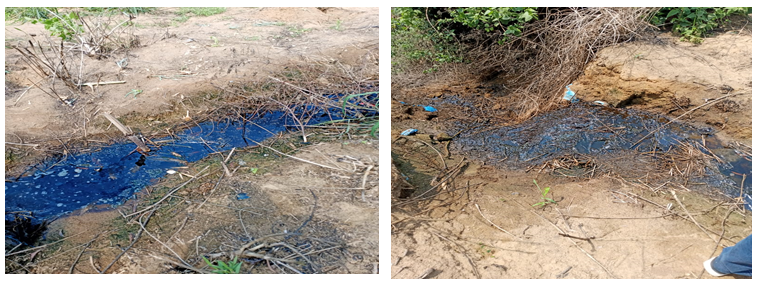
Photo 3: Leachate from the Mpasa landfill. Source: field survey, 2023.
Results
In this chapter we will present and interpret the in situ and laboratory results. Results of In-Situ Physico-Chemical Parameters Table 1
| Parameters | Temperature | PH | Conductivity (µcm) | Dissolved oxygen (mg) |
|---|---|---|---|---|
| Leachate 1 | 32,2 | 8,15 | 495 | 1,03 |
| Standards | 30 | 6,5 à 11 | 200 – 300 | <3 |
Table 1: In situ parameter of Leachate.
Source: Field survey, 2023. Table 1: In situ parameter of Leachate.
Temperature
As for the temperature of 32.2°C, it slightly exceeds that set by the standards (30°C). This suggests that these leachates are excessively polluted. The value found is favorable to the development of mesophilic bacteria whose optimal temperature is between 20°C and 40°C. A high temperature is favorable to the reactions of hydrolysis, oxidation and remineralization of waste [3] Figure 1.
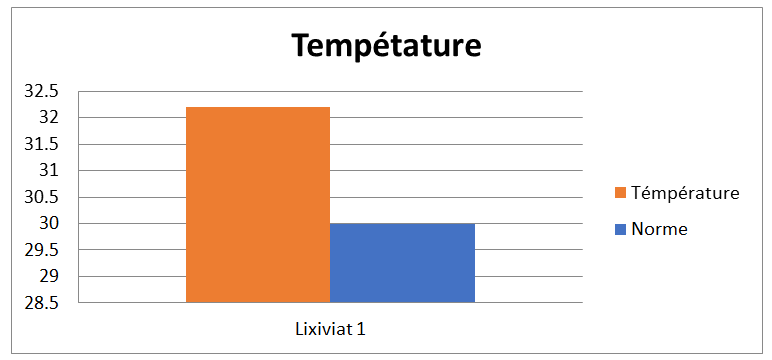
Source: Data from Table 3.1. Figure 1: Leachate temperature.
Hydrogen potential
The PH value of 8.15 exceeds neutrality, which characterizes a stabilized leachate and indicates intense evaporation. This may be linked to low levels of volatile compounds. Indeed, it is the volatile compound formed during the first phase of anaerobic decomposition of waste that make the environment acidic at PH values below 4. [4] Figure 2.
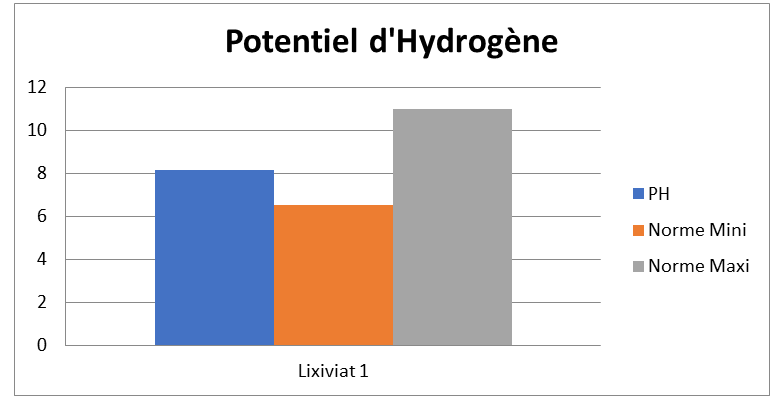
Figure 2: Leachate pH. Source: data from Table 3.1.
Electrical Conductivity
The high conductivity value 495 characterizes a loaded leachate. This may be linked to the advanced age of the Mpasa landfill (created since 2010). This advanced age is determined by a high conductivity, coupled with the alkaline pH of the leachates [5] Figure 3.
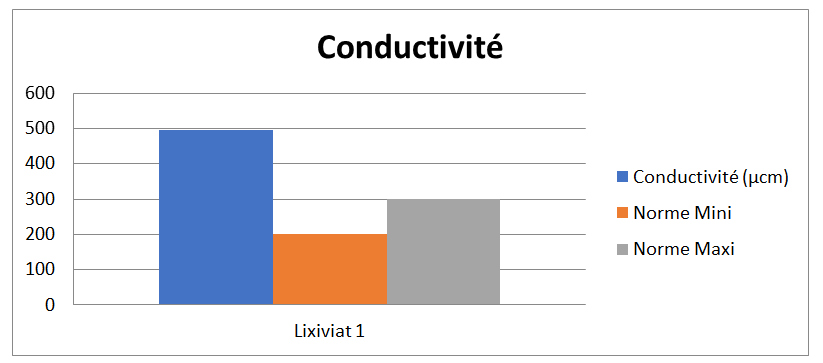
Figure 3: Leachate conductivity. Source: data from Table 3.1.
Dissolved Oxygen
The low dissolved oxygen content (1.03 mg/L) shows that the anaerobic phase is predominant. Indeed, the organic molecules consume oxygen as they degrade, which reduces the amount of dissolved oxygen. These results are consistent with those obtained in Benin; water is considered polluted if it has a dissolved oxygen content of less than 3 mg/L.
It seems that dissolved oxygen decreases during the day and reaches a minimum between 11 a.m. and 6 p.m.
according to daily monitoring [5]. The presence of significant deviations at times may be due to the composition of the waste (because the Mpasa landfill has a multitude of waste); the duration of burial or the absence of a precise plan for burial.
Apart from the evolution, the composition of leachate from the Mpasa landfill obviously depends on the nature of the buried waste, the presence or absence of fermentable organic matter and climatic conditions combined with the method of operation of the site Figure 4 & Table 2.
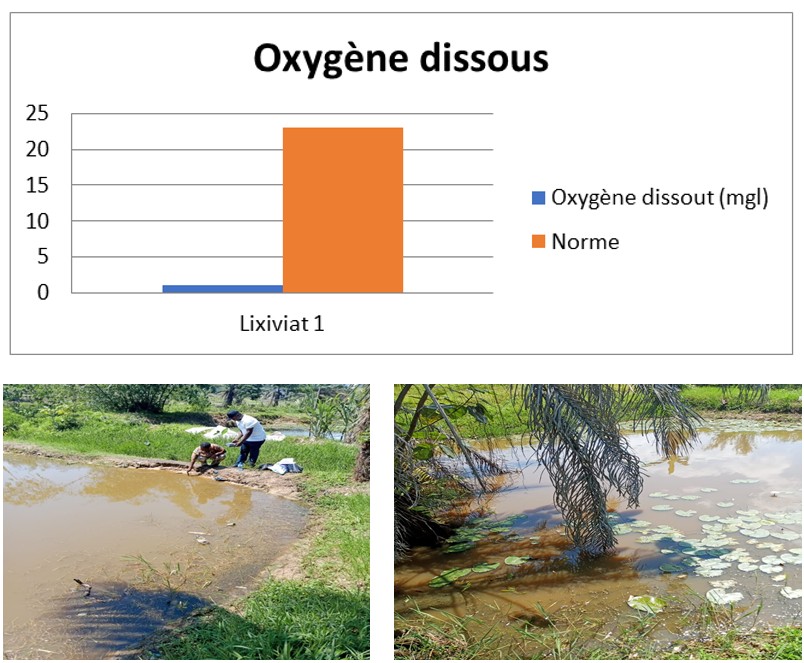
Source: data from Table 3.1. Figure 4: Dissolved oxygen in leachate.
| Parameters | Temperature | PH | Conductivity (µcm) | Dissolved oxygen (mg) |
|---|---|---|---|---|
| Pond 1 | 34 | 8,25 | 390 | 6,8 |
| Standards | 25 | 6,5 – 8,5 | 200 – 800 | <7 |
Table 2: In-situ parameters of the pond.
Source: Field survey, 2023. Table 2: In-situ parameters of the pond.
This table shows that:
Source: Field survey, 2023. Photo 4: Pond in the Ndamaba district near the Mpasa landfill.
The temperature of 34°C is much higher than the standard (25°C) of pond water justifying the presence of pollution Figures 5 & 6;
Source: Data from Table 3.2. Figure 5: Pond temperature.
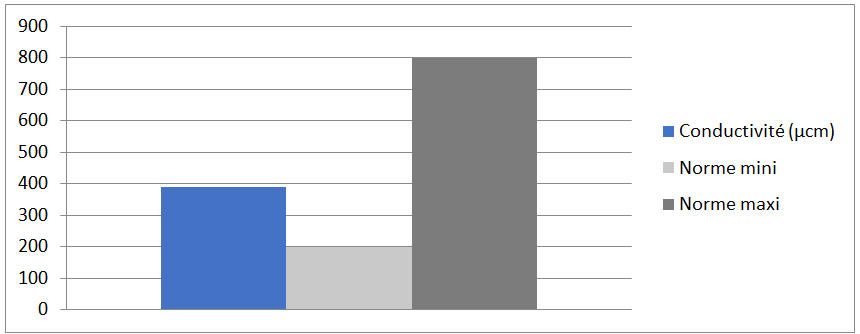
The conductivity of 390µscm-1 complies with the WHO standard;
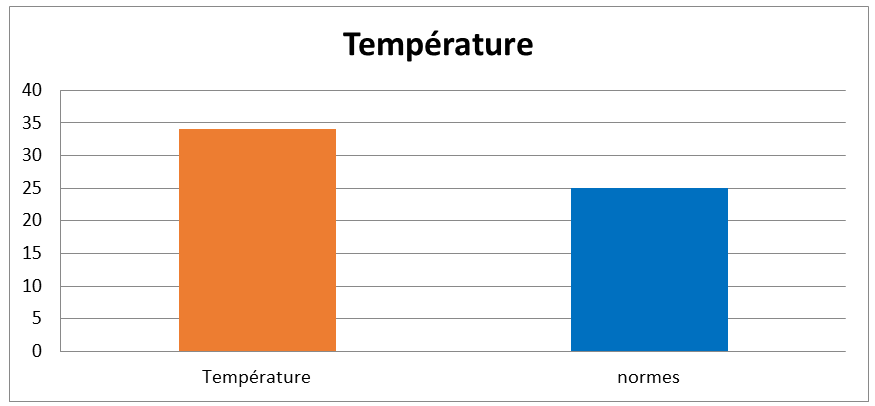
Source: data from Table 3.2. Figure 6: Conductivity of the pond.
The dissolved oxygen of 6.8 does not comply with the standard, demonstrating organic pollution due to the fact that leachate from the Mpasa landfill flows to the ponds downstream of the landfill. This situation is the basis for the disappearance of fish in these ponds Figure 7.
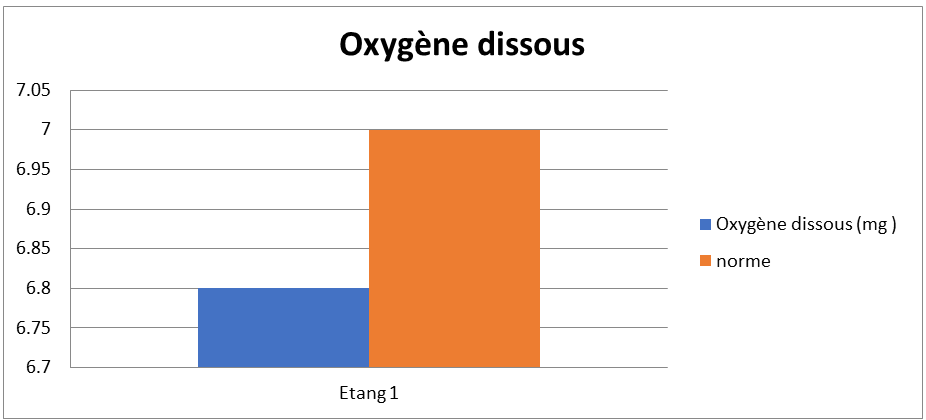
Source: Data from Table 3.2. Figure 7: Dissolved oxygen of the pond.
The PH of 8.25 indicates the neutrality of this water, justified by a large presence of leachate in this water. All these non-compliant parameters demonstrate the poor quality of the pond waters due to the fact that this pond is located just downstream of the Mpasa landfill Figure 8.
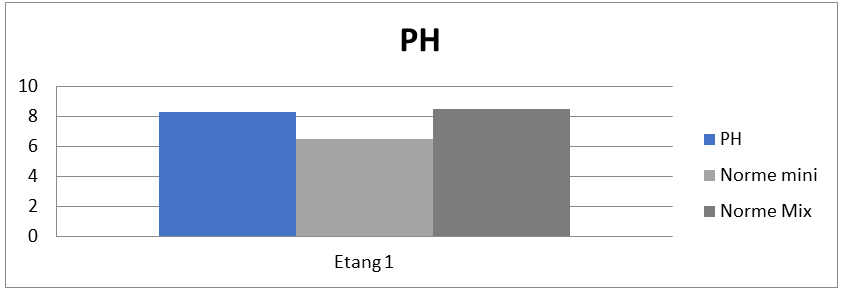
Source: Data from table 3.2. Figure 8: Pond pH.
Laboratory Leachate Results
| Parameter | Cl- (mg/L | SO -2 (mg/L) 4 | Ca+2 (mg/L) | Mg+2 (mg/L) | NO -2 (mg/L) 3 | PO -3 (mg/L) 4 |
|---|---|---|---|---|---|---|
| Values (mg/L) | 1580,6 | 10 | 150 | 131 | 82,3 | 3,27 |
| Standards | 600 | 400 | 50 | 50 | 50 | 0,1 |
Table 3: Laboratory leachate result.
Source: laboratory data. Table 3: Laboratory leachate result.
The chloride ion (Cl-) content of 1580.6 mg/L found in the Mpasa leachate far exceeds the EU potability standard of 250mg/L and the upper admissible limits (600 mg/L) set by the WHO. The chloride ion is a highly mobile element, which easily migrates to the underlying water tables. It is not affected by absorption or ion exchange phenomena. It does not intervene in acid-base or redox balances [4]. Thus, it is frequently used as a good conservative tracer that can highlight the impact of leachates on the physicochemical quality of groundwater Khattabi [6], the high chloride content follows the influence of conductivity. Sulfate ions (SO4 -2) are at a content of 10mg/L, this value meets the EU discharge standard (400mag/L). The sulfate present in landfill leachate comes mainly from the decomposition of organic matter, soluble waste (construction waste, ash, detergents) and inert waste (river sediments) [7]. The content of Calcium (Ca+2) and magnesium ions reflects what is called the hardness of water. The calcium ion contents Ca+2 150 mg/L far exceed the EU standard (50mg/L and that of magnesium (131 mg/L) is far higher than that of the standard. Our results are similar to those obtained in 2016 by TOClo et al for the city of Ouèsse-Ouidah in Benin. High cation contents in the leachates indicate a strong presence of mineral matter [8, 9, 10]. Nitrates constitute the final stage of nitrogen oxidation. The content of 82.3 mg/L is higher than the WHO standard which is 50 mg/L. A lack of sanitation would
Results of the Laboratory
be the basis of high rates recorded. This high nitrate content may be due to strong bacterial denitrification by mineralization of ammoniacal nitrogen into nitrates. Our results are in agreement with those obtained by Hicham [5].
Concerning phosphate (PO4 -3) the value of 3.27 mg/L is higher than the WHO standard (0.1 mg/L). The presence of phosphate is due to the nature of the ground crossed by these leachates, the decomposition of organic matter and industrial phosphate fertilizers Figure 9.
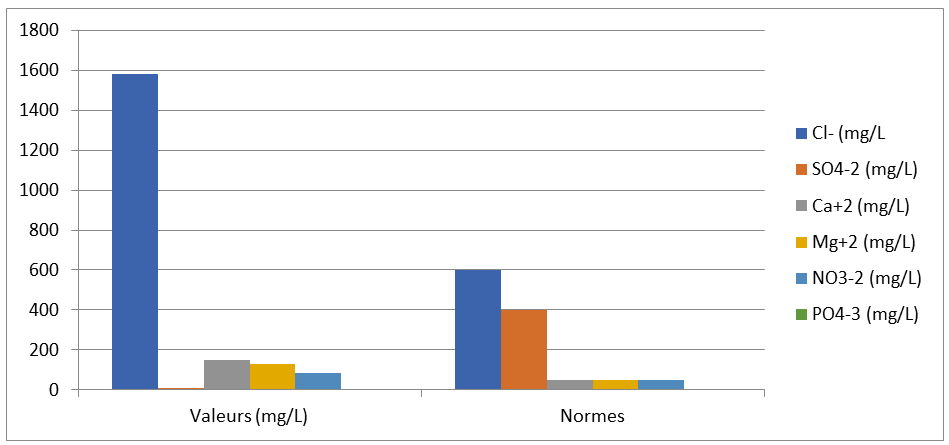
Source: Data from table 3.3. Figure 9: Leachate laboratory result.
| Parameter | Cl- (mg/L | SO -2 (mg/L) 4 | Ca+2 (mg/L) | Mg+2 (mg/L) | NO -2 (mg/L) 3 | PO -3 (mg/L) 4 |
|---|---|---|---|---|---|---|
| Values (mg/L) | 61,3 | 6 | 0,5 | 0,1 | 26 | 0,57 |
| Standards | 50 | 250 | 270 | 50 | 50 | 0,2 |
Table 4: Result of the pond in the laboratory.
Source: Laboratory data. Table 4: Result of the pond in the laboratory.
This table shows that: Chloride ions are higher 61.3 mg/L than the WHO 2016 standard (50 mg/L) its presence is not very harmful in water, it constitutes an important indicator of the arrival of urban tributaries by the presence of a discharge upstream; Concerning the Sulfate, the content found in our samples (6 mg/L) is in accordance with the WHO standard (250mg/L). Their presence in pond water is generally linked to the presence of gypsum in the soil. It is a natural compound that corresponds to the presence of sulfur in water; The Calcium content (0.5mg/L) found in the water of the Mpasa pond is in accordance with the WHO standard (270 mg/L) the presence of Calcium in the water indicates the presence of materials [8]; The Magnesium Mg+2 content (0.1mg/L) found is in accordance with the WHO standard (50 mg/L), the presence of magnesium reflects the hardness of the water [4]; The content of Nitrate NO3 -2 (26mg/L) is in accordance with the WHO and EU standard (50mg/L) this could be justified by the absence of major agricultural activities Along the ponds constituting our study environment; The content of Phosphates (PO4 -3) 3.27 mg/L is not in accordance with the WHO standard (0.1mg/L), its presence in the water comes from the decomposition of organic matter [11, 12, 13, 14, 15] Figure 10.
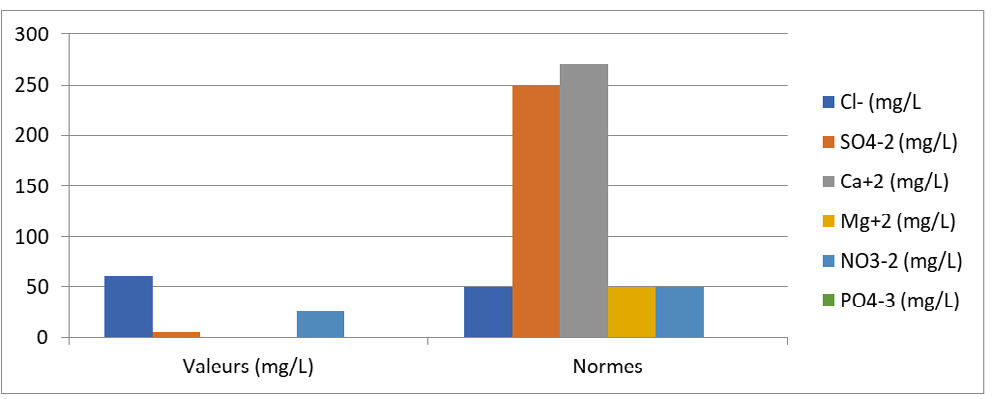
Source: Data from Table 3.4. Figure 10: Laboratory result of the pond
Partial Conclusion
In this chapter it was a question of presenting the results of in situ leachate and pond water and that of the leachate laboratory and that of the pond then interpreting them according to the standards governed by the WHO and EU [16].
Conclusion and Recommendation
This study focused on the impact of leachate from the Mpasa landfill in the surrounding waters. The objectives assigned to this study are to evaluate the impact of the technical landfill center at the end of this study it appears that the leachate generated by the Mpasa landfill is heavily loaded they fall into the category of leachate at the beginning of the stabilization phase confirmed by the value of its pH 8.15 these leachates are characterized by low conductivity and temperature [17].
Mineral pollution is represented by high values of Cl-, Caᶧ, Mgᶧ, No-2 3 and Po-3 4 ions.
These values do not correspond to the WHO standards of discharge, the leachates have a high pollutant load which constitutes a risk of contamination of the surrounding ponds, with the very high values of Ph (8.25) and temperature (34°C) of the fact that these ponds are located just downstream of the Mpasa discharge [18].
The results of the bibliographic research show that there is an increasingly extensive literature on the Mpasa discharge, but the analysis of leachate and surrounding waters are non-existent based on these constants, urgent measures including urban and municipal authorities to warn the population using the water and fish of these ponds, the risks associated with the use of these polluted waters [19].
The assumptions made at the beginning of this work have been verified and the assigned objective has been achieved.
This study constitutes a contribution to the analysis of leachate in developing countries, for the Democratic Republic of Congo. As a perspective for the future, future research will concern other analyses not carried out in this study, in particular: bacteriological analysis, heavy metals, organic pollutants, suspended matter, etc. In these senses, we recommend:
- Treatment of leachate before discharging it into nature.
- Ban on consuming fish from these ponds.
References
-
Holenu H (2012) The management of landfills in Kinshasa and the development of urban space. DEA dissertation.
-
Alexis N, Periyasamy S, Amandine L, Patience N, Jean- Paul O, et al. (2017) Seasonal variability of water quality by physicochemical indexes and traceable metal in suburban area in Kikwit City, Democratic Republic of the Congo. International soil and Water Conservation Research 5(2): 85-96.
-
Rock Moderam T, Pierre DY, Jacques K, Serge (2016) Correlation between the physico-chemical and micobiological results of leachates from sanitary landfill sites. internal journal of biological and chemical sciences 10(2): 875-883.
-
Amina C, Abdelkader Y, Jacky M, Mundrey, Alain V (2004) Impact on the environment of the municipal landfill of the city of el jedida in particular on the water table. Memory of DA in Morocco.
-
Hicham K (2002) Interest of the study of hydrological and hydrobiological parameters for understanding the leachate function of a household waste landfill. Doctoral thesis Belfort France pp: 127.
-
Khattabi A, Ahoussi E, Koffi KE, Massa YJ (2002) Assessment of the impact of leachate from a household waste landfill on the physico-chemical and bacteriological quality of water from a stream in France. Counted, waste sciences and technology 24: 1-4.
-
Shaher A (2016) Impact of metallic trace elements on the environment and contribution of flow cyrtometry in the study of the gunes operation of the Etulfont landfill (territory of Belfort, France)”, Thesis doctorate presented to the UFR of sciences and techniques for obtaining the degree of doctor from the University of France in ecotechnology pp: 340.
-
Kepembo ML, Amandine L, Mathieu K, Bokolo, Naomie M, et al. (2017) Evaluation of water quality from suburban shallow wells under tropical conditions according to the seasonal varial. Bumbu-Kinshasa, Democratic Republic of the Congo.
-
Batuli I (2013) Environmental impact study of public landfills in the central market of Kinshasa. Bachelor’s thesis at the National Pedagogical University.
-
Botuli Ingokoto Carine (2013) Environmental impact study of public landfills in the central market of Kinshasa.
-
Kambala M (2008) The development of household waste in industrialized countries: the case of China.
-
Kshitiz, Jinseok P, Peter K, Wilda H, Adam JE, et al. (2012) Control of stem cell fate and function by engineering physical microenvironments. Integrative biology 4(9): 1008-1008.
-
Masanga M (1994) Contribution to the knowledge of the management of solid domestic waste of food origin in the Lemba area.
-
Philippe T (2005) Practical guide on the management of household waste and technical landfill sites in southern countries.
-
Pinto R (2001) Tryponocdal activity og isolated naphthoquinones from tebebibua and some hecterocyclic derivatives a review from an interdisciplinary study. Journal of the braziliam chemical society 12(3): 325- 338.
-
Ra Hamza, Ot Lorhemen, Jh-Tay (2016) Membrane bioreactor technology for wastewater treatmen and reclamation.
-
Remy G, Bayard R, Araujo M, Ducom G, Achour F, Rouez M (2010) Assessment of the effectiveness of an industrial unit of mechanical-biological treatment of municipal solid waste. Journal Hazardous Materials 175(1-3): 23- 32.
-
Shangalusa Herve (2015) Contribution to the environmental study of Masai public landfills in the commune of N’sèle.
-
Shuker H, El Kayat F, Lkhaouat, Grifki O, Bensaid R (2016) Evaluation of the polluting discharge of leachate from the controlled landfill of the city of ESSAOUIRA in MOROCCO. International journal of innovation and applied studies 3: 863.
- Lessons to Learn: Trees are More than the Lungs of the World
- Community Forestry Enterprises as a Model for Sustainable Forest Development: The Case Of The "Baja Tarahumara" in Chihuahua, Mexico
- Ecological and Socio-Economic Impacts of Chromolaena odorata and Mesosphaerum suaveolens, Two Invasive Alien Species in Central and Southern Benin, West Africa
- Epigenetic Sustainability: Modeling the Human Factor as a Natural Resource through Science 4.0 and the NR3C1 Biological Pilot
- Growth-at-Risk: A Framework for Assessing Economic Vulnerability
- The Rural Territory as a Socioecological System for the Management of Public Policy for Sustainable Rural Development