
Comprehensive Review of Phytochemistry and Bioactivities of Citrullus Colocynthis (L.) Schrad
Citrullus colocynthis is a restorative plant which has been used in traditional medicinal systems. Extracts in different solvents are found to possess antibacterial, antifungal, antioxidant, analgesic, hypoglycemic, hypolipidemic, organooprotective, antialopecial and cytotoxic activities. Phytochemistry of the plant depicts that carbohydrates, tannins, proteins and separate amino acids, phenolic compounds, steroids, alkaloids, terpenoids, glycosides and cucurbitacins A, B, C, D, E, J, L are present in different extracts. Some studies reveal the toxic effects of dosage above a certain limit. Unripe fruit is abortifacient. Study of individual phytochemicals isolated from crude extracts has been conducted for compounds cucurbitacins E and I. Other phytochemicals may also possess bioactivity potential worth of therapeutic use as novel drugs.
Botanical Description
Classification of Citrullus Colocynthis (Table 1)
Citrullus colocynthis is a semi-arid plant and it is found in Arabian countries, along the coasts of Mediterranean and Caspian Sea, North African, Turkey, Cyprus, Iran, Afghanistan, India, Pakistan and Sri Lanka [1].
- Kingdom
- Plantae
- Plants
- Sub-Kingdom
- Viridiplanae
- Green Plants
- Infra-Kingdom
- Streptophyta
- Land Plants
- Super-Division
- Embryophyta
- Develop from Embryo
- Division
- Tracheophyta
- Vascular Plants
- Sub-Division
- Spermatophytina
- Seed Plants
- Class
- Magnolipsida
- Super-Order
- Rosanae
- Order
- Cucurbitales
- Family
- Cucurbitaceae
- Genus
- Citrullus (Schrad.
- Ex Eckl. & Zeyh.)
- Species
- Colocynthis (L.)
- Schrad.
Table 1: Citrullus Colocynthis Classification.
Cultivation
Citrullus colocynthis belongs to family Cucurbitaceae. It is a wild herb which is perennial and propagates through vegetative as well as generative means. It grows in sandy soils. Its growing season is summer season especially from April to October [1].
Morphology
Tendrils: Citrullus colocynthis is an annual herb which has tendrils with lobules [2].
Stem is branched and oblique [2]. Shoots are tender and flocculent [3]. Leaves are alternate, petioles are long, thick with slender lobes and acutely divided. There are 5-7 lobes and length of normal leaf is 5 to 10 cm. There are numerous hairs on surface so the appearance is rough and hairy. Shape of eaves is triangular and has many clefts [4, 5, 6]. Flowers are mendacious, monoecious i.e., both sexes are present on the same plant, 5 carpals and 5 petals are present, yellow petals and blossom on apex of axial braches. Female flowers have superior hairy ovary [4, 5]. Fruits are indehiscent berry, Spherical or ovoid, 5-7 cm in diameter with white, yellow and green stripes. A hard and thin rind is present around ripened fruit. Seeds are size ranges from 4-6 mm, smooth in texture, Oblong-compressed shape, arranged along parietal placenta. Seeds are blackish brown in colour when fruit is ripened [4, 5, 6]. Stems are soft, herbaceous, spiny and hairy. Spread over the soil surface, can climb on plants nearby through tendrils. Roots are large, perennial, Irregular, varied length, highly branched, bifurcate, delicate and persistent [4, 5, 6].
Synonyms of Citrullus Colocynthis
Citrullus pseudocolocynthis M. Roem. and Cucumis colocynthis L. (USDA)[7], Colocynthis vulgaris Schrad and Colocynthis officinalis Schrad (The Plant List).
Introduction
Citrullus colosynthis (L.) Schrad, is a restorative plant with numerous medicinal uses. Its English name is colocynth but instantly it is also named as bitter gourd [8] bitter apple as well as bitter cucumber [9]. Urdu name of this plant is Tummba, Arabic name is Hanzal and in Sanskrit it is called Atmaraksha [10]. In German it is called Koloquinthe and in French it is named as coloquintein [9]. It is known as Tumma in Pakistan and India [11].
Citrullus colosynthis belongs to family Cucurbitaceae which is highly diverse family of plant kingdom. Plants of this family can be used as food or fodder [12]. Members of this genus are salt tolerant and can withstand high temperatures [13]. Citrullus colosynthis is a perennial plant with straggling herbaceous stems [14]. It can withstand drought and high temperature [15]. It is usually found in sandy soils [16]. It is found in Asia including India, Pakistan, Kuwait, Saudi Arabia, Jordan, Iran, Iraq, Turkey, Afghanistan, Yemen and Sri Lanka; most of the African tropical countries and some countries of Mediterranean region [17]. It is present in northern African countries including Morocco, Egypt, Libya, Algeria and Tunisia. In East tropical Africa it is found in Kenya and in west tropical Africa it is found in Mali. It is also present in Ethopia, Somalia and Chad. In Pakistan it is found in Punjab, Sindh and some western sandy areas of Khyber Pakhtun Khawa (KPK) [18].
Nowadays allopathy is sharply moving towards natural products mainly from plant source [19]. There are several systems of medication which are using plant oriented medicines since ancient times. These medication systems include Ayurveda, Siddha, Homeopathy, Traditional Iranian Medicines (TIM), Traditional Chinese Medicines (TCM) and Naturopathy [20]. Recently scientists have found therapeutically useful compounds in some wild and ornamental plants [21]. Cucurbits are well known for their therapeutically uses; hence China and India are leading in the production of cucurbit plants [12]. According to Australian Crop Sciences recently the researcher are more interested to explore bioactive compounds of cucurbits especially colocynth [22]. Citrullus colosynthis (L.) Schrad is well known plant which has been used for treating several diseases traditionally. Some other medicinal plants used in traditional medicinal practices include Solanum nigrum, Allium cepa, Momordica charantia, Nigella sativa, Ocimum sanctum and many others. Cictrullus colosynthis is also reported in almost all types of traditional medicinal systems [23]. Fruits of Citrullus colosynthis were used as antidiabetic, insecticide and purgative in traditional medication [24].
As per reports of World Health Organization (WHO) not less than 70% population uses herbal ingredients to cure basic healthcare problems [25]. It is more common in countries where people are unable to bear western medicines or fees of physicians [26]. Traditional medicinal plants have numerous bioactive chemical constituents [27] which are able to cure a large number of ailments [28].
Phytochemical Constituents
Numerous studies have been conducted for phytochemical analysis of Citrullus colocynthis. Alkaloids, Flavonoids, Terpenoids, Fatty acids, Essential oils and Glycosides are reported in aqueous extracts of fruit [29]. Phytochemical studies showed carbohydrates, tannins, proteins and separate amino acids, phenolic compounds, steroids, alkaloids, terpenoids, glycosides and cucurbitacins A, B, C, D, E, J, L are present in plant extracts [30, 31, 32, 33, 34, 35, 36].
Phenolics, Flavonoids and Glycosides
Quantitative research of phenolics indicates there are 3 mg/g of dried fruit powder, Flavonoids account for 0.51 mg/g [37]. Quercetin is found in fruit extracts [38]. Flavonoidal glycosidic compound were also isolated including isosaponarin, isovitexin and isoorientin [39]. Polyphenolic compounds and flavonoids extracted from fruit extracts showed antioxidant activity [40]. Quercetin and Myricetin are found in seed extracts [41].
Fatty Acids
Quantitative studies have indicated presence of few saturated fatty acids including palmitic acid and stearic acid [42] which account for approximately 25% of seed extracts [43]. Monounsaturated fatty acids present in seed extracts are oleic acid, linolenic acid and linoleic acid [44]. Gallic acid, linolenic acid, linoleic acid and other unsaturated fatty acids are present in seed extracts [43, 45, 46, 47]. Concentration of fatty acids found in Citrullus colocynthis is comparable to other vegetable oils. Hence its oil can be used for cooking purposes [48].
Tocopherols
Studies have shown the presence of several natural antioxidants in seed oil of Citrullus colocynthis. The α-tocopherol, β-carotene and γ-tocopherols are found in seed oils. Quantitative study of tocopherols showed that α-tocopherol 45 mg/kg and γ-tocopherols are 435 mg/kg of dried weight [49].
Alkaloids
Alkaloids are found in extracts of Citrullus colocynthis [33, 40, 50]. No research has been carried out for the Isolation of individual alkaloids and till date no identification has been done [51].
Volatile Compounds
Varieties of volatile compounds have been found in extracts of Citrullus colocynthis. Studies have shown the presence of 17 different types of volatile compounds in fruit extracts. Hydrocarbons present on the surface of fruit tridecane and tetradecane are found in lesser quantities whereas pentadecane and hexadecanes are found abundantly [16]. Volatile alcohols include 4-(1-methyl)-ethoxy-1- butanol, 5-methoxy-2-methyl-1,2-pentanol, 1-cyclopentyl- 2-propene-1-ol and cis as well as trans isomers of 2-furanomethanol-tetrahydro-5-methyl [52]. Volatile ketone include 3,4-dimethyl-2-hexa-none, 2-methy-1,2-heptanone [52].
Food Properties
Nutritional data collected by United States, Department of Agriculture USDA indicates that Citrullus colocynthis seeds have potential to be used as food purposes and its oil can be consumed as other vegetable oils. Fruit is used to feed animals and cooked for human [42].
Nutritional Values
Although Citrullus colocynthis is well known herb for its medicinal as well as food purposes but its nutritional values have not yet been evaluated significantly. Moisture contents and concentrations of fat, ash and proteins of seeds and fruits prove this plant is nutritionally very important. Seed composition is 50% essential oils, 30 % proteins, 10% carbohydrates and almost 3% are fibres. Mature fruits have much higher concentration of moisture. More than 90% of mature fruit content is moisture.
Edible Oil
Seeds are potential source of edible oil. Oil yield of Citrullus colocynthis is slightly higher than that of safflower, cotton, soybean and sunflower [53]. Seeds yield considerable amount of oils. Oil yield was 26.6g/100g from whole seeds; its colour was dark yellow, very mild odor and bitter in taste [44]. Seed kernel yielded more than 55% of oil, 56.5h/100g seed kernel [42]. In India seeds yielded more than 36% oil [54].
Proteins
There are 13% proteins in seed extracts and higher concentrations are seen in fruits [42]. Proteins and amino acid profiles of seeds and fruits are comparable to cotton, maize and sunflower but lower than soybean.
Amino Acids
Arginine, Tryptophan and Methionine are found abundantly in extracts of seed and fruits whereas Lysine, alanine, serine, gultamic acid, glycine and leucine are also found. Arginine and gultamic acid are found 19.8g/100g and 15.9g/100g respectively [44]. Due to presence of adequate amount of amino acids extracts of Citrullus colocynthis are potent for the formulation of modern food products.
Minerals
Minerals and vitamins are important for normal growth
and body functioning. Calcium, Potassium, magnesium, phosphorus, sulfur, zinc and iron are found in seed and fruits extract [12]. Niacin and calcium are found in fruit extracts of Citrullus colocynthis these nutrients are good substitute for persons facing scarcity of milk. Calcium, Magnesium, Potassium, Sodium and Phosphorus are minerals found in fermented and unfermented seeds in varying percentages [55].
Cucurbitacins
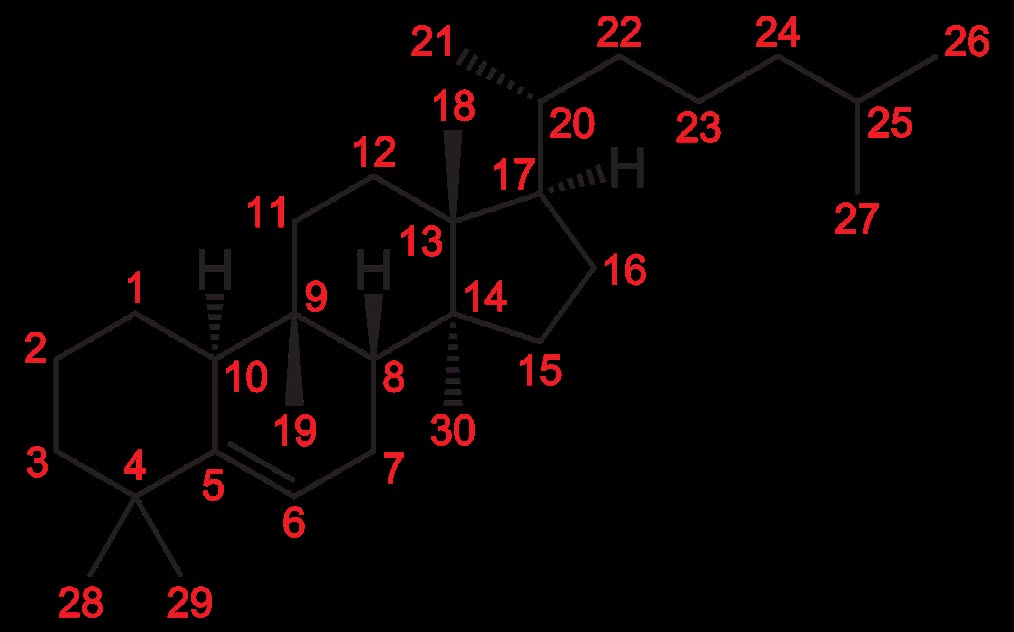
Colocynthins and a large variety of cucurbitacins are major components of fruit extracts [29, 56]. Cucurbitacins (Figure 1) are bitter tasting chemical compounds which are derived from cucurbitane-parent compound. These compounds are highly oxygenated, triterpenic chemical compounds having tetracyclic nature. Cucurbitacins are not considered steroidal compounds due to shifting of – CH3 group from C10 to C9. Cucurbitacins are usually found in all members of cucurbitaceae family [57]. On the basis of chemical structure there are 12 types of cucurbitacins [47], among which 9 (Cucurbitacin A, B, C, D, E, I, J, K, L) are reported in Citrullus colocynthis [10, 11, 17, 58]. Out of 9 cucurbitacins found in fruit extracts Cucurbitacin E is most abundant [58]. Colocynthoside A and B are found in fruit pulp [51]. Due to cucurbitacin E antioxidant activity is seen in fruit extracts. Cucurbitacin A (2-O-β-D-glucopyranosyl), Cucurbitacin B (2-O-β-D-glucopyranosyl), Cucurbitacin C (2-O-β-D-glucopyranosyl) and Cucurbitacin D (2-O-β-D- glucopyranosyl) are reported in fruit pulp [58]. Cucurbitacin E (2-O-β-D-glucopyranosyl) is reported from fruit extracts [17, 59]. Cucurbitacin I (2-O-β-D-glucopyranosyl) and cucurbitacin L (2-O-β-D-glucopyranosyl) were isolated and identified from methanolic fruit extracts and tested for human breast cancer inhibitory activity [51]. Cucurbitacin J (2-O-β-D-glucopyranosyl) and Cucurbitacin K are reported in fruit extracts [59].
Colocynthosides
Colocynthoside A and colocynthoside B are found in methanolic fruit extracts of Citrullus colocynthis.
Traditional Uses
Every human being utilizes plants for its food and medicine and every plant has medicinal uses. A plant with numerous uses and higher levels of consumption in medicine is called restorative plant [3]. Ayurveda, Siddha and TCM depict that Citrullus colocynthis is a restorative plant. Traditionally Citrullus colocynthis was used for treatment of constipation, diabetes, arthritis, belly pain, chest infections and several other disorders [2]. In Indo-Pak it was used to treat digestive tract disorders, wound healing, influenza and tooth aches [60]. In subcontinent dried fruit powder is used for gastro-intestinal disorder, microbial infections and heart burns [61, 62]. It is most widely used anti-inflammatory medicine in folk medicines of United Arab Emirates [63].
Fruits are bitter in taste and used to cure tumors, asthama, urinary tract disorders and jaundice. Rind of fruits is effective in treatment of bronchitis, arthritis, tuberculosis and constipation [11]. Fruits are used as abortifacient; rind is used as a paste to cure boils [14]. Its fruits are reported to be effective against asthama and leprosy [64]. Paste of fruit rind is a remedy for body ache especially joint pains [65]. Its fruits are used to cure common colds and pneumonia [8] gastritis, enteritis and dysentery [52]. Fruits are useful to reduce chances of bowels and vomiting [66, 67]. Fruit and seeds are widely used to treat renal impairments [68], high blood pressure, skin problems and several kinds of allergic reactions [69]. Fruits are reported to be used for dermatitis, rheumatic pains and sore throat in Kingdom of Saudi Arabia [4]. Fruits are good remedy for inflammation of liver and spleen; jaundice [60]. Pulp of fruit is potent phlegmatic purgative [70]. Knee pain is relieved by pasting decoction of fruits [71]. Fruit pulp is useful to cure gouts, arthritis and sciatica [72]. Anemia, paralysis and colic can be cured by fruit decoction [73].
Seeds are useful to treat ulcer and enlarged spleen. Seed oil is used to cure dermatitis and hair blackening. Snake bites and epilepsy is cure by seed oil or past [48, 74]. Seed paste is helpful for pimples and rashes [59]. Seed oil is used to treat cancer, mastitis and bronchitis [3]. Seeds are antidiabetic and seed oil is widely used to cure diabetes [75, 76, 77]. Extracts of seeds are useful to relief hypertension [78, 79, 80]. Seed oil is used for purifying blood and treatment of pimples [81].
Roots are used to treat chest infections, asthama, pneumonia and cough. Extracts of roots are potent to treat breast inflammations in animals and human [30]. For the treatment of enlarged abdomen and gastric disorders in children, root paste is used [15]. Paste of whole plants is used to cure rheumatic arthritis and as a hepatoprotective ailment [65]. Leaves extracts are used to treat hepatitis and respiratory tract infections [59]. Constipation is treated with seed oils in Israel [48].
Ethnopharmacological Activities
Research has shown Citrullus colocynthis is a restorative plant, it is useful for the treatment of a large variety of disorders and diseases. It is reported to be useful against constipation, dysentery, heart burn, enteritis, gastritis, indigestion, arthritis, cancer, body aches, respiratory tract disorders, asthma, jaundice, bronchitis, common cold, sore throat, colic pains, leprosy, and diabetes and cough [11]. It shows a wide range of bioactivities including antimicrobial, antioxidant, cytotoxic activity, antidiabetic, antilipidemic, and analgesic, anti-inflammatory, insecticidal and hepatoprotective [11].
Antidiabetic Activity
Streptozotocin induced diabetic rats were given crude extracts of fruits for 8 weeks in experimental group and their β-cells of pancrease were examined along with blood sugar levels. It was noticed that fruit extracts reduced blood glucose levels and there was no effect on pancreatic cells [43]. Alloxan induced diabetic rats were given seed extracts of Citrullus colocynthis and insulin level in blood was monitored for 4 weeks. Study revealed that seed extracts enhance insulin production in diabetic rats [75]. Root extracts were used to study hypoglycemic effects in rabbits with alloxan- induced diabetics. Blood sugar level was reduced by 58.7% by aqueous root extracts [82]. Fruit extracts were used to study insulinotropic effects in rabbits. Study was done to measure the release of glucose-stimulated insulin from pancreas. Study showed extracts are insulinotropic [41]. Extracts of leaves in ethanol were studied for antidiabetic activity and it was found that blood glucose levels were significantly decreased. Liver hexokinases, fructose-1,6- biphosphatase and glucose-6-phosphatase were studied and it was noticed that leaf extracts decrease blood glucose levels and increase the activity of liver by promoting production of hexokinases [16]. Ethanolic extracts were administered in doses of 50 mg/kg to 100 mg/kg in diabetic albino rats for 28 days. Results showed ethanolic extracts significantly reduce blood glucose level in diabetic rat after regular medication of 28 days [83]. Antidiabetic activity of fruit extracts in ethanol was examined by measuring Thio-Barbituric Acid Reactive Substances (TBARS) in blood of diabetic rats. Ethanolic fruit extracts showed more decreased levels of TBARS in blood as compared to standard Glibenclamide at the dose of 0.5 mg/ kg [84]. Fruit extracts were administered to type II diabetic patients and fasting blood glucose levels were recorded. Treatment was given for 2 months regularly and fasting blood glucose levels were monitored. Data showed 22% to 86% reduction in blood glucose levels [76]. Gradual decrease in blood glucose level was seen by administering petroleum extracts of fruits in diabetic rats [84]. Significant decrease in blood cholesterol and sugar levels was seen at dose of 300 g/ kg [85]. Aquous extracts of fruits were administered at 300 g/kg and blood glucose level decreased from 132 mg to 93 mg/100 ml. Different phytoconstituents showed decreased levels of blood glucose; Alkaloids decreased glucose level to 120 mg/100 ml, glycosides 89 mg/100 ml, saponins 84 mg/100 ml [86]. Streptozotocin induced diabetic rats showed decreased blood glucose levels by administration of aqueous fruit extracts. Aqueous fruit extracts also showed significant decrease in ALT and AST [87].
Antilipidemic Activity
Seed powder was orally administered to non-diabetic patients and considerably decreased blood cholesterol and triglyceride levels [78]. Aqueous extracts of fruits were given to experimental rabbits and 75% reduction in blood cholesterol was noted [88]. Fruit extracts given to diabetic patients, showed decreased levels of triglycerides and High Density Lipids (HDL) [50]. Albino rats were given ethanolic extracts for 2 weeks. It was noticed that weight was lost gradually. Feces contained more amount of lipid as compared to control group which were given sunflower oil. Fasting blood lipid profile was done to monitor lipid levels. After 2 weeks of administration significant decrease was noticed in LDL and HDL too [8].
Antimicrobial Activity
Broth macrodilution and disc diffusion assay were used to check antimicrobial activity of fruit extracts in hydroalcohol. Antifungal activities were checked against aspergillus species including Aspergillus niger and A. fumigates. Anti –candidal activities were checked for Candida krusei and C. guilliermondii. Minimum Inhibitory concentration was measured to be 3.125, 25, 1.56 and 12.5 mg/ml against Aspergillus niger, A. fumigates, Candida krusei and C. guilliermondii respectively [89]. Ethanolic and aqueous extracts of whole plant showed marked inhibition against Staphylococcus aureus [33]. Ethanolic fruit extracts were studied for inhibitory effect against Staphylococcus aureus, Klebsiella pneumonia and Bacillus aureus and zone of inhibition was measured 18mm, 15mm and 18mm respectively [51]. Fruit pulp extracts in ethanol showed minimum inhibitory concentration of 31.25 µg/ml against 16 strains of Mycobacterium tuberculosis [90]. Fruit extracts were prepared in ethanol, petroleum ether, acetone, distilled water and methanol. These extracts showed antibacterial activity against Salmonella typhi, Escherichia cili, Shigella shigellae, Staohylococcus aureus and Candida albicans. Highest zone of inhibition was measured against Escherichia coli by acetone, methanolic and ethanolic extracts. Least zone of inhibition was studied that of petroleum ether [31]. Leave extracts in chloroform and acetone were studied for antibacterial activity against E. coli and S. aureus. Both the extracts showed no significant zones of inhibition [91]. Extracts of fruit were studied for their antimicrobial activity by agar well diffusion assay against Staphylococcus aureus, Escherichia coli, Streptococcus sp., Bacillus subtilis and Klipsella sp. Fruit extracts showed comparable zone of inhibition against Streptococcus sp. Minimum inhibitory concentration was found to be 600 µg/ml against Staphylococcus aureus [92]. Aqueous extract of roots were evaluated for antibacterial activity against Staphylococcus epidermidis, Klebiella pneumonia, Neisseria gonorrheae, Escherichia coli, Staphylococcus aureus and Pseudomonas aeruginosa. Extracts showed upto 75% diminution in cytopathic effect. Antifungal activity of aqueous extracts was studied against Geotricum candidum, Candida albicans, Aspergillus fumigatus and Trichophyton mentagrophytes. Extracts showed zones of inhibition ranging from 15 mm to 25.2 mm [93]. Minimum inhibitory concentration (MIC) was recorded 0.10 mg/ml against Candida albicans and Candida glabrata. MIC was recorded 0.20 mg/ml against Pseudomonas aeruginosa and Escherichia coli [56].
Anti-Inflammatory Activity
Carrageenan induced paw-edema and acetic acid writhing tests were performed to study analgesic effects of different extracts. Fruit and leaves extract showed significant analgesic and anti-inflammatory activities by reducing TNF-α and IL-6 in fats of rats [94].
Extracts of different parts in distilled water showed weight loss in albino rats; hence it is estimated that cytokines for excessive lipids may be reduced by aqueous extracts of Citrullus colocynthis [95]. Ethanolic root extracts were studied for anti-inflammatory activity against cytokine INOS, TNF-α, COX-2 and PGE2 in chondrocytes in patients with osteoarthritis. Ethanolic extracts of roots at dose of 20 ng/ml were applied to macrophages (monocytes). Results reveal extracts can reduce proliferation of inflammatory substances in chondrocytes [96]. Aqueous extracts of fruit was administered to rabbits with carrageenan induced paw edema. These extracts showed 97% decrease in inflammation [68]. Ointment prepared from fruits in ethanol was used thrice a day to rats with paw edema and it showed 45% reduction in inflammation [97]. Fruit extracts in methanol were subjected to check anti-inflammatory activity against carrageenan induced paw edema, serotonin induced edema and prostaglandin E1-induced paw edema in albino rats. Extracts showed anti-inflammatory activity against all types of edema but the most significant results were seen against prostaglandin E1-induced paw edema [98]. Leaves extracts were used to isolate cucurbitacin B and E. Dose of cucurbitacins B and E in ratio of 1:1 was studied for antiproliferative effects against human breast cancer cell lines (MCF-7, ER+ and ER-MDA-MB-231). It was noted that an essential protein complex (cyclin B1 complex), required for cell proliferation/mitosis was absent. Hence cells were in G2/M Phase which was not dividing [99].
Antioxidant Activity
Aqueous extracts of fruit were given to diabetic rabbits and lipid peroxidation levels were used as makers. Fruit extracts showed significant radical scavenging activity [85]. Methanolic extracts showed 89.5% reduction in production of ascorbic acid [10]. Radical scavenging activity of aqueous extracts was measure to be 86% against ascorbic acid [10]. Seed extracts in distilled water were administered, the dose was 0.021 mg/ml, and it showed significant free radical scavenging [68]. Fruit extracts in ethanol were used to study inhibition of linoleic acid peroxidation and showed 76.5% reduction in free radicals [37]. Crude seed extracts were prepared in different solvents and subjected to DPPH assay to check free radical scavenging activity. Dosage was adjusted at 2000 µg/ml. Ethyl acetate extracts showed highest inhibition (88%) while methanolic and aqueous extracts showed 74.5% and 66.2% inhibition respectively [14]. Methanolic seed extracts were studied for antioxidant activity against H2O2 at 300µg/ml and showed 79.4% inhibition in reactive oxygen species [100]. Dose dependent results of free radical scavenging were seen in in-vitro antioxidant studies by ethanolic seed extracts. The dose of 800µg/ml showed 62% inhibition whereas dose of 600µg/ml showed 56% inhibition of DPPH radicals [30].
Organo-protective Activity
Anticonvulsant activity was measured in pentylene- tetrazole induced convulsions in mice. Fruit pulp extracts in hydroalcohol were given at dose of 25 to 50 mg/kg/day and treatment continued for 20 days. It was seen that significant decrease in aminobutyric acid occurred in cerebral cortex. The anticonvulsant effect was noted to be dose dependent [101]. Methanolic extracts of seeds were studied for antiulcerogenic activity in Wister albino rats with pyloric ligation induced ulcer. It was seen that acidity of stomach was reduced upto 62%. At the dose of 200 mg/mg free acids and gastric volume was also significantly reduced [100]. Methanolic fruit extracts were studied for hepatoprotective activity in nitosodiethylamine induced hepatitis rats. Infected
rats showed elevated levels of LDL, HDL, Free Fatty Acids (FTA) and triglycerides. Fruit extracts were administered at dose of 200 mg/kg and showed significant decrease in LDL and triglycerides [30]. Fruit extracts were studied for organoprotective effects in diabetic rats. Urea, Creatinine and serum albumins were studied to check functions of kidneys. Fruit extracts were administered at the dose of 50 mg/kg/ day for 20 days. Examination showed upto 56% decrease in serum albumin and creatinine secretions and urea was deceased upto 81% [102]. Seed extracts were studied for nephroprotective activity in gentamicin induced illness in rats. Experimental group was administered seed extracts in dose of 80 mg/kg. Results depicted that seed extracts decrease serum albumin, creatinine, blood glucose and blood urea as compared to control group animals [103].
Cytotoxic Activity
Ethanolic fruit extracts were studied for their cytotoxic effects against Hep2 and L929 cancer cell lines in Wistar rats. Dose of extracts was adjusted from 100 to 250 mg/ kg/day. Significant reduction in proliferation of Hep2 and L929 was noticed in dose dependent manner [104]. Leaves extracts and nanoparticles were evaluated for cytotoxic effects. Study revealed that combination of nanoparticles and leaves extracts are not as potent cytotoxic as alone nanoparticles or leaves extracts [3, 64]. Alkalois from fruit extracts demonstrated significant cytotoxic activity against human breast cancer cell lines (MCF-7, HepG-2) and Artemia salina naupli [40]. Diabetic rats were administered crude extracts and liver cells were studied by microscopy to check damages. It was seen that rats administered with crude extracts had damaged hepatocytes but this damage was not greater than those with no treatment [105]. Cytotoxic effects of leaves extracts were studied against 5 cancer cell line viz. HT29, N2A, H56, MCF7 and VCREMS using MTT assay. The dose of extracts administered was 500µg/ml. It was noted that extracts showed 91.84% prohibition against MCF7 and 85.58% prohibition against HT29 cell lines [106]. Leaves extracts were studied against human breast cancer ER-MDA- MB-231 and MCF7 cell lines. Study of cell cycle showed that extracts have pleiotropic effects and can cause apoptosis [107].
Antiparasitic Activity
Leishmania denovani strains (MHOM/IQ-982-BRCI) were used to study antiparasitic effects of fruit extracts. After infection of 2 weeks liver and spleen became swollen. Ethanolic fruit extracts were given at dose of 20 to 100 mg/ kg and significant reduction in liver and spleen inflammation as well as 80% mortality of parasites was recorded. Histopathological data showed no proliferation of parasite or macrophages and normal histology of liver cells [108].
Insecticidal Activity
Ethanolic and petroleum ether extracts of leaves were used to study larvicidal activity against Aedes aegypti and Culex quinquefasciatus. Extracts were implied to larvae for 24 hours at 250 µg/ml and showed insecticidal activity against Aedes aegypti (LC50=74.57 ppm) and highest insecticidal activity was against Culex quinquefasciatus (LC50=88.24 ppm). Petroleum ether extracts showed more larvicidal activity as compared to ethanolic extracts [109]. Insecticidal activity of Citrullus colocyntis fruit extracts in n-hexane, methylene, chloroform and ethanol against Aphis craccivora was tested using concentrations of 23065, 19497, 17328 and 11003 ppm respectively. All extracts showed insecticidal activity but ethanolic extracts showed highest insecticidal activity [59]. Fruit extracts were evaluated to inhibit Androctonus australis hector venom (Aah). It was noted that scorpion bite can be cured with fruit extracts [110].
Antialopecial Activity
Fruit extracts in petroleum ether were examined for antialopecial activity against androgen-induced alopecia in albino rats. Study of follicular density, skin sections and anagen to telogen (A/T) ratio showed significant antialopecial activity. Extracts showed greater number of hair follicles in anagenic phase as compared to finastride standard solution [111]. Hair growth promotion was studied in albino rats using ethanolic extracts of fruits. Hair growth ratio and rates were significantly greater than the standard drug Minoxidil 2%. More than 70% follicles were recorder in experimental group while treating with ethanolic extracts and standard drug showed 67% hair follicles in anagenic phase [95].
Side Effects (Toxicity)
Fruit extracts in ethanol were studied for side effects and it was seen that ethanolic extracts showed teratogenic effect while used in early stage of pregnancy in albino rats. It also showed weight loss and small sized fetus [34]. To check toxicity of crude extracts 100 and 200 mg/kg/day extracts of fruit pulp and seeds were used. Rabbits were used as model organisms and extracts were administered for one month. Histopathology was done after treatment for one month. It was seen that dose of 200 mg/kg day induced severe lesions in liver and kidneys. It was also noted that seed extracts are not lethal as those rabbits which were treated with 100 mg/kg/day seed extracts showed little or no side effects; whereas fruit pulp extracts were damaging at 200 mg/kg/ day and lesions were seen in intestines, liver and kidneys [112]. Grinded fruit powder was administered to sheep for 42 days at the dose of 0.25 g/kg/day. All animals survived and show no apparent symptoms of toxicity. However slight diarrhea and catarrhal enteritis was noticed. Histopathology
shoed kidneys and liver cells were somewhat damaged [58]. Crude ethanolic extracts were studied for antifertility effects in male albino rats. Extracts were administered for 20, 40 and 60 days in different groups at the dose of 100 mg/kg/ day. Groups were allowed to recover for 60 days after the treatment with crude ethanolic extracts. It was noticed that testis size and weight was significantly reduced as well as epididymis and prostrate glands were also shrinked. Sperm motility was greatly reduced; number of sperms was also reduced. Testosterones were recorded circulating in blood and testicular cholesterol levels were also elevated [113]. Ethanolic extracts were administered to female rats to check antifertility effects. Dose was adjusted to 400 mg/kg/day and 3 different experimental groups were formed. Extracts were administered for 4, 8 and 12 weeks. After administration of extracts for specified period of time female rats were crossed with male rats and after 10 days autopsied to check pregnancy, fetus size and weight, morphology and anatomy of female reproductive organs. It was noticed that exposure for 4 weeks have lesser effects whereas 12 weeks exposure caused significant decrease in number of pregnancies, if pregnancy occurred then fetus size was greatly reduced. Number of viable fetus was decreased in group with 12 weeks exposure. Ovarian weight was also reduced significantly [114].
Bioactivities of Cucurbitacin
Cucurbitacins were used to test radical scavenging activity using ABTS assay. They showed significant radial scavenging activity [99]. Cucurbitacins B and E were added in 1:1 and tested for cytotoxic activity against human breast cancer cell lines. Combination of these 2 cucurbitacins showed comparable results [39]. Cucurbitacin B extracted from fruits showed significant inhibition of proliferation of Hep-2 (Human laryngeal cancer cell line). Extracts showed 28% inhibition of proliferation at dose of 100 µM [115]. Cucurbitacin B was isolated from fruit glycosides and tested for cytotoxic activity against Human GBM cell lines. It showed 50% reduction in rates of proliferation [116]. Cucurbitacin E from fruit extracts were used to study antiallergic activity in mice with Passive Cutaneous Anaphlyaxis (PCA). Cucurbitacin E showed 72.5% reduction in allergic effects [17, 117, 118].
References
-
loyd JU, Cincinnati O (1898) Citrullus colocynthis: Engelhard.
-
Chopra R (1958) Chopra’s indigenous drugs of India. UN Dhur & Sons Pvt. Ltd, Calcutta 12: 495.
-
Perveen, Upadhyay B, Roy S, Kumar A (2007) Traditional uses of medicinal plants among the rural communities of Churu district in the Thar desert, India. J Ethnopharm 113(3): 387-399.
-
Alabnya HM, al-Haghayegh al-Advia (1992) Tehran Iran, Tehran University Press.
-
Al-seydana BA (2005) Persian translated by Mozaffarzadeh B Tehran, Iran: Persian Academy Press.
-
Sina I, Al Qanun Fi al-Tibb (2005) Persian translated by Sharafkandi A Tehran, Iran, Soroush Press.
-
(2020) USDA, ARS, National Genetic Resources Program. Germplasm Resources Information Network-(GRIN), National Germplasm Resources Laboratory, Beltsville, Maryland.
-
Amamou F, Bouafia M, Chabane-Sari D, Meziane RK, Nani A (2011) Citrullus colocynthis: a desert plant native in Algeria, effects of fixed oil on blood homeostasis in Wistar rat. J Nat Prod Plant Resour 1(3): 1-7.
-
De Smet PAGM (1997) Citrullus colocynthis. Adverse effects of herbal drugs 3: 29-36.
-
Kumar D, Kashyap SK, Maherchandani S (2009) Antibacterial activity of some plant extracts. Veterinary Practitioner 10(2): 148-151.
-
Hussain AI, Rathore HA, Sattar MZ, Chatha SA, Sarker (2014) Citrullus colocynthis (L.) Schrad (bitter apple fruit): A review of its phytochemistry, pharmacology, traditional uses and nutritional potential. J ethnopharm 155(1): 54-66.
-
Zaini NAM, Anwar F, Hamid AA, Saari N (2011) Kundur [Benincasa hispida (Thunb.) Cogn.]: a potential source for valuable nutrients and functional foods. Food Res Int 44(7): 2368-2376.
-
Robinson RW, Decker-Walters DS (1997) Crop production science in horticulture. Cucurbit, 6, CAB International, Wallingford, Oxon, UK, New York, NY.
-
Kirtikar KR, Basu BD (2006) Indian Medicinal Plants. International Book Distribution Dehera Dun 4: 1147- 1149.
-
Nadkarni KM (2007) Indian Materia Medica. Bombay Popular Prakashan, Bombay (3): 335-337.
-
Gurudeeban S, Satyavani K, Ramanathan T (2010) Bitter Apple (Citrullus colocynthis): An overview of chemical composition and biomedical potentials. Asian J Plant Sci 9(7): 349-401.
-
Yoshikawa M, Morikawa T, Kobayashi H, Nakamura A, Matsuhira K, et al. (2007) Bioactive saponins and glycoside. XXVII. Structure of new Cucurbitane-type triterpen glycoside and antiallergic constituents from Citrullus colocynthis. Chem Pharm Bull (Tokyo) 55(3): 428-434.
-
Nayab D, Ali D, Arshad N, Malik A, Choudhary M, et al. (2006) Cucurbitacin glucoside from Citrullus colocynthis. Nat Prod Res 20(5): 409-413.
-
Ebrahimie M, Bahmani M, Shirzad H, Rafieian-Kopaei M, Saki K (2015) A review study on the effect of Iranian herbal medicines on opioid withdrawal syndrome. J Evid Based Complementary Altern Med 20(4): 302-309.
-
Enioutina EY, Salis ER, Job KM, Gubarev MI, Krepkova LV, et al. (2017) Herbal Medicines: Challenges in the modern world. Part 5. Status and current directions of complementary and alternative herbal medicine worldwide. Expert Rev Clin Pharmacol 10(3): 327-338.
-
Maver T, Maver U, Stana Kleinschek K, Smrke DM, Kreft S (2015) A review of herbal medicines in wound healing. Int J Dermatol 54(7): 740-751.
-
(2009) Australian New Crops Website. Citrullus colocynthis.
-
Rahimi R, Amin G, Ardekani MR (2012) A review on Citrullus colocynthis Schrad. From traditional Iranian medicine to modern phytotherapy. J Altern Complement Med 18(6): 551-554.
-
Shi C, Karim S, Wang C, Zhao M, Murtaza G (2014) A review on antidiabetic activity of Citrullus colocynthis Schrad. Acta Pol Pharm 71(3): 363-367.
-
Dyson A (1998) Discovering indigenous healing plants of the herb and fragrance gardens at Kirstenbosch national botanical garden. Cape Town: National Botanical Institute Printing Press, pp: 268-271.
-
Chan K (2000) Some aspects of toxic contaminats in herbal medicines. Chemosphere 52(9): 1361-1371.
-
Al-Snafi AE (2015) Therapeutic properties of medicinal plants: a review of their detoxification capacity and protective effects (part 1). Asian J Pharm Sci & Tech 5(4): 257-270.
-
Al-Snafi AE (2015) Therapeutic properties of medicinal plants: a review of plants with hypolipidemic, hemostatic, fibrinolytic and anticoagulant effects (part 1). Asian J Pharm Sci & Tech 5(4): 271-284.
-
Wasylikowa K, Van der Veen M (2004) An archaeobotanical contribution to the history of watermelon, Citrullus lanatus (Thunb.) Matsum. & Nakai (syn. C. vulgaris Schrad). Vegetation History and Archaeobotany 13(4): 213-217.
-
Jayaraman R, Christina AJM (2013) Evaluation of Citrullus colocynthis fruits on in vitro antioxidant activity and in vivo DEN/PB induced hepatotoxicity. Int J Applied Res in Nat Pro 6(1): 1-9.
-
Rodge SV, Biradar SD (2013) Preliminary phytochemical screening and antimicrobial activity of Citrullus colocynthis (Linn.) Schared. Indian J Pl Sci 2(1): 19-23.
-
Gill NS, Bajwa J, Dhiman K, Sharma P, Sood S (2011) Evaluation of therapeutic potential of traditionally consumed Cucumismelo seeds. Asian J Pl Sci 10(1): 86- 91.
-
Najafi S, Sanadgol N, Nejad BS, Beiragi MA, Sanadgol E (2010) Phytochemical screening and antibacterial activity of Citrullus colocynthis (Linn.) schrad against Staphylococcus aureus. J Med Pl Res (4): 2321-2325.
-
Elgerwi AA, Benzekri Z, El-Magdoub A, El-Mahmoudy A (2013) Qualitative identification of the active principles in Citrullus colocynthis and evaluation of its teratogenic effects in albino rats. Int J Basic & Clinical Pharm 2(4): 438-445.
-
Talole BB, Baheti DG, Waje M (2013) Pharmacognostic study of Citrullus colocynthis Linn. Schard leaves. Int J Pharm Sci 5(3): 198-201.
-
Uma C, Sekar KG (2014) phytochemical analysis of a folklore medicinal plant Citrullus colocynthis L (bitter apple). J Pharmacognosy & Phytochem 2(6): 195-202.
-
Hussain AI, Rathore HA, Sattar MZA, Chatha SAS, Ahmad F, et al. (2013) Phenolic profile and antioxidant activity of various extracts from Citrullus colocynthis (L.) from the Pakistani flora. Ind Crops Products 45: 416-422.
-
Meena MC, Patni V (2008) Isolation and identification of flavonoid “Quercetin” from Citrullus colocynthis (Linn.) Schrad. Asian J Exp Sci 22: 137-142.
-
Tannin-Spitz T, Grossman S, Dovrat S, Gottlieb HE, Bergman M (2007) Growth inhibitory activity of cucurbitacin glucosides isolated from Citrullus colocynthis on human breast cancer cells. Biochem Pharmacol 73(1): 56-67.
-
Mukherjee A, Patil SD (2012) Effects of alkaloid rich extract of Citrullus colocynthis fruits on Artemia Salina and Human Cancerous (MCF-7 AND HEPG-2) cells. J Pharma Sci & Tech 1: 15-19.
-
Benariba N, Djaziri R, Bellakhdar W, Belkacem N, Kadiata M (2013) Phytochemical screening and free radical scavenging activity of Citrullus colocynthis seeds extracts. Asian Pacific J Tropical Biomedicine 3(1): 35-40.
-
Sadou H, Sabo H, Alma MM, Saadou M, Leger CL (2007) Chemical content of the seeds and physico-chemical characteristic of the seed oils from Citrullus colocynthis, Cocci niagrandis, Cucumis metuliferus and Cucumis prophetarum of Niger. Bulletin of the Chem Soc of Ethiopia 21: 323-330.
-
Sebbagh N, Cruciani-Guglielmacci C, Ouali F, Berthault MF, Rouch C, et al. (2009) Comparative effects of Citrullus colocynthis, sunflower and olive oil-enriched diet on streptozotocin-induced diabetes in rats. Diabetes & Metab 35: 178-184.
-
Sawaya WN, Daghir NJ, Khan P (1983) Chemical characterization and edibility of the oil extracted from Citrullus colocynthis seeds. J Food Sci 48: 104-106.
-
Giwa S, Abdullah LC, Adam NM (2010) Investigating “Egusi” (Citrullus colocynthis L.) seed oil as potential biodiesel feedstock. Energies 3: 607-618.
-
Gupta AS, Chakrabarty MM (1964) The component fatty acids of Citrullus colocynthis seed fat. J Sci Food Agri 15(2): 74-77.
-
Riaz H, Chatha SAS, Hussain AI, Bukhari SA, Hussain SM, et al. (2015) Physico-chemical characterization of bitter apple (Citrullus colosynthis) seed oil and seed residue. Int J Biosci 6(1): 283-292.
-
Schafferman D, Beharav A, Shabelsky E, Yaniv Z (1998) Evaluation of Citrullus colocynthis, a desert plant native in Israel, as a potential source of edible oil. J Arid Environments 40: 431-439.
-
Kalhoro MA, Afza N, Saleem M, Malik A (2002) Pharmacochemical studies of the oil, aerial parts, pulp and peel of Citrullus colocynthis. J Chem Soc of Pak 24: 274-276.
-
Sayed MD, Balbaa SI, Afifi MSA (1973) Nitrogenous bases of the different organs of Citrullus colocynthis. Planta Medica 24: 260-265.
-
Ali AA, Alian MA, Elmahi HA (2013) Phytochemical analysis of some chemical metabolites of Colocynth plant (Citrullus colocynthis L.) and its activities as antimicrobial and antiplasmidial. J Basic & App Sci Res 3(5): 228-236.
-
Gurudeeban S, Ramanathan T, Satyavani K (2011) Characterization of volatile compounds from bitter apple (Citrullus colocynthis) using GC–MS. Int J Chem & Analytical Sci 2: 108-110.
-
Swern D (1979) Bailey’s Industrial Oil and fat Products. 4th (Edn.), Wiley Interscience, New York.
-
Singh AK, Yadava KS (1978) Note on the fat content in Citrullus colocynthis. Indian J Agri Sci 48: 766-772.
-
Akinyele BJ, Oloruntoba OS (2013) Comparative studies on Citrullus vulgaris, Citrullus colocynthis and Cucumeropsis mannii for Ogiri production. British Microbio Res J 3(1): 1-18.
-
Delazar A, Gibbons S, Kosari AR, Nazemiyeh H, Modarresi M, et al. (2006) Flavone C-glycosides and cucurbitacin glycosides from Citrullus colocynthis. DARU J Pharm Sci 14(3): 109-114.
-
Shaik RS, Gopurenko D, Burrows GE, Urwin NA, Lepschi BJ, et al. (2012) Identification of the invasive weeds, camel melon, prickly paddy melon and colocynth in Australia-a morphological and molecular approach. 18th Australasian weeds conference, The Sebel and Citigate Albert Park, Melbourne, Victoria, Australia.
-
Adam SEI, Al-Yahya MA, Al-Farhan AH (2001) Response of Najdi sheep to oral administration of Citrullus colocynthis fruits, Nerium oleander leaves or their mixture. Small Ruminants Res 40(3): 239-244.
-
Torkey HM, Abou-Yousef HM, Azeiz A, Farid HEA (2009) Insecticidal effect of Cucurbitacin E Glycoside isolated from Citrullus colocynthis against Aphis craccivora. Australian J Basic & Applied Sci 3: 4060-4066.
-
Qureshi R, Bhatti GR, Memon RA (2010) Ethnomedicinal uses of herbs from northern part of Nara desert, Pakistan. Pak J Bot 42(2): 839-851.
-
Sharma A, Singh S, Nag TN (2010) Antibacterial activity of Citrullus colocynthis and Tribuluster restris against some pathogenic bacteria. Asian J Microbio Biotech & Envir Sci 12(3): 633-637.
-
Katewa SS, Galav PK (2005) Traditional herbal medicines from Shekhawati region of Rajasthan. Ind J Trad Know 43: 237-245.
-
Wasfi IA, Bashir AK, Abdalla AA, Banna NR, Tanira MOM (1995) Anti inflammatory activity of some medicinal plants of the United Arab Emirates. Int J Pharmaceutics 33: 124-128.
-
Abo KA, Fred-Jaiyesimi AA, Jaiyesimi AEA (2008) Ethnobotanical studies of medicinal plants used in the management of diabetes mellitus in South Western Nigeria. J Ethnopharmacology 115(1): 67-71.
-
Asyaz S, Khan FU, Hussain I, Khan MA, Khan IU (2010) Evaluation of chemical analysis profile of Citrullus colocynthis growing in Southern area of Khyber Pukhtunkhwa, Pakistan. World App Sci J 10(4): 402-405.
-
Goldfain D, Lavergne A, Galian A, Chauveinc L, Prudhomme F (1989) Peculiar acute toxic colitis after ingestion of colocynth: a clinicopathological study of three cases. Gut 30(10): 1412-1418.
-
Barth A, Müller D, Dorrling K (2002) in vitro investigation of a standardized dried extract of Citrullus colocynthis on liver toxicity in adult rats. Exp & Tox Path 54: 223- 230.
-
Marzouk B, Marzouk Z, Haloui E, Fenina N, Bouraoui A, et al. (2010) Screening of analgesic and anti-inflammatory activities of Citrullus colocynthis from southern Tunisia. J Ethnopharm 128(1): 15-19.
-
Marzouk B, Marzouk Z, Daccor R, Edziri H, Haloui E, Fenina N, et al. (2009) Antibacterial and anticandidal screening of Tunisian Citrullus colocynthis Schrad. from medenine. J Ethnopharm 125(2): 344-349.
-
Tonkaboni MM, al-Momenin T (2007) Tehran, Iran: Shahid Beheshti University of Medical Sciences, pp: 164- 167.
-
Ghahraman A (2000) Colored Flora of Iran Tehran Iran. Forest & Ranglands Research Institute Press.
-
Shams Ardekani MR, Rahimi R, Javadi B (2011) Relationship between temperaments of medicinal plants and their major chemical compounds. J Trad Chin Med 31: 27-31.
-
Razi M (2000) Alhavi fi-al-tib. Beirut, Lebanon: Dar Al- Kotob Al-ilmiyah pp: 20-21.
-
Dey AC (1980) Indian medicinal plants used in Ayurvedic preparations.
-
Nmila R, Gross R, Rchid H, Roye M, Manteghetti M, et al. (2000) Insulinotropic effect of Citrullus colocynthis fruit extracts. Planta Medica 66(5): 418-423.
-
Huseini HF, Darvishzadeh F, Heshmat R, Jafariazar Z, Raza M, et al. (2009) The clinical investigation of Citrullus colocynthis (L.) schrad fruit in treatment of Type II diabetic patients: A randomized, double blind, placebo‐ controlled clinical trial. Phytotherapy Res 23(8): 1186- 1189.
-
Ziyyat A, Legssyer A, Mekhfi H, Dassouli A, Serhrouchni M, et al. (1997) Phytotherapy of hypertension and diabetes in oriental Morocco. J Ethnopharma 58(1): 45-
-
Rahbar AR, Nabipour I (2010) The hypolipidemic effect of Citrullus colocynthis on patients with hyperlipidemia. Pak J Bio Sci 13: 1202-1207.
-
Tahraoui A, El-Hilaly J, Israili ZH, Lyoussi B (2007) Ethnopharmacological survey of plants used in the traditional treatment of hypertension and diabetes in South-Eastern Morocco (Errachidia Province). J Ethnopharma 110: 105-117.
-
Eddouks M, Maghrani M, Lemhadri ML, Jouad H (2002) Ethnopharmacological survey of medicinal plants used for the treatment of diabetes mellitus, hypertension and cardiac diseases in the south-east region of Morocco (Tafila-let). J Ethnopharm 82: 97-103.
-
Baquar SR, Tasnif M (1984) Medicinal Plants of Southern West Pakistan. Periodical Expert Book Agency Delhi pp: 42-44.
-
Agarwal V, Sharma AK, Upadhyay A, Singh G, Gupta R (2012) Hypoglycemic effects of Citrullus colocynthis roots. Acta Pol Pharm 69(1): 75-79.
-
Atole S, Jangde C, Philip P, Rekhe D, Aghav D, et al. (2009) Safety evaluation studies of Citrullus colocynthis for diabetes in rats. Veterinary World 2(11): 423-425.
-
Jayaraman R, Shivakumar A, Anitha T, Joshi V, Palei N (2009) Antidiabetic effect of petroleum ether extract of Citrullus colocynthis fruits against streptozotocin induced hyperglycemic rats. Rom J Biol Plant Biol 4: 127- 134.
-
Dallak M (2011) In vivo, hypolipidemic and antioxidant effects of Citrullus colocynthis pulp extract in alloxan- induced diabetic rats. Afr J Biotech 10(48): 9898-9903.
-
Abdel-Hassan IA, Abdel-Barry J, Tariq Mohammeda S (2000) The hypoglycaemic and anti hyperglycaemic effect of Citrullus colocynthis fruit aqueous extract in normal and alloxan diabetic rabbits. J Ethnopharmacology 71(1- 2): 325-330.
-
Al-Ghaithi F, El-Ridi MR, Adeghate E, Amiri MH (2004) Biochemical effects of Citrullus colocynthis in normal and diabetic rats. Mol & Cellular Biochem 261: 143-149.
-
Daradka H, Almasad MM, Qazan WS, El-Banna NM, Samara OH (2007) Hypolipidamic effects of Citrullus colocynthis L. in rabits. Pak J Biological Sci 10(16): 2768- 2771.
-
Eidi HG, Rahbar AN, Mehmannavaz HR (2015) Evaluation of antifungal activity of hydroalcoholic extracts of Citrullus colocynthis (L.) Fruit. J Herb Med (5)1: 36-40.
-
Mehta A, Srivastva G, Kachhwaha S, Sharma M, Kothari SL (2013) Antimycobacterial activity of Citrullus colocynthis (L.) Schrad. against drug sensitive and drug resistant Mycobacterium tuberculosis and MOTT clinical isolates. J Ethnopharm 149(1): 195-200.
-
Sagar R, Dumka VK, Kaur R, Singla S (2018) Evaluation of anti-inflammatory, antibacterial and acaricidal activities of various leaf extracts of Pongamia pinnata. J Phytochem Pharmacognosy 7(1): 2464-2467.
-
Al-hejjaj MY, Alhurba YA, Mohamad SA (2010) Study of alkaloid extract from Citrullus colocynthis fruit and its antimicrobial activity screening. J Basrah Res (Sciences) 36(4): 42-47.
-
Memon U, Brohi AH, Ahmed SW, Azhar I, Bano H (2003) Antibacterial screening of Citrullus colocynthis. Pak J Pharm Sci 16(1): 1-6.
-
Sanadgol N, Najafi S, Ghasemi LV, Motalleb G, Estakhr J (2011) A study of the inhibitory effects of Citrullus colocynthis (CCT) using hydro-alcoholic extract on the expression of cytokines: TNF-and IL-6 in high fat diet-fed mice towards a cure for diabetes mellitus. J Pharmacognosy & Phytotherapy 3(6): 81-88.
-
Roy RK, Thakur M, Dixit VK (2007) Effect of Citrullus colocynthis. On hair growth in albino rats. Pharma Bio 45(10): 739-744.
-
Akhzari M, Mirghiasi S, Vassaf M, Bidgoli M, Tari Z (2015) The effect of Citrullus colocynthis on the reduction of inflammatory agents in osteoarthritis. Mol Biol 4(4): 33- 38.
-
Aly AM, Naddaf A (2006) Anti-inflammatory activities of Colocynth topical gel. J Med Sci 6: 216-221.
-
Rajamanickam E, Gurudeeban S, Ramanathan T, Satyavani K (2010) Evaluation of anti-inflammatory activity of Citrullus colocynthis. Int J Cur Res 2: 67-69.
-
Tannin-Spitz T, Bergman M, Grossman S (2007a) Cucurbitacin glycosides: antioxidant and free-radical scavenging activities. Biochem. & Biophysical Res. Communications 364: 181-186.
-
Gill NS, Kaur S, Arora R, Bail M (2011) Screening of antioxidant and antiulcer potential of Citrullus colocynthis methanolic seed extract. Res J Phytochemistry 5(2): 98- 106.
-
Mehrzadi S, Shojaii A, Pur SA, Motevalian M (2016) Anticonvulsant Activity of Hydroalcoholic Extract of Citrullus colocynthis (L.) Schrad. Fruit: Involvement of Benzodiazepine and Opioid Receptors. J Evid Based Complementary Altern Med (21)4: 31-35.
-
Abd El-baky AE, Amin HK (2011) Effect of Citrullus colocynthis in ameliorating the oxidative stress and nephropathy in diabetic experimental rats. Int J Pharm Stud Res 2: 1-10.
-
Ullah N, Khan MA, Asif AH, Khan T, Ahmad W (2013) Citrullus colocynthis failed to combat against renal derangements, in spite of its strong antioxidant properties. Acta Pol Pharm 70(3): 533-538.
-
Tavakkol Afshari J, Rakhshandeh H, Zamani AR (2005) Cytotoxicity effects of Citrullus colocynthis on Hep2 and L929 cell lines. Hakim Res J 2: 54-57.
-
Khalil M, Mohamed G, Dallak M, Al-Hashem F, Sakr H, et al. (2010) The effect of Citrullus colocynthis pulp extract on the liver of diabetic rats a light and scanning electron microscopic study. American J Biochem & Biotech 6(3): 155-163.
-
Shawky A, Abdulaal A, Rabeh M, Abdellatif A (2014) Enhanced biocidal activities of Citrullus colocynthis aqueous extracts by green nanotechnology. Int J Appl Res in Nat Pro 7(2): 1-10.
-
Al-Snafi AE (2016) Medicinal plants with anticancer effects (part 2)-plant based review. Sch Acad J Pharm 5(5): 175-193.
-
Al-Harmni KI, Rahemo ZI, Al-Khan HI (2012) The effect of two fruit extracts and drugs on the liver of albino mice with induced leishmaniasis. Trends in Parasitology Research 1(3): 16-26.
-
Rahuman AA, Venkatesan P (2008) Larvicidal efficacy of five cucurbitaceous plant leaf extracts against mosquito species. Parasitol Res 103(1): 133-139.
-
Fatima LD, Mohamed K, Ezzouar B (2014) Phytotherapy as new approach to treat scorpion envenomation: experimental study. IJPSR 5(5): 1682- 1692.
-
Dhanotia R, Chauhan NS, Saraf DK, Dixit VK (2011) Effect of Citrullus colocynthis Schrad fruits on testosterone-induced alopecia. Nat Prod Res 25(15): 1432-1443.
-
Shafaei H, Esmaeili A, Rad JS, Delazar A, Behjati M (2012) Citrullus colocynthis as a medicinal or poisonous plant: A revised fact. J Med Pl Res 6(35): 4922-4927.
-
Chaturvedi M, Mali PC, Ansari AS (2003) Induction of reversible antifertility with a crude ethanol extract of Citrullus colocynthis Schrad fruit in male rats. Pharmacology 68(1): 38-48.
-
Qazan WSh, Almasad MM, Daradka H (2007) Short and long effects of Citrullus colocynthis L. on reproductive system and fertility in female Spague-Dawley rats. Pak J Biol Sci 10(16): 2699-2703.
-
Liu T, Zhang M, Zhang H, Sun C, Yang X, et al. (2008) Effects of cucurbitacin B on cell proliferation and apoptosis in Hep-2 cells. Lin Chung Er Bi Yan Hou Tou Jing Wai Ke Za Zhi 22(9): 403-407.
-
Yin D, Wakimoto N, Xing H, Lu D, Huynh T, et al. (2008) Cucurbitacin B markedly inhibits growth and rapidly affects the cytoskeleton in glioblastoma multiforme. Int J Cancer 123: 1364-1375.
-
Sharma SK (1998) Medicinal Plants Used in Ayurveda. National Academy of Ayurveda, Ministry of Health and Family Welfare Govt. of India, New Delhi, India.
-
(2010) Citrullus colocynthis. Schrad. The plant list, a working list of all plant species.
- Acido Labile or Gastro Irritant Apis and Enteric Release in Galenic Practice: An Overview
- A Study on Knowledge, Attitude and Practice of Hand Hygiene among Healthcare Professionals at a Tertiary Care Hospital, India
- Influence of Inoculum Concentration on In Vivo Incubation Period of Emmia lacerata, Pathogenesis and Management of Wilt in Pepper (Capsicum annuum L.)
- Vanilla’s Chemistry
- Marine Anti-Cancer Compounds and Adverse Effects of Global Warming on Oceans: An Overview
- Serological Investigation of Chikungunya Virus Antibody among Malaria-Suspected Febrile Patients in Some Healthcare Facilities in Rivers State