
Bioactive Potential of Some Fascinating Edible Mushrooms Flammulina, Lyophyllum, Agaricus, Boletus, Letinula, Pleurotus as a Treasure of Multipurpose Therapeutic Natural Product
Since ancient times, several edible mushrooms have been reported as a nutritious food with valuable medicinal properties. The genera Flammulina; Lyophyllum; Agaricus; Boletus; Letinula and Pleurotus are a group of edible mushrooms that are distributed all over the world. The studies on different species of these edible mushrooms have revealed their nutritional medicinal potentials. This review aims to present the importance of the genera Flammulina; Agaricus; Boletus; Letinula; Pleurotus and Lyophyllum, as both food and medicine, and they offer new insights to researchers to develop new drugs and nutraceuticals
Introduction
It is understood that human beings have constantly been in search of new substances that can improve biological functions and make people fitter and healthier. Mushrooms, (Edible and Medicinal), are now beginning to receive much deserved attention for their very real health giving qualities. Mushrooms grow wild in many parts of the world and are also commercially cultivated [1, 2, 3]. The medicinal uses of edible mushroom still need to be worked out for their biological activities. Mushrooms accumulate a wide variety of bioactive compounds including terpenoids, steroids, phenols, nucleotides and their derivatives glycoprotein’s and polysaccharides that display a broad range of biological activities [4, 5, 6]. These different bioactive compounds have been extracted from the fruiting body, mycelia and culture medium of various medicinal mushrooms [7, 8, 9, 10]. Edible mushrooms, which demonstrate functional properties include species of Flammulina; Lyophyllum; Agaricus; Boletus; Letinula and Pleurotus.
Mushrooms as higher Basidiomycetes and Ascomycetes contain secondary metabolites in their fruit bodies, cultured mycelium, and cultured broth. Mushrooms have been used in many sides of human activity for many years [11, 12, 13, 14, 15]. Some of these mushrooms have been called medicinal mushrooms due to their various morphological, physiological, and ecological characteristics that are also responsible for their diversity [3, 5, 16, 17, 18]. Applications of mushrooms as food and medicinal values are expressed shortly. Some mushrooms and other fruiting bodies of filamentous fungi are edible and provide a good source of protein, whereas others have narcotic effects and used as medicine [19, 20, 21, 22, 23].
Mushrooms have rich nutritional value with high content of proteins, vitamins, minerals, fibers, trace elements and low/ no calories and cholesterol. They provide the people with an additional vegetable of high quality, and enrich the diet, which can be of direct benefit to the human health and fitness. The extractable bioactive compounds from medicinal mushrooms would enhance human’s immune systems and improve their quality of life [24, 25, 26]. Mushrooms possess powerful antioxidant properties that promise to aid in our fight against oxidative stress and the chronic health conditions that spring forth from this damaging state. Phenolics, flavonoids, glycosides, polysaccharides, tocopherols, ergothioneine, carotenoids, and ascorbic acid are among the most common antioxidant compounds found in both wild and cultivated mushrooms. Mushrooms are also rich sources of antioxidant vitamins. The ascorbic acid content of certain species of wild edible mushrooms was found to be higher than in some fruits and vegetables [27, 28, 29, 30, 31, 32].
Enoki mushroom Flammulina velutipes discrption and ecology
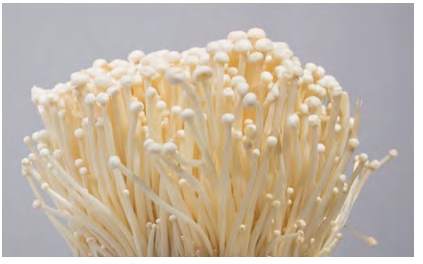
Flammulina velutipes mushroom belonging to, Phylum: Basidiomycota; Class: Agaricomycetes; Order: Agaricales; Family: Physalacriaceae. Caps from these fungi are edible and are grown commercially in Japan, where they are variously known as Enoki, Enokitake or Enoko-take. Cap 2 to 10cm across and often distorted because of neighbouring caps in the cluster, the bright orange caps of Flammulina velutipes are generally somewhat darker towards the centre. Slimy in wet weather, the caps dry to a smooth sheen. Pileipellis; The pileipellis (cap surface) is an ixotrichodermium of filamentous, often branched hyphal tips and occasional narrowly ventricose or hair-like pileicystidia. Gills: Adnate and broad, the gills of Velvet Shank fungi are white at first becoming pale yellow as the fruit-body matures. The gills of cultivated forms of this mushroom usually remain white (Figure, 1). Stem: The stem is tough and covered in a fine velvety down. Usually pale near the cap, the stems often turn brown towards the base. Spores: Ellipsoidal, smooth, 6.5-10 x 3-4µm; inamyloid. Spore print: White. Habitat & Ecological role: Velvet Shank fungi are saprobic on stumps and trunks of dead hardwood trees, especially Beech, and occasionally on diseased living trees [33].
Flammulina velutipes biological activities
An increasing awareness of the potential side effects of synthetic therapeutic agents and nutraceuticals has led to increased efforts to seek out natural products with beneficial effects on health. Flammulina velutipes, an easily available mushroom, has excellent nutritional value and also remarkable potential applications for medicinal purposes [34]. Flammulina velutipes have different named; Enoki, velvet shank, golden needle mushroom or winter mushroom. Flammulina velutipes one of the main edible mushrooms on the market, has long been recognized for its nutritional value and delicious taste. Many bioactive constituents have been isolated from different parts of Flammulina velutipes, including carbohydrates, protein, lipids, glycoproteins, phenols, and sesquiterpenes, these compounds have been demonstrated to exhibit several biological activities, such as antitumour and anticancer activities, anti-atherosclerotic and thrombosis inhibition activity, antihypertensive and cholesterol lowering effects, anti-aging and antioxidant properties, anti-inflammatory, immunomodulatory, anti- bacterial, and others [34, 35].
The 95% ethanol extract of Flammulina velutipes fruiting bodies were partitioned by four different solvents (Petroleum ether-soluble fraction, CHCl3 fraction, EtOAc fraction, n-BuOH fraction), and residuals. The antitumor activities and hypoglycemic activities in vitro were investigated for each fraction. The results showed that compounds such as alkaloids, organic acids, steroids (or triterpenes), flavonoids and anthraquinone were contained in petroleum ether fraction, CHCl3 fraction and EtOAc fraction. Amino acids, protein, sugar, steroid (or triterpenoid) were contained in n-BuOH fraction and residuals, and organic acids and flavonoids were also contained in n-BuOH fraction. Fractions of petroleum ether, CHCl3, EtOAc and residuals showed strongly inhibitory activity on tumor cells SW620, L1210, MCF-7, and K562. However, CHCl3 fraction and EtOAc fraction showed inhibitory activity to normal cells (WPMY-1). All fractions showed inhibitory activity to DPP-IV, indicating that components in these fractions may have hypoglycemic activity, especially CHCl3 fraction and EtOAc fraction [36]. Bioactive polysaccharides extracted from Flammulina velutipes have been demonstrated to possess a wide variety of bioactivities, particularly anticancer, immunomodulatory and anti-neurodegenerative effects. However, the exact mode of action of these carbohydrates is still elusive and deserves special attention in future study [37]. Extracts of Flammulina velutipes are also found to possess anticancer, anti-atherosclerotic, anti-thrombotic, cholesterol lowering, anti-hypertensive, memory and learning enhancement, antioxidant, antiaging, immunomodulatory, melanosis inhibition, anti-inflammatory, antifungal, anti-complement, antimicrobial and hepatoprotective activities [34, 38].
Deer horn mushroom Lyophyllum decastes discrption and ecology
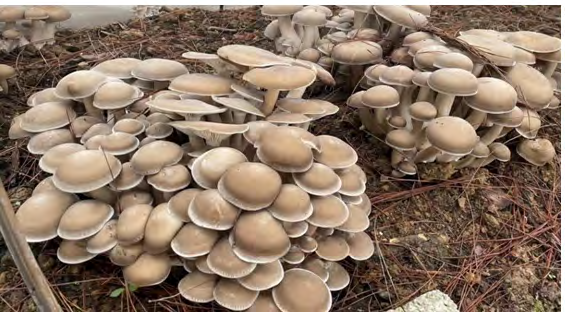
Lyophyllum decastes mushroom belonging to, Phylum: Basidiomycota; Class: Agaricomycetes; Order: Agaricales; Family: Lyophyllaceae. Varying greatly in size and cap colour, these clump-forming mushrooms are very common in deciduous woodland and under trees in parks. Like many other members of the genus Lyophyllum, the Clustered Domecap seems to thrive on soil disturbance (Figure 2). Cap: 4 to 10cm across; convex but sometimes only shallowly domed, usually irregular and sometimes extremely distorted, margins often scalloped; cap peels easily; smooth, shiny; various shades of grey-brown. Gills: Adnate; crowded; very pale grey, becoming slightly ochraceus with age. Stem: 4 to 8cm long and 0.8 to 1.8cm diameter; tough; longitudinally fibrillose; usually curved, as several stems meet at the base; base usually swollen or slightly clavate; off-white to grey- brown; no ring. Spores: Subglobose, smooth, 5.5-7 x 5-6.5µm. Spore print: White. On disturbed soil rich in leaf litter in and particularly on grassy edges of deciduous broadleaf woodland. Season: July to November in Britain and Ireland [33].
Lyophyllum decastes biological activities
The chemical constituents and biological activities of the fruiting bodies of Lyophyllum decastes were studied by Zheng, et al. [39]. Fractionation of the crude extract by the modern chromatographic separation techniques afforded eight secondary metabolites, four of which were polyacetylene. The structures of those compounds were elucidated by nuclear magnetic resonance (NMR), mass spectrometry (MS) techniques as well as circular dichroism spectral (CD) and electron circular dichroism (ECD). The antioxidant activities of these isolated compounds were evaluated using cellular antioxidant activity (CAA) assay. All four isolated compounds showed strong antioxidant activity [39].
The effects of Lyophyllum decastes on serum and hepatic lipid levels were investigated in rats by Ukawa, et al., [40]. Lyophyllum decastes fruit body was added at a level of 10% to a diet containing 0.5% cholesterol. Each fraction of hot- water-extract, crude polysaccharide, and ethanol extract was added at a level that corresponds to 10% fruit body (7.5, 0.5, and 1%, respectively). Total serum cholesterol in the rats fed the fruit body and hot-water-extract was shown to be significantly lower. Levels of hepatic cholesterol in the rats fed the fruit body, hot-water-extract, crude polysaccharide or ethanol extract also showed significantly lower. Furthermore, feeding of the fruit body of Hatakeshimeji significantly increased the fecal excretion of bile acids and from these results suggest that Lyophyllum decastes may be a functional food for preventing hypocholesterolaemia [40].
Cremini mushroom Agaricus bisporus discrption and ecology
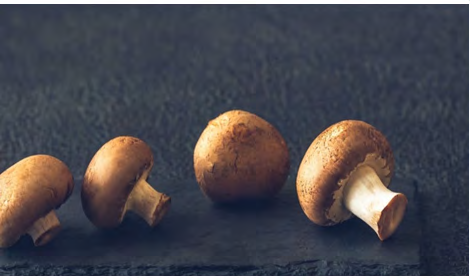
Agaricus bisporus mushroom belonging to, Phylum: Basidiomycota; Class: Agaricomycetes; Order: Agaricales; Family: Agaricaceae. Cap: initially hemispherical, becoming convex and eventually flattening. At maturity, the cap diameter is usually between 5 and 10cm. Gills: The crowded gills are narrow and free; initially pink they turn reddish and then chocolate brown as the fruit-body matures. Stem: At 3 to 6cm tall and 1.5 to 2cm. below the insubstantial membranous double ring, the surface of the stem is flaky. Spores: Ovoid to subglobose, smooth, 4-7.5 x 4-5.5µm (Figure 3). Spore print: Deep chocolate brown. Basidia Two-spored (Hence the specific name bisporus). They have a ‘mushroomy’ odour. Habitat & Ecological role: Saprobic, in permanent pastures and other grassy places. Season: Late spring to autumn [33, 41].
Agaricus bisporus biological activities
Agaricus bisporus is an edible macrofungus, the methanolic extract of A. bisporus exhibited antimicrobial properties against some tested pathogenic bacteria of public health importance. The antioxidant activity was analyzed using 2, 2-diphenyl-1- picrylhydrazyl (DPPH) and hydroxyl (OH) radical scavenging assays [42, 43]. Agaricus bisporus extract showed more scavenging - activity on DPPH more than OH. Agaricus bisporus is a natural source of antioxidant and antimicrobial agent and had a potential as anticancer [43]. Chemical profile of the Agaricus bisporus samples were analyzed using GC/MS method in ethanolic extracts by Mohamed, [44]. A total of 174 metabolic products were detected, which included 13 significant metabolites between 1.2 to 83 % (w/w); other 13 metabolites at 1% (w/w) and 148 metabolites less than 1% classified into 12 categories. These metabolites had many medicinal activities, which included anti-cancer, anti-cardiovascular diseases, anti- hypercholesterol, anti-microbial, hepatoprotective, human health supporting and immune enhancer [44]. Agaricus bisporus is commonly available in the grasslands of Europe and North America. The most popularity as edible mushroom species in the world, is due to its high level of nutrients. Most commonly, dietary fiber (chitin), essential, semi-essential amino acids, unsaturated fatty acids including linoleic and linolenic acids, easily digestible proteins, sterols, phenolic and indole compounds, and vitamins - especially provitamin D2 and B1, B2, B6, B7, and C are available in Agaricus bisporus. Agaricus bisporus mushroom alcoholic (methanol) and aqueous extract showed significant different biological activities (anti-inflammatory, analgesic, antipyretic, antioxidant and antimicrobial [45].
Field mushroom Agaricus campestris discrption and ecology
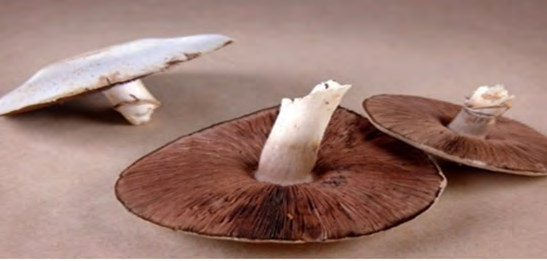
Agaricus campestris mushroom belonging to, Phylum: Basidiomycota; Class: Agaricomycetes; Order: Agaricales; Family: Agaricaceae. The field mushroom, Agaricus campestris, is the most commonly eaten wild mushroom in Britain and Ireland. Occurs throughout most of Europe, North Africa, Asia (Including India, China and Japan), and in the USA, Canada and Australia. Cap: 3 to 10cm in diameter, the caps of field mushrooms are creamy white, sometimes developing small scales as they mature. Usually the margin remains down-turned or slightly in-rolled even when the cap has expanded fully. The thick flesh is white, sometimes turning slightly pink when cut but never staining yellow. Gills: Deep pink at first, the free crowded gills turn dark brown and eventually almost black as the fruit-body matures. Old specimens may become infested by maggots, which enter the cap flesh via the gills. Careful inspection is necessary, and it is inadvisable to include very old specimens in collections intended for food (Figure 4). Stem: 3 to 10cm tall and 1 to 2cm in diameter, the white stem of Agaricus campestris is smooth above the single, delicate ring and somewhat scaly below. It is more or less parallel and does not turn yellow when cut. The ring itself is ephemeral, and by the time the fruit-body is fully developed there is rarely much evidence of a ring remaining. Spores: Ovoid, 6.5-9 x 4-6µm. Spore print: Deep chocolate brown. Saprobic, on soil among grass in pastures, playing fields and parks. Season: June to October [33, 41].
Agaricus campestris biological activities
Kosanic, et al. studied the antioxidant, antimicrobial and anticancer properties of edible mushroom Agaricus campestris [48]. Antioxidant activity was evaluated by free radical scavenging, superoxide anion scavenging and reducing power. Agaricus campestris extract had moderate free radical scavenging activity and potent superoxide anion scavenging potential. Further, the antimicrobial potential was determined by a microdilution method on 12 microorganisms. Extract of Agaricus campestris showed relatively strong antimicrobial activity. Finally, the cytotoxic activity was tested using MTT method on the human epithelial carcinoma Hela cells, human lung carcinoma A549 cells and human colon carcinoma LS174 cells. Agaricus campestris extract expressed cytotoxic activity [46].
King Bolete mushroom Boletus edulis discrption and ecology
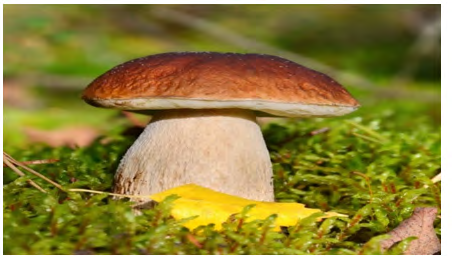
Boletus edulis mushroom belonging to, Phylum: Basidiomycota; Class: Agaricomycetes; Order: Boletales; Family: Boletaceae. Cap: With a slightly greasy penny-bun- like surface texture, the yellow-brown to reddish-brown caps of Boletus edulis range from 10 to 30cm diameter at maturity. The margin is usually a lighter colour than the rest of the cap; and when cut, the cap flesh remains white, with no hint of blueing. The tubes are pale yellow or olive-brown and are easily removed from the cap; they end in very small white or yellowish pores. When cut or bruised, the pores and tubes of Boletus edulis do not change colour. Cep Stem: A faint white net pattern (reticulum) is generally visible on the cream background of the stem, most noticeably near the apex. Clavate (club-shaped) or barrel-shaped, the stem of a Cep
is 10 to 20cm tall and up to 10cm in diameter at its widest point. The stem flesh is white and solid. Spores of Boletus edulis, Cep, Porcini, Penny Bun, King Bolete Spores Sub- fusiform, smooth, 14-17 x 5-7μm. Spore print Olive-brown. Odour/taste Boletus edulis has a faint but pleasant smell and a mild nutty taste (Figure 5). Habitat & Ecological role: Boletus edulis grows on soil beneath trees, notably beech and birch, and less commonly oaks as well as pines, spruces and occasionally other conifers. In southern Europe this species is found in scrubland. Season: June to October in Britain and Ireland [33, 41].
Boletus edulis biological activities
Kosanic et al., determined metal concentrations, and antioxidant, antimicrobial and anticancer potential of two edible mushrooms Agaricus campestris and Boletus edulis [46]. Antioxidant activity was evaluated by free radical scavenging ability and reducing power. Boletus edulis had more potent free radical scavenging activity, than Agaricus campestris. Moreover, the tested extracts had effective reducing power. Furthermore, the antimicrobial potential was determined by a microdilution method [46]. Younis, et al. resulted that methanolic extracts of Pleurotus citrinopileatus and Boletus edulis fruiting bodies showed antimicrobial, potential anti- diabetic, antioxidant, potential anti-lipidemic and cytotoxic activity against different carcinoma and normal cell lines [47]. Boletus edulis methanolic extract revealed superior antimicrobial and potential anti-diabetic activity [47].
Bay Bolete mushroom Boletus badius discrption and ecology
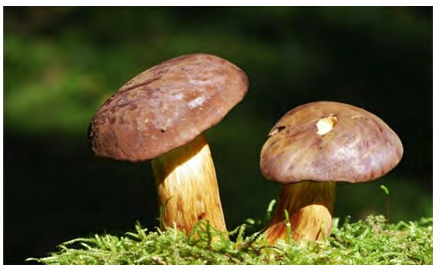
Boletus badius mushroom belonging to, Phylum: Basidiomycota; Class: Agaricomycetes; Order: Boletales; Family: Boletaceae. Cap: With its large smooth bay-brown or chestnut coloured cap. When immature, the caps are slightly downy. Growing to between 5 and 15cm in diameter, Bay Bolete caps have firm, pale flesh that turns slightly blue when cut or broken. Flesh Cap and stem flesh are whitish or sometimes yellowish when first cut through, turning vinaceous just beneath the cap cuticle and slightly blue in the region directly above the tubes and in the stem apex. Tubes: At first pale yellow but usually turning blue when cut, the tubes of the Bay Bolete spaced at 1 to 2 per mm. Bay Bolete Pores: The tubes terminate in pale-yellow angular pores, which turn blue-green when bruised. The colour change is sudden and most marked in mature specimens, and if you touch the pores a deep blue stain is left on your hands. Bay Bolete Stem: The brown stipe is covered in fine cottony threads that give it a streaky appearance (Figure, 6). There is no ring, and the stem is more or less even in diameter, although often slightly curved, most particularly near to the base. Typically 2 to 3cm in diameter, the stems of this bolete range from 5 to 15cm in height. The flesh inside the stem is white or pale lemon and turns slightly blue when it is cut. Spores: 12-15 x 4-5μm, sub- fusiform. Spore print: Olivaceous-brown. Ectomycorrhizal, in mixed woodland, Bay Boletes are particularly common under pines and other conifers but also occur under Beech and many other deciduous broadleaf trees. Season August to November in Britain and Ireland [33, 41].
Boletus badius biological activities
Heleno, et al. reported that, Boletus badius, proved to be rich sources of carbohydrates, free sugars and proteins, containing also different bioactive compounds such as organic acids, phenolic compounds and tocopherols [48]. Polyunsaturated fatty acids predominated over mono and unsaturated fatty acids. Besides, Boletus badius mushroom revealed antioxidant activity, being Boletus badius more effective in DPPH and reducing power assays, which is related with the highest amount in total phenolic compounds [48].
Shiitake mushroom Letinula edodes discrption and ecology
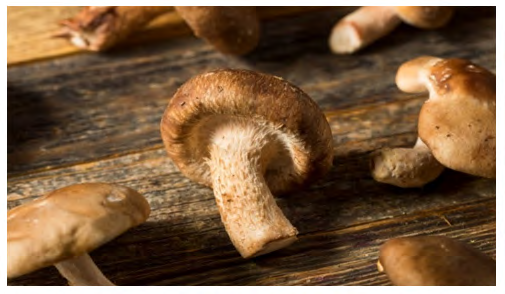
Shiitake mushroom (Lentinula edodes) is one of the most commonly consumed mushrooms and an important forest product in Japan. In outdoor log cultivation of shiitake, colonization of logs by wild fungi is an important factor affecting mushroom yield [49]. Letinula edodes mushroom belonging to Phylum: Basidiomycota; Class: Agaricomycetes; Order: Agaricales; Family: Omphalotaceae (Figure 7). Lentinus edodes is the first medicinal macrofungus to enter the realm of modern biotechnology. It is the second most popular edible mushroom in the global market which is attributed not only to its nutritional value but also to possible potential for therapeutic applications. Lentinula edodes is a white-rot fungus, growing in dead wood of broad- leaved trees in nature. Commercially, shiitake mushrooms are cultivated on logs placed on the forest floor, as well as indoors on synthetic sawdust substrates [49].
Lentinus edodes is used medicinally for diseases involving depressed immune function (Including AIDS), cancer, environmental allergies, fungal infection, frequent flu and colds, bronchial inflammation, heart disease, hyperlipidemia (Including high blood cholesterol), hypertension, infectious disease, diabetes, hepatitis and regulating urinary inconsistencies. Antibiotic, anti-carcinogenic and antiviral compounds have been isolated from fruiting body, mycelia. Some of these substances were lentinan, lectins and eritadenine. The potential of this macrofungus is unquestionable in the most important areas of applied biotechnology [50].
Letinula edodes biological activities
Lentinula edodes, known as shiitake, has been utilized as food, as well as, in popular medicine, moreover, compounds isolated from its mycelium and fruiting body have shown several therapeutic properties [51]. Lentinula edodes (Berk.) Pegler (shiitake) is a mushroom with medicinal properties that is used primarily in traditional medicine, but also in conventional oncology treatment. The Japanese adopted the Chinese technique of shiitake cultivation, thus becoming its main producer. Currently, shiitake is used in the treatment of lifestyle diseases. Lentinula edodes polysaccharides strengthen the immune system, eliminate side effects of chemo and radiotherapy and have strong antitumor, antiviral and antibacterial properties [51]. Lentinula edodes is of interest to researchers due to its content of therapeutic compounds. These substances have antitumor, antifungal, antibacterial, anti-inflammatory, hypocholesterolemic, antihypertensive, hypoglycaemic and antioxidant effects [51].
Lentinula edodes in vitro cultures accumulated Cu, Zn, and Se from modified and optimized media and released them effectively into artificial digestive juices, which can be directly translate into the expected results of digestion process in human body, this indicates the possibility and benefits of fortification of L. edodes mycelium with specific bioelements [52]. Muszyńska, et al. demonstrated that the Lentinula edodes species is characterized by anti- inflammatory properties, and it was found that addition of Cu, Zn, or Se enhanced the anti-inflammatory properties of Lentinula edodes mycelial extracts, suggesting that the mycelium of Lentinula edodes may be used as a potential component in natural anti-inflammatory dietary supplement [52]. The antibacterial activity of 35 isolates of Lentinula edodes, a shiitake mushroom, against Bacillus subtilis was evaluated by Ishikawa, et al. [53]. All isolates inhibited against B. subtilis. Lentinula edodes Le1 also presented antibacterial activity against foodborne pathogens and food contaminant bacteria, particularly Gram-positive species. The antibacterial activity of the culture filtrate after 18-25 days of cultivation of Lentinula edodes in broth at 25ºC was high [53].
Oyster mushroom Pleurotus ostreatus discrption and ecology
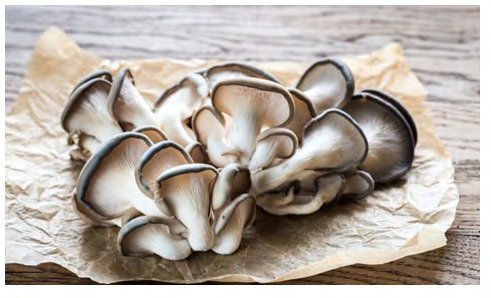
Pleurotus ostreatus mushroom belonging to, Phylum: Basidiomycota; Class: Agaricomycetes; Order: Agaricales; Family: Pleurotaceae. Cap: White, cream, brown, or blue- grey; usually bracket-like with either a radial stem or an eccentric stem; convex gradually becoming centrally depressed with a wavy margin; 5 to 18cm across; often in overlapping groups but with each stem separately attached to the substrate. Oyster Mushroom Gills: White, turning pale ochre with age; crowded; decurrent. Stem: White or cream; woolly at base; sometimes stemless but usually with short stems 1 to 3cm long and 1 to 2cm diameter; tapering towards the base; no stem ring (Figure 8). Oyster Mushroom Spores:
Sub-cylindrical to narrowly kidney-shaped, smooth, 8-12.5 x 3-4.5µm. Spore print: White or more often pale lilac-grey. Habitat & Ecological role: Oyster Mushrooms are sometimes weakly parasitic but more often saprobic and found on dying or dead standing deciduous broadleaf trees, particularly Beech and oaks and sometimes on fallen trunks and large branches. Season: Summer, autumn and early winter in Britain and Ireland; Oyster Mushrooms have a longer season in parts of southern Europe, where these edible fungi can sometimes be found through to January or February [33].
Pleurotus ostreatus biological activities
Pleurotus ostreatus mushroom belonging to Basidiomycota (known as the oyster mushroom), this mushroom species distributed on all lands, and commercially cultivated on a large scale. Pleurotus ostreatus is a valuable mushroom of dietary importance. It is rich in primary and secondary metabolites and chemical elements of physiological significance [54]. Pleurotus ostreatus fruiting bodies contains vitamin C, niacin, riboflavin, thiamin, vitamin B12. Pleurotus ostreatus fruiting buddy contain high content of oleic acid, linolenic acid, and substances responsible for decreasing serum cholesterol levels. High contents of lovastatin, an approved hypolipidemic drug, and pleuran, an immunomodulating polysaccharide, have been found in fruiting bodies of this species. Pleurotus ostreatus extract exhibits antiatherosclerotic, hypoglycemic, antioxidant, anticancer and immunomodulatory properties. Due to its wide spectrum of biological activities, Pleurotus ostreatus is considered a medicinal mushroom [54]. Pleurotus ostreatus possess several medicinal properties including; anti-arthritic, antitumor, immune-modulatory, antioxidant, anticancer, anti- inflammatory, antigenotoxic, hypo-cholesterolemic, anti- hyperglycaemic, anti-hypertensive, antiplatelet aggregating, antiviral and antimicrobial activities. Pleurotus ostreatus act as a good source for the development of antioxidant food additives. In addition, Pleurotus ostreatus showed antibacterial activity against Gram-positive bacteria and the protein present in P. ostreatus fruiting bodies has anti-HIV activity [55].
King Oyster mushroom Pleurotus eryngii discrption and ecology
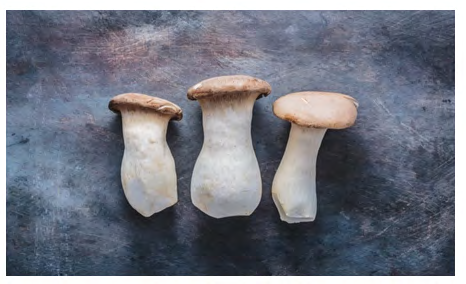
Pleurotus eryngii mushroom belongng to, Phylum: Basidiomycota; Class: Agaricomycetes; Order: Agaricales; Family: Tricholomataceae. Pleurotus eryngii is by considered by many to be the best tasting Oyster mushroom and is therefore, well deserving of the title, the King Oyster. Popular in Europe, this stout, thickly fleshed mushroom produces some of the largest and most distinctive sporocarps of its genus. Preferring hardwoods, this mushroom is easy to grow. This mushroom is edible. Although this mushroom grows on cereal (wheat) straws, the yields are not as substantial as that of Pleurotus ostreatus and Pleurotus pulmonarius on this same material. Best temperature for grow is 24C. Pleurotus eryngii mushroom has a good shelf life and is cultivated widely (Figure 9). It has little flavour or aroma when raw. When cooked, it develops rich umami flavour and a meaty texture [33]. Pleurotus eryngii may contain chemicals that stimulate the immune system [56]. Dietary intake of Pleurotus eryngii may function as cholesterol-lowering dietary agent [57]. Like some other Pleurotus species, P. eryngii attacks nematodes and may provide a control method for these parasites when they infect cats and dogs [15].
Pleurotus eryngii biological activities
Pleurotus eryngii is a cultivated mushroom of high culinary value and medicinal properties. Mycelium of P. eryngii is characterized by the ability of effective bio- elements absorption from growth media so it could be bio- fortified with trace elements with a functional activity in the human body [58]. Due to remarkable flavour, high nutritional value, and numerous medicinal features, Pleurotus eryngii is commercially cultivated on various raw plant materials. Its efficacy in using nutrients from lignocellulose residues is based on possession of a potent ligninolytic enzyme system, Due to the ability of these enzymes, Pleurotus eryngii plays a very important role in many biotechnological processes, such as food production, biotransformation of raw plant materials to feed, bio-pulping and bio-bleaching of paper pulp, as well as bioremediation of soil and industrial waters [59].
Pleurotus eryngii, commonly known as the king oyster mushroom, has been used extensively in North Africa, Europe and Asia. Many researches have has been carried out on therapeutic potential of Pleurotus eryngii. This edible mushroom perform multiple bioactivities: anticancer, antiviral, antioxidant, antimicrobial, anti-leukaemia, hypolipidemic, immuno-modulating and estrogen-like activity. These bioactive properties depend on its bioactive compounds such as polysaccharides, eryngiolide A, ubiquinone-9, pentacyclic triterpenoid and so on. In the future, the potential pharmacological activities of Pleurotus eryngii need more studies to represent their importances [60].
Conclusion
Many studies conducted on Flammulina; Lyophyllum; Agaricus; Boletus; Letinula and Pleurotus genera are represented in the current review and showed that these edible mushrooms exhibit the potential as a vital therapeutic food. However, more studies for profound exploration are still required. Flammulina; Lyophyllum; Agaricus; Boletus; Letinula and Pleurotus species exerted some vital biological activities such as anti-arthritic, antitumor, immune- modulatory, antioxidant, anticancer, anti-inflammatory, antigenotoxic, hypo cholesterolemic, anti-hyperglycaemic, anti-hypertensive, antiplatelet aggregating, antiviral, antimicrobial activities and others. Further investigation is needed to explain the different mechanisms of action of these wild edible mushrooms and their nutritional values. The current review recommends further exploration to get a full profile of the active components obtained from these genera.
References
-
Elkhateeb WA, Daba GM, Thomas PW, Wen TC (2019) Medicinal mushrooms as a new source of natural therapeutic bioactive compounds. Egypt Pharmaceu J 18(2): 88-101.
-
Elkhateeb WA, Daba GM, Elnahas M, Thomas P, Emam M (2020) Metabolic profile and skin-related bioactivities of Cerioporus squamosus hydromethanolic extract. Biodiversitas J Biological Div 21(10).
-
Elkhateeb WA, Daba G (2020) The endless nutritional and pharmaceutical benefits of the Himalayan gold, Cordyceps; Current knowledge and prospective potentials. Biofarmasi Journal of Natural Product Biochemistry 18(2): 70-77.
-
Elkhateeb WA, Daba GM (2020) Termitomyces Marvel Medicinal Mushroom Having a Unique Life Cycle. Open Access Journal of Pharmaceutical Research 4(1): 1-4.
-
Daba GM, Elkhateeb W, ELDien AN, Fadl E, Elhagrasi A, et al. (2020) Therapeutic potentials of n-hexane extracts of the three medicinal mushrooms regarding their anti- colon cancer, antioxidant, and hypocholesterolemic capabilities. Biodiversitas Journal of Biological Diversity 21(6): 1-10.
-
Elkhateeb WA (2020) What medicinal mushroom can do?. Chem Res J 5(1): 106-118.
-
Elkhateeb WA, Daba GM, Elmahdy EM, Thomas PW, Wen TC, et al. (2019) Antiviral potential of mushrooms in the light of their biological active compounds. ARC J Pharmac Sci 5(2): 45-49.
-
El-Hagrassi A, Daba G, Elkhateeb W, Ahmed E, El-Dein AN, et al. (2020) In vitro bioactive potential and chemical analysis of the n-hexane extract of the medicinal mushroom, Cordyceps militaris. Malays J Microbiol 16(1): 40-48.
-
Elkhateeb WA, Daba GM, El-Dein AN, Sheir DH, Fayad W, et al. (2020) Insights into the in-vitro hypocholesterolemic, antioxidant, antirotavirus, and anticolon cancer activities of the methanolic extracts of a Japanese lichen, Candelariella vitellina, and a Japanese mushroom, Ganoderma applanatum. Egyptian Pharmaceutical Journal 19(1): 67-73.
-
Elkhateeb WA, Elnahas MO, Thomas PW, Daba GM (2019) To Heal or Not to Heal? Medicinal Mushrooms Wound Healing Capacities. ARC Journal of Pharmaceutical Sciences 5(4): 28-35.
-
Elkhateeb WA, Daba GM, Elnahas MO, Thomas PW (2019) Anticoagulant capacities of some medicinal mushrooms. ARC J Pharma Sci 5(4): 1-9.
-
Elkhateeb W, Elnahas MO, Paul W, Daba GM (2020) Fomes fomentarius and Polyporus squamosus models of marvel medicinal mushrooms. Biomed Res Rev 3: 119.
-
Elkhateeb WA, Daba GM (2021) Mycotherapy of the good and the tasty medicinal mushrooms Lentinus, Pleurotus, and Tremella. Journal of Pharmaceutics and Pharmacology Research 4(2): 1-6.
-
Elkhateeb WA, Daba GM (2021) The Fascinating Bird’s Nest Mushroom, Secondary Metabolites and Biological Activities. International Journal of Pharma Research and Health Sciences 9(1): 3265-3269.
-
Elkhateeb WA, Daba GM, Gaziea SM (2021) The Anti- Nemic Potential of Mushroom against Plant-Parasitic Nematodes. Open Access Journal of Microbiology & Biotechnology 6(1): 1-6.
-
Elkhateeb WA, Elnahas MO, Thomas PW, Daba GM (2020) Trametes Versicolor and Dictyophora Indusiata Champions of Medicinal Mushrooms. Open Access Journal of Pharmaceutical Research 4(1): 1-7.
-
Thomas PW, Elkhateeb WA, Daba GM (2020) Chaga (Inonotus obliquus): a medical marvel but a conservation dilemma?. Sydowia 72: 123-130.
-
Thomas P, Elkhateeb WA, Daba GM (2021) Industrial Applications of Truffles and Truffle-like Fungi. In Advances in Macrofungi pp: 82-88.
-
Elkhateeb W, Thomas P, Elnahas M, Daba G (2021) Hypogeous and Epigeous Mushrooms in Human Health. In: Advances in Macrofungi, pp: 7-19.
-
Elkhateeb W, Elnahas M, Daba G (2021) Infrequent Current and Potential Applications of Mushrooms. pp: 70-81.
-
Elkhateeb WA, El Ghwas DE, Gundoju NR, Somasekhar T, Akram M, et al. (2021) Chicken of the Woods Laetiporus Sulphureus and Schizophyllum Commune Treasure of Medicinal Mushrooms. Open Access Journal of Microbiology & Biotechnology 6(3): 1-7.
-
Elkhateeb WA, Daba GM (2021) Highlights on Unique Orange Pore Cap Mushroom Favolaschia Sp. and Beech Orange Mushroom Cyttaria sp. and Their Biological Activities. Open Access Journal of Pharmaceutical Research 5(3): 1-6.
-
Elkhateeb WA, Daba GM (2021) Highlights on the Wood Blue-Leg Mushroom Clitocybe Nuda and Blue-Milk Mushroom Lactarius Indigo Ecology and Biological Activities. Open Access Journal of Pharmaceutical Research 5(3): 1-6.
-
Elkhateeb WA, Daba GM (2021) Highlights on the Golden Mushroom Cantharellus cibarius and unique Shaggy ink cap Mushroom Coprinus comatus and Smoky Bracket Mushroom Bjerkandera adusta Ecology and Biological Activities. Open Access Journal of Mycology & Mycological Sciences 4(2): 1-8.
-
Thomas PW, Elkhateeb WA, Daba G (2019) Truffle and truffle-like fungi from continental Africa. Acta mycological 54(2): 1-15.
-
ALKolaibe AG, Elkhateeb WA, Elnahas MO, El-Manawaty M, Deng CY, et al. (2021) Wound Healing, Anti-pancreatic Cancer, and α-amylase Inhibitory Potentials of the Edible Mushroom, Metacordyceps neogunnii. Research Journal of Pharmacy and Technology 14(10): 5249-5253.
-
Elkhateeb WA, Daba GM, Elnahas M, Wenhua L, Galappaththi MCA (2021) The coral mushrooms Ramaria and Clavaria. Studies in Fungi 6(1): 495-506.
-
Chatterjee BA, Patel T (2016) Edible mushroom–a nutritious food improving human health. Int J Clin and Biomed Res 2(1): 34-37.
-
Abebaw G (2020) Review on: Nutritional Value and Health Benefits of Edible Mushroom. Journal of Engineering and Applied Sciences Technology 2(4): 1-2.
-
Jayachandran M, Xiao J, Xu B (2017) A critical review on health promoting benefits of edible mushrooms through gut microbiota. International journal of molecular sciences 18(9): 1934.
-
Waktola G, Temesgen T (2018) Application of mushroom as food and medicine. Advances in Biotechnology and Microbiology 11(4): 555817.
-
Valverde ME, Hernández-Pérez T, Paredes-López O (2015) Edible mushrooms: improving human health and promoting quality life. International journal of microbiology 2015: 376387.
-
Kirk PM (2008) The dictionary of the Fungi. Kirk PK, Cannon PF, et al. (Eds.), UK: CABI.
-
Tang C, Hoo PC, Tan LT, Pusparajah P, Khan TM, et al. (2016) Golden needle mushroom: a culinary medicine with evidenced-based biological activities and health promoting properties. Frontiers in pharmacology 7: 474.
-
Cai H, Liu X, Chen Z, Liao S, Zou Y (2013) Isolation, purification and identification of nine chemical compounds from Flammulina velutipes fruiting bodies. Food chemistry 141(3): 2873-2879.
-
Zhang Z, Lv G, He W, Shi L, Pan H, et al. (2013) Effects of extraction methods on the antioxidant activities of polysaccharides obtained from Flammulina velutipes. Carbohydrate polymers 98(2): 1524-1531.
-
Sánchez C (2017) Bioactives from mushroom and their application. In: Food bioactives, pp: 23-57.
-
Stajic M (2015) Se effect on biological activity of Flammulina velutipes. Italian Journal of Food Science 27(1): 57-63.
-
Zheng HL, Bau T, Bao HY, Lian JW (2013) Chemical constituents from Lyophyllum decastes. Zhongguo Zhong yao za zhi 38(24): 4335-4339.
-
Ukawa Y, Andou M, Furuichi Y, Kokean Y, Nishii T, et al. (2001) Hypocholesterolemic activity of Hatakeshimeji (Lyophyllum decastes Sing.) mushroom in rats. Journal of the Japanese Society for Food Science and Technology (Japan).
-
Kibby G (2011) The Genus Agaricus in Br.
-
Risan MH, Taemor SH, Muhsin AH, Hussan S (2017) Antibacterial activity of Agaricus bisporus and Pleurotus ostreatus extracts against some gram negative and positive bacteria. European Journal of Biomedical and Pharmaceutical Sciences 4(12): 09-15.
-
Abah SE, Abah G (2010) Antimicrobial and antioxidant potentials of Agaricus bisporus. Advances in Biological Research 4(5): 277-282.
-
Mohamed EM (2012) Chemical profile, agaritine and selenium content of Agaricus bisporus. Brazilian Archives of Biology and Technology 55(6): 911-920.
-
Bose S, Mandal SK, Hossain P, Das A, Das P, et al. (2019) Phytochemical and pharmacological potentials of Agaricus bisporus. Research Journal of Pharmacy and Technology 12(8): 3811-3817.
-
Kosanic M, Ranković B, Rančič A, Stanojkovic T (2017) Evaluation of metal contents and bioactivity of two edible mushrooms Agaricus campestris and Boletus edulis. Emirates Journal of Food and Agriculture 29(2): 98-102.
-
Younis AM, Abdel-Aziz MM, Yosri M (2019) Evaluation of Some Biological Applications of Pleurotus citrinopileatus and Boletus edulis Fruiting Bodies. Current pharmaceutical biotechnology 20(15): 1309-1320.
-
Heleno SA, Ferreira RC, Antonio AL, Queiroz MJ, Barros L, et al. (2015) Nutritional value, bioactive compounds and antioxidant properties of three edible mushrooms from Poland. Food bioscience 11: 48-55.
-
Kobayashi T, Oguro M, Akiba M, Taki H, Kitajima H, et al. (2020) Mushroom yield of cultivated shiitake (Lentinula edodes) and fungal communities in logs. Journal of Forest Research 25(4): 269-275.
-
Bisen PS, Baghel RK, Sanodiya BS, Thakur GS, Prasad GB (2010) Lentinus edodes: a macrofungus with pharmacological activities. Current medicinal chemistry 17(22): 2419-2430.
-
Rincão VP, Yamamoto K, Ricardo NM, Soares SA, Meirelles LD, et al. (2012) Polysaccharide and extracts from Lentinula edodes: structural features and antiviral activity. Virology journal 9: 37.
-
Muszyńska B, Kała K, Włodarczyk A, Krakowska A, Ostachowicz B, et al. (2020) Lentinula edodes as a source of bioelements released into artificial digestive juices and potential anti-inflammatory material. Biological trace element research 194(2): 603-613.
-
Ishikawa NK, Kasuya M, Vanetti MC (2001) Antibacterial activity of Lentinula edodes grown in liquid medium. Brazilian Journal of Microbiology 32(3): 206- 210.
-
Piska K, Sułkowska-Ziaja K, Muszyńska B (2017) Edible mushroom Pleurotus ostreatus (oyster mushroom): its dietary significance and biological activity. Acta Scientiarum Polonorum. Acta Sci. Pol. Hortorum Cultus 16(1): 151-161.
-
Waktola G, Temesgen T (2020) Pharmacological activities of Oyster mushroom (Pleurotus ostreatus). Novel Research in Microbiology Journal 4(2): 688-695.
-
Deora A, Sharma SS, Kumari P, Dahima V, Kumar S, et al. (2021) Cultivation of Kabul Dhingri (Pleurotus eryngii) mushroom by standardizing protocols in subtropical zones of world. Scientific Reports 11(1): 1-11.
-
Hu Q, Du H, Ma G, Pei F, Ma N, et al. (2018) Purification, identification and functional characterization of an immunomodulatory protein from Pleurotus eryngii. Food & function 9(7): 3764-3775.
-
Zięba P, Kała K, Włodarczyk A, Szewczyk A, Kunicki E, et al. (2020) Selenium and zinc bio-fortification of Pleurotus eryngii mycelium and fruiting bodies as a tool for controlling their biological activity. Molecules 25(4): 889.
-
Stajic M, Vukojevic J, Duletic´-Lauševic´ S (2009) Biology of Pleurotus eryngii and role in biotechnological processes: a review. Critical reviews in biotechnology 29(1): 55-66.
-
Fu Z, Liu Y, Zhang Q (2016) A potent pharmacological mushroom: Pleurotus eryngii. Fungal Genom Biol 6(1): 1-5.
- Acido Labile or Gastro Irritant Apis and Enteric Release in Galenic Practice: An Overview
- A Study on Knowledge, Attitude and Practice of Hand Hygiene among Healthcare Professionals at a Tertiary Care Hospital, India
- Influence of Inoculum Concentration on In Vivo Incubation Period of Emmia lacerata, Pathogenesis and Management of Wilt in Pepper (Capsicum annuum L.)
- Vanilla’s Chemistry
- Marine Anti-Cancer Compounds and Adverse Effects of Global Warming on Oceans: An Overview
- Serological Investigation of Chikungunya Virus Antibody among Malaria-Suspected Febrile Patients in Some Healthcare Facilities in Rivers State