
A Review: Phytochemical and Pharmacology of Bryophyllum Pinnatum
Bryophyllum pinnatum is traditionally used plant belonging to family Crassulaceae. The plant is derived from the Greek words bryo, which means to sprout, and phyllon, which means leaf. Many plant parts include secondary metabolites with therapeutic potential, such as glycosides, tannin, alkaloids, flavonoids, and phenolic compounds. In addition, it has anti-inflammatory, antidiabetic, nephroprotective, hepatoprotective, immunomodulatory, anti-leishmanial, anti-ulcer, and CNS depressant, analgesic, and anticonvulsant qualities. It is Known as the “life plant,” Bryophyllum pinnatum is a widely acknowledged as perennial medicinal herb. Has spread to many other Asian, Australian, and New Zealand countries, but it originated in Madagascar.
Introduction
The plant Bryophyllum pinnatum is part of the Crassulaceae family, which has been used extensively in traditional medicine. From the Greek words bryo, which means to sprout, and phyllon, which means leaf, comes the appellation bryophyllum pinnatum. The secondary metabolites that have medicinal potential are derived from many plant sections including tannin, alkaloids, flavonoids, glycosides, and phenolic chemicals. Furthermore, it exhibits anti-inflammatory, Anti-diabetic, nephron-protective, hepato-protective, Anti-leishmanial, antiulcer, immuno- modulatory, and CNS depressant, analgesic, as well as anticonvulsant properties [1]. Bryophyllum pinnatum is a prominent perennial medicinal herb that has been referred to as the “life plant. “Originates from Madagascar, but it has spread too many other Asian, Australian, and New Zealand countries alternatively known as panfuti [2].
Plant Description
Plant name- Bryophyllum pinnatum, Synonym- Bryophyllum calycinum, good luck leaf, leaf of life, live leaf, Mexican love plant, Air plant, Family- Crassulaceae Vernacular Name:
- Sanskrit: pashanebheda
- Marathi: gayamari
- Hindi: pataharchoor
- English: air plant
- Telugu: ranapaluka
- Kannada: gandukalinga
- Taxonomical classification [3]
- Kingdom: plantae
- Subkingdom: tracheobionta
- Division: spermatophyta
- Subdivision: magnoloiphyta
- Class: mangnoliopsida
- Subclass: rosidae
- Order: saxifragales
- Family: bryophyllum
Morphology
Its height ranges from 1 to 1.5meters, and its hollow, four-angled stem is typically branched. The leaves are 10- 20cm long and oriented oppositely. While the top 3-7 foliate and have lengthy petioles, the lower leaves are simple. Vegetative buds that are rooted adorn the leaves. Terminal panicles of inflorescences measure 10-40cm. Most flowers are bell-shaped pendulous.
A tubular calyx measuring 2-4cm, a reddish-purple flower measuring 5cm with a sparsely ciliate base, ovate lanceolate lobes, stamens placed in the base of corolla, oblong nectar scales, follicles incorporated in the calyx and corolla tube. The fruit-pod has four sepal and several smooth-striate, ellipsoid seeds within. The shrubs develop fruit in April and mature from November to March [4].
Microscopy
The diminutive character has a curved surface on the adaxial side and an extremely thin layer on the abaxial side. Its adaxial epidermal covering is shrill and consists of small, less prominent compartments. The midrib’s stranded tissue is parenchymatous. The cells are consolidated, pointed, and circular. The vascular strand has a small, semicircular shape and is solitary. It has an extensive band of phloem and a dense parallel xylem. The xylem component has a tiny wall, narrowing to a point. The vascular packs are parallel and establish in the plane. The mesophyll is separated into soft parenchyma and palisade. The layer of laminate is smooth. The anisocytic kinds of stomata are arranged in rich shape [5].
Phytochemical Review
Flavonoids: Luteolin, kaempferol, quercetin, quercitrin, kaempferol-3-glucoside, afzelin, rutin, diosmine [6, 7, 8].
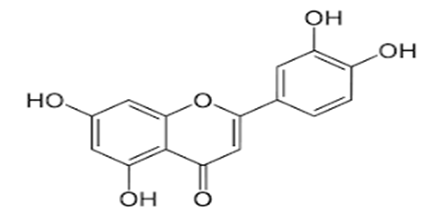
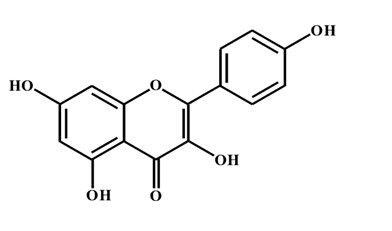
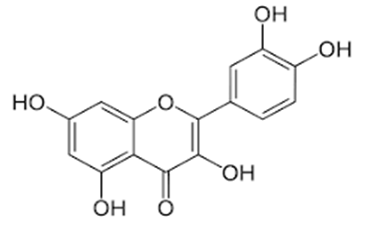
Phenanthrene derivative- 2-(9-decenyl)-phenanthrene 2- (9-undecenyl)-phenanthrene [3].
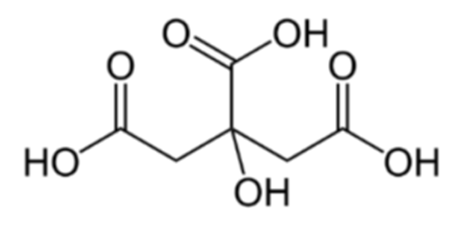
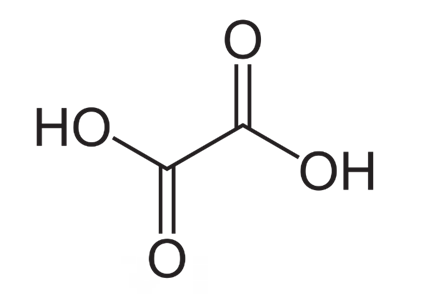
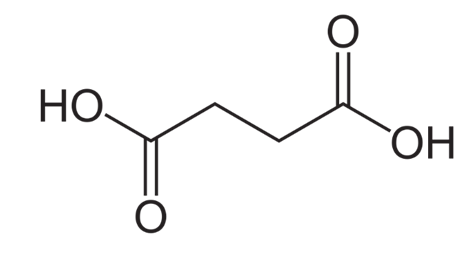
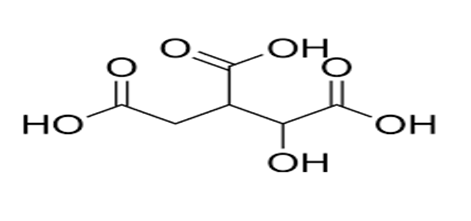
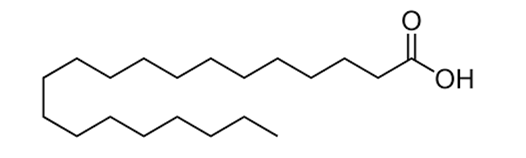
Carboxylic acid: Citric acid, oxalic acid, succinic acid, isocitric acid [9, 10, 11, 12].
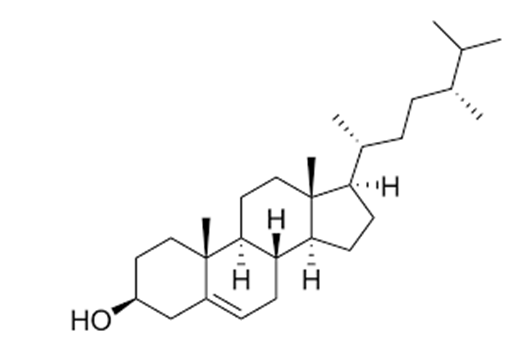
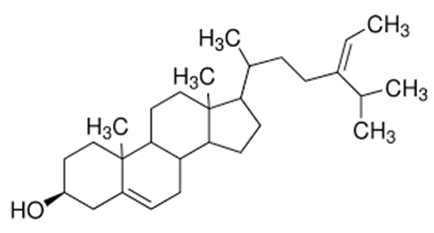
Phytosterols: Campesterol, clinasterol, brophyllol, Avenasterol [14, 15].
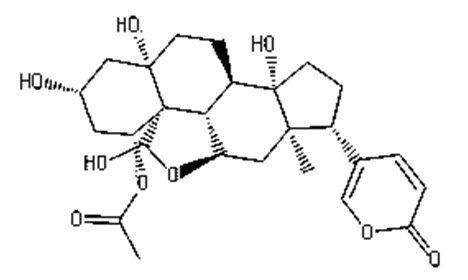
Bufadienolides: It is one of the main classes of active constituent in B. pinnatum. Bersaldegenin, Bryophyllin A, Bryophyllin B, Bryophyllin C, Bryotoxin A, Bryotoxin B [16, 17, 18].
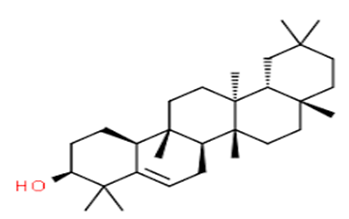
Triterpenoids: Bryophollone, bryophynol, Glutinol, Taxaxerone [19, 20].
The nutritional composition of B. pinnatum includes carbohydrates, protein, lipids, iodine, vitamins such as ascorbic acid, riboflavin, thiamine, niacin and pyridoxine, amino acids including phenylalanine, glycine, cysteine, methionine, tyrosine and glutamic acid. The plant contain minerals such as Fe, Zn, Cu, Mg, P, Mn, K, Ca, Na. Sugar constituents include raffinose, lactose, sucrose, glucose, galactose, fructose [21, 22].
Pharmacology
Dilation of vessels seem to play a major role in the herb’s antihypertensive effect, while additional information is needed to clarify the plant’s likely mechanism of hypotensive activity [23]. Hepatoprotective and Nephroprotective: Jaundice can be effectively treated using the juice of fresh leaves. Studies on the hepatoprotective action of the plant in vivo and in vitro demonstrated that the juice of leaf was more efficacious than the ethanolic extract [24]. The potential role of antioxidant and oxidative radical scavenging compounds in decreasing gentamicin-induced nephrotoxicity [25]. Anti-Ulcer Activity: Flavonoid is the potent water-soluble antioxidants and free radicals, that prevent oxidative cell damage, have Bryophyllum pinnatum strong anticancer activity [26]. It was discovered that a leaves methanolic fraction has remarkable antiulcer effects. A major decrease in the prevalence of ulcers and a dose-dependent elevation of stomach acid secretion by histamine, so validating its application as an anti-ulcer drug [27]. Anti-leishmanial Action: Leishmania protozoa infections are a significant global health issue, with a high endemicity in developing nations. Since the introduction of AIDS, the disease’s incidence has increased substantially. Effective medications are sorely required to replace or enhance that now in use in the rare circumstance that a vaccination is not attainable. Plant extracts with naturally occurring chemicals with chemical descriptions (quercetin, coumarin) that have antileishmanial action [28]. Anti-diabetic Activity: Considering zinc is found in plants, it is possible that these plants can help manage diabetes, which is characterized by an inability to synthesize insulin [29, 30]. Anti-bacterial Activity: The plant’s antimicrobial effect is indicated by the presence of phenolic compounds. Plants have medicinal properties in managing bacterial infections, including typhoid fever and those caused by K. pneumoniae, E. coli, B. subtilis, S. aureus, K. aerogenes, S. typhi, P. aeruginosa [29] Multiple gram-positive and gram-negative bacteria, including clinical isolates of Shigella spp, B. subtilis, S. coli, Klebsiella spp, S. aureus, S. pyogenes, Proteus spp, Salmonella spp, S. marcescens, and P. aeruginosa [30]. Five of the eight bacteria that were employed were shown to be inhibited by the methanolic leaf extract: B. subtilis, E. coli, P. aeruginosa P. vulgaris, S. dysentriae, C. albicans and S. aureus. In contrast, Pneumonia, C. albicans were found to be resistant to the extract’s effects [31]. Anti-nephrolithiasis: Kidney stone occurs by aggregation of CaOx. Bryophyllum pinnatum leaves extract shows inhibition of aggregation of crystal of CaOx and inhibition of stone formation [32].
Conclusion
The plant bryophyllum pinnatum has various phytochemicals like bufadienolides, phytosterols, carboxylic acid, flavonoids, fatty acids, phenanthrene derivative having various pharmacological properties such as anti- hypertensive, hepatoprotective, anti-ulcer, antileishmanial action, anti-nephrolithiasis, anti-bacterial property, originating from Madagascar and has spread in various countries. The review show that many properties has yet to be explored as it has known to be as medicinal plant with numerous uses.
References
-
Gaind K, Gupta R (1972) Alkanes, alkanols, triterpenes and sterols of Kalanchoe pinnata. phytochemistry 11(4): 1500-1502.
-
Priyanka M, Mohini U, Poonam T, Shashikant D (2020) A Review on Bryophyllum pinnatum (Lam.) Oken. Res J Pharmacognosy and Phytochem 11(2): 111-113.
-
Seema VP (2012) Kalanchoe pinnata phytochemical and pharmacological profile. Interntional journal of pharmaceutical science and research 3(4): 993-997.
-
Nayak BS, Marshall JR, Isitor G (2010) Wound healing potential of ethanolic extract of Kalanchoe pinnata Lam. leaf-A preliminary study. Indian Journal of Experimental Biology 48: 572-576.
-
Selvakumar P (2022) Phytochemical and Pharmacological Profile Review of Bryophyllum Pinnatum. BBRJ 6(3): 295-301.
-
Costa SS, Muzitano MF, Camargo LM, Coutinho MA (2008) Therapeutic potential of Kalanchoe species: flavonoids and other secondary metabolites. Nat Prod Commun 3(12): 2151-2164.
-
Fürer K, Raith M, Brenneisen R, Mennet M, Simões W, et al. (2013) Two new flavonol glycosides and a metabolite profile of Bryophyllum pinnatum, a phytotherapeutic used in obstetrics and gynaecology. Planta Med 79(16): 1565-1571.
-
Fürer K, Simões WAP, Mandach U, Hamburger M, Potterat O (2016) Bryophyllum pinnatum and related species used in anthroposophic medicine: constituents, pharmacological activities, and clinical efficacy. Planta Med 82(11-12): 930-941.
-
Baharucha FR, Joshi GV (1956) Identification of organic acids in the leaves of Bryophyllum calycinum by paper chromatography. Naturwissenschaften 43(14): 327.
-
Wilson DG (1963) Organic acids of Bryophyllum calycinum. The isolation of monopotassium lactone. Can J Biochem Physiol 41(7): 1571-1580.
-
Almeida AP, Silva SAG, Souza ML, Lima LMT, Rossi B, et al. (2000) Isolation and Chemicals analysis of a fatty acid fraction of Kalanchoe Pinnata with a potent lymphocyte suppressive activity. Planta Med 66(2): 134-137.
-
Afzal M, Gupta G, Kazmi I, Rahman M, Afzal O, et al. (2012) Anti-inflammatory and analgesic potential of a novel steroidal derivative from Bryophyllum pinnatum. Fitoterapia 83(5): 853-858.
-
Anjoo K, Kumar SA (2010) Microscopical and preliminary phytochemical studies on aerial part (leaves and stem) of Bryophyllum pinnatum Kurz. Pharmacog J 2(9): 254- 259.
-
Supratman U, Fujita T, Akiyama K, Hayashi H (2000) New insecticidal bufadienolide, bryophyllin C, from Kalanchoe pinnata. Biosci Biotechnol Biochem 64(6): 1310-1312.
-
Yamagishi T, Haruna M, Yan XZ, Chang JJ, Lee KH (1989) Antitumor agents 110 Bryophyllin B a novel potent cytotoxic bufadienolide from Bryophyllum pinnatum. J Nat Prod 52(5): 1071-1079.
-
McKenzie RA, Franke FP, Dunster PJ (1987) The toxicity to cattle and bufadienolide content of six Bryophyllum species. Aust Vet J 64(10): 298-301.
-
Siddiqui S, Faizi S, Siddiqui BS, Sultana N (1989) Triterpenoids and Phenanthrenes from leaves of Bryophyllum Pinnatum. Phytochemistry 28(9): 2433- 2438.
-
Tatsimo SJ, Dieu TJ, Havyarimana L, Csupor D, Forgo P, et al. (2012) Antimicrobial and antioxidant activity of kaempferol rhamnoside derivatives from Bryophyllum pinnatum. BMC Res Notes 5(1): 158.
-
Okwu DE, Josiah C (2006) Evaluation of the chemical composition of two Nigerian medicinal plants. Afr J Biotechol 5(4): 357-361.
-
Alabi DA, Onibudo MZ, Amusa NA (2005) Chemicals and nutritional composition of four botanicals with fungitoxic properties. World J Agric Sci 1(1): 84-88.
-
John AO (2002) Antihypertensive Properties of Bryophyllum Pinnatum {(Lam) Oken} Leaf Extracts. American Journal of Hypertension 15(4): 34.
-
Yadav NP, Dixit VK (2003) Hepatoprotective activity of leaves of Kalanchoe Pinnata Pers. Journal of Ethnopharmacology 86(2-3): 197-202.
-
Haslalka GV, Patil CR, Patil MR (2007) Protective effect of Kalanchoe pinnata pers. (Crassulaceae ) on gentamicin- induced nephrotoxicity in rats. Indian J Pharmacology 39(4): 201-205.
-
Pal S, Chaudhari AK (1991) Studies on the Anti-Ulcer activity of a Bryophyllum Pinnatum leaf extract in experimental animals. J Ethnopharmacol 33(1-2): 97- 102.
-
Adesanwo JK, Raji Y, Olaleye SB, Onasanwo SA, Fadare O, et al. (2007) Antiulcer Activity of Methanolic Extract of Bryophyllum pinnatum in Rats. Journal of Biological Sciences 7(2): 409-412.
-
Rocha LG, Almeida JR, Macedo RO, Barbosa FJ (2005) A review of natural products with antileishmanial activity. Phytomedicine 12(6-7): 514-535.
-
Siddhartha P, Chaudhari N (1990) Anti-inflammatory action of Bryophyllum pinnatum leaf extract. Fitoterapia 41(6): 527-533.
-
Okwu DE (2001) Evaluation of the chemical composition of indigenous spices of southeastern Nigeria. Global J Pure Appl Sci 7(3): 455-459.
-
Ofokansi KC, Esimone CO, Anele CK (2005) Evaluation of the in vitro combined antibacterial effect of the leaf extracts of Bryophyllum pinnatum (Fam: crassulaceae) and Ocimum gratissimum (Fam: labiatae). Plant Prod Res J 9: 23-27.
-
Obaseiki EE (1985) Preliminary report on the invitro antibacterial activity of Bryophyllum pinnatum leaf juice. Afr J Med Med Sci 14(3- 4): 199-202.
-
Akinpelu DA (2000) Antimicrobial activity of Bryophyllum Pinnatum leaves Fitoterapia 71(2): 193- 194.
-
Ratan D, Tanveer N, Mohd M (2022) Evaluation of In-Vitro Anti-Nephrolithiasis Activity Of Bryophyllum Pinnatum (Lam.) Oken Leaves Extract. Journal of Pharmaceutical Negative Results 13(10): 5862-5869.
- Acido Labile or Gastro Irritant Apis and Enteric Release in Galenic Practice: An Overview
- A Study on Knowledge, Attitude and Practice of Hand Hygiene among Healthcare Professionals at a Tertiary Care Hospital, India
- Influence of Inoculum Concentration on In Vivo Incubation Period of Emmia lacerata, Pathogenesis and Management of Wilt in Pepper (Capsicum annuum L.)
- Vanilla’s Chemistry
- Marine Anti-Cancer Compounds and Adverse Effects of Global Warming on Oceans: An Overview
- Serological Investigation of Chikungunya Virus Antibody among Malaria-Suspected Febrile Patients in Some Healthcare Facilities in Rivers State