
Analysis of Monosodium Glutamate (MSG) & Formaldehyde as Food Additives in Swiss Albino Mice Via Experimental Biology: New Version of Modified Analysis
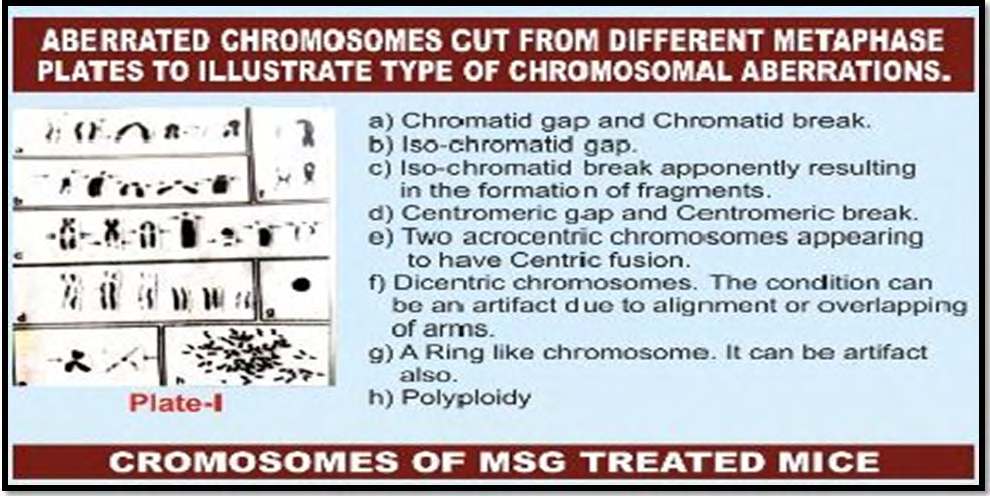
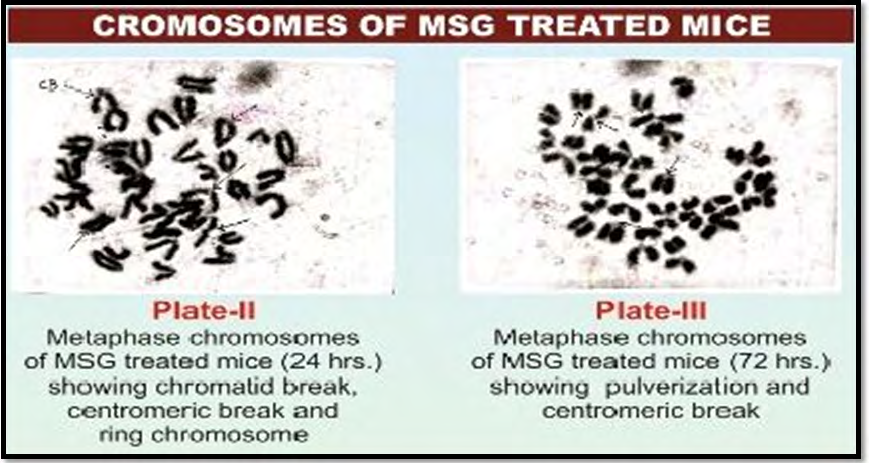
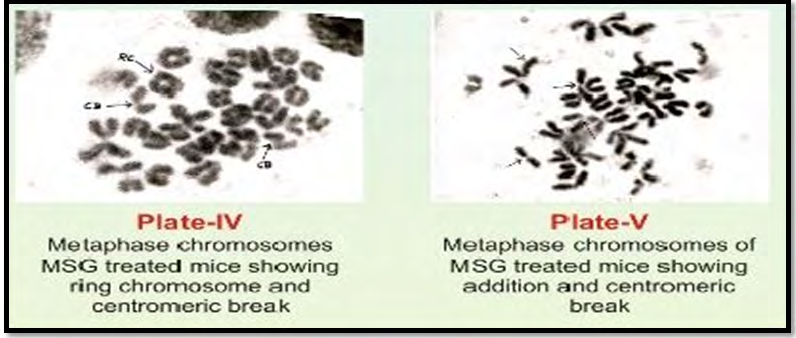
Monosodium Glutamate (MSG) and Formaldehyde, two food additives were taken to access their genotoxicity (in vivo) in Swiss albino mice. Firstly, Swiss albino mice were exposed to different doses of these two food additives. The doses were given intraperitoneally. Bone marrow cells were analyzed for chromosomal aberrations. Different types of aberrations recorded were chromatid break, additions, deletions, ring chromosome, pulverization etc. Because of these aberrations it has been contended that these additives could inflict chromosomal lesions causing defective genetic configuration (Figures 1-5). Monosodium glutamate (MSG) is one of several forms of glutamic acid found in foods, in large part because glutamic acid (an amino acid) is pervasive in nature. MSG is used in the food industry as a flavor enhancer .MSG has been used for more than 100 years to season food, with a number of studies conducted on its safety. Under normal conditions, humans can metabolize relatively large quantities of glutamate, which is naturally produced in the gut by exopeptidase enzymes in the course of protein hydrolysis. The median lethal dose (LD50) is between 15 and 18 g/kg body weight in mice and rats, respectively, five times greater than the LD50 of salt (3 g/kg in rats). The use of MSG as a food additive and the natural level of glutamic acid in foods are not toxicological concerns in humans. MSG has been linked with obesity, metabolic disorders, Chinese Restaurant Syndrome, neurotoxic effects and detrimental effects on the reproductive organs shows products containing substances that result in the release of glutamic metabolites after ingestion.
Shashi Prabha Agrawal1*, Pratibha Tripathi1 and Mrityunjay Kumar Sinha2
Introduction
Food additives are used widely for various purposes like preservation, coloring and sweetening. Some food additives however, have been prohibited from use because of their toxicity. Despite the wide use of monosodium glutamate (MSG) as food additive, its toxic effects related to oxidative stress were reported in numerous animal studies. However, this mechanism is still unclear. Although the defense system of human body consisting of antioxidants eliminates the negative effects of reactive oxygen species, the accumulated free radicals over the human life weaken the efficiency of his immune system. Food additives are substances not normally consumed as food ingredients but used as additives in foods or pharmaceuticals to achieve specified chemical effects in the final food product. Currently, there are over 3000 additives with different functions used in the food industry and they are classified based on their functions. They could be classified as preservatives, colourings, non-nutritive sweeteners, ingredient improvers and many more. Some food additives have been prohibited from use because of their toxicity. A study on a human model revealed that MSG consumption and haemoglobin levels are positively related to each other due to leptin’s vital role in hematopoiesis .Other studies have indicated however that beside MSG’s stimulation, there might be other mechanisms which disrupt normal physiological function of haematopoiesis. Further research should be carried out to explore the relationship between nutritional intake of MSG and suchlike physiological mechanisms. A promising recent discovery indicates that α-ketoglutarate dehydrogenase, glutamate receptors and cysteine-glutamate antiporters have a potential role in upregulation of oxidative stress in MSG-inducted toxicity. These additives proved to induce DNA damage in bacteria, fungi, insects and mammalian cells in vivo and in vitro. They also cause chromosomal aberrations in mammalian cells, including human cells. Generally flavour enhancement improves food palatability and acceptance, the use of artificial food enhancers must be discouraged. It is not only the traditional method to increase flavour with spices, herbs and salt adding some of these herbs and spices to the meals have other health benefits which are worth trying. The benefits of natural additives are endless, their synergy and potency is a great leap from synthetic additives that in most cases have only one effect over the food. Although not all natural additives are produced in the same way, the extraction from plants or microorganisms, purification, enzymatic alterations tend to be safer than the synthetically produced food additives, toxicity is always a detail that must not be overlooked. Furthermore, food additives are essential to enable the food industry to make food meet the increasingly challenging market and legal demands. To others, the price of natural additives such as herbs and spices must be reasonably affordable when compared with the synthetic compounds or else they will not be considered as an option for food due to the competitive globalized market. Another great limitation is the real effectiveness of natural additives; this is important due to the quantity that is added to food. Another drawback closely related to this one is the fact that some natural additives are needed in higher quantities than synthetic ones, and in some cases it is not profitable to use. Despite the negative aspect, food additives are an important part of our food supply; without food additives it would not be possible to maintain the current selection and quality of foods. Furthermore, different additives bring about very different benefits, which might or might not be linked to consumers’ characteristics and values. For example, every consumer benefits from the use of preservatives, as it ensures food safety and keeps food from spoiling prematurely. Although the need to feed has maintained itself immutable across the ages, the way foodstuffs are consumed has seen deep changes. Consumer studies have shown that consumers have recently become more informed about food additives and always tend to choose the additives of natural origin than the synthetic [1] The hazards of preservatives, nutrients, flavors, colors, and processing agents which are being added in rood are deemed necessary to be, discussed here because although they are essential for food storage, the cumulative effect’ of their hazards as “slow poisons” will increase the risk of becoming a host to disease or ‘premature death. Authors feel that the article would be help to the disciples of various specialties like Clinical Toxicology, Preventive medicine, Pediatrics, General Medicine, Food And technology etc. Formaldehyde is an essential building block chemical in the production of hundreds of items that improve everyday life. Little, if any, formaldehyde remains in the final products that consumers use.
Building and Construction
Formaldehyde-based resins are used to manufacture composite and engineered wood products used extensively in cabinetry, countertops, moldings, furniture, shelving, stair systems, flooring, wall sheathing, support beams and trusses and many other household furnishings and structures. Glues that use formaldehyde as a building block are exceptional bonding agents, delivering high-quality performance that is also economical. The wood products industry uses formaldehyde-based resins in a wide range of panel and board products, enabling sustainable use of forestry resources and minimizing waste. For example, composite wood panels are typically made from recovered wood waste that might otherwise be burned or disposed of in a landfill.
Health Care Applications
Formaldehyde has a long history of safe use in the manufacture of vaccines, anti-infective drugs and hard-gel capsules. For example, formaldehyde is used to inactivate viruses so they don’t cause disease, such as the influenza virus in making the influenza vaccine.
Personal Care and Consumer Products
Formaldehyde-based chemistry is essential in the production of many personal care and consumer items. These products may contain formaldehyde-releasing ingredients, which act as a preservative to kill microorganisms and prevent growth of bacteria and other pathogens, extending product shelf life.
Automobiles
Formaldehyde technology helps make vehicles lighter and more energy efficient. Formaldehyde-based resins are used to make interior molded components and under-the- hood components that need to withstand high temperatures. These resins are also used in the production of highly durable exterior primers, clear coat paints, tire-cord adhesives, brake pads and fuel system components. Formaldehyde is a natural substance produced by every living organism. It is naturally present in a wide variety of fruits, vegetables, meats, fish, coffee and alcoholic beverages. Formaldehyde is also produced in the human body as a part of normal functions to build the basic materials needed for important life processes.
Formaldehyde Exposure
Formaldehyde is naturally present in the human body and is quickly broken down by the body’s natural metabolic processes Studies show that formaldehyde does not accumulate in the body. In the environment, formaldehyde is rapidly broken down in the air by moisture and sunlight, or by bacteria in soil or water. Uses of formaldehyde are effectively regulated, and government oversight has been extensive:
- The U.S. Food and Drug Administration (FDA) has reviewed the safety of formaldehyde and approved its use as an indirect food additive in a number of materials having contact with food. FDA also has indicated that formaldehyde can be used in nail hardener products.
- The U.S. Department of Labor’s Occupational Health and Safety Administration (OSHA) has standards for workplace exposures to formaldehyde that provide comprehensive protection for employees through the implementation of good industrial hygiene practices.
- The U.S. Department of Housing and Urban Development (HUD) has long had standards in place that limit formaldehyde emissions from wood products used in manufactured housing.
- The U.S. Environmental Protection Agency (EPA) Consumer Product Safety Commission (CPSC) and HUD have extensively evaluated and controlled indoor air exposure to formaldehyde.
Industry voluntarily adopted product emission standards and developed low-emitting formaldehyde-based resins in the 1980s, and indoor formaldehyde emissions have declined significantly since then. CPSC determined that independent CPSC action was unnecessary, given the voluntary actions and low levels of formaldehyde. The state of California established a performance-based regulatory standard in 2007 and in 2010, Congress, at industry’s urging, enacted legislation mandating a national emission standard for composite wood products [2]. Monosodium Glutamate (MSG) is one of the world’s most extensively used food additive which is ingested as part of commercially processed foods. As a flavor enhancer, MSG increases the rapidity of food. MSG produces a flavor that cannot be provided by other foods. In 1991, the average intake of MSG in United Kingdom was 580 mg/day for general population individual and 4.68 g/day for extreme users The estimated average daily MSG intake per person in industrialized countries is 0.3–1.0 g, but it depends on the MSG content in foods and an individual’s taste preferences. According to a joint inquiry by the governments of Australia and New Zealand in 2003, a typical Chinese restaurant meal contains between 10 –1500mg/100g of MSG [3].
Studies providing the evidence of MSG toxic effects have raised the increasing interest in MSG intake as flavor enhancer. Studied that these additives cause DNA damage at all concentrations in isolated human lymphocytes and concluded that MSG is genotoxic to the human peripheral blood lymphocytes in vitro [4]. Formaldehyde is a colorless, flammable, strong-smelling chemical that is used in building materials and to produce many household products. It is used in pressed-wood products, such as particle board, plywood, and fiberboard; glues and adhesives; permanent- press fabrics; paper product coatings; and certain insulation materials. In addition, formaldehyde is commonly used as an industrial fungicide, germicide, and disinfectant, and as a preservative in mortuaries and medical laboratories. Formaldehyde also occurs naturally in the environment. It is produced in small amounts by most living organisms as part of normal metabolic processes [5].
Material Methods
The technique of Meighan and Stich after certain modifications will be adopted for the preparation of somatic chromosomes. The experimental animal will be weighed and quantity of colchicine solution required for arresting the dividing metaphases will be computed. Normally 0.04% aqueous solution of colchicine (3 ml/kg Body weight) gives good somatic chromosomes. The animal will be dissected and large femur bone taken out for bone marrow. The bone marrow will be flushed into the centrifuge tube containing aqueous solution of Kcl. The centrifuge tube containing the bone marrow will be centrifuged. A cell button will be obtained. After removal of hypotonic solution, the cellular material will be suspended in carnoy’s fixative containing acetic acid and methanol. Now small quantity of cellular material will be splashed on clean slides. Air dried slides will be stained in giemsa solution.
Results & Conclusion
As per my research based on two platforms and in this platforms we analyze various variations in effects and act of chemical as food additives Nowadays the hospitality industry finds it necessary and inevitable to add food additives such as monosodium glutamate (MSG) to the main meal/dish they serve, in other to increase the taste and flavors in the meal prepared. This paper compared the use of monosodium glutamate (MSG) and spices, the positions of both sides and the response of the consumers and producers of food. The study employed the use of descriptive design to find out opinions of these characteristics (texture, taste, flavour, aroma, appearance overall acceptability) from students (as customers) and some hospitality industries (restaurants, fast food joints, chop bars, workers canteen). The reasons for using HCIM students and workers were because they are into food preparation and were able to give a good judgment A sample size of hundred (100) respondents from the hospitality industries were selected. The instruments for collecting the data were questionnaire which was made up of both open and close ended questions. The questionnaire was edited and checked for inconsistencies, and after that coded and analyzed using the descriptive statistic such as bar graph, pie chart and frequency tables to present the data. Though the use of natural spices in meal preparation increases palatability, people prefer food seasoned with Monosodium Glutamate alone as it’s able to enhance taste active compounds and Monosodium Glutamate is always available. Though the respondents stated they do not use MSG in cooking because of its health implications, the blind tasting of the various foods prepared showed MSG was rated highest. Studies show that monosodium glutamate is also used to enhance the flavors of industrially processed foods and this has resulted in industries ignoring the use of natural spices and the health benefit attached. It is therefore recommended that it time one start adding some of these herbs and spices to meals because there is evidence out there supporting the health benefits of many herbs and spices. The underlying fact is that the use of natural spices and herbs will not automatically make you a healthy person but they are worth adding to food and above all they taste awesome. Key words: Monosodium Glutamate (MSG), Spices. Food provides the energy for everything we do; walking, playing, reading, thinking and even sleeping. It also provides the energy our nerves, heart and glands need. Different food items/ingredient (both plant and animal origin) are used in the preparation of different dishes in the hospitality industry. The after taste of any food prepared is of outmost importance to the caterer/chef because the guest/customer expects to receive quality for the money paid. The term does not include contaminants or substances added to food for maintaining or improving nutritional qualities. Most food additives act either as preservatives or enhancer of palatability. One such food enhancer is Monosodium Glutamate (MSG) and it is sold in most open market stalls and stores in Ghana. Monosodium glutamate (MSG) is one of the most abundant amino acids found in nature and exists both as free glutamate and bound with other amino acids into protein. Glutamate is naturally found in many foods such as meat, fish, milk and many vegetables and it is the glutamate in natural foods that imparts the fullness of taste and complexity of flavor. The Asians identified the taste of MSG as distinct from the four basic tastes (sweet, sour, salty, bitter) and has called it umami, meaning ‘‘savory deliciousness’’. It does not have a distinct taste of its own and how it adds flavour to other foods is not fully understood, (Food and Drug Administrative. MSG, a white crystalline powder which readily dissolve in water but sparingly soluble in ethanol is marketed in Ghana as food additives. MSG is considered quite stable because it neither changes in appearance nor quality during prolonged storage at room temperature nor decompose during normal food processing or cooking. In Ghana MSG is widely used by the commercial food operators such as restaurants, wayside food vendors, local food sellers (chop bars) as well as individuals to enhance the taste of the food being prepared. It is a product that was initially imported from other countries into Ghana but now local companies are manufacturing MSG and are sold in the open market. In the hospitality industry, especially food operators uses MSG a lot as flavor and taste enhances without knowing it health effect. As far back as 35000 BC, the ancient Egyptians were using various spices for flavouring food, in cosmetics, and for embalming their dead. The use of spices spread through the Middle East to the eastern Mediterranean and Europe. Spices from China, Indonesia and Ceylon (now Sri Lanka) were originally transported overland by donkey or camel caravans. For almost 5000 years, Arab middle men controlled the spices trade until European explorers discovered a sea route to India and other spices producing countries in the east. Spices have been prominent in human history virtually since its inception. Spices were some of the most valuable items of trade in the ancient and medieval world. The health effect of spices is sometimes not accorded the importance they deserve by a lot of people. The main reason cited for this situation is being ignorance of the nutrition value of some of these spices especially those in their natural form. Most often than not spices are added to meals just for their flavour and taste and accepted relish. The use of natural spices and herbs in the preparation of food in households and food industries keeps dwindling because MSG is easy to use and always available.
Analysis based on Advance Chemical Physiology
This study demonstrated that monosodium glutamate is hazardous to the human health as it is linked to Chinese Restaurant Syndrome (CRS). Regular intake of MSG for a long period of time can lead to conditions such as hepatotoxicity, renal damage, Fibroid, Obesity etc. More awareness concerning the hazardous effects of MSG should be created to enlighten people and natural alternatives for MSG should be promoted (Figure 1).
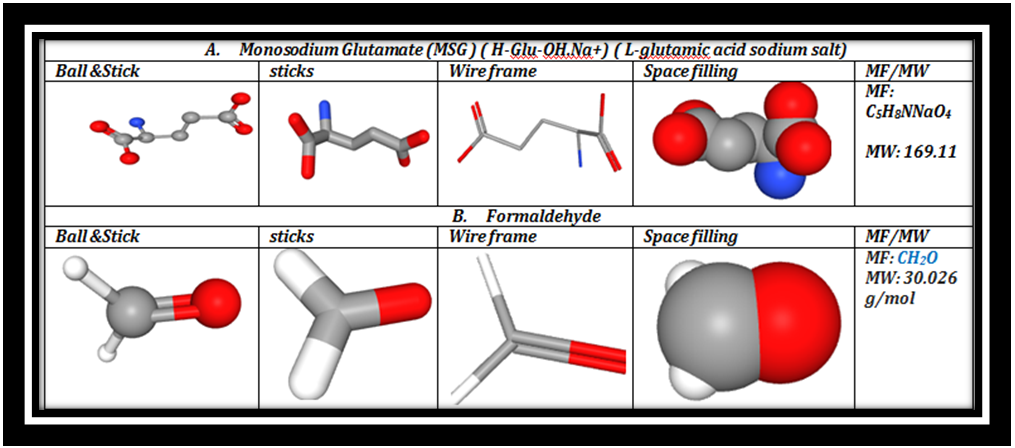
Formaldehyde is used in many industries. It is used in the production of fertilizer, paper, plywood, and urea- formaldehyde resins. It is present in the air in iron foundries. It is also used in the production of cosmetics and sugar, in well-drilling fluids, in agriculture as a preservative for grains and seed dressings, in the rubber industry in the production of latex, in leather tanning, in wood preservation, and in photographic film production. Formaldehyde is combined with methanol and buffers to make embalming fluid. Most of the formaldehyde you are exposed to in the environment is in the air. Formaldehyde dissolves easily in water, but it does not last a long time in water and is not commonly found in drinking water supplies. Most formaldehyde in the air also breaks down during the day. The breakdown products of formaldehyde in air include formic acid and carbon monoxide. Formaldehyde does not seem to build up in plants and animals, and although formaldehyde is found in some food. Glutamate is an amino acid (the building blocks of proteins) that is naturally abundant in both plant and animal proteins. Hence, protein-rich foods contain sizeable amounts of glutamate as part of the protein. In addition, many foods also contain small amounts of “free” glutamate, usually in the form of sodium glutamate (monosodium glutamate or MSG). This free glutamate gives an umami taste to such foods (e.g., ripe tomatoes and Parmesan cheese). How is glutamate used by the body? Almost all of the glutamate present in food is used to produce energy by the intestinal cells, never making it past the intestinal lining. The small remaining amount is used by these same cells, along with other amino acids, to make proteins and the antioxidant glutathione, both essential for optimal intestinal function. Glutamate is found naturally in many plant and animal-based foods. Notable examples are tomatoes, Parmesan cheese, walnuts, sardines, mushrooms, clams, meat, and asparagus. Glutamate is also present in many food ingredients, such as soy sauce, hydrolyzed vegetable protein, autolyzed yeast extract, and monosodium glutamate (MSG).
Analysis Based on Experimental Biology
Effect on the Mitotic Index and Somatic Chromosomes in vivo Studies
In both the chemicals mitotic index was found to decrease in both the doses of treatment.
Monosodium Glutamate (MSG) (Flavoring Agent)
- The mitotic index of Swiss albino mice decreased in both doses as compared to control group. Dose I of 250 mg/100kg body weight was observed to have mitotic index of 25.5% in 24hrs, 45.0% in 72 hrs. 29.5% in7 days and 25.0% in 15 days.
- Dose II of 500mg/100kg body weight was observed to have mitotic index of 20.5%in 24 hrs, 35.0% in 7daysand 21.0%in 15 days.
- In present findings the different types of abnormalities of chromosomes in monosodium glutamate (MSG) treated mice were analyzed. These were chromatid break, centromeric break, addition, deletion, ring chromosome etc.
Formaldehyde (Preservative)
- The mitotic index of Swiss albino mice treated with formaldehyde (preservative) decreased in both doses as compared to control group.
- Dose I of 2ml/100kg body weight was observed to have mitotic index of 50.5% in 24 hrs, 34.0% in 72hrs, 44.5% in 7 days and 39.0% in 15 days.
- Dose II of 4ml/100kg body weight was observed to have mitotic index of 29.0% in 24hrs, 21.0%in 72 hrs, 15.5% in 7 days and 20.0% in 15 days.
- The various types of aberrations observed were centromeric break, chromatid break, addition, deletion, pulverization etc (Figures 2-6).
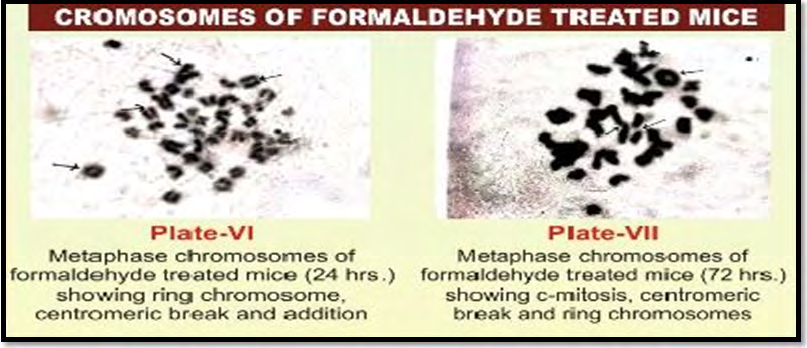
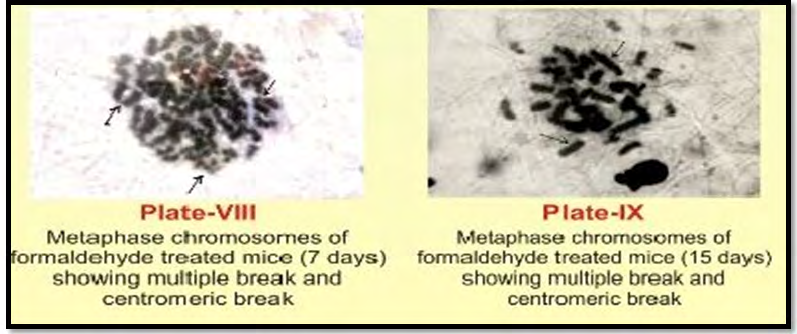
In rats, inhaled formaldehyde was linked to cancers of the nasal cavity and leukemia. In one study of rats given drinking water containing formaldehyde there was an increase in stomach tumors, while another showed no increase in any kind of tumor or cancer. studied the cytogenetic effects of formaldehyde used as a food preservative and reported that formaldehyde could inflict chromosomal lesions and become genotoxic even when used as a milk preservatives. In present study we will study the effect of these two chemicals on the chromosomes of Swiss albino mice.
Discussion
In present study Monosodium Glutamate (MSG) and Formaldehyde has genotoxic effects on mammalian chromosomes. It can lead to certain irreversible cytogenetic effects in higher organisms. Further research should be conducted for the comparison of result from other test systems used to detect genotoxic potential of these two chemicals (MNT, Comet assays or Single cell gel electrophoresis). The individual response varies not only according to dose, age, gender, nutritional status and genetic factors, but also according to long term exposure to low doses. 1500mg/100g. The oral dose that is lethal to 50% of subjects (LD50) in rats. Formaldehyde (FA) is a commonly used chemical in anatomy and pathology laboratories as a tissue preservative and fixative. Because of its sensitising properties, irritating effects and cancer implication, FA accounts probably for the most important chemical-exposure hazard concerning this professional group. Evidence for genotoxic effects and carcinogenic properties in humans is insufficient and conflicting, particularly in regard to the ability of inhaled FA to induce toxicity on other cells besides first contact tissues, such as buccal and nasal cells. To evaluate the effect
References
-
Abdul-Hamid M, Galaly SR, Ahmed RR, Hamdalla HM (2017) Monosodium Glutamate as a Food Additive: Toxic Implications and the Protective Role of Quercetin. Merit Research Journal of Medicine and Medical Sciences 5(8): 384-402.
-
Arora AK, Mahajanv S, Gupta P, Kapoor SS (2010) Is chemical safety to food hazardous? Dangers of food preservatives. Indian Acad Forensic Med 31(4): 1-5.
-
Geha RS, Beiser A, Ren C, Patterson R, Greenberger PA, et al. (2000) Multicenter, double-blind, placebo-controlled, multiple-challenge evaluation of reported reactions to monosodium glutamate. J Allergy Clin Immunol 106(5): 973-980.
-
Unal F, Ataseven N, Keskin CA, Yuzbasioglu D (2016) Answer to letter sent by Dr. M.D. Rogers (Chairman of the International Glutamate Technical Committee (IGTC), Belgium) related to Ataseven et al. article published in Food and Chemical Toxicology 2016; 91: 8-18. Food Chem Toxicol 94: 262-267.
-
http://www.treehuggersofamerica.org/formaldehyde_ cancer_risk.php
- Pattern of Gonadal Hormones in Oral Testosterone-Supplimented Male Wistar Rats with Diabetes-Induced Hypogonadism
- Re-Evaluation of the Genotoxicity of Currently Used Food Dyes in Mouse Multiple Organs Via Continuous Administration by Drinking Using the Comet Assay
- Pharmacogenetics of Type 2 Diabetes Mellitus: Linking Genetic Variability to Drug Efficacy and its Cardiovascular Outcomes
- Exploratory Proteomic Profiling of SARS-CoV-2 Infected THP-1 Macrophages Reveals Alterations in Inflammatory Response and Cellular Metabolism
- Study of Genotoxicity of Hepatocarcinogens in Multiple Organs in Mice by Feeding and Drinking Using the Comet Assay
- Spirulina Polypeptides Inhibit the Growth of Human Lung Tumor (H460) Cells