
Impact of SARS-CoV-2 on Sleep / Wake Cycle and Melatonin
The world has come to a halt as a result of the SARS-CoV-2 pandemic, which has forced most countries to implement lockdown for the maintenance of the spread of infection. This commentary highlights the important role of sleep as a public health problem, especially in stressful life stages such as the COVID-19 pandemic, and is evidence-based and practical for managing sleep disorders during this crisis. People’s routine has changed due to lockdown, including physical activities, eating habits, electronic usage, and sleeping habits. This has caused disruption between the external and internal zeitgebers and have the greatest impact on melatonin hormone. Melatonin is a key regulator of sleep-in body and controls other hormone cycles as endogenous synchroniser. Sleep is influenced by both circadian and homeostatic factors and sleep problems have a wide range of impacts on the body, effecting different physiological system. So, we should maintain a sleep / wake cycle which will benefit the overall health.
Introduction
The World Health Organization (WHO) declared in December 2019 that a novel and deadly respiratory virus known as Severe Acute Respiratory Syndrome Corona Virus 2 (SARS-CoV-2). It emerged in China (Wuhan), causing the COVID-19 sickness [1]. The globe experienced the epidemic as it welcomed the new decade of the twenty-first century, 2020 SARS-CoV-2 infection ranks as one of the most devastating infectious diseases in 2020, with over 100 million fatalities and 2 million deaths [2]. SARS-CoV-2’s rapid prevalence and limited treatment options put enormous strain on society at all levels. To avoid SARS-CoV-2 outbreaks, the ancient adage “Prevention is better than cure” must be implemented on a bigger scale [2]. Due to high infectious nature of this virus illness quickly spread over the world, causing most countries to implement lockdowns in order to check the spread of infection and flatten the curve, alleviating the burden on the health-care system [3]. The world has come to a halt as a result of the epidemic, which has forced people to limit their direct contact with one another and restrict them to their homes, only allowing them to communicate with others at a safe distance or through digital communications services (distance socializing) [4]. The SARS-CoV-2 infection has resulted in a great deal of tension, anxiety, and concerns about one’s health, career, and financial situation. This was a massive and unprecedented shift in behaviour resulted due to social isolation. People can choose the time they want to go to bed and wake up in this scenario, just like on free days. This situation reveals people’s hidden inner circadian preferences for mealtime, sleep-wake schedule, and subjective alertness [5]. Consequently, people’s routines have changed as a result of the lockdown, including physical activity, eating habits, electronic usage, and sleeping habits. Individuals can choose their preferred sleep and wake times just like they can on free days, showing their disguised genuine inner circadian preference for sleep wake schedule meal timing and subjective alertness. COVID-somnia, a term used as a favoured euphemism to facilitate communication, has been coined to describe sleep difficulties during the epidemic [6].
An internal clock in the suprachiasmatic nucleus (SCN) of the anterior hypothalamus regulates circadian rhythms [7]. Circadian rhythms are 24-hour daily cycles that consequently influences physiology and behaviour of everyone including humans and hence considered very important in regulation of human health, well-being and general physiology as well as our internal clock [7]. The circadian rhythm keeps all organisms at alert during the day and tired at night. In 2017, it was evidence by Young and Hall where they honoured with Nobel Prize in Physiology or Medicine for their discovery of the molecular mechanisms driving circadian rhythm [8]. Disruption of circadian rhythmicity, particularly of the sleep- wake cycle, is one of the most common outcomes of staying indoors during the forced lockdown time. The disrupted interaction between external and internal zeitgebers is known to have the greatest impact on melatonin hormone, the chronobiotic molecule that conveys information about night- dark and thus sleep timing to the brain [9]. The mammalian pineal produces melatonin in a rhythmic manner in response to noradrenergic stimulation, which sets off a series of metabolic reactions inside the pinealocyte [9]. Measuring melatonin levels can reveal a circadian cycle [10]. Zeitgebers are the regular, predictable indicators emanating from the surroundings that organisms and cells use to synchronize to time of day [11]. Thus, lockdown has increased the chances of disturbed sleep and insomnia through stress.
Sleep / Wake Cycle and Health during Covid-19 Pandemic
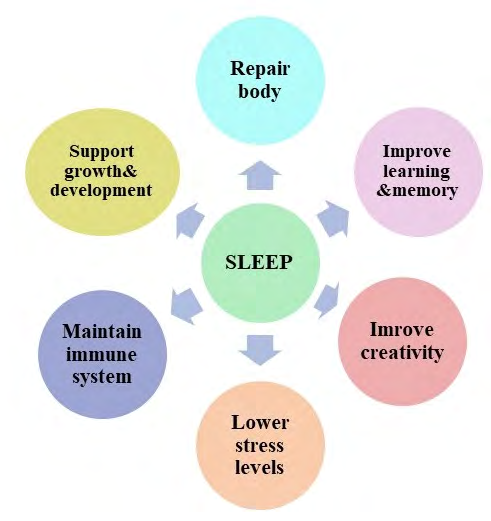
Sleep is a key neuronal/glial network self-organizing mechanism [12]. Sleep is essential for the health and well- being of people of all ages. Sleep is a part of one’s daily routine during which the body is shut down for a period of time in order to achieve physiological equilibrium. Food, exercise and sleep are three pillars of long-term health. Sleep that is adequate sleep, length, quality and timing plays an important role in regulating mental and physical processes [13]. Regular sleep is essential to fitness and boom of adolescents. Insufficient sleep and sleep disturbance are related to unfavourable bodily and mental effects in adolescents [14, 15] in addition to poorer instructional performance [16, 17]. Since numerous studies have demonstrated that sleep loss activates the classical stress mechanisms and raises plasma levels of stress hormones like adrenaline and cortisol, sleep deprivation is frequently considered of as a stressor [18]. Sleep deprivation and sleep disorders can interact with mental and physical functions and worsen the health of the human being. Several studies have reported the effects of COVID-19 on sleep in certain populations [19]. Investigation of daytime naps may provide a good indication of insufficient nocturnal sleep [20]. A single night of sleep deprivation can cause major mood swings and weakened immune defence mechanism [21]. The respiratory system is extremely sensitive while you’re sleeping, and breathing issues are linked to some of the most common and serious sleep disorders (asthma with sleep apnea) [21]. Patients with obstructive sleep apnea skilled about 8-fold extra hazard for COVID-19 contamination in comparison to a comparable age populace receiving care in a large, racially, and socioeconomically various healthcare system [22]. When compared to males who did not report any sleep issues, this prospective cohort analysis revealed that individuals with sleep disruption had an elevated risk of prostate cancer, particularly advanced prostate cancer [23]. Our bodies renew physically during sleep timing; the physiological processes renews/rejuvenate; hence the immune system is enhanced, and protective immune cells hunt for cells that are forming improperly and eliminate them. Regular inadequate sleep, lead in making the body more susceptible to disease. The internal / endogenous circadian system regulates human behaviour, such as sleep-wake cycles, physical activity, and alertness levels, to fluctuate from peak to nadir in about 24 hours, and interacts with external environmental factors such as sunlight and social cues such as working hours, meal times, and exposure to artificial light via a digital screen [24]. The prefrontal cortex, basal ganglia, and hypothalamus in the brain are all affected by the SARS-CoV-2, which is critical for sleep regulation. As a result, rather than attributing higher frequency of sleep disruptions to social and emotional factors alone, it’s probable that higher prevalence of sleep problems during COVID-19 pandemic could be attributable to asymptomatic virus infection [21]. The immune system is harmed by numerous types of stress. It is a big worry in the current situation since the SARS-CoV-2 attacks the immune system. There is strong evidence that sleep plays a role in boosting immunity [2]. Obstructive sleep apnea patients have been observed to have a higher chance of contracting SARS- CoV-2, being hospitalised, and experiencing respiratory failure. As a result, a sufficient amount of optional quantity sleep appears to be a crucial element in preventing infection [22]. Healthy sleep could play a major role in coping positively with these difficulties. So, in light of those current tough conditions, sleep, which accounts for about one third of our lives, should be prioritised in order to improve immunity (Figure 1) [11].
Effect of Covid-19 Pandemic Lockdown on Sleep / Wake Cycle
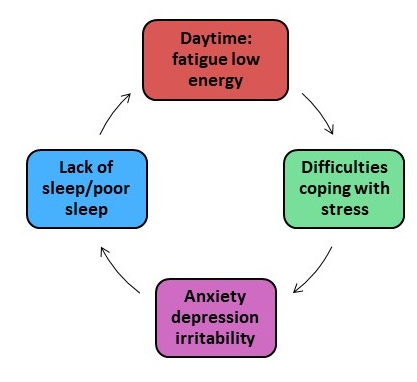
The term “stress” is imprecise and has implications that make it less than helpful for describing how the body might effectively adapt or fail to adjust to experiences in daily life, such as little inconveniences, major life events, abuse, or trauma [25]. Any stressful life event, whether personal or triggered by a natural disaster, that threatens one’s physiological or physical well-being is likely to create sleep problems, especially in those with a high susceptibility [25]. As a result, just a few persons were able to retain their pre-epidemic sleep routine during the pandemic. Existing insomnia is also an important risk factor for developing post- traumatic stress disorder (PTSD) when exposed to major stressors [26]. According to a recent study, 7% of Wuhan residents reported PTSD symptoms after the outbreak of COVID-19, especially among women [27]. Following COVID-19 news updated for more than 3 hours a day under the age of 35 is less exposed to people over the age of 35 and COVID-19 news updates in connection with increased anxiety levels Compared to no people [28]. Fear, fitness anxiety, apprehension, uncertainty, loneliness and mass- hysteria are the not unusual place offshoots considering that COVID-19 began [29], as billions are quarantined at their homes, borders sealed and economies crashing down [29]. Various research have already stated an immediate mental effect at the inclined populations like elderly, migrants, homeless and additionally the frontline people such as the fitness care staff [30, 31]. People in internment are experiencing negative psychosocial changes that have a control on well-being (e.g., sleep disturbances, depression and anxiety) (Figure 2). As declared by a task force of the eu CBT-I Academy [27], throughout total lockdown individuals’ sleep habits are challenged by many factors i.e., reduced exposure to sunlight, reduced physical activity and psychological distress. we have a tendency to also suppose that the dearth of social zeitgebers, equivalent to regular work schedules and social activities, still as changes in living conditions (e.g., moving to parents’ house), are powerfully moving sleep habits underneath restrictions [32].
There are other factors apart from melatonin, homeostatic pressure (wakefulness length), day light exposure, and a number of social and environmental timekeepers also influence sleep wake cycles. Changes in daily schedules have resulted in changes in sleep habits and sleep quality. Staying at home during a lockdown exposes people to excessive artificial light or digital screens as a result of the widespread usage of virtual platforms such as television, laptops, and smart phones [33]. One of the most difficult aspects of online learning for many students is the inability to focus on a screen for extended periods of time. With online learning, students are more likely to be quickly distracted by social media or other distractions. Everyone is concerned about the health risks of themselves and the members of their family spending so much time staring at a screen [34]. One of the most serious concerns and consequences of the pandemic is the increase in screen time. Students may acquire terrible posture and other physical problems as a result of sitting crouched in front of a screen for long periods of time and the blue light emitted by screens lowers the body’s natural melatonin production at night [35]. In addition, increased screen time is linked to decreased physical activity, which disrupts sleep quality [36]. In the general population, there was a delay in going to bed and waking up, as well as a reduction in overall time spent sleeping at night. Daytime napping rose as well, maybe to compensate for the lack of night-time sleep [37]. Bedtime was pushed back, sleep onset latency was lengthened, and the percentage of people who napped during the day increased. Napping throughout the day lowers sleep pressure, which delays bedtime and extends sleep-onset latency. Thus, sleep is influenced by both circadian and homeostatic factors, which combine to determine the timing and latency of sleep onset. Furthermore, due to circadian variables, delayed sleep reduces the amount of slow-wave sleep, which can lead to poor sleep quality [38]. Based on the fact that sleep is regulated by a circadian pacemaker, it is plausible that insomnia is caused by disturbances of the coupling of sleep to this pacemaker [24]. Based on this assumption, therapeutic methods, such as melatonin or bright light, have been recommended in chronic insomnia. The lack of social zeitgebers during lockdown has been blamed for the delayed bedtime and wake-up times (time cues). The COVID-19 pandemic crises, home isolation, mobile working, and limited/restricted social interactions have a negative impact on sleep parameters and circadian alignment, which are markers of psychological well-being and health [1].
Consequences of Disruption of Sleep / Wake Cycle and Role of Melatonin
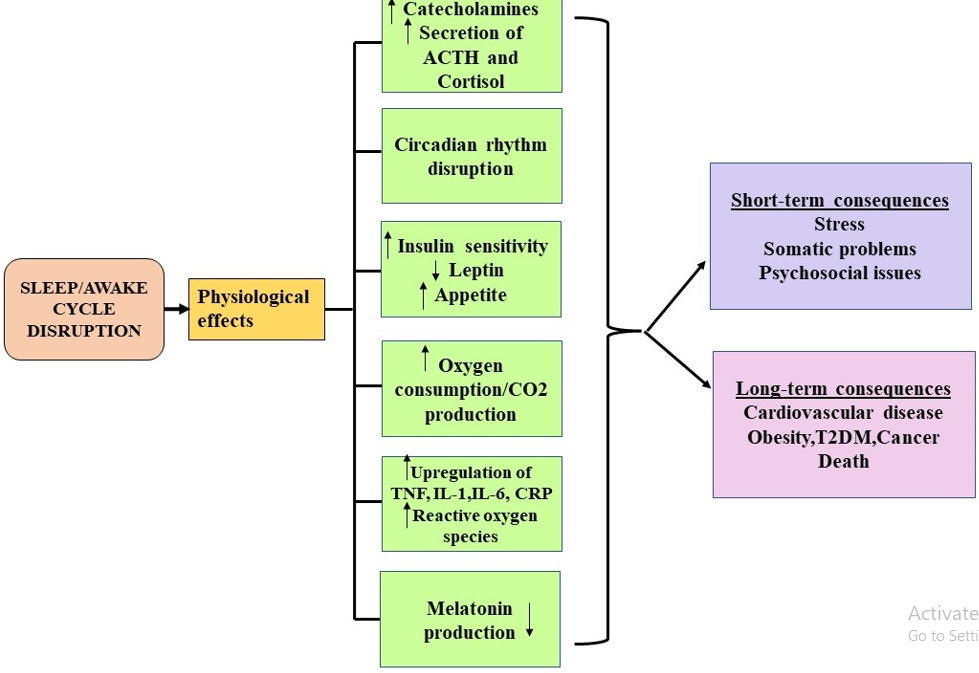
Since sleep is controlled by a circadian pacemaker, it is possible that insomnia is caused by disruptions in the coupling of sleep to this pacemaker [39]. In persistent insomnia, treatment techniques such as melatonin or strong light have been suggested based on this idea [40, 41]. Sleep disturbance has a wide range of risk factors, including biological, psychological, genetic, and social aspects. Higher metabolism is shown by increased oxygen use and carbon dioxide generation during both brief and protracted awakening during sleep [42]. Catecholamines, epinephrine, and epinephrine levels have all been linked to fragmented sleep. Furthermore, chronic persistent insomnia is linked to increased adrenocorticotropic hormone and cortisol release, which occurs throughout the 24-hour sleep-wake cycle. The stimulation of the sympathetic nerve system, sympathoadrenal system, and hypothalamic-pituitary- adrenal axis may be involved in the health effects of sleep disruption [22]. Slow wave sleep suppression was linked to lower insulin sensitivity without an increase in insulin release, which could explain why patients with poor sleep quality have a higher risk of type 2 diabetes mellitus (T2DM) [43]. Other metabolic alterations that may contribute to increased appetite include decreased leptin and increased ghrelin [42]. Sleep is critical for cellular and humoral immunity control, and sleep deprivation can impair immunological response. A vicious cycle results when there is inadequate sleep followed by depression and anxiety, which are both significant predictors of inadequate sleep [44]. In addition, lack of sleep may cause changes in the neuroendocrine stress response system, which can lead to stress-related diseases such mood disorders and depression [44]. Attention, executive function, emotional reactivity, memory formation, decision making, risk-taking behaviour, and judgement are all affected by sleep disruption. Furthermore, the reduced sleep quality with low levels of sleep, as occurs in aging and in many obese individuals, may contribute to increase the risk of type 2 diabetes [45]. Circadian rhythm disruptions and sleep deprivation have been found to accelerate tumour growth and raise cancer risk. From a study it was found that among the female nurses in a cohort, working rotating night shifts was linked to a higher incidence of colorectal cancer [46]. The severe obstructive sleep apnea syndrome is characterised by a substantial risk of cardiovascular illness and sleep fragmentation [47]. The generation of melatonin is reduced when exposed to light at night, which may lead to an increase in the production of reproductive hormones. Melatonin also has other beneficial effects, such as DNA repair, tumour growth suppression, and serving as a powerful free radical scavenger. Because sleep is so important to most physiological systems, sleep disturbance can have serious short- and long-term health repercussions in otherwise healthy people as well as those who have underlying medical conditions (Figure 3) [42].
Pinealocytes in the human pineal gland are primarily responsible for producing an important molecule an indolamine known as melatonin [N-acetyl- 5-methoxytryptamine] [48]. It has been recognised as a hormone that regulates the sleep-wake cycle and as a key physiological sleep regulator [49]. Fundamental to the plan and animal physiology is the presence of an endogenous circadian pacemaker or biological clock. The human biological clock, which regulates processes from gene expression to behaviour, like that of most organisms, synchronises to the Earth’s 24-hour rotation using signals from the environment (zeitgebers) [50].
Stimulus timing, e.g. light and melatonin, resets the clock and synchronizes it with the environment [51]. A molecular clock that is almost universally present in every cell creates internal time of roughly 24 hours in the absence of environmental stimuli, thereby genetically encoding circadian rhythms [52]. Circadian rhythmicity is a clock- like phenomenon that regulates sleep inclination and a variety of other sleep-related factors. Circadian rhythmicity is generated at the molecular level by a collection of core clock genes found in nearly all cells. The circadian process controls when to go to sleep and when to be awake [53]. A master circadian pacemaker in the suprachiasmatic nucleus is thought to coordinate circadian rhythmicity in humans. The suprachiasmatic nucleus receives input from the environmental light-dark cycle via a specialised pathway from light-sensitive retinal ganglion cells, allowing rhythms to synchronise 24 hours via the dorsomedial hypothalamus [54]. The SCN governs the sleep/wake cycle by creating an oscillatory signal that works in opposition to the homeostatic sleep propensity, supporting wake during the biological day as the homeostatic sleep inclination rises and sleep during the night as the homeostatic sleep propensity falls [38]. In each of the paired SCN nuclei’s ~10,000 cells, a molecular process that works as key functional components of cellular components of cellular circadian oscillators operates. Clock mechanisms can be found in a variety of peripheral tissues, where they may serve as a subservient to timing mechanisms regulated by the SCN output or operate independently [55]. The core clock mechanism has been discovered to be made up of overlapping transcriptional feedback loops that produce 24-hour rhythmic gene expression patterns [56]. Clock and BMall, two fundamental “helix loop helix” transcriptional activators, heterodimerize and bind recognition sequences termed “E-boxes” in the promoter regions of Period (Per) and Cryptochrome (Cry), hence activating transcription of these genes in the positive regulatory loop [56]. The Per and Cry proteins, once translated, act as negative regulators of Clock/BMall activity, establishing the main circadian auto regulatory feedback loop. This series of chemical activities results in a synchronised rhythmic output from the SCN, which is transmitted both synaptically and humorally to other brain regions and peripheral organs [57]. The SCN clock’s output, which includes pineal melatonin release, gives circadian rhythmicity to a variety of physiological regulatory systems [57]. An exposure during night, between midnight and 4 a.m., when melatonin secretion is at its peak, leads in complete suppression of secretion for the length of the exposure. Early morning exposure to light causes a phase advance, which means that melatonin output peaks earlier than it would otherwise. The clocks phase is delayed when the exposure occurs near the end of the afternoon, that is, before the nadir for core body temperature [58]. The impact of light is influenced by its intensity, duration, and spectral qualities.
Sleep is polyphasic in early childhood, and then becomes monophasic as children enter primary school. Primary school children’s sleep patterns are frequently related with early bedtimes and early wake hours [59]. The (preferred) timing of sleep is postponed with the onset of puberty, resulting in the typical “owl-like” behaviour of adolescence [60]. Once men and women reach their early twenties, the shift in timing reverses and a return to earlier timing occurs. There are ~ 100 disorder classifications, but they are typically manifested in one of three ways: failure to obtain the necessary amount or quality of sleep (sleep deprivation), inability to maintain sleep continuity (disrupted sleep, also known as sleep fragmentation, difficulty maintaining sleep, and middle insomnia), and events that occur during sleep (events that occur during sleep) (e.g. sleep apnea, restless leg syndrome) [61]. Sleep problems have a wide range of impacts on the body, affecting different physiological systems. As sleep is controlled by a circadian pacemaker, it is possible that insomnia is caused by disruptions in the coupling of sleep to this pacemaker [33]. In persistent insomnia, treatment techniques such as melatonin or strong light have been suggested based on this idea.
The different surveyed/ review and research paper suggests that endogenous circadian clock system in humans is influenced by environmental changes and controls rhythmic biological function as well as behavioural outputs during a 24-hour period [24]. The suprachiasmatic nucleus (SCN) controls the circadian rhythm of pineal melatonin release, which is a reflecting mechanism involved in the management of the sleep/wake cycle [61]. Endogenous circadian and external environmental cycle synchronisation has been demonstrated to be critical for human health and well-being. However, due to the SARS-CoV-2 outbreak and the imposition of lockdown, we are having difficulty keeping our internal clocks in synchronization [24]. Lockdowns were implemented to prevent the spread of the SARS-CoV-2 infection, which has restricted people at home and imposed social restrictions, all of which are likely to produce changes in circadian-driven sleep/wake schedules and associated lifestyle behaviours [62]. Several factors, such as increased stress due to social isolation, pandemic, increased use of digital media, increased exposure of individuals to light at night, change in bed time, and meal timing, reduce melatonin levels and disrupt circadian rhythmicity, all of which are important for maintaining healthy sleep / wake cycle among individuals during lockdown [5]. Sleep issues are common, and they include sleep deficiency in both quality and quantity. Disrupted sleep has both short and long-term health implications [42]. Short-term effects of sleep disturbance in healthy individuals include increased stress reactivity, decreased quality of life, emotional distress and mood disorders, as well as cognitive, memory, and performance deficiencies [42]. Sleep disturbance has an impact on adolescents’ mental health, academic performance, and risk-taking behaviour. Hypertension, cardiovascular disease, weight-related issues, metabolic syndrome, type-2 diabetes mellitus, and colorectal cancer are all long-term effects of sleep disruption in otherwise healthy people [42].
Conclusion
The present COVID-19 pandemic can be assessed the most catastrophic occurrence in recent history. Healthy sleep is essential for physically and psychologically coping with important life events like the SARS-CoV-2 infection epidemic [63]. Because of the covid imposed lockdown, there has been a major alteration in sleep patterns, which could lead to serious health issues in the future. Internal and external rhythm disruption and misalignment have been linked to a variety of health issues, including metabolic and cardiovascular diseases, psychological problems, and even cancer [64]. Given the high prevalence of these sleep disorders, proper therapy is critical during the pandemic, not only to reduce the probability of developing SARS-CoV-2 infection, but also to minimise the negative health implications of infection [65]. In addition to taking all possible steps to avoid SARS- CoV-2 related sickness, it is recommended that everyone maintain a sleep / wake cycle, which will benefit immunity and overall health [66]. Melatonin is a hormone that has an impact on the circadian system and is crucial for sustaining circadian rhythmicity. Melatonin impacts the control of other hormone cycles as an endogenous synchronizer [67]. Melatonin production is reduced, and melatonin is changed, which can raise the risk of sickness. Sleep habits are greatly influenced by a lack of social zeitgbergs, such as regular work schedules and social activities, as well as changes in living situations. Maintaining an adequate sleep/wake cycle and other circadian rhythms may be advantageous at this time. “Better Sleep, Better Life, Better Planet” was the World Sleep Society’s motto for World Sleep Day 2020. This is meant to highlight the importance of sleep as a pillar of health, allowing for better decision making and cognitive understanding even in big issues like the corona virus that are affecting the entire planet [68].
References
-
Salehinejad MA, Majidinezhad M, Ghanavati E, Kouestanian S, Vicario CM, et al. (2020) Negative impact of COVID-19 pandemic on sleep quantitative parameters, quality, and circadian alignment: Implications for health and psychological well-being. EXCLI journal 19: 1297- 1308.
-
Gulia KK, Kumar VM (2020) Importance of sleep for health and wellbeing amidst COVID-19 pandemic. Sleep and vigilance 4(1): 49-50.
-
Keni R, Alexander A, Nayak PG, Mudgal J, Nandakumar K (2020) COVID-19: emergence, spread, possible treatments, and global burden. Frontiers in public health.
-
Pandya A, Lodha P (2021) Social connectedness, excessive screen time during COVID-19 and mental health: a review of current evidence. Frontiers in Human Dynamics.
-
Sinha M, Pande B, Sinha R (2020) Impact of COVID-19 lockdown on sleep-wake schedule and associated lifestyle related behavior: A national survey. Journal of Public Health Research 9(3): 1826.
-
Gupta R, Pandi Perumal SR (2020) COVID-Somnia: how the pandemic affects sleep/wake regulation and how to deal with it?. Sleep and vigilance 4(2): 51-3.
-
Touitou Y, Reinberg A, Touitou D (2017) Association between light at night, melatonin secretion, sleep deprivation, and the internal clock: Health impacts and mechanisms of circadian disruption. Life sciences 173: 94-106.
-
Finger AM, Kramer A (2021) Mammalian circadian systems: organization and modern life challenges. Acta Physiologica 231(3): e13548.
-
Sugden D (1989) Melatonin biosynthesis in the mammalian pineal gland. Experientia 45(10): 922-932.
-
Tähkämö L, Partonen T, Pesonen AK (2019) Systematic review of light exposure impact on human circadian rhythm. Chronobiology international 36(2): 151-170.
-
Haspel J, Kim M, Zee P, Schwarzmeier T, Montagnese S, et al. (2021) A timely call to arms: COVID-19, the circadian clock, and critical care. Journal of biological rhythms 36(1): 55-70.
-
Zielinski MR, Krueger JM (2011) Sleep and innate immunity. Frontiers in bioscience 3(2): 632-642.
-
Zielinski MR, McKenna JT, McCarley RW (2016) Functions and mechanisms of sleep. AIMS Neurosci 3(1): 67-104.
-
Vallido T, Peters K, O Brien L, Jackson D (2009) Sleep in adolescence: A review of issues for nursing practice. Journal of Clinical Nursing 18(13): 1819-1826.
-
Fredriksen K, Rhodes J, Reddy R, Way N (2004) Sleepless in Chicago: tracking the effects of adolescent sleep loss during the middle school years. Child development 75(1): 84-95.
-
James JE, Kristjánsson ÁL, Sigfúsdóttir ID (2011) Adolescent substance use, sleep, and academic achievement: Evidence of harm due to caffeine. Journal of adolescence 34(4): 665-673.
-
Wolfson AR, Carskadon MA (1998) Sleep schedules and daytime functioning in adolescents. Child development 69(4): 875-887.
-
Meerlo P, Sgoifo A, Suchecki D (2008) Restricted and disrupted sleep: effects on autonomic function, neuroendocrine stress systems and stress responsivity. Sleep medicine reviews 12(3): 197-210.
-
Miller MA, Cappuccio FP (2021) A systematic review of COVID-19 and obstructive sleep apnoea. Sleep Medicine Reviews 55: 101382.
-
Mak KK, Lee SL, Ho SY, Lo WS, Lam TH (2012) Sleep and academic performance in Hong Kong adolescents. Journal of School Health 82(11): 522-527.
-
Irwin MR (2019) Sleep and inflammation: partners in sickness and in health. Nature Reviews Immunology 19(11): 702-715.
-
Maas MB, Kim M, Malkani RG, Abbott SM, Zee PC (2021) Obstructive sleep apnea and risk of COVID-19 infection, hospitalization and respiratory failure. Sleep and Breathing 25(2): 1155-1157.
-
Sigurdardottir LG, Valdimarsdottir UA, Mucci LA, Fall K, Rider JR, et al. (2013) Sleep disruption among older men and risk of prostate cancer. Cancer epidemiology, biomarkers prevention 22(5): 872-879.
-
Potter GD, Skene DJ, Arendt J, Cade JE, Grant PJ, et al. (2016) Circadian rhythm and sleep disruption: causes, metabolic consequences, and countermeasures. Endocrine reviews 37(6): 584-608.
-
McEwen BS (2008) Central effects of stress hormones in health and disease: Understanding the protective and damaging effects of stress and stress mediators. European journal of pharmacology 583(2-3): 174-185.
-
Gehrman P, Seelig AD, Jacobson IG, Boyko EJ, Hooper TI, et al. (2013) Predeployment sleep duration and insomnia symptoms as risk factors for new-onset mental health disorders following military deployment. Sleep 36(7): 1009-1018.
-
Altena E, Baglioni C, Espie CA, Ellis J, Gavriloff D, et al. (2020) Dealing with sleep problems during home confinement due to the COVID‐19 outbreak: Practical recommendations from a task force of the European CBT‐I Academy. Journal of sleep research 29(4): e13052.
-
Huang Y, Zhao N (2020) Generalized anxiety disorder, depressive symptoms and sleep quality during COVID-19 outbreak in China: a web-based cross-sectional survey. Psychiatry research 288: 112954.
-
Banerjee D, Viswanath B (2020) Neuropsychiatric manifestations of COVID-19 and possible pathogenic mechanisms: insights from other coronaviruses. Asian journal of psychiatry 54: 102350.
-
Chen Q, Liang M, Li Y, Guo J, Fei D, et al. (2020) Mental health care for medical staff in China during the COVID-19 outbreak. The Lancet Psychiatry 7(4): 15-16.
-
Yang Y, Li W, Zhang Q, Zhang L, Cheung T, et al. (2020) Mental health services for older adults in China during the COVID-19 outbreak. The Lancet Psychiatry 7(4): e19.
-
Cellini N, Canale N, Mioni G, Costa S (2020) Changes in sleep pattern, sense of time and digital media use during COVID‐19 lockdown in Italy. Journal of sleep research 29(4): e13074.
-
Sultana A, Tasnim S, Hossain MM, Bhattacharya S, Purohit N (2021) Digital screen time during the COVID-19 pandemic: a public health concern. F1000Research 10(81): 81.
-
Almahasees Z, Mohsen K, Amin MO (2021) Faculty’s and students’ perceptions of online learning during COVID-19. InFrontiers in Education.
-
Cardinali DP, Brown GM, Reiter RJ, Perumal SRP (2020) Elderly as a high-risk group during COVID-19 pandemic: effect of circadian misalignment, sleep dysregulation and melatonin administration. Sleep and vigilance 4(2): 81-87.
-
Rosen ML, Rodman AM, Kasparek SW, Mayes M, Freeman MM, et al. (2021) Promoting youth mental health during the COVID-19 pandemic: A longitudinal study. PloS one 16(8): e0255294.
-
Pilcher JJ, Michalowski KR, Carrigan RD (2001) The prevalence of daytime napping and its relationship to nighttime sleep. Behavioral Medicine 27(2): 71-76.
-
Dijk DJ, Archer SN (2009) Circadian and homeostatic regulation of human sleep and cognitive performance and its modulation by PERIOD3. Sleep Medicine Clinics 4(2): 111-125.
-
Czeisler CA, Richardson GS (1991) Detection and assessment of insomnia. Clin Ther 13(6): 663-679.
-
Vgontzas AN, Bixler EO, Lin HM, Prolo P, Mastorakos G, et al. (2001) Chronic insomnia is associated with nyctohemeral activation of the hypothalamic-pituitary- adrenal axis: clinical implications. The Journal of Clinical Endocrinology & Metabolism 86(8): 3787-3794.
-
Vgontzas AN, Tsigos C, Bixler EO, Stratakis CA, Zachman K, et al. (1998) Chronic insomnia and activity of the stress system: a preliminary study. Journal of psychosomatic research 45(1): 21-31.
-
Medic G, Wille M, Hemels ME (2017) Short-and long- term health consequences of sleep disruption. Nature and science of sleep 9: 151-161.
-
Mesarwi O, Polak J, Jun J, Polotsky VY (2013) sleep disorders and the development of insulin resistance and obesity. Endocrinology and Metabolism Clinics North Am 42(3): 617-634.
-
Shochat T, Cohen Zion M, Tzischinsky O (2014) Functional consequences of inadequate sleep-in adolescents: a systematic review. Sleep medicine reviews 18(1): 75-87.
-
Tasali E, Leproult R, Ehrmann DA, Van Cauter E (2008) Slow-wave sleep and the risk of type 2 diabetes in humans. Proceedings of the National Academy of Sciences 105(3): 1044-1049.
-
Schernhammer ES, Laden F, Speizer FE, Willett WC, Hunter DJ, et al. (2003) Night-shift work and risk of colorectal cancer in the nurses’ health study. Journal of the National Cancer Institute 95(11): 825-828.
-
Tiemeier H, Pelzer E, Jönck L, Möller HJ, Rao ML (2002) Plasma catecholamines and selective slow wave sleep deprivation. Neuropsychobiology 45(2): 81-86.
-
Parlakpinar H, Polat S, Acet HA (2021) Pharmacological agents under investigation in the treatment of coronavirus disease 2019 and the importance of melatonin. Fundamental clinical pharmacology 35(1): 62-75.
-
Perumal SRP, Srinivasan V, Spence DW, Cardinali DP (2007) Role of the melatonin system in the control of sleep. CNS drugs 21(12): 995-1018.
-
Roenneberg T, Kumar CJ, Merrow M (2007) The human circadian clock entrains to sun time. Current Biology 17(2): 44-45.
-
Kalsbeek A, Garidou ML, Palm IF, Van Der Vliet J, Simonneaux V, et al. (2000) Melatonin sees the light: blocking GABA‐ergic transmission in the paraventricular nucleus induces daytime secretion of melatonin. European journal of neuroscience 12(9): 3146-3154.
-
Partch CL, Green CB, Takahashi JS (2014) Molecular architecture of the mammalian circadian clock. Trends in cell biology 24(2): 90-99.
-
McCoy JG, Strecker RE (2011) The cognitive cost of sleep lost. Neurobiology of learning and memory 96(4): 564-
-
Esseveldt KE, Lehman MN, Boer GJ (2000) The suprachiasmatic nucleus and the circadian time-keeping system revisited. Brain research reviews 33(1): 34-77.
-
Honma KI, Honma S (2009) The SCN‐independent clocks, methamphetamine and food restriction. European Journal of Neuroscience 30(9): 1707-1717.
-
Ko CH, Takahashi JS (2006) Molecular components of the mammalian circadian clock. Human molecular genetics 15(2): 271-277.
-
King DP, Takahashi JS (2000) Molecular genetics of circadian rhythms in mammals. Annual review of neuroscience 23: 713-742.
-
Crowley SJ, Eastman CI (2015) Phase advancing human circadian rhythms with morning bright light, afternoon melatonin, and gradually shifted sleep: can we reduce morning bright-light duration?. Sleep medicine 16(2): 288-297.
-
Skeldon AC, Derks G, Dijk DJ (2016) Modelling changes in sleep timing and duration across the lifespan: changes in circadian rhythmicity or sleep homeostasis?. Sleep medicine reviews 28: 96-107.
-
Pieters S, Vorst HVD, Burk WJ, Wiers RW, Engels RCM (2010) Puberty‐dependent sleep regulation and alcohol use in early adolescents. Alcoholism Clinical and Experimental Research 34(9): 1512-1518.
-
Benarroch EE (2008) Suprachiasmatic nucleus and melatonin: reciprocal interactions and clinical correlations. Neurology 71(8): 594-598.
-
Nuccetelli M, Pieri M, Grelli S, Ciotti M, Miano R, et al. (2020) SARS-CoV-2 infection serology: a useful tool to overcome lockdown?. Cell Death Discovery 6(1): 38.
-
Singh N, Kumar S, Rathore R, Vig S, Vallath N, et al. (2020) Concerns and coping strategies of persons under institutional quarantine during SARS-CoV-2 pandemic. Indian Journal of Palliative Care 26(1): 99-105.
-
Baron KG, Reid KJ (2014) circadian misalignment and health. International review of psychiatry 26(2): 139- 154.
-
Chevance A, Gourion D, Hoertel N, Llorca PM, Thomas P, et al. (2020) Ensuring mental health care during the SARS-CoV-2 epidemic in France: A narrative review. Encephale 46(3): 193-201.
-
Acter T, Uddin N, Das J, Akhter A, Choudhury TR, et al. (2020) Evolution of severe acute respiratory syndrome coronavirus 2 (SARS-CoV-2) as coronavirus disease 2019 (COVID-19) pandemic: A global health emergency. Science of the Total Environment 730: 138996.
-
Pandi Perumal SR, Trakht I, Spence DW, Srinivasan V, Dagan Y, et al. (2008) The roles of melatonin and light in the pathophysiology and treatment of circadian rhythm sleep disorders. Nature clinical practice neurology 4(8): 436-447.
-
Reiter RJ (2002) Potential biological consequences of excessive light exposure: melatonin suppression, DNA damage, cancer and neurodegenerative diseases. Neuro endocrinology Letters 23(2): 9-13.
- The Muculent Bleb-Mucinous Cystic Neoplasm-Hepatobiliary Region
- Insulin Sensitizers as Anti-Aging Agents: Unveiling Synergies with Albumin, GLP-1RA, Klotho Protein, and Metformin in the Quest to Combat Aging
- Reprogramming of GLP-1 Response at Prediabetes for the Prevention of Type 2 Diabetes: The Role of Albumin and GLP-1 Receptor Agonists
- The Mingled Allies-Combined Hepatocellular Carcinoma and Cholangiocarcinoma
- Compilation and Embodiment-Leydig Cell Tumour Testis
- Glucolipotoxicity: A Novel Different Perspective on the Causes of Cancer