
Cytochrome P450s, Their Modulators, and Metabolites in Cardiovascular Function and Disease
Cytochrome P450 enzymes (CYPs) play a pivotal role in the metabolism of endogenous compounds and xenobiotics, with their involvement extending to cardiovascular function and disease. This article aims to provide a comprehensive overview of the intricate interplay between CYPs, their modulators, and metabolites in cardiovascular physiology and pathology. Understanding these interactions holds promise for elucidating novel therapeutic targets and interventions in cardiovascular disorders. Cytochrome P450 enzymes, traditionally known for their role in drug metabolism, are increasingly recognized for their involvement in cardiovascular physiology and pathology. This review explores the multifaceted roles of CYPs in cardiovascular homeostasis, including their contribution to vascular tone regulation, inflammation, and oxidative stress. Moreover, it investigates the impact of endogenous and exogenous factors on CYP activity and its implications for cardiovascular health. Dysregulation of CYP-mediated metabolism is implicated in various cardiovascular disorders, offering potential targets for therapeutic intervention. Understanding the complex interplay between CYPs, their modulators, and metabolites sheds light on novel avenues for precision cardiovascular medicine and personalized therapeutic strategies.
Lakshmi Chandini M* and Chandrapriyanka B
Precision medicine; Therapeutic targets; Pharmacogenomics
Abbreviations
HETEs: Hydroxyeicosatetraenoic Acids; EETs: Epoxyeico satrienoic Acids; CYPs: Cytochrome P450 Enzymes.
Introduction
A key component of human physiology is the cardiovascular system, a sophisticated network that coordinates the body’s delivery of oxygen, nutrients, and regulatory signals. Its proper functioning depends on the careful balancing act of multiple molecular actors, of which cytochrome P450 enzymes (CYPs) are notable contributors with complex functions [1]. Once highly regarded for their role in drug metabolism, these enzymes have drawn greater interest from researchers because of their significant effect on cardiovascular homeostasis and the cause of disease [2, 3].
An investigation of their fundamental relevance is the first step towards comprehending the relationship between cytochrome P450s and cardiovascular function and illness.
A complex of heme-containing proteins found in the heart, blood arteries, and endothelium is made up of cytochrome P450 enzymes, which are encoded by a wide range of genes. Beyond the area of xenobiotic metabolism, their enzymatic abilities cover the creation and metabolism of endogenous substances that are essential to cardiovascular health [2].
Vascular tone regulation is a key function of cytochrome P450s, which are the master coordinators of the cardiovascular system. These enzymes produce a variety of vasoactive lipid mediators, including as hydroxyeicosatetraenoic acids (HETEs) and epoxyeicosatrienoic acids (EETs), through the metabolism of arachidonic acid. These bioactive lipids shape the constantly evolving picture of blood pressure management, vascular reactivity, and thrombosis by having a substantial effect on endothelial function, platelet aggregation, and vascular smooth muscle tone [4].
Furthermore, cytochrome P450 enzymes become essential architects of the inflammatory environment in the cardiovascular system. Their metabolites affect leukocyte recruitment, adhesion molecule expression, and cytokine synthesis in the vascular milieu, acting as mediators and modulators of inflammatory responses. This inflammatory crosstalk develops an environment that is favorable to atherosclerosis, hypertension, and ischemic heart disease by interacting with other cardiovascular disease characteristics such oxidative stress and endothelial dysfunction. Beyond their instinctive metabolic range, cytochrome P450s have a role in cardiovascular health and illness [5]. Numerous endogenous and exogenous factors, such as dietary components, pharmacological drugs, hormonal fluctuations, genetic variants, and others, intimately shape their action. Vasoactive metabolite balance is affected by these modulators, which have major effects on CYP expression and activity. This predisposes individuals to cardiovascular dysfunction and disease states [6].
Considering the various roles of cytochrome P450s in cardiovascular physiology and pathology, understanding their complex interactions with modulators and metabolites will have an enormous effect on therapeutic intervention. Using this information could open up novel avenues for precision cardiovascular treatment that are catered to the molecular profile of each patient. Therefore, the exploration of the relationship between cytochrome P450s and cardiovascular function and disease not only broadens our knowledge of cardiovascular pathophysiology but also opens up exciting new possibilities for tailored treatment approaches meant to lessen the impact of cardiovascular conditions [7].
Cytochrome P450s in Cardiovascular Physiology: Sculptors of Vascular Homeostasis
Their enzymatic repertoire encompasses the metabolism of endogenous substrates, yielding a diverse array of bioactive lipid mediators that orchestrate the dynamic interplay between vascular smooth muscle, endothelial cells, and circulating blood elements [8].
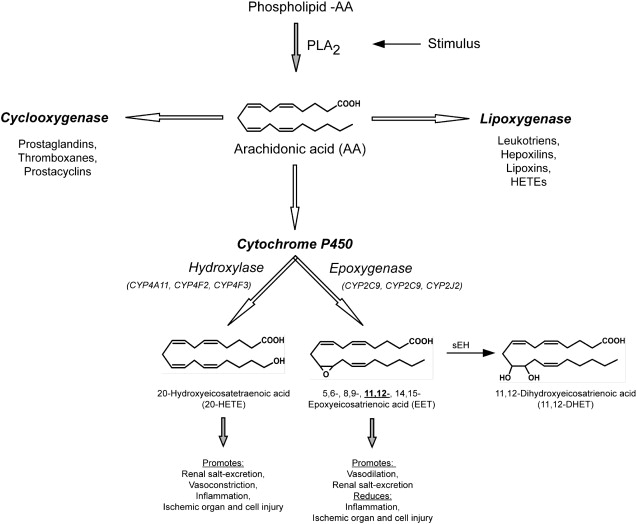
A prominent example of CYP-mediated vascular modulation lies in the metabolism of arachidonic acid, a polyunsaturated fatty acid abundant within cell membranes. Cytochrome P450 enzymes catalyze the conversion of arachidonic acid into epoxyeicosatrienoic acids (EETs) and hydroxyeicosatetraenoic acids (HETEs), bioactive lipid mediators renowned for their vasodilatory and vasoconstrictive properties, respectively [8, 9].
EETs, synthesized predominantly by CYP2C and CYP2J isoforms, exert potent vasodilatory effects by activating potassium channels in vascular smooth muscle cells, leading to hyperpolarization and relaxation of the vascular wall [10]. This vasodilatory cascade contributes to the regulation of blood pressure, tissue perfusion, and endothelial function, thereby safeguarding cardiovascular homeostasis.
Conversely, HETEs, generated through the activity of CYP4A and CYP4F isoforms, exert vasoconstrictive effects by enhancing calcium influx and promoting vasoconstrictor signaling pathways within vascular smooth muscle cells. These vasoconstrictive actions play a crucial role in the regulation of local blood flow distribution, vascular resistance, and tissue oxygenation, particularly in response to physiological and pathophysiological stimuli [11, 12].
Furthermore, cytochrome P450-derived lipid mediators exhibit pleiotropic effects beyond vascular tone regulation, encompassing anti-inflammatory, anti-thrombotic, and cytoprotective properties within the cardiovascular milieu [13].
For instance, EETs exert anti-inflammatory effects by inhibiting leukocyte adhesion, cytokine production, and endothelial activation, thereby attenuating the inflammatory cascade implicated in atherosclerosis and vascular injury [14].
For instance, CYP-dependent metabolism of steroid hormones, such as estrogen and aldosterone, modulates their bioavailability and signaling within the cardiovascular system, influencing vascular tone, electrolyte balance, and cardiac remodeling in Figure 1 [15].
Modulation of Cytochrome P450 Activity
Genetic Polymorphisms: Variations in CYP gene expression, activity, and substrate specificity can have a significant impact on an individual’s susceptibility to cardiovascular illnesses and responsiveness to medication [16, 17]. For instance, polymorphisms in the CYP2C19 gene have been associated with altered metabolism of clopidogrel, a prodrug used in the treatment of acute coronary syndromes, leading to variable platelet inhibition and increased risk of adverse cardiovascular events. Hormonal Regulation: Hormonal fluctuations, including those of estrogen and thyroid hormones, can exert significant effects on CYP expression and activity within the cardiovascular system. Estrogen, for example, has been shown to induce the expression of certain CYP isoforms, such as CYP1A1 and CYP1B1, potentially influencing the metabolism of endogenous substrates and xenobiotics implicated in cardiovascular health and disease [18]. Dietary Constituents: Dietary constituents, including phytochemicals and nutrients, can modulate CYP activity through various mechanisms, such as enzyme induction or inhibition [19]. For instance, flavonoids found in fruits and vegetables have been shown to inhibit certain CYP isoforms, such as CYP3A4, thereby altering the metabolism of drugs and endogenous compounds with implications for cardiovascular function. Pharmaceutical Agents: Pharmaceutical agents, including drugs used in the management of cardiovascular diseases, can exert potent effects on CYP activity, leading to drug interactions and altered pharmacokinetics. For example, statins, commonly prescribed for the treatment of hypercholesterolemia, can inhibit CYP3A4 activity, potentially leading to increased plasma concentrations of co-administered drugs metabolized by this enzyme and an elevated risk of adverse drug reactions [20]. Environmental Exposures: Exposure to environmental toxins and pollutants can modulate CYP activity within the cardiovascular system, contributing to the pathogenesis of cardiovascular diseases. For instance, polycyclic aromatic hydrocarbons found in air pollution have been shown to induce CYP1A1 expression, leading to increased production of reactive oxygen species and oxidative stress within vascular tissues, thereby promoting endothelial dysfunction and atherosclerosis [21].
Therapeutic Implications
Understanding the modulation of CYP activity holds profound therapeutic implications for cardiovascular medicine. Tailoring pharmacotherapy based on individual genetic profiles and considering drug-drug interactions mediated by CYPs can enhance therapeutic efficacy and minimize the risk of adverse cardiovascular events. Moreover, elucidating the impact of environmental factors on CYP activity may inform preventive strategies aimed at reducing the burden of cardiovascular diseases associated with environmental exposures (Figure 2) [22, 23].
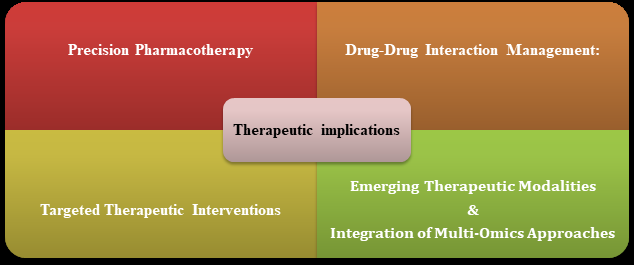
Precision Pharmacotherapy: Tailoring pharmacotherapy based on individual genetic profiles, including CYP polymorphisms, holds promise for optimizing drug selection, dosing, and monitoring in cardiovascular patients [23]. Pharmacogenomic testing can identify individuals with genetic variants associated with altered drug metabolism, enabling clinicians to personalize treatment regimens to maximize efficacy and minimize the risk of adverse cardiovascular events [24]. Drug-Drug Interaction Management: Understanding the role of CYPs in drug metabolism facilitates the identification and management of drug-drug interactions, which can have significant implications for cardiovascular patients. Clinicians can anticipate potential interactions between cardiovascular medications and other drugs metabolized by the same CYP isoforms, allowing for the selection of alternative therapies or dose adjustments to mitigate the risk of adverse outcomes [25]. Targeted Therapeutic Interventions: Exploiting the intricate regulation of CYP activity offers opportunities for targeted therapeutic interventions aimed at modulating cardiovascular function and disease progression [26]. For example, selective modulation of CYP-derived lipid mediators, such as epoxyeicosatrienoic acids (EETs) or hydroxyeicosatetraenoic acids (HETEs), may hold promise for the treatment of hypertension, atherosclerosis, and other cardiovascular disorders characterized by dysregulated vascular tone and inflammation [27]. Emerging Therapeutic Modalities & Integration of Multi- Omics Approaches: Advances in pharmacogenomics, gene editing technologies, and targeted drug delivery systems offer novel avenues for therapeutic intervention in cardiovascular medicine. Gene editing techniques, such as CRISPR-Cas9, hold potential for correcting genetic mutations associated with altered CYP activity, thereby restoring normal metabolic function and mitigating cardiovascular risk [28]. Similarly, targeted drug delivery systems can deliver pharmacological agents specifically to vascular tissues expressing CYP isoforms implicated in disease pathogenesis, minimizing off- target effects and enhancing therapeutic efficacy [29].
The integration of multi-omics approaches, including genomics, transcriptomics, proteomics, and metabolomics, offers a comprehensive understanding of the molecular mechanisms underlying cardiovascular diseases and CYP- mediated drug metabolism [30]. By elucidating the complex interplay between genetic, molecular, and environmental factors, multi-omics approaches can identify novel therapeutic targets and biomarkers for cardiovascular risk stratification and treatment response prediction [29, 30].
Future Directions
In the future, studies should concentrate on clarifying the function of CYPs in cardiovascular physiology and disease and investigating novel treatment approaches that target CYP- mediated pathways [31]. To improve our understanding of CYP biology and apply scientific findings to clinical practice, multidisciplinary investigations including physicians, pharmacologists, geneticists, and bioinformaticians will be necessary [32].
Novel CYP450 Isoforms
- Discover new isoforms using genomic and proteomic techniques.
- Investigate their specific roles in cardiovascular health.
Regulation of CYP450
- Study transcriptional and epigenetic regulation.
- Examine post-translational modifications affecting activity.
CYP450 Modulators in Therapy
- Develop drugs targeting CYP450 for cardiovascular diseases.
- Explore natural compounds that modulate CYP450 activity.
CYP450 Metabolites
- Investigate roles of eicosanoids and other lipid metabolites in cardiovascular function.
- Study steroid metabolism’s impact on heart health.
CYP450s in Disease Mechanisms
• Research their contributions to hypertension, atherosclerosis, and heart failure.
Pharmacogenomics
• Characterize genetic polymorphisms in CYP450 genes related to cardiovascular diseases.
• Develop personalized medicine strategies based on CYP450 genotypes.
Enzyme System Interplay
- Understand interactions between CYP450s and other enzyme systems.
- Use integrated metabolomics to map CYP450-related metabolic networks.
Conclusion
Investigating cytochrome P450 enzymes (CYPs), their modulators, and metabolites uncovers a complex web of molecular relationships that have a significant impact on cardiovascular health and disease. CYPs are now recognized as important regulators of vascular homeostasis, inflammation, and oxidative stress in addition to their traditional function in drug metabolism.
The synthesis and metabolism of vasoactive lipid mediators are influenced by the varied enzymatic activities of CYPs, which in turn influence hemodynamic balance, endothelial function, and vascular tone. Moreover, the complex interactions between genetic predisposition and exogenous effects on cardiovascular health and disease etiology are underscored by the modulation of CYP activity by genetic, hormonal, dietary, pharmaceutical, and environmental factors.
Clarifying the intricate web of CYP-mediated pathways provides exciting new opportunities for tailored treatment strategies as we move closer to precision cardiovascular therapy. Optimizing treatment efficacy and reducing adverse cardiovascular events can be achieved by customizing pharmacotherapy based on individual genetic profiles and taking consideration of the influence of CYP regulation on drug metabolism. Putting it up, research on cytochrome P450s in cardiovascular illness and function reveals a complex network of molecular pathways that have broad effects on cardiovascular health. In our aim of better cardiovascular outcomes, we open the door for novel approaches to treat cardiovascular diseases and improve patient care by deciphering the complexities of CYP-mediated pathways.
References
-
Elbekai R, El-Kadi AOS (2006) Cytochrome P450 enzymes: central players in cardiovascular health and disease. Pharmacology & therapeutics 112(2): 564-587.
-
Xu, X, Zhang, X, Wang D (2011) The roles of CYP450 epoxygenases and metabolites, epoxyeicosatrienoic acids, in cardiovascular and malignant diseases.. Advanced drug delivery reviews 63(8): 597-609.
-
Schuck R, Theken K, Edin M, Caughey M, Bass A, et al. (2013) Cytochrome P450-derived eicosanoids and vascular dysfunction in coronary artery disease patients. Atherosclerosis 227(2): 442-448.
-
Xu X, Li R, Chen G, Hoopes S, Zeldin D, et al. (2016) The Role of Cytochrome P450 Epoxygenases, Soluble Epoxide Hydrolase, and Epoxyeicosatrienoic Acids in Metabolic Diseases. Advances in nutrition 7(6): 1122-1128.
-
Theken K, Schuck R, Edin M, Tran B, Ellis K, et al. (2012) Evaluation of cytochrome P450-derived eicosanoids in humans with stable atherosclerotic cardiovascular disease. Atherosclerosis 222(2): 530-536.
-
Spiecker M, Liao J (2006) Cytochrome P450 epoxygenase CYP2J2 and the risk of coronary artery disease. Trends in cardiovascular medicine 16(6): 204-208.
-
Deng Y, Theken K, Lee C (2010) Cytochrome P450 epoxygenases, soluble epoxide hydrolase, and the regulation of cardiovascular inflammation. Journal of molecular and cellular cardiology 48(2): 331-341.
-
Westphal C, Konkel A, Schunck W (2015) Cytochrome p450 enzymes in the bioactivation of polyunsaturated Fatty acids and their role in cardiovascular disease. Advances in experimental medicine and biology 851: 151-187.
-
Konkel A, Schunck W (2011) Role of cytochrome P450 enzymes in the bioactivation of polyunsaturated fatty acids. Biochimica et biophysica acta 1814(1): 210-222.
-
Theken K, Lee C (2007) Genetic variation in the cytochrome P450 epoxygenase pathway and cardiovascular disease risk. Pharmacogenomics 8(10): 1369-1383.
-
Thiriet Marc (2019) Vasculopathies: behavioral, chemical, environmental, and genetic factors. Springer 8.
-
Fleming I, Michaelis U, Bredenkötter D, Fisslthaler B, Dehghani F, et al. (2001) Endothelium-Derived Hyperpolarizing Factor Synthase (Cytochrome P450 2C9) Is a Functionally Significant Source of Reactive Oxygen Species in Coronary Arteries. Circulation Research Journal of the American Heart Association 88(1): 44-51.
-
Fleming I (2016) The factor in EDHF: Cytochrome P450 derived lipid mediators and vascular signaling. Vascular pharmacology 86: 31-40.
-
Schuck R, Theken K, Edin M, Caughey M, Bass A, et al. (2013) Cytochrome P450-derived eicosanoids and vascular dysfunction in coronary artery disease patients. Atherosclerosis 227(2): 442-448.
-
Node K, Huo Y, Ruan X, Yang B, Spiecker M, et al. (1999) Anti-inflammatory properties of cytochrome P450 epoxygenase-derived eicosanoids. Science 285(5431): 1276-1279.
-
Aguiar M, Masse R, Gibbs B (2005) Regulation of Cytochrome P450 by Posttranslational Modification. Drug Metabolism Reviews 37(2): 379-404.
-
Bhatt M, Khatri Y, Rodgers R, Martin L (2017) Role of cytochrome b5 in the modulation of the enzymatic activities of cytochrome P450 17α-hydroxylase/17,20- lyase (P450 17A1). The Journal of Steroid Biochemistry and Molecular Biology 170: 2-18.
-
Xiao Y, Huang L, Morgan J (1998) Cytochrome P450: a novel system modulating Ca2+ channels and contraction in mammalian heart cells. The Journal of Physiology 508(3): 777-792.
-
Evangelista E, Kaspera R, Mokadam N, Jones J, Totah R (2013) Activity, Inhibition, and Induction of Cytochrome P450 2J2 in Adult Human Primary Cardiomyocytes. Drug Metabolism and Disposition 41(12): 2087-2094.
-
Mark O, Siddiqui B, McCloskey B, Reddy VP (2020) The microbiota–gut–brain axis heart shunt part I: The french paradox, heart disease and the microbiota. Microorganisms 8(4): 490.
-
Alakrawi M (2021) Calcium Signalling in the Endothelium and its Control Over Vascular Tone in Health and Obesity. The University of Manchester, United Kingdom.
-
Mega J, Close S, Wiviott S, Shen L, Hockett R, et al. (2009) Cytochrome P450 Genetic Polymorphisms and the Response to Prasugrel: Relationship to Pharmacokinetic, Pharmacodynamic, and Clinical Outcomes. Circulation 119(19): 2553-2560.
-
Wilke R (2006) Translational pharmacogenetics and risk management in the cardiovascular arena: CYP3A5*3 model for gene-based drug selection. Personalized medicine 3(4): 385-390.
-
Mizobe M, Hokimoto S, Akasaka T, Arima Y, Kaikita K, et al. (2014) Impact of CYP2C19 polymorphism on clinical outcome following coronary stenting is more important in non-diabetic than diabetic patients. Thrombosis research 134(1): 72-77.
-
Oleszkiewicz BS, Hojenska AW (2018) CYP2C19 polymorphism in relation to the pharmacotherapy optimization of commonly used drugs. Die Pharmazie 73(11): 619-624.
-
Gabrielle PH (2022) Lipid metabolism and retinal diseases. Acta Ophthalmol 269(100): 33-43.
-
Shimada T, Oda Y, Gillam E, Guengerich F, Inoue K (2001) Metabolic activation of polycyclic aromatic hydrocarbons and other procarcinogens by cytochromes P450 1A1 and P450 1B1 allelic variants and other human cytochromes P450 in Salmonella typhimurium NM2009. Drug metabolism and disposition: the biological fate of chemicals 29(9): 1176-1182.
-
Schuck R, Theken K, Edin M, Caughey M, Bass A, et al. (2013) Cytochrome P450-derived eicosanoids and vascular dysfunction in coronary artery disease patients. Atherosclerosis 227(2): 442-448.
-
Ding X, Kaminsky L (2003) Human extrahepatic cytochromes P450: function in xenobiotic metabolism and tissue-selective chemical toxicity in the respiratory and gastrointestinal tracts. Annual review of pharmacology and toxicology 43: 149-173.
-
Hunter A, Cruz R, Cheyne B, McManus B, Granville D (2004) Cytochrome p450 enzymes and cardiovascular disease.. Canadian journal of physiology and pharmacology 82(12): 1053-1060.
-
Valencia R, Bassiouni W, Darwesh A, Bapuji R, Seubert J (2022) Cardiomyocyte-specific CYP2J2 and its therapeutic implications. Expert Opinion on Drug Metabolism & Toxicology 18(12): 423-439.
-
Elrod J, Molkentin JD (2013) Physiologic functions of cyclophilin D and the mitochondrial permeability transition pore. Circulation journal official journal of the Japanese Circulation Society 77(5): 1111-1122.
- Genomic Landscape of Aggressive Penile Squamous Cell Carcinoma including TERT-p and NOTCH1 Mutations – An Institutional Experience
- Establishment of Baseline Haematological Values for Canine Population in North-Central Nigeria: A Cross-Sectional Study in the Federal Capital Territory
- Biochemical Assessment of Uroliths Extracted in Patients with Urolithiasis in a Tertiary Health Institution
- Update on Gastrointestinal Pecomas: Molecular Pathogenesis and Risk Stratification
- A Comparative Study of Serum C-reactive Protein Level Between Pre-eclampsia and Normal Pregnancy in Tertiary Level Hospital
- From Deformity to Alignment: Clinical Outcomes of the Schnepp Osteotomy in Hallux Valgus in 47 Feet