
A Review on Yoga Therapy
The Sanskrit word “yoga” comes from root yug (to join), or yoke (to bind together). The word “yoga” has come to describe a method of discipline: to join the body to the mind and together join to the self or to union between the individual self and the spiritual self. Yoga is considered as an acceptable method for improving and maintaining physical and mental health. A growing body of evidence supports the belief that yoga benefits physical, mental and emotional health. Over the last 10 years, a growing number of research studies shows that the practice of yoga can improve strength and flexibility and cures various types of diseases like hypertension, diabetes mellitus, depression, etc. Yoga is a comprehensive system that uses physical postures (asanas), breathing exercises (pranayama), meditation (dhyana), concentration (dharana) and reflective practices.
Introduction
Yoga is a perfect practical system of self-culture. Yoga is an exact science. It aims at the harmonious development of the body, the mind and the soul. Yoga is the turning away of the senses from the objective universe and the concentration of the mind within. Yoga is eternal life in the soul or spirit. Yoga aims at controlling the mind and its modifications. The path of Yoga is an inner path whose gateway is your heart. The practice of Yoga plays a vital role in the rehabilitation of physically and mentally handicapped person as well as those who are socially disadvantageous [1].
Yoga is an ancient mind-body practice that originated in India and is becoming increasingly recognized and used in developed nations as a health practice for a variety of immunological, neuromuscular, psychological, and pain conditions [2].
The word yoga comes from the Sanskrit term “yug” and directly translates as “to unite”; more broadly, it means to work towards a unified experience of the self and improved health [3].
It was observed that practice of Yoga improved joint flexibility [4], respiratory endurance, and strengthening of muscles in young [5].
There are many traditional paths of yoga, including tantra, mantra, kundalini, bhakti, jnana, karma, raja yoga, and others, all of which have their own techniques to awaken these connections. According to the classic text of the Yoga Sutras of Patanjali, “yoga” is the complete “inhibition of the modifications of the mind” [6].
Yoga practices can increase multiple neurotransmitters and hormones such as GABA, serotonin, and dopamine—all natural anti-depressants. They have been shown to increase levels of melatonin, helping to initiate sleep, improving sleep quality and sleep regulation, as well as increasing levels of oxytocin, the “bonding hormone”, thus helping with feelings of connectedness and “being seen and heard” [7, 8]. Yoga is a form of mind-body fitness that involves a combination of muscular activity and an internally directed mindful focus on awareness of the self, the breath, and energy [9].
The eight limbs of yoga The Yoga Sutras, also known as The Eight Limbs (Ashtanga) of Raja. Yoga was the first fully developed and recorded system of yoga. Created by Patanjali around 400 BCE, this system influences much of the yoga that is practised today [10].
![Figure 1: Eight limbs of yoga [11].](/fulltextimages/8901/fig_1.png)
Types of Yoga
![Figure 2: Types of yoga [12].](/fulltextimages/8901/fig_2.png)
The different types of yoga that have developed in the history and the objectives and benefits of each type of Yoga. Schools of yoga or types of Yoga are set in terms of the objectives to be achieved and some general terms are: relaxation, breathing, yoga postures (asanas), concentration, inner detachment and devotion to God. Neither type of yoga is tied to a specific religion, so that both the believer and the atheist can practice his/her methods without principles imposed against their religious convictions.
Chakras
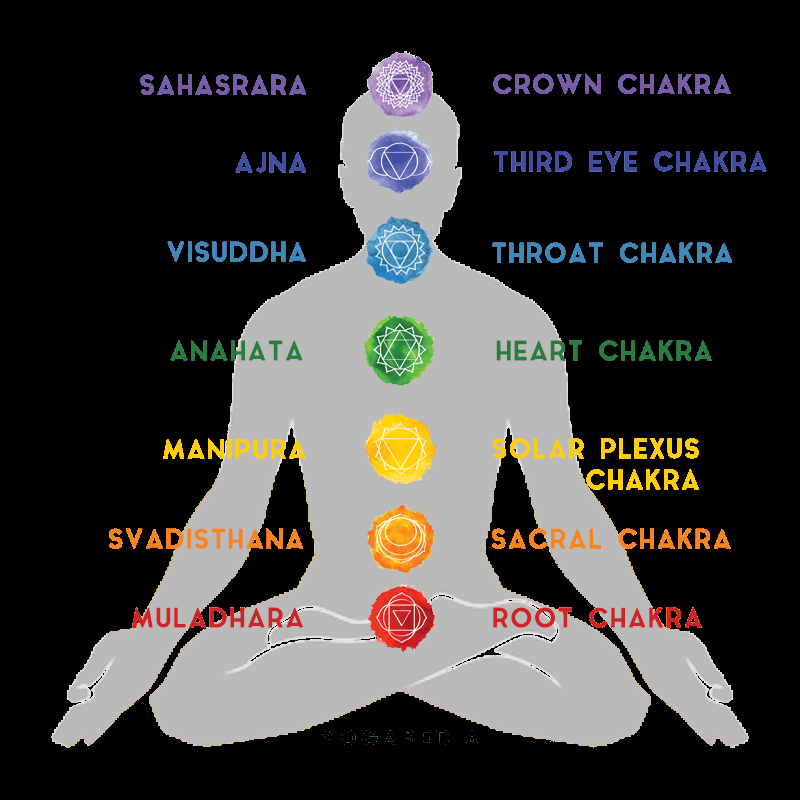
Chakras offer a yogic explanation of the life force energy system, corresponding with the nervous and endocrine systems in the human body. Each of seven chakras corresponds with a unique colour and is responsible for a specific physiological function and emotional experience [13].
- Muladhara (Root chakra)- Basic taste, sense of safety
- Svadisthana (Sacral chakra)- Pleasure, creativity
- Manipura (Solar plexus chakra)- Self-esteem, personal power
- Anahata (Heart chakra)- Love, compassion and forgiveness
- Visuddha (Throat chakra)- Expression and communication
- Ajna (Third eye chakra)- Inspiration, awareness
- Sahasrara (Crown chakra)- spirituality, enlightenment
Different yoga Asanas and their benefits
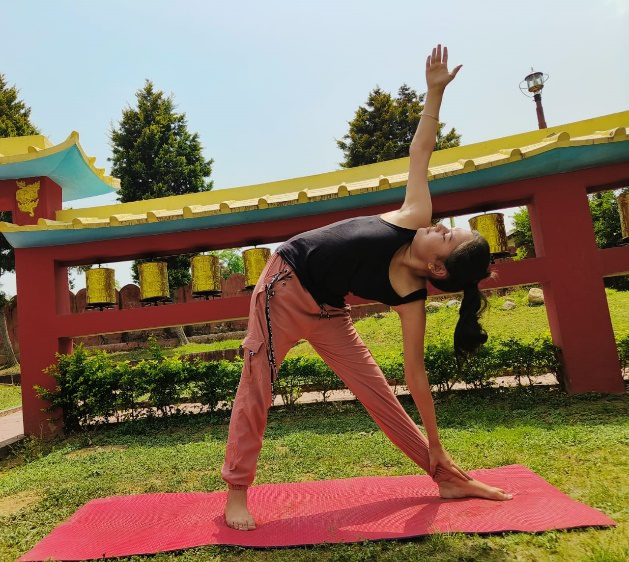
Standing Asanas i. Trikonasana: Benefits: Improve function of kidney and blood, stretches the hips, back, thighs and legs, gives flexibility to hamstring [14, 15].
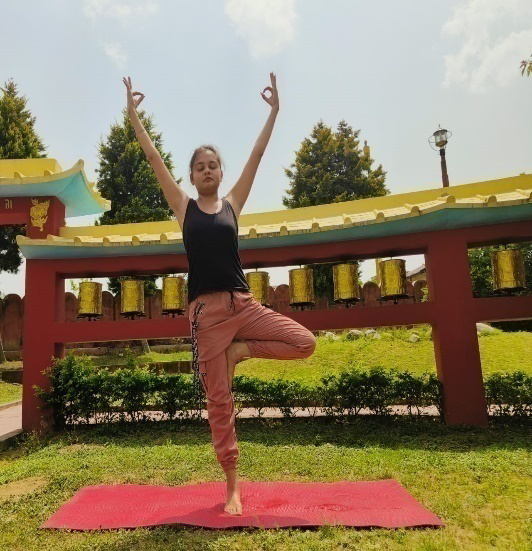
ii. Vrikshasana: Benefits: This state brings equilibrium to mind, concentration and balance, strengthens the hips and legs.
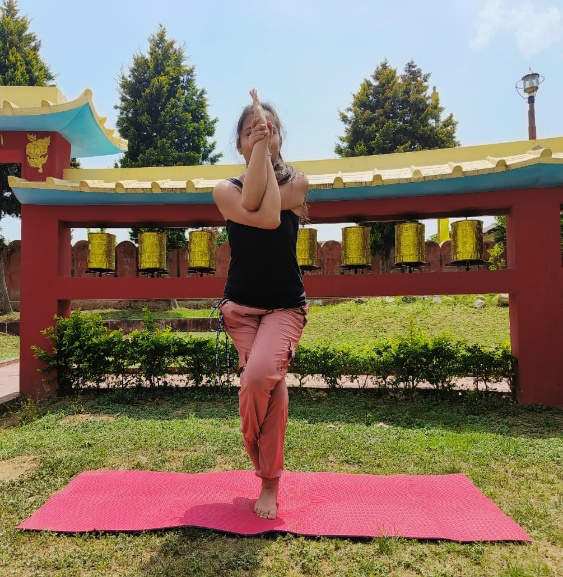
iii. Garudasana: Benefits: Improves digestion, concentration, releases stress and calms the mind.
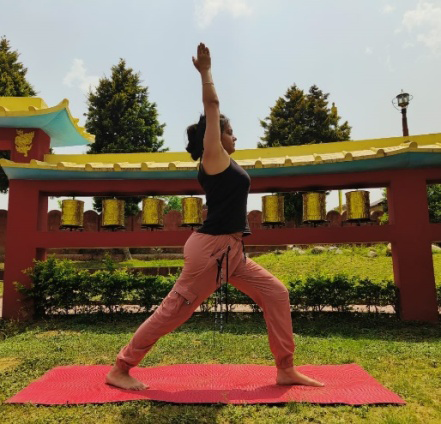
iv. Virabhadrasana: Benefits: Stretches, massages and stimulates all muscles, vital organs and flexes the body backward and forward.
Sitting Asanas i. Sukhasana: Benefits: It has a relaxing effect on the mind and body which is helpful in reducing stress and anxiety. Improves focus and automatically makes you more attentive. It strengthens the back muscles and improves the overall body posture. Lengthens the spine and back muscles [16, 17, 18, 19].
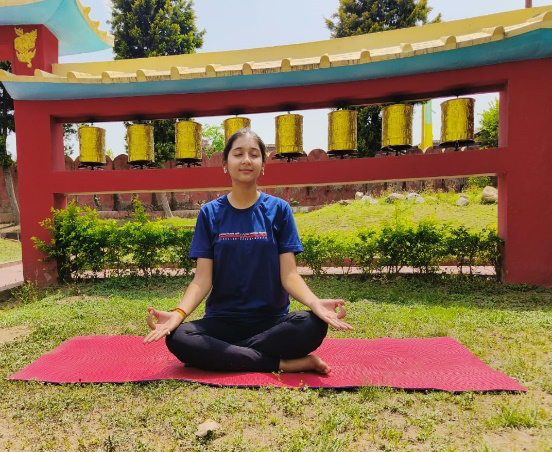
ii. Padmasana: Benefits: Improves digestion, helps relax the mind and alleviates stress, eases childbirth, helps reduce menstrual pain and cramps.
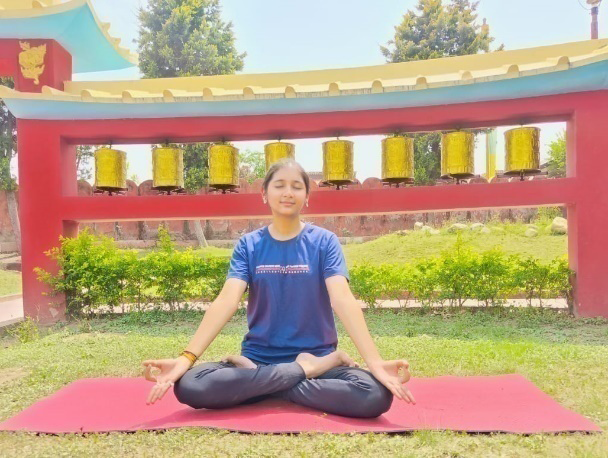
iii. Vajarasana: Benefits: helps to keep the mind calm and stable, cure digestive acidity and gas formation, helps to relieve knee pain, strengthens thigh muscles.
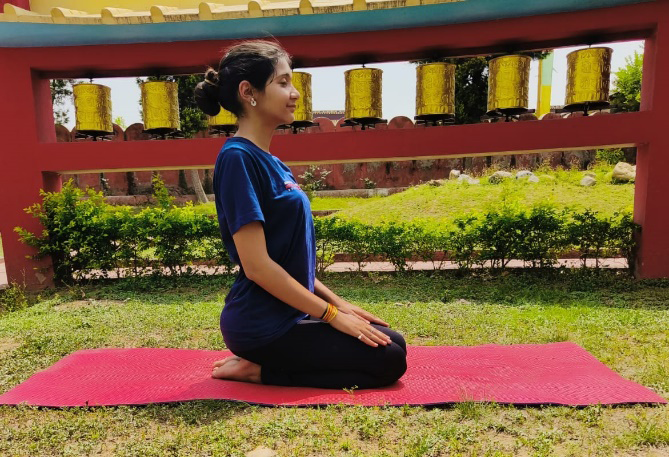
iv. Bakasana: Benefits: improved sleep quality in cancer survivors, self-management of chronic pelvic pain in women, enhanced health and quality of life when practicing yoga over an extended period, mind mastery, body boost.
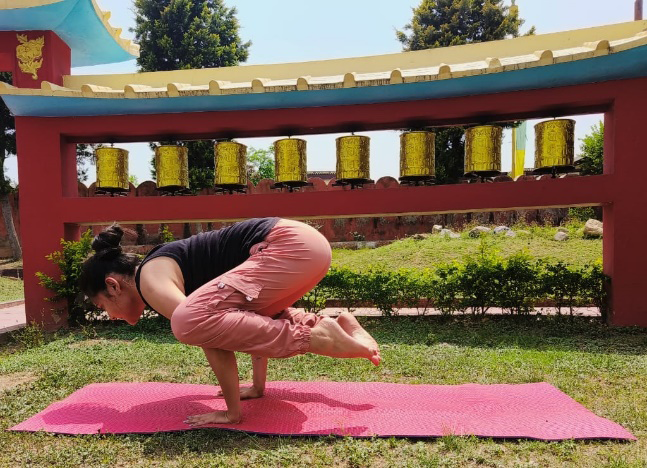
Lying Asanas
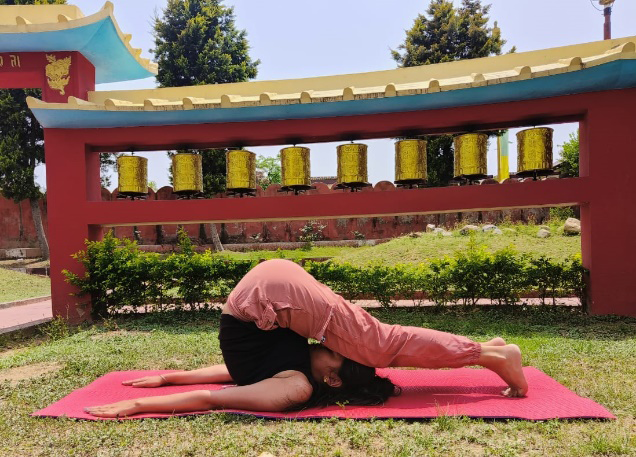
Halasana: Benefits: It is a great pose for nervous system, reduces stress and calms the mind, improves immunity, appetite and digestion [20].
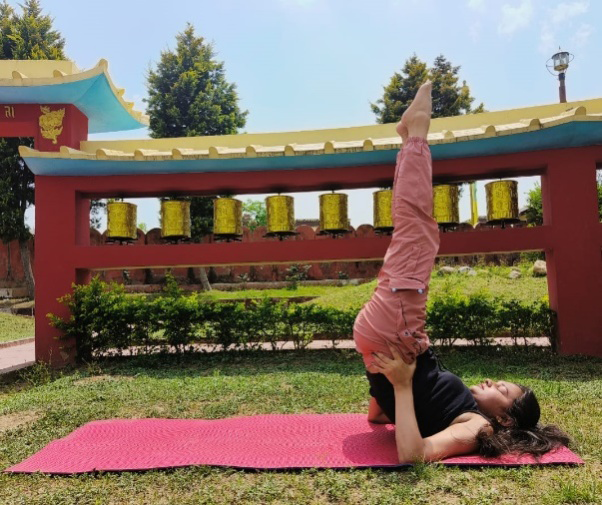
Sarvangasana: Benefits: It has been considered as mother of all asanas. Cures hypothyroidism, headache, stress, keeps the spine flexible.
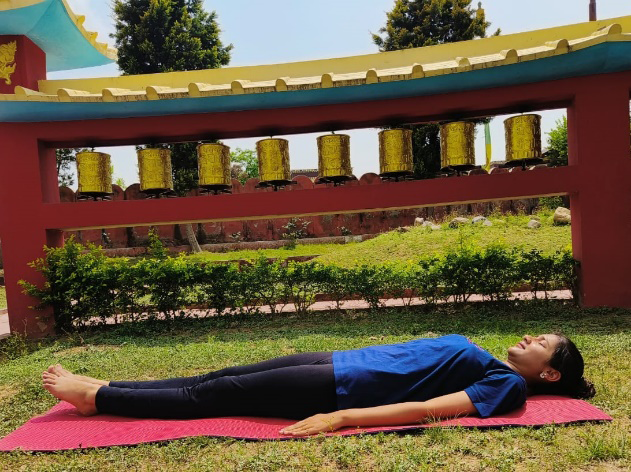
Shavasana: Benefits: Effective in hypertension, anxiety, insomnia, excellent technique to reduce the vata dosha (imbalance of the air element) in the body.
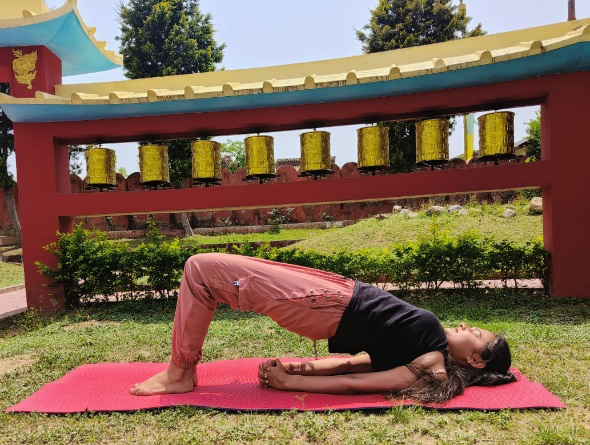
Setubandhsana: Benefits: Opens up the lungs, reduces stress, anxiety, depression. Helps with thyroid problems, improves digestion, immunity, helps with hypertension, asthma.
Pranayama
Prana is the vital energy required for sustaining the dynamic operation and coordination of each organ within a body. Pranayama is control and smooth flow of prana through yoga exercises. Pranayama can be achieved by the modification of breathing patterns. Pranayama exercises is done through proper regulation of inhaling the breath and exhaling [19]. Many Pranayama techniques has been proven effective such as:
- NadiSodhana
- ShitaliPranayama
- Ujjayi Pranayama
- Bhramari Pranayama
- Bhastrika Pranayama
- Viloma Pranayama
- Kapalbhati Pranayama
Conclusion
As we practice Yoga every day, it is natural to have a sense of our surroundings and inner self. Yoga as a philosophy advocate righteous, moral and an ethical approach to life. It encourages turning to inner self and translating into acceptance of self. The practice of yoga not only cures many diseases but also maintains the central principle of life which is awareness. The principle of yoga leads to development of thoughtful attitude and mindset in conflict situation, resulting in symbiotic and fruitful life. Yoga isreputed to improve balance and other psychological and physiological factors. This review suggests that yoga is not just about moving through the poses, it allows to be mindful and truly connected to a place of peace within.
References
-
Shirley T, Naveen KV (1997) Yoga for rehabilitation: an overview. Indian J Med Sci 51(4): 123-127.
-
Field T (2011) Yoga clinical research review, Complement Ther Clin Pract 17(1): 1-8.
-
Salmon P, Lush E, Jablonski M, Sephton SE (2009) Yoga and mindfulness: clinical aspects of an ancient mind/ body practice, Cognitive and Behavioural Practice 16(1): 59-72.
-
Ray US, Mukhopadhyay S, Purkayastha SS, Asnani V, Tomer OS, et al. (2001) Effect of yogic exercises on physical and mental health of young fellowship course trainees. Indian J Physiol Pharmacol 45(1): 37-53.
-
Mohan M, Thombre DP, Balakumar B, Nambinarayanan TK, Thakur S, et al. (1993) Effect of yoga training on reaction time, respiratory endurance and muscle strength. Indian J Physiol Pharmacol 36(4): 229-233.
-
Taimini IK (1999) The Science of Yoga: The Yoga-Sutras of Patanjali in Sanskrit. Quest Books: New York, NY, USA.
-
Harinath K, Malhotra AS, Pal K, Prasad R, Kumar R, et al. (2004) Effects of Hatha yoga and Omkar meditation on cardiorespiratory performance, psychologic profile, and melatonin secretion. Altern Complement Med 10(2): 261-268.
-
Tooley GA, Armstrong SM, Norman TR, Sali A (2000) Acute increases in night-time plasma melatonin levels following a period of meditation. Biol Psychol 53(1): 69- 78.
-
Collins C (1999) Yoga: Intuition, preventive medicine, and treatment. J Obstet Gynecol Neonatal Nurs 27(5): 563-568.
-
Lacerda Daniel (2001) Asanas the complete yoga poses. Black dog and Leventhal publishers New York. pp: 9-15.
-
Yoga Sutras Of Patanjali: The 8 Limbs Of Yoga Explained.
-
https://frontiermarketsolutions.files.wordpress. com/2012/09/typesofyoga.png
-
What does Chakra mean?
-
Bromberg EB, Bergstrom G, Jensen I, Hagberg J, Kwak L (2017) Effects of yoga, strength training and advice on back pain: A randomized controlled trial. BMC Musculoskeletal Disorder 18(1): 132.
-
Bussing A, Ostermann T, Luedtke R, Michelsen A (2012) Effects of yoga interventions on pain and pain-associated disability: a meta-analysis. J Pain 13(1): 1-9.
-
Einthoven RE (1922) Note on the Padmasana. Journal of the Royal Asiatic Society 54(4): 533-536.
-
Jose AK, Saraswathi KN, Williams SA (2014) Study to Assess the Effectiveness of Vajrasana on Physical and Mental Health among Adolescents at Selected PU Colleges in Mysore. International Journal of Advances in Nursing Management 2(1): 19-23.
-
Gomez MM, Balu A (2021) An experimental study on the influence of yoga-based exercises for enhancing the academic performance of secondary class students. Turkish Journal of Computer and Mathematics Education (TURCOMAT) 12(14): 5024-5031.
-
Wadia Vineeta (2018) A Review study on effect of Sarvangasana on hyperthyroidism. World Journal Of Pharmaceutical Research 7(14): 338-344.
-
Sundar S, Agrawal SK, Singh VP, Bhattacharya SK, Udupa KN, et al. (1984) Role of yoga in management of essential hypertension. Acta cardiological 39(3): 203-208.
- Potential Medicinal Herbs and Secondary Metabolites in Combating Corona Virus
- Monkeypox and its Clinical Implications in Pregnancy
- Pharmacognostical Analysis of the Leaves of Important Nervine Medicinal Plant: Strychnos Nux-Vomica L
- Assessment of Antibacterial Activity of Various Solvent Extracts of Dictyota Dichotoma Against Multidrug Resistant Bacterial Strain
- An Insights of Bioactive Elements on Malignancy: Mechanistic Avenues
- Advances and Future Directions in Pharmacognosy and Chinese Medicine