
Potential Medicinal Herbs and Secondary Metabolites in Combating Corona Virus
COVID-19 first came into the limelight at the end of 2019, causing severe respiratory problems. The genome of the SARSCoV- 2 has several structural and non-structural proteins like papain-like protease (PLpro), 3C-like protease (3CLpro), RNAdependent RNA polymerase (RdRp), helicase, serine protease, and spike protein which are essential for its replications. The main target is to inhibit the activities of these proteins and if we can do this, we may get a remedy for COVID-19. There are several herbal and phytochemical remedies which can fight against these proteins thus resulting in the weakening the COVID-19 infections but till now no confirmed treatment or cure has been established for research purposes. Various plants and their components have been introduced against SARS-CoV-2 whether to find out acting against SARS-CoV-2 or not. There are no such drugs or vaccines which can efficiently act against COVID-19 infections. It has been shown that in In-silico studies, various natural products have a strong binding affinity for the non-structural proteins of the virus. The only function is to minimize the fatal rate. There are several immune boosters which accelerate the immunological functions of humans thus giving the energy to fight against COVID-19. It is expected that these phytochemical constituents may be considered targets for the drug development against SARS-CoV-2.
Abbreviations
COVID-19: Coronavirus Disease; PL pro: Papain-like protease; 3CL pro: 3- chymotrypsin-like cysteine protease; RdRp: RNA-dependent RNA polymerase; SARS CoV-2: Severe Acute Respiratory Syndrome-Corona Virus 2; HCoV-229E:
Human Corona Virus-229E; HCoV-OC43: Human Corona Virus-OC43; HCoV-NL63: Human Corona Virus-NL63; HCoV- HKU1: Human Corona Virus-HKU1; MERS-CoV: Middle East Respiratory Syndrome Corona Virus; ARDS: Acute Respiratory Distress Syndrome; USFDA: United States Food and Drug Administration; RT-Qpcr: Real-time Quantitative Polymerase
Chain Reaction; ddPCR: Droplet Digital Polymerase Chain Reaction; WHO: World Health Organization; ELISA: Enzyme- linked Immunosorbent Assay; CLIA: Clinical Laboratory Improvement Amendments; IgM: Immunoglobulin M; IgG: Immunoglobulin G; CT: Computed Tomography; HCQ: Hydroxychloroquine; RDV: Remdesivir; SLAM: Simultaneous Localization and Mapping; CPT: Convalescent Plasma Therapy; TRALI: Transfusion Related Acute Lung Injury; HLA: Human Leukocyte Antigen; NLRP3: Nucleotide-binding domain, Leucine-Rich-containing Family, Pyrin domain– containing-3; ACE2: Angiotensin-converting Enzyme 2; IC 50: Half Maximal Inhibitory Concentration; RNA: Ribonucleic Acid; ROS: Reactive Oxygen Species; NK: Natural killer; TCM: Traditional Chinese Medicine; TNF: Tumor Necrosis Factor; NOD: Nucleotide-Binding and Oligomerization Domain; TLRs: Toll-like receptor; NF-Kb: Nuclear factor Kappa-light- chain-enhancer of activated B cells; JAK-STAT3: Janus Kinase- signal transducer and activator of Transcription 3; LPSl: Lipopolysaccharides; Mrna: Messenger Ribonucleic Acid; IL: Interleukins; P13K/Akt: Phosphatidylinositol 3-kinases/ protein kinase B; CD4: Clusters of differentiation4; ACE2- RBD: Angiotensin-converting enzyme 2 receptor-binding domain; Cq: Chloroquine; Hcq: Hydroxychloroquine.
Introduction
It has been over a year since the COVID-19 epidemic first emerged. With more than 5 million fatalities and approximately 247 million verified cases worldwide [1]. The corona name is a derivative of their characteristic solar corona (crown-like) appearance. This is due to the Club- shaped glycoprotein spike (S) radiating from the virus lipid envelope [2]. Seven types of coronaviruses are recognized to infect human hosts including HCoV-229E (alpha coronavirus), HCoV-OC43 (beta coronavirus), HCoVNL63 (alpha coronavirus), HCoV-HKU1 (beta coronavirus), Severe Acute Respiratory Syndrome Coronavirus (SARS-CoV) (beta coronavirus), Middle East respiratory virus coronavirus (MERS-CoV) (beta coronavirus) and SARS-CoV-2 (beta coronavirus) [3, 4, 5, 6, 7], right now, there is a lot to worry about the appearance of new SARS-CoV-2 strains that are transmissible more easily from person to person. There are still concerns that these variations may be able to circumvent the protection provided by new vaccinations that have been available since late 2020 [8, 9], this virus has infected more than 80 million people worldwide. According to WHO, fever, a dry cough, and exhaustion are COVID-19 most typical symptoms. Along with this, some affected individuals may also develop diarrhoea, shortness of breath, heat, conjunctivitis, sore throats, muscular and joint discomfort, and taste and smell loss. The WHO states that people of all ages can come into contact with this viral infection. Those who have co-morbid conditions including diabetes, high blood pressure, lung issues, obesity, and cancer are more vulnerable [10, 11]. While mild to moderate symptoms are seen in the majority of infected individuals, some people may develop acute respiratory distress syndrome (ARDS). SARS-CoV-2 infection has long-term consequences such as severe fatigue, weight loss and memory loss [12]. As of July 2023, there were 183 vaccine candidates in the clinical development phase and 199 vaccine candidates in the pre-clinical development phase [13]. For implementing a successful vaccine pre-clinical and clinical trials are urgently required. These trials help to assess the effectiveness of the vaccines and to monitor the long-term safety of the vaccines [14]. There is limited number of therapies available till date to prevent this deadly viral infection. Chloroquine phosphate and Hydroxychloroquine sulfate were authorized for use in hospitalized patients by the USFDA. These two repurposed drugs are routinely used for decades for the therapy of malaria and autoimmune diseases [15]. Other FDA-approved anti- viral drugs like remdesivir, galidesivir, favipiravir, Lopinavir, ribavirin, ritonavir, azithromycin (macrolide antibiotic), and ivermectin (antiparasitic) are the medications used for the treatment of COVID-19 [16, 17, 18].
Diagnosis of COVID-19
SARS-CoV-2 samples can be detected in secretions of the upper respiratory tract (Sputum, throat swab/ nasopharyngeal swab/sputum/endotracheal aspirates and bronchoalveolar lavage) [19]. Different nucleic acid tests that are used till now include Real-Time quantitative Polymerase Chain Reaction (RT-qPCR), High-throughput sequencing, Nested RT-PCR, Droplet digital PCR (ddPCR), Loop- mediated isothermal amplification, and Nanoparticles based amplification [20]. RT-qPCR is the preferred nucleic acid detection technology for laboratory confirmation of SARS- CoV-2 by the World Health Organization (WHO) [21, 22]. Other laboratory tests for the diagnosis of SARS-CoV-2 are: viral cultural techniques for the isolation of virus from clinical specimens, indirect fluorescent antibody technique, rapid fluorescence immunochromatographic tests, immunofluorescence techniques, flow-cytometry analysis for CD4+ and CD8+ T cell counts and serum biochemistry (serum protein and others) [23, 24]. Immunologic assays such as Rapid IgM-IgG Combined Antibody Test, Enzyme-Linked Immunosorbent Assay (ELISA) and Chemiluminescence immunoassay (CLIA) are important supplementary methods for SARS-CoV-2 infection diagnosis. In fact, lateral flow immunoassay and ELISA detect IgM and IgG antibodies simultaneously against SARS-CoV-2 virus in human blood [25, 26]. Thus, RT-qPCR, as the gold standard test, is a routinely used method for screening and detecting SARS- CoV-2 in respiratory and blood specimens. The combination of molecular and serological tests is required to progress the diagnostic accuracy of COVID-19 [27]. Chest Computed Tomography (CT) scan is a helpful clinical diagnostic method especially for patients with a high clinical suspicion of SARS- CoV-2 infection with negative RT-qPCR screening [28].
Current Approaches for the Management of COVID-19
The first line of control of SARS-CoV-2 infection and a decisive factor in the initiation of the course of its treatment is the proper diagnosis, particularly distinction from general cold infections. Sputum analysis and other diagnostic procedures are typically used to confirm the presence of early infections [29]. The SARS-CoV-2 infection is a new and fatal respiratory disease; current antiviral medications and vaccines have had only patchy effectiveness, and no specific therapies have been identified as of yet. Only oxygen treatment, conservative fluid control in critical care units, and the use of broad-spectrum antibiotics are used to treat secondary microbial infections qualify as urgent management techniques [30]. Hydroxychloroquine (HCQ) is a derivative of chloroquine that was approved by the FDA to treat corona illness.
Another well-known medication for autoimmune diseases and malaria is chloroquine. Chloroquine is a known medication that inhibits viral infection by raising the endosomal pH required by the virus, in addition to interfering with the glycosylation of coronavirus cellular receptors. The infected sample showed antiviral action against COVID-19 when chloroquine was added. Another possible antiviral medication that is utilized to slow down SARS-CoV-2 RNA viral infections is remdesivir (RDV). Remdesivir treatment for severe coronavirus patients has not yielded positive results [31]. A thorough investigation has been conducted on the effectiveness of a number of medications, including ribavirin, nitazoxanide, penciclovir, favipiravir, chloroquine, and nafamostat, in comparison to COVID-19. Ivermectin is a well- known antiparasitic medication with strong antiviral properties that has been licensed by the FDA. It has recently been discovered that ivermectin, which has previously been shown to have antiviral action against a variety of coronaviruses in vitro, is a strong inhibitor of SARS-CoV-2 infections and has exceptional capacity to suppress pathogenic virus in the vero-hSLAM cell model. Owing to the rapid spread of the COVID-19 pandemic, previously described antiviral, antimalarial, or antiparasitic medications such as lopinavir, ciclesonide, tocilizumab, minocycline, ribavirin, niclosamide, corticosteroids, and lopinavir/ritonavir have been used in treatment. Paracetamol has been extensively used in most of the COVID-19 cases. A good number of vaccines like Sputnik v, Covishield, Covaxin have already been marketed with a view to getting rid of this disease. Researchers are trying their level best in the development of new drugs or vaccines which will be effective against COVID-19 [32]. Clinical professionals are pursuing Convalescent Plasma Therapy (CPT) as an immunotherapeutic alternative to antiviral medication therapy. Clinical trials for antiviral drugs are ongoing, however CPT is emerging as a COVID-19 treatment option.
With this adaptive immunotherapy, plasma from individuals who have recovered is given to the infected patients. The plasma contains a high titer of neutralizing antibody, which can provide an anti-viral effect [33]. Studies have shown that CPT is efficacious against COVID-19, and no severe adverse reactions were associated with this therapy [34]. A study revealed a quick drop in the medication within three months after the antibody titer when CPT was administered to MERS-CoV infected individuals, which presented a possible disadvantage for this course of treatment. Since transfusion is a component of the therapy, another disadvantage of CPT is the potential for infection that is conveyed by transfusion. Patients in critical condition who have compromised lung function are more prone to TRALI (Transfusion Related Acute Lung Injury) [35]. TRALI is brought on by an anti-human leukocyte antigen (HLA) antibody; similar cases of CPT in an Ebola virus outbreak have also been documented [36, 37]. Prior to starting CPT for COVID-19, it is advised to perform anti HLA antibody testing. The plasma is human-derived; it must be obtained and used in a manner that complies with the strictest ethical standards in order for CPT to be successful [38].
The SARS-Cov-2 Virus and Medicinal Plants
One of the important systems in the human body is the immune system that fights against microbes such as virus, bacteria, fungus, etc. Like other viral diseases, the host immune response is very determinant for protecting the body against viral infections. Medicinal plants and secondary metabolites are regarded as valuable sources for improving the host antiviral immune response and developing antiviral agents [39]. As a result, we can consider natural compounds while searching for prospective treatments [40]. Numerous investigations have been done on the antiviral properties of herbal remedies and natural items [41]. Since they may contain a range of bioactive phytochemicals, a single plant species may have great medicinal significance in the field of research on herbal medicine. The intended pharmacological effects can be produced by these phytochemical components acting alone or in combination with additional ingredients. Triterpenes, glycosides, steroids, alkaloids, and flavonoids are of the bioactive secondary metabolites that give medicinal plants their positive effects by different signalling pathways which have been illustrated in (Figure 1) [42].
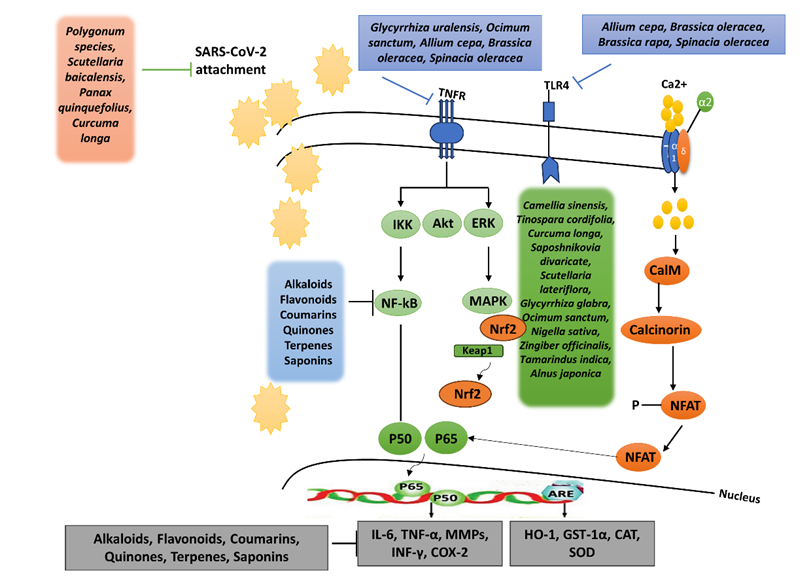
Figure1: Important Medicinal Plants and their Secondary Metabolites have Antiviral Mechanisms and Therapeutic Targets against SARS CoV-2.
Secondary Plant Metabolites that Protect Against COVID-19 Infections
Plants produce a diverse array of organic compounds known as plant secondary metabolites, which are distributed differently among the different species within the plant kingdom and are mostly connected to growth and development [43]. These natural plant constituents or phytochemicals attribute characteristic medicinal properties to the plants [44]. These days, pharmacological and physiological activities like anti-inflammatory, antioxidant, and anticancer properties are highlighted by a variety of biological experiments [45, 46]. These activities are then used in the formulation and production of promising medications for the treatment of various diseases [47]. Since several of these bioactive substances have the ability to degrade coronavirus structural protein proteases and polymerases that are vital to the virus’s reproduction machinery, they are known to suppress coronaviruses, including MERS-CoV, SARS-CoV-1, and SARS-CoV-2 [48]. There are four main Plant’s secondary metabolites groups: terpenoids/terpenes, phenolics and polyphenols, glycosides, and alkaloids [49].
Combating the COVID-19 Pandemic: The Role of Alkaloids
With over 12,000 different chemicals, alkaloids are a broad class of secondary metabolites that have the common feature of having one or more reduced nitrogen atoms. Alkaloids may be useful in the fight against COVID-19 as a pandemic management tool [50]. Isoquinoline alkaloids, including berberine, berbamine, berberrubine, coptisine, dicentrine, jatrorrhizine, palmatine, tetrandrine, fangchinoline, and cepharanthine, have been shown to impede SARS-CoV replication. The rationale for considering the intercalators as potent anti-viral compounds for SARS- CoV-2 is that chloroquine, an alkaloid derivative of quinine that has been clinically shown to be beneficial in treating SARS-CoV-2 infections. The best medication currently licensed by the FDA to treat the SARS-CoV-2 pandemic is a quinine derivative that possesses intercalating qualities. Papaverine, caffeine, berberine, colchicine, crambescidin786, cryptospirolepine, deoxynortryptoquivaline, cryptomisrine, 10-hydroxyusambarensine, emetine, ergotamine, camptothecin, lycorine, nigellone, and norboldine were the compounds reported to have the most inspiring antiviral effects against SARS-CoV-2 that could be further explored by in vitro assays and clinical trials [51].
The efficaciousness of colchicine in suppressing inflammatory immune responses makes it a promising treatment for COVID-19 infection. Colchicine decreases the generation of superoxide free radicals, reduces the tumour necrosis factor, and helps to indirectly inhibit the NLRP3 inflammasome in addition to its influence on neutrophil activity [52]. The entrance of coronavirus into host cells is believed to require spike protein interaction with cytoskeletal proteins, particularly tubulin, which colchicine may theoretically prevent from happening. Microtubules are necessary for the construction and transmission of double membrane vesicles in host cells, which may also stop the coronavirus from reproducing. The significant phases of the viral replication, the virions, of spike proteins [53].
| Medicinal Plants | Active Compound against the Virus | Chemical Structure | Class of Compounds | Antiviral Mechanisms |
|---|---|---|---|---|
| Roots, stem and leaves of Tinospora cordifolia L. (Family: Menispermaceae) [54]. | Tinosporin | O OH O HO O O O O | Alkaloid | Boosting the immune system |
| Glycine max (L.) Merr (Family: Leguminosae) [55]. | Nicotiana mine | NH2 HO HO NH O O HO N O | Alkaloid | Inhibitor of ACE2 receptor |
| Bark of Cinchona officinalis L. (Family: Rubiaceae) [56]. | Chloroquine | N Cl HN N | Alkaloid | Inhibiting virus replication, increasing the pH of the host cell |
| Seeds of Colchicum autumnale L. (Family: Colchicaceae) [57]. | Colchicine | O O O O NH O O | Alkaloid | It is under clinical trial for its strong anti-inflammatory |
Table 1: Some Alkaloidal Substances acting against SARS-CoV-2.
Role of Terpenoids in Combating the COVID-19 Pandemic
A varied family of natural chemicals called terpenoids, also known as isoprenoids, are produced from isoprene (5-carbon compound) units. Terpenes are created when the isoprene monomers polymerize [58]. Terpenoids provide a variety of therapeutic qualities, including antiviral action [59]. Terpenoids can limit the protease activity of viruses by interfering with related amino acids, as several investigations have proved. Research has demonstrated that the inhibition of viral proteases of terpenoid-based medications, including ginkgolide A, menthol, salvinorin A, citral, noscapine, bilobalide, and beta-selinene, occurs when the proteases bind to amino acid sites such as aspartate, asparagine, and phenylalanine [60]. Terpenes have drawn particular attention lately because of their strong antiviral properties. Terpenes may interact with the virus’s lipid bilayer and cause structural disruption. Terpenoids are therefore considered specific inhibitors of viruses. Betulinic acid, ursolic acid, and celandine-B are terpenes that have demonstrated potent antiviral properties (IC50: 1–20 g/mL) [61]. Furthermore, the study reveals that terpenes exhibit substantial inhibition and sophisticated binding affinities with all coronavirus types, suggesting that they may be quite efficient against COVID-19. It is too important for the outer spiky lipid layer of COVID-19 to cling to the host’s cell membrane. Terpenes have the ability to demolish COVID-19’s lipid coating and prevent it from binding [62]. A single-stranded RNA makes up the coronavirus as well. RNA messenger activity is performed by this strand of RNA. It initiates the creation of two polyproteins upon entering the host cells, which in turn create new replication and transmission complexes that control the synthesis of RNA and structural proteins while also increasing the activity of protease enzymes. In order for the polyproteins to break down, the protease enzyme is essential [63]. Furthermore, a number of essential oils, triterpenoids, and diterpenoids containing transmyrtanol and salicylaldehyde that are extracted from a variety of medicinal plants have been shown to be interesting candidates for use as fumigates to ward off COVID-19 [64].
| Medicinal Plants | Active Compound Against the Virus | Chemical Structure | Class of Compounds | Antiviral Mechanisms |
|---|---|---|---|---|
| Roots of Glycyrrhiza glabra L. (Family: Fabaceae) [65]. | Glycyrrhizin | HO HO O OH O OH O HO O O O HO O O HO OH | Triterpenoid | Preventing the build- up of intracellular ROS, activating endogenous interferon, and inhibiting 3 clpro and SARS CoV-2 protein kinase C |
| Whole plant seeds, leaves and roots of Ocimum sanctum L. (Family: Lamiaceae) [66]. | Ursolic acid | OH HO O | Triterpenoid | Enhancer of the immune system, boosting NK and helper T cells |
| Leaves of Andrographi s paniculata (Burm.f.) Wall. Ex Nees (Family: Acanthaceae) [67]. | Andrographolide | OH HO O HO O | Diterpenoid | Antiviral properties, Potential inhibitor of SARS-CoV-2 main protease |
| Leaves of Strobilanthe s cusia (Nees) (Family: Acanthaceae) [68] | Lupeol | OH | Triterpenoid | Inhibitory action towards HCo-NL63 |
| Leaves of Neem Azadirachta indica A.(Family: Meliaceae) [69] | Azadirachtin | O O O HO O O O HO O O HO O O O O O | Triterpenoid | Active against coxsackievirus virus B-4 |
Table 2: Some terpenoids acting against SARS-CoV-2.
Role of Polyphenols and Flavonoids in Combating the COVID-19 Pandemic
Among the most often occurring chemical components in plants utilized as therapeutic herbs in Traditional Chinese Medicine (TCM) and other herbal medicine systems are flavonoids and other polyphenolic chemicals. 2-phenylchromones that have undergone polyhydroxylation are called flavonoids [68]. They have antiviral action against MERS-CoV, SARS-CoV, and other human coronaviruses, as do their glycosides and some bioisosteres [69]. Flavonoids, or closely related compounds, are found in a variety of fruits and vegetables. These include the flavonoids apigenin, chrysin, galangin, hesperetin, kaempferol, luteolin, naringenin, and quercetin; the flavonoid glycoside rutin; the isoflavone phytoestrogen daidzein; and the catechins from dietary sources, such as green tea [70]. Many viral targets, such as those connected to viral viability, genome transcription, entrance into host cells, and post-translational modification, are interacting with flavonoids. Kaempferol and quercetin have excellent properties in strengthening the immune system. They have modulating, biphasic and regulatory actions on inflammation and immunity through different signalling pathways such as TNF signalling pathway, nucleotide-binding oligomerization domain-like receptor (NOD-like receptor) signalling pathway, Toll-like receptor (TLRs) signalling pathway, nuclear factor κ-light-chain- enhancer of activated B cells (NF-κB) signalling pathway, and Janus kinase-signal transducer and activator of transcription 3 (JAK-STAT3) signalling pathways. So, quercetin can prevent lipopolysaccharide (LPS)-induced mRNA levels of TNF-α and interleukin (IL)-1 [71].
Baicalin, a flavonoid derived from S. baicalensis, can be considered as a potential treatment for COVID-19 through ACE2/ Ang-(1-7)/Mas activation. It is able to inhibit viral enzyme replication such as 3CLpro, PLpro, and helicase. Baicalin improves the immune system via decreasing endothelial cell oxidative stress and Ang-II dysfunction through Phosphatidylinositol 3-kinase/ protein kinase B (PI3K/Akt) pathway up regulation [72].
| Medicinal Plants | Active Compound Against the Virus | Chemical Structure | Class of Compounds | Antiviral Mechanisms |
|---|---|---|---|---|
| Roots of Astragalus membranaceus B. (Family: Fabaceae) [56]. | Astragalin | OH OH HO O HO O OH O O OH HO | Flavonoid | Enhancing immunological function, raising levels of interleukins such IL-12, IL-10, IL- 6, IL-4, and antibody titers |
| Seeds of Nigella sativa L. (Family: Ranunculaceae) [72]. | Thymoquinone | O O | Flavonoid | Enhancing the immune system to produce more CD4+ T cells, macrophages, and IFN- γ |
| Roots of Panax quinquefolius L. (Family: Araliaceae) [73]. | Kaempferol | HO O OH HO O OH | Flavonoid | Antiviral properties |
| Roots of Scutellaria baicalensis G. (Family: Lamiaceae) [74]. | Baicalin | HO O O OH OH OH O O O OH OH | Flavonoid | Increasing defense mechanisms, reducing endothelial cell oxidative stress, and blocking 3CLpro, PLpro, and helicase |
| Roots of Withania somnifera L. (Family: Solanaceae) [54]. | Withanone | OH O O O O OH | Flavonoid | Boosting the immune system, thereby decreasing the interaction of ACE2- RBD complex and the host protein |
| Rhizome of Zingiber officinalis L. (Family: Zingiberaceae) [75]. | Zingerol | HO O O OH | Diarylheptanoid | Boosting the release of Interferon-beta (IFN-β) by mucosal cells and enhancing the immune system |
| Rhizome of Curcuma longa L. (Family: Zingiberaceae) [76]. | Demethoxy curcumin | HO OH O O O | Diarylheptanoid | Antiviral properties |
| Leaves of Camellia sinesis L. (Family: Theaceae) [77]. | Catechin | OH OH OH HO O OH | Flavonoid | Immunomodulator y and Anti- inflammatory effect on lungs |
| Bulb of Allium cepa L. (Family: Amar yllidaceae) [78]. | Quercetin | HO O OH HO O OH OH | Flavonoid | Antiviral properties |
| Flower of Clitoria ternatea L. (Family: Fabaceae) [78]. | Delphinidin- 3-O-glucoside | OH OH HO O OH HO O OH HO O+ OH OH | Flavonoid | Antiviral properties |
Table 3: Some Flavonoids acting against SARS-CoV-2.
Synergistic Effect of the Existing Antiviral Drugs with Phytomolecules
Nonlinear cumulative effects of two active chemicals having comparable or related results from their separate activities, or active ingredients with additional or sequential activities, are known as synergistic effects. Recent COVID-19 outbreaks brought on by the SARS-CoV-2 virus have prompted a wide range of new inquiries, studies, and research projects in numerous fields [79]. Quinine, an alkaloid derived from Cinchona offcinalis bark and used to treat malaria since the 1960s, is one such effective example.
The structural analogues of quinine are chloroquine (Cq) and hydroxychloroquine (Hcq). Hcq with azithromycin is proven to be more effective in lowering the viral load in SARS-CoV-2. When combined with the synthetic medication nelfnavir, another lectin called agglutinin that was isolated from Galanthus nivalis, shown effective anti-FCoV properties. This emphasizes the necessity of researching how plant-based and synthetic chemicals work together to avoid the viral load in the host system. Nevertheless, not much work has been done to investigate the combination antiviral effect of medicines and biomolecules [80].
Conclusion
The SARS-CoV-2 pandemic has become a worldwide problem causing different kinds of respiratory tract infections in humans so it’s very necessary to develop agile diagnostic and antiviral therapeutics for the treatment of COVID-19 infections in humans. It has been proven that different medicinal plants play a crucial role in prevention of the disease as evident in various scientific literature substantiated. It is supposed that these medicinal plants fight against SARS-CoV-2 by their anti-viral and anti-inflammatory properties leading to the improvement of immunity. It can be concluded that medicinal plants inhibit SARS- CoV-2 protease activity. These secondary metabolites like astragalin, glycyrrhizinic acid, thymoquinone, kaempferol, allicin, glycyrrhizin, baicalin, tinosporin, withanone, ursolic acid, zingerol obtained from the plants are helpful in the treatment and prevention of SARS-CoV-2 infections. These drugs are beneficial compared to other antiviral drugs in the market in different aspects. These drugs are cheap and have minimal side effects with a good efficacy rate.
Acknowledgements
The authors are thankful to the authority of Jadavpur University for providing the facilities while conducting this review. We acknowledge the support of the Department of Science and Technology and Biotechnology, Govt. of West Bengal, India Vide Memo. 2027 (Sanc.)/STBT-11012 (19)/ 6/2023-ST SEC, dated 24-01-2024.
Author Contributions
All authors contributed to the manuscript.
Funding
There was no funding to support for this review.
Ethical statement
This article does not contain any studies with human participants or animals performed by any of the authors.
Conflict of Interest
The authors declare no conflicts of interest.
References
-
Chapman RL, Andurkar SV (2022) A review of natural products, their effects on SARS-CoV-2 and their utility as lead compounds in the discovery of drugs for the treatment of COVID-19. Med Chem Res 31: 40-51.
-
Malekmohammad K, Rafieian-Kopaei M (2021) Mechanistic Aspects of Medicinal Plants and Secondary Metabolites against Severe Acute Respiratory Syndrome Coronavirus 2 (SARS-CoV-2). Current Pharmaceutical Design 27(38): 3996-4007.
-
Seah I, Agrawal R (2020) Can the Coronavirus Disease 2019 (COVID-19) Affect the Eyes? A Review of Coronaviruses and Ocular Implications in Humans and Animals. Ocul Immunol Inflamm 28(3): 391-395.
-
Skariyachan S, Challapilli SB, Packirisamy S, Kumargowda ST, Sridhar VS (2019) Recent Aspects on the Pathogenesis Mechanism, Animal Models and Novel Therapeutic Interventions for Middle East Respiratory Syndrome Coronavirus Infections. Frontiers in Microbiology 10: 569.
-
Zhu N, Zhang D, Wang W, Li X, Yang B, et al. (2020) A Novel Coronavirus from Patients with Pneumonia in China, 2019. N Engl J Med 382(8): 727-733.
-
Kesheh MM, Hosseini P, Soltani S, Zandi M (2022) An overview on the seven pathogenic human corona viruses. Reviews in Medical Virology 32(2): e2282.
-
Shen K, Yang Y, Wang T, Zhao D, Jiang Y, et al. (2020) Diagnosis, treatment, and prevention of 2019 novel coronavirus infection in children: experts’ consensus statement. World Journal of Pediatrics 16(3): 223-231.
-
Chen AT, Altschuler K, Zhan SH, Chan YA, Deverman BE (2021) COVID-19 CG enables SARS-CoV-2 mutation and lineage tracking by locations and dates of interest. Elife 10: e63409.
-
To K, Hung I, Ip JD, Chu A, Chan WM, et al. (2020) COVID-19 re-infection by a phylogenetically distinct SARS-coronavirus-2 strain confirmed by whole genome sequencing. Clin Infect Dis 73(9): e2946-e2951.
-
Chakravarti R, Singh R, Ghosh A, Dey D, Sharma P, et al. (2021) A review on potential of natural products in the management of COVID-19. RSC Advances 11: 16711- 16735.
-
Yelin D, Wirtheim E, Vetter P, Kalil AC, Bruchfeld J, et al. (2020) Long-term consequences of COVID-19 research needs. The Lancet Infectious Diseases 20(10): 1115- 1117.
-
Shrestha GS, Khanal S, Sharma S, Nepal G (2020) COVID-19: Current Understanding of Pathophysiology. J Nepal Health Res Counc 18(3): 351-359.
-
Yan F, Huang F, Xu J, Yang P, Qin Y, et al. (2020) Antihypertensive drugs are associated with reduced fatal outcomes and improved clinical characteristics in elderly COVID-19 patients. Cell Discovery 6: 77.
-
Ghosh N, Chacko L, Vallamkondu J, Banerjee T, Sarkar C (2023) Clinical Strategies and Therapeutics for Human Monkeypox Virus: A Revised Perspective on Recent Outbreaks. Viruses 15: 1533.
-
Li G, De Clercq E (2020) Therapeutic options for the 2019 novel coronavirus (2019-nCoV). Nature reviews Drug discovery 19: 149-150.
-
Caly L, Druce JD, Catton MG, Jans DA, Wagstaff KM (2020) The FDA-approved drug ivermectin inhibits the replication of SARS-CoV-2 in vitro. Antiviral research 178: 104787.
-
Drożdżal S, Rosik J, Lechowicz K, Machaj F, Kotfis K, et al. (2020) FDA approved drugs with pharmacotherapeutic potential for SARS-CoV-2 (COVID-19) therapy. Drug resistance updates 53: 100719.
-
Loeffelholz MJ, Tang YW (2020) Laboratory diagnosis of emerging human coronavirus infections-the state of the art Emerging microbes & infections 9: 747-756.
-
Long C, Xu H, Shen Q, Zhang X, Fan B, et al. (2020) Diagnosis of the Coronavirus disease (COVID-19): rRT- PCR or CT? Eur J Radiol 126: 108961.
-
Singhal T (2020) A review of coronavirus disease-2019 (COVID-19) Indian J Pediatr 87: 281-286.
-
Corman VM, Landt O, Kaiser M, Molenkamp R, Meijer A, et al. (2020) Detection of 2019 novel coronavirus (2019- nCoV) by real-time RT-PCR. Euro Surveill 25: 2000045.
-
Wang D, Hu B, Hu C, Zhu F, Liu X, et al. (2020) Clinical characteristics of 138 hospitalized patients with 2019 novel coronavirus-infected pneumonia in Wuhan. JAMA 323: 1061-1069.
-
Xu XW, Wu XX, Jiang XG, Xu KJ, Ying LJ, et al. (2020) Clinical findings in a group of patients infected with the 2019 novel coronavirus (SARS-Cov-2) outside of Wuhan, China: retrospective case series. BMJ 368: m606.
-
Li Z, Yi Y, Luo X, Xiong N, Liu Y, et al. (2020) Development and clinical application of a rapid IgM‐IgG combined antibody test for SARS‐CoV‐2 infection diagnosis. J Med Virol 92(9): 1518-1524.
-
Liu W, Liu L, Kou G, Zheng Y, Ding Y (2020) Evaluation of nucleocapsid and spike protein-based enzyme-linked immunosorbent assays for detecting antibodies against SARS-CoV-2. Journal of clinical microbiology 58(6): e00461-e00520.
-
Zhang W, Du RH, Li B, Zheng XS, Yang XL, et al. (2020) Molecular and serological investigation of 2019-nCoV infected patients: implication of multiple shedding routes. Emerg Microbes Infect 9(1): 386-389.
-
Pan Y, Guan H, Zhou S, Wang Y, Li Q, et al. (2020) Initial CT findings and temporal changes in patients with the novel coronavirus pneumonia (2019-nCoV): a study of 63 patients in Wuhan, China. Eur radiol 30(6): 3306- 3309.
-
Chhikara BS, Rathi B, Singh J, Poonam F (2020) Corona virus SARS-CoV-2 disease COVID-19: Infection, prevention and clinical advances of the prospective chemical drug therapeutics. Chemical Biology Letters 7(1): 63-72.
-
Huang C, Wang Y, Li X, Ren L, Zhao J, et al. (2020) Clinical features of patients infected with 2019 novel coronavirus in Wuhan, China. lancet 395(10223): 497-506.
-
Focosi D, Anderson AO, Tang JW, Tuccori M (2020) Convalescent plasma therapy for COVID-19: state of the art. Clinical microbiology reviews 33: 1110-1128.
-
Batalha PN, Forezi LS, Lima CG, Pauli FP, Boechat FC, et al. (2021) Drug repurposing for the treatment of COVID-19: Pharmacological aspects and synthetic approaches. Bioorg Chem 106: 104488.
-
Sanders JM, Monogue ML, Jodlowski TZ, Cutrell JB (2020) Pharmacologic treatments for coronavirus disease 2019 (COVID-19): a review. Jama 323(18): 1824-1836.
-
Abolghasemi H, Eshghi P, Cheraghali AM, Fooladi AAI, Moghaddam FB, et al. (2020) Clinical efficacy of convalescent plasma for treatment of COVID-19 infections: Results of a multicenter clinical study Transfus Apher Sci 59(50): 102875.
-
Benson AB, Moss M, Silliman CC (2009) Transfusion‐ related acute lung injury (TRALI): a clinical review with emphasis on the critically ill. Br J Haematol 147: 431- 443.
-
Curtis BR, McFarland JG (2006) Mechanisms of transfusion-related acute lung injury (TRALI): anti- leukocyte antibodies. Critical care medicine 34: S118-S123.
-
Mora-Rillo M, Arsuaga M, Ramírez-Olivencia G, Calle F, Borobia AM, et al. (2015) Acute respiratory syndrome after convalescent distress plasma use: treatment of a patient with Ebola virus disease contracted in Madrid, Spain. Lancet Respir Med 3(7): 554-562.
-
Chan W, He B, Wang X, He ML (2020) Pandemic COVID-19: Current status and challenges of antiviral therapies Genes & Diseases 7(4): 502-519.
-
Kim DE, Min JS, Jang MS, Lee JY, Shin YS, et al. (2019) Natural bis-benzylisoquinoline alkaloids-tetrandrine, fangchinoline, and cepharanthine, inhibit human coronavirus OC43 infection of MRC-5 human lung cells. Biomolecules 9: 696.
-
Lin LT, Hsu WC, Lin CC (2014) Antiviral natural products and herbal medicines. Journal of traditional and complementary medicine 4: 24-35.
-
Sar S, Banerjee T, Kumar A, Baidya A, Saha S, et al. (2023) Role of Natural Polysaccharides in the Management of Lifestyle Diseases. In: Dhara AK, et al. (Eds.), Role of Herbal Medicines, pp: 415-441.
-
Süntar I (2020) Importance of ethno pharmacological studies in drug discovery: role of medicinal plants. Phytochemistry Reviews 19: 1199-1209.
-
Sohail MI, Siddiqui A, Erum N, Kamran M (2021) Phytomedicine and the COVID-19 pandemic. Phytomedicine Academic Press pp: 693-708.
-
Khaerunnisa S, Kurniawan H, Awaluddin R, Suhartati S, Soetjipto S (2020) Potential Inhibitor of COVID-19 Main Protease (Moro) from Several Medicinal Plant Compounds by Molecular Docking Study. Preprints.
-
Sar S, Banerjee T, Baidya A, Saha S, Kumar A, et al. (2023) Pharmacovigilance of Herbal Medicines for Lifestyle Diseases. In: Dhara AK, et al. (Eds.), Role of Herbal Medicines, Springer Nature, Singapore pp 525-543.
-
Paul A, Sarkar A, Banerjee T, Maji A, Sarkar S, et al. (2023) Structural and molecular insights of protein tyrosine phosphatase 1B (PTP1B) and its inhibitors as anti-diabetic agents. Journal of Molecular Structure 1293: 136258.
-
Sarkar A, Paul A, Banerjee T, Maji A, Saha S, et al. (2023) Therapeutic advancements in targeting BCL-2 family proteins by epigenetic regulators, natural, and synthetic agents in cancer. European Journal of Pharmacology 944: 175588.
-
Khan M, Zaeem A, Munir A, Ulfat A, Mumtaz A (2022) Plants secondary metabolites (PSMS), As an investigational source against COVID-19 from flora of Pakistan. Pak J Bot 54: 1485-1493.
-
Bribi N (2018) Pharmacological activity of alkaloids: a review. Asian Journal of Botany 1: 1-6.
-
Gonzalez BL, De Oliveira NC, Ritter MR, Tonin FS, Melo EB, et al. (2022) The naturally‐derived alkaloids as a potential treatment for COVID‐19: A scoping review. Phytotherapy Research 36(7): 2686-2709.
-
Bonaventura A, Vecchié A, Dagna L, Tangianu F, Abbate A, et al. (2022) Colchicine for COVID-19: targeting NLRP3 inflammasome to blunt hyper inflammation. Inflammation Research 71(3): 293-307.
-
Alam S, Sarker MMR, Afrin S, Richi FT, Zhao C, et al. (2021) Traditional herbal medicines, bioactive metabolites, and plant products against COVID-19: update on clinical trials and mechanism of actions. Frontiers in pharmacology 12: 671498.
-
Nosrati M, Behbahani M (2015) Molecular docking study of HIV-1 protease with triterpenoids compounds from plants and mushroom. Arak Uni Med Sci J 18: 67-79.
-
Le K, Kannappan S, Kim T, Lee J H, Lee HR, et al. (2023) Structural understanding of SARS-CoV-2 virus entry to host cells. Frontiers in Molecular Biosciences 10: 1288686.
-
Shree P, Mishra P, Selvaraj C, Singh SK, Chaube R, et al. (2022) Targeting COVID-19 (SARS-CoV-2) main protease through active phytochemicals of ayurvedic medicinal plants–Withania somnifera (Ashwagandha), Tinospora cordifolia (Giloy) and Ocimum sanctum (Tulsi)–a molecular docking study. Journal of Biomolecular Structure and Dynamics 40(1): 190-203.
-
Khare P, Sahu U, Pandey SC, Samant M (2020) Current approaches for target-specific drug discovery using natural compounds against SARS-CoV-2 infection. Virus Research 290: 198169.
-
Srivastava AK, Kumar A, Misra N (2020) On the inhibition of COVID-19 protease by Indian herbal plants: an in silico investigation, preprint, arXiv: 2004: 03411.
-
Deftereos S, Giannopoulos G, Vrachatis DA, Siasos G, Giotaki SG, et al. (2020) Colchicine as a potent anti- inflammatory treatment in COVID-19: can we teach an old dog new tricks? European Heart Journal-Cardiovascular Pharmacotherapy 6(4): 255.
-
Banerjee T, Sarkar A, Ali SZ, Bhowmik R, Karmakar S, et al. (2024) Bioprotective Role of Phytocompounds Against the Pathogenesis of Non-alcoholic Fatty Liver Disease to Non-alcoholic Steatohepatitis: Unravelling Underlying Molecular Mechanisms. Planta Med 90(9): 675-707.
-
Reichling J (2010) Plant‐Microbe interactions and secondary metabolites with antibacterial, antifungal and antiviral properties. Annual plant reviews 39: 214-347.
-
Gyebi GA, Ogunro OB, Adegunloye AP, Ogunyemi OM, Afolabi SO (2021) Potential inhibitors of coronavirus 3-chymotrypsin-like protease (3CLpro): an in silico screening of alkaloids and terpenoids from African medicinal plants. Journal of Biomolecular Structure and Dynamics 39(9): 3396-3408.
-
Luo L, Jiang J, Wang C, Fitzgerald M, Hu W, et al. (2020) Analysis on herbal medicines utilized for treatment of COVID-19. Acta Pharmaceutica Sinica B 10(7): 1192- 1204.
-
Nikhat S, Fazil M (2020) Overview of Covid-19; its prevention and management in the light of Unani Medicine. Science of the Total Environment 728: 138859.
-
Chapman RL, Andurkar SV (2022) A review of natural products, their effects on SARS-CoV-2 and their utility as lead compounds in the discovery of drugs for the treatment of COVID-19. Medicinal Chemistry Research 31(1): 40-51.
-
Khalil A, Tazeddinova D (2020) The upshot of Polyphenolic compounds on immunity amid COVID-19 pandemic and other emerging communicable diseases: An appraisal. Natural Products and Bioprospecting 10: 411-429.
-
Bailly C, Vergoten G (2020) Glycyrrhizin: An alternative drug for the treatment of COVID-19 infection and the associated respiratory syndrome?. Pharmacology & therapeutics 214: 107618.
-
Shawky E, Nada AA, Ibrahim RS (2020) Potential role of medicinal plants and their constituents in the mitigation of SARS-CoV-2: identifying related therapeutic targets using network pharmacology and molecular docking analyses. RSC Advances 10: 27961-27983.
-
Sa-Ngiamsuntorn K, Suksatu A, Pewkliang Y, Thongsri P, Kanjanasirirat P, et al. (2021) Anti-SARS-CoV-2 activity of Andrographis paniculata extract and its major component andrographolide in human lung epithelial cells and cytotoxicity evaluation in major organ cell representatives. Journal of natural products 84(4): 1261-1270.
-
Banerjee T, Sar S, Saha S, Baidya A, Sarkar A, et al. (2023) Herbal Medicines for the Treatment of Liver Cirrhosis. In: Dhara AK, et al. (Eds.), Role of Herbal Medicines, Springer Nature, Singapore pp: 185-209.
-
Shawky E, Nada AA, Ibrahim RS (2020) Potential role of medicinal plants and their constituents in the mitigation of SARS-CoV-2: identifying related therapeutic targets using network pharmacology and molecular docking analyses. RSC Advances 10: 27961-27983.
-
Boozari M, Hosseinzadeh H (2021) Natural products for COVID‐19 prevention and treatment regarding to previous coronavirus infections and novel studies. Phytotherapy Research 35(2): 864-876.
-
Gomaa AA, Abdel-Wadood YA (2021) The potential of glycyrrhizin and licorice extract in combating COVID-19 and associated conditions. Phytomedicine plus 1(3): 100043.
-
Bellik Y, Bey BM, Fatmi W, Kouidri M, Souagui Y, et al. (2020) Micronutrients and phytochemicals against COVID-19: mechanism and molecular targets. Ann Phytomed Int J 9(2): 15-29.
-
Benarba B, Pandiella A (2020) Medicinal plants as sources of active molecules against COVID-19. Frontiers in pharmacology 11: 1189.
-
Xian Y, Zhang J, Bian Z, Zhou H, Zhang Z, et al. (2020) Bioactive natural compounds against human coronaviruses: a review and perspective. Acta Pharmaceutica Sinica B 10(7): 1163-1174.
-
Srivastava AK, Chaurasia JP, Khan R, Dhand C, Verma S (2020) Role of Medicinal Plants of Traditional use in Recuperating Devastating COVID-19 Situation. Med Aromat Plants, Los Angeles 9(5): 1-16.
-
Cahyono B, Ariani J, Failasufa H, Suzery M, Susanti S, et al. (2019) Extraction of Homologous Compounds of Curcuminoid Isolated from Temulawak (Curcuma xanthorriza Roxb.) plant 12(1): 7-13.
-
Rahardiyan D (2019) Antibacterial potential of catechin of tea (Camellia sinensis) and its applications Food Research 3(1): 1-6.
-
Balachandar V, Mahalaxmi I, Kaavya J, Vivekanandhan G, Ajithkumar S, et al. (2020) COVID-19: emerging protective measures. Eur Rev Med Pharmacol Sci 24(6): 3422-3425.
-
Kumar B, Misra A, Singh SP, Dhar YV, Rawat P, et al. (2021) In-silico efficacy of potential phytomolecules from Ayurvedic herbs as an adjuvant therapy in management of COVID-19. Journal of Food and Drug Analysis 29(4): 559-580.
-
Panigrahi GK, Sahoo SK, Sahoo A, Behera S, Sahu S, et al. (2023) Bioactive molecules from plants: a prospective approach to combat SARS-CoV-2. Advances in Traditional Medicine 23: 617-630.
- Monkeypox and its Clinical Implications in Pregnancy
- Pharmacognostical Analysis of the Leaves of Important Nervine Medicinal Plant: Strychnos Nux-Vomica L
- Assessment of Antibacterial Activity of Various Solvent Extracts of Dictyota Dichotoma Against Multidrug Resistant Bacterial Strain
- An Insights of Bioactive Elements on Malignancy: Mechanistic Avenues
- Advances and Future Directions in Pharmacognosy and Chinese Medicine
- Pharmacognostical and Phytochemical Study of Hibiscus rosasinensis Linn.