
Isolation Evaluation and Estimation of Calcium Citrate from Herbal Source
In the modern organic chemistry, various methods are now a day widely utilized for isolation of different organic compounds. From the ancient era to the present the various methods of extraction like Maceration, Percolation, Decoction and Soxhlet extraction are widely utilized. Calcium citrate also known as calcium salt of citric acid which is a member of tricarboxylic acid derivatives used occasionally as food ingredients and preservatives but it is well known source of calcium and utilized as calcium supplement. Thus the present study was initiated with aim to isolate, evaluate and estimate the calcium citrate from lemon juice by using decoction method. Calcium chloride was used for the crystallization of calcium isolated from lemon juice. Theoretical and practical yield of calcium citrate after isolation were determined. For further evaluation of isolated calcium citrate basic identification tests like solubility, melting point (MP), loss on drying (LOD) and assay of calcium citrate were done. The present study further proceeded to confirmatory evaluation by UV-Vis spectroscopy and thin layer chromatography (TLC). The basic identification tests found the presence of calcium citrate with M.P in the range of 119°C-121°C with percentage practical yield of 24.02%w/w and LOD was 9.40%. The UV-Vis absorbance shown at λ-Max 0.036 and TLC reported Rf value 0.68 and 0.53 using various polar, semipolar and non polar solvents. As ample amount of calcium citrate was isolated from herbal source i.e. lemon juice, the study reached to the conclusion that instead of synthetic sources, the herbal source can be very useful and economical approach for the isolation of calcium citrate from lemon juice.
Introduction
In organic chemistry, isolation is utilized to remove individual compound from a more complicated matrix. The isolation of organic compounds can be done using a variety of methods. One of these, called extraction, entails removing an organic substance from a matrix. Crystallization, sublimation, and distillation are other isolation methods. These methods are employed frequently; for instance, distillation columns are used in the oil business to separate organic molecules based on their boiling points. The procedures of liquid-liquid and solid-liquid extractions are also extensively employed; however they rely on selecting the right solvent based on the characteristics of the substance to be separated [1].
Crystallization
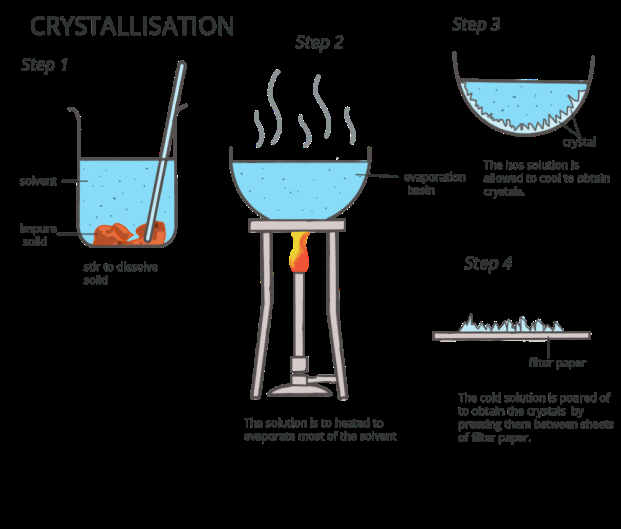
When a solid material is created from a liquid solution or melt, the process is known as crystallization, and the resulting solid material has a crystalline structure. The following qualities are typically present throughout a crystallization process. The input material is a liquid that is either above the melting temperature of the solid phase or in solution. If in solution, more than one solvent might be present. Impurities could be solid or dissolved in the mixture. Some impurities, particularly byproducts of organic reactions, may have a lot of characteristics with the solute. Impurities may crystallize separately during the crystallization process, stay in solution, or somehow merge into the finished crystals. The product’s substance is solid and comes in a variety of sized particles.
The Advantages of Crystallization as a Process are
- In a single process, high purification can be attained.
- Uses less energy and operates at a lower temperature than similar distillation separations.
- Plants can be basic, straightforward, and low- maintenance.
- Possibly more cost-effective than alternative separation methods.
- Phase equilibrium controls yield [2] (Figure 1).
Extraction
The initial stage in separating the desired natural products from the raw ingredients is extraction. According to the extraction principle, there are several extraction procedures, including solvent extraction, distillation, pressing, and sublimation. The technique with the highest usage is solvent extraction.
The Process of Extracting Natural Products Involves the Following Steps
- Allowing the solvent to permeate the solid matrix.
- Allowing the solute to dissolve in the solvents.
- Allowing the solute to diffuse out of the solid matrix; and
- Collecting the extracted solutes.
The extraction will be made easier by any element that increases the above steps’ diffusivity and solubility. The qualities of the extraction solvent, raw material particle size, solvent to solid ratio, extraction temperature, and extraction time all have an impact on how well materials are extracted. For solvent extraction, the choice of the solvent is essential. The selection of solvents should take into account selectivity, solubility, cost, and safety. Solvents with polarity values close to the polarity of the solute are likely to perform better and vice versa, according to the law of resemblance and inter miscibility (like dissolves like). Alcohols (EtOH and MeOH) are all-purpose solvents used in solvent extraction for research on Phytochemical.
Solubility and diffusion are both increased at high temperatures. However, excessively high temperatures can result in the loss of solvents, which can extract unwanted impurities and induce the destruction of thermo labile components. With longer extraction times within a specific time window, extraction efficiency rises. Once the solute has reached equilibrium both within and outside of the solid substance, adding more time won’t have any effect on extraction. The extraction yield increases with the solvent to solid ratio; however, a solvent to solid ratio that is excessively high can result in excessive extraction solvent and take a long time to concentrate [1].
The common organic solvents used in the conventional extraction techniques, such as maceration, percolation, and reflux extraction, require a significant amount of solvent and a lengthy extraction period. The extraction of natural products has also been carried out using some more recent or environmentally friendly extraction techniques, such as super critical fluid extraction (SFC), pressurised liquid extraction (PLE), and microwave assisted extraction (MAE), which have the advantages of using less organic solvent, taking less time, and having higher selectivity. However, several extraction techniques, such sublimation, expeller pressing, and effleurage, are hardly utilised in modern phytochemical research.
Maceration
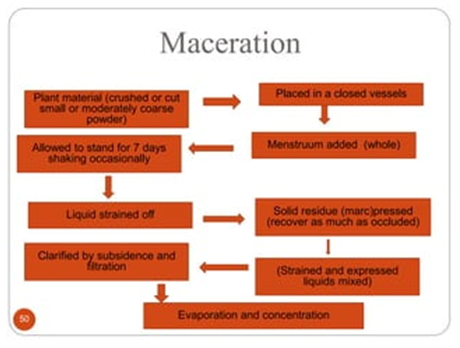
This is a very simple extraction technique; however it has the drawbacks of a lengthy extraction time and poor extraction efficiency. It might be used to extract components that are thermo labile (Figure 2).
Percolation
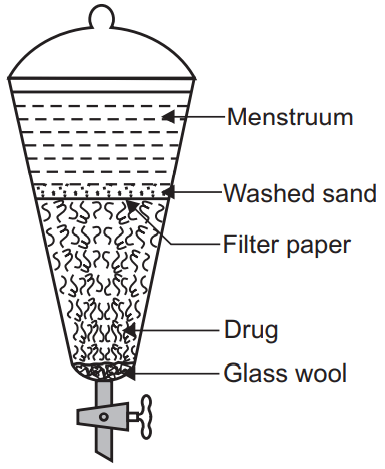
Because percolation is a continuous process in which the saturated solvent is continuously replenished by new solvent, it is more effective than maceration [2] (Figure 3).
Decoction
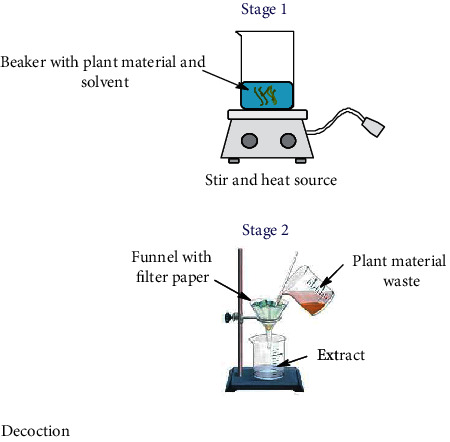
There are numerous water-soluble contaminants in the decoction extract. The extraction of volatile or thermo labile components cannot be accomplished by decoction [3] (Figure 4).
Soxhlet Extraction
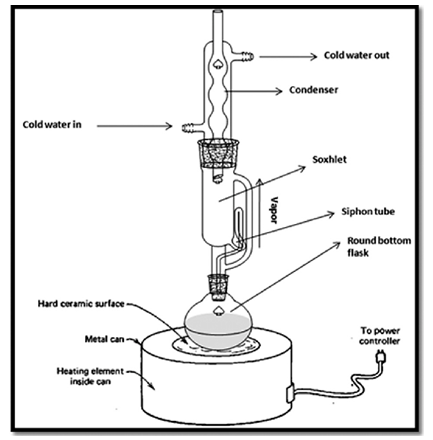
The Soxhlet extraction method, which employs the principles of reflux and siphoning to constantly extract the herb with new solvent, combines the benefits of the reflux extraction and percolation [4]. In comparison to maceration or percolation, the Soxhlet extraction is an automatic continuous extraction technique with great extraction efficiency. Thermal deterioration is more likely given the Soxhlet extraction’s high temperature and lengthy extraction period [3] (Figure 5).
Calcium Citrate
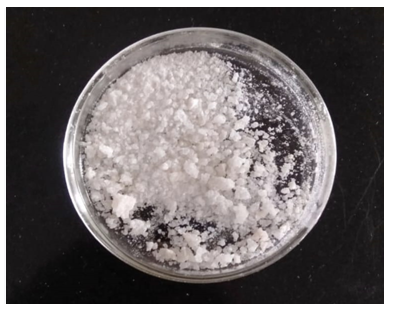
Calcium citrate is the name given to the calcium salt of citric acid. Citrate calcium is occasionally used as a food ingredient and preservative [5, 6, 7, 8]. Tricalcium citrate and cal citrate are other names for calcium citrate [9]. It is an organic substance that is a member of the tricarboxylic acids derivatives class. Three carboxyl groups are typically present in these acids [9, 10]. It can also be present in some dietary calcium supplements like Castrate or Citracal, in addition to natural food products. In terms of mass, calcium makes up 24.1% of calcium citrate (anhydrous) and 21.1% of calcium citrate (tetrahydrate) (Figure 6). The mineral known as Earlandite is a tetrahydrate form of calcium citrate [9, 10] (Table 1).
| Product Name | Calcium Citrate |
|---|---|
| Synonym | Tricalcium dicitrate, Tricalcium citrate, Acicontral |
| IUPAC | 2-hydroxy-1,2,3-propane-tricarboxylic acid calcium salt (2:3) |
| Molecular Formula | C H Ca O 12 10 3 14 |
| Molecular Weight | 498.46 g/mol |
| Melting point | 120°C |
| Solubility | Slightly soluble in water, freely soluble in dil. HCL & insoluble in alcohol. |
Table 1: Characteristics of Calcium citrate.
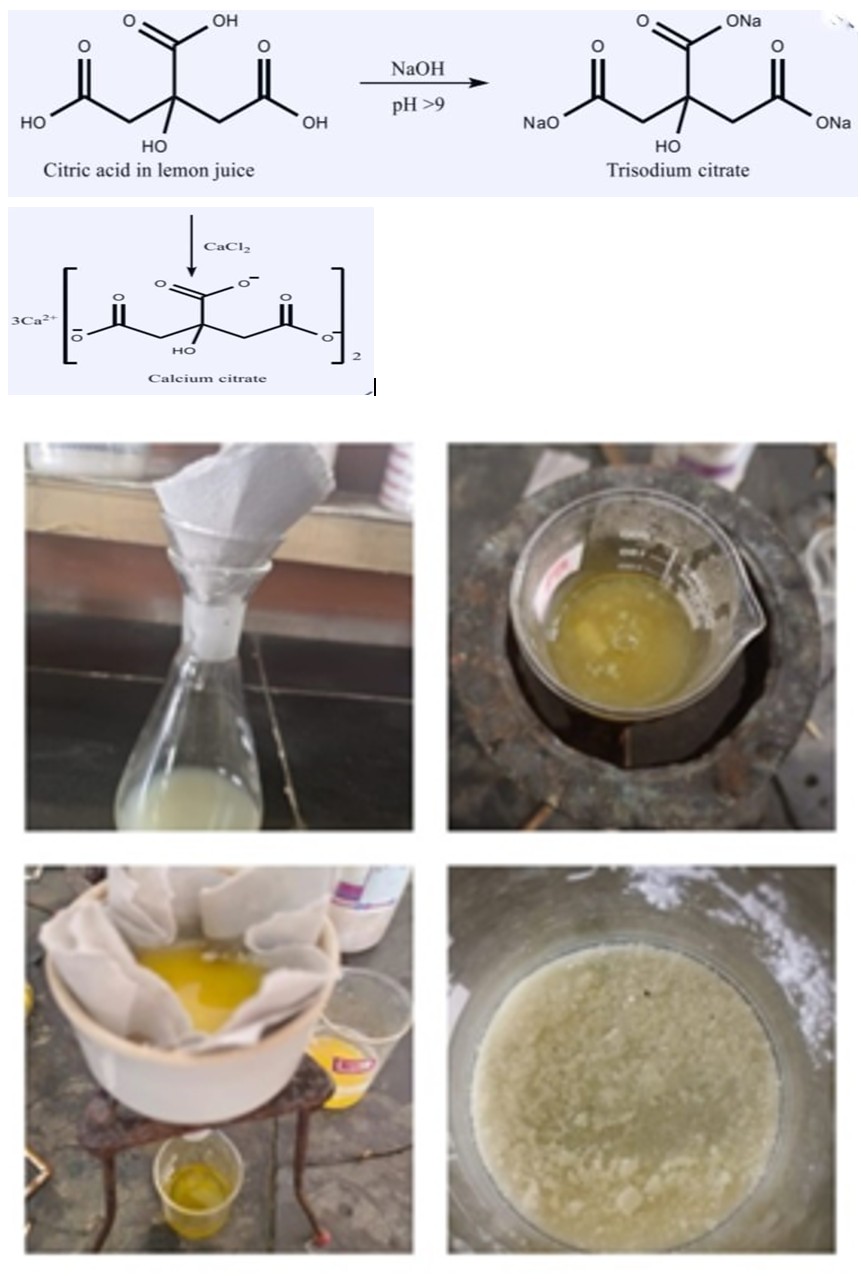
One of the widely used plant acids is citric acid. About 30% of the lemon fruit’s juice which is used for its vitamin C content. Hesperidin, other flavanol glycosides, and volatile oil make up roughly 2.5% of dried lemon peel. Calcium chloride is added to lemon juice and citric acid is obtained in form of calcium citrate, which is carried out in basic conditions (Figure 7).
Mechanism of Action
Plasma calcium levels are raised with calcium citrate. As a result, less parathyroid hormone (PTH) is secreted, lowering the calcium flux from osteocyte activity. This is accomplished by calcium activating a calcium receptor that is G-protein coupled on the surface of parathyroid cells. The amount of calcium that is deposited in bone rises due to the reduction in calcium flux, increasing bone mineral density. PTH secretion is decreased, and less vitamin D is converted into calcidiol, which is its active form.
A decrease in calcidiol causes reduced calcium absorption because it raises the expression of calcium dependent ATPase and transient receptor potential cation channel subfamily V member 6 (TRPV6), both of which are important in calcium uptake from the gut. Additionally, when PTH secretion is decreased, TRPV5, the channel responsible for calcium reabsorption in the kidney, is down regulated, increasing calcium excretion through the kidneys. During times of high plasma calcium, the hormone calitonin is probably involved in reducing bone resorption [10].
Uses of Calcium Citrate
- Low calcium problems are treated, including osteoporosis, rickets, and weak bones (osteomalacia).
- It lessens latent tetany and some muscle illnesses like hyperparathyroidism in the parathyroid gland.
- It is used in some individuals to make sure they get enough calcium, particularly for women who are nursing, pregnant, or dealing with postmenopausal problems.
- It can be found in drugs like phenobarbital, phenytoin, or prednisone.
- This medicine aids in lowering the risk of cancer since calcium has a protective effect on cells.
- It lowers the risk of developing cardiovascular disease. However, some studies disputed this result [10].
Result & Discussion/ Material & Methods
Isolation of Calcium Citrate
Reaction of Calcium Citrate
Procedure
- Take about 50.0 ml of lemon juice and add 100% sodium hydroxide with constant stirring until mixture is slightly alkaline as indicated by the color change from clear yellow to dark yellow.
- Strain the reaction mixture through a muslin cloth to remove the pulp.
- Again filter the filtrate through the Buchner funnel under
Properties of Calcium Citrate
- It is the crystalline powder that is white, odorless, and freely soluble in Dil. HCL but insoluble in alcohol [11].
- Tricalcium dicitrate tetrahydrate [ca3(C6H5O7)2(H2O)2] needle-shaped crystals by use of hydrothermal synthesis, vacuum and if the filter paper gets clogged, replace it as required for complete filtration.
- To the filtrate obtained add 5.0 ml of 10.0% calcium chloride for each of 10.0 ml of filtrate and heat the mixture to boiling.
- Filter the copious precipitate of calcium citrate while hot through a Buchner funnel.
- Wash the precipitate with small volumes of boiling water and dry [5] (Figure 8).
2H2O was produced.
- In addition to being a popular food additive, calcium citrate is also present in several dietary calcium supplements, such as Citracal and Caltrate.
- Citric acid and other citrates are produced using it.
- It is employed to enhance the capabilities of flour in baking [10]
Theoretical Yield Practical Yield and % Practical Yield
• Theoretical Yield: Citric acid (C6H8O7) Calcium citrate [Ca3 (C6H5O7)2] 192 498 192 gm of citric acid gives 498 gm of calcium citrate. 26 gm of citric acid gives x gm of calcium citrate. 192 = 498 26 = x 26 x 498/ 192 X = 67.43 gm Practical yield = 16.20 gm % practical yield = practical yield / Theoretical yield x 100 = 16.20 / 67.43 x 100 = 24.02% w/w
Identification Test
- Test: Dissolve 0.5 g in a mixture of 10 ml of water and 2.5 ml of 2N nitric acid. Add 1 ml mercuric sulfate TS, heat to boiling and add 1.0 ml of potassium permanganate [12, 13].
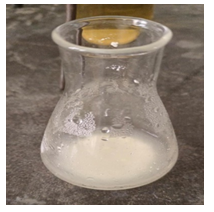
- Observation: White precipitate is formed (Figure 9).
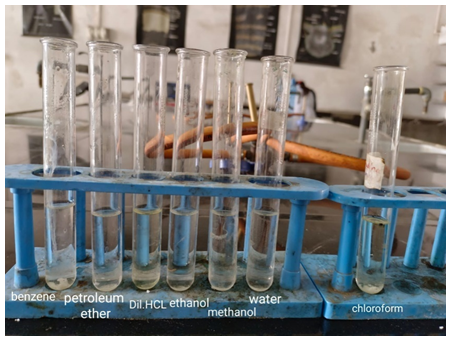
• Test: Ignite completely the sample at low a temperature as possible, cool and dissolve the residue in dilute glacial acetic acid (1:10). Filter and add 10 ml of ammonium oxalate TS to the filtrate (Figure 10). Acceptance criteria: a voluminous white precipitate that is soluble in hydrochloric acid is formed (Table 2).
• Observation: White precipitate is formed [14] (Figure 11).
| Sr.No | Solvent | Solubility |
|---|---|---|
| 1 | Water | Slightly soluble |
| 2 | Methanol | Insoluble |
| 3 | Ethanol | Insoluble |
| 4 | Dil. Hcl | Freely soluble |
| 5 | Petroleum ether | Insoluble |
| 6 | Benzene | Insoluble |
| 7 | Chloroform | Insoluble |
Table 2: Solubility test for Isolated Calcium citrate.
Melting Point
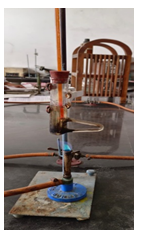
Take Thiele’s tube and fill it with liquid paraffin. Fill the Capillary tube with powdered Aspirin with one-fourth part, and tie tightly with a thermometer to the tip (Figure 12). Heat the Thiele’s tube on the burner till the powder melt and note down the temperature (Table 3).
| Sr. No. | Melting point | Melting range |
|---|---|---|
| 1. | 119°C | 119°C-121°C |
| 2. | 121°C | |
| 3. | 121°C |
Table 3: Melting point and melting range.
Loss on Drying
- Limit: NLT 10.0% and NMT 13.3%.
- Procedure: Weigh 1.000 g of substance in a clean and dried pre weighed LOD Bottle. Cover the stopper and gently shake to distribute material to not more than 10 MM height. Place the LOD Bottle in the oven and remove the cover and leave it also inside the oven. Dry the sample at 150°C for 4 hr. On opening the chamber, immediately close the LOD Bottle, transfer it to the desiccators’ and bring it to room temperature. Weigh up to constant weight [15].
Calculation: Where: W1 = Weight of empty clean and dried LOD Bottle. W2 = Weight of LOD Bottle + sample. W3 = Weight of LOD Bottle + sample. (After drying) W1= Weight of LOD bottle (g) = 10.730g W2= Weight of LOD bottle + Weight of sample = 10.730 + 1.0= 11.730g W3= Weight of sample taken = 1.0g After Drying, Weight of LOD bottle + Weight of sample = 11.7g Weight of sample after drying =11.7 - 10.730 = 0.97g % Loss on drying = W2-W1/W2-W3 x 100 =11.740 - 10.730/11.740 – 1.0 x 100 = 1.01/10.74 x 100 = 9.40% Assay
- Limit: NLT97.5% and NMT 100.5% calculated on dried substance.
- Reagent Required: 3N Hydrochloric acid, 0.05M Disodium Edetate, Sodium hydroxide solution, Hydroxy Naphthol blue.
Procedure
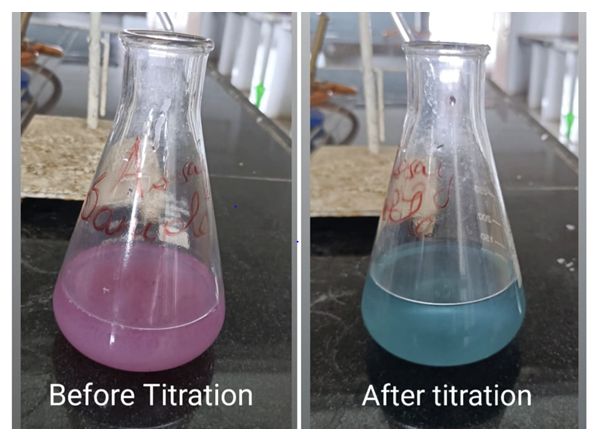
Dissolve about 350mg of Calcium Citrate, previously dried at 150° to constant weight and accurately weighed, in a mixture of 10ml of water and 2ml of 3N hydrochloric acid, and dilute with water to about 100ml. While stirring, add about 30ml of 0.05 M Edetate Disodium VS from a 50ml burette. Add 15ml of 1N sodium hydroxide and 300mg of Hydroxy Naphthol blue, and continue the titration to a blue endpoint. Each ml of 0.05 M Edetate Disodium is equivalent to 8.307 mg of Ca3 (C6H507)2 [15] (Figure 13).
Calculation: Percentage Purity
- Standard 100 mg in 100 ml 3 N HCL
- 1 ml standard solution in 100 ml water
- Sample 100 mg in 100 ml 3 N HCL
- 1 ml sample solution in 100 ml water Standard Dilution absorbance = 0.538 Sample dilution absorbance = 0.565 = Absorbance sample/Absorbance standard x wt. of standard/ wt. of sample x 99.68 = 0.565/0.538 x 0.101/0.106 x 99.68 = 99.74%
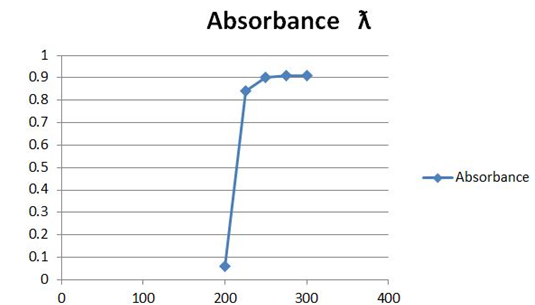
UV Absorbance
Shimadzu UV-1800 spectrophotometer measurements were made in quartz cells with a standard optical path length of l = 1 cm. At a temperature of 25°C, the solution’s absorbance (A) was measured in the middle-UV region (190- 400 nm). Except for the least concentrated solutions, the solute concentrations in the standard solution and sample solution were suitable for maintaining peak absorbance in the range of 0.1–1.0, with the lowest relative error of the measured concentrations due to apparatus noise.
To confirm the calibration’s linearity, absorbance measurements were made for standard solutions. There were three measurements made for each concentration. Both of the analysed series revealed the rectilinear dependency of absorbance on concentration, which was supported by an excellent linear fit (Table 4). The aforementioned procedure therefore complies with the Beer-Lambert law and is effective for the quantitative measurement of citrates in the investigated concentration range of 0.5-5.0 mmol/L (real concentrations obtained after mixing analysed materials with the Hcl solution) [16] (Figure 14).
| Wavelength (nm) | Absorbance λ |
|---|---|
| 200 | 0.061 |
| 225 | 0.842 |
| 250 | 0.903 |
| 275 | 0.909 |
| 300 | 0.909 |
Table 4: Absorbance.
Thin Layer Chromatography (TLC)
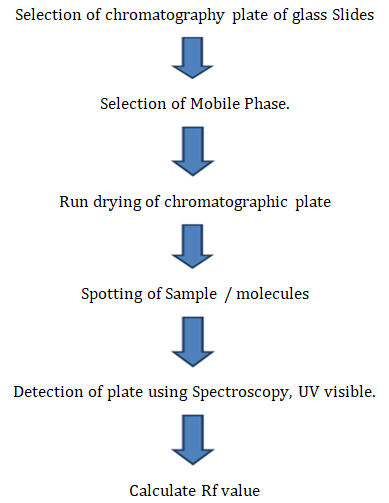
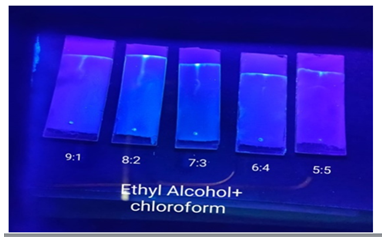
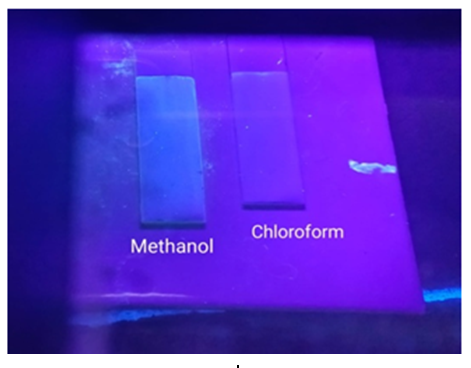
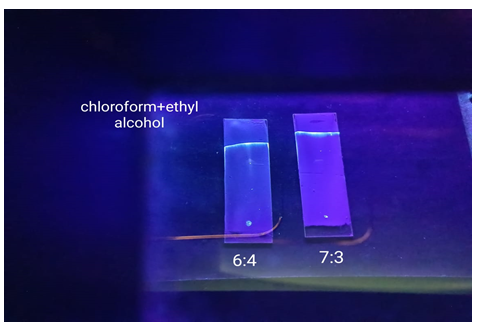
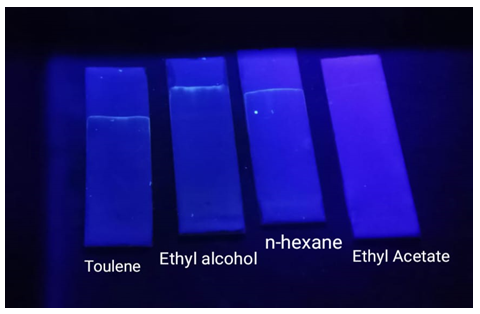
The TLC plate was created using silica gel on a clean glass plate (8 x 12 cm), dried, and then activated in the oven for roughly an hour at 110 oC. Following activation, 20 L of tri-sodium citrate (a positive control) and every plant extract in the usable range of 20 mg to 100 mg were placed in spot type onto the TLC plates. The TLC plates should be left at room temperature for 30 minutes to allow the solvent to drain before using the TLC bio autographic procedure [16] (Figures 15-20).
Development of TLC
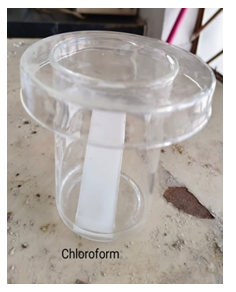
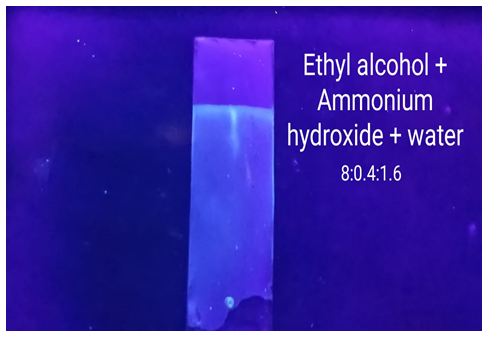
Solvent System Development (Table 5)
| Sr. no. | Solvent system ( Mobile phase) | Ratio |
|---|---|---|
| 1 | Chloroform | 10 |
| 2 | Methanol | 10 |
| 3 | Toluene | 10 |
| 4 | Ethyl alcohol | 10 |
| 5 | N-Hexane | 10 |
| 6 | Ethyl acetate | 10 |
| 7 | Ethyl alcohol+ammoniumhydroxide+water | 8:0.4:1.6 |
| 8 | Ethyl alcohol+chloroform | 9:01 |
| 9 | Ethyl alcohol+chloroform | 8:02 |
| 10 | Ethyl alcohol+chloroform | 7:03 |
| 11 | Ethyl alcohol+chloroform | 6:04 |
| 12 | Ethyl alcohol+chloroform | 5:05 |
| 13 | Chloroform+ethyl alcohol | 6:04 |
| 14 | Chloroform+ethyl alcohol | 7:03 |
Table 5: Chloroform.
Conclusion
In the present study it was concluded that: the Preliminary identification test found the presence of calcium citrate. The melting point of isolated calcium citrate is estimated at 119°C-121°C. Among the isolated calcium citrate percentage yield calculated on 24.02% w/w. It was performed thin layer Chromatography, calculated Rf value is 0.68 and 0.53 using polar, semipolar and non polar solvents. It was performed UV Spectrophotometry the calculated λ max is 0.036. As ample amount of calcium citrate was isolated from herbal source i.e. lemon juice, the study reached to the conclusion that instead of synthetic sources, the herbal source can be very useful and economical approach for the isolation of calcium citrate from lemon juice.
References
-
Mandal V, Mohan Y, Hemalata S (2007) Microwave Assisted Extraction An Innovative and Promising Extraction Tool for Medicinal Plant Research. Pharmacognosy Review 1(1): 17-18.
-
Porwal V, Singh P, Gurjar D (2012) A Comprehensive learn on Different Methods of Extraction from Guava Leaves For Curing Various Health Problem. International Journal of Engineering 2(6): 490-496.
-
What is isolation in organic chemistry.
-
Zhang QW, Lin LG, Ye WC (2018) Techniques for extraction and isolation of natural products: a comprehensive review. Chinese Medicine, pp: 13-20.
-
European Patent Office Publication number: 0 533 724 B1, FOX, Mary, Mora, Bulletin 95/17.
-
Prasad MR, Rao R (2014) Advanced Medicinal Chemistry a Laboratory Guide. BSP Books Publishers, pp: 1-388.
-
Merck Index, pp: 272.
-
Osol A, Chase GD, Gennaro AR, Gibson MR, Granberg CB, et al. (1928) Remingtons Pharmaceutical Sciences. 19th(Edn.), Vol 2, pp: 928.
-
Kokate CK (2014) Practical Pharmacognosy. 5th (Edn.), Vallabh Prakashan, pp: 139.
-
Penniston KL, Nakada SY, Holmes RP, Assimos DG (2008) Quantitative Assessment of Citric Acid in Lemon Juice, Lime Juice, and Commercially-Available Fruit Juice Products. J Endourol 22(3): 567-570.
-
National Center for Biotechnology Information (2023) PubChem Compound Summary for CID 13136 Calcium citrate.
-
Krukowski S, Karasiewicz M, Kolodziejski W (2017) Convenient UV-spectrophotometric determination of citrates in aqueous solutions with applications the pharmaceutical analysis of oral electrolyte formulations. J Food Drug Anal 25(3): 717-722.
-
Kale AS, Patil AS, Paikrao HM (2017) A modified TLC bioauto graphic technique for the detection of antilithiatic potential of therapeutic plants from Indigenous Ayurvedic System. Pharm Methods 8(1): 71- 74.
-
Bolliger HR, Brenner M, Gänshirt H, Mangold HK, Seiler H (2009) Thin Layer Chromatography. In: Stahl E (Ed.), A laboratory Handbook. 1st (Edn.), Springer Berlin, Heidelberg, Germany, pp: 15-553.
-
Kirtikar KR, Basu BD (1999) In Indian Medicinal Plant. International Book Distributors Book Sellers and Publishers, Deheradun, India 3.
-
Fransworth NR (1966) Biological and Phytochemical Screenig of Plants. Journal of Pharmaceutical Sciences 55(3): 225-276.
- Potential Medicinal Herbs and Secondary Metabolites in Combating Corona Virus
- Monkeypox and its Clinical Implications in Pregnancy
- Pharmacognostical Analysis of the Leaves of Important Nervine Medicinal Plant: Strychnos Nux-Vomica L
- Assessment of Antibacterial Activity of Various Solvent Extracts of Dictyota Dichotoma Against Multidrug Resistant Bacterial Strain
- An Insights of Bioactive Elements on Malignancy: Mechanistic Avenues
- Advances and Future Directions in Pharmacognosy and Chinese Medicine