
Shortage and Malnutrition Crisis in the Face of Covid-19 Pandemic Confinement in Africa: the Nigerian Narrative
With 21.7 million Nigerians unemployed, 7 million estimated poor and a probable poverty rise of 42.5% in 2020, the outbreak of the pandemic in Nigeria came at the worst era in the nation’s history. The COVID-19 pandemic and confinement, the continued neglect in modernizing the African agricultural sector, and its consequences on food insecurity, worsened an already existing crisis of food shortages with grim possibilities of malnutrition, as well as deepened health-related social inequities in Africa and in Nigeria. These inequities were exacerbated by the heavy dependence of the sub-Saharan African/Nigerian economy on non-agricultural sources. This paper was borne based on the grievances experienced in Africa and Nigeria, over food insecurity during COVID-19. The goal of this paper is to review food shortage and malnutrition crisis during the COVID-19 confinement in Africa with focus on Nigeria. This paper employed a secondary source of data collection and a descriptive approach. Findings showed that prior to the spread of the COVID-19 virus, the Nigerian agricultural sector has been surrounded by a plethora of problems limiting its productivity levels especially at the community level. Moreover, the spread of the COVID-19 virus in Nigeria with the mandatory 3 months confinement brought all socio-economic, government and private activities to a halt. This led to rapid income decline resulting in diminished sale of food products, rise of food prices, rapid purchase, hoarding of foodstuffs, hunger crisis, malnutrition, thereby worsening existing inequalities. This paper recommended best practices that would transform the Nigeria agricultural production and malnutrition challenges beyond the pandemic.
Introduction
The globe is facing grievous moments in history at the outbreak of the Coronavirus, an emerging zoonotic infection, which started in Wuhan, China in 2019 and has spread across the world [1]. As of June 22, 2020, that there were 142,283 confirmed COVID-19 cases and 4,241 deaths in 29 countries as of June 22, 2020 [2]. The high infectious rate of the COVID-19 virus continues to spread forcing many countries to seek non-pharmaceutical interventions that include staying at home for over 2 months, relegated movements within clean/ safe environments repeated and constant handwashing for over two minutes, social distancing, wearing of face masks/ shields, as well as pharmaceutical strategies, such as the use of hand sanitizers. There were rising reports of new COVID-19 cases in the month of April which recorded 340 cases, and 1,750 cases in May and about 3,290 in June [2].
In Nigeria’s most populated city Lagos, they reported the largest number of COVID-19 cases of sixteen thousand, two hundred and fifty-six (16,256) persons as at June, 2020. Overall and as at the time of submitting this article, there have been 49,068 confirmed cases, 352,625 samples tested, 11, 595 active cases, 36,497 discharged cases and 975 deaths nationally [3]. Nationally, new cases are reported daily, despite the continuous experiment for appropriate and effective COVID-19 vaccine by pharmaceutical companies in the global North nation. In addition, trials continue to heighten for non-medical ways to contain the persisting COVID-19 virus instituted pandemic. The COVID-19 pandemic has affected all sectors of life, such as the social, economic, political, as well as changing the history of the 21st century. For example, it was reported that these confinement measures which was expedient to restrain the rapid spread of the pandemic globally estimated that about 8.8 per cent of global working hours were lost which is equivalent to the loss of 255 million full-time jobs [4].
The outbreak of the COVID-19 disease in Wuhan, China and its global spread led to the shutdown of national borders restricting movements all targeted at controlling the highly contagious virus. The virus spread, from a single case in China has infected over 2,626,321 persons causing over 181,938 deaths [2]. Before the COVID-19 pandemic, the Nigerian economy was expected to increase by 2.1% in 2020; however, the virus has led to a decline by more than 5% [5]. Beyond COVID-19 impact on loss of human lives, food shortage became a major pressing challenge across sub- Saharan Africa and in Nigeria, which is expected to worsen as Nigeria, Africa and the world tries to contain the pandemic [6].
This is critical for Nigeria which happens to be one of the seven countries that contributes to nearly half the world’s population [7]. This situation is even worse for 90 million Nigerians who live on less than $2 daily World Bank [8] considering the decline of oil prices. Inevitably, food supply has drastically reduced across communities and peoples, thereby increasing widespread hunger and nutritional security in the country. Food supplies and security are expedient needs that are necessary for human survival and well-being. The low supply or absence of food can lead to greater problems, such as protein-energy malnutrition with attendant health challenges and higher child mortality rates.
Nigeria still remains one of the worst-hit by malnutrition in the sub-Saharan region, affecting women and children, as well as those in their reproductive years. For example, concerning growth, it was reported that about 37% of children, who are under-age was stunted, with 17% severely stunted and 7% wasted, while about 22% of children were underweight, as well as 7% who were severely underweight [9]. In 2017, it was estimated that the country required about N279,536 billion naira, which is about $912 million USD (www.xe.com as of April 6th, 2021) to address malnutrition in all states within a target of five years; however, the high levels of poverty in the country becomes an added issue to food security in Nigeria.
With a large number of Nigerians living below the poverty line added to the advent of COVID-19, an additional 95.7 million Nigerians are projected to be in poverty by 2022. Hence, the Coronavirus would add about 5.5 million people to poverty by 2022. According to a report by Nigerian Living Standard Survey [10], 16.8 per cent of working Nigerians (12.9 million workers) were employed primarily in wage jobs, while about 42.7 per cent work in agriculture (32.7million workers) and 40.6 per cent are involved in non- farm enterprises (31.1million workers). In addition to social hindrances, the closures of transportation networks and borders during the COVID-19 confinement as well as social distance measures became a threat to non-farm enterprises and agricultural workers who depended on physical and work interactions to survive. Unarguably, Nigeria and other developing countries, agriculture is reserved for the poor and vulnerable population Global Agriculture and Food Security Program [11] while wage-employment is limited, inevitably, the COVID-19 pandemic had a severe impact on the large poor population resulting to panic, hunger crisis and poor feeding habits during the grueling three (3) months quarantine in Nigeria. Most institutions are yet to begin services effectively, and majority of these structures are not paying their workers, such as agricultural workers, wage- employed/non-farm workers, informal wage workers and unemployed were all immensely affected by food shortages nationwide.
Based on this, individuals and household earning
capacities were reduced; incomes declined with increase in the prices of household items and food products. Further, the delivery channels and food chains that were disrupted led to increase in sales and reduced purchasing powers of households, individuals, and Nigeria’s large population of unemployed youths [6, 7, 8].
From the foregoing, the goal of this paper was to review food shortage and malnutrition crisis during the global COVID-19 confinement in Africa using Nigeria as a case study. To give a proper appraisal of the situation, the paper further discussed food insecurity crisis in Africa and Nigeria. It evaluated the state of agricultural production and its challenges in Nigeria, the economy during COVID-19 pandemic, malnutrition in Nigeria, food insecurity during the 3 months confinement and the future of food supply in Nigeria. Possible solutions and best practices were proffered to transform agriculture and malnutrition in Africa and Nigeria. This included sustainable means of agriculture intensification through agriculture program and initiatives, policy implementation, agricultural digitalization, recognition of the role of women in agriculture, possibilities for large markets for export, and financing among others [12].
Further areas reviewed include policy implications, which are expedient to combat food shortage and malnutrition in Nigeria, and our conclusion. Finally, the paper noted the necessity of adopting a sustainable agricultural intensification strategy as an advanced intervention approach to firmly address Nigeria’s food shortage issues. It is noted that food shortage patterns in Nigeria pre-dated the global virus, although it escalated during the 3 months confinement due to high levels of economic recession, poverty, unemployment and low agricultural productivity, and these informed the need for this paper.
Methods
Data was sourced from secondary sources on COVID-19 spread, quarantine and food insecurity in Africa and Nigeria. It includes the search of databases carried out by the authors and search of articles was limited to the English language only. The search list included short articles, reports, newsletters, literature and John Hopkins updates on COVID-19 and Nigeria Center for Disease Control (NCDC) COVD-19 reports, food and agricultural organization documents, World Bank reports and other relevant documents covering Africa and Nigeria. The information sources included articles from Springer, PubMed, Research Gate, Google Scholar and Medical Sciences.
The following search terms were employed (text words and COVID-19 related subject headings): pandemic or Coronavirus, quarantine, SARS COV 2, global health, health impacts of pathogens. Review articles were also sourced using measures across malnutrition, unemployment, food shortages, agricultural production and poverty. This was carried out in order to accomplish the goal of this paper which was to review food shortage and malnutrition crisis during the global COVID-19 confinement in Africa and Nigeria.
A Global Food Insecurity Crisis in Africa
Prior to the emergence of the global COVID-19 pandemic, food insecurity was a serious concern throughout sub- Saharan Africa. In essence, COVID-19 increased and worsened the critical food insecurity in Africa during the confinement season, where border restrictions were introduced to slow the spread of the virus and isolation impacted the production, transportation, and trade of food across the continent [13, 14, 15, 16]. According to the FAO [17] 239 million people in the region faced food shortage. Indeed, about half Africa’s population are faced with undernourishment where 250 million people have been severely affected [13]. The severe food insecurity in Africa has been triggered by many factors, such as economic recession, climate change, poverty, low agricultural production, lack of decolonizing efforts especially in agricultural initiatives, and communal conflicts [18, 19, 20, 14, 16].
Additionally, Southern Sudan and Nigeria in the East and West Africa respectively have been marked by incessant community conflicts; environmental crisis, such as flooding; tragic events; internal and external migration; and violence in recent times [16]. These ecosocial events continue to displace and disprivileged people living in these conflict zones as refugees with associated health inequities across the globe. Refugees and internally displaced population living in areas, such as the Sahel regions, which are marked by conflict, fragility, and climate and environmental crisis Rankin L [15] are at immense danger. About 12 million people have lost their homes and communities from complex ecosocial events and are in dire need of food and income security [16]. Further, in 2020, The Democratic Republic of Congo has been ravaged by socio-political conflicts, in addition to the resurgence and reemergence of Ebola virus, these events have impacted majorly the disprivileged groups, such as people with disability, women, and children, because of socio-economic precarity further worsening food insecurity [16].
In addition to community and political conflicts, there was a locust plague that destroyed crops and livestock in the parts of the Horn of Africa in 2020 [16]. The losses were estimated to cost $8.5 billion (USD), because harvests were drastically damaged reducing food availability, and over 24 million people were food insecure [16]. Another example was in Djibouti, over 1,700 agricultural farms across the country with about 50,000 hectares of pasture lands were destroyed by the swarms [18].
It is expedient that sustainable solutions for food security and nutrition should be provided to monitor food problems and hunger crisis FAO [17] since food insecurity is fast spreading beyond Africa to Asia. For example, according to McKinsey [19] it was recorded that in Afghanistan about 11.3 million people are faced with acute food insecurity with over 138,000 refugees returned to the country from Iran and Pakistan between January-March 2020, affecting food resources. Where over half (51%) of the analyzed population of Pakistan also faces acute food insecurity, and this is the highest in all of Asia.
Although the agricultural sector makes up 23% of the economic sector of Africa, the sub-Saharan Africa region has 60% of its economically active population subsisting on agriculture [19]. In addition to _climate injustic_e, an unfair and unjust distribution of harms and benefits of climate change from global North nations to global South countries, such as Nigeria and Sudan, and the global volatile climate changes come with wicked issues. Essentially, climate injustice means that the more fortunate countries of “the North” (and its institutions) have an ethical responsibility to ensure that people and the planet are treated fairly, to reduce and to adapt to further climatic changes contributed, especially by the global North to the current state of the planet. These wicked issues have been shown to be responsible for environmental breakdown causing changes, such as drastic temperature variability, exacerbating loss of biodiversity, intensifying precipitation and drought, and heightening forest fires [14]. This has particularly affected agricultural production, crop harvests with the poor storage facilities, common with sub-Saharan African countries resulting to low market sales of agricultural products, as well as worsening socio-economic inequities. The agricultural population in Africa amounts to about 530 million people and it is estimated that this population may have increased to about 580 million by 2020 [20]. However, the dependent population relying on agriculture as their source of livelihood accounts for 70% of the total population in East Africa [21]. Unfortunately, climate-induced challenges, such as internal migration within sub-Saharan African nations [15]. Climate injustice and low political willpower of African leaders Rankin L [15] have added to Africa’s unguided increasing population. The eco-social events have worsened poverty, reduced agricultural productivity, heightened an inability to implement and sustain social and health related policies exacerbating food insecurity and poor health outcomes. These combined and spontaneous factors have led to the unprecedented negative impacts on food security in Africa’s largely poor and vulnerable population. In the last decade, Nigeria as the most populous country in African continent have continued to experience increase in the number of undernourished people that was estimated to be over 25 million in 2018 amounting to 180 percent [22]. Inevitably, these eco-social challenges increased the prices of food products and further exacerbated the food crisis during the pandemic isolation period in Africa and Nigeria.
Agricultural production in Nigeria and its Challenges
In 2017, agriculture contributed about 46.71% to Nigeria’s GDP [23]. According to the Food and Agriculture Organization, Nigeria uses about half of its 71million hectares of available agricultural land to produce vast quantities of food crops. However, agricultural production in Nigeria has faced several challenges from human induced problems to the natural forces of weather extremes and climate injustice, where increased rainfall and drought have affected agricultural productivity [24].
Increased climatic changes are estimated to cause huge changes coupled with negative impacts across Nigeria, a West African Nation. Despite the broader range of uncertainty in precipitation that is experienced over West Africa Research has projections of incessant and tougher warmings between 1.5 and 6.5 °C are predicted [25]. This has promoted negative impacts in Nigeria combined with its vulnerable geographical location especially Northern Nigeria coupled with the low GDP base and poor institutional capacities, amid variable sources of livelihood that is hugely sourced from natural resources.
The scale of climate change has increase high anthropogenic emissions, greenhouse gas (GHG) concentration, and average global temperature [26]. It is unfortunate that Nigeria’s agricultural sensitive economy is vulnerable to climate change [27, 28], in addition to the emergence of COVID-19 pandemic that has also affected economic initiatives and outdoor activities especially agricultural production. In addition to loss of biodiversity that threatens the Nigeria’s ecology climate change causes rapid growth of insect, pests, zoonotic diseases, such as Ebola virus and Coronavirus, as well as increased risk of rot in crops [29]. Notably, these insects and pest can cause the spread of disease in food crops, vegetables and fruits when humans are exposed to the diseased crops [30].
The invasion of pest and insect is responsible for large destruction of farm products, and risks and vulnerabilities to ill- health and livelihood. This necessitates the need for improved storage and production of high-quality crops which is absent among rural farmers in developing countries like Nigeria [31]. In addition to erratic and inefficient power supply for storage and cooling facilities, almost a third of foods grown in sub-Saharan Africa undergo destruction due to lack of cooling systems. Along with the cattle grazing in the Northern part of Nigeria, deforestation activities in the South of Nigeria have been worsened by urban development for a growing population worsening the loss of biodiversity, increasing food insecurity amid increased interaction between humans and animals [32].
A concept of One Health, where animal, human, and environmental health meet, necessitating the need to leverage on past zoonotic pandemic and epidemic experiences to prioritize the social structural initiatives, multisectoral drivers of zoonotic infections, and information, communication, and technological systems [32]. In Nigeria [3], there is already an existing One Health policy and institutional framework, with a five-year plan, for better public health outcomes in the three vital sectors of health, agriculture, and environment. These initiatives can help to reduce, prevent and protect spillover of animal infections to humans halting the development of pandemics and epidemics, especially the latter that has threatened health and well-being of Nigerians.
In addition to subsistence agricultural activities in Nigeria, majority agricultural initiatives are managed by poor vulnerable farmers. These farmers are dependent of agricultural social safety nets and benefits that are trickled to them by the governments. These vulnerable farmers are dependent on benefits. For example, the Nigeria Intended Nationally Determined Contributors (INDC) ratified at the Paris climate convention of 2017, in addition to the 2015 pledge to reduce greenhouse gas emission (GHGE) by 20% by 2030 did not translate to real ecofriendly practices [33].
The Economic Recovery and Growth Plan (the Medium- Term Plan of 2017-2020) by the Nigeria national government had “unecofriendly” initiatives that include the Anchors Borrower’s Initiative, The Nigeria Coal Power projects, and the Presidential Initiatives on Fertilizer were unfriendly new national policies and actions that were to benefit the farmers, as well as the Nigerian economy. For the economic recovery and growth plan, these were the medium-term plan of 2017 – 2020 that saw an urgent increase in oil and gas production with the potential of gas flaring and its impacts. The Presidential initiative on Fertilizer, a no climate smart agricultural initiatives, despite the immediate agricultural yields, benefits, and outcomes by giving out loans to farmers to access agricultural products, such as fertilizers, and herbicides at low interests’ rates. The coal power project was to provide about 30% of electricity via coal. Coal has been shown to pollute the air, water, land, as well as to acidify the water bodies and ocean acidification. All these unfriendly eco actions have been shown to heighten climatic-related vulnerabilities in Nigeria constituting climate injustices and agricultural challenges.
Amid these agricultural challenges, which are responsible for the annual food loss for crops and vegetables estimated at 40 to 50 per cent [34], lead to food losses and shortages as short-term outcomes. In the medium and long term, these challenges affect communities of small rural farmers across Africa resulting to low farmers’ incomes, hunger, malnourishment and poverty. It is unfortunate that sub-Saharan Africa has the largest pool of poor people in the world, who are disprivileged socio-economically, in addition to their dependence on agriculture as their livelihoods [24]. In addition, communal conflicts and violent disturbances in Nigeria particularly between rural farmers and herdsmen have affected rural farming communities leading to migration with challenges of ineffective displacement and settlement across the country and beyond.
Nigerian Economy and COVID-19 Pandemic The COVID-19 pandemic and confinement that involved the closure of all facilities, institutions and food production, allocation, and distribution agencies exacerbated the food crisis in Nigeria, resulting to a rapid rise in the price of food items/products; reduced purchasing power of households, and affected the daily income of the Nigeria’s teeming young population [13, 35]. The young population between the ages of 15 to 34 years are majorly unemployed, in addition to this group, who rely on daily wages, they lost their jobs during the COVID -19 pandemic and lockdown [13, 35].
It is therefore necessary to proffer strategies to intensify agricultural production and sustainability to combat the drastic recession in Nigeria [8, 36, 37, 38]. This necessitates policy implementation addressing the socio-political, health and economic challenges in Nigeria especially the large population of unemployed youths [39]. Notably, unemployment rate in the country of 23.1% in 2018 was overtly affected by the COVID-19 outbreak, with a recorded highest of 27.1% during the pandemic [8]. The nation’s underemployment rates have increased to 28.6%, a clear capture of a population working less than 40 hours per week, or in jobs that underutilize people’s skills, time, and education. Although accounting for 80.2 million, the Nigeria’s labour force shows that 21.7 million people were unemployed exceeding the population of 35 of African’s 54 countries [40]. While the unemployed youths are between the ages of 25 and 34, and this age group, currently, are reported to have the highest unemployment rates of 30.7% in Nigeria [40].
Malnutrition in Nigeria According to World Bank, World Food Programme Report [41, 42], malnutrition refers to deficiencies, excesses or imbalances in a person’s intake of energy and/ or nutrients. It covers two broad groups of conditions- undernutrition and overweight. Undernutrition includes stunting, e.g., low weight for age, wasting e.g., low weight for height; underweight e.g., low weight for age; micronutrient deficiencies or insufficiencies, e.g., lack of important vitamins and minerals, and overweight, e.g., obesity and diet-related noncommunicable diseases, such as heart disease, stroke, diabetes and cancer [41]. The World Health organization (WHO) in 2018 reported that Nigeria is burdened by three key malnutrition indicators namely anemia, overweight and stunting.
The emergence of COVID-19 pandemic and the lockdown grossly affected food supply chain distribution networks, which covers food security especially food production, safety and distribution affected the agricultural sector disrupting farm works and agricultural processes, and amplifying crop losses and food shortages. These restrictions, hence, exacerbated food insecurity and nutritional deficits in some Nigerian states, such as Kano, Rivers, and the Federal Capital Territory (FCT), Abuja during COVID-19 pandemic [36].
According to the National Bureau of Statistics [36], food insecurity was high in these four states. For example, in a study conducted in Rivers state and Abuja found that 79 per cent of households and 72 per cent of households in Abuja respectively have skipped their meals since the initiation of the COVID-19 pandemic. These have made families vulnerable socioeconomically as most households had to exhaust their savings and borrow money for their family upkeep.
Prior to the pandemic and lockdown, it was established that Nigeria will be faced with dire consequences of food shortages by 2020 [13, 14, 15, 16]. According to World Food program Report [43], about 66 million primary school-age children attend school hungry across the developing world, and 23 million of these children live in Africa, which hugely impacts their ability to learn. Also, Africa experienced about 5.6 million under-five children, who died in 2016, with nearly 15,000 of these deaths occurring daily [44]. The risk of a child dying before five years of age is highest in Africa (76.5 per 1000 live births), and 9.6 per 1000 live births, which is about 8 times higher than in Europe [44].
In 2001, African union head of states met and ratified to allocate at least 15% of its annual budget to health, but Nigeria has continued to lag behind here. Also, in 2014, child nutrition with a provision of N30 million naira was created in the Nigeria’s health budget, unfortunately, the funds were not accounted, in 2015, there was budgetary provisions to handle the malnutrition challenges in Nigeria, but the 2016 national health budget provided only N2.4 million for child nutrition [45]. The Africa’s SDG index, which is a tool for local & national governments, academia, and CSOs to take ownership over African development trajectories, as well as revitalizing partnerships to achieve sustainable development [46]. With a ranking of 51 African states according to 97 indicators across all sustainable development goals (SDGs) signifying a country’s position between worst (0) and the best (100) outcomes, the 2020 Africa SDG index and dashboards report showed that the best performing Africa region in North Africa with Tunisia ranking top, while the Central Africa is the worst-performing in the African region. The SDG Dashboard for Nigeria for 2020 Okwuwa CO [46] showed that challenges still remained to achieve SDG 3 on good health and well-being, SDGs 2 (hunger), as well as other SDGs that indirectly impacts good health and well-being, such as SDGs 4 to 10 (quality education; gender equality; clean water and sanitation; affordable and clean energy; decent work and economic growth; industry, innovation, and infrastructure; and reduced inequalities respectively).
In Nigeria, researchers reported the loss of about 2,300 under-five-year-olds and 145 women of childbearing age as a result of malnutrition daily [47]. Sadly, this places the nation as the second largest contributor to the under- five and maternal mortality rate in the world [41]. In their study, they reported that the many-sided facets of child malnutrition experienced by Nigerians include stunting, wasting, micronutrients deficiencies, overweight and obesity. Statistics provided at the Media Dialogue by nutrition experts showed that malnutrition, although a national problem, is much worse in the Northern Nigeria. The statistics showed that the total number of children affected by malnutrition in the South-East, Nigeria in 2016 was 34,889 with a record of 6,700 deaths. In the South-South of Nigeria, 86,304 children were affected with 16,700 deaths, while South-West part of Nigeria reported 84,417 cases and 16,300 deaths. However, the North-Western Nigeria in the same year reported 1,594,462 cases and 308,000 deaths, while the North-Central part of Nigeria fielded 43,635 cases with 8,400 deaths, and the North-East reported 695,998 cases and 134,000 deaths. Malnutrition did not only contribute to over 50 percent of under-five mortality, but also resulted in massive costs for Nigeria.
Nigeria loses over $1.5 billion in GDP annually to vitamin and mineral deficiencies [42]. Notably, it has been confirmed that the daily quantity of nutrients and vitamins required to balance nutritional intake in sub-Saharan Africa is a daily average of 36 g per person in Eastern and about 90 g in Western Africa [48]. Unfortunately, this is far below the daily nutrient amount of (200g) or (73 kg) per person required. This could be responsible for about 30 per cent of inhabitants, most of them women and children who suffer from malnutrition in sub-Saharan Africa [6].
Food Insecurity during COVID-19 Pandemic in Nigeria
At great economic and social costs, COVID-19
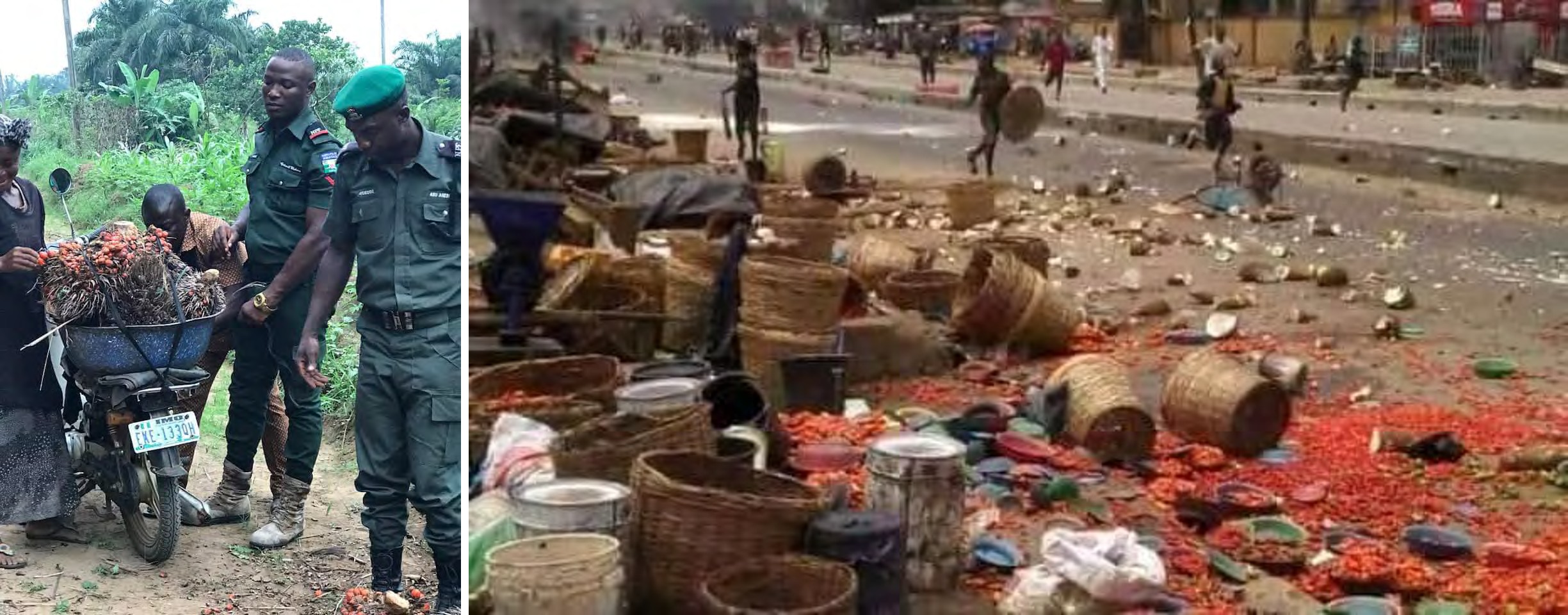
containment measures affected farm produce causing the spoilage and wastage of highly perishable foods. Appointed government workers were assigned to ensure that the markets and food supply chains were restrained (See Plate1).
Plate 1: Showing the disruption of food supply chains and damages of food products along street market by assigned government officers enforcing the quarantine period. Source: Facebook, 2020 The Consumer Price Index (CPI) for food rose during the lockdown by 1.18% from March 2020 to April 2020 caused by increases in prices of potatoes, yam and other tubers, bread and cereals, fish, oils and fats, meat, fruits and vegetables. The average annual rate of change between April 2019 and April 2020 was 14.22%. The local sector was unable to meet the demands of the 200 million people in the nation, however, this gap needs to be closed by the importation of food products considering that only an estimated 100,000 tonnes of wheat are produced locally against an annual demand of over 3 million tonnes.
The production of rice and fish which is highly consumed amongst Nigeria still falls below the quantity demanded. According to the NBS, between 2006 and the first half of 2019, Nigeria spent 38.24 billion Naira on agricultural goods imported to augment domestic production. These goods include rice, sugar, wheat flour, fish, poultry, beef, milk, etc. Despite the increase in rice production from an annual average of 7.1 million tons in 2013 and 2017 to 8.9 million tons in 2018, imported rice still finds its way to the country to feed the ever-growing population. With the closure of borders, it is only expected that the food supply for imported food will drop Brookings [49] monitored countries during the stringent measures on movement and indicated that observed that food availability and prices are experiencing huge changes. It was given that poor families have limited access to food due to low income as a result of restrained movement and economic activity during the 3 months confinement. Further, it projected that high anxiety levels, associated with other factors such as conflicts, economic lockdown, climate change increased food insecurities where over 90 to 100 million people face hunger crisis. This will increase the demand for food assistance in 2020 across 29 observed nations; however, this indicated a 25 percent increase relative to anticipated needs prior to the pandemic.
Further, to buttress the situation a study was carried out by ODI [50] which examined World Bank data on COVID-19 in Nigeria (2020). Data was collated by World Bank through phone survey covering 15,000 households in rural and urban Nigeria. The study sought to determine how households and firms are responding to income and food security during the pandemic. The study revealed that COVID-19 has exacerbated food and income securities in Nigeria.
Figure 1 showed that about 70 percent of both urban and rural inhabitants are faced with drastic reductions in income since the inception of the viral pandemic. Comparatively, a large number of rural households have suffered a decline in their income than the households in urban areas. This revealed that the incomes of rural inhabitants were greatly affected during the confinement period. According to the Overseas Development [51], the change in income can be traced to the dependence of rural households on urban relations.
Meanwhile, majority of the urban dwellers were not economically active, the decline in income affected their relations domiciled in the rural communities who are recipients of their income. Also, most rural communities are largely farmers, who depend on their farm proceedings for livelihood (See plate 2). Unfortunately, majority of their farm products consist of vegetable, fruits and crops are fragile and could not be sold, because the markets were shutdown, food transit routes were closed in urban areas, along the border towns. These challenges were responsible for decline of incomes in rural families. However, most of urban workers in government and public establishments continued to receive their salaries monthly reducing the food crisis levels and income securities compared to those in rural areas.
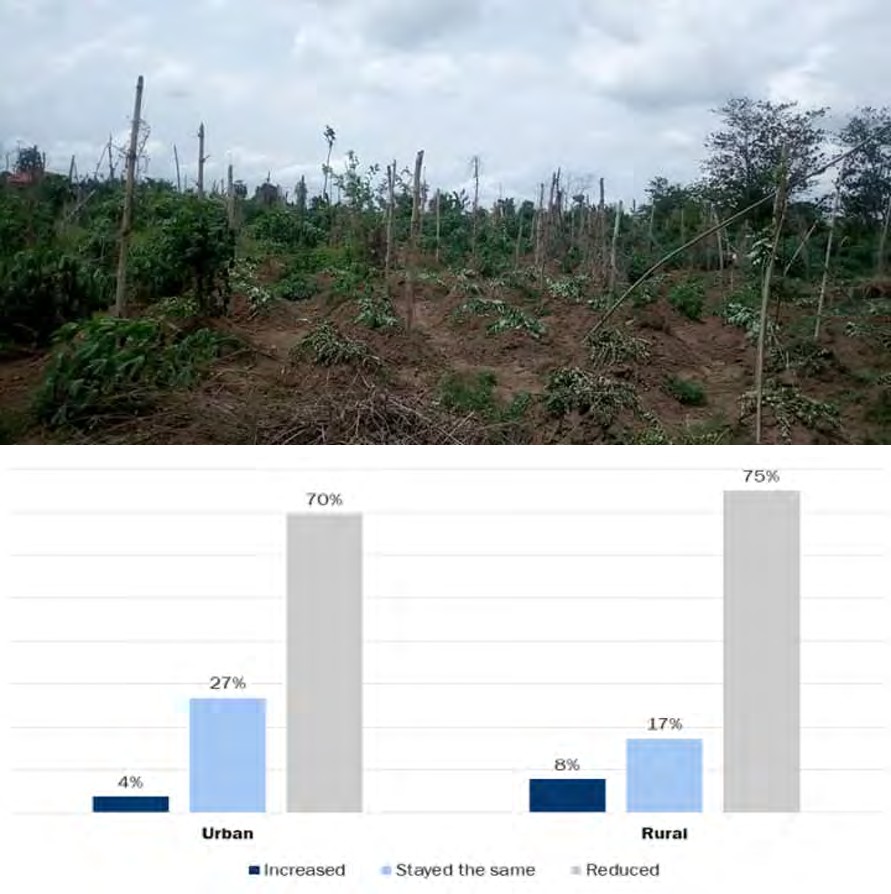
Plate 2: Showing large vast of farm lands that have been harvested though the sale of the products were affected by the quarantine. Source: Facebook, 2020
Figure 2 showed that over 70 percent of dwellers in rural and urban areas of Nigeria are faced with food insecurity problems, however, it was also revealed that urban respondents were faced with food insecurity problems though a little higher than rural respondents. From the above, the analyzed World Bank data showed that poverty in Nigeria is felt more at the rural areas; from 2016 census about 52 percent of the Nigeria’s rural population was classified as poor as compared to 16 percent of the urban population. However, in a bid to reduce food insecurity during the 3 months quarantine, some level of humanitarian aids was provided as palliatives, such as bags of rice ang beans by the Federal and state governments, non-governmental organizations (NGOs), and concerned individuals to minimize the high levels of starvation and malnutrition (Plates 3&4).
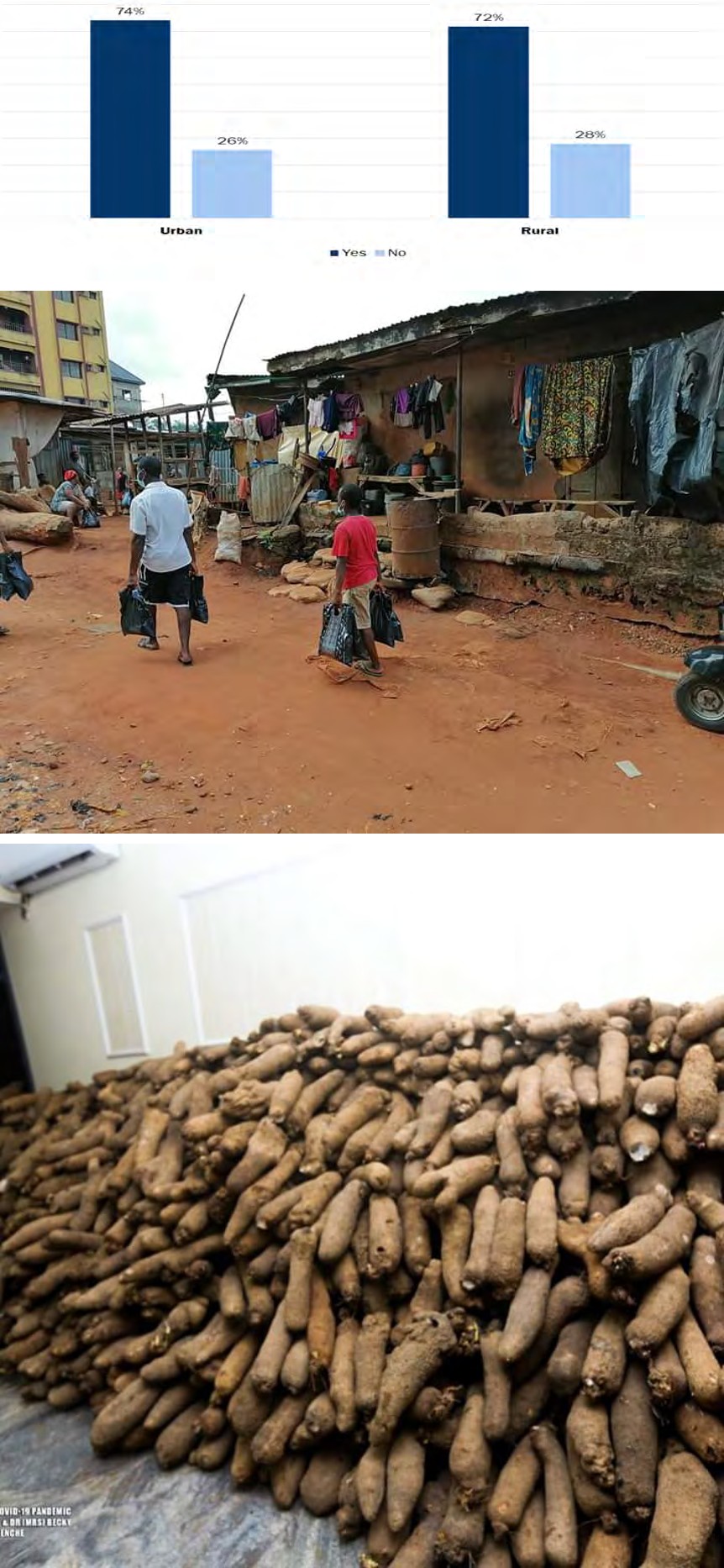
Plate 3: Showing the distribution of palliatives to poor Nigerian neighborhoods in Onitsha during COVID-19 confinement by Non-governmental organizations. Source: Facebook, 2020
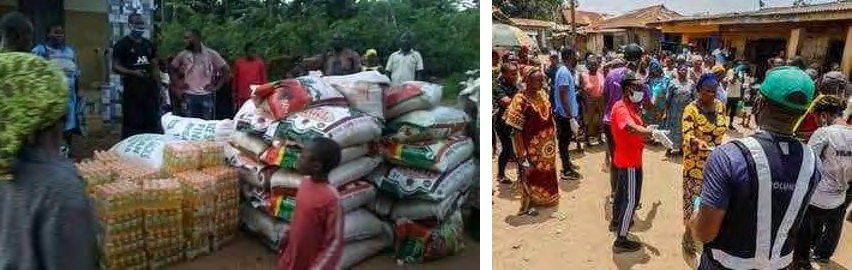
Plate 4: Picture showing NGO and private individuals distributing palliatives to Nigerians to minimize the food shortage during COVID-19 confinement. Source: Facebook, 2020
Nigeria’s Food Future Beyond COVID-19 Pandemic
The global COVID-19 outbreak has exposed Africa’s dire need for food security especially during the confinement period, and even beyond times of lockdown. Africa’s population is presently at 1.2 billion and is estimated to double to 2.5 billion by 2050. There is need to intensify farm production to guarantee food security through agribusiness since 65% of uncultivated arable land capable of feeding the world is in Africa [52]. Amid different types of inequalities, the current pandemic has ushered the globe into a survival frenzy for food threatening continuing loss of biodiversity, because the inception of the pandemic, emergency and non- emergency operational response to food emergencies has continued to escalate. However, social crisis and attendant health inequities seems to surpass the available global emergency resources and responses. This has driven African nations, such as Chad to social safety activities, where the government has provided support through food packages, cereal banks, and seed distribution for future Agri production and harvests to help vulnerable households survive beyond the COVID-19 pandemic and sequalae.
In Nigeria, certain interventions were targeted to address not only the present hunger crisis but also to preserve the future productive capacity of Nigerian’s agricultural sector which is largely dominated by rural farmers [53]. Presently, the Nigeria’s agricultural sector is hugely declining considering that it had provided 18 percent of the global production of cocoa as the second largest producer of cocoa in the 1960’s. Unfortunately, that figure is now down to 8 percent [54]. More so, Nigeria used to produce 65 percent o tomatoes in West Africa, but presently, it is the largest importer of processed tomato food product, such as tomato paste [55]. Amid all the food production challenges, the Nigeria’s Agriculture Sector has enormous potential, with an opportunity to grow agricultural outputs by 160%, moving from USD 99 billion at present to 1 trillion USD by 2030 [37].
The Nigerian government has taken strategic approaches such as agricultural digitalization, use of improved seeds, and agri-businesses that can promote the agricultural sector through schemes and initiatives provided to sponsor farmers, but not at the expense of unecofriendly initiatives. Nigerian youths have also embraced some agricultural innovations, such as the application of drones, food processing, packaging, transport, marketing along the food chain. These have provided jobs for subsistence farmers and capacity building support for the unemployed youths in Nigeria especially through financing. For example, in Kaduna State, Nigeria an initiative sponsored by Babban Gona was introduced to employ uneducated farmers on new farming techniques and management. The project provided a loan worth $1,000 (USD) for farm facilities. It is estimated that new farmers may double the previous numbers of farmers since projections are targeted at 1 million farmers by 2025. To execute this project that will provide jobs for more than 5 million people as farmers about 1 billion (USD) is estimated to execute it [56].
Further, there is need for technological capacity buildings, innovations, and participatory action research which can be transferred via decolonizing transdisciplinary global inquiry via high income nations and private structural collaborations and platforms [14].
Inevitably, the Nigeria’s agricultural sector requires policy reformation especially for its numerous agricultural program that needs stimulus of financial and scientific measures that are equipped to transform its meagre survival Agri-approach to a major business tool [57]. According to UN
[58] there is need for sustainable agricultural intensification both at the rural and urban levels. This will help to actualize demands for continued intense implementation of scientific farming practices that are able to transform agriculture and sustain food security in Nigeria.
Solutions to African Agriculture production and malnutrition beyond the Pandemic
Despite that Africa is worst hit, because of existing vulnerabilities in Africa’s agricultural and food systems, food shortage and malnutrition crisis remain a global challenge. The implication of improving agricultural yield and malnutrition eradication in Africa has strong potentials to end and eliminate hunger, the SDG 2. According to Pais G [59], combatting undue hardships occasioned by COVID-19 pandemic and crisis on food security require the collaboration of global North and South nations to act and back food security initiatives, such as food processing and storage, transport and local food markets, open agricultural trade to allow a continuous for flow of food amid functioning food systems to erect an encompassing and healthy universe. African governments and value chain industrial stakeholders have potentials to offset food crisis and bumps from the food crisis challenge aftermath the COVID-19 experience [60]. In defining the key steps to reinforce African long-term bumper food systems and supplies, it is suggested that food security should be pursued and shielded, while addressing the drivers that modify agricultural food demands. Other efforts outlined include increasing local and international agricultural trade flows, integrating the government and private sector active participation, especially community-based organizations, who act in the interest of their members [61].
These efforts would fortify food security efforts and eradicate undue hardship and malnutrition in Africa. Furthermore, some elementary principles become imperative to support the post- COVID-19 experiences Similarly, opportunities to remodel agricultural products and to revitalize food systems in Africa exist as an option to a resilient food supply system. For example, attempts toward biotechnology seeds, genetically modified seedlings, and species of food and crops in most African nations are needful and would constitute great measures that can improve agricultural bumper yields. This is already encapsulated in Kenya guidelines, as they strive towards innovation with food mapping and supply essentials.
Additionally, the ‘Ministers for Agriculture of African Union Member States’ on food security and malnutrition declared commitments in different ways to guarantee adequate food supply systems in the long run [62]. Their commitment ranges from preparedness to support the swift supply of food to the vulnerable population, careful monitoring of food systems and engagement of all participating stakeholders, improved access to farm implements and seedlings in the current farming season, setting up efforts to decimate post-harvest losses, enough exigency tactical food reserves, to financing food systems. Interestingly, intensifying efforts to increase food security after Covid-19 pandemic experience would pave the way for sustainable living in Sub-Saharan Africa.
Sustainable Agricultural Intensification Strategy and Adoption in Nigeria
Agricultural sustainable intensification has gained potential grounds to leverage on the pitfalls of environmental and food crisis [63]. The concept gained popularity in some fundamental reports such as ‘the Future of Food and Farming [64] ‘Save and Grow’ [65]. The ultimate goal of agricultural sustainable intensification according to Xie H [65] is to “to produce more products from the same region while saving resources, reducing negative impacts on the environment, enhancing natural capital and ecosystem services flows”. It refers to the means of increasing agricultural yields while lowering the adverse effects of agricultural production processes in the natural environment [66].
The intensification is poised to close the gap between insufficient food supply and environmental disasters from agribusinesses by reinforcing swift food supply. This has potentials to boost food supply while preserving the natural environment [67]. It increases the net gains from land and labour as key factors of production while retaining soil nutrient quality equilibrium [68] in the wake of high population densities spread across Europe, Asia, Africa and America [69]. Agricultural sustainable intensification also consolidates the effective use of assets and technologies to lessen environmental problems from agricultural production [70].
The fundamental principles include the practice of integrated pest management [67], sufficient soil and water management [71, 72], conservation tillage and crop rotation [72] likewise the cultivation of improved genetic varieties of crops [72]. These actions are bent on addressing the externalities from intensive agricultural production such as soil degradation, soil salinization, high level resistance of crop pests and weeds and loss of soil organisms which disrupts agricultural sustainable development in developing nations like Nigeria [73].
According to Pretty J [69] in Brazil, over 70 million hectares of agricultural lands has employed the principles of agrarian aviation (an evolving form of agricultural intensification) in the successful cultivation of rice, cotton, soya beans and sugar cane [74]. In the study of 159
households in Northern Nigeria, affirmed that ‘agricultural intensification in high population- high market access’ features increased intensity capacity of commercial inputs and sales of agricultural commodities with potentials to boost economic efficiency.
The Sustainable intensification concept has appeared as a vital aspect of agricultural policing for different development partners across the world. Its adoption is pertinent in Nigeria as policymakers and governments at all levels are much ready to offer support to the problems of food insecurity crisis and malnutrition aftermath Covid-19 experience. The prevalent challenges of Covid-19 pandemic on agricultural production processes and yield, which has spill-over effects on the future agrarian outputs, necessitate the right integrated approach. The implementation of the principles of sustainable intensification in Nigeria would improve the general yield of farm products and reduce the likelihood of the effects of Covid-19 on peasant farmers and at the same time end hunger which has links with sustainable development goal number 2 of the United Nations, zero hunger.
Policy Implementation
The neglect and low development of the agricultural sector before Covid-19 in Nigeria have implications on food supply and malnutrition in Nigeria. The significant effect on food shortages and malnutrition reports during the global COVID-19 confinement in Nigeria calls for the implementation of an integrating policy. For policy implementation in Nigeria to be sustainable the government should integrate social intervention approaches with the Zero Hunger Initiative. These combined approaches should be targeted to provide jobs for the teeming population enhance school children feeding and provide financial support for the vulnerable population. All these are expedient to meet up with sustainable development goals (SDGs) and also with food and nutrition needs [75].
The nexus between these policies and food and nutrition security remains imaginary in practice. Food supply insufficiency and malnutrition is however occasioned by non-implementation of food and nutrition policies in Nigeria [76]. The guidelines on food and nutrition are numerous with crude benefit in improving food supply and the eradication of real hunger and malnutrition. For example, Food and Nutrition Policy for Nigeria emphasizes the need to solidify the efforts in improving the nutritional status of the entire Nigerians, especially the population more at risk in the wake of the Covid-19 pandemic. The prevalent food shortages require a pilot implementation of food and nutrition policies with inclusive, finance, sustainable strategy to reinforce a coherent mechanism for a more lasting solution. There is need to forestall the implementation of policies and enabling frameworks guiding food and nutrition interventions across all levels of government. These approaches are vital to eradicate hunger and malnutrition experienced in the period of Covid-19 pandemic and beyond.
There must be a partnership in all stakeholders in agriculture and its supply chains such as the Non- governmental organizations, government parastatals, individuals and other corporate bodies. Additionally, the specified policies must cater to the populations more at risk of food shortages and malnutrition for implementing and developing food and nutrition challenges.
Conclusion
This paper covered the challenges on food supply, its limitations and malnutrition crisis in Africa and Nigeria. It extended to the COVID-19 pandemic and lockdown and the heightening compels food crisis, worsened by one health challenges. Several attempts made by the Nigerian government and private initiatives in providing palliatives were incapable of meeting up with the hunger-gap during the 3 months confinement period. Obviously, a holistic policy approach is expedient to transform rural farmers through agricultural program, community research agricultural initiatives, such as digitalization; markets; newer farming systems; gender friendly strategies and inclusion; financing and exportation approaches that can boost the supply and provision of agricultural products in Nigeria. Due to this food supply challenge and malnutrition, integrated policies in food and nutrition approaches require immediate attention to enlarge Africa and Nigeria’s agricultural systems and facilities beyond the pandemic. Policy implementation of best practices rooted in agricultural intensification strategy and digitalization would improve available food supply chain, support urban and rural agriculture and produce data management to end hunger and malnutrition in Nigeria.
References
-
WHO (2020b) Live from Geneva on the new coronavirus outbreak.
-
BBC News (2020a) Coronavirus: Window of opportunity to act, World Health Organization.
-
NCDC (2020) Nigeria Centre for Disease Control Protecting the health of Nigerians.
-
International Labour Organization (2021) Monitor COVID-19 and the World of Work. Seventh Edition. Updated Analysis.
-
World Bank (2020a) COVID-19 National Longitudinal Phone Survey, Nigeria.
-
UNSCN (2010) The Sixth Report on the World Nutrition Situation_:_ Progress in Nutrition, New York, and United Nations Standing Committee on Nutrition.
-
Nigerian Population Review (2019) World population prospects 2019.
-
World Bank (2020b) World Bank Development Update. Nigeria in times of COVID-19: Laying Foundations for a Strong Recovery.
-
WHO (2018) Malnutrition. Facts Sheets.
-
Nigeria Living Standards Survey (2019) A Survey report by the National Bureau of Statistics in collaboration with the World Bank (2018-2019).
-
Global Agriculture and Food Security Program (GAFSP) (2014) About GAFSP.
-
Muoghalu LN, Akanwa AO (2021) Ecological Intensification for Sustainable Agriculture in Africa: The Nigerian Perspective. In: Ecological Intensification of Natural Resources for Sustainable Agriculture, Editors; Kumar, Sandeep, Meena, Ram Swaroop, Jhariya, Manjor, Kumar, Published by Springer Nature Singapore Pte Ltd.
-
The Conservation (2020) How to ensure poor people in Africa cities can still get food during lockdowns.
-
Wallace LJ, Nouvet E, Sinigini D, Bortolussi R (2020) COVID-19 in the sub-Saharan Africa: Impacts on vulnerable populations and sustaining home-grown solutions. Canadian Journal Public Health 111(5): 649- 653.
-
Rankin L, Baxter D, Laybourn-Langton L (2019) This is Crisis: facing up to the age of environmental breakdown. Institute for Public Policy (IPPR).
-
BBC News (2019) Sudan Country Profile.
-
FAO (2018) National gender profile of agriculture and rural livelihoods-Nigeria. Country gender assessment sciences, Abuja, pp: 92.
-
World Bank (2020) The locust plague: Fighting a cross within a crisis. World Bank.
-
McKinsey and Company (2020) Safeguarding Africa’s food systems through and beyond the crisis.
-
AGRA (2017a) Africa Agriculture Status Report: The Business of smallholder agriculture in Sub-Saharan Africa (Issue 5), Nairobi, Kenya: Alliance for a green revolution in Africa (AGRA).
-
AGRA (2017b) Strategy Roll-out Report: Country support and policy engagement. Nairobi, Kenya Alliance for a green revolution in Africa (AGRA).
-
National Nutrition and Health Survey (NNHS) (2018) Report on the Nutrition and Health Situation in Nigeria.
-
Nigeria Bureau of Statistics (2017) Nigeria Gross Domestic Product Report. Agriculture and Forestry Data Report, (Q3,2017), November. Federal Government of Nigeria (FGN).
-
Akanwa AO, Ezeomedo (2018) Changing Climate and the Effect of Gully Erosion on Akpo Community Farmers. J Ecol Nat Res 2(6): 2-12.
-
Sylla MB, Nikiema PM, Gibba P, Kebe I, Klutse NAB (2016) Climate change over West Africa: Recent trend future projections. In: Yaro JA, Hesselberg J (Eds.), _Adaptation_ _to climate change and variability in rural West Africa._ _Cham:_ Springer.
-
NEEDS (2010) National Environmental, Economic and Development Study for Climate Change in Nigeria (Final Draft) Federal Ministry of Environment Abuja, Nigeria.
-
Akanwa AO, Joe-Ikechebelu N (2020) The Developing World’s Contribution to Global Warming and the Resulting Consequences of Climate Change in these Regions.
-
Wolfe DW, Ziska L, Petzoldt C, Hayhoe K (2008) Projected change in climate thresholds in U.S: Implications for crops, pests, livestock and farmers. Mitigation Adaptation strategy Global Change. Springer 13: 555-575.
-
Johanna F, Lindahl DVM, Delia G (2015) The Consequences of human actions on risks for Infectious diseases, A review. Infect Ecology and Epid 5(10): 3402- 30048.
-
Stathers T, Richard L, Brighton MM (2013) Post-harvest agriculture in a changing climate.
-
CT news (2021) Predicting the next pandemic. New online tool rank virus’s potential to infect humans.
-
The Carbon Brief: Nigeria (2020) Climate Finance.
-
Fleming P (2019) Reshaping Africa’s Rural Food Systems and Cutting Food Losses.
-
BBC News (2020b) Coronavirus in Lagos: Enforcing lockdown in Africa’s biggest city Video journalists, Yemisi Adegoke, Femi Gabriel and Faith Ilevbare.
-
National Bureau of Statistics (2020a) The Impact of COVID-19 in Kano, Lagos, Rivers, and FCT Abuja. Results from the Second Quarter 2020 Labor Force Survey. World Bank Poverty Team, pp: 2-9.
-
Business Day (2020) Nigerian Bureau Statistics Data to show GDP declined 6% in Second Quarter 2020.
-
Nairametrics Newsletter (2020) These are the fastest growing sectors of the economy.
-
Akanwa AO (2020) Covid-19 Confinement in Nigeria: A Consequence for Increased Violent Extremism among Youths. John Foundation Journal of EduSpark 2(3): 1-24.
-
Quartz Africa (2020) Nigeria’s unemployment rate has more than tripled in the last five years and it will only get worse.
-
WHO (2020) What is Malnutrition.
-
World Bank (2018) Accelerating Nutrition Results in Nigeria Project.
-
World Food Programme Report (2012) Full stomach, Better nutrition, Boosting school performance for the world littlest learners.
-
WHO (2016) New child mortality estimated show that 15,000 children died every day in 2016.
-
National Health Accounts (2006-2009) Federal Ministry of Health. Federal Republic of Nigeria.
-
Sustainable Development Solution Network (2020) Launch of the 2020 African SDGs Index and Dashboard Report.
-
Okwuwa CO, Adejo SM (2020) Infant Mortality, Access to Primary Health Care and Prospects for Socio-Economic Development in Bwari Area Council of Niger State, Nigeria. J Inter Women’s Studies 21(1): 289-308.
-
WHO (2003) Diet, nutrition and the prevention of chronic diseases: report of a joint WHO/FAO expert consultation, Geneva.
-
FEWS NET (2020) Famine Early Warning Systems Network. Global Alert.
-
Brookings (2020) Figures of the week. The Effect of COVID-19 on food and income security in Africa.
-
Overseas Development Institute (ODI) (2020) Dealing with Covid-19 in rural Africa.
-
World Economic Forum (2016) Two Truths about Africa’s agriculture.
-
Mgbenka RN, Mbah EN, Ezeano CI (2016) A Review of smallholder farming in Nigeria, need for transformation. Agric Eng Res J 5(2): 19-26.
-
FAO (2013) Analysis of Incentives and Disincentives for Cocoa in Nigeria.
-
Casswell E (2017) What’s Tomatoes with you.
-
Wheatly J (2017) Nigeria’s (great farm) model bears fruit in time of high insecurity.
-
Iwuchukwu JC, Igbokwe EM (2012) Lessons from Agricultural Policies and Programmes in Nigeria. Journal Law Policy and Globalization 5: 11-21.
-
Akanwa AO, Ogbuene HC, Nwachukwu EB, Anukwonke CC (2020) Potential of Agroforestry and Environmental Greening for Climate Change Minimization. Apple Academic Press, pp: 40.
-
UN (2020) Secretary-General, Secretary-General’s video message on COVID-19 and Food Security and Nutrition.
-
Pais G, Jayram K, Van Wamelen A (2020) Safeguarding Africa’s Food Systems Through and Beyond the Crisis.
-
Biesma R, Makoa E, Mpemi R, Tsekoa L, Odonker P, et al. (2012) The Implementation of a global fund grant in Lesotho: Applying a framework on knowledge absorptive capacity. Social sciences and Medicine, Elsevier 74(3): 381-389.
-
AU (2020) FAI, Ministers for Agriculture of African Union Member States Declaration on Food Security and Nutrition during the Covid 19 Pandemic.
-
Yu ZN, Zhang XB, Wu CF (2017) Review on the Progress of Land Science Related Research in the Journals of Nature and Science from 2000 to 2016. China Land Sci 31: 89-97.
-
Foresight (2011) The future of global food and farming. Final Project Report. London: Government Office for Science London Independent (2017) Fight against Child Malnutrition Will Gulp N 2.87tn.
-
Food and Agriculture Organization (2011) Save and Grow. A Policymaker’s Guide to the Sustainable Intensification of Smallholder Crop Production; FAO: Rome, Italy, pp: 102.
-
Xie H, Huang Y, Chen O, Zhang Y, Wu Q (2019) Prospects for Agricultural Sustainable Intensification. Land 8(157): 2-27.
-
Pretty JN (1997) The Sustainable Intensification of Agriculture. In Natural Resources Forum; Blackwell Publishing Ltd.: Oxford, UK.
-
Ruerd R, Lee D (2000) Combining Internal and External Inputs for Sustainable Intensification; International Food Policy Research Institute (IFPRI): Washington, DC, USA, 2000; pp: 1-2.
-
Olaniyi AA, Mojeed AO, Ben SO (2019) Strategy for Agricultural Intensification in Nigeria. Emphasis on Agricultural Aviation.
-
Pretty J (2008) Agricultural Sustainability, Concepts, Principles and Evidence. Philos Trans Biol Sci 363(1491): 447-465.
-
Wezel A, Soboksa G, Mcclelland S (2015) The blurred boundaries of ecological, sustainable, and agro- ecological intensification, A review. Agron Sustain Dev 35: 1283-1295.
-
Food and Agriculture Organization of the United Nations (FAO) (2004) The Ethics of Sustainable Agricultural Intensification, _Ethics Series; Food and Agriculture_ _Organization of the United Nations,_ Rome, Italy, pp: 3-5.
-
Tilman D, Cassman KG, Matson PA (2002) Agricultural sustainability and intensive production practices. Nature 418: 671-677.
-
Okike J, Jabbar MA, Manyong V, Smith JW, Akinwumi JA, et al. (2001) Agricultural Intensification and Efficiency in the West Africa Savannahs.
-
Olomola AS (2017) Effective Resource Management for Improved Food and Nutrition Security in Nigeria.
-
Akinyele IO (2009) Ensuring Food and Nutrition Security in Rural Nigeria. NSSP Working Paper, pp: 80.
-
Olomola, Aderibigbe S (2011) Financing of Agricultural Transformation And Food Security In Africa, Commissioned Background Paper Submitted To The African Capacity Building Fund (ACBF), Harare, Zimbabwe.
- Lessons to Learn: Trees are More than the Lungs of the World
- Community Forestry Enterprises as a Model for Sustainable Forest Development: The Case Of The "Baja Tarahumara" in Chihuahua, Mexico
- Ecological and Socio-Economic Impacts of Chromolaena odorata and Mesosphaerum suaveolens, Two Invasive Alien Species in Central and Southern Benin, West Africa
- Epigenetic Sustainability: Modeling the Human Factor as a Natural Resource through Science 4.0 and the NR3C1 Biological Pilot
- Growth-at-Risk: A Framework for Assessing Economic Vulnerability
- The Rural Territory as a Socioecological System for the Management of Public Policy for Sustainable Rural Development