
Antibacterial Activity of Ethanolic Extracts of Inflore- Infructescence and Leaf of Petiveria alliacea L. (Phytolaccaceae)
Petiveria alliacea (Linneaus) is a perennial medicinal plant with record of relevance in folkloric and modern medicine. Its root, stem-bark, and the leaves have been focused upon in many researches. However, little has been documented about the antibacterial effect of the inflore-infructescence part of the plant compared to the leaf which is mostly used. An in vitro antibacterial potential of the leaf and the inflore-infructescence was comparatively assessed by the agar-well diffusion method on eight bacterial isolates namely; Escherichia coli (ECO), Bacillus cereus (BAC), klebsiella aerogens (KLE), Proteus vulgaris (PRO), Staphylococcus aureus (STA), Pseudomonas aeruginosa (PSD), Salmonella typhi (TYP), and Moraxella catarrhalis (MOR). The results showed that the pattern of antibacterial activity of the leaf extract was; BAC > TYP > ECO > KLE (26.67±1.15a, 22.67±2.31b, 20.67±1.15c, and 13.33±1.15d) while PSD, STA, PRO, and MOR were resistant. The inflore-infructescence presented the order; BAC > MOR > ECO > TYP > KLE (31.33 ± 1.15a, 26.67 ± 1.15b, 25.33 ± 0.58b, 23.33 ± 1.15c, and 21.33 ± 1.15d). PSD, STA and PRO were resistant to both extracts. Inhibition zones from the test isolates were significantly higher in the inflore-infructescence assay than the leaf while the Minimum Inhibition Concentrations (MICs) were lower in the infloreinfructescence assay (0.049 mg/mL – 1.563 mg/mL) than the leaf (0.049 mg/mL – 6.25 mg/mL). The extracts and some of the commercial antibiotics (septrin and amoxicillin) had no inhibitory effect on PSD. ECO was resistant to all the tested antibiotics but highly sensitive to the test extracts while PRO was highly resistant both to the extracts in this study and all the antibiotics in the control experiment. It was concluded that ethanolic extracts of the inflore-infructescence of P. alliacea in this study demonstrated a significant antibacterial activity higher than the leaf while the duo’s activities compared to that of the control commercial antibiotics.
Introduction
Dependence of animals and human beings on plants for food, shelter, medicine and other essential need of life is an age-long natural phenomenon. Many plants in the kingdom plantae contain metabolites (primary and secondary) of high medical importance to man and animals. Plants with such potential are commonly referred to as medicinal plants [1]. The advent of modern medicine in early 1940s altered significantly the disposition of humans by way of re-orientation against natural medicine. However, the consequential aftermath of synthetic drug resistance due to undue consumption or over prescription of antibiotics [2, 3] both in man and animals has driven scientists back to nature for herbal medical intervention. This problem of global antibiotic resistance, a slow-burning pandemic, has undoubtedly worsened due to the sudden outbreak of COVID-19 pandemic, as more antibiotics are being recommended to patients extensively and copiously to halt secondary bacterial infection inducible by the viral agent [4]. According to Ara J, et al. [5] plants contain useful bioactive compounds popularly known as phytochemicals (polyphenols, glycosides, steroids, tannins, gums, flavonoids, terpenoids, alkaloids etc.) that can be exploited as raw materials in therapeutic drugs formulation. It has also been reported that many of these secondary metabolites are capable of preventing the occurrence of some diseases thereby expunging or ameliorating the contraindications of many modern day synthetic drugs [6]. Extracts and essential oils from plants have been documented as potent alternatives to synthetic antibiotic because of their ability to restrict the growth and preponderance of bacteria [7]. Petiveria alliacea L. is an herbaceous flowering shrub of the family Phytolaccaceae, order Caryophyllales, and tribe Rivineae. It is called by many names viz; Congo root, gully root, Guinea Hen Weed, mucura, pipi root, skunk root, garlic weed etc. depending on locality as reported by Kim S [8]. The plant is believed to have originated from tropical America and later introduced to India and West Africa [9]. The leaf, root and the bark have been used in folk medicine for the treatment of cold, asthma, intestinal worms, headache, sinusitis, cancer, oedema, abscesses, pains, toothache, rheumatism, etc. The leaf has been reported useful as insecticide in Brazil and also for the treatment of central nervous system (CNS) malfunctions [10, 11]. Antifungal, antioxidant, anti- influenza, anti-tumour, antimicrobial, anti-inflammatory, and hypoglicemic properties of this plant were equally reported in literature [12, 13, 14, 15, 16]. Despite the avalanche of reported ethnobotanical and pharmacological utility of the leaf, the stem/stem-bark, and the root; information regarding the use or importance of the inflore-infructescence was found to be subliminal. It is thus apposite carrying out a comparative in vitro antibacterial study on this uncommon part of this plant and its leaf extracts. This may further open up the medicinal significance of these selected parts of P. alliacea (Linneaus) to the spotlight.
Materials and Methods
Collection of Plant and Authentication
Petiveria alliacea was sourced, identified (Figure 1a- 1c) and authenticated by an experienced Taxonomist as already described in a preliminary study on the plant [17]. The leaves, inflorescence, and inflore-infructescence were harvested, rinsed in clean tap water and prepared as described by Bob IAM, et al. [18]. The inflorescence (Figure 1a) and the infructescence (Figure 1b), were harvested, combined (Figure 1d) and processed together to form the ‘inflore-infructescence sample’.
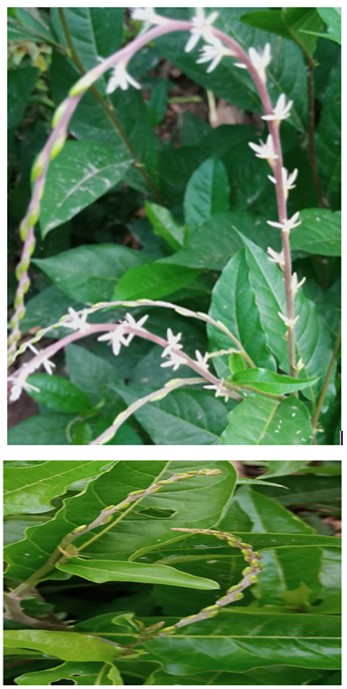
Figure 1a: The leaves and the inflorescence.
Figure 1b: The leaves and the infructescence.
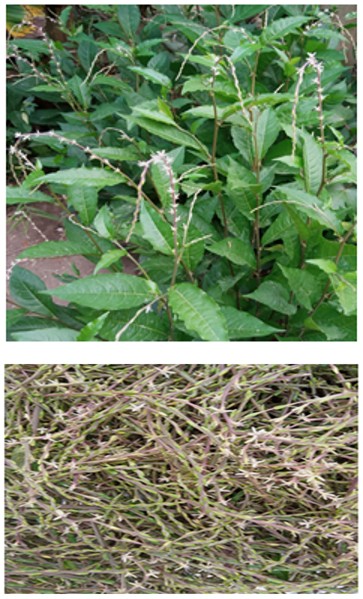
Figure 1c: P. alliacea plant showing a, and b.
Figure 1d: Harvested inflore-infructescence.
Phytochemical Screening of the Plant’s Parts
The qualitative and quantitative phytochemical analyses were carried out in the preliminary study on Petiveria alliacea (Linneaus) following standard procedures and already reported [17].
Extraction Process
Equal quantity (50 g) of each of the samples was cold macerated in same volume of ethanol (500 mL) as described by Bimakr M [19]. Filtration was carried out aseptically after 72 hours of soaking using muslin cloth and Laboratory Filter Paper. The liquid extract was thereafter concentrated under the influence of controlled artificial air (electric fan) until dried in the laboratory. Well formed extracts were labelled and preserved in small plastic containers with firm lids in the fridge until use.
Test Microorganisms
Escherichia coli, Bacillus cereus, and Klebsiella aerogens were isolated from drinking water samples and identified following standard pour plates and bio-chemical methods respectively [20, 21]. Identified culture of clinical Staphylococcus aureus, Proteus vulgaris, Pseudomonas aeruginosa, Salmonella typhi, and Moraxella catarrhalis were obtained directly on slants from the Microbiological Laboratory of the State Specialist Hospital, Akure Ondo State Nigeria.
Standardization of Bacterial Organisms
The sub-culturing of the inocula was done on fresh nutrient agar prepared according to manufacturer specification. A loopful of each inoculum was added to 9 mL of distilled water in a test tube, vortexed and turbidity adjusted to 0.5 Mc Farland standards corresponding to 106 cfu/mL [22].
Antimicrobial Activity of the Leaf Extracts of P. alliacea
The ethanolic extracts of P. alliacea was prepared to give a stock solution of 100 mg/mL from which serial dilutions were made in order to realize fourteen range concentrations of 100 mg/mL to 0.12 mg/mL. Antimicrobial activity of the extract was determined using agar well diffusion technique in triplicates according to Divya PV, et al. [23]. This involved the preparation of Mueller-Hinton Agar (MHA) following the manufacturer’s instruction. Prepared hot agar was allowed to cool down, poured into sterile petri-plates on the laboratory bench and allowed to set before being bored with a sterile 6 mm glass borer. Respective bacterial isolates were thereafter applied on each of the petri-plates using sterile swab-stick. A volume of 0.2 mL each of the respective extract’s concentration was introduced gently into the bored wells, leaving a well (negative control) in which DMSO (Dimethyl-sulph oxide 10 %) was added. Other plates were prepared accordingly for the positive control using anti- biogram discs impregnated with ciprofloxacin (CPX), septrin (SXT), gentamycin (CN), and amoxicillin (AM). The plates were rested for 30 minutes before incubated at 37oC for 24 hours. Halos around the wells and the antibiotic discs were measured after the incubation and taken as the antibacterial activity of the extracts.
Minimum Inhibitory Concentration (MIC)
The MIC was determined as described by Nwankwo IU, et al. [24, 25] with slight modifications. It involved further serial dilution of the stock solution to 14 concentrations and testing the activity on the test bacterial isolates in agar well diffusion technique until no inhibition zone was noticed around the bored wells after 24 hours incubation as described earlier. The concentrations that correspond to the least inhibition zone diameters measured were considered as the minimum inhibition concentrations.
Results
Results of the bacterial sensitivity to the extracts of P. alliacea are presented in Tables 1-4 as means ± SD (standard deviation) of triplicate determinations while that of the minimum inhibition concentrations (MIC) are shown in Table 5. Obtained inhibition zone diameters’ by the test isolates due to the extracts were interpreted as resistant (0 mm), low/weak activity (7 – 10 mm), moderate activity (11 – 14mm) and high/strong activity (15 – 21 mm) according to [26]. Inhibition zone diameter of 22 mm and above was designated as very strong activity while that of the antibiotic disc was determined following the protocols of Clinical and Laboratory Standard Institute [27]. Zones of inhibition were observed to be increasing following a corresponding increase in the concentrations of the extracts. The activity of the indicator organisms was significantly higher in the inflore- infructescence extract than the leaf extracts (Table 3).
| Conc (mg/ mL) | Average zone of inhibition diameters (mm) | |||||||
|---|---|---|---|---|---|---|---|---|
| PSD | KLE | STA | BAC | ECO | PRO | MOR | TYP | |
| 100 | R | 21.33±1.15d | R | 31.33±1.15a | 25.33±0.58b | R | 26.67±1.15b | 23.33±1.15c |
| 50 | R | 19.33±1.15d | R | 29.33±1.15a | 24.00±0.00bc | R | 22.67±1.15b | 21.33±1.15c |
| 25 | R | 17.33±1.15d | R | 25.33±1.15a | 18.67±1.15cd | R | 20.67±1.154b | 19.33±1.15bc |
| 12.5 | R | 13.33±1.15d | R | 21.33±1.15a | 17.00±0.00b | R | 18.67±1.15b | 15.33±1.15c |
| 6.25 | R | 11.33±1.15e | R | 19.67±0.58a | 16.00±0.00b | R | 14.67±1.15c | 13.33±1.15d |
| 3.125 | R | 11.33±1.15c | R | 18.00±0.00a | 13.33±0.58b | R | 10.67±1.15c | 11.33±1.15c |
| 1.563 | R | 11.33±1.15b | R | 17.00±0.00a | 12.00±0.00b | R | 8.67±1.15c | 4.67±1.15d |
| 0.782 | R | 6.67±1.15c | R | 16.00±0.00a | 11.00±0.00b | R | 7.33±0.57c | 0.00±0.00 |
| 0.391 | R | 0.00±0.00 | R | 15.00±0.00a | 6.00±0.00b | R | 5.33±0.58c | 0.00±0.00 |
| 0.195 | R | 0.00±0.00 | R | 8.67±0.58a | 0.00±0.00 | R | 0.00±0.00 | 0.00±0.00 |
| 0.098 | R | 0.00±0.00 | R | 7.00±0.00a | 0.00±0.00 | R | 0.00±0.00 | 0.00±0.00 |
| 0.049 | R | 0.00±0.00 | R | 3.33±0.58a | 0.00±0.00 | R | 0.00±0.00 | 0.00±0.00 |
| 0.025 | R | 0.00±0.00 | R | 0.00±0.00 | 0.00±0.00 | R | 0.00±0.00 | 0.00±0.00 |
| 0.012 | R | 0.00±0.00 | R | 0.00±0.00 | 0.00±0.00 | R | 0.00±0.00 | 0.00±0.00 |
| DMSO 10 % | 0 | 0 | 0 | 0 | 0 | 0 | 0 | 0 |
Table 1: Antibacterial activity of the ethanol extract of the inflore-infructescence of _P. alliacea_ against the test isolates.
Table 1: Antibacterial activity of the ethanol extract of the inflore-infructescence of P. alliacea against the test isolates. Values are means of triplicate determinations (± SD) less the well’s diameters. Values with different superscripts along the same row are significantly different (p < 0.05) from one another. PSD= Pseudomonas aeruginosa, KLE= Klebsiella aerogenes, STA= Staphylococcus aureus, BAC= Bacillus cereus, ECO= E. coli, PRO= Proteus vulgaris, MOR= Moraxella catarrhalis, TYP= Salmonella typhi, R= Resistant, DMSO= Di methyl sulph oxide, and SD= Standard deviation.
| Conc (mg/mL) | Average zone of inhibition (mm) diameters | |||||||
|---|---|---|---|---|---|---|---|---|
| PSD | KLE | STA | BAC | ECO | PRO | MOR | TYP | |
| 100 | R | 13.33±1.15d | R | 26.67±1.15a | 20.67±1.15c | R | R | 22.67±2.31b |
| 50 | R | 11.33±1.15d | R | 24.67±1.15a | 15.33±2.31c | R | R | 20.67±2.31b |
| 25 | R | 6.67±1.15d | R | 23.33±0.58a | 14.67±1.15c | R | R | 16.67±2.31b |
| 12.5 | R | 5.33±1.15d | R | 20.67±1.15a | 10.67±1.15c | R | R | 13.33±1.15b |
| 6.25 | R | 2.67±0.58d | R | 18.33±0.578a | 8.67±1.15c | R | R | 11.33±1.15b |
| 3.125 | R | 0.00±0.00 | R | 17.00±0.00a | 4.67±1.15c | R | R | 9.33±1.15b |
| 1.563 | R | 0.00±0.00 | R | 16.00±0.00a | 0.00±0.00 | R | R | 0.00±0.00 |
| 0.782 | R | 0.00±0.00 | R | 15.00±0.00a | 0.00±0.00 | R | R | 0.00±0.00 |
| 0.391 | R | 0.00±0.00 | R | 14.00±0.00a | 0.00±0.00 | R | R | 0.00±0.00 |
| 0.195 | R | 0.00±0.00 | R | 7.67±0.578a | 0.00±0.00 | R | R | 0.00±0.00 |
| 0.098 | R | 0.00±0.00 | R | 5.33±0.58a | 0.00±0.00 | R | R | 0.00±0.00 |
| 0.049 | R | 0.00±0.00 | R | 2.33±0.58a | 0.00±0.00 | R | R | 0.00±0.00 |
| 0.025 | R | 0.00±0.00 | R | 0.00±0.00 | 0.00±0.00 | R | R | 0.00±0.00 |
| 0.012 | R | 0.00±0.00 | R | 0.00±0.00 | 0.00±0.00 | R | R | 0.00±0.00 |
| DMSO 10 % | 0 | 0 | 0 | 0 | 0 | 0 | 0 | 0 |
Table 2: Antibacterial activity of the ethanol leaf extract of _P. alliacea_ against the test isolates. Values are means of tripl
Table 2: Antibacterial activity of the ethanol leaf extract of P. alliacea against the test isolates. Values are means of triplicate determinations (± SD) less the well’s diameters. Values with different superscripts along the same row are significantly different (p < 0.05) from one another. PSD= Pseudomonas aeruginosa, KLE= Klebsiella aerogenes, STA= Staphylococcus aureus, BAC= Bacillus cereus, ECO= E. coli, PRO= Proteus vulgaris, MOR= Moraxella catarrhalis, TYP= Salmonella typhi, R= Resistant, DMSO= Dimethylsulphoxide, and SD= Standard deviation.
| Bacterial isolates | Average inhibition zone diameters (mm) | ||||
|---|---|---|---|---|---|
| Inflore-infructescence | Leaf | Interpretation | Differences | ||
| Klebsiella aerogenes (KLE) | 21.33 | VSA | 13.33 | MA | 8 |
| Bacillus cereus (BAC) | 31.33 | VSA | 26.67 | VSA | 4.66 |
| Escherichia coli (ECO) | 25.33 | VSA | 20.67 | VSA | 4.66 |
| Salmonella typhi (TYP) | 23.33 | VSA | 22.67 | VSA | 0.66 |
| Moraxella catarrhalis (MOR) | 26.67 | VSA | R | NA | ------ |
Table 3: Comparison of inhibition zones (mm) of inflore-infructescence and leaf extracts of P. alliacea to the test isolates.VSA=
| Commercial antibiotics | Bacterial isolates’ inhibition zone diameters (mm) | |||||||
|---|---|---|---|---|---|---|---|---|
| PSD | KLE | STA | BAC | ECO | PRO | MOR | TYP | |
| Ciprofloxacin (10µg) | 28 | R | 30 | 26 | R | R | 30 | 36 |
| Septrin (30µg) | R | R | R | 12 | R | R | 12 | 16 |
| Gentamycin (10µg) | 12 | 30 | R | R | R | R | 12 | R |
| Amoxicillin (30µg) | R | R | R | R | R | R | R | R |
Table 4: Antibacterial sensitivity (positive control) test of commercial antibiotic disc to test isolates. PSD= Pseudomonas aerug
| Bacterial isolates | Plant parts | |
|---|---|---|
| Inflore-infructescence (mg/mL) | Leaf (mg/mL) | |
| Klebsiella aerogenes (KLE) | 0.782 | 6.25 |
| Bacillus cereus (BAC) | 0.049 | 0.049 |
| Escherichia coli (ECO) | 0.391 | 3.125 |
| Moraxella catarrhalis (MOR) | 0.391 | ------ |
| Salmonella typhi (TYP) | 1.563 | 3.125 |
Table 5: Minimum inhibitory concentrations (MICs) of ethanol extracts of inflore-infructescence and leaf of P. alliacea.
Discussion
The ethanolic extract of the inflore-infructescence (novel study) and the leaf of P. alliacea in this study had strong antibacterial activity against KLE, BAC, ECO, MOR, and TYP. which actually agrees with the reports on antibacterial potential of medicinal plants against bacterial isolates by Olaseinde, et al. [22]. It was demonstrated in their research that Staphylococcus spp., E. coli and Klebsiella spp., were sensitive to ethanolic extract of Chrysophyllum albidum with inhibition zones ranging from 12 mm – 22 mm. The resistance of PSD and STA in the present study contradicts earlier report of Guedes, et al. [28] on the sensitivity of the two bacteria while the sensitivity of ECO in this study agrees with the report of this same author. Likewise, the observed strong activity of the extracts against BAC, KLE, and ECO is in consonance with similar studies by Kim, et al. [8] and [29] on the antibacterial potential of the bioactive compounds in P. alliaceae. The observed three isolates (PSD, STA, and PRO) among others that were found resistant to ethanolic extract of P. alliacea in the present study disagrees with earlier work by Mustapha A [4], who reported their sensitivity to the same extract, though with different solvent (methanol) which might have been the factor responsible for such disparity in results. However, the positive activity of ECO, KLEB species and TYP still confirm the results from the above author. The comparison of the sensitivity results of some of the isolates from the present study with ethanolic extracts from other reported medicinal plants like Dacryodes edulis, Garcinia kola, and Chrysophyllum albidum showed ECO, PSD and STY to be highly sensitive with inhibition zones of 14 mm – 26 mm as reported by Idu, et al. [30] whereas PSD was resistant to the extracts from the present study). Also, ECO, PSD, STY of and Kleb spp., were sensitive to ethanolic root extract of Curculigo orchioides with inhibition zones of 13 mm, 10 mm, 14 mm, and 20 mm respectively while STY, Bacillus spp., ECO, Salmonella typhi, and PSD were found sensitive to the stem bark oil of B. buonopozense with recorded inhibition zones range of 10 mm – 18 mm as reported by Yusuf-Babatunde, et al. [31].
The sensitivity of ECO and Kleb spp as well as the resistance of PSD observed in the present study is in agreement with the report of [23] that ECO and Kleb spp., showed moderate activities against ethanolic root extract of Curcuna angustifolia while PSD was highly resistant. PSD and ECO were reported to have resisted five (augmentin, cefixime, cefuroxime, ceftazidime, and nitrofurantion) and seven antibiotics (augmentin, ofloxacin, cefixime, gentamycin, cefuroxime, ceftazidime, and ciprofloxacin) respectively in a similar study but the duo were inhibited by various extracts of Moringa oleifera particularly at the concentration of 100 mg/mL [32]. The bacterium P. aeruginosa was described as the most resistant among the Gram negative organisms, has been recognized as one of the multi drug resistant (MDR) bacteria and often referred to as multi drug resistant P. aeruginosa [33], Ahmed, et al. [34]. The positive activity of Bacillus cereus and E. coli witnessed in this study is at par with the report of Ayodele, et al. [25], who observed similar findings but at variance following the results from STY and PSD. Likewise, the sensitivity of ECO and Salmonella typhi in this study follows the same pattern in similar study by Gbadamosi IT, et al. [35].
PSD was found to be resistant to septrin and amoxicillin (Table 4), only sensitive to ciprofloxacin and partially to gentamycin. KLE was sensitive to gentamycin and resistant to ciprofloxacin, septrin, and amoxicillin. STA was resistant to the three commercial antibiotics; septrin, gentamycin, and amoxicillin, but sensitive to ciprofloxacin. BAC was sensitive to ciprofloxacin, septrin, and resisted both gentamycin and amoxicillin. ECO and PRO resisted all the commercial antibiotics used in this study. MOR was resistant to amoxicillin and sensitive to three of the antibiotics while TYP was not inhibited by gentamycin and amoxicillin but ciprofloxacin and septrin had inhibitory effect on TYP. All the test isolates (PSD, KLE, STA, BAC, ECO, PRO, MOR, and TYP) in the present study were resistant to amoxicillin. This observation is in harmony with similar study by Alfalluos, et al. [36], in which all the bacterial isolates (Klebsiella, pneumonia, Escherichia coli, Staphylococcus aureus, and staphylococcus epidermidis) experimented were also resistant to amoxicillin, which is a great attestation to the pandemic assault of antibiotic resistance commonly referred to as multi drug resistance [37].
Consequently, the broad spectrum antibiotic ciprofloxacin had no inhibitory effect on klebsiella spp in this study as well as that of the authors above. However, the sensitivity of Staphylococcus aureus to ciprofloxacin agrees with the report of the above authors. The Minimum inhibition concentrations (MICs) observed (Table 4) presented lower values (better) in the inflore-infructescence extract (0.049 – 1.563 mg/mL) than the leaf extract (0.049 – 6.25 mg/mL). Furthermore, the inhibition zones due to the tested isolates were significantly higher in the inflore-infructescence assay than the leaf. These findings indicate a very strong antibacterial potential of the extracts of inflore-infructescence and leaf of P. alliacea. The inflore-infructescence had higher activity and better minimum inhibition concentration (MIC) than the leaf extract. These examined parts of P. alliacea are potential sources from which broad spectrum antibacterial drug(s) can be formulated against many multi-drug resistant (MDR) bacteria. The better results obtained from the inflore- infructescence might be due to phytoconstituents quality and quantity differential of the various parts of the plant as observed in our preliminary study on P. alliacea, where the phytochemicals were found to be more in the inflore- infructescence than the leaf [17]. Therein, the leaf contained tannins, saponins, flavonoids, terpenoids, and steroids while the inflore-infructescence contained tannins, saponins, flavonoids, terpenoids, steroids, glycosides and alkaloids. This study engendered a future prospect of procuring bio- active compounds for the treatment of infections caused by multi drug resistant bacteria including the sensitive isolates evaluated.
Conclusion
The ethanolic extract of the inflore-infructescence of P. alliacea in this study demonstrated a significant antibacterial activity higher than the leaf while the activities of the two plant parts were comparable to commercial antibiotics (control). The lower minimum inhibition concentrations (MICs) obtained from the inflore-infructescence extract suggests the possibility of exploiting potent antibacterial drug formulation from this part than the leaf.
Recommendations
Future research should aim at the isolation and purification of the bio-active components of these extracts, especially the inflore-infructescence for maximum utilization as broad spectrum antibacterial drug.
References
-
Arulmozhi S, Mazumder PM, Narayana LS, Thakurdesai PA (2010) _In vitro_ antioxidant and free radical scavenging activity of fractions from _Alstonia scholaris_ Linn. International Journal of Pharm Tech Research 2(1): 18-25.
-
Warra AA, Tanko HY, Salisu N, Isah K, Adedara AO (2020) Antibacterial Activities of Soaps Prepared from Selected Plant Oils. International Journal of Scientific Research in Biological Sciences 7(4): 51-56.
-
Allam AAE, Fakhr AE, Mahmoud ME, El-Korashi LA (2021) _Staphylococcus aureus_ nasal colonization among health care workers at an Egyptian tertiary care hospital. Microbes and Infectious Diseases 2(1): 108-118.
-
Mustapha A, Nikau J, Isa T (2021) COVID-19 and antibiotic resistance; parallel pandemics, different intercessions. Microbes and Infectious Diseases 2(1): 15-24.
-
Ara J, Yusuf ATM, Islam MdS (2020) Phytochemical and the antibacterial, antifungal and cytotoxic activities of different fractional extracts of _Alstonia scholaris_. International Journal of Research in Pharmacy and Biosciences 7(1): 1-9.
-
Singh R (2015) Medicinal plants: A review. Journal of Plant Sciences 3(1): 50-55.
-
Ljubiša S, Ivana C, Bojana B, Aleksandra M, Marijana S, _et_ _al._ (2009) Antimicrobial activity of plant extracts from Serbia. Food Processing, Quality and Safety 36(1-2): 1-5.
-
Kim S, Kubec R, Musah RA (2006) Antibacterial and antifungal activity of sulfur-containing compounds from _Petiveria alliacea_ L. J Ethnopharmacol 104(1–2): 188- 192.
-
Williams LAD, The TL, Gardner MT, Fletcher CK, Naravane A, _et al._ (1997) Immunomodulatory activities of _Petiveria_ _alliacea_ L. Phytotherapy Research 11(3): 251-253.
-
Martins RABL, Pegoraro DH, Woisky R, Penna SC, Sertie JAA (2002) The anti-inflammatory and analgesic effects of a crude extract of _Petiveria alliacea_ L. (Phytolaccaceae). Phytomedicine 9(3): 245-248.
-
Luz DA, Pinheiro AM, Silva ML, Monteiro MC, Prediger RD, _et al._ (2016) Ethnobotany, phytochemistry and neuropharmacological effects of _Petiveria alliacea_ L. (Phytolaccaceae): A review. J Ethnopharmacol 185: 182- 201.
-
Moody JO, Ojo OO, Omotade OO, Adeyemo AA, Olumese PE, _et al._ (2003) Antisickling potential of a Nigerian herbal formula (Ajawaron HF) and the major plant component (_Cissus populnea_ L. CPK). Phytother Res 17(10): 1173-1176.
-
Ayodele OD, Oyegbade O, Oseni SR (2015) Phytochemical analysis and antioxidant activities of dry and fresh leaves of _Petiveria alliacea_ and _Ocimum gratissimum_. IJSBAR 24(3): 1-13.
-
Faleye JF, Olatunya AM (2016) Assessment of the antioxidant and antibacterial activities of _Petiveria_ _alliacea_ and _Viscum album_ (mistletoe). International Journal of Advanced Research 4(5): 1915-1919.
-
Gbadamosi IT, Sobowale AA, Faniyan MM (2017) Antifungal activities of four medicinal plants from Ibadan, Nigeria. Nigerian Journal of Mycology 9: 24-39.
-
Gunawan VA, Soetjipto H, Mustika A (2020) Hypoglicemic and antioxidant activity of _Petiveria alliacea_ in diabetic rat models. Biomolecular and Health Science Journal 3(1): 19-23.
-
Arogbodo JO, Igbe FO, Osho IB, Adebayo IA (2021) Processing Yield Percentage and Phytochemical Appraisement of the Leaf, Stem-Bark, Inflore- infructescence, and Root of _Petiveria_ _alliacea_ (Linneaus). International Journal of Scientific Research in Biological Sciences 8(1): 65-70.
-
Mgbeje B, Umoh EU, Emmanuel-Ikpeme C (2019) Comparative analysis of phytochemical composition of four selected tropical medicinal plants namely: _Ocimum_ _gratissimum, Piper guineense, Gongronema latifolium_ _and Vernonia amygdalina_. Journal of Complementary and Alternative Medical Research 7(3): 1-11.
-
Bimakr M, Rahman RA, Taip FS, Ganjloo A, Salleh L (2011) Comparison of different extraction methods for the extraction of major bioactive flavonoid compounds from spearmint (_Mentha spicata_ L.) leaves. Food and Bioproducts Processing 89(1): 67-72.
-
Lamb GB (1981) Manual of Veterinary Techniques in Kenya, Published by CIBA-GEGY.
-
Akani NP, Ikpa CNA, Wemedo SA (2020) Population microbes associated with stored drinking water in some Diobu homes, Port Harcourt, Nigeria. International Journal of Research and Innovation in Applied Science 5(8): 2454-6194.
-
Olaseinde GI, Okolie ZV, Oniha MI, Adekeye BT, Ajayi AA (2016) _In vitro_ antibacterial and antifungal activities of _Chrysophyllum albidum_ and _Diospyros monbuttensis_ _leaves._ Journal of Pharmacognosy and Pyhtotherapy 8(1): 1-7.
-
Divya PV, Sukesh K (2020) Antagonistic profiling and phytochemical analysis of roots of _Curculigo orchioides_ and _Curcuma angustifolia_ against UTI bacterial isolates. International Research Journal of Biological Sciences 9(3): 25-28.
-
Nwankwo IU, Onwuakor CE, Nwosu VC (2014) Phytochemical analysis and antibacterial activities of _Citrullus lanatus_ seed against some pathogenic micro- organisms. Global Journal of Medical Research: Clinical Microbiology and Pathology 14(4): 1-7.
-
Ayodele AE, Odusole OI, Adekanmbi AO (2020) Phytochemical screening and _in-vitro_ antibacterial activity of leaf extracts of _Justicia secunda_ Vahl on selected clinical pathogens. Micro Medicine 8(2): 46-54.
-
India J (2015) Efficacy of some Medicinal Plants Used in Various Parts of Kenya in Treating Selected Bacterial and Fungal Pathogens. Unpublished student’s Master of Science Thesis, pp: 60-80.
-
CLSI (2006) Clinical and Laboratory Standard Institute Protocols for evaluating Dehydrated Mueller Hinton Agar. 2nd(Edn.), CLSI document M6 –A2, 26(6): 1-2.
-
Guedes RC, Nogueira NGP, Almeida AMF, Souza CR, Oliveira WP (2009) Antimicrobiana de extractos brutos de _Petiveria alliacea_ L. Latin. Am J Pharm 28(4): 520-524.
-
Wong RSY (2011) Apoptosis in cancer from pathogenesis to treatment. J Exp Clin Cancer Res 30: 87.
-
Idu M, Erhabor JO, Towuru GE (2013) Antimicrobial effects of the chloroform and ethanolic leaf extracts of _Dacryodes edulis_ (G. don) and _Chrysophyllum albidum_ G. Don on some test isolates. Medical Science 1(3): 63-66.
-
Yusuf-Babatunde AM, Osuntokun OT, Ige OO, Solaja OO (2019) Evalution of antimicrobial, antioxidant and Gas Chromatography profile of the stem bark extract of _Bombax buonopozense_ Beauv. (Bombacaceae). FUOYE Journal of Pure and Applied Sciences 4(1): 1-11.
-
Eremwanarue OA, Shittu HO (2018) Antimicrobial activity of _Moringa oleifera_ leaf extracts on multiple-drug resistant bacterial isolates from urine samples in Benin City. Nigerian Journal of Biotechnology 35(2): 16-26.
-
Hugo WB, Russsell AD (1998) Pharmaceutical Microbiology. 6th (Edn.), Black well Science Ltd., London, pp: 1-514.
-
Ahmed MME, Eljakee J, Mahran T (2020) Development of anti- _P. aeruginosa_ Immunoglobulin Y antibodies as prophylactic therapy for cystic fibrosis patients. International Journals of Scientific Research in Biological Sciences 7(2): 44-50.
-
Gbadamosi IT, Afolayan AJ (2015) Antagonistic activity of _Solanum nigrum_ (L.) extract against causative organisms of diarrhoeal diseases. New York Science Journal 8(4): 43-46.
-
Alfalluos KA, Alnade HS, Kollab WA, Alafid F, Edrah SM (2017) Qualitative and quantitative phytochemical analysis and antimicrobial activity of “_Retama_” extract grown in Zliten Libya. International Journal of Medical Science and Clinical Inventions 4(4): 2861-2866.
-
CDC (2013) Antibiotic resistance question and answers. Get Smart: Know When Antibiotics Work. Centers for Disease Control and Prevention, USA.
- Antifungal Activity of New Acetophenone Derivatives
- Interconnected Microbiomes Human Health Within an Environmental Framework
- Silkworm-Based Vaccine Production for H5N1: A One Health Approach to Pandemic Preparedness
- Microbial Diversity and Lipolytic Activity of Bacteria and Fungi from Oil-Contaminated Sites in Makurdi Metroplois
- Antibiotic Resistance Profile of Bacteria Isolated at the Central Laboratory of the National Hospital Center of Nouakchott
- Epidemiology and Sensitivity to Antibiotics of Germs Isolated from Blood Cultures in the Laboratory of the National Hospital Center of Nouakchott-Mauritania