
Bacteriological Quality and Safety Analysis of Fruit Juices in Some Selected Fruit Juice Houses in Wolaita Sodo Town, Southern Ethiopia
Fresh fruit juices are very important components of the human diet and there is considerable evidence of the health and nutritional benefits associated with the consumption. However, during processing contaminants from raw materials, equipment or food handlers could be easily transferred to the final product of fruit juices resulting in food borne illnesses. This community-based study was conducted in Wolaita sodo town using both laboratory experiments and questionnaire. The aim of the study was to assess the bacteriological quality and safety of locally prepared unpasteurized fruit juices from fruit juice houses in Wolaita sodo town. The questionnaire was used to assess source of fruit, way of processing and handling of fruit juices. The total viable bacterial count of avocado and mango ranged between 2.05x10⁵- 5x10⁵cfu/ml and 1x10⁵ - 3x10⁵cfu/ ml, respectively. The total Staphylococcus counts from avocado and mango were between 2 x10⁵ - 4x10⁵cfu/ml and 2.1x10⁵ - 2.75x10⁵cfu/ml, respectively. The total coliform counts of avocado and mango were found to be 1.15x10⁵ - 3.25x10⁵ and 1x10⁵ - 3 x10⁵cfu/ml, respectively. From a total of 72 samples, 13.8%, of the avocado and 5.55% of the mango samples were detected positive for Staphylococcus aureus whereas Escherichia coli were found in 11% of avocado and 5.55% of mango samples. None of the mango samples were positive for Streptococcus spp and Shigella spp while these species were detected in avocado with 2.77% and 5.55%, respectively. The chemical treatment using 0.1% sodium benzoate was the most effective in reducing total viable bacterial count followed by lemon squeeze. All of the pathogenic bacteria were found to be resistant to penicillin and ampicillin, and almost all were sensitive to erythromycin and ceftriaxone. Most venders obtained fruits from the open market and most juice makers lacked training in food hygiene and safety.
Background of the Study
Fruits have very important roles in human diets due to their contributions in essential nutrients mainly vitamin C.
Though they are very low in fats and proteins, they are rich in sugar content as they contain large amount of glucose, fructose, and sucrose [1]. Fruit juices are healthful drink with their good taste and health benefits [2]. They are common beverages in many countries of the world, cafes, restaurants and roadside stalls in hot climate areas have local facilities to extract the juice from fresh fruits and then serving the juice liberally doze with ice, to the thirsty customers [3]. Fruit juice in the most general sense has the extractable fluid contents and prepared mechanically by extracting or squeezing the flesh fruit from one or more fruits [4]. Unpasteurized fruit juice does not experience advanced treatments like thermal processing, but it is simply made from fruits that are squeezed to extract the juice. These maintain its original taste and flavor and are often considered non-danger due to their freshness and acidic nature [5].
According to Ankita [6] fruit juice can be defined as a food made primarily of mixture of raw fruits. Although it is considered low-calorie food, fresh fruit are rich in fiber, vitamin, minerals, and other phyto chemicals. However, if the mixture stays longer, it may create infectious microorganism as fruits are widely exposed to microbial contamination through contact with soil, dust, water and poor handling at harvest. As result, it creates favorable condition for diverse range of microorganisms in plant and human [7]. Microorganisms (bacteria, virus, fungi, and parasites) are a group of naturally occurring living organisms in all food crop plants starting from pre-harvest up to consumptions. One of the famous scholars [8] stated that microorganisms initially observed on whole fruit surfaces are soil inhabitants. Human and animal enteric pathogens (except soil-borne spore formers such as Bacillus cereus and Clostridium perfringens) are usually absent from fresh fruits at harvest unless they have been fertilized with human and animal wastes. Also, other scholars state that microbial profile of fruit is the direct reflection of the sanitary quality of the development, harvesting, transportation, storage and processing of the produce [9, 10].
In developing countries, bacterial quality problem is common for some foods that are important part of the diet. In most case those bacteria like Salmonella, some strains of E. coli, such as E.coli O157:H7_, Staphylococcus aureus, _Entrobacters, Klebsiella and Serratia are the most common food poisoning bacteria [11] that cause several diseases such as diarrhea, kidney failure, pneumonia, skin infection, respiratory disease, meningitis, food poisoning etc. This happens mostly in immune-compromised people [12]. Reports indicated that most of the food-borne diseases in developing countries are caused by contaminated fruits where their occurrence in food during pre and post-harvest is underestimated [13].
Quality losses in fresh cut fruits and unpasteurized juices may occur as a consequence of microbiological, enzymatic, chemical, or physical changes. Safety and quality losses by microbiological causes are very important due to two reasons: first, because they constitute a hazard for consumers by the possible presence of microbial toxins or pathogenic microorganisms in the product, and second, by economic losses as a result of microbial spoilage. Many food preservation strategies such as freezing, water activity reduction, nutrient restriction, acidification, modified atmosphere packaging, fermentation, non-thermal physical treatments or the use of antimicrobials have been traditionally applied to control microbial growth [14].
The antimicrobial resistance of bacteria isolated from food and other sources against commonly used antibiotics has increased from time to time [15]. Not only their presence, but also their resistance to the commonly used antibiotics has become a concern for consumers. Some reports have revealed that antibiotic resistance levels are becoming elevated among food-borne pathogens such as Salmonella and Shigella [16]. Although, it is difficult to prove a direct role of drug resistance in bacteria contaminating food items with increased clinical cases of resistant infections, the presence of such bacteria in food items could play a role in the spread of antimicrobial resistance amongst food-borne pathogens [17]. Even if many researchers have carried out studies on raw fruits [12] none of them treated the bacterial quality and safety of fruit juice served in the fruit juice houses in Wolaita sodo town. Therefore, this study focused on the bacteriological quality and safety analysis of fruit juices in some selected fruit juice houses in Wolaita Sodo town, Southern Ethiopia.
Statement of the Problem
Fruit juice is widely consumed by most people as a meal and dessert in different parts of the country. According to the report by the Ethiopian Investment Agency, fruit juices are consumed by large number of people and also the fruit juice houses had increased at alarming rate. Some studies pointed out that lack of safety in fruits from field to fork is important factor for microbiological contamination by human pathogens like E.coli, Salmonella spp, Staphylococcus aureus and Shigella spp. In addition, unhygienic practices such as poor preparation method, treatment, handling of equipment, poor hygiene of kitchen environment, lack of proper waste disposal as well as tap water availability in the fruit juice houses are among factors contributing for microbial contamination. People consume the fruit juice which they put in plastic jugs and left on shelf without using refrigerator. This creates favorable condition for microbial growth. Fruit juices prepared and handled in such a way are simply served by the vendors without any good hygienic practice and quality assurance.
Materials and Methods
Description of the Study Area
The study was carried out in the campus of Wolaita Sodo University in Southern Ethiopia between September 2020 and May 2021. The research region is located 320 kilometers south of Addis Ababa, Ethiopia’s capital. Its elevation ranges from 1,650 to 2,980 meters above sea level and its annual average temperature is 25-35 ° C. The Wolaita zone is located at the edge of East Africa’s Great Rift Valley, between 70 north latitude and 37o 45 east longitude. Wolaita Sodo Town is one of the region’s fastest growing communities. It is in the heart of the Southern Nations, Nationalities, and Peoples Regional State. According to CSA forecasts, the total population of the town was expected to be 1, 02,922 in 2012, with 54,315 males and 48,607 females, with an annual population growth rate of roughly 5.3%.
Sources of Sample
Fruit juice houses that were preparing unpasteurized fruit juices of avocado and mango were considered for the study.
Data Collection
Appropriate data were collected from both primary and secondary sources. The primary sources of the data were the experimental results generated in the laboratory, questionnaires and observations. The secondary sources of data were journal articles.
Restaurants and Cafeteria Survey: Structured questionnaire was used to obtain general information on source of fruit and processing of the fruit juices. All the individuals who were involved in processing and serving of the fruit juices in the selected restaurants and cafeteria were included.
Laboratory Experiments
The laboratory experiments were carried out on avocado and mango juice samples collected and processed for isolation, identification and characterization of bacteria and testing pathogenic bacteria for their antibiotic sensitivity.
Sample Size
Two samples of each type of fruit juices were collected from six juice houses twice a day, in the morning and afternoon, for three different days. Samples of twelve juices of both types were obtained from six of the houses making up 36 for each and a total number of 72 samples throughout the study.
Sampling Techniques
The fresh unpasteurized fruit juices of avocado and mango were collected from randomly selected cafeterias and restaurants of Wolaita sodo town. The samples were collected aseptically with sterile beaker (250 ml), labeled and immediately taken to Wolaita sodo University, Microbiology laboratory in an ice-box and processed right away. Questionnaires were used to obtain information on the hygienic characteristics of juice makers.
pH Measurement
The pH of each juice sample was measured according to Sadler & Murphy [18]. From each of the two types of juice samples, 5ml were drawn by using sterile pipette and dispensed into separate beaker for the determination of pH. The pH of all undiluted samples was measured by using digital pH meter immediately after collection. After rinsing the pH meter with distilled water, the probe of the pH meter was dipped into the beaker poured with juice sample. After a few seconds, the reading on the screen of the meter was stabilized and recorded. After measuring the pH of each sample, the probes were cleaned thoroughly by using distilled water and dried with a soft tissue before using them in measuring the next sample. The same procedure was repeated for all samples [19].
Sample Processing
A volume of 25ml of fruit juice was taken using a measuring cylinder, added to 225ml of sterile water and homogenized by shaking in an aseptic condition. Serial dilutions (10-1, 10-2, 10-3, 10-4, 10-5and 10-6) were prepared by taking 10 ml of homogenized sample and transferring it to sterile test tube containing 90 ml of sterile distilled water. Pour plate technique was used on appropriate culture media to grow and isolate bacteria from each of the samples [20]. Pure colonies were kept as stock samples and stored in the refrigerator for further studies of characterization.
Treatment of Fruit Juices with Different Chemicals
This was to evaluate the effect and effectiveness of different chemicals such as squeezed lemon, benzoic acid and sodium benzoate, on bacterial load in the test samples. 0.1% concentration with an amount of 5 ml benzoic acid and sodium benzoate, and the lemon squeezed were added respectively for each juice samples which is the most advised concentration for human consumption. Then the effect on total viable count was analyzed by counting the total viable count on nutrient agar for each of the treated sample type and compared with that of the total viable count obtained from untreated samples [21].
Antibiotic Susceptibility Test
All isolates of pathogenic bacteria were tested for their sensitivity to antibiotics by means of the disc diffusion method on Mueller-Hinton Agar. The test was performed by adjusting suspensions turbidity to 0.5 McFarland standards, which was approximately equivalent to 1-2x10⁸cfu/ml on the surface of Muller-Hinton agar plate. Sterile cotton swabs were dipped into the suspensions and spread evenly over the entire agar surface. Commercially prepared fixed concentration paper antibiotic discs were used in the experiment for each isolate. Plates were incubated for 16-24 hour at 37 0c. The diameters of zone of inhibition were measured to the nearest whole millimeter using the transparent ruler and interpreted as susceptible, intermediate and resistant based on the recommendations of Alice [22].
Method of Data Analysis
All experiments were done in three replications with respective controls. The average results with their standard deviation were calculated. One- way ANOVA was performed to check significance of the obtained results in comparison to Samples site Sample of avocado Sample of mango p-value Sample of avocado Sample of mango p-value pH value pH value Moisture contents Moisture contents $$ 1 \quad 5. 7 3 \pm 0. 1 5 \quad 4. 4 6 \pm 0. 1 5 \quad 0. 0 0 1 \quad 8 3 \pm 2. 6 4 \quad 7 6. 9 \pm 2. 6 \quad 0. 0 0 3 $$ $$ 2 \quad 5. 8 3 \pm 0. 5 7 \quad 4. 5 6 \pm 0. 2 3 \quad 0. 0 0 1 \quad 7 7. 2 5 \pm 2. 6 4 \quad 7 0 \pm 4. 0 4 \quad 0. 0 0 4 $$ $$
3 \quad 5. 7 0 \pm 0. 1 5 \quad 4. 6 6 \pm 0. 1 5 \quad 0. 0 0 1 \quad 7 8 \pm
All experiments were done in three replications with respective controls. The average results with their standard deviation were calculated. One- way ANOVA was performed to check significance of the obtained results in comparison to Samples site Sample of avocado Sample of mango p-value Sample of avocado Sample of mango p-value pH value pH value Moisture contents Moisture contents $$ 1 \quad 5. 7 3 \pm 0. 1 5 \quad 4. 4 6 \pm 0. 1 5 \quad 0. 0 0 1 \quad 8 3 \pm 2. 6 4 \quad 7 6. 9 \pm 2. 6 \quad 0. 0 0 3 $$ $$ 2 \quad 5. 8 3 \pm 0. 5 7 \quad 4. 5 6 \pm 0. 2 3 \quad 0. 0 0 1 \quad 7 7. 2 5 \pm 2. 6 4 \quad 7 0 \pm 4. 0 4 \quad 0. 0 0 4 $$ $$ 3 \quad 5. 7 0 \pm 0. 1 5 \quad 4. 6 6 \pm 0. 1 5 \quad 0. 0 0 1 \quad 7 8 \pm 1. 3 2 \quad 7 0. 1 \pm 2. 5 \quad 0. 0 0 1 $$ $$ 4 \quad 5. 8 0 \pm 0. 1 0 \quad 4. 6 0 \pm 0. 4 0 \quad 0. 0 0 1 \quad 7 2 \pm 2. 0 0 \quad 7 7 \pm 2. 5 \quad 0. 0 0 2 $$ $$ 5 \quad 6. 0 0 \pm 0. 2 0 \quad 5. 4 4 \pm 0. 2 0 \quad 0. 0 0 1 \quad 8 3 \pm 2. 6 0 \quad 7 7 \pm 1. 7 \quad 0. 0 0 1 $$ $$ 6 \quad 5. 8 3 \pm 0. 1 5 \quad 4. 5 0 \pm 0. 1 0 \quad 0. 0 0 1 \quad 8 8 \pm 2. 6 0 \quad 7 0 \pm 1. 7 0 \quad 0. 0 0 1 $$ Total of Mean±s.d Total of Mean±s.d Total of Mean±s.d Total of Mean±s.d $$ 5. 8 0 \pm 0. 1 5 \quad 4. 6 \pm 0. 2 0 7 \quad 8 0. 5 \pm 3. 9 \quad 7 3. 5 \pm 3. 7 8 $$
Total bacterial count of freshly collected fruit juice samples As mentioned in (Table 1) there is significant difference (P<0.05) in moisture contents of the samples of avocados and mangos juices. The average moisture content of the samples of avocado was 80.50% and mango was 73.50%. This result was comparable with previous report by Addo, et al. [27] that the moisture contents in avocado and mango were 83.9% and 85.6% respectively. It is evidenced in this study that higher bacterial count was observed in the fruit juices with higher moisture content. Moisture content is one of the most important factors in the bacterial survival and controls using SPSS version 20.P-values less than 0.05 were considered statistically significant.
Results and Discussion
Measurement of pH and Moisture Content of Juice Samples
In this study, a total of 72 samples of fruit juice were analyzed for their pH values and moisture contents. As indicated in (Table 1) there is significant difference (p<0.05) between pH of avocado and mango juice samples. The average pH of avocado was 5.80 and that of mango was found to be 4.60. The pH values observed in this study were consistent with the previous study conducted in Jimma of Ethiopia on fruit juices by Ketema, et al. [23] that pH value observed for avocado and mango was 5.80 and 4.00 respectively. According to Oranusi, et al. [24] pH value is the most important factor in the bacterial survival and growth in the fruit juices. As observed in the result the pH values recorded were in acidic range. According to Ghenghesh, et al. [25] & Tasmina, et al. [26] it was suggested that although most of the microbes do not survive low pH of juices, certain species can survive and result in a serious threat to the consumers. Those which survive acidic pH indicate the acidophilic nature of the organisms.
high moisture content promotes the growth [24] as showed Table 1.
Total Bacterial Count of Freshly Collected Fruit Juice Samples
Total Viable Counts (TVC)
The total viable bacterial counts showed statistically significant difference between avocado and mango fruit juices (P<0.05) (Table 2). Out of the 72 unpasteurized fresh fruit juice samples cultured, the total viable bacteria count of avocado and mango ranged from 2.05x10⁵ - 5 x 10⁵cfu/ml and 1.x105 -3x10⁵cfu/ml respectively. Al-Jedah & Robinson [3] reported 4.9x10⁶cfu/ml and 1.3x10⁵cfu/ ml total viable bacterial counts in avocado and mango juice samples respectively. Another similar study conducted in Hawassa town, Ethiopia reported that the total viable bacteria count of avocado was 5.0x10⁴cfu/ml and the total viable count of mango was 3.57x10⁵cfu/ml [28]. Shakir, et al. [29] also reported that the total viable bacteria count of 8.00×10³ -8.05×10⁶cfu/ml for mango juices. Current study revealed that even though there was high total viable count it was low compared to the previous report. The difference may be linked to the factors like improper handling, use of contaminated water, use of unsafe processing utensils like knife and trays during juice preparation and contamination from rotten fruits that favor microbial growth and promotion as showed by few studies [30, 31].
- Sample site
- Total viable count
- P-V
- Total coliform count
- P- V
- Staphylococcus count p-v
- Avocado
- Mango
- Avocado
- Mango
- Avocado
- Mango
- 1
- 5.0 x10⁵
- 3.0x10⁵
- 0.001
- 2.75x10⁵
- 2.0x10⁵
- 0.001
- 4.0 x10⁵
- 2.05x10⁵
- 0.001
- 2
- 2.05x10⁵
- 1.5x10⁵
- 0
- 1.15x10⁵
- 1.0x10⁵
- 0.002
- 2.5x10⁵
- 2.1x10³
- 0.002
- 3
- 3.02x10⁵
- 2.3x10⁵
- 0
- 2.51x10⁵
- 2.0x10⁵
- 0.001
- 3.5x10⁵
- 2.6x10⁵
- 0.003
- 4
- 3.75x10⁵
- 2.4x10⁵
- 0.001
- 3.25x10⁵
- 3.0x10⁵
- 0.002
- 3.0x10⁵
- 2.75x10⁵
- 0.001
- 5
- 2.75x10³
- 2.2x10⁵
- 0
- 2.0x10⁵
- 2.1x10⁵
- 0.002
- 2.0x10⁵
- 2.45x10⁵
- 0.004
- 6
- 2.5x10⁵
- 1.75x10⁵
- 0.001
- 1.5x10⁵
- 1.5x10⁵
- 0.001
- 2.75 x10⁵
- 2.5x10⁵
- 0.003
Table 1: Total bacteria count of freshly collected fruit juices samples (cfu/ml).
Total Coliform Counts (TCC)
The total coliform count of avocado and mango ranged from 1.15x10⁵ - 3.25 x 10⁵cfu/ml and 1x10⁵- 3 x10⁵cfu/ml respectively. Ketema, et al. [23] reported in Jimma town that the range of microbial counts recorded in the avocado and mango juice samples analyzed were from 6.2x10³ - 3.1x10⁷cfu/ml and 4.2x10³ - 3.1x10⁵cfu/ml. The study conducted in Hawassa town, Ethiopia reported that total coliform count in fruit juice samples of avocado was 2.54 x10⁵cfu/ml [28]. In another similar study conducted in Delhi, India the total coliform count was reported within juice samples of avocado was 3.1x10² – 4.9x10⁵cfu/ml [32]. The variation among coliform count of the fruit juices of the two studies may be due to the different in ways of preparing and handling of the fruit juices.
Staphylococcus Count (SC)
The total Staphylococcus count obtained from avocado and mango ranged between 2.0x10⁵ - 4x10⁵cfu/ml and 2.1x10⁵- 2.75x10⁵cfu/ml, respectively. The total Staphylococcal counts among the juice types showed statistically significant difference (P<0.05). According to study conducted in Nigeria, the highest number Staphylococcus count of 3.5x10⁴cfu/ml was observed in avocado juices [4]. Latef, et al. also reported that the total Staphylococcus count of 3.7 × 101cfu/ml bacteriological loads in mango juices. According to study conducted in Adigrat town the highest number of St_aphylococcus_ count was 3.78×101cfu/ml observed in avocado juices [33]. The bacterial count recorded from avocado and mango juices analyzed in this study was relatively high and this might be due to poor personal and unsafe hygiene as showed Table 2.
Effect of Sampling Time on Total Bacterial Load of Fruit Juices
From 36 samples that were collected in the morning, the total viable bacterial count for both avocados and mango ranged from 1.85×10⁵ - 4.50×10⁵cfu/ml and 1.50×10⁵ -3.05×10⁵cfu/ ml, respectively. From the same number of samples collected in the afternoon, the total viable bacterial count in avocado and mango ranged from 2.5×10⁵ – 5 ×10⁵cfu/ml and 1.75×10⁵ - 3.25×10⁵cfu/ml, respectively. When comparing the total viable bacteria counted during the two sessions, counts from the morning were lower. As indicated in the (Table 3) the total viable bacteria count showed significant difference (p<0.05) between samples collected in the morning and afternoon. The comparative study conducted in Accra, Ghana reported that bacteriological analysis of fruit juices indicate that 20% of the makers had the juices that they sold in the mornings with bacterial loads in excess of 5 x 10⁴cfu/ml and this increased to 80% of the vendors in the afternoons [34]. Similar study conducted in Nigeria reported that there was significant difference between microbial load in the samples collected in the morning and afternoon [35]. The main reason for this difference might be poor storage habit, ambient temperature and more polluted environment or dust in the afternoon than in the morning as showed Table 3.
| Sample site | Morning Samples | P-value | Afternoon samples | P-value | ||
|---|---|---|---|---|---|---|
| Avocado | Mango | Avocado | Mango | |||
| 1 | 4.5X10⁵ | 3.05X10⁵ | 0.031 | 5 X10⁵ | 3.25X10⁵ | 0.001 |
| 2 | 2.05X10⁵ | 1.5X10⁴ | 0.001 | 2.5X10⁵ | 2.5X10⁵ | 0.001 |
| 3 | 3 X10² | 2.31X10⁵ | 0.002 | 3.4X10³ | 3.0 X10⁵ | 0.001 |
| 4 | 3.75X10⁵ | 2.4X10⁵ | 0.003 | 4.5X10⁵ | 2.75X10⁵ | 0.001 |
| 5 | 2.30X10⁵ | 2.2X10⁵ | 0.002 | 3.3X10⁵ | 2.5X10⁵ | 0.001 |
| 6 | 1.85X10⁵ | 2.05X10⁵ | 0.001 | 2.5X10⁵ | 1.75X10⁵ | 0.001 |
Table 2: Comparative effect of sampling time on the total viable count of fruit juices house in Wolaita sodo town (cfu/ml).
Identification of Bacterial Isolates Based on their Morphology
After incubation for 24 hours on appropriate media, various morphological characteristic of colonies was observed. Typical pink, circular, convex colonies from MacConkey agar were considered as E.coli. Yellow colonies from SS agar were considered as Salmonella spp. Blue colonies from SS agar were considered as Shigella spp and yellow colonies from Mannitol salt agar were considered as Staphylococcus aureus. Isolates from MacConkey and SS agar media were observed as Gram negative, single, short rods, comparable to the characteristic of colonies whereas isolates from Mannitol salt agar were Gram positive in a cluster arrangement, which were typical for Staphylococcus species.
Biochemical Characteristics of Bacterial Isolates
Biochemical analyses were performed on isolated colonies for biochemical characterization of bacterial isolates. According to the current study, eight bacterial genera were identified from unpasteurized fruit juices in avocado and mango samples. These were E.coli, Shigella, Salmonella, Entrobacters, Pseudomonas, S.aureus, Klebsiella and. Streptococcus. As indicated in (Table 4) below, the results show that Klebsiella spp, Staphylococcus aureus, E.coli, Streptococcus spp, Shigella spp, Pseudomonas spp, Salmonella spp, were isolated from avocado juice and Staphylococcus aureus, Enterobacter spp, Pseudomonas spp, E.coli, Klebsiella spp were isolated from mango juices. According to the cultural, morphological and biochemical characteristics of the organisms isolated Staphylococcus, E.coli, salmonella spp and Shigella spp were the dominant genera in avocado were the two main genera, salmonella spp and Shigella, spp were not found in mango samples at all. The first most dominant species was Staphylococcus aureus were its prevalence was 13.8% and 5.5% in avocado and mango, respectively. This finding is in line with another study conducted in Haramaya of Ethiopia that revealed Staphylococcus aureus dominates 33% in avocado juice followed by Enterobacter 25% [36]. In similar study conducted in Axum town of Ethiopia, isolates from fruit juices of avocado and mango, were characterized as S. aureus, E.coli, Salmonella spp and Shigella spp. and among these, S. aureus 35.5% was dominant while E. coli and Salmonella spp were with the lowest prevalence 5%. A similar study in India documented that 27.7%, 16.l6%, 38.8% of fruit juices were positive for E. coli, Shigella, and Salmonella spp, respectively [37]. The reason for difference in prevalence among various sites might be attributed to fruit type, geographical variation, seasonal variation, sanitation habit and variation in methods of detection as showed Table 4.
| Types of bacteria isolated | Samples of avocado juices | Sample of mango juices | ||
|---|---|---|---|---|
| Prevalence | Percentage | Prevalence | Percentage | |
| 1. Staphylococcus | 5 | 13.8 | 2 | 5.55 |
| 2. E.coli | 4 | 11 | 2 | 5.55 |
| 3. Salmonella | 3 | 8.33 | 0 | 0 |
| 4. Pseudomonas | 1 | 2.77 | 1 | 2.77 |
| 5. Shigella | 2 | 5.55 | 0 | 0 |
| 6. Klebsiella | 1 | 2.77 | 1 | 2.77 |
| 7. Streptococcus | 1 | 2.77 | 0 | 0 |
| 8. Enterobacter | 0 | 0 | 1 | 2.77 |
Table 3: The isolates of bacteria from fresh fruit juices samples.
Prevalence of Potentially Pathogenic Bacteria in Fresh Fruit Juices
Prevalence of Staphylococcus Aureus: The result showed that from 7 avocado and mango juices tested positive for S. aureus, 5(13.8%) of them were from avocado, while 2(5.55%) of them were from mango. Study carried out in Nigeria has shown that the highest occurrence of Staphylococcus 15.4% was observed in avocado juices [4]. The S. aureus which could be found in contaminated foods including unpasteurized juices affects human health by producing toxin [38]. The cause of difference in colonial count between the studies may be attributed to the different factors such as incubation time, handling, processing and storage.
Prevalence of Escherichia Coli: From the total samples of fresh avocado fruit juices 4(11%) were positive for E. coli and these species were found in 2(5.55%) of mango samples. The result was consistent with other studies in Hawassa town, Ethiopia, where 5.8% of the unpasteurized fruit juice of mango was contaminated with E. coli [28]. Shakir, et al. in Dhaka Bangladesh also reported that 18% of the fruit juices studied were positive for E. coli. The reasons might be poor handling practices of fruits and fruit juices, improper storage sites and poor quality of water for dilution and washing equipment.
Prevalence of Salmonella and Shigella: During detection of Salmonella by using Triple sugar iron agar, three basic characteristics were shown, first a yellow color was observed after overnight incubation, and second H2S was formed creating a black spot and thirdly there was bubbling of CO2 after overnight incubation. In Shigella blue color was successfully observed by using Simmons citrate agar. Detection of Salmonella species and Shigella species by using different biochemical tests has shown that 8.33% of the avocado had salmonella species and the mango samples were negative for the same species. As test results show that Shigella species were found in 5.55% of avocado and there were no shigella specie found in mango. These pathogens are known to affect higher number of individuals when consumed [38]. Poor handing practices in storage sites and poor quality of water for juices dilution can contribute for their prevalence. Notably, these samples were neither prepared under good sanitation practices nor stored in appropriate storage conditions as showed Table 5 & Figure 1.
| Types of bacteria | Media | Color observed | |
|---|---|---|---|
| Salmonella | Urea agar | Pinked color | |
| Salmonella | Triple sugar iron agar | Yellow color | |
| Salmonella | Triple sugar iron agar | Black spot | |
| Salmonella | Shigella | Simmons citrate agar | Blue color |
Table 4: Detection of _Salmonella_ and _Shigella_ by using biochemical tests.
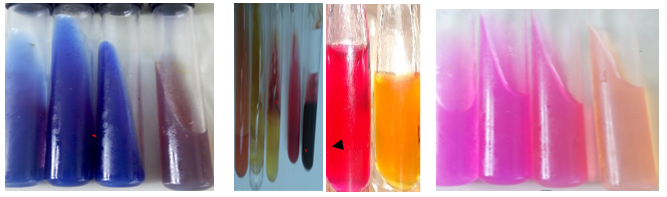
Citrate test (shigella).Triple sugar iron agar (salmonella). Uera test (salmonella) Figure 1: Detection of Salmonella and Shigella by using different biochemical tests.
Effect of Chemical Treatment on the Microbial Status of Fruit Juices
It is observed that the total viable bacterial count for samples of avocado and mango treated with lemon were 3.25 x 10⁵cfu/ml and 2.04 x 10⁵cfu/ml respectively_._ Similarly, the total viable counts obtained from samples of avocado and mangos treated with benzoic acid were 2.0 x 10⁵cfu/ml and 1.70 x 10⁵cfu/ml respectively. Treating the samples of avocado and mango with sodium benzoate resulted in 1.23 x 10⁵cfu/ml and 0.52x 10⁵cfu/ml, respectively. On the other hand, the number of bacteria in the non-treated controls of avocado and mango were found to be 5x10⁵cfu/ml and 2.4x10⁵cfu/ml respectively. The most potent chemical in reducing bacterial load was sodium benzoate. Studies in Nigeria showed that benzoic acid is the most effective against reducing bacterial load [21]. Sodium benzoate was found to be the most effective in reducing the bacterial load [39]. The result showed that treating fruit juice with lemon was also the effective method to reduce the possible bacterial load.
It was observed that customers in restaurants and cafeteria most often treat the unpasteurized fruit juices with lemon just before consumption. This might have contributed to the reduced level of juice related poisoning observed among the society despite the rampant use of less hygienically processed and stored fruit juices as showed Table 6.
| Sample types | Control | Treated sample | ||
|---|---|---|---|---|
| Lemon | Benzoic acids | Sodium benzoate | ||
| Avocado | 5 x 10⁵ | 3.2 x 10⁵ | 2 x 10⁵ | 1.23 x 10⁵ |
| Mango | 2.4 x 10⁵ | 2.04 x 10⁵ | 1.70 x 10⁵ | 0.52 x 10⁵ |
Table 5: Effect of chemical treatment on control group and treated samples on total viable count of bacterial load of fruit juice
Antimicrobial Susceptibility Test
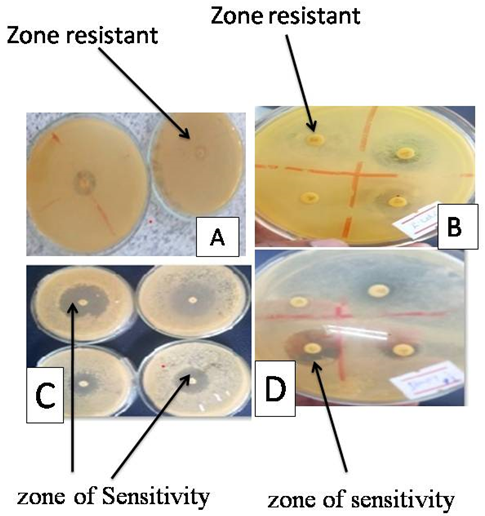
According to the finding of this study, isolates of Staphylococcus aureus were resistance to amoxicillin 100%, ampicillin 71%, Gentamycin 71%, Pencillin 100%, When sensitivity was considered, Staphylococcus aureus was sensitive to erythromycin96.4%, furazolidone80%, Azithromycin 60%, Ciprofloxacline 71%, Ceftriaxone 71% and Streptomycin 50%. Studies carried out by Rashed, et al. [40] & Lateef A, [41] also showed that high rates of drug resistance were observed for Staphylococcus aureus against ampicillin 93% and amoxicillin 92%. Reports have also shown that Staphylococcus aureus was sensitive to erythromycin and Gentamycin [42].
In this study, isolates of E.coli were shown to have resistance to Streptomycin 83%, Vancomycin 80%, Ceftriaxone 75% and Gentamycin 60%, but they showed sensitivity to Ciprofloxacline 100%, Furazolidone 90%, Ampicillin 83.4%, Pencillin 72%, Tetracycline 66%, and Amoxicillin 50%.Regarding the isolates of Salmonella species they showed resistance to penicillin 80%, Gentamycin 100% and vancomycine 100%, Azithromycin 75%, furazolidone 60%, Tetracycline 75%. On the other hand, Salmonella sp_ecies were sensitive to Amoxicillin 50%, Ampicillin 84%, Ciprofloxacline 75%, Ceftriaxone 59% and erythromycin 60%. Similar study indicates that _Salmonella were resistant to multiple antibiotics [43]. According to Nipa, et al. [44] multiple drug resistance was observed in Salmonella 98.06%. Similar study reported that 85% of the resistant isolates were multiple drug resistant [45]. The presence of Salmonella in fruit juices may be attributed to contaminated hands, poor food handing, poor hygienic practices and food safety [46].
| Zone diameter in (mm) | |||||||||||||
|---|---|---|---|---|---|---|---|---|---|---|---|---|---|
| Disc code | Potency | E.coli = 6 | S.aureus = 7 | Salmonella = 3 | Shigella = 2 | ||||||||
| R | I | S | R | I | S | R | I | S | R | I | S | ||
| AMP | 10μg | 0 | 16.6 | 83.4 | 71 | 6.8 | 22.2 | 16 | 0 | 84 | 68 | 10 | 22 |
| AMX | 10 μg | 25 | 25 | 50 | 100 | 0 | 0 | 33 | 16.6 | 50 | 50 | 0 | 50 |
| AZM | 30μg | 100 | 0 | 0 | 32 | 8 | 60 | 75 | 0 | 25 | 100 | 0 | 0 |
| CTR | 10μg | 75 | 12 | 13 | 18 | 10.7 | 71 | 33 | 8 | 59 | 30 | 20 | 50 |
| CPR | 5μg | 0 | 0 | 100 | 29 | 0 | 71 | 15 | 10 | 75 | 33 | 17 | 50 |
| ERY | 5μg | 30 | 25 | 45 | 3.6 | 0 | 96.4 | 40 | 0 | 60 | 50 | 25 | 25 |
| FUR | 10μg | 10 | 0 | 90 | 20 | 0 | 80 | 60 | 0 | 40 | 8 | 0 | 92 |
| GEN | 10μg | 60 | 0 | 40 | 71 | 29 | 0 | 100 | 0 | 0 | 0 | 0 | 100 |
| STR | 10μg | 83 | 0 | 17 | 20 | 30 | 50 | 0 | 83 | 17 | 92 | 0 | 8 |
| PEN | 10μg | 28 | 0 | 72 | 100 | 0 | 0 | 80 | 0 | 20 | 100 | 0 | 0 |
| TET | 30μg | 34 | 0 | 66 | 62 | 35 | 3.5 | 75 | 0 | 25 | 80 | 0 | 20 |
| VAN | 30μg | 80 | 0 | 20 | 71 | 3.5 | 26 | 100 | 0 | 0 | 40 | 0 | 60 |
Regarding the isolates of Shigella species they showed resistance to Pencillin 100% Tetracycline 80%, Azithromycin 100%, Streptomycin 92%, Ampicillin 68%, Amoxicillin 50% and Erythromycin 50%. On the other hand Shigella species were sensitive to Gentamycin 100%, Ceftriaxone 50%, Furazolidone 92%, Ciprofloxacin 50%, and amoxicillin 50%. Similar study conducted by has revealed that Shigella species have shown considerable drug resistance to Penicillin 95%, Tetracycline 75%, Azithromycin 100% and Streptomycin 90%.Also, the drug resistance properties may render these pathogens cause serious health hazards because of ineffective treatment of the sufferers by the commonly prescribed antibiotics as showed Table 7 & Figure 2.
Demographic Characteristics of the Respondents
The researcher included a total of fifty-one respondents from six restaurants and cafeterias. Out of these, 31.3% were males and 68.7% were females. The majority that constitutes 98% were between the ages of 15-35 while only few respondent 2% were above 35. From these, 1.9% respondent’s educational status was 1-4, 56.8% were 5-8, 39.4% were 9-12 and 1.9% was above 12th grade. Among 51 juice makers, more than half 68.7% were females and the remaining 31.3 % were males. Demographic characteristics of respondents were in disagreement with the work of Tsige, et al. [47] who reported that all the ninety fruit juice makers interviewed were females and 87.5% had education higher than primary education while only 3.33% had no formal education. Level of Awareness towards Hygienic Conditions of Fruit Juice Processing Table-8 showed below restaurants and cafeterias were purchasing the fruits for juice preparation from various sources around the town. According to the respondents, all the juice serving houses obtained fruits from open market. The most commonly used juices of fruits were avocado and mango that were stored at different conditions. Some of them were kept on shelves 82.3%, 3.9% in baskets and 13.8% stored in refrigerators. This indicated that the majority of fruit juice houses were not well equipped with hygienic storage facilities. Similar studies conducted in Hawassa reported that the open market was the only sources of fruits [28]. The habit of buying fruits from open market aggravates bacterial contamination compared to obtaining directly from the farms. Due to storage and handling problems in an open market, the rate of exposure to bacterial contamination and rancidity increases in the fruit Health Canada [48] as showed Table 8.
| Responses | Frequency | Percentage | |
|---|---|---|---|
| Source of fruit | Open market | 51 | 100 |
| Source of fruit | Direct from producer | 0 | 0 |
| Site for temporary storages of fruits | Shelf | 42 | 82.3 |
| Site for temporary storages of fruits | Basket | 2 | 3.9 |
| Site for temporary storages of fruits | Refrigerator | 7 | 13.8 |
Table 7: Source of fruits, storage sites and type of juices prepared.
Table 9 showed below the entire respondent had the cleaning habit of during juice processing. On the other hand, higher proportion 52.9% used water only for cleaning while 47.1% used both soap and water during juice processing. Regarding frequency of washing hands and cleaning equipment, 23.5% replied as they do so once, 56.81% did it twice and 15.8% were used to wash their hands and equipment three times whereas only 3.9% replied as they were doing so more than three times a day. Therefore, majority of juice processers have poor habit of using cleaner during juice processing. The majority of microbial diseases are transmitted by poor personal hygiene and poor habits of cleaning [49]. Similar findings were elaborated in a study on fresh fruit juices in Dhaka Bangladesh by Shakir et al. suggesting that the maximum bacteriological load in fruit juices could be associated with poor fruit handling and juice extraction practices that were followed by makers as showed Table 9.
| Responses | Frequency | Percentage | |
|---|---|---|---|
| Cleaning habit of juices | Yes | 51 | 100 |
| Processors | No | 0 | 0 |
| Cleaning agents in use by juice processors | Only water | 27 | 52.9 |
| Cleaning agents in use by juice processors | Soap and water | 24 | 47.1 |
| Cleaning agents in use by juice processors | Other | 0 | 0 |
| Frequency of cleaning hands and equipment while in juice processing duty | Once | 12 | 23.5 |
| Frequency of cleaning hands and equipment while in juice processing duty | Twice | 29 | 56.8 |
| Frequency of cleaning hands and equipment while in juice processing duty | Three times | 8 | 15.8 |
| Frequency of cleaning hands and equipment while in juice processing duty | More | 2 | 3.9 |
Table 8: Cleaning habits, agents and duration of cleaning hands and equipments.
As indicated in the table 10 below 41.2% of the respondents replied that they took training on juice hygiene and safety precautions, while 58.8% had no training. Concerning role of microorganisms in contaminating juices 45.1%, had no awareness whereas 54.9% of the respondents replied that diseases could result from consuming improperly handled juices. The result 64.7% replied as the diseases could not result from consuming juices at all. According to the most of the makers focus on profit maximization rather than safety related issues. Similarly report from a study on fruit juices in Dhaka city, Bangladesh indicated that illiteracy and lack of awareness on health implication of consuming unhygienic juices are the major indicators of the possible hazards from fruit juices contamination. The environmental factors in the form of dust, nearby garbage, sewage spills and insects like flies add up to make the situation worse as showed Table 10.
| Variables | Responses | Frequency | Percentage |
|---|---|---|---|
| Training in juice hygiene and safety | Yes | 21 | 41 |
| No | 30 | 59 | |
| Awareness that microorganisms contaminate juice | Yes | 23 | 45.1 |
| No | 28 | 54.9 | |
| Thought that diseases can result from consuming contaminated juice | Yes | 18 | 35.3 |
| No | 33 | 64.7 |
Table 9: Training in juice hygiene and safety, awareness and disease.
Conclusion
Generally, this study indicated that samples of avocado and mango juices examined were contaminated with different bacteria species. Based on morphological and biochemical tests, eight bacterial genera were isolated from the fruit juice samples, such as Staphylococcus aureus, Escherichia coli, Klebsiella spp ,Enterobacter spp ,Streptococcus spp, Salmonella spp, Pseudomonas spp, shigella spp. Out of eight bacterial genera, Staphylococcus and E.coli, were the most dominant in the current study of fruit juice samples. Chemical treatments used for immediate reduction of total viable bacterial counts were sodium benzoate, benzoic acid and lemon in the ascending order of their effect.
Based on the antibiotic resistance S. aureus had high rates of resistance to Amoxicillin, Vancomycin and furazolidone. Salmonella showed resistance to penicillin, ampicillin, and Gentamycin. E.coli was shown to have resistance to Vancomycin, furazolidone and Ertromaycioilon. Shigella shown resistance to Penicillin, tetracycline, Azithromycin and Streptomycin. Based on the data from the experiment on fruit juices of mango and avocado, avocado was found to be heavily contaminated with bacteria that could cause health problems. Generally, the results in this study clearly indicate the poor hygienic conditions of fruit juices which make consumers susceptible for the risk of food borne infections. Lack of training on juices or food hygiene and safety including improper storage and preparation of fruit juices may aggravate the contamination.
Author Contributions
Chimdesa Adugna has developed the research proposals, collected sample, carried out laboratory investigations, wrote the research paper, and prepared the draft manuscript. Gurmesa Tesama edited the manuscript. Data Availability Data will be provided upon request of the corresponding author.
Consent
Not applicable.
Conflict of Interest
All authors declared that they had no competing conflicts of interest.
Funding Statement
The authors declare that they have received no specific funding from any fundraising organization.
References
-
Abalaka ME, Daniyan SY, Adeyemo SO, Abdulsalam R (2013) Comparative Studies on Microbiological and Nutritional Qualities of Juice Produced from Pineapple. J Biol Today’s World 1(1): 5-9.
-
Suaads AA, Hamed EAA (2008) Microbial growth and chemical analysis of Mineral Contents in bottled fruit juices and drinks in Riyadh, Saudi Arabia. Research Journal Microbiology 3: 319-325.
-
Jedah JHA, Robinson RK (2002) Nutritional value and microbiological safety of fresh fruit juices sold through retail outlets in Qatar. Pakistan Journal of Nutrition 1(2): 79-81.
-
Bello OO, Bello T, Fashola MO, Oluwadu A (2014) Microbiology Quality some locally produced fruit juices in Ogun state, South western Nigeria. Journal of Microbiology research 2(1): 1-8.
-
Gahan CM, Driscoll OB, Hill C (1996) Acid Adaptation of Listeria monocyto genes can enhance survival in acidic foods and during milk fermentation. Appl Environ Microbiol 2(9): 3128-3132.
-
Ankita R (2010) Bacterial load on street Vended Salads in Jaipur City. India Internet Journal Food Safety 12: 136- 139_._
-
Nguyen CT, Carlin F (1994) The microbiology of minimally processed fresh fruits and vegetables. Crit Rev Food Sci Nutr 34(4): 371-401.
-
Bryan FA (1979) Procedures to investigate waterborne illness. Iowa: International Association of Milk, Food, and Environmental Sanitarians, Ames, Lowa.
-
Janisiewicz WJ, Korsten L (2002) Biological control of postharvest diseases of fruit. Annu Rev Phytopathol 40: 411-441.
-
Andrew JH, Harris RF (2000) The ecology and biolgeography of microorganisms on Plant Surfaces. Annual Review Phytopathology 38: 145-180.
-
Mead PS, Slutsker L, Dietz V, McCaig LF, Bresee JS, et al. (1999) Food-related illness and death in the United States. Emerg Infect Dis 5(5): 607-625.
-
Heaton JC, Jones K (2008) Microbial contamination of fruit and vegetables and the Behavior of enteropahhogens in the phyllosphere: a review_._ J Appl Microbiol 104(3): 613-626.
-
Kader AA (2005) Increasing food Availability by reducing post harvest Losses of fresh Produce, University of California, pp: 2169-2176.
-
Davidson PM, Taylor TM, Schmidt SE (2012) Chemical preservatives and natural antimicrobial compounds. 4th(Edn.), In: Davidson, et al. (Eds.), Food microbiology: fundamentals and frontiers.
-
Vicas M, Sanchaita S, Singh NP (2010) Multidrug Resistant _Acineto bacter_. JGlob Infect Dis 2(3): 291-304.
-
Mache A (2002) Salmonella serogroups and their antibiotic resistance patterns isolated from diarrhoeal stools of pediatric out-patients in Jimma Hospital and Jimma Health Center, South West Ethiopia. Ethiopian Journal of Health Sciences 12(1): 37-46.
-
Farzana K, Akhtar S, Jabeen F (2009) Prevalence and antibiotic resistance of bacteria in two ethnic milk based products. Pak J Bot 41: 935-943.
-
Sadler GD, Tyl C (2017) pH and Titratable Acidity. In: Nielsen SS, Food analysis. Springer, Boston, pp: 389- 406.
-
DeCelles PG, Robinson DM, Zandt G (2002) Implications of shortening in the Himalayan fold‐thrust belt for uplift of the Tibetan Plateau. Tectonics 21(6): 12-1-12-25.
-
Robinson RK, Jedah JHA (2002) Nutritional value and microbiological safety of fresh fruit juices sold through retailer outlait in Qatar. Pakistan Journal of Nutrition 1(2): 79-81.
-
Oladipo IC, Adeleke DT, Adebiyi AO (2010) The Effect of PH and chemical Preservatives on the growth of Bacterial Isolates from Some Nigerian Packed fruit juices.Pak J Biol Sci 13(1): 16-21.
-
Alice LY, Fuchshofer R, Kampik A, Lüssen UW (2008) Effects of oxidative stress in trabecular meshwork cells are reduced by prostaglandin analogues. Invest Ophthalmol Vis Sci 49(11): 4872-4880.
-
Tsige K, Tesfaye G, Ketema B (2008) Microbiological Safety of Fruit Juices Served In Cafes/Restaurants, Jimma Town, Southwest Ethiopia. Ethiop J Health Sci 18(3): 97- 99.
-
Oranusi S, Olorunfemi OJ (2011) Microbiological safety evaluation of street vended Ready to-eat fruits sold in Ota, Ogun state, Nigeria_._ International Journal of Research in Biological Sciences 1: 27-32.
-
Ghenghesh KS, Belhaj K, Amin WBE, Nefathi SEE, Zalmum A (2005) Microbiological quality of fruit juices sold in Tripoli-Libya.Food Control 16(10): 855-858.
-
Tasmina F, Hossain MA, Hossain MK, Lopa D, Haque KMF (2010) Quality assessment of industrially processed fruit juices available in Dhaka city, bangladesh. Mal J Nutr 16(3): 431-438.
-
Addo MG, Akanwariwiak WG, Pordjour PA, Danso KO (2008) Microbiological and Sensory analysis of imported fruit juices in Kumasi, Ghana. Research Journal of Microbiology 3: 522-528.
-
Mesfin W (2011) Bacteriological Profile of locally prepared fresh fruit juices in Hawassa town, Southern Ethiopia. Addis Ababa University.
-
Shakir UA, Nasreen T, Feroza B, Parveen S (2009) Microbiological Quality of Local Market vended freshly squeezed fruit juices in Dhaka City, Bangladesh. Bangladesh Journal of Science and Industrial Research 44: 421-424.
-
Khalil K, Lindblom GB, Mazhar K, Kaijser B (1994) Flies and water as reservoirs for bacterial enteropathogens in urban and rural areas in and around Lahore, Pakistan. Epidemiol Infect 113(3): 435-444.
-
Stannard C (1997) Development and use of microbiological criteria for foods. Food science and technology today, UK, 11(3): 137-177.
-
Kumar DKR, Shivashankar GS, Rajeshwar SK (2015) Application of value stream mapping in pump assembly process: a case study. Industrial Engineering & Management, 4(3).
-
Senbeta D, Beyene M (2017) Bacteriological Assessment of Avocado Juice Vended Cafeteria and Restaurants in Adigrat Town, Northern Ethiopia. International Journal of Advanced Technology and Innovative Research 9(4): 593-596.
-
Ameko E, Achio S, Alhassan S, Kassim A (2012) Microbial Safety of Raw Mixed-Vegetable Salad Sold as an Accompaniment to Street Vended Cooked Rice in Accra. Ghana African Journal of Biotechnology 11(50): 11078- 11085.
-
Osamwonyi OU, Obayagbona ON, Aborishade W, Olisaka F, Uwadiae E, et al. (2013) Bacteriological Quality of Vegetable Salads Sold at Restaurants With in Okada Tawn, Edo State, Nigeria. African Journal of Basic and Applied Science 5(1): 37-41.
-
Kindu M, Schneider T, Teketay D, Knoke T (2015) Drivers of land use/land cover changes in Munessa- Shashemene landscape of the south-central highlands of Ethiopia. Environ Monit Assess 187(7): 452.
-
Joy EL, Rao TP, Kalavati CB, Rajanna B (2006) Human Bacteria in Street scale ended Fruit Juices: A Case Study of Visakhapatnam City, India. J Food Safe8: 35-38.
-
Poonam US (2013) Bacteriological analysis of street vended fruit juices available in Vidarbha. Int J Curr Microbiol Appl Sci 2(5): 178-183.
-
Fekadu KK, Baye K, Tefera AT, Tessema TS (2019) Bacteriological quality of commonly consumed fruit juices and vegetable salads sold in some fruit juice houses in Addis Ababa, Ethiopia. J Food Safety 39(1): e12563.
-
Rashed MN (2013) Adsorption technique for the removal of organic pollutants from water and wastewater. Organic pollutants-monitoring, risk and treatment 7: 167-194.
-
Lateef A (2004) The microbiology of a pharmaceutical effluent and its public health implications. World Journal of Microbiology & Biotechnology 20(1): 167-171.
-
Daniyan YS (2011) Microbiological examination of selected fruit sold in Minna metropolis. International Research Journal of Pharmacy 2(7): 124-129.
-
Jones RN, Sader HS, Mendes RE, Flamm RK (2012) Update on antimicrobial susceptibility trends among Streptococcus pneumoniae in the United States: report of ceftaroline activity from the SENTRY Antimicrobial Surveillance Program (1998-2011). Diagnostic microbiology and infectious disease 75(1): 107-109.
-
Nipa MN, Mazumdar RM, Hasan MDM, Fakrudd MD, Islam S, et al. (2011) Prevalence of Multiple Drug Resistant Bacteria on Raw Salad Vegetable sold in Major Markets of Chittagong city, Bangladesh. Middle East Journal of Scientific Research 10(1): 70-77.
-
Oluyege AO, Dada AC, Ojo AM, Oluwadare E (2009) Antibiotic resistance profile of bacterial isolates from food sold on a university campus in southwest Nigeria_._ African Journal of Biotechnology 8(21): 883-887.
-
Ray B (2008) Fundamental Food Microbiology. 4th (Edn.), CRC press, USA, pp: 492.
-
Tsige K, Tesfaye G, Ketema B (2008) Microbiological Safety of Fruit Juices Served In Cafes/Restaurants, Jimma Town, Southwest Ethiopia. Ethiop J Health Sci 18(3): 97- 99.
-
Government of Canada (2005) Unpasturized fruit juices and Cider.
-
Ekanem EO (1998) The street food trades in Africa: Safety and socio environmental issues. Food Control 9(4): 211- 215.
- Antifungal Activity of New Acetophenone Derivatives
- Interconnected Microbiomes Human Health Within an Environmental Framework
- Silkworm-Based Vaccine Production for H5N1: A One Health Approach to Pandemic Preparedness
- Microbial Diversity and Lipolytic Activity of Bacteria and Fungi from Oil-Contaminated Sites in Makurdi Metroplois
- Antibiotic Resistance Profile of Bacteria Isolated at the Central Laboratory of the National Hospital Center of Nouakchott
- Epidemiology and Sensitivity to Antibiotics of Germs Isolated from Blood Cultures in the Laboratory of the National Hospital Center of Nouakchott-Mauritania