
Isolation, Identification and Study of Antimicrobial Property of Potential Probiotic Bacteria from Dairy Products of Lucknow City
Probiotics are the nonpathogenic and alive bacteria that confer good effects on the host. The important property of probiotics is direct antimicrobial effects, stimulation of immunity, competing for adhesion site, completion for nutrients and improvement in digestion. Since ancient times different fermented dairy products have been used as the main source of probiotic bacteria. The main objective of this study was to isolate, identify and characterize lactic acid bacterial strains from different fermented dairy products including yoghurt, cheese, buttermilk and curd. To determine the potentials of probiotics different tests like bile tolerance, salt tolerance, acid tolerance and arginine hydrolysis were performed. In the present study it was observed that all the probiotic isolates were able to grow at low pH (2-6) and they were tolerant against NaCl (2%, 4%, 6%) and bile salt concentration (0.2%, 0.4%, 0.6%). The probiotic isolates were shown to be arginine-positive as on a white background they displayed a bright orange colour. The growths of probiotic cultures were observed at different temperature i.e 10 °C and 45°C and were able to ferment different types of carbohydrates such as glucose, sucrose and lactose. The probiotic isolates showed good antimicrobial activities against the four test organisms. The present study showed that the probiotic strains isolated from different fermented dairy products carry antimicrobial property and can be used to control gut microbiota. The observation of the present study showed that dairy products can be used as a good source of potentially probiotic bacteria.
Introduction
The concept of probiotics is the colonization of beneficial bacteria in the intestinal tract. Some bacteria have good effect and some have bad effect on the human body. Bad bacteria are responsible for ill effects while good bacteria enhance our gut health. Probiotics are often called good or helpful bacteria because they keep our gut healthy and stimulate immunity. The word probiotic is a Greek word “pro” meaning “promoting” and “biotic” meaning “life”. The concept of probiotics was discovered in the early 20th century, Elie Metchnikoff who is known as the “Father of Probiotics” first performed the probiotic study. Probiotics are live organisms that are used as food additives with beneficial effects on the host body by maintaining microbial balance in gastrointestinal tract. Lactic acid bacteria (LAB)
are most common probiotics strains. Main genera of LAB are Lactobacillus, Leuconostoc, Bifidobacterium, Lactococcus, Enterococcus, Pediococcus and Streptococcus. These strains help in reducing gastrointestinal disease by increasing the growth of beneficial microorganism and reducing the growth of pathogens. The attachment of probiotics to the intestinal mucosa can have a potential protective role against enter pathogens through competition for host cell binding sites. According to latest reports probiotics also shows anticancer and antiallergic effects. The other most prominent effects of probiotics are increase immune response of host, give relieve in irritable bowel syndrome, intestinal inflammation, and antibiotic induced diarrhea, etc [1]. The use of probiotics is increasing as most of the sources of probiotics is natural in origin. In human body the probiotics naturally occur in mouth, intestine, and female genital tract.
Apart from the above mentioned uses of probiotics, they inhibit the growth of pathogenic bacteria by producing antimicrobial metabolites. Lactic acid bacteria producing bacteriocins can be used as biological preservative in foods. Antimicrobial property, bile salts, and acid tolerance are the most important features for the screening of probiotics so that they can provide health benefits. LAB also produce Bacteriocins are proteinaceous compounds which has a narrow or broad spectrum of antibacterial activity. LABS are also resistant to lysozyme, gastrointestinal juices and bile salts. Evidence shows promising antimicrobial effects of probiotics against gram negative and positive bacteria such as Escherichia coli, Pseudomonas sp, Staphylococcus sp, Streptococcus sp. [2]. Lactobacillus strains are widely used in food preservation and as starters for several fermented foods including dairy products, plant based products and is generally recognized as safe (GRAS) organisms which are safely used in medical and veterinary medicines. In the food sector, LAB is widely used as starter cultures in many fermented foods and it has become a part of human microbiota. Yoghurt, cheese and fermented milk products are considered as the main sources of probiotics. Since ancient time LAB organisms in food and food supplements has been used and most strains are considered commensal microorganisms and have no pathogenic effect on host.
Method
Sampling
Four different fermented dairy product samples were collected from Lucknow region including yoghurt, cheese, curd and buttermilk. For antimicrobial analysis four strains including Escherichia coli, Klebsiella sp., Streptococcus sp, and Pseudomonas sp. were isolated from water, spoiled meat, and soil respectively. The samples were brought to the laboratory and stored in a refrigerator at +40C to carry out microbiological analysis.
Isolation of Bacteria
Probiotics were isolated from fermented dairy products by using MRS medium. Five gram of sample was dissolved into 50 ml of MRS broth and incubated at 37°C for 24 hours. After 24 h, 100µl of enriched samples was spread on MRS agar and incubated at 37°C and anaerobic condition for 48 h. Bacterial colonies were purified by subsequent subcultures.
Morphological and Biochemical Characterization of Probiotic Strains
Gram Staining
The probiotic isolates were identified as Gram positive, rod shaped bacteria by gram staining methods.
Catalase Test
The isolates were identified as catalase negative. The probiotic cultures were grown overnight on MRS broth at 37°C. 1ml of each culture was taken on slide and then hydrogen peroxide was added. Isolates if not release bubbles were considered as catalase negative.
Determination of Tolerance to NaCl
The probiotic cultures were inoculated in MRS broth at 37°C for 24 hours. In 9 ml of MRS broth 1ml of culture was added in presence of Sodium chloride supplementation at different concentration (2%, 4% and 6.5%). All tubes were incubated at 37°C for 48 hours. Growths of bacteria in tubes indicate NaCl tolerance [3]. Viable counts of Lactobacillus strains were determined by pour plate counts of all the samples using 10-fold serial dilutions prepared in 0.1% peptone water. Simultaneously bacterial growth was monitored by measuring absorbance with a spectrophotometer at 600nm.
Phenol Red Dextrose Broth
Phenol red broth was prepared with inverted Durham’s tubes to analyze the production of CO2. All tubes were sterilized for 15min at 121°C production of gas and the color changes of the medium from red into yellow was considered as positive reaction [4].
Fermentation of Carbohydrates
The probiotic strains were cultivated at 37°C in an anaerobic atmosphere on Man, Rogosa, and Shape (MRS) agar for 48 h or MRS broth for 16 h. After centrifugation, the cells were washed and resuspended in sterile phosphate- buffered saline and immediately subjected to a fermentation assay with 1 gm of sugar i.e. sucrose, galactose, glucose were added in tube along with ph indicator. The plates were examined for color changes after 24, 48 h of incubation under aerobic and anaerobic conditions. Culture grown on MRS broth for 16 hours was taken and then centrifugation was done. The supernatant was collected and 1gm of sugar i.e. sucrose, galactose, glucose were added in tube along with ph indicator. The tubes were examined for color changes after 24, 48 hours.
Growth at Different Temperature
Culture grown on MRS broth was incubated at different temperature i.e. 10°C and 45°C.Optimal growth of culture at both the temperature (10°C and 45°C) was reported.
Study of Probiotics Properties
Acid Tolerance
Strains were grown in MRS broth at 37°C overnight, 0.1 ml aliquots of each active culture were adjusted to 2, 3 and 4 with 5N HCl and incubated at 37°C for 3hours. Viable counts of Lactobacillus strains were determined by pour plate counts of all the samples using 10-fold serial dilutions prepared in 0.1% peptone water. Simultaneously bacterial growth was monitored by measuring absorbance with a spectrophotometer at 600nm. Growth was observed on the basis of comparison of isolates with the control.
Resistance to Phenol Red Dextrose Broth
Phenol red dextrose broth was prepared with inverted Durham’s tube to analyze the production of CO2. All tubes were sterilized for 15min at 121°C production of gas and the changes in color of the medium from red into yellow was considered as positive reaction [4].
Bile Tolerance
The results showed the effect of different bile salt concentration (0.2%, 0.3% and 0.4%). Growth of most of the isolates was suppressed at bile salt concentration 0.4%. it is noted that all isolates could grow in the presence of 0.2% bile salt except the probiotic culture isolated from the curd growth was not detected at 0.2% bile salt concentration. Probiotics organisms must be resistance to bile acids. Lactobacillus and Bifidodobacterium strains isolated from the human ileum were tested against bovine bile, porcine bile. Both the strains exhibited resistance to the bovine bile while the porcine bile was found to be inhibitory to both the bacterial groups. However, in relation to the assessment of the probiotic strain intended for the human consumption, the most relevant determination is that ability to grow in the human bile [5, 6].
Arginine Hydrolysis Test
For this test, a basal MRS broth medium without beef extract, but including 0.3% arginine and 0.2% ammonium citrate, was prepared. Then, the probiotic culture grown in the basal medium were inoculated into prepared medium and incubated in anaerobic jars at 35°C for 72 hours. MRS broth medium without beef extract, including 0.3% Arginine and 0.2% ammonium citrate, was prepared. The probiotic culture were inoculated into the prepared medium and incubated in anaerobic jars at 35°C for 72 hours.
Determination of Antimicrobial Property
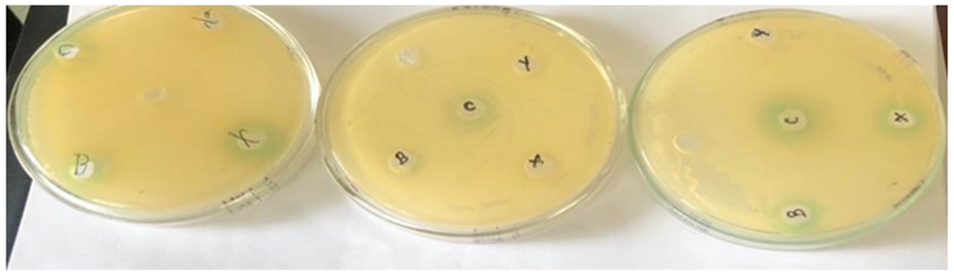
The agar well diffusion method was used to determine the antimicrobial property of the LAB isolates. A 24 hr culture of the test organisms i.e E.coli, Klebsiella sp., Pseudomonas sp., Streptococcus sp., grown in BHIB at 37°C was suspended in saline. A lawn of the indicator strain was made by spreading the cell suspension over the surface of nutrient agar plates with a sterile cotton swab. The plates were allowed to dry and a sterile cork borer of diameter (5mm) was used to cut uniform wells in the agar. Each well was filled with 60ul culture free filtrate obtained from the LAB isolates. After incubation at 37°C for 48 hrs, the plates were observed for a zone of inhibition (ZOI) around the well. Results were considered positive if the diameter (mm) of the ZOI was greater than 1mm.
Result
In this study, LAB strains were isolated from fermented dairy products including curd, yogurt, cheese and buttermilk and there antimicrobial activity was tested. The CFU count was carried out by pour plate technique [7]. On MRS agar plates cultures were inoculated and incubated at 37°C for 48 hours. Colonies were counted by cfu/ml. The total bacterial count per milliliter is expressed in Table 1. The small surface area of the plate results in smaller bacterial colonies due to limited substrate availability [8].
| Sample | CFU/ml |
|---|---|
| curd | 3.2x10⁵ |
| cheese | Too many to count |
| yoghurt | 22x104 |
| buttermilk | 36x104 |
Table 1: The small surface area of the plate results in smaller bacterial colonies due to limited substrate availability [8].
Preliminary Screening
Preliminary screening of the single isolated colony of probiotic bacteria was performed on the basis of their morphological, biochemical characteristics and gram staining.
Gram Staining
The Gram staining results of LAB isolate shows gram positive both rod and cocci shaped isolates were found.
Catalase Test
The catalase test shows that isolates were catalase negative as there was no appearance of gas bubbles when H2O2 was added on the isolates.
Salt Tolerance
The LAB isolates from the 4 samples were grown in different concentrations of salt (2%, 4%, 6%). Growth was observed in all the isolated strains at 2% concentration of salt solution. The isolate from the buttermilk sample were not able to grow at 4% salt concentration. At 6% salt concentration the isolates from cheese, buttermilk and yoghurt were not able to show growth (Table 2). According to previous study variation in salt tolerance has been found for L. plantarum strains. At initial pH 6.4, Montaño, et al. [9] reported that non-amylolytic L. plantarum strains H4 and 221, isolated from fermented food variation was observed in their growth pattern at 6% salt concentration. The above study indicates a great interspecies variation in response to stress induced growth, and therefore while selecting strains care must be taken to be used as starter culture in high salt containing food system.
| Sample | Gram Staining | Catalase Test |
|---|---|---|
| curd | + | -- |
| cheese | + | - |
| yoghurt | + | -- |
| buttermilk | + | -- |
Table 2: The preliminary test of the probiotic isolates from different fermented dairy products.
Phenol Red Dextrose Broth Test
Phenol red dextrose broth test is found to be positive by isolates of LAB as the isolates shows color change of the media as well as gas production (Table 3). Studies conducted by Plengvidhya, et al. and Tao Xiong, et al. [10] 2014 on fermented food observed that some species of LAB such as Leuconostoc mesenteroides and Leuconostoc lactis grow very rapidly at the beginning of the fermentation process and produce CO2 and lactic acid, and other organic acids which result in decrease in the pH of the medium. As a result of decrease in pH low acid tolerant species such as Leuconostoc spp. is replaced by acid-resistant species, such as L. plantarum.
| Sample | NaCl (2%) | NaCl (4%) | NaCl (6%) | Color Changes | Gas Production |
|---|---|---|---|---|---|
| Curd | + | + | + | + | + |
| Cheese | + | + | -- | + | + |
| Yoghurt | + | -- | -- | + | + |
| Buttermilk | + | + | -- | + | + |
Table 3: NaCl tolerance test of the probiotic isolates.
Fermentation of Carbohydrates
Three types of carbohydrates were used in my present study including lactose, sucrose and glucose. Strains isolated from all the samples resulted in the fermentation of carbohydrates result in gas production (Table 4).
| Probiotic Culture from Fermented Dairy Products | Carbohydrate Fermentation | ||
|---|---|---|---|
| Lactose | Sucrose | Glucose | |
| Curd | + | + | + |
| Cheese | + | + | + |
| Buttermilk | + | + | + |
| Yoghurt | + | + | + |
| Samples | pH 2 | pH 4 | pH 6 |
| Curd | + | + | + |
| Cheese | + | + | -- |
| Yoghurt | + | + | -- |
| Buttermilk | + | + | + |
Table 4: Carbohydrate fermentation test.
According to previous study Fitzsimons used eight types of carbohydrate Fitzsimons, et al. [11]. Ayhan, et al. [12] assessed the fermentation of inulin, salicin, sorbitol, mannitol, and lactose. Pourahmad, et al. [13] used eight types of carbohydrates. Scheirlinck and Vandamme in 2007 used 19 types of carbohydrate [14]. Jie Yu, et al. [15] examined the fermentation of 19 types of carbohydrate, i.e., arabinose, cellobiose, esculin, galactose, gluconate, lactose, mannitol, mannose, melezitose, melibiose, raffinose, rhamnosus, ribose, salicin, sorbitol, surbose, sucrose, trehalose, and xylose.
Study of Probiotic Property
To determine the important characteristics features of probiotics different tolerance test such as tolerance to low pH and bile salts were performed. It is recorded that probiotic cultures takes approximately three hours to pass through stomach. The probiotic strains used as a starter culture in different fermented dairy products should be able to tolerate the stressful conditions of the stomach (pH 1.5-3) and upper intestine which contain bile.
Acid Tolerance
The survivability of the isolates at different concentrations of the acid was recorded. The result indicates that the isolated strains survived well under acidic conditions. Most of the isolated strains were tolerant to pH 2 the result was found to be similar to earlier study by Pereira and Gibson who observed that human isolates of Lactobacillus fermentum can tolerate pH 2. The probiotic strains isolated from cheese and buttermilk were not able to grow at pH 6 (Table 5). Earlier study showed that L. plantarum is known to grow at low pH [16, 17].
Bile Salt Tolerance
The results showed the effect of different bile salt concentration (0.2%, 0.3% and 0.4%). Growths of most of the isolates were suppressed at bile salt concentration 0.4%. it was observed that all isolates could grow in the presence of 0.2% bile salt concentration except the probiotic culture from curd could not survive at 0.2% bile concentration (Table 5). Probiotics organisms must be resistance to bile acids. Lactobacillus and Bifidodobacterium strains isolated from the human ileum were tested against bovine bile, porcine bile. Both the strains exhibited resistance to the bovine bile while the porcine bile was found to be inhibitory to both the bacterial groups. However, in relation to the assessment of the probiotic strain intended for the human consumption, the most relevant determination is that ability to grow in the human bile [5, 6].
Arginine Hydrolysis Test
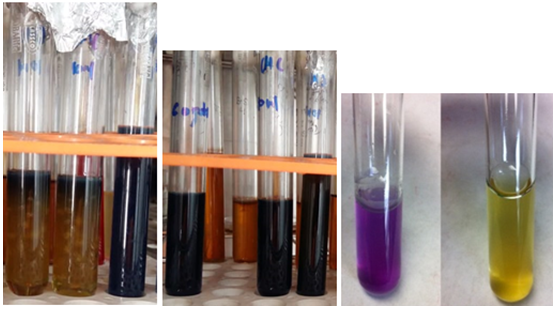
For this test, a basal MRS broth medium without beef extract, but including 0.3% arginine and 0.2% ammonium citrate, was prepared. Then, the colonies grown in the basal medium were inoculated into the prepared medium and incubated in jars at 35°C for 72 hours. This test was continued using Nesslers reagent (K2HgI4). After incubation, 100µl of inoculated culture was transferred onto white background and equal volume of Nesslers reagent was pippeted on cultures. Bright orange indicates positive reaction while yellow indicates negative reaction.
Antimicrobial Property
After determining the probiotic potential of all the isolates, antibacterial activity is one of the important features of probiotic bacteria. For this experiment, all the isolates were tested against 4 bacterial strains for their antibacterial activity. The result showed that almost all of the isolates were inhibitory against test strains at low pH. Except strains of buttermilk and cheese were not effective against the Pseudomonas sp. Streptococcus sp (Tables 6-8). Normally, the gastrointestinal tract contains many proteins which has antimicrobial properties such as colicins, defensins, cecropins, and magainins. These proteins are low molecular weight, cationic and amphiphilic molecules. Lactic acid bacteria also produce a large number of similar antimicrobial substances which include metabolic products, antibiotic-like substances and bactericidal proteins, collectively termed as bacteriocins [18]. Bacteriocins are small antimicrobial peptides or proteins that have bactericidal or bacteriostatic effects against closely related Gram-positive bacteria, whereas Lactic acid bacterial cells are resistant to their own bacteriocins [19].
| Sample | 0.20% | 0.30% | 0.40% |
|---|---|---|---|
| Curd | -- | + | + |
| Cheese | + | + | + |
| Yoghurt | -- | + | + |
| Buttermilk | + | + | + |
Table 5: Bile tolerance test of probiotic isolates.
| Sample | Arginine hydrolysis |
|---|---|
| Curd | + |
| Cheese | + |
| Yoghurt | + |
| Buttermilk | + |
Table 6: Arginine hydrolysis of probiotic strains.
| Sample | E.coli | Pseudomonas sp. | Strepto coccus sp. | Klebisella sp. |
|---|---|---|---|---|
| Curd | + | + | + | + |
| Cheese | + | - | - | + |
| Buttermilk | + | - | - | + |
| Yoghurt | + | + | + | + |
Table 7: Antibacterial activity of isolates against E.coli, Pseudomonas sp., Streptococcus sp., Klebsiella sp.
Discussion
The main objective of the present study was isolation and identification of potential probiotic bacteria from fermented dairy products of Lucknow city and its surrounding area to determine the anti-microbial properties against some common bacteria Escherichia coli, Klebsiella spp., Streptococcus spp, and Pseudomonas spp. On the basis of morphological and biochemical characteristics and gram staining, 4 isolates were identified as Lactobacillus spp. from fermented dairy samples. The Gram-staining of the probiotic strain showed rod shaped and were gram positive. Morphological characteristics of the isolated bacteria from fermented dairy products were found to be convex, rough, smooth, shiny, irregular, circular, facultative anaerobic, nonspore forming, the above mentioned properties shows that the isolates belong to be the member of Lactobacillus spp. [20]. The isolates when grown on MRS-agar plates which are a specific media for Lactobacillus spp. in anaerobic conditions further confirmed their identification and Characterisation as Lactobacillus spp. [21]. The biochemical test of the isolated strains further confirmed that the cultures gave the same biochemical results as Lactobacillus spp. The biochemical tests of all the isolates were found to be indole, MR, VP, citrate, oxidase and catalase negative, and the results are similar to the findings of Elizete and Carlos [22]. All the four probiotic isolates were able to ferment glucose, lactose and sucrose suggesting that they are capable of growing in a wide variety of habitats and has the ability to ferment a large range of carbohydrates. Bacterial growth is affected by the pH of the culture medium. If an organism has to be used as probiotic, it should be able to grow at low pH (Figures 1 & 2).
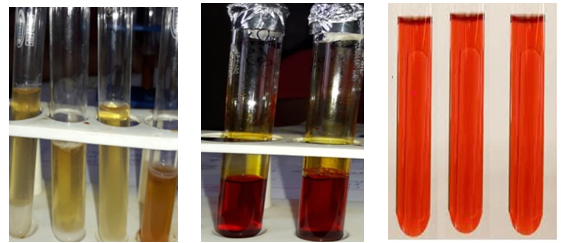
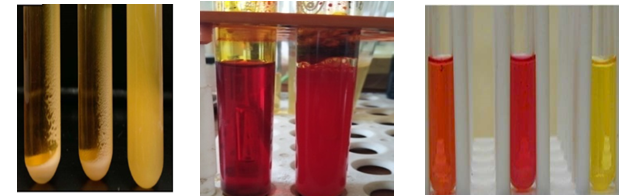
The pH in the human stomach varies from 1.5 to 4.5 and it depends on the various factors like intervals of feeding, the types of food consumed and the duration of food digestion, which can take up to 3–4 h. The results in Figure 3 reveal that all the isolated Lactobacillus spp. showed that the isolates were tolerant to different range of pH and was able to grow well in acidic pH. Tolerance to bile salts also constitutes an important factor for considering the viability of Lactobacillus spp. [23]. In the present study, 0.2–0.4% bile salts were supplemented in the growth media, as the above mentioned concentration is similar to human intestinal tract, and 0.3% is the maximum concentration among healthy men [24]. Therefore, before selecting probiotic bacteria for human consumption it must be able to tolerate 0.3% bile concentration [25]. Lactobacillus spp. isolated from fermented dairy products was found to be tolerant to 0.2– 0.6% bile salt concentration.
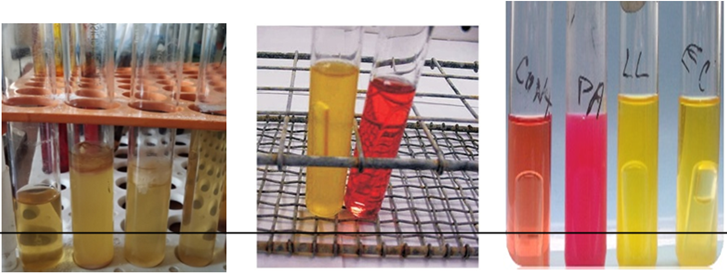
All the isolates were found to survive and grow in 0.4% bile salt concentration (Figure 4). NaCl may inhibit the growth of certain types of bacteria, and probiotic organisms have to withstand high salt concentration in human gut. The present results showed that Lactobacillus spp. isolated from curd was able to tolerate 2–6% of NaCl and good growth was observed at 2–6% NaCl concentration. The probiotic isolates acquire antimicrobial properties by producing some substances, such as organic acids (lactic, acetic, propionic acids, succinic acid, etc.), hydrogen peroxide, low-molecular weight antimicrobial substances and bacteriocins [22].
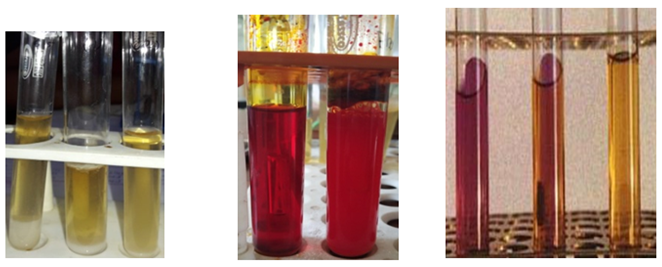
Probiotics together with Lactobacillus, Bifidobacterium and Streptococcus spp. are known to be inhibitory to the growth of a wide range of intestinal pathogens in humans.
In addition to positive effects against disease caused by an imbalance in the gut microflora, several experimental observations have revealed a potential protective effect of probiotic bacteria against the development of colon tumors [26]. Even though antimicrobial peptides have a spectrum of activity narrower than conventional antibiotics, lactic acid bacteria bacteriocins can penetrate the outer membrane of Gram-negative bacteria and in combination with other augmenting antimicrobial environmental factors, such as low temperature, organic acids and detergents induce the inactivation of Gram-negative bacteria [27]. Many studies showed growth inhibitory effects of probiotics against different pathogens, Ota, et al. reported that yogurt consumption causes intestinal colonization of probiotic bacteria such as Lactobacillus, and provided conditions to prevent colonization of EHEC. They observed that different lactobacilli culture supernatant can prevent growth of different pathogens such as Listeria monocytogenes, Salmonella, Shigella and Staphylococcus aureus [28].
Antimicrobial effects of probiotic Lactobacillus casei and Enterococcus fascium against Listeria monocytogenes, Escherichia coli, bacillus cereus and Salmonella enteritidis [29]. The results of the present study showed inhibitory effects of probiotic bacteria against E. coli strain. Similar studies confirmed antimicrobial effects of culture supernatant of probiotics, for example Hirano, et al. [30] showed growth inhibitory effects of L. plantarum and Lactobacillus curvatus against different pathogens with well diffusion method [31]. Matsusaki studied growth inhibitory effects of probiotic Lactobacillus with colony count method [32, 33, 34]. Based on the results of this study, it can be concluded that probiotic bacteria isolated from fermented dairy products can be used for inhibition and reduction of pathogens, including enteric pathogens and antibacterial effects of their metabolites are active and stable under different conditions of temperature, acidity, bile salt and NaCl (Figures 5-9).
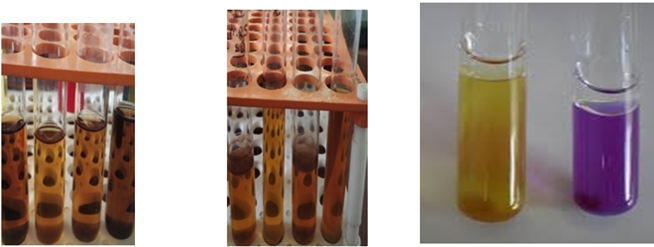
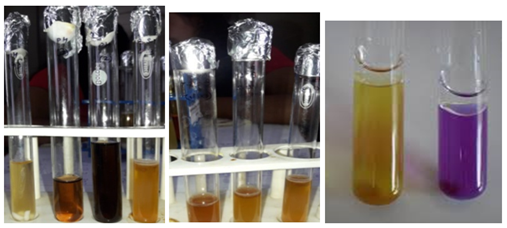
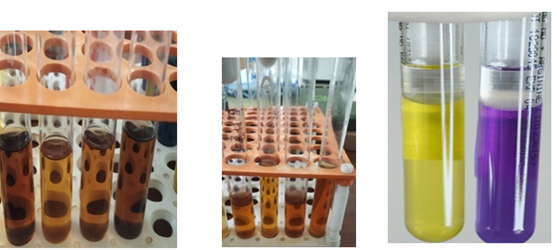
Figure7: Acid tolerance, bile tolrence and Arginine hydrolysis of yoghurt sample.
Conclusion
In conclusion, my study shows that the isolated probiotics from the different dairy products can tolerate low acid concentration and different bile salt concentration which proves that they can survive in the stomach as well as can tolerate bile salt in upper intestine. These fermented dairy products can be used as effective, low cost and rapid alternative sources of LAB. The present study also showed that the probiotic strains produced effective inhibitory substances against different test strains like E.coli, Pseudomonas spp., Streptococcus spp., Klebsiella spp. Therefore the probiotic cultures can be used in the food industry as starter cultures, co-cultures or bio preservative cultures, to improve food quality and food safety. The capability of the probiotics present in the dairy products that inhibit the growth of harmful bacteria confirms that the intake of probiotics is beneficial to human health. The present study suggests that the probiotics are helpful in the protection and improvement of our intestinal flora. These probiotics also protect against diarrhea, food poisoning and enteric infections. Based on the results of this study, the probiotic bacteria in fermented food can be used as an antimicrobial substance for reduction of pathogens, including enteric pathogens and antibacterial effects of the metabolites produced by the probiotic strains are active and stable under different conditions like temperature, pH and bile salt concentration. Also, this study showed that the novel probiotics can be used as a bio therapeutic agents or supplements for prevention of bacterial gastro-intestinal infection and other related enteric infections. Further studies are needed to be carried out in order to establish the beneficial effects of probiotics for human health benefits.
References
-
Eman A, Hoda M, Shekib AL (2017) Isolation and identification of Probiotic Lactic Acid Bacteria from dairy product. Biotechnology Research 3(3): 65-70.
-
Behboud J, Ali R, Siamak A (2011) Isolation and Identification of potentially probiotic bacteria from traditional dairy Products of ardabil region in Iran. Annals of Biological Research 2(6): 311-317.
-
Mandal S, Halder D (2015) Curd Lactobacilli with Probiotic Potentiality. Transl Biomed 6(2): 2-8.
-
Thoesen JC (1994) Suggested procedures for the detection and identification of certain finfish and shellfish pathogens. 4th (Edn.), Version 1, fish Health Section, American Fisheries Society.
-
Dunne C, Mahony L, Lisa M, Thornton G, Morrissey D, et al. (2001) In vitro selection criteria for the probiotic bacteria of human origin: correlate with the vivo findings. Am J Clin Nutr 73(2): 386S-392S.
-
Cho SS, Finnocchiaro T (2010) Handbook of Prebiotic and Probiotic Ingredient: health benefits and food application. Routledge Taylor & Francis Group, London, pp: 163-208.
-
Kawo AH, Musa AM (2013) Enumeration, Isolation and Antibiotic Susceptibility Profile of Bacteria Associated With Mobile Cellphones in a University Environment. Nigerian Journal of Basic and Applied Science 21(1): 39- 44.
-
Liu X, Wang S, Sendi L, Caulfield MJ (2004) High through put imaging of bacterial colonies grown on filter plates with application to serum bactericidal assays. J Immunol Methods 292(1-2): 187-193.
-
Montaño A, Bobillo M, Marshall VM (1993) Effect of sodium chloride on metabolism of two strains of Lactobacillus plantarum isolated from fermenting green olives.Lett Appl Microbiol 16(6): 315-318.
-
Xiong T, Li X, Guan Q, Peng F, Xie M (2014) Starter culture fermentation of Chinese sauerkraut: Growth, acidification and metabolic analyses. Food Control 41: 122-127.
-
Fitzsimons NA, Cogan TM, Condon S, Beresford T (1999) Phenotypic and genotypic characterization of non- starter lactic acid bacteria in mature cheddar cheese. Appl Environ Microbiol 65(8): 3418-3426.
-
Ayhan K, Durlu-Özkaya F, Tunail N (2005) Commercially important characteristics of Turkish origin domestic strains of Streptococcus actobacilli and Lactobacillus delbrueckii ssp. bulgaricus. Int J Dairy Technol 58(3): 150-157.
-
Pourahmad R, Assadi MM (2007) Use of isolated autochthonous starter cultures in yogurt production.Int J Dairy Technol 60(4): 259-262.
-
Scheirlinck I, Meulen RVD, Schoor AV, CleenwerckI, HuysP, et al. (2007) Lactobacillus namurensis sp. nov., isolated from a traditional Belgian sourdough. Int J Syst Evol Microbiol 57(2): 223-227.
-
Yu J, Gao W, Qing M, Sun Z, Wang W, et al. (2012) Identification and characterization of lactic acid bacteria isolated from traditional pickles in Sichuan, China.J Gen Appl Microbiol 58(3): 163-172.
-
McDonald LC, Flemming HP, Hassan HM (1990) Acid tolerance of Leuconostoc mesenteroides and Lactobacillus plantarum. Appl Environ Microbiol 56(7): 2120-2124.
-
Guyot JP, Calderon M, Morlon-Guyot J (2000) Effect of pH control on lactic acid fermentation of starch by Lactobacillus manihotivorans 18010T’. J Appl Microbiol 88(1): 176-182.
-
Naidu AS, Bidlack WR, Clemens RA (1999) Probiotic spectra of lactic acid bacteria (LAB). Crit Rev Food Sci Nutr 39(1): 13-126.
-
Suskovich J, Kos B, Beganovich J, Pavunc A, Habjanic K, et al. (2010) Antimicrobial Activity – The Most Important Property of Probiotic and Starter Lactic Acid Bacteria. Food Technol Biotechnol 48(3): 296-307.
-
Bergey DH, Holt JG (1994) Bergey’s manual of determinative bacteriology. 9th (Edn.), Williams and Wikins, Baltimore, Maryland.
-
Dhanasekaran D, Saha S, Thajuddin N, RajalakshmiM, Panneerselvam A (2010) Probiotic effect of lactobacillus isolates against bacterial pathogen in fresh water fish.J Coast Dev 13(2): 103-112.
-
Elizete DF, Pancheniak R, Carlos SR (2005) Biochemical characterization and identification of probiotic Lactobacillus for swine. Digital library of journals B, CEPPA Curitiba 23(2): 299-310.
-
Begly M, Gahan CGM< Hill C (2005) The interaction between bacterial and bile. FEMS Microbiol Rev 29(4): 625-651.
-
Graciela FV, Maria PT (2001) Food microbiology protocols. Probiotic properties of Lactobacilli Spencer Humana Press Inc, Totowa, New Jersey, USA.
-
Quwehand AC, Vesterlund S (2004) Antimicrobial components from lactic acid bacteria. In: Seppo S, et al. (Eds.), Lactic acid bacteria, microbiological and functional aspects, pp: 375-396.
-
Guarner F, Khan AG, Garisch J, Eliakim R, Gangl A, et al. (2012) World gastroenterology organisation guidelines: probiotics and prebiotics October 2011.J Clin Gasreoenterol 46(6): 468-481.
-
Moshood AY, Hamid THATA (2013) Lactic Acid Bacteria:Bacteriocin Producer: A Mini Review. IOSR Journal of Pharmacy 3(4): 44-50.
-
Kargar M, Homayoon M (2015) Prevalence of shiga toxins (stx1, stx2), eaeA and hly genes of Escherichia coli O157:H7 strains among children with acute gastroenteritis in southern of Iran. Asian Pac J Trop Med 8(1): 24-28.
-
Hassanzadazar H, Ehsani A, Mardani K, Hesari J (2012) Investigation of antibacterial, acid and bile tolerance properties of lactobacilli isolated from Koozeh cheese. Vet Res Forum 3(3): 181-185.
-
Hirano J, Yoshida T, Sugiyama T, Koide N, Mori I, et al. (2003) The effect of Lactobacillus rhamnosus on enterohemorrhagic Escherichia coli infection of human intestinal cells in vitro. Microbiol Immunol 47(6): 405- 409.
-
Mehrabian S, Tahmasbi H, Momtaz, H, Farahmandi SH, Davoodi JH (2012) Find carrying E.coli Shiga toxin genes of Multiplex Polymerase Chain Reaction method for Escherichia coli isolated from patients with acute diarrhea referred to Hajar hospital. 18(21): 8-14.
-
Lotfalie H (2004) Press start treatment Bushehr University of Medical Sciences. Intestinal bacteria (Enterobacteriaceae family), pp: 10-20.
-
Cencic A, Chingwaru W (2010) The role of functional foods, nutraceuticals and food supplements in intestinal health. Nutrients 2(6): 611-625.
-
Chimezie GD, Gloria L, Ebere I (2015) Microbiological load of yoghurt sold in Omoku schools, Rivers State, Nigeria. African Journal of Microbiology Research 9(34): 1960-1963.
- Antifungal Activity of New Acetophenone Derivatives
- Interconnected Microbiomes Human Health Within an Environmental Framework
- Silkworm-Based Vaccine Production for H5N1: A One Health Approach to Pandemic Preparedness
- Microbial Diversity and Lipolytic Activity of Bacteria and Fungi from Oil-Contaminated Sites in Makurdi Metroplois
- Antibiotic Resistance Profile of Bacteria Isolated at the Central Laboratory of the National Hospital Center of Nouakchott
- Epidemiology and Sensitivity to Antibiotics of Germs Isolated from Blood Cultures in the Laboratory of the National Hospital Center of Nouakchott-Mauritania