
Microbial Pesticides: A Nigerian Perspective on Sustainability of Health and Agriculture
The concerns on the use of insecticides have been in areas of agriculture and human health. Insect pests populating the farms damage crops leading to food insecurity. The use of chemical insecticides to treat insect infestation is quite popular in Nigeria in area of food crop production and in animal and human health management. These chemical insecticides often pose some health challenges to man and animals hence the need for safer bio-pesticides. Microbial insecticides consist of living cells of microorganisms Research method employed was by collection of secondary data from literatures on previous research works done. These include reports, journal articles, seminars, symposia, and conference papers. Literatures were collected online using the Dennis Osadebay University e-library. These organisms are reared using basic microbiological techniques. Mode of action of microbial pesticides is by contact, which is by entering the host through the outer protective covering or the intestine of the insect. These microbes act on the host (insects) either by elimination or by altering some of their physiological functions. They may act directly on the insects or by the action of their toxins. The toxins can be used independently as bioactive substances in place of the microbial species. Microbial insecticides can be applied as sprays, dusts, liquid drenches, liquid concentrates, wet-table powders or granules. The bio-insecticides have the capacity to ensure the safety of humans and other non-target organisms. They leave less or no residue deposits in food and are ecologically friendly.
Contribution/Originality
Increase in global food shortage arising from damage done to crops by insect pests has increase the use of chemical pesticides. Consequently, there is increase in chemical pollution of the environment and its associated health hazards to man and farm animals. Microbial pesticides help mitigate the effect of the use of chemical insecticides, improve crop production and enhance reduction in the spread of insect vectors and environmental chemical pollution. The authors accept responsibility for the originality of this work and declare their consents on its publication.
Introduction
The need for insecticides stems from the desire to reduce insect population essentially those that have impacted negatively on our environment. These concerns have been in areas of agriculture and human health. Insect pests populating the farms damage crop production leading to food insecurity. These insects feed on leaves of crops. In so doing, reduces photosynthesis thereby reducing productivity of the affected crop plants. Some inflict injury on parts of the plant predisposing them to disease attacks. Incriminated insects in crops and human diseases include Aphids, Caterpillars, Grasshoppers, Crickets, Weevils, Locusts, Beetles, Fruit flies, Mosquitoes, Tsetse fly, Sand fly, and so on. The use of chemical insecticides to treat insect infestation is quite popular in Nigeria and has been so much beneficial in food crop production and in animal and human health management. This is because of their use as pests’ control agents and also in seeds and fruits preservation. These chemical insecticides often pose some challenges to man and animals’ health hence the need for safer bio-pesticides [1]. Microbial insecticides, as an alternative to their synthetic counterparts, consist of living cells of microorganisms such as bacteria, fungi, protozoa and nematods; although, viral particles have been rarely use as bio-pesticides. These microbes act on the host (insects) either by elimination or by altering some of their physiological functions. They may act directly on the insects or by the action of their toxins. The toxins can be used independently as bioactive substances in place of the microbial species. The virulent effect of the microorganisms is usually specific on their target host species. Also, microbial insect-pathogens enter the host through the outer protective covering or the intestine of the insect. This leads to increase in the population of the invasive microbes within the host’s gut. Colonization by the microbes and attack on the intestinal wall kills the host insects. These virulent microorganisms are capable of producing insecticidal toxins which play role in pathogenesis. These toxins are peptides in nature and vary greatly in specificity, structure and toxicity [2]. The integrated pest management (IPM) developed by Flint and van den Bosch [2] contributed immensely to this practice. It is an environmental based pest control method and relies mainly on natural processes of death enhanced factors which control system that coordinately and gradually disrupts these pests. An IPM uses all possible pest control methods [2, 3] and evaluates the possible synergy among the various pest control practices, target pests, erosion impact on the host and the crop involve [4]. Microbial pesticides key appropriately into the IPM programme in that it is a natural process and helps to check the likely contamination and pollution of the environ. These bio-insecticides have the capacity to ensure the safety of humans and other non-target organisms [2, 5, 6]. They leave less or no residue deposits in food and are ecologically friendly [1, 7]. It is expedient to note that its non pathogenic effect on some non targeted species may be disadvantageous since some natural enemies can be preserved within the ecological niche hence increasing biodiversity in the managed ecosystem [8]. Also, advantageous in that some microbial agents with high level of specificity against target pests can facilitate the survival of beneficial insects in treated crop farms. For this reason, interest in the development of microbial insecticides as biological control agents has increased in the last three decades [8]. According to Onianwah, et al. [7], microorganisms as active insect mitigating ingredient can control different pests, even though each microbe is relatively specific for its target host. For instance, while Bacillus thuringiensis may be more effective on Aedes aegypti, Bacillus sphaericus strain is more effective on Culex quinquefasciatus [9]. These microbial insecticides can be applied as sprays, dusts, liquid drenches, liquid concentrates, wet-table powders or granules.
Research Methods
Research method was by collection of secondary data from literature on previous research works done. These include review of reports, journal articles, seminars, symposia, and conference papers. Articles were also downloaded from reputable journals online. Most literatures were collected online using the Dennis Osadebay University e-library in Anwai, Asaba Delta State of Nigeria.
Insect Pests and Challenges in Health and Food Crop Production
The global increase in food insecurity and the increase in insect mediated health challenges necessitate this paradigm shift in demand for alternative means of curbing the menace of insects’ infestations in farms and as agents of disease spread in humans (zoonosis) [9]. Insect are known agent of disease spread serving as vectors for transmission of most human diseases such malaria (Mosquito), trypanosomiasis (Tsetse fly), cholera (House fly) and so on [9]. Pests also reduce the quality of crops. They eat up leaves of crops hence reducing the photosynthetic activity of the plants and crop yield [10]. They also inflict injuries on the plants thereby disposing them to disease attacks [9]. Besides; insecurity, poverty, harsh weather, flooding and drought impact negatively on agricultural productivity in Nigeria and the world over. Food, Drug and Agricultural Organization has projected an increase of 25.3 million people facing acute food shortage in Nigeria between June and August, 2023 against 19.45 million in 2022. World food programme (WFP) posted in her November, 2022 data showed that 26 states in Nigeria and Federal Capital Territory (FCT) have share in stressed food security situation. This has put Nigeria at 103rd position out of 121 countries evaluated of Global Hunger Index ranking [10] (Figures 1-4).
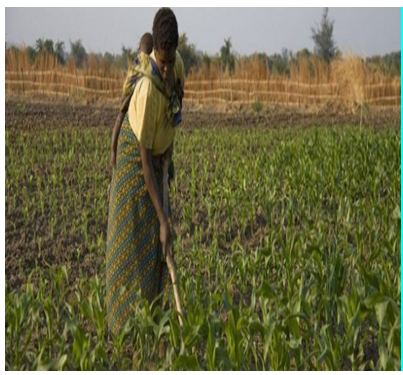
Figure 1 is a maize farm invaded by Caterpillars while
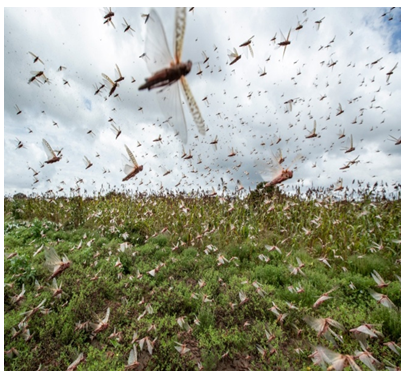
Figure 2 is an example of a devastated farmland by locust infestation in Igbuzo in Delta State, Nigeria.
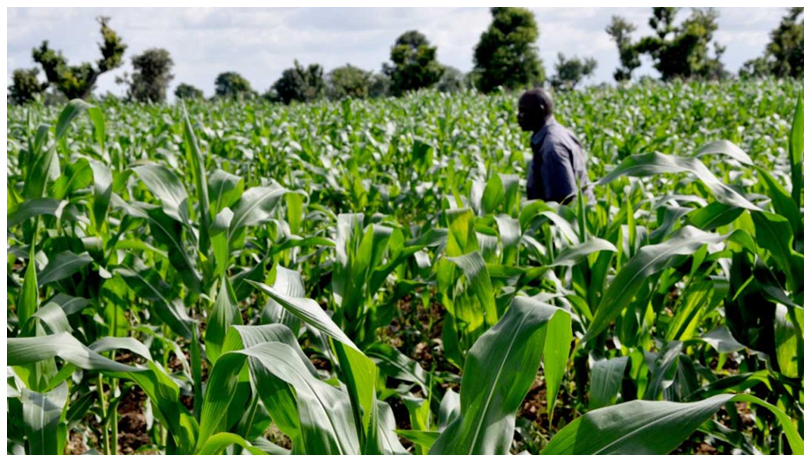
Figure 3 is a healthy maize farm subjected to pesticide treatment at different location within the same community

Types of Microbial Insecticides
There are five types of microbial insecticides, thus; viral, bacterial, fungal, protozoan and nematode insecticides. Of these five types, emphasis is being placed on bacterial and fungal based bio-pesticides due to their efficiency and ease of production. The mode of action and efficacy of these microbial insecticides depends on the type of interaction existing between these microorganisms and their target host insects [11]. Microbial pesticides can be formulated for acute and/or chronic use. Those for acute uses serve for immediate and short term and are associated with short shelf-life. However, those with chronic activities have long term effect and can be incorporated within adjuvant.
Bacteria Insecticides
Several bacteria species serve as pathogens to many insects. These bacterial species are vital in the development of microbial insecticides. Studies have shown that these bacteria are highly specific on their insect host and it makes it efficient for the development of alternatives to chemical insecticides. Species like Bacillus thuringiensis has been in use commercially for the past four decades [12]. Bacillus species like B. thuringiensis and B. sphaericus were found to be effective against mosquito [13] and other members of dipteran larvae. B. thuringiensis was discovered over four decades ago with associated increase in toxicity against mosquito larvae [14]. The same is also found in some bacteria genera especially members of Bacillus and Pseudomonas which have been established as microbial pesticides and are used in the control of insect pests and plant diseases. The most salient among these are insecticides based on several subspecies of B. thuringiensis which include B. thuringiensis var kurstaki and B. thuringiensis var aizawai and are highly toxic to larval of lepidopteran species. B. thuringiensis israelensis has pesticidal activity against mosquito larvae, black fly (simuliid) and fungus gnats. Other examples are B. thuringiensis tenebrionis with toxicity against different stages of coleoptera e.g. potato beetle (Leptinotarsa decemlineata). B. thuringiensis japonensis strain has insecticide activity against soil-inhabiting beetles [15, 16]. B. thuringiensis produces toxic crystalline protein that kills specific target insect pests like lepidopteran species. The crystalline proteins produce by B. thuringiensis binds with the gut receptor of the target insect pest [17].
Several Pseudomonas species have virulent effect on some insects with P.aeruginosa as the mostly widely reported bacterial insecticide. In addition to this, P. taiwanensis was also reported for its insecticidal activity against some crop pests like Plutellaxylo stella, Spodoptera exigua, Spodoptera litura, and so on. The bacterial cells habour toxin-complex genes that have specificity for host insects. The species P. fluorescence is known for its plant growth-promoting activity. Studies also supported the fact that P. fluorescence involves bacterial antagonists to control fungal pathogens [15, 16, 17]. Moreover, P. cepacia was also reported for its activity towards suppression of plant-pathogen by secretion of siderophores [17].
Fungi as Insecticides
According to Khachatourians [18], fungi constitute important group of microbial pest used in the management of insect pests in both terrestrial and aquatic habitats. This group of fungi is called the entomo-pathogenic fungi. The entomo-pathogenic fungi, in association with the insects, form obligate or facultative parasites, commensals or symbionts. These organisms are promising microbial pesticides that have so many mechanisms of pathogenesis. The fungal pesticides include members of the groups Hyphomycetes, Laboulbeniales, Pyrenomycetes and Zygomycetes containing the following species;- Verticillium lecanii, Beauveria bassiana, Paecilomyces farinosus, Metarhizium anisopliae, and Nomuraea rileyi. The commonest encountered insect pathogenic fungi are Metarhizium anisopliae and Beauveria bassiana and have been extensively studied for establishment of pathogenic processes and the manipulation of its genes to improve bio-control performance [19]. Additional copies of the gene encoding the regulating cuticle-degrading protease Pr1 were incorporated into the genome of M. anisopliae and are over-expressed. The mutant developed from the process dropped the life span of tobacco hornworm (M. sexta) by 25% when compared with the wild-type strain [20]. The genus Trichoderma was also found to be effective against soil-borne root rot diseases of dry land crops such as those of groundnut, black gram and chickpea. Trichogramma species are known to attack the eggs of many lepidoptera of sugarcane inter node borer, spotted bollworm in cotton, pink boll worm, and stem borer in rice. They are also used against vegetable and fruit pests.
Production of Microbial Pesticides
The production of microbial pesticides involves fermentation processes as earlier stated. The mass- production of bacteria or fungi species is done using a submerged liquid or solid-state fermentation or both. These processes could be targeted at a specific microbial pesticide and can be developed in a well-designed culture medium [21, 22]. In the process, some environmental conditions are critical and must be monitored to enhance the achievement of the end product. These conditions include dissolved oxygen, pH and reproductive spore cells production. End products are created by incorporating the microbial component with carriers or adjuvant that facilitates better protection [22] of the microbial pesticides from adverse environmental conditions. This ensures survival of the microbial agent, controlled rates of release, enhanced bioactivity, improved shelf life, and stability
Mode of Action of Microbial Pesticides
Most microbial insecticides are contact poison. This implies that they must be attached or consumed before they could act on the host. Sometimes, these organisms are not ingested but the toxin which poisons the insects [21]. For instance, Bacillius thurigiensis attacks caterpillar of most butterfly. The toxins produced bind to the specific receptors on the gut wall [22]. Consequently, the caterpillar stops feeding and the outer wall breaks down resulting to death.
Some subspecies of B. thurigiensis attacks mosquito, black fly, fungus gnat larvae and beetles.
Toxicity of B. thurigiensis strains is due to the presence of parasporal inclusion bodies (δ-endotoxins) produced during sporulation [22, 23]. These endotoxins upon consumption by the larvae of insects result in high toxicity. B. thurigiensis and their subspecies have the potential to produce other forms of crystal proteins (δ-endotoxins) which, when ingested by the larvae, damage the gut tissues leading to paralysis of gut [23, 24]. At this stage of paralysis, the infected larva stops feeding and eventually dies [25, 26, 27]. Gray, et al. [28] reported that B. thurigiensis toxins (bacteriocin) produced by plant growth-promoting Rhizobacteria, also have insecticidal property.
The pathogenic action of these microbes is based on contact with the insect host. They infect and/or kill sucking insect pests [21, 29, 30]. Fungi attack insects by contact with their sexual spores which attaches to the insects cuticle and germinates on it under favourable environment conditions [31]. They do not have to be ingested like bacteria and viruses. Fungi attack different stages of the insect. On germination of the spores on the body of the insects, toxins are released on them which eventually kill the insects. There is specificity in pathogenicity of some fungal species [32]. Fungi used as insecticides includes Beauveria bassiana of many beetles and fire ants, Nomuraca rileyi of foliage caterpillars, Verillium lecanii of aphids and white flies, Lagenidium gigantuan of most mosquito larvae and Hirsutella thompsonii of citrus rust mite. These fungi attack the host through the integument or gut epithelium and form their conidia in integuments of the host [33]. Some species such as B. bassiana and M. anisopliae cause fungal insect disease, and after killing the host, the dead body become overgrown with fungal mycelia [34]. Some fungi such as Streptomycetes act by the action of its toxins against insect hosts [35]. According to Cole and Robinson [36], there are over fifty (50) compounds produce by fungi that are reported to have activity against insects of the groups Orthoptera Lepidoptera, Mites, Homoptera and Coleoptera. The most effective compounds of fungal origin against insect pests are actinomycin a cycloheximide and novobiocin. Also, spinosyns are bio-insecticidal substances isolated from the Saccharopolyspora spinosa, an actinomycetes [37]. The insect pathogenic fungi have a wide range of host susceptibility and are quite easy to mass produce [38].
Method of Application
Microbial insecticides are usually applied at site of feeding of the host, on leaves or other environments. Besides, some toxin genes can be engineered into several crops. Seed colonization with bio-pesticides can be done using Pseudomonas maltophilia. This microorganism controls root rot up to 40.8% as mixed culture with Rhizoctonia bataticola, R. solani, Fusarium oxysporum and Sclerotinia sclerotiorum [39] at room temperature. Microbial pesticides should be continuously checked to prevent injury to non-target organisms, including humans [40]. Biopesticides can be pressurized and applied as sprays in the form of aerosols on crop plants [1].
Biochemistry of Microbial Biopesticides
As previously stated, some of these biopesticides produce proteinaceous toxins which antagonize their insect host. Besides, they are known to produce anti-pest chemical compounds arising from fermentation processes. According to Gaur and Sharma [41], the fermentation processes provide readily source of bioactivity against target organisms of human and agricultural interest. Anti-insecticides’ compounds derived from non-filamentous bacteria (e.g. aminolevulinic acid, thuringiensin, xenorhabdins and thiolutin), actinomycetes (actinomycin A) and some fungi (e.g. cyclic peptides, aplasmomycin, citromycin, milbemycins, avermectins, piericidins, nikkomycin, spinosyns, etc.) are known antagonists to insect pests. These compounds are known growth inhibitors and physiological disrupters and toxins to many pests [35, 42, 43].
Genetic Improvement of Insecticides
The genetic modification of bacterial and fungal pesticides has resulted to more effective biopesticides by accelerating their rate of reproduction, increase rate of transmission and infective ability or by increase in the amount of toxin produced [44]. According to Lereclus, et al. [45] and, Kalra and Khanuja [32], genetic manipulation of B. thuringiensis produced strain with insecticidal action against Coleoptera and Lepidoptera species of insects thereby enhancing the activity of B. thuringiensis on crops or soil. The B. thuringiensis proteins of Cry34 and Cry35 classes have binary toxins which act against western corn rootworm (Diabrotica virgifera virgifera). Schnepf, et al. [46] established that a combination of Cry34A/Cry35A is more active than the Cry34B/Cry35B pairs. They added that the binary Cry34/Cry35 B. thuringiensis crystal proteins are closely related to each other and are environmentally widespread. Their sequence similarities are consistent with their activity and are by membrane disruption in target host. Genetically transformed Cry35 proteins (whose segments, domains and motifs), have been incorporated to other proteins to boast insecticidal activity against the test pests [46]. Similarly, a polypeptide (Cry8Bb1) from B. thuringiensis has equally been manipulated to contain a proteolytic protection site, making it resistant to plant protease, facilitating protection to toxin from any proteolytic inactivation. Modified Cry8Bb1 is widely used to control Alfalfa weevils, corn rootworms, boll weevils, and potato beetles [47, 48]. Fang, et al. [48] postulated that B. cereus group genomes have a Bacillus enhancin-like (bel) gene, which promotes the insecticidal action of B. thuringiensis-based biopesticides [48, 49]. The synergy of Bel and Cry1Ac increases the mortality rate by 2.2- fold [48]. Bacillus thuringiensis is widely used as biopesticide globally. For instance, the cabbage head caterpillar is quite susceptible to most of the Cry1A toxins such as Cry1Aa, Cry1Ab and Cry1Ac [50, 51, 52].
Commercial Products
The common commercial products of bacteria bio- insecticides include members of the genus Bacillus which are Gram positive rod shaped spore formers. They include B, thurigiensis, B. papillae, B. sphaericus and B. lentimorbus. Some common bacteria formation of B. thurigiensis are marketed as Dispel®, Javelin®, Thuricide®, Worm Attack®, Caterpillar Killer®, Bactospein® and SOK-Bt®. It is used worldwide for the control of many important plant and animal pests. According to Huang, et al. [53], Bacillus thurigiensis is the most common bacteria insecticides and has subspecies B. thurigiensis var kurstaki used against the larva of butterfly, B. thurigiensis var aizawai used for wax moth larvae in honey bee hive, B. thurigiensis var san diego and B. thurigiensis var tenebrionis against many beetles.
Advantages of Microbial Insecticides
- Organisms used are nontoxic and nonpathogenic to organisms not closely related to the target pests. Therefore must be considered safe to man and farm animals
- The action of microbial insecticides is specific to a single group or species of insects.
- They are not deactivated or damaged by conventional insecticides so can be used in conjunction with synthetic chemical insecticides.
- Because microbial insecticides are non toxic, it could be applied at all times even at the point of harvest.
- Microbial pesticides may become established in an environment and provide control during subsequent pest generations or season.
- Since they are green in nature, they are easily biodegraded and do not leave behind residue pollutants that is characteristics of chemical insecticides [54].
- Production is not cumbersome and it is cost effective. It is characterized by fast rate of production.
- It is a very good source of revenue. In developed countries such as United States of America, biopesticides’ market has grown to an estimated value of 1.5 billion Dollars in 2023 [55].
Conclusion
Microbial insecticides offer effective alternative to synthetic insecticides. The advantage of being non toxic to humans, farm animals and plants ranks it above their synthetic counterparts. Besides, the indiscriminate use of synthetic pesticide is detrimental to the environment and human health and also increases insect resistance to pesticides. The activities of these bio-insecticides are enhanced by adequate planning bearing in mind the deactivating effect of environmental factors such as temperature, desiccation and sunlight (UV-radiation). The demand for microbial pesticides is rising steadily in all parts of the world. When used in an integrated pest management systems, its efficacy can be equal to or better than conventional products. By combining performance and safety, biopesticides perform efficaciously with minimum application restrictions along with human and environmental safety benefits. Since they are specific in nature, users must properly identify target pests and plan the most effective application technology. There is future prospect of the use of microbial pesticides mostly in agriculture and horticulture.
References
-
Onianwah FI, Eze VE, Ifeanyi VO, Stanley HO (2020) Biodegradation ofparaeforce using yeast cells isolated from arable farmland in Obio/Akpor local government area of rivers state. Global Advanced Research Journal of Agricultural Science 9: 100-109.
-
Burges HD (1981) Safety, safety testing and quality control of microbial pesticides. In: Microbial control of pests and plant diseases. Academic, London, pp: 738- 768.
-
Birch ANE, Begg GS, Squire GR (2011) How agro- ecological research helps to address food security issues under new IPM and pesticide reduction policies for global crop production systems. J Exp Bot 62(10): 3251- 3261.
-
Flint ML, Bosch R (1981) Introduction to integrated pest management. 1st(Edn.), Plenum Press, New York, USA, pp: 256.
-
Suman G, Dikshit AK (2010) Biopesticides: an ecofriendly approach for pest control. J Biopest 3(1S): 186-188.
-
Chandler D, Bailey AS, Tatchell GM, Davidson G, Greaves J, et al. (2011) The development, regulation and use of biopesticides for integrated pest management. Phil Trans R Soc B Biol Sci 366(1573): 1987-1998.
-
Onianwah FI, Stanley HO, Eze VC, Ifeanyi VO, Ugboma CJ (2019) Evaluation of enzymes production activity of trichoderma, Aspergillus and Rhizopus species in Paraeforce (Herbicide) degradation. South Asian Journal of Research in Microbiology 5(3): 1-7.
-
Onianwah FI, Nwaugo VC, Chikezie-Abba RO, Onojafe J (2022) Microbial Diversity and Degradation of Petroleum Hydrocarbon in Impacted Soils and Water Bodies in Niger Delta Area of Nigeria. Journal of Asian Scientific Research 12(4): 249-259.
-
Lacey LA, Frutos R, Kaya HK, Vail P (2001) Insect pathogens as biological control agents: do they have a future?. Biol Control 21(3): 230-248.
-
FAO (2022) Food security in Sub-Saharan Africa.
-
USEPA (2008) Biopesticide. Washtington, DC, USA.
-
Gelernter W, Schwab GE (1993) Transgenic bacteria, viruses, algae and other microorganismsas Bacillus thuringiensis toxin delivery systems. In: Entwistle PF, et al. (Eds.), Bacillus thuringiensis, an environmental biopesticide: theory and practice. Wiley, Chichester, UK, pp: 89-124.
-
Revathi K, Chandrasekaran R, Thanigaivel A, Kirubakaran SA, Sathish-Narayanan S, et al. (2013) Effects of Bacillus subtilis metabolites on larval Aedes aegypti L. Pestic Biochem Physiol 107(3): 369-376.
-
Goldberg LJ, Margalit J (1977) A bacterial spore demonstrating rapid larvicidal activity against Anopheles sergentii, Uranotaenia unguiculata, Culex univittatus, Aedes aegypti and Culex pipiens. Mosq News 37(3): 355-358.
-
Carlton BC (1993) Genetics of Bt insecticidal crystal proteins and strategies for the construction of improved strains. In: Duke SO, et al. (Eds.), Pest control with enhanced environmental safety. ACS symposium series 524, American Chemical Society, Washington, DC, USA, pp: 326-337.
-
Copping LG, Menn JJ (2000) Biopesticides: a review of their action, applications and efficacy. Pest Manag Sci 56(8): 651-676.
-
Bailey KL, Boyetchko SM, Langle T (2010) Social and economic drivers shaping the future of bisological control: a Canadian perspective on the factors affecting the development and use of microbial biopesticides. Biol Control 52(3): 221-229.
-
Khachatourians GG (2009) Insecticides, microbials. Appl Microbiol, pp: 95-109.
-
St. Leger RJ, Wang C (2010) Genetic engineering of fungal biocontrol agents to achieve greater efficacy against insect pests. Appl Microbiol Biotechnol 85(4): 901-907.
-
St. Leger R, Joshi L, Bidochka MJ, Roberts DW (1996) Construction of an improved mycoinsecticide overexpressing a toxic protease. Proc Nat Acad Sci USA 93(13): 6349-6354.
-
Rahila N, Ghulam J, Farzana I, Kazmi AR, Solangi AH (2003) Repellency of neem seed oil obtained from different locations of Pakistan against red flour beetle. Pak Entomol 25(2): 201-206.
-
Petel T, Jakhmola SS, Bhadauria NS (2004) Effect of plant materials on rice weevil Sitophilus oryzae (Linn.) in wheat. Indian J Entomol 66(2): 99-101.
-
Thurley P, Chilcott CN, Kalmakoff J, Pillai JS (1985) Characterization of proteolytic activity associated with Bacillus thuringiensis var. darmstadiensis crystals. FEMS Microbiol Lett 27(2): 221-225.
-
Aronson AI, Shai Y (2001) Why Bacillus thuringiensis insecticidal toxins are so effective: unique features of their mode of action. FEMS Microbiol Lett 195(1): 1-8.
-
Betz FS, Hammond BG, Fuchs RL (2000) Safety and advantages of Bacillus thuringiensis protected plants to control insect pests. Regul Toxicol Pharmacol 32(2): 156-173.
-
Zhu YC, Kramer KJ, Oppert B, Dowdy AK (2000) cDNAs of aminopeptidase-like protein genes from Plodia interpunctella strains with different susceptibilities to Bacillus thuringiensis toxins. Insect Biochem Mol Biol 30(3): 215-224.
-
Darboux I, Nielsen-LeRoux C, Charles JF, Pauron D (2001) The receptor of Bacillus sphaericus binary toxin in Culex pipiens (Diptera: Culicidae) midgut: molecular cloning and expression. Insect Biochem Mol Biol 31(10): 981-990.
-
Gray EJ, Lee KD, Souleimanov AM, Falco MRD, Zhou X, et al. (2006) A novel bacteriocin, thuricin 17, produced by plant growth promoting rhizobacteria strain Bacillus thuringiensis NEB17: isolation and classification. J Appl Microbiol 100(3): 545-554.
-
Barbara DJ, Clewes E (2003) Plant pathogenic Verticillium species: how many of them are there? Mol Plant Pathol 4(4): 297-305.
-
Pineda S, Alatorre R, Schneider MI, Martinez AM (2007) Pathogenicity of two entomopathogenic fungi on Trialeurodes vaporariorum and field evaluation of a Paecilomyces fumosoroseus isolate. Southwestern Ento 32(1): 43-52.
-
Kalra A, Khanuja S, Teng P (2007) Research and development priorities for biopesticide and biofertilizer products for sustainable agriculture in India. Agricultural and Food Sciences, Environmental Science.
-
Pekrul S, Grula EA (1979) Mode of infection of the corn earworm (Heliothis zea) by Beauveria bassiana as revealed by scanning electron microscopy. J Invertebr Pathol 34(3): 238-247.
-
Miranpuri GS, Khachatourians GG (1995) Entomopathogenicity of Beauveria bassiana toward flea beetles, Phyllotreta cruciferae Goeze (Col., Chrysomelidae). J Appl Ento 119(1-5): 167-170.
-
Dowd PF (2002) Antiinsectan compounds derived from microorganisms. In: Koul O, et al. (Eds.), Microbial biopesticides. Taylor & Francis, London, UK, pp: 113- 116.
-
Cole M, Robinson GN (1972) Microbial metabolites with insecticidal properties. Appl Microbiol 24(4): 660-662.
-
Hall FR, Menn JJ (1999) Biopesticides: use and delivery. 1st(Edn.), Humana Press, Ttowa, NJ, USA, pp: 626.
-
Pathak DV, Kumar M (2016) Microbial inoculants as biofertilizers and biopesticides. In: Singh DP, et al. (Eds.), Microbial inoculants in sustainable agricultural productivity. Springer, New Delhi, India, pp: 197-209.
-
Yadav E, Pathak DV, Sharma SK, Kumar M, Sharma PK (2007) Isolation and characterization of mutants of Pseudomonas maltophilia PM-4 altered in chitinolytic activity and antagonistic activity against root rot pathogens of clusterbean (Cyamopsis tetragonoloba). Indian J Microbiol 47(1): 64-71.
-
Mazid S, Kalita JC, Rajkhowa RC (2011) A review on the use of biopesticides in insect pest management. Int J Sci Adv Technol 1: 169-178.
-
Gaur RB, Sharma RN (2012) Bio-control technology: development, production and popularization for plant disease control in semi- arid region of Rajasthan, India – a success story. J Prog Agric 3(1): 1-7.
-
Kirst HA (2010) The spinosyn family of insecticides: realizing the potential of natural products research. J Antibiot 63(3): 101-111.
-
Koul O, Dhaliwal GS (2001) Microbial biopesticides. 1st(Edn.), Taylor and Francis, CRC Press, London, USA, pp: 352.
-
Shelton AM, Romeis J, Kennedy GG (2008) IPM and GM, insect-protected plants: thoughts for the future. In: Romeis J, et al. (Eds.), Integration of Insect-Resistant Genetically Modified Crops within IPM Programs. Springer, New York, USA, pp: 419-429.
-
Lereclus D, Vallade M, Chaufaux J, Arnates O, Rambaud S (1992) Expansion of insecticidal host range of Bacillus thuringiensis by in vivo genetic recombination. Biotechnology (N Y) 10(4): 418-421.
-
Schnepf HE, Narva KE, Evans SL (2007) Modified chimeric Cry35 proteins. US Patent 20077309785.
-
Abad AR, Flannagan RD, McCutchen BF, Yu CG (2008) Bacillus thuringiensis cry gene and protein. US Patent 2008 7329736
-
Fang S, Wang L, Guo W, Zhang X, Peng D, et al. (2009) Bacillus thuringiensis Bel Protein enhances the toxicity of Cry1Ac protein to Helicoverpa armigera larvae by degrading insect intestinal mucin. Appl Environ Microbiol 75(16): 5237-5243.
-
Manyangariwa W, Turnbill M, McCutcheon GS, Smith JP (2006) Gene pyramiding as a Bt r e s i s t a n c e management strategy: how sustainable is this strategy. African J Biotechnol 5(10): 781-785.
-
Srinivasan R, Hsu YC (2008) Susceptibility of major lepidopterans to a endotoxins and a formulation of Bacillus thuringiensis (Bt) on vegetable brassicas in Taiwan. Biocontrol Sci Tech 18(9): 935-939.
-
Machuka J (2002) Potential role of transgenic approaches in the control of cowpea insect pests. In: Fatokun CA, et al. (Eds.), Proceeding of world cowpea conference III, challenges and opportunities for enhancing sustainable cowpea production. International Institute of Tropical Agriculture, Ibadan, Nigeria, pp: 213-232.
-
Srinivasan R (2012) Integrated biopesticides in pest management strategies for tropical v e g e t a b l e production. J Biopest 5(Suppl): 36-45.
-
Huang F, Andow DA, Buschman LL (2011) Success of the high-dose/refuge resistance Management strategy after 15 years of Bt crop use in North America. Entomol Exp Appl 140(1): 1-16.
-
Chandler D, Bailey AS, Tatchell GM, Davidson G, Greaves J, et al. (2011) The development, regulation and use of biopesticides for integrated pest management. Philos Trans R Soc Lond B Biol Sci 366(1573): 1987-1998.
-
Singhal V (2004) Biopesticides in India. In: Kaushik N (Ed.), Biopesticides for sustainable agriculture, prospects and constraints. TERI, Delhi, India, pp: 31-39.
-
Sinha B, Biswas I (2008) Potential of biopesticide in Indian agriculture vis-a-vis rural development.
- Antifungal Activity of New Acetophenone Derivatives
- Interconnected Microbiomes Human Health Within an Environmental Framework
- Silkworm-Based Vaccine Production for H5N1: A One Health Approach to Pandemic Preparedness
- Microbial Diversity and Lipolytic Activity of Bacteria and Fungi from Oil-Contaminated Sites in Makurdi Metroplois
- Antibiotic Resistance Profile of Bacteria Isolated at the Central Laboratory of the National Hospital Center of Nouakchott
- Epidemiology and Sensitivity to Antibiotics of Germs Isolated from Blood Cultures in the Laboratory of the National Hospital Center of Nouakchott-Mauritania