
Nutritional and Health Benefits of Microorganisms for Sustainable Food and Medicine
The term ‘single cell protein’ was coined in 1968 at a meeting held at the Massachusetts Institute of Technology (MIT) to replace the less aesthetic ‘microbial protein’ and ‘petroprotein’ which were the terms originally used. Use of microbes as a food source may appear to be unacceptable to some people but the idea of consumption of microbes as food for man and animals is certainly innovative to solve the global food problem. Single cell protein (SCP) has many applications in food and feed industries The microorganisms which can be used as SCP include a variety of bacteria, marine microalgae, Dried cells of bacteria, algae, yeast, and fungi, which are rich in proteins and could be used as dietary supplements, are called Single Cell Proteins (SCP). The use of microbial protein as food has several advantages over conventional proteins. Microbial proteins are healthy source of vitamins, carotenes and carbohydrates. The concept of probiotics is the colonization of beneficial bacteria in the intestinal tract, promoting efficient functioning of digestion, helping prevent digestive upsets, and stimulating and maintaining the natural immunity of the body. Probiotic bacteria are normal inhabitants of the intestines and are normally found in the healthy gut of all humans. Probiotics have been in use for as long as people have consumed fermented milks, but their association with health benefits dates only from the turn of the century when Metchnikoff drew attention to the adverse effects of the gut microflora on the host and suggested that ingestion of fermented milks ameliorated this so-called autointoxication. Supplementation with probiotics, prebiotics and synbiotics has shown promising results against various enteric pathogens due to their ability to compete with pathogenic microbiota for adhesion sites, to alienate pathogens or to stimulate, modulate and regulate the host's immune response. Hence, this review aims to study the nutritional and health benefits of microorganisms for sustainable food and medicine.
Introduction
At a meeting held at the Massachusetts Institute of Technology (MIT) the term ‘single cell protein’ was conceived in 1968 to replace the term ‘microbial protein’ and ‘petroprotein’ which were the terms originally used [1]. The thought of consumption of microbes as a food source for man and animals will play an important role to solve the global food problem though microorganisms as a food source are unacceptable to some people. In many ways single cell protein (SCP) can be used in food and feed industries [2]. A large number of bacteria, marine microalgae, yeasts and molds can be used as a source of SCP [1, 3, 4]. By utilizing cheap materials as substrate which is an economical source of protein SCP can be produced and can be used as animal feed or the protein rich food products for human consumption. Many microorganisms as a source of SCP have been used to convert a variety of substrates into biomass [5, 6, 7]. To mitigate the problem of worldwide protein shortage technologies for the production of SCP is a promising tool. Technologies for the SCP production played important role in bioconversion processes which turned low-value by-products into products with higher nutritional and market value and since SCP is one of the cheapest protein products in the market which can be used as food and feed, its production is profitable [8, 9].
According to Census Bureau of United States [10] the global population of human beings has been increased up to 250% in last six decades with a boost from 2.6 to 7 billion and it is expected that if the growth will continue with the same rate population may be 9 billion by 2042. The rising global population pressure creates challenges to fulfil the needs of food and feed. The growing Population cannot only dependent over agriculture, animal husbandry or fisheries for food. In most of the developed countries agricultural sector has been intensified. However, some of the countries are still facing the problems like hunger, malnutrition, food insecurity and food related diseases [10]. According to a study the World Health Organisation (WHO) has evaluated that in many developing countries, starvation, malnutrition and related diseases are very common today and up to 12,000,000 individuals lose their life every year [10, 11]. For livelihood of future indiscriminately growing population it is essential to explore other sources of food. Recently microorganisms are emerging as an alternative source of food and microbes can be used for production of quality food resources and single cell protein. The rapidly growing world population result in the challenge of providing necessary food sources. To meet the increasing demand of protein supply also poses a problem since essential amino acids cannot be replaced. For humankind the growing world deficiency of protein is becoming a major challenge. Due to increasing demand of protein a lot of initiatives have been made since early fifties to search new, alternative and unconventional protein. For this cause, in 1996, microorganisms mainly bacteria, yeast, fungi and algae were used to produce protein biomass named Single Cell Protein (SCP). Carol L. Wilson in 1996 gave the term single cell protein. Single cell protein is dried cells of microorganism, which are used as a source of protein in human foods or animal feeds. Along with high protein content (about 60 82% of dry cell weight), SCP also contains fats, carbohydrates, nucleic acids, vitamins and minerals. Other benefits with SCP are that it is rich in certain essential amino acids like lysine and methionine which are limited to most plant and animal foods. Microorganism like bacteria, yeast, fungi and algae make use of inexpensive feedstock and waste to produce biomass, protein concentrate or amino acids. Conventional substrates such as starch, molasses, fruit and vegetable wastes have been used for SCP production, as well as unconventional ones such as petroleum by-products, natural gas, ethanol, methanol and lignocellulosic biomass are also used to produce SCP. The protein achieved from microbial sources is named as Single Cell Protein (SCP).
The idea of probiotics is the establishment of beneficial bacteria in the intestinal tract, encouraging efficient functioning of digestion, reducing digestive upsets, and stimulating and enhancing the natural immunity of the body. Probiotic bacteria are natural inhabitants of the intestinal tracts and are normally detected in the healthy gut of all humans. Probiotics have been used since ancient times for as long as people have consumed fermented milks, but their relationship with health benefits dates only from the turn of the century when Metchnikoff observed the adverse effects of the gut microflora on the host and proposed that ingestion of fermented milks have health benefits. The use of the term ‘probiotic’ as a source of food supplements specifically intended to improve health, dates from 1974 when Parker used it to express probiotics as growth- promoting animal feed supplements. He defined the term probiotic as ‘organisms and substance which add to intestinal microbial stability. Combination of probiotics, prebiotics and synbiotics has been found to be effective against various enteric pathogens due to their ability to compete with pathogenic microbiota for adhesion sites, to disaffect pathogens or to activate, improve and balance the host’s immune response. Hence, this review aims to study the advantageous impact of probiotics, prebiotics and synbiotics.
Microorganisms for Single Cell Protein Production
Bacteria, yeasts, fungi and algae are used to produce biomass. The option of microorganism for biomass production depends on numerous factors such as, the microorganism should grow faster and a wide range of materials may be accounted as suitable substrates. The other criteria may be nourishment (energy value, protein content, amino acid balance) and practical (type of culture, type of separation, nutritional requirements). Under sterile condition the desired microorganisms should be cultured on a suitable medium. Microorganisms used for production of SCP must have the following characteristics which are:
- Should be non-pathogenic and non-toxic to plants, human and animals
- Must be used as food and feed
- Should have good nutritional values
- Should be free from toxic compounds and
- Low production cost.
- High specific growth rate (m) and biomass production
- High affinity for the substrate
- Lesser requirement of nutrition, i.e. few indispensable growth factors
- Capability to utilize complex substrates
- Capability to develop higher cell density
- Stable during cell multiplication
- Should be genetically modifiable
- Must be able to tolerate variation in temperature and pH
- Balanced protein and lipid composition.
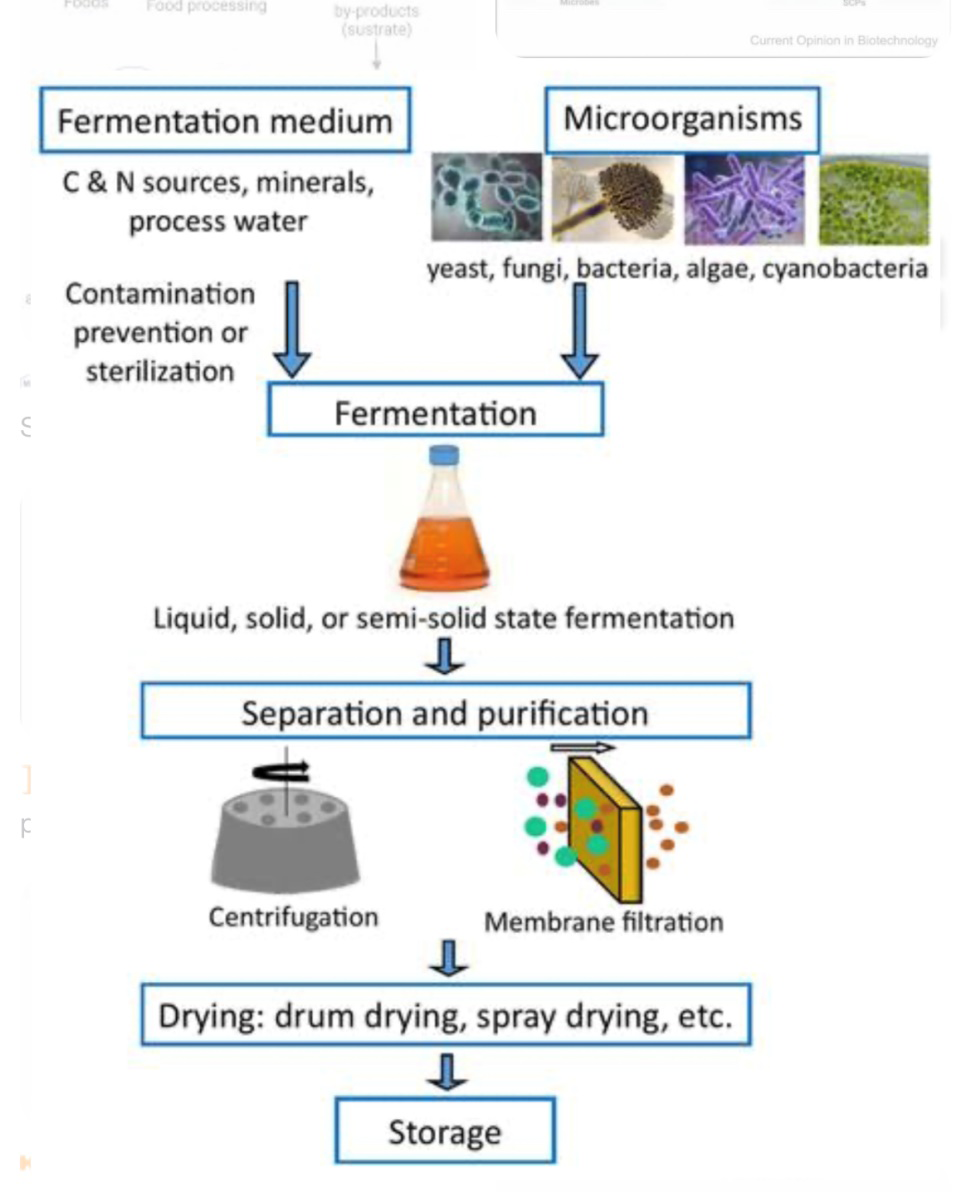
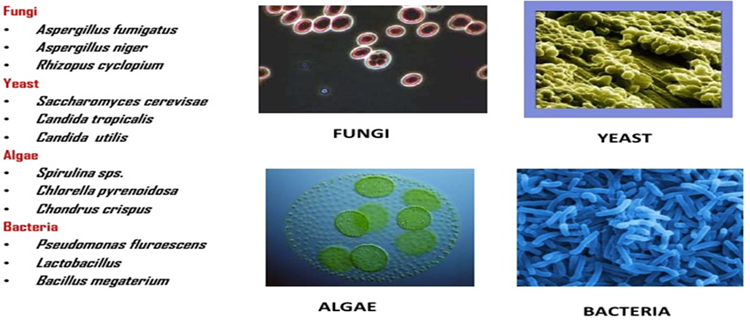
- Contain low nucleic acid, good digestibility and non-toxic. The bacteria include Brevibacterium, Methylophilusmethylitrophus, Acromobacterdelvaevate, A. calco acenticus, Aeromonas hydrophila, Bacillus megaterium, B. subtilis, Lactobacillus, Cellulomonas, Methylomonas methylotrophus, Pseudomonas fluorescens, Rhodo pseudomonas capsulata, Flavobacterium, Thermomonosporafusca and algae used are Chlorellapyrenoidosa, Chlorella sorokiniana, Chondruscrispus,, Scenedesmus acutus and Sprulina maxima, S. platensis. The filamentous, fungi that have been used include Chaetomium celluloliticum, Fusarium graminearum, Aspergillus fumigatus, A. niger, A. oryzae, Cephalosporium cichhorniae, Penicillium cyclopium, Rhizopus chinensis, Scytalidium acidophlium, Tricoderma viride, T. alba, etc. Yeasts such as Candida utilis, C. lipolytica, C. tropicalis, C. intermedia and _Saccharomyces cerevisiae (_Figure 1).
Microorganisms Used
Many species of yeasts, bacteria, fungi and algae are used for production of SCP. Two species of algae, Scenedesmus acutus and Spirulina maxima, have been used for production of SCP in culture ponds. There use is limited in two ways. (1) Geographically, they require warm temperatures and plenty of sunlight in addition to carbon dioxide and (2) the cell wall of S. maxima are undigestible and are being cultivated on a large scale in Lake Texcoco in Mexico. The bacteria for SCP production include species of Pseudomonas Alcaligens spp. (utilize H2 and CO2), and Cellulomonas spp. (will break down cellulosic material). Bacteria are able to grow on a large variety of substrates, have a short generation time and are high in protein content. The use of bacteria as SCP is somewhat limited due to (1) poor public acceptance of bacteria as a source of food. (2) The size of bacteria is small and difficult to harvest and (3) the dry mass of bacteria contains higher nucleic acid. Yeasts are most widely accepted and used microorganisms as a source of SCP production. The strains of Candida utilis (torula yeast), it grows rapidly and canutilize substrates such as pentose as well as hexoses sugars and synthesizes its accessory foods for growth and development from simple compounds and are capable of production from raw materials that are comparatively poor in nutritional requirements. This is in contrast to S. cerevisae, which requires only hexose sugar and is highly fastidious in its growth requirements. Two exceptional varieties of Candida utilis have been used as a source of SCP. C.utilis var. major, contain larger cells than the original strain, and C. utilis var. thermophila is thermotolerant and are able to grow at temperature 36 to 39oC rather than at 32 to 34oC. C. arrborea (Monillia candida), C. pulcherrima and other yeasts also have been produced as a source of SCP. A lactose fermenting yeasts is generally used for production if the substrate is whey. Candida lipolytica strains are generally grown on alkanes and gas oil as substrate. Yeasts in general have several benefits over bacteria and algae including (1) greater public acceptance, (2) lesser nucleic acid content (3) harvesting is eaiser because of the size and concentration and (4) can grow in substrates of low pH. Other studies have used the yeasts Rhodotorula and Saccharomyces for the production of SCP Table 1 and Figures 2 & 3_._
| Protein content range (%) | Special Characteristics | Specific organisms-examples | Challenges | |
|---|---|---|---|---|
| Microalgae | 60 to 70 | Phototrophic growth | Chlorella vulgaris | Economical scale-up |
| Microalgae | 60 to 70 | Production of omega-3 fatty acids | Desmodesmus sp. | Cell disruption to release nutrients |
| Yeasts | 30 to 50 | Use of a variety of feedstocks | Saccharomyces cerevisiae | Improve protein and EAA |
| Yeasts | 30 to 50 | Production of vitamins and micronutrients | Candida utilis | EAA content |
| Bacteria | 50 to 80 | High protein content | Methylococcus capsulatus | Palatability issues |
| Bacteria | 50 to 80 | Growth on C1 substrates | Cupravidus nectar | - |
| Protists | 10 to 20 | Production of omega-3 fatty acids | Schizochytrium Limacinum | Improve protein content |
Table 1: Sources of Single Cell Protein.
Raw Material Used as Substrates
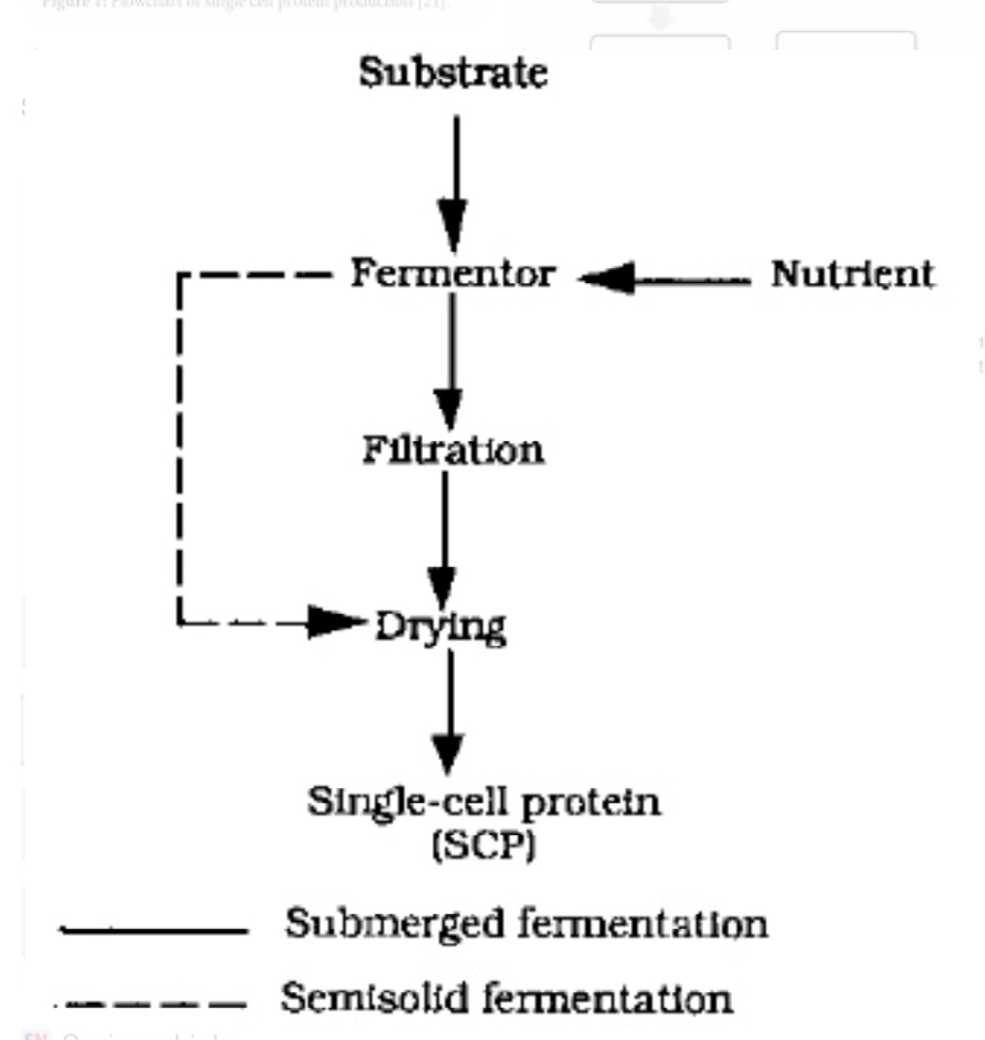
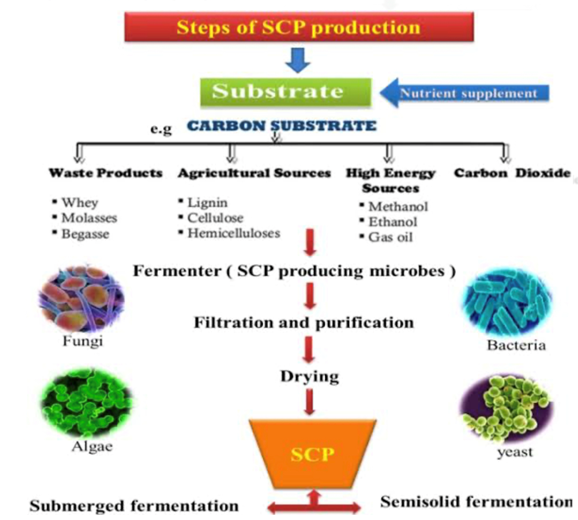
Materials that have been used as substrates for the production SCP (1) molasses from sugar industry or hydrolysis of starch, (2) spent sulfite liquor, which is obtained as a waste material during the sulfite- pulping process from the paper industry, (3) the acid hydrolysate of wood, (4) agricultural wastes, e.g., (4) agro waste biomass, e.g., whey from the dairy industry, fruit and vegetable processing waste and hydrolyzed starchy foods, e.g., grains and waste potatoes and fruit wastes, e.g., fruit juice or citrus- peel hydrolysate, (5) methane, (6) methanol and ethanol, as a carbon source for yeast, (7) paraffin or alkanes, (8) gas oil, the petroleum fraction between lubricating and diesel fuel, and (9) combustion gas, is used as a source of carbon dioxide for algal cultures (Figure 4).
Production of Algal Biomass
- Algae (cyanobacteria and unicellular eukaryotes) grow autographically and able to synthesize their food material by taking energy from sunlight or artificial light, carbon source from carbon dioxide and nutrients from carbohydrates present in the growth substrates. In some countries, growth of algae is performed in large trenches i.e. particularly in oxidation ponds containing sewage by using sunlight or in an artificial light. _
- _Chlorella strains are being used in biotechnology for a variety of applications. They work to enhance protein deficiency and can be used as feed for production of animal protein due to their very high protein contents.
- In many countries strains of Chlorella are used for oxidation of sewage and treatment waste water.
Factors Responsible for Biomass Production
Following factors affect the yield of biomass production:
- Illumination time;
- Intensity of light;
- CO2 Supply.
- Nitrogen sources (ammonium salts or nitrates are the suitable nitrogen sources which increase biomass yield);
- Agitation of growing cells to maintain cells in suspension.
Harvesting of Algal Biomass
- Cells are obtained by the concentration, dewatering and drying, sometimes flocculates.
- The recovery of Spirullina is easy because of their spiral filaments which floats on the surface of water as a result of the gas filled vaccums in their cells develop in algal mats. Cells are capable to fix atmospheric nitrogen, algal mats are filtered with the help of net and suspension of spirullina is dried with hot air to obtain fine powder.
Benefits from Spirulina SCP
Mass cultivation of Spirulatina has many advantages over Chlorella and Scenedemus which are mentioned as below:
- Being filamentous in nature Spirulina can be harvested by easy and low cost methods such as nylon or cotton cloth filter.
- Filaments of Spirulina float on water surface due to the presence of gas vacuoles.
Therefore harvesting of Spirulina becomes easier as compared to Chlorella and Scenedesmus. 3. Spirulina grows at high alkaline pH 8-11 so there is less chance of contamination in growth tanks. 4. Spirulina has thin cell wall hence heat drying is sufficient, in case of Chlorella and Scene desmus_spray drying is required which is costly, _5. Spirulina is highly digestive (85-95%) because of thin wall and low nucleic acid contents (4%). It contains higher amount of digestible proteins (62-72%), vitamins, amino acids and other nutrients.
Requirements for the growth of Spirulina Algal tanks: round or quadratic cemented tanks are used, due to easy handling circular tanks are used. Light: The intensity of light should be less at the beginning to prevent photolysis. Temperature: 35-45 degree Celsius is required. PH: 8.5-10.5 Agitation: Agitation is required to get good quality and better yield of the product. Harvesting: Due to the presence of gas vacuoles the filaments of spirulina grows on the surface of water and it forms thick mats and can be collected by fine mesh steel screens, nylon, cotton clothes etc. Drying: Due to the presence of thin cell wall, drying is most convenient and low cost method. In general the yield of spirulina powder is 8-12g. Avoid contamination: Monitoring of culture media is required due to chances of contamination.
Uses of Spirulina Single Cell Protein
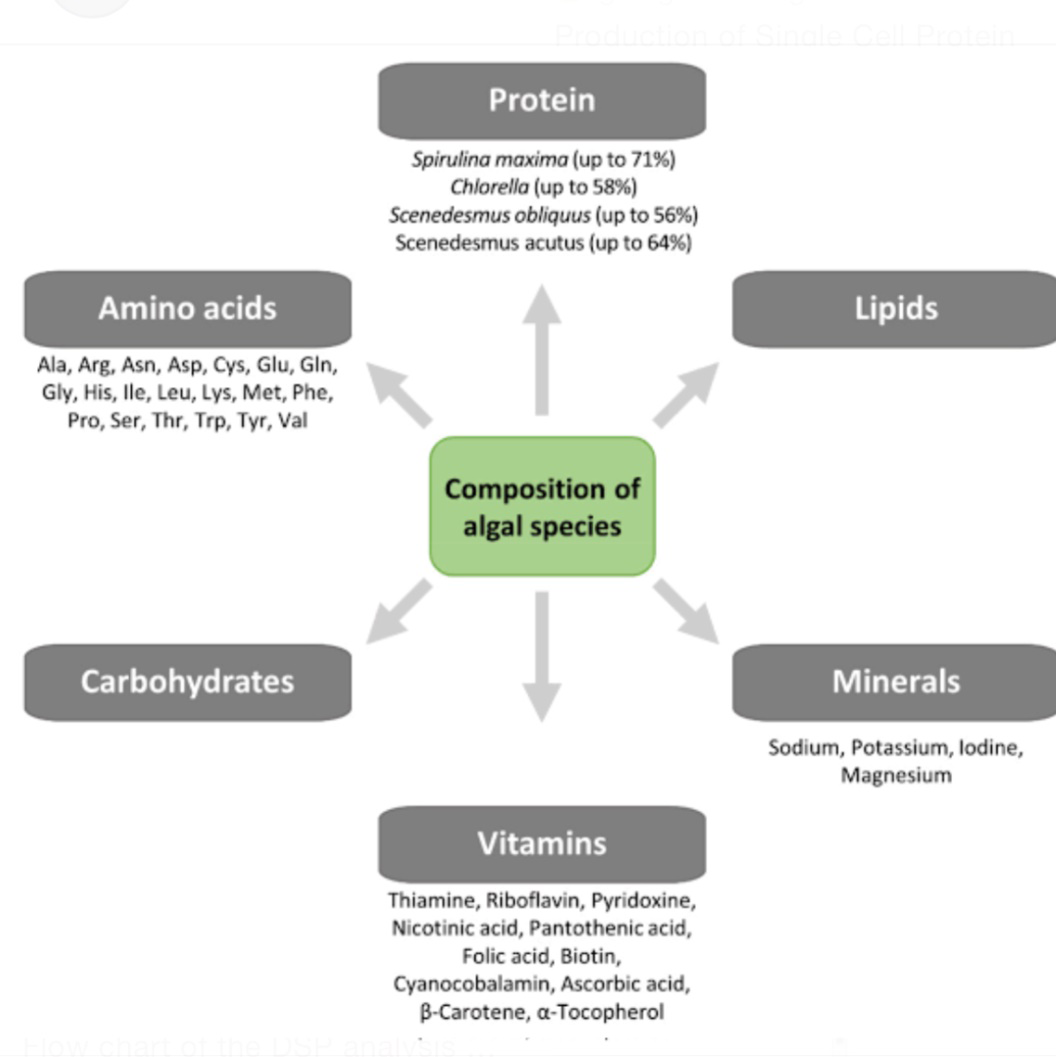
As Protein Supplemented Food: In developing countries Spirulina is used as a food supplement in diets of under-nourished poor children due to high amount of protein (60-72%), vitamins, amino acids, minerals, crude fibers, etc.
As Health Food: The Sosa Texcoco Spirulina products are exported to USA as a health food. In health and food stores of Europe and France it is sold as a source of health food.
As a Curative and Natural Medicine: Spirulina has many therapeutic properties. Hence, it is used as health food and curative medicine also. It has been recommended by medicinal experts for reducing obesity, cholesterol and pre-menstrual stress and as a health supplements. Due to the presence of gamma-linolenic acid it lowers blood sugar level of diabetic patients and prevents the accumulation of cholesterol in human body. In Cosmetics: Spirulina contains higher amounts of proteins and vitamin A and B. Therefore it is used to maintain healthy hair and skin. Hence it is used in cosmetic and pharmaceutical industry for making variety of beauty products (Figure 5).
Nutritive Values and Use of SCP
The microorganism used has different nutritive value. The nutritive value depends upon the method of harvesting, drying, and processing has an effect on the nutritional content of the final processed product. Yeast used as SCP is rich in protein content and in most of the B complex vitamins and are deficient in amino acid content methionine and cysteine. Also, the thiamine content is less. Thiamine, riboflavin, biotin, niacin, pantotheinic acid, pyridioxine, choline, streptogenin, glutathione, and perhaps folic acid and p-aminobenzoic acid are added in varying amounts in yeast.
The United Nations Protein Advisory Group has outlined the major concerns for the consumption of SCP as human food: (1) high amount of nucleic acids (6 to 11 percent) increases serum uric acid levels which can cause kidney stone formation or gout (2) can carry carcinogenic factors from the diverse substrates. and (4) gastrointestinal problem resulting in nausea and vomiting.
Advantages of single-cell protein manufacture
- Micro-organisms grow very rapidly and produce a high yield. It has been calculated that 100 lbs of yeast produces about 250 tons of protein within 24 hours. Algae cultivated in ponds can produce 20 tons (dry weight) of protein per acre/year. It has been observed that the concentration of protein is 10-15 times greater than soyabeans and 20-50 times more than corn.
- For the growth of microorganisms industrial wastes or by -products can be utilized as a source of raw materials.
- The cells of microorganisms contain high protein content and in case of Pseudomonas spp the protein content has been found to be very high 60 per cent protein in dried cells of Pseudomonas spp; 40-50 per cent in yeast cells and 20-40 per cent in algal cells have been estimated.
- The vitamin content of yeasts is high.
- All essential amino acids are found to be present in single-cell proteins.
6. Disadvantages of single-cell protein production 7. The growth rate of yeast is low and it contains low amounts of protein and methionine. 8. Moulds also have their restrictions due to lower growth rates and lesser protein content. 9. Due to the presence of cellulose in the cell wall of algae it is difficult to digest. Heavy metal accumulation in algae may be detrimental to living beings. 10. Due to small size and low density the harvesting of bacterial cell from the fermented medium becomes difficult and expensive. 11. High nucleic acid content in bacterial cell adversely effects human beings by increasing the uric acid level in blood. Additional steps to overcome this problem make the production costly.
Concept of Probiotics
The concept of probiotics is the colonization of good bacteria when adequately administered in the intestinal tract confers health benefits, improves digestive functions, help in improving digestive upsets, and boosting the natural immunity of the body. In the intestine probiotics are natural commensal. Probiotics have been used since ancient times when people started consuming fermented dairy products but the health benefits of probiotics were not known. Metchnikoff observed that the ingestion of fermented milks containing probiotic bacteria results in auto-intoxication and reduces the adverse health effects of the gut microflora on the host. Later work, suggested that colonization of the gut with good bacteria was essential for the maximum effect of autointoxication, Lactobacillus acidophilus supplements was used for the treatment of constipation. In 1974 Parker used to describe probiotics contribute to intestinal microbial balance. He used the term probiotic to describe food supplements specifically designed to improve health.
Important Properties of Beneficial Bacteria
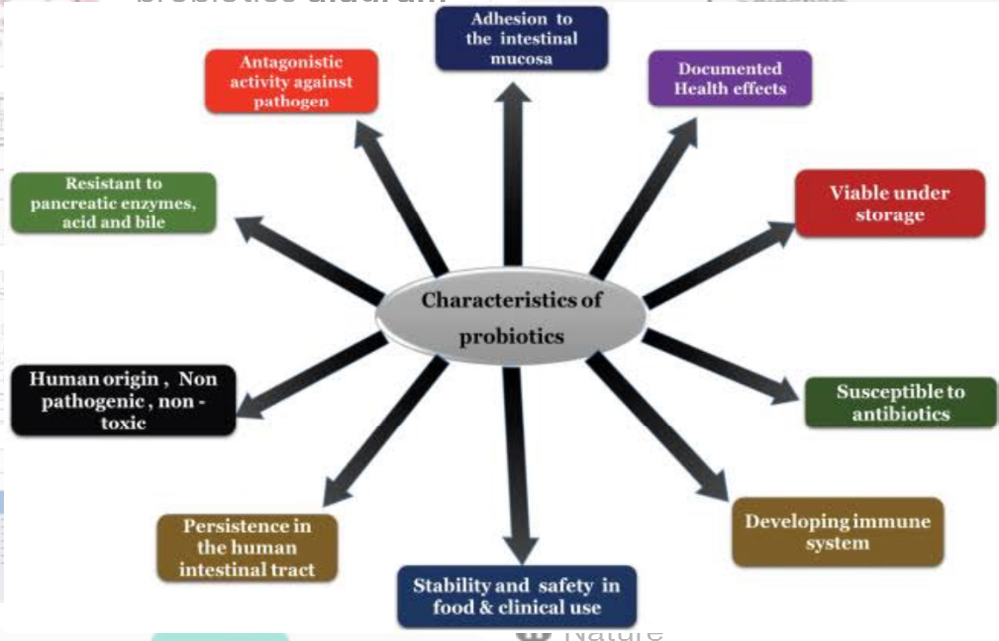
Some important properties of Lab acidophilus, Lab. reuteri and Bifidobacterium species are briefly explained here. The above mentioned probiotic strains are present in the GI tract of humans as well as animals and birds. They are Gram- positive rods and grow under anaerobic conditions. Lab, acidophilus are homofermentative and produces lactic acid, lab reuteri is a heterofermentative and produces lactic acid, ethanol and CO2; lactic and acetic acids (2:3 ratio) are produced by Bifidobacterium species. They are resistant to stomach acid and bile than many other bacteria under a given condition, and are able to survive in the presence of lysozyme and pancreatic enzymes present in the GI tract (small intestine). The Lactobacillus species are present in low concentration in the jejunum, but are found in higher numbers in the ilium, especially towards the distal part, in the proximate part of the colon (near the ilium) Bifidobacterium species are present. All three strains can colonize in their individual niches, but Lab, acidophilus reveal that all strains do not adhere to the GI mucosa of the host. These three species under normal conditions help in maintaining the microbial balance of GI tract microflora by inhibiting growth of undesirable microflora. The antimicrobial property of lactic acid bacteria effect is produced through their ability to metabolize relatively large amounts of lactic and acetic acids. In addition, they can produce antimicrobial substances like bacteriocin. Bacteriocins are produced by many strains of Lab. Acidophilus, and are most effective against closely related gram positive bacteria.
Studies have shown that when these bacteria are present in relatively high numbers in the intestinal tract beneficial effects are observed. Diets rich in foods from animal sources, seem to favor their presence in higher numbers. Many factors in a host can reduce microflora in the GI tract, such as antibiotic intake, mental stress, starvation improper dietary habits, alcohol abuse, and sickness and surgery of the GI tract. Which can result in the growth of undesirable indigenous or transient bacteria in high numbers and produce enteric disturbances, including diarrhea, flatulence and infection by enteric pathogens? Figure 6.
Beneficial Effects of Probiotics
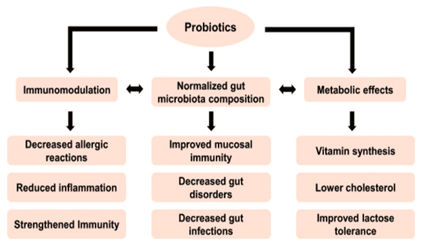
Since last 40 years, studies have shown specific health benefits from the consumption of beneficial bacteria. Beneficial bacteria have been found to be present in three principal sources: (1) as fermented milk products, such as yogurt, which contains live cells of Lab. Delbrueckii ssp. Bulgaricus and Streptococcus thermophilus and is supplemented with Lab. acidophilus and others, and pasteurized milk, which contain Lab. acidophilus; (2) as food supplements and drinks containing live cells of one, two or more types of beneficial intestinal bacteria such as Lab. acidophilus, Lab reuteri, Lab casei, and Bifidobacterium species and (3) as pharmaceutical products of live cells of good bacteria in the form of tablets, capsules, and granules. The beneficial effects from consuming these probiotics are their ability to provide protection against enteric pathogens, supply enzymes to help metabolize some food nutrients and detoxify some harmful food components and metabolites in the intestine to stimulates intestinal immune systems, and improve intestinal peristaltic activity (Figure 7).
Lactose Hydrolysis
Due to genetic disorder lactose intolerant individuals, are unable to produce lactase (b-galactosidase) in the small intestine and as such it is passed to the colon. In the colon lactase produced by different bacteria are hydrolysed to glucose and galactose and then further processed to produce acids and gas, which causes fluid accumulation, diarrhea and flatulence. Consumption of fermented dairy products like yogurt, acidophilus milk, and live cells of Lactobacillus, especially Lab. acidophilus in fresh milk and pharmaceutical products containing probiotics help in reducing the symptoms in lactose-intolerant individuals. This advantage is due to the ability of beneficial bacteria to produce needed lactase in the small intestine. However, as Lab. delbrueckii ssp. bulgarius and Str. Thermophilus do not survive stomach acidity well and are not normal intestinal bacteria, the benefit of consuming normal yogurt is considered to be due to the reduced amounts of lactose in yogurt, as compared to milk. The intestinal commensal bacteria especially some Lactobacillus species, colonize the small intestine and subsequently supply lactase under normal conditions.
Reducing Serum Cholesterol Level
A low level of serum cholesterol in humans has been associated with the consumption of fermented dairy products and high numbers of live cells of beneficial intestinal bacteria. This is due to two possible reasons. One is the ability of some intestinal lactobacilli to metabolize dietary cholesterol, hence reducing the amounts of cholesterol absorbed in blood. The other reason is that some lactobacilli can deconjugate to synthesize bile salts and thereby helps in reducing cholesterol level in serum.
Reducing Colon Cancer
Many of the unwanted bacteria in the colon produce enzymes that can activate procarcinogens, they may be present in food or produced as a result of metabolic products such as active carcinogens by undesirable bacteria, which in turn can cause colon cancer. Beneficial intestinal bacteria, both Lactobacillus and Bifidobacterium species, inhibit the growth of undesirable bacteria in the colon and thereby reduce the production of these enzymes. Also, beneficial bacteria, helps in regular removal of fecal materials by increasing intestinal peristaltic activity. Hence, lowers the concentrations of the enzymes and carcinogens in the colon and reduces the risk of colon cancer.
Reducing Allergic Diseases
Formation of normal gut flora, which begins immediately after birth and prolong up to 2 years of age, and are important in the development of several specific immune responses. The normal microflora of the GI tract enters the body through food, water, air and other environmental sources. Raising infants in an over sanitary environment and feeding semi sterile processed foods may interfere with the establishment of normal microflora in the GI tract. This may affect the immune system of infants and develop inflammatory response to many food antigens. Probiotics containing beneficial gut bacteria stimulate the production of anti-inflammatory cytokines which have a suppressive effect to such reaction and reduces allergic reaction in sensitive individuals.
Reducing Intestinal Disorders
Ingestion of large numbers of live cells of beneficial intestinal bacteria over a period of time was reported to reduce the problem of the undesirable bacteria in the intestine and some transient pathogens (such as enteric pathogenic bacteria and Rotavirus) from the environment can cause enteric disorders, including infection and inflammatory bowel disease. Infection in the intestine occurs due to the invasion and growth of enteric pathogens. Antibiotic therapy both in infants and adults can develop diarrhea because of a loss of good bacteria in the intestine and an increase in undesirable pathogenic bacteria and viruses. It was suggested that beneficial bacteria, when taken in an adequate amount in the intestine they produce antimicrobial compounds such asacids, bacteriocin, reuterine and others unknown, which inhibit the growth of pathogens. Probiotic bacteria have been shown to increase the specific immunoglobulins, reduce intestinal permeability and it also normalize intestinal microflora (Figure 8).
Composition of Probiotics
Currently used preparation of probiotics is lactic acid bacteria (lactobacilli, Streptococci, and bifidobacteria). These three genera constitute important components of the gastrointestinal microflora, which are all relatively harmless.
Recent studies have shown that administration of Escherichia coli to infants can prevent the colonization of the gut by the antibiotic resistant strains of E.coli. A probiotic preparation may contain different strains of lactic acid bacteria.
Lactobacilli: Fermented foods and dairy products like
yogurt contain the species of Lactobacilli. There are three types of Lactobacilli, including Lactobacillus plantarum, Lactobacillus case_i, and _Lactobacillus sporogenes. The benefits of Lactobacilli are prevention and treatment of diarrhea caused by antibiotics, prevention of vaginal and urinary tract infections; prevention of overgrowth of pathogenic bacteria like H. pylori, Salmonella and E.coli; it also helps in the digestion of lactose products. In addition to these benefits L. sporogenes has also been shown to reduce LDL cholesterol levels, which is the bad cholesterol and raise HDL cholesterol level. Therefore it can be used as a supplement for treating high cholesterol levels and heart disease.
Bifidobacterium: Bifidobacteria is the most common kind of intestinal bacteria found in infants. As individual get older, the concentration of the bacteria decreases. These bacteria are naturally found occurring in the vagina as well as in the intestine. The most commonly found species of these bacteria in humans include Bifidobacterium longum, Bifidobacterium infantis, Bifidobacterium breve, Bifidobacterium adolescentis and Bifidobacterium pseudocatenulatum. The group of bifidobacteria contains several kinds of probiotics, all of which are beneficial. These probiotics are known to protect the intestinal lining, they produce acids and maintain balance of the pH in the intestine, they help to reduce the side effects of antibiotics, ensure regular bowel movements, and helps in building B-complex vitamins.
Streptococcus Thermophilus: The most important lactic acid bacteria used as a starter culture for commercial purposes, Streptococcus thermophilus is typically used as a starter culture for dairy products other than yogurt, like mozzaeraella cheese. This bacterium is known to help an individual with malnutrition. It helps to reduces intestinal atrophy from short term fasting and also possesses anti- oxidant properties. During chemotherapy treatment this probiotic has shown to protect the intestines from mucositis. L. acidophilus, L. casie, Enterococcus faecium and Bifidobacterium bifidum are different strains of lactic acid bacteria used in probiotics and are mostly important intestinal isolates. Starter culture for yogurt is L.bulgaricus and Streptococcus thermophilus. Since ancient times yogurt has always been associated with health benefits. The following mode of action has shown that probiotcs play important role in human health:
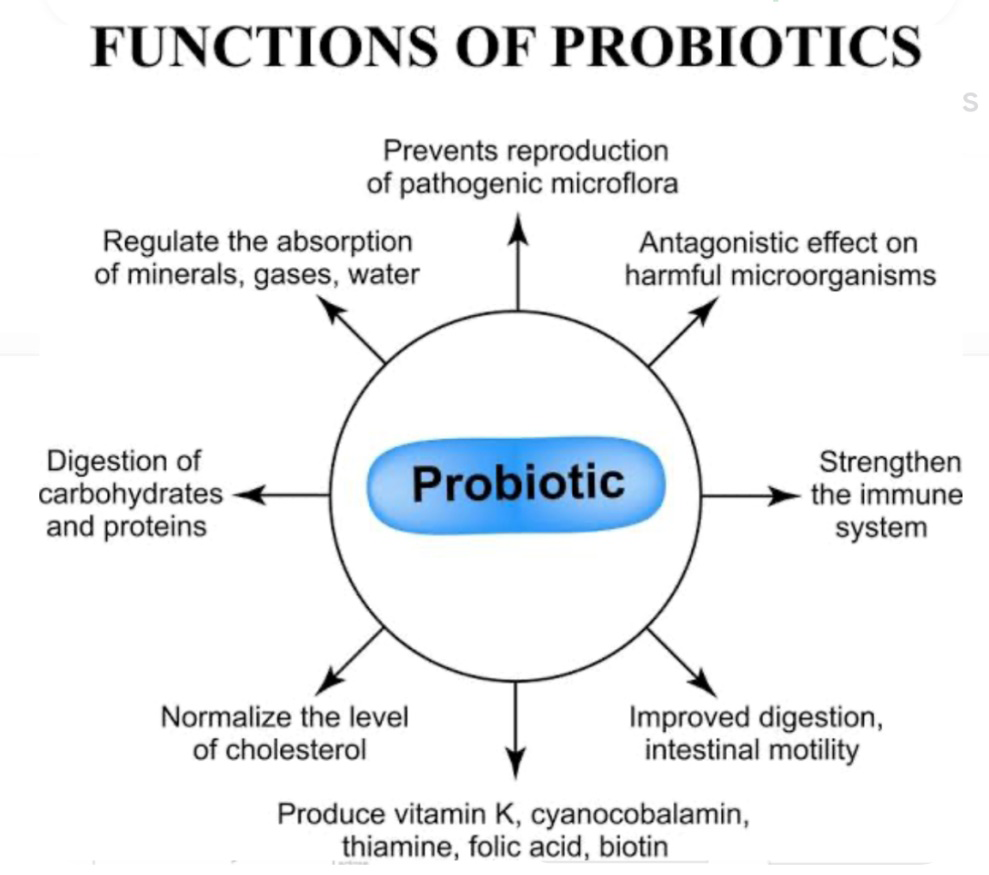
Competition for Nutrients: Within the intestine utilization of the same types of nutrients by the beneficial as well as pathogenic microorganisms is observed. As a result there exists general competition for these nutrients by the groups of microbes to grow and reproduce. More competition is developed between beneficial and pathogenic microorganisms if the gut is flooded with beneficial microorganisms. Competition for Adhesion Sites: Most intestinal pathogens depend on adhesion to the gut wall. Beneficial microorganisms adhere to adhesion sites along the gut wall and it is an important factor in colonization to prevent the pathogenic forms and they are swept away by peristaltic movement of the food along the gastro-intestinal tract.
Stimulation of Immunity: By the use of probiotics an optimum balance of the microflora is maintained in order to stimulate and maintain the natural immune system of the host. It has been observed that the enhanced immune effects help prevent illness. When probiotics are used regularly.
Direct Antimicrobial Effect: Many species of lactic acid bacteria are known to produce bacteriocins. Also, the production of organic acids by these organisms can either have a direct effect or operate by reducing the pH of the gut, thus bacteriocins and organic acids display an antimicrobial effect.
Improvement in Digestion: Enzymes produce by probiotics help in the breakdown of polysaccharides such as carbohydrates, thereby ensuring enough of nutrient flow. The beneficial microflora also helps ferment the carbohydrates which have not been digested in the upper gut and produce vitamins which are a secondary source to the host.
Probiotic Products
Yogurt: Yogurt is a fermented dairy product and is probably the most well-known probiotic food. Both Streptococcus thermophilus and some form of Lactobacillus bacteria are present in all yogurt. Additionally some brands of yogurt contain other strains of helpful bacteria which are added to them. In order to get full probiotic benefits, yogurt should contain live and active cultures in it, since the process of pasteurization can kill beneficial bacteria.
Kefir: Kefir grains are used which are lactic acid bacteria such as Lactobacillus kefiri. Kefir is a yogurt like beverage made from fermented milk. The bacteria ferment the milk leaving it thickened and due to the release of carbon dioxide somewhat effervescent. Kefir is available in many conventional supermarkets as well as in health food stores in a variety of flavors, much like yogurt.
Kombucha: Kombucha is a fermented drink and bacteria and yeast fermented in tea form a symbiotic culture. Kombucha has been brewed for centuries in different parts of the world and has recently become popular in the United States. Kombucha has many health benefits although these have not been evaluated by the FDA. The taste of kombucha is sweet and tart and due to the release of carbon dioxide during fermentation makes kombucha very fizzy. It is found in different health stores and comes in different flavors.
Miso: Miso is made from the fermentation of soybeans with a fungus called koji and is a popular Japanese food. In miso soup, which is easily made with miso paste and hot water in which miso is the main ingredient. It is also used as a condiment in meals and snacks. Miso is rich in minerals such as sodium, zinc and copper as well as a good source of protein.
Conclusion
There is scientific evidence supporting the incorporation of probiotics in nutrition as a means of derivation of health benefits. Dairy products, particularly yogurt continue to be the most important vehicles for delivery of probiotic bacteria to the consumer with the nondairy sector continuously evolving as a result of food technology advances and the growing demand. Due to the many benefits of probiotics in the absence of any risk, they have become a useful tool for the medical community. They not only boost the functioning of the immune system, they naturally aid in fighting bad bacteria. Unlike most traditional therapies for disease and illness, there are no side effects or risk associated with them, single cell protein (SCP) is a term generally accepted to mean the microbial cells primary grown and harvested for animal or human food. Many scientists believe that the use of microbial fermentations and the development of an industry to produce and supply SCP are possible solutions to meet a shortage of protein if and when the amount of protein produced or obtained by agriculture and fishing becomes insufficient. SCP can be produced can be produced at any time during a year because of their independence from seasonal and climatic variations. Therefore, conclusion can be made that it can easily replace conventional animal and protein sources in both humans and animal diets without any negative impact.
References
-
Anupama, Ravindra P (2000) Value-Added Food: Single Cell Protein. Biotechnol Adv 18(6): 459-479.
-
Zhang T, Chi Z, Sheng J (2009) A highly thermosensitive and permeable mutant of the marine yeast Cryptococcus aureus G7a potentially useful for single-cell protein production and its nutritive components. Mar Biotechnol (NY) 11(2): 280-286.
-
Chi Z, Liu Z, Gao L, Gong F, MA C, et al. (2006) Marine yeasts and their application in mariculture. Journal of Ocean University of China 5: 251-256.
-
Gao L, Chi Z, Sheng J, Ni X, Wang L (2007) Single-cell protein production from Jerusalem artichoke extract by a recently isolated marine yeast Cryptococcus aureus G7a and its nutritive analysis. Appl Microbiol Biotechnol 77(4): 825-832.
-
Kuhad RC, Singh A, Eriksson KE (1997) Microorganisms and enzymes involved in the degradation of plant fiber cell walls. Adv Biochem Eng Biotechnol 57: 45-125.
-
Votolina D, Gomez-Villa H, Correa G (2005) Nitrogen removal and recycling by Scenedesmus obliquus in semicontinuous cultures using artificial wastewater and a simulated light and temperature cycle. Bioresour Technol 96(3): 359-362.
-
Zepka LQ, Jacob-Lopes E, Goldbeck R, Souza-Soares LA, Queiroz MI (2010) Nutritional evaluation of single-cell protein produced by Aphanothece microscopica Nageli. Bioresource Technology 101(18): 7118-7122.
-
Farhoodi S, Moosavi-Nasab M, Nasiri L (2006). Single cell protein (SCP) production from UF cheese whey by Kluyveromyces marxianus. CIVILICA.
-
Schultz N, Chang L, Hauck A, Reuss M, Syldatk C (2006) Microbial production of single-cell protein from deproteinzed whey concentrates. Appl Microbiol Biotechnol 69(5): 515-520.
-
Gabriel A, Victor N, Preez JCD (2014) CICactus pear biomass, a potential lignocellulose raw material for Single Cell Protein production (SCP) a review. Int J Curr Microbiol Appl Sci 3(7): 171-197.
-
Israelidis CJ (2008) Nutrition-Single cell protein, twenty years later. Food Technology Institute, Greece.
- Antifungal Activity of New Acetophenone Derivatives
- Interconnected Microbiomes Human Health Within an Environmental Framework
- Silkworm-Based Vaccine Production for H5N1: A One Health Approach to Pandemic Preparedness
- Microbial Diversity and Lipolytic Activity of Bacteria and Fungi from Oil-Contaminated Sites in Makurdi Metroplois
- Antibiotic Resistance Profile of Bacteria Isolated at the Central Laboratory of the National Hospital Center of Nouakchott
- Epidemiology and Sensitivity to Antibiotics of Germs Isolated from Blood Cultures in the Laboratory of the National Hospital Center of Nouakchott-Mauritania