
A Concise Review on Origin, Nature, Characteristic Features, and Plausible Drugs for Treatment against Covid-19
The whole world is suffering from an anxiety of coronavirus. A nervousness has been generated in the mind of human beings about this unknown unfamiliar disease. It is one virus mediated disease. It was first originated from the Hunan seafood market at Wuhan, China where bats, snakes, raccoon dogs, palm civets, and other animals are sold. The virus has been named by the World Health Organization (WHO) as COVID-19. It is spreading rapidly throughout the world. Some of the infected persons are symptomatic or asymptomatic. Respiratory system, cardiac system, digestive system etc.in human beings are affected by this virus. The corona virus gets entered into the body through eye, nose, and mouth. This is also transmitted by direct contact with droplets of infected people. The duration of the incubation period lasts from 2 to 14 days. The scientists are trying to discover the vaccine with their best level for preventing it. Multi organ failure is occurring due to this disease. Thousand and thousand people are infected by COVID-19 worldwide. Several patients are expired. The WHO has acknowledged several guidelines to prevent the transmission of the corona virus. They also have declared that people should follow health, hygiene to increase immunity and stop the spread ability of the virus. Social distancing should be maintained appropriately. This article is going to focus on the nature of corona virus, mode of transmission, risk factors and drugs being tested till now for treatment purpose.
Introduction
Some people at around 27 were getting affected by pneumonia of unfamiliar etiology in Wuhan City, Hubei Province, in China on 31st December 2019. Wuhan is the most densely inhabited city in central China with a population beyond 11 million. Dry cough, dyspnea, muscle pain, irregular heartbeat, fatigue, fever, and bilateral lung infiltrates on imaging were the signs of those infected patients. Most of the cases have spontaneously been cured. However, some have developed various lethal difficulties, including organ failure, septic shock, pulmonary edema, severe pneumonia, and acute respiratory distress syndrome (ARDS). The Chinese Centre for Disease Control and Prevention (CCDC) conducted one physical check up by examining throat swab samples on 7th January 2020 to find out the main causative microorganism responsible for these symptoms, and this was then termed as COVID-19 by the World Health Organization (WHO). It has been spread worldwide, particularly to China, Japan, and South Korea. Aged persons (beyond 56 years) and having several others health problems like cardiovascular, cerebrovascular, endocrine, digestive, dyspnea, dizziness, abdominal pain, anorexia, and respiratory disease are more susceptible to corona virus. Corona virus disease is caused by severe acute respiratory syndrome coronavirus 2 (SARS-CoV-2). The human respiratory system is the main target of coronavirus. An entire of 88,948 Covid-19 cases with 3043 deaths were confirmed as of March 2, 2020, of which 80,174 were from China and 8774 were from other 64 countries. Now 6,510,999 corona cases with 384,453 deaths were confirmed worldwide on 3rd June 2020. Acute respiratory syndrome (SARS) and the Middle East respiratory syndrome (MERS) were previous pandemics in 2002 and 2012 respectively. In Covid-19 diagnosis, real-time reverse transcription polymerase chain reaction (RT-PCR) of viral nucleic acid is regarded as the reference standard. Still, computed tomography (CT) scan is also an important and very sensitive tool in diagnosis purpose of Covid-19 as well as in monitoring disease progression and evaluating therapeutic efficacy. It was acknowledged by the National Health Commission of China. It has also the ability to infect neuronal system [1, 2, 3, 4, 5, 6].
Nature of SARS Cov-2 Virus
Its genome contains single-stranded RNA (SS RNA). It has an envelope, helical and also it is a positively charged virus belonging to the beta coronavirus genus. It requires RNA dependent RNA polymerase enzyme for their life cycle. SARS-CoV-2 goes into cells via the angiotensin converting enzyme2 (ACE 2) receptor. Under the electron microscope, it looks like crown appearance due to its spike like projections on its surface [7, 8, 9, 10].
Mode of Viral Transmission
There is no clear information about the mechanism of spread of coronavirus. Current studies reveal that the viruses are circulating through respiratory droplets from human-to-human. It is very critical situation when the patient is asymptomatic for a long period. Human-to-human transmission may be occurred during the asymptomatic incubation period of COVID-19, which has been probable to be between 2-14 days. It is zoonotic in nature, means the virus first developed in animals previously been transmitted to human. Researchers consider that the virus may have been passed from bats to another animal either snake or pangolins and then transferred to humans. In China, as of 4th June 2020, 83,022 cases of COVID-19 have been confirmed, 4,634 of which are late. On 4th June 2020, 216,919 cases have been positive, 6075 of which are dead in India [11, 12, 13, 14].
Comparison of COVID 19 with the Flu
There is no clear idea about it till now that coronavirus is more or less precarious than the flu. This is hard to govern because the number of total cases, including mild cases in people who do not seek treatment or tested, is unknown (Table 1).
| Flu | Covid-19 | |
|---|---|---|
| Headache | Extreme | Can be present |
| Sore throat | Common | Has been reported |
| Shortness of breath | Unusual | More serious |
| Loss of smell and taste | uncommon | Has been informed |
| Diarrhea | Rare, sometimes reported in children | Has been reported |
| Fever | High(100-102-degree Fahrenheit), it can stay for 3-4 days | Common |
Table 1: normal flu versus Covid-19.
Spread of Corona Virus
Corona virus is primarily spread from person to person. Mainly, it spreads through droplets as far as 6 feet away. Some people who have the virus, but they are asymptomatic, they can also spread the virus. It can also be spread through inanimate objects. If surface of any object is infected by corona virus, one person can get affected by touching it. The virus will get entry in the body by his mouth, nose, and also the eyes. It is stated that SARS-CoV-2 can last for more than a few hours on surfaces of various types of substances like- 4 hours on copper material, up to 24 hours on cardboard, 2 to 3 days on steel or plastic materials [8, 15, 16].
Risk Factors
If one man comes into direct contact with someone who is carrying the virus, it is very danger factor for him. Living with an infected person is also risk factors. Older people with serious health conditions like lung infection, heart diseases, HIV, cancer, obesity, kidney damage, diabetes, high blood pressure, liver disease are more susceptible to COVID 19. It is also a very risk factor for pregnant women [17, 18, 19].
Stroke from Corona
With the rapid spreading of COVID-19 its symptoms are also being changed. Conjunctivitis, breathing problems and losing sense of smell and taste has already been reported. The new addition of heart attack along with these symptoms has made the doctors thought. It is stated in a journal named as ‘Radiology’. After testing 725 corona patients of Bracia University and Sassari University the doctors have found nerve problems of at least 15% COVID 19 patients. The 59% COVID patients, after being city scanned, are suffering from ‘altered mental state’. It is actually a group of nerve disorders, among which confusion, coma is very common. 31% nerve patients of the COVID patients have been affected by ‘ischemic stroke’. Most of the patients were badly affected with high blood pressure, diabetics, coronary artery disease. This information clears that the coronavirus is very dangerous for cardiac patients.
Gastrointestinal System Complication in Covid-19
GIT is also affected by corona virus. Various complications are reported from which anorexia, unsettled stomach, diarrhea, nausea, abdominal pain and gastric bleeding are common. Child and adult patients suffer from most common GIT problem for COVID-19 such as vomiting [22].
Complication of Angiotensin Converting Enzyme II (ACE II) in SARS Cov-2
Renin-angiotensin-aldosterone system regulates blood
pressure and fluid balance our body. ACE (angiotensin converting enzyme), found in the lungs, helps in conversion of angiotensinogen I to angiotensinogen II. Angiotensin II causes vasoconstriction as well as increase sodium salt (Na+) and water retention in our body, which results increase blood body. Additionally, ACE II has been acknowledged as a functional receptor for coronaviruses, SARS- Cov- 2. Corona virus can enter into the body by ACE II and damage the myocardial tissue. Patients who are taking ACE inhibitors (captopril, lisinopril, enalapril etc.) for their high blood pressure if are affected by COVID-19, they should be handled very carefully. And it is not clearly reported till now those hypertensive patients with COVID-19 contamination, whether the medication will be shifted from ACE inhibitors to other anti-hypertensive medications [23, 24].
Diagnoses of COVID-19
COVID-19 infected patients are analyzed similar to other conditions caused by other viral infections. They can be diagnosed by testing their blood, saliva, tissue sample. On 21st April, the Food and Drug Administration (FDA) accepted the use of the first COVID-19 home testing kit. If positive symptoms come [fever (more than 100-degree Fahrenheit, sore throat and cough], one should be advised to stay home and monitor his symptoms, go to the doctor to be evaluated, go to the hospital for more urgent care. The virus may also be noticed in the stool. Counting white blood cell (WBC), platelets are non-specific for this purpose. Level of pro- calcitonin in the body is not the indicative test for Covid-19. It may indicate other several bacterial infections. CT scan is most specific diagnostic test for corona virus. It is applicable only for symptomatic patients. Asymptomatic patients, who have not developed lower respiratory infection, cannot be diagnosed by this method. Travel history of suspected person is essential here. National Institute of Virology (NIV), Pune, has made first one indigenous antibody detection kit named as ‘Covid KAVACH’. Institute of Genomics and Integrative Biology (IGIB) has made one Covid-19 testing kit named as ‘FELUDA’ (FNCA S9 Editor Linked Uniform Detection Assay). First spontaneous Covid-19 testing machine in India has been launched named as ‘COBAS 6800’. Reverse transcription polymerase chain reaction (RT-PCR) can be used successfully for final etiology diagnostic purpose of corona virus [25].
Preventive Measures
Isolation of covid-19 positive patients are one important step to control the pandemic situation of this disease. If the patient is kept at home, then the ventilation at home should be appropriate with sunlight to permit for damage of viruses. The floor of rooms should be disinfected on a regular basis by using disinfectant containing sodium hypochlorite. Social distancing is another vital pathway to restrict the spread ability of this virus. Using hand sanitizer (alcohol containing), soap, and mask is essential to be safe. Each and every one should maintain good hygiene. The health workers should use personal protective equipment (PPE) when they will come in contact with patient to check up them. One anti- microbial mask named as ‘NSafe Solution’ is made by IIT Delhi. The Delhi Government has launched ‘Thermal corona combat Headgear’ to maintain the social distance. 3D printed antimicrobial face shield is prepared by NIPER-Guwahati to help the people in the pandemic situation of corona virus. Italy has made one breslate named as “iFeel you’ to continue the social detachment. The Telengana state government has established ‘v safe tunnel’ to sanitize the people. It is a fantastic idea to use a robot for providing medical and other services to the patients in hospital. The Karalla government has started ‘KARMI BOT’ in hospital [26, 27, 28].
Way to Treat Corona Virus Affected People
Corona affected person should be isolated as soon as possible. The patients should be hydrated in every time. Good nutritious food should be given to him to produce immunity in his body. Antibiotics and antiviral medicines such as oseltamivir cannot be given to corona positive patients. Paracetamol, antipyretic drug is used to regulate increased body temperature. Guaifenesin, an expectorant may also be used to treat non-productive cough. Aspirin can’t be used in case of children or teens less than 19 years old who are suffering from COVID-19. If the patient suffers from breathing problem, hypoxia then he must be supplied oxygen. The oxygen must be supplied at a rate 5 L/min to reach SpO2 targets of ≥90%, and ≥92- 95% in non-pregnant adults, children and pregnant women respectively. Further bacterial and fungal infections can also be developed at last stage of the disease. The antibacterial, antifungal drugs should be used to treat this condition.
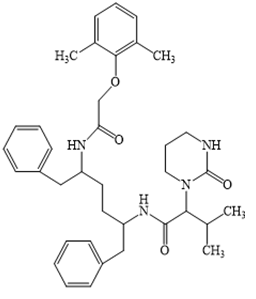
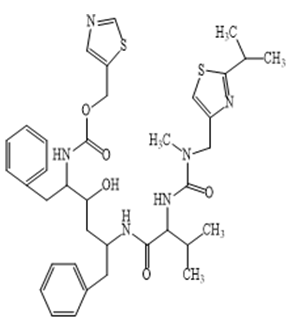
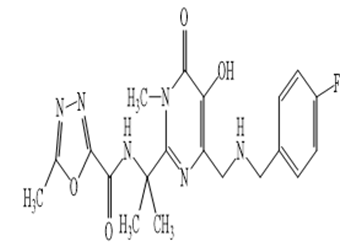
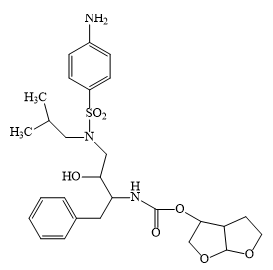
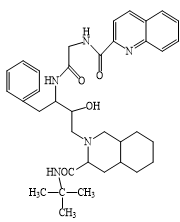
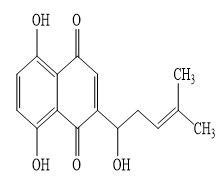
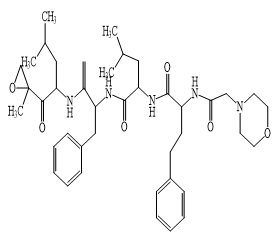
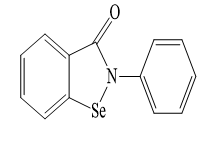
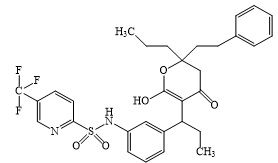
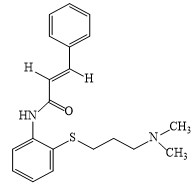
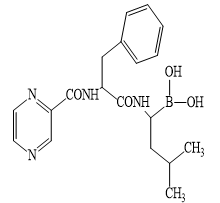
On January 25, 2020 Shanghai Institute of Materia Medica and Shanghai Tech University together carried out drug screening in silicon and an enzyme activity test, and 30 agents are informed by them with efficient antiviral activity against SARS-Cov-2. These agents are indinavir, saquinavir, lopinavir, carfilzomib, ritonavir, remdesivir, atazanavir, darunavir, tipranavir, fosamprenavir, enzaplatovir, presatovir, abacavir, bortezomib, elvitegravir, maribavir, raltegravir, montelukast, deoxyrhapontin, polydatin, chalcone, disulfiram, carmofur, shikonin, ebselen, tideglusib, PX- 12, TDZD-8, cyclosporin A, and cinanserin. In general, recently, there are no specific verified antivirals to treat Covid-19. Further clinical study is required to confirm the efficacy and safety of these drug candidates in the treatment of Covid-19.
Previous researches are showing that IFN-alpha and lopinavir or ritonavir are able to lower mortality rates in patients infected by SARS. That is why The National Health Commission of the People’s Republic of China mentions the use of these drugs to treat Covid-19 patients. Although there is no clear evidence regarding its efficiency on Covid-19, the medical team in China has also used Oseltamivir, a neuraminidase inhibitor for suspected infection. The Covid-19 positive patients suffering from severe immune reactions may be treated by Glucocorticoids. Some of the patients may require renal replacement therapy (RRT).
One combination of two orally administered antiviral drugs Lopinavir/ritonavir has been approved by the US Food and Drug Administration (FDA)–for treating HIV, this combination also established in vitro activity against other novel coronaviruses through 3-chymotrypsin- like protease enzyme inhibition. It is stated that one broad spectrum anti hepatitis drug, IFN-α, can be used to prevent SARS- COV reproduction in vitro. The method of administration of it is vapor inhalation. Ribavirin is a nucleoside (guanine) analogue with a broad-spectrum of antiviral effects. It inhibits viral RNA-dependent RNA polymerase. It is less active alone. It should be given in combination with other antiviral drugs. For in vitro activity of ribavirin, high dose is required. Time interval of two doses is eight hours. It is evidenced that patients have also been received it by intravenous or enteral administration.
Favipiravir, one antiviral drug, is to a great point of attention. On February 15, 2020 in China, it was permitted to treat novel influenza. This drug is presently undertaking clinic trials for Covid-19 treatment. Its mechanism is an RNA-dependent RNA polymerase enzyme inhibitor. After converting into its active form (phosphoribosylated form) in cells, it is acknowledged as a substrate by the viral RNA polymerase, thus inhibiting RNA polymerase activity. Therefore, favipiravir may have potent antiviral action on SARS-CoV-2, which is an RNA virus. On February 14, the Clinical Medical Research Center of the National Infectious Diseases and the Third People’s Hospital of Shenzhen carried out the clinical trials of favipiravir. And the result was encouraging. It has been proved that it is a potent drug to treat COVID-19 and its potency is more than lopinavir and ritonavir combination.
In Russia and China, Umifenovir is currently accepted drug for the treatment and prophylaxis of influenza and is of increasing importance for treating Covid-19. It is an antiviral agent that prevents membrane fusion of the viral envelope. It is given orally. The current dose of this drug for influenza is 200mg orally every 8 hours for influenza and is under examination of Covid-19 patients. It is under clinical trials in China. No more clinical experience with umifenovir for Covid-19 has been designated in China. More evaluation is required to establish its pharmacological efficacy and safety [29].
Remdesivir is a broad-spectrum antiviral drug. It is a nucleoside analogue and a prodrug. It is converted into an active C-adenosine nucleoside triphosphate analogue. Its active form is GS-441524. Remdesivir has been tested in 2020 for testing its potency and efficacy against Covid-19, and has also been certified for emergency use in the, US, India, Japan. It also acknowledged approval in the UK in May 2020. Intravenous therapy for this drug is followed. It was initially developed to treat hepatitis C and was then tested against Ebola virus disease. Now days it is reported that Remdesivir can be used in the treatment of Covid-19. Recently it is known that, the National Institute of Allergy and Infectious Disease (NSAID) has stated that Remdesvir has shown its effectiveness against Covid-19. After applying this drug, the health of Covid-positive patient is going to be cured quickly. They have tested on 1063 patients in hospital and received positive results. It can efficiently decrease the viral load in lung tissue of mice infected with MERS-COV, improve lung function, and improve pathological condition of lung tissues. The duration of treatment of this drug should be 10 days. On 9th June, Dr. Robert Kadelac, a US Department of Health Services has stated that the only drug known to work against Covid-19, will run out at the end of the month [30, 31].
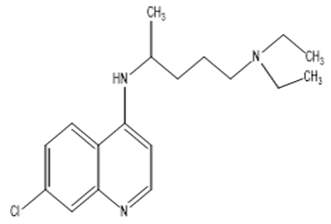
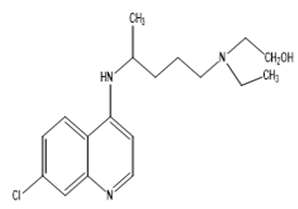
Chloroquine is mainly one anti-malarial drug which has been used globally for more than 70 years, and it is under a list of essential medicines. It can also be used in the treatment of systemic lupus erythematous (SLE) and rheumatoid arthritis (RA), lepra reaction, giardiasis, phytogenic reaction, extra intestinal amebiasis. It is also cheap and has an established clinical safety profile [3]. Chloroquine has renounced pharmacological effects and its safety profile is also known. But in the field of treatment of SARS-CoV-2 (the new virus causing Covid-19) these data remain indistinct. Chloroquine possesses the large volume of distribution (more than 1300 liter). It prevents polymerization of heme to hemozoin resulting in accumulation of heme that is toxic for the parasite. 500mg chloroquine can be given to COVID-19 patients. It is given through oral route once or two times daily. However, there is no clear clinical data about the ideal dose to confirm the safety and efficacy of it. 400mg of Hydroxychloroquine has also been recommended for SLE. It is also administered orally daily. However, it is also suggested by a physiologically based pharmacokinetic modeling study that the optimal dosing regimen for hydroxychloroquine in COVID-19 action is a loading dose of 400 mg twice daily for 1 day followed by 200 mg twice daily. Advance studies are also compulsory to allocate the optimal dose for Covid-19. It is reported that Chloroquine and hydroxychloroquine are relatively well tolerated in case of SLE and malaria. Some rare and serious adverse effects (<10%) are there like QT prolongation, hypoglycemia, neuropsychiatric effects, and retinopathy. Chloroquine has shown no major adverse effects for at the doses and durations proposed for Covid-19. It is considered that the use of chloroquine and hydroxychloroquine are also safe in pregnancy. A review of 12 studies together with 588 patients getting chloroquine or hydroxychloroquine during pregnancy found no toxicity [11, 32, 33, 34, 35].
Corticosteroids
Corticosteroids, steroidal drug molecules, let fall inflammation in the body. Immune system activity is also decreased by it. Many other applications are there of this type of drug molecule. Those are lowering itching, redness, swelling, and several allergic reactions. Corticosteroids can be used in the treatment of acute lung wound and acute respiratory distress syndrome (ARDS). But these drugs have several adverse drug reactions like delayed viral clearance and increased risk of secondary infection. These factors restrict the use of it. There is clear evidence about the beneficial effect of it in the field of treatment of Covid-19. It has no specification in Covid-19. It is under clinical trials [36].
Recent Approach to Treat COVID-19- Immunoglobulin Therapy
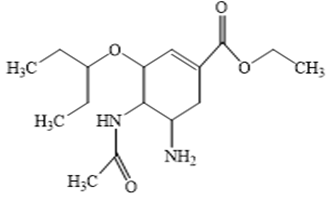
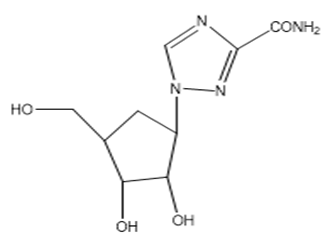
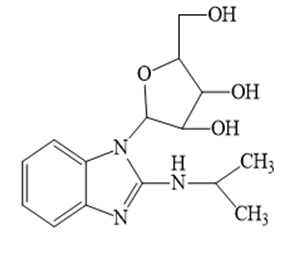
Intravenous immunoglobulin therapy (IVIG) is another approach in the treatment field of COVID-19. It has been demonstrated that this therapy can reduce the mortality rate of corona virus affected patients. If treatment with IVIG within 48 hours of admission can be started, it is going to diminish ventilator use, as well as lessen the duration of staying in hospital and ICU. Finally, it can progress 28-day mortality. COVID-19 patients with severe pneumonia can be better-quality of IVIG treatment and the efficiency of treatment approach can also be improved by this therapy [15, 18] (Table 2, Figures 1-16).
| Name of drugs | Present applications | Mechanism of action | State of testing |
|---|---|---|---|
| Hydroxychloroquine | Antimalarial action | Inhibition of heme polymerase enzyme | tested |
| Remdisivir | Experimental | Analogue of nucleotide | tested |
| Favipiravir | Influenza | Inhibition of RNA polymerase | tested |
| Tocilizumab | Rheumatoid arthritis; COVID-19 | Inflammation inhibition | approved |
| Interferon alpha 2b | Hepatitis C | Immune modulator | tested |
| Oseltamivir | Antiviral | Neuraminidase inhibitor | tested |
Table 2: list of drugs which are supposed to be used in Covid-19 or under clinical trials. (These are favorable drugs in the trea
Conclusion
COVID- 19 has spread as an epidemic today. Several
processes (RT-PCR, rapid antigen test, etc.) have been followed to identify the COVID positive patients. But its prevention is not possible till now. Several medicines are under clinical trial. The drug should be taken as a preventive measure of corona infected patients after completing clinical studies. Side effects of those drugs should be examined properly. As an example, hydroxychloroquine has side effects like loss of appetite, stomach pain, dizziness; favipiravir has side effects like reduced body weight, decreased RBC production, reduced locomotive activity, etc. The whole world has been trying to discover a vaccine of its hard and soul. But fruitful results are far away. Further research is essential for discovering medicines by understanding clearly the proper characteristic features of this virus. One positive sign of this situation is that the mortality rate has been decreasing day by day. But on another hand, its spread ability makes anxious to the entire world.
Acknowledgement
One of the authors Dipanjan Karati is thankful to GPAT scholarship provided by Central Government of India.
References
-
Sohrabi C, Alsafi Z, O’Neill N, Khan M, Kerwan A, et al. (2020) World Health Organization declares global emergency A review of the 2019 Novel Coronavirus (COVID-19). International journal of surgery 76: 70-76.
-
Xu X, Chen P, Wang J, Feng J, Zhou H, et al. (2020) Evolution of the novel coronavirus from the ongoing Wuhan outbreak and modeling of its spike protein for risk of human transmission. Sci China Life Sci 63(3): 457-460.
-
Dong Y, Mo X, Hu Y, Qi X, Jiang F, et al. (2020) Epidemiological characteristics of 2143 pediatric patients with 2019 coronavirus disease in China. Pediatrics, pp: 1-30.
-
Jain N, Choudhury A, Sharma J, Kumar V, De D (2020) A Review of Novel Coronavirus Infection (Coronavirus Disease-19). Global Journal of Transfusion Medicine 5(1): 22-26.
-
Rothana HA, Byrareddy SN (2020) Review article on the epidemiology and pathogenesis of coronavirus disease (COVID-19) outbreak. Journal of Autoimmunity 109: 102433.
-
Rodriguez-Morales AJ, Cardona-Ospina JA, Ocampo EG, Pena RV, Rivera YH, et al. (2020) Clinical, laboratory and imaging features of COVID-19: A systematic review and meta-analysis. Travel Medicine and Infectious Disease 34: 101623.
-
Fang Y, Zhang H, Xu Y, Xie J, Pang P, et al. (2020) CT manifestations of two cases of 2019 novel coronavirus (2019-nCoV) pneumonia. Radiology 295(1): 208-209.
-
Wrapp D, Wang N, Corbett KS, Goldsmith JA, Hsieh CL, et al. (2020) Cryo-EM structure of the 2019-nCoV spike in the prefusion conformation. Science 367: 1260-1263.
-
Shereen AM, Khan S, Kazmi A, Bashir N, Siddique R (2020) COVID-19 infection: origin, transmission, and characteristics of human coronaviruses. Journal of Advanced Research 24: 91-98.
-
Guo YR, Cao QD, Hong ZS, Tan YY, Chen SD, et al. (2020) The origin, transmission and clinical therapies on coronavirus disease 2019 (COVID-19) outbreak – an update on the status. Military Medical Research 7(1):11.
-
Cortegiani A, Ingoglia G, Ippolito M, et al. (2020) A systematic review on the efficacy and safety of chloroquine for the treatment of COVID-19. J Crit Care 57: 279-283.
-
Singhal T (2020) A Review of Coronavirus Disease-2019 (COVID-19). The Indian Journal of Pediatrics 87(4): 281- 286.
-
Wang D, Hu B, Hu C, Zhu F, Liu X, et al. (2020) Clinical characteristics of 138 hospitalized patients with 2019 novel corona virus infected pneumonia in Wuhan, China. JAMA 323(11): 1061-1069.
-
CDC COVID-19 Response Team (2020) COVID-19 Response Team: Severe Outcomes Among Patients with Coronavirus Disease 2019 (COVID-19) — United States, February 12-March 16, 2020. MMWR Morb Mortal Wkly Rep 69(12): 343-346.
-
Nguyen AA, Habiballah SB, Platt CD, Geha RS, Chou JS, et al. (2020) Immunoglobulin in the treatment of COVID-19 infection: Proceed with caution. Clinical Immunology 216: 108459.
-
Asadi-Pooya AA, Simani L (2020) Central nervous system manifestations of COVID-19: A systematic review. Journal of Neurological Science 413: 116832.
-
Xie Y, Cao S, Li Q, Chen E, Dong H, et al. (2020) Effect of regular intravenous immunoglobulin therapy on prognosis of severe pneumonia in patients with COVID-19. J Infect 81(2): 318-335.
-
Dong L, Hu S, Gao J (2020) Discovering drugs to treat coronavirus disease 2019 (COVID-19)**.** Drug Discoveries & Therapeutics 14(1): 58-60.
-
Huang C, Wang Y, Li X, et al. (2020) Clinical features of patients infected with 2019 novel coronavirus in Wuhan, China. Lancet 395: 497-506.
-
Chang Lin M, Wei L, Xie L, Zhu G, et al. (2020) Epidemiologic and clinical characteristics of novel coronavirus infections involving 13 patients outside Wuhan, China. JAMA 323(11): 1092-1093.
-
Ye Z, Zhang Y, Wang Y, Huang Z, Song B (2020) Chest CT manifestations of new coronavirus disease 2019 (COVID-19): a pictorial review. European Radiology 30: 4381-4389.
-
Tian Y, Rong L, Nian W, He Y (2020) review article: gastrointestinal featurs in COVID-19 and the possibility of faecal transmission. Aliment Pharmacol Ther 51(9): 843-851.
-
Zheng YY, Ma YT, Zhang JY, Xie X (2020) COVID-19 and the cardiovascular system. Nat Rev Cardiol 7: 259-260.
-
Vaduganathan M, Michel T, McMurray JJV, Pfeffer MA, Solomon SD (2020) Renin–Angiotensin–Aldosterone System Inhibitors in Patients with Covid-19. N Engl J Med 382(17): 1653-1659.
-
Özdemir O (2020) Coronavirus Disease 2019 (COVID-19): Diagnosis and Management (Narrative Review); Erciyes Med J 42(3): 242-247.
-
Malakar M (200) Coronavirus-A Review Article. Acta Scientific Dental Sciences (4): 10-12.
-
Singh S, Kaur N, Kaur M(2020) A Review on Corona Virus. Journal of Endocrinology and Metabolism Research 1(1): 1-11.
-
Lim YX, Ng YN, Tam JP, Liu DX (2016) Human Coronaviruses: A Review of Virus–Host Interactions. Diseases 4(3): 26.
-
Peiris J, Chu CM, Cheng V, Chan KS, Hung IFN, et al. (2003) Clinical progression and viral load in a community outbreak of coronavirus-associated SARS pneumonia: a prospective study. Lancet 361: 1767-1772.
-
Sanders JM, Monogue ML, Jodlowski TZ, Cutrell JB (2020) Pharmacologic Treatments for Coronavirus Disease2019 (COVID-19). JAMA 323(18): 1824-1836.
-
Al-Tawfiq JA, Al-Homoud AH, Memish ZA (2020) Remdesivir as a possible therapeutic option for the COVID-19. Travel Med Infect Dis 34: 101615.
-
Mentré F, Taburet AM, Guedj J, Anglaret X, Keïta S, et al. (2015) Dose regimen of favipiravir for Ebola virus disease. Lancet Infect Dis 15(2): 150-151.
-
Zou L, Ruan F, Huang M, et al. (2020) SARS-CoV-2 viral load in upper respiratory specimens of infected patients. N Engl J Med 382(12): 1177-1179.
-
Gao J, Tian Z, Yang X (2020) Breakthrough: Chloroquine phosphate has shown apparent efficacy in treatment of COVID-19 associated pneumonia in clinical studies. Biosci Trends 14(1): 72-73.
-
Colson P, Rolain JM, Lagier JC, Brouqui P, Raoult D (2020) Chloroquine and hydroxychloroquine as available weapons to fight COVID-19. Int J Antimicrob Agents 55(4): 105932.
-
Russell B, Moss C, Rigg A, Hemelrijck MV (200) COVID-19 a treatment with NSAIDs and corticosteroids: should we be limiting their use in the clinical setting. E cancer medical science 14: 1023.
- Acido Labile or Gastro Irritant Apis and Enteric Release in Galenic Practice: An Overview
- A Study on Knowledge, Attitude and Practice of Hand Hygiene among Healthcare Professionals at a Tertiary Care Hospital, India
- Influence of Inoculum Concentration on In Vivo Incubation Period of Emmia lacerata, Pathogenesis and Management of Wilt in Pepper (Capsicum annuum L.)
- Vanilla’s Chemistry
- Marine Anti-Cancer Compounds and Adverse Effects of Global Warming on Oceans: An Overview
- Serological Investigation of Chikungunya Virus Antibody among Malaria-Suspected Febrile Patients in Some Healthcare Facilities in Rivers State