
Paracetamol - A Contaminant of High Concern: Existence in Environment and Adverse Effect
Pharmaceuticals (analgesics and non-steroidal anti inflammatory drugs- NSAIDS) though, a major human scientific development, have undoubtedly lengthened life spans, cured millions from deadly diseases, and made life comfortable and free from pain. This very success has now led to their emergence as rapidly growing environmental pollutants and contaminants. Paracetamol (4’-hudroxyacetanilide, acetaminophen or N-acetyl-p-aminophenol) is amongst the most popular pain killers and widely used analgesic and antipyretic drug which is used for relieving pain and fever as a non prescription drug, worldwide. Such huge consumption all over the world can be expected to result in the contamination of the environment and threat to human health, since residual drugs after usage, easily accumulate in the environment especially aquatic environment through human excreta and industrial effluents produced from paracetamol active ingredients production. Its presence has been found in the environment which has been detected drinking water, waste water and sewage treatment plant effluents. Recent researches focus on adverse effects of paracetamol usage and health hazards in the form of increasing behavioural disorders in offspring. Although chemical oxidation process is done for the treatment of waste water to remove paracetamol but severe reaction conditions, production of secondary pollutants as by products and huge operational expenses associated, leave no choice but to find other methods of treatment. Biodegradation of paracetamol by microorganisms is now being considered as an environment friendly alternative which has bearable cost. The widespread use of paracetamol and the scarcity of parallel and safe alternatives, its impact on the environment and on human health deserves further investigations and researches. The main aim of this review is develop comprehensive understanding on the percolation of paracetamol in environment through uncontrolled usage its toxic effects and proposed metabolic pathways of its biodegradation
Introduction
Pollutants and contaminants emerged from pharmaceuticals encompass synthetic chemicals that are present or transformed to new chemical compounds in environment across the globe. They are presently not checked in the environment but pose a serious health threat to human and ecosystem as well as environmental damage. Pharmaceuticals (illicit and prescribed drugs) and their metabolic by products and their uncontrolled usage led to generation of water contaminants that affect the environment and human health [1, 2, 3, 4, 5, 6]. Paracetamol is extensively used for reducing fever and as a pain killer for preventive and therapeutic purposes by all human beings including children and pregnant women [7]. Chemically it consists of a benzene ring substituted by one hydroxyl group and the nitrogen atom of an amide group at the para position. Due to its extensive usage paracetamol is one of the most easily detected pharmaceuticals in environment in different forms. Pharmaceuticals reach the environment in the form of expired medicines, unused medicines, in the form of excretory products or slightly metabolic form [8]. The consumption of paracetamol has increased many folds. In countries like U.K. and U.S.A. it is among the topmost prescribed drugs [9, 10]. In spite of being used so extensively pharmaceuticals are still unregulated [11, 12]. Their residues are considered as “compounds of emerging concern” in the environment because they cause considerable impact on human health and environment [13]. The pharmaceuticals as potential hazardous compounds for ecosystems were recently established [14, 15]. The huge production of paracetamol on annual basis has drawn our attention to know its potential effects on the environment and human health (Figure 1).
![Figure 1: Some commonly used pharmaceuticals worldwide [16,17].](/fulltextimages/8699/fig_1.png)
Figure1: Some commonly used pharmaceuticals worldwide [16, 17].
The main aim of this review was to summarize the latest knowledge about occurrence, toxicity, degradation pathways and enzymes involved in biodegradation of paracetamol as one of the most emerging contaminants. The review presents concrete analysis of presence of paracetamol in the environment, its toxic effects on human health and environment and consequent actions to decrease its presence as contaminant from the environment mainly by reduction of its release and efficient biodegradation.
Sources and Pathways How Paracetamol and Other Pharmaceuticals Reach in the Environment
Pharmaceuticals reach the environment mainly through the domestic wastewater, hospital effluents, industrial wastewater from pharmaceuticals production, run-off from aquacultures and concentrated animals feeding operations, fish farming as well as a rural run-off and manure, disposal and discharges from pharmaceutical production industries [18, 19, 20, 21, 22]. Prevalent occurrence of paracetamol and its degradation product (4-aminophenol) in the environment is partly associated with their use for manufacturing of azo dyes and photographic materials [23]. It is continuously introduced in to the environment as a parent compound and in the form of its metabolic products by human and veterinary usage, effluents and waste disposal from pharmaceutical industries [2, 24]. The continuously increasing concentrations of paracetamol and other emerging pharmaceutical as contaminants may result in the occurrence of toxic phenomena in non-target species present in aquatic environments. According to a recent research the extremely high dispersion of paracetamol in environmental its ecotoxicological assessment should be a priority for all. Due to conservative nature of physiological processes and similarity of target molecules some consequences may be seen in the human beings and aquatic environment due to continuous contamination of the environment with pharmaceuticals [25]. Paracetamol is not highly persistent and can be found in the environment in high concentrations and can cause negative effects on ecology due to huge introduction into the environment which can strongly affect its high transformation rates [26]. Paracetamol has recently been listed in the list of the compounds relevant for India (a developing country) as emerging contaminants which are detected in water of a developing country examined by considering the data related to pharmaceutical consumption data [27]. The possible pathways how pharmaceuticals reach in the environment have been developed from various researches and literature available is mentioned in Scheme 1 [28].
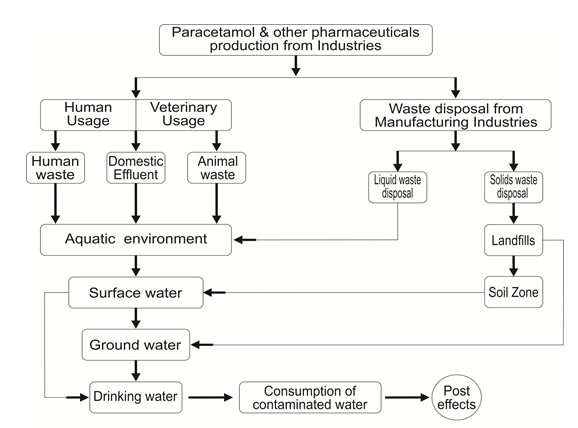
Scheme 1: The possible pathways of how pharmaceuticals reach in the environment.
Occurrence of Paracetamol in the aquatic environment (in micrograms per litre) [29].
| Surface Water | Reference | Finished Water | Reference |
|---|---|---|---|
| 0.11 | [30] | 0-0.16 | [35] |
| 0.52-0.56 | [31] | 0.048-0.418 | [36] |
| 0.007-0.066 | [32] | 0-5.99 | [34] |
| 0-0.026 | [33] | 0.079-0.22 | [31] |
| 0-0.25 | [34] | 1.9 | [37] |
Pharmaceuticals have been reported in aquatic environments remarkably in the form of groundwater, drinking water, drinking water treatment plants [38, 39] affecting human health which is a matter of major concern. Moreover, paracetamol easily accumulates in the aquatic environment and it is known to exhibit virtually no sorption nor retardation in aquifer sand studies [40].
Environmental Toxicity and health risks (challenges and threats)
Paracetamol is a non-steroidal anti-inflammatory drug (NSAID) which has a different mechanism of action from other NSAIDs. Its mode of action is not clearly understood, but it appears to inhibit cyclooxygenase (COX) in the brain selectively to treat fever and pain. It may also inhibit prostaglandin synthesis in the central nervous system (CNS). Acetaminophen directly acts on the hypothalamus producing an antipyretic effect [41]. The exposure to paracetamol at the concentration of 66mg/kg body weight has undesirable effects on living organisms like alterations in biochemistry and histopathology in the liver of rats [42] and 5 and 15mg/kg body weight exposure to acetaminophen in the early stages of development affects the neurotransmission associated with the medulla oblongata [43] or it can directly affect the spinal cord [44]. There have been many reports in the past which claim that the hepatotoxicity of paracetamol is highly increased in chronic alcoholics, and such individuals’ carry an increased risk of severe and fatal liver damage after acute over dosage [45, 46, 47, 48, 49, 50, 51, 52, 53, 54, 55]. The serious liver damage may also occur with ‘therapeutic’ use of this drug [56, 57, 58, 59, 60, 61]. Until recently, usage of paracetamol was considered safe in pregnancy. But now it has become controversial that use of this medicine may create future impacts on the offspring if used by the mother during pregnancy. According to a latest literature review the diverse epidemiological studies connect the exposure of paracetamol to offspring having behavioural disorders like ADHD (attention deficit hyperactivity disorder) and ASD (autism spectrum disorder) though there is little evidence to support the association of paracetamol with functioning of brain if used during pregnancy [62]. According to a report the ecological risk assessment calculated as the ratio between the predicted environmental concentration (PEC) and measured environmental concentration (MEC) to the predicted no-effect concentrations (PNEC) of the pharmaceuticals, which is basically related to the harmful dose of various pharmaceuticals to different species living in the aquatic environments [63].
Biotransformation or Biodegradation
Micropollutants being extremely diversified in structure, their unsaturated/saturated character, the presence of various functional groups (e.g., halogen, sulfate), and linear or branched structure, there is no specific method used for the sewage treatment for their utilization. However some advances technologies for the treatment of wastewater containing paracetamol are advanced oxidation processes and chemical oxidation processes such as TiO2 photocatalysis [64, 65], Ozonation technique [66], solar photoelectron-Fenton oxidation [67] etc. High operational cost, severe reaction conditions and generation of by-products as secondary pollutants which are really difficult to remove finally from the environment make these oxidation processes not a desirable and convenient choice [68]. Due to the lack of the optimal treatment techniques many pollutants are released in their parent form as more stable metabolites to the environment [69]. This could result in the accumulation of these metabolites in tropic chains and create long-term adverse effects on aquatic organism [70].Therefore, degradation of these micro pollutants especially paracetamol can be considered as an alternative being environment friendly and cost effective in nature. Microorganisms play a significant role in biological decomposition of hazardous compounds present in the environment. However, not much information is available on this aspect. During the past decades researches were focused on identification of metabolic intermediates and pathways during bacterial degradation of paracetamol (in animals) in laboratory. In most of the cases paracetamol was biodegraded in to hydroquinone via 4-aminophenol, in different animals. Furthermore, paracetamol can be converted to phenols and organic acids by R. erythropolis by a series of hydroxylation reactions [71]. However, other pathways where paracetamol is degraded into pyrocatechol have also been reported [72].
According to a report species of Pseudomonas degraded 96% of 1500mg/L paracetamol for the incubation of 12hrs [73] and it is recognised for its ability to degrade aromatic compounds of environment concern.
Conclusion
Despite being used from decades extensively, paracetamol has unintended presence in the environment which must be recognised as an emerging organic micro pollutant and threat to global health. It is constantly introduced in the environment in the form of waste disposal and effluents from manufacturing industries, human and animal waste and several metabolic by products. Therefore the presence of organic micro pollutants in different environmental matrices needs more research, planning of mitigation strategies, and implementation of strategic measures to detect and remove it in environment friendly manner. The mechanisms of biological degradation and their genetic bases are still poorly understood. Latest researches should be focused on development of effective eco-friendly techniques like biotransformation and biodegradation which would be having high removal rate and cost efficiency. Microorganisms produce those enzymes which effectively degrade and transform the metabolic intermediates and by products of paracetamol in to non-toxic components.
References
-
Benotti MJ, Trenholm RA, Vanderford BJ, Holady JC, Stanford BD, et al. (2009) Pharmaceuticals and endochrine disrupting compounds in U.S. drinking water. Environ Sci Technol 43(3): 597-603.
-
Philips PJ, Smith SG, Koplin DW, Zaugg SD, Buxton HT, et al. (2010) Pharmaceutical formulation facilities as source of opioids and other pharmaceuticals to wastewater treatment plant effluents. Environ Sci Technol 44(13): 4910-4916.
-
Zuccato E, Calamari D, Natangelo M, Fanelli R (2000) Presence of Therapeutic Drugs in the Environment. Lancet 355(9217): 1789-1790.
-
Fent K, Weston AA, Caminada D (2006) Ecotoxicology of Human Pharmaceuticals. Aquat Toxicol 76(20: 122-159.
-
Kümmerer K (2009) The Presence of Pharmaceuticals in the Environment Due to Human Use-Present Knowledge and Future Challenges. J Environ Manage 90(8): 2354- 2366.
-
Bottoni P, Caroli S (2018) Presence of Residues and Metabolites of Pharmaceuticals in Environmental Compartments, Food Commodities and Workplaces: A Review Spanning the Three-Year Period 2014-2016. Microchem J 136: 2-24.
-
Bandoli G, Chambers CD (2019) Acetaminophen use in pregnancy: Examining prevalence, timing, and indication of use in a prospective birth cohort. Paediatr Epidemiol 34(3): 237-246.
-
Zur J, Pinski A, Marchlewicz A, Kocurek KH, Wojcieszynska D, et al. (2018) Organic micropollutants paracetamol and ibuprofen-toxicity, biodegradation, And genetic baclgroung of their utilization by bacteria, Environ Sci Pollut Res 25(22): 21498-21524.
-
Sebastine IM, Wakman RJ (2003) Consumption and environmental hazards of pharmaceutical substances in the UK. Process Safety and Environmental Protection 81(4): 229-235.
-
Zhang X, Feng W, Xu WW, Pengyu C, Nansheng D (2008) photodegradation of acetaminophen in TiO2 suspended solution. Journal of Hazardous Materials 157(2-3): 300- 307.
-
Zwiener C (2007) Occurrence and Analysis of Pharmaceuticals and Their Transformation Products in Drinking Water Treatment. Anal Bioanal Chem 387(4): 1159-1162.
-
Larsson DGJ (2014) Pollution from Drug Manufacturing: Review and Perspectives. Philos Trans R Soc B 369(1656): 20130571.
-
Daughton CG (2004) Non-Regulated Water Contaminants: Emerging Research. Environ Impact Assess Rev 24(7-8): 711-732.
-
Utrill JR, Polo MS, Garcia MAF, Joya GP, Perez RO (2013) Pharmaceuticals as Emerging Contaminants and Their Removal from Water. A Review Chemosphere 93(7): 1268-1287.
-
Grenni P, Ancona V, Caracciolo AB (2018) Ecological Effects of Antibiotics on Natural Ecosystems: A Review. Microchem J 136: 25-39.
-
Patel M, Kumar R, Kishore K, Mlsna T, Charles U, et al. (2019) Pharmeceuticals of emerging concern in aquatic systems: Chemistry, occurrence, effects and removal methods. Chem Rev 119(6): 3510-3673.
-
Fick J, Lindberg RH, Tysklind M, Larsson DJ (2010) Predicted Critical Environmental Concentrations for 500 Pharmaceuticals. Regul Toxicol Pharmacol 58(3): 516-523.
-
Luo Y, Guo W, Ngo HH, Nghiem LD, Hai FI, et al. (2014) A review on the occurrence of micro pollutants in the aquatic environment and their fate and removal during wastewater treatment. Sci Total Environ 473-474: 619- 641.
-
Chiarello M, Minetto L, Giustina SV, Beal LL, Moura S (2016) Popular pharmaceutical residues in hospital wastewater: quantification and qualification of degradation products by mass spectroscopy after treatment with membrane bioreactor. Environ Sci Pollut Res 23(16): 16079-16089.
-
Wiest L, Chonova T, Bergel A, Baudot R, Barbier FB, et al. (2018) Two-year survey of specific hospital wastewater treatment and its impact on pharmaceutical discharges. Environ Sci Pollut Res 25(10): 9207-9218.
-
Ebele T, Abdallah MAE, Harras S (2017) Pharmaceuticals and personal care products (PPCPs) in the fresh water aquatic environment. Emerging Contaminants 3(1): 1-16.
-
Hu j, Zhang LL, Chen JM, Liu Y (2013) Degradation of parecetamol by Pesudomonas aeruginosa HJ1012. J Environ Sci Health A 48(7): 791-799.
-
Zhang L, Hu J, Zhu R, Zhou Q, Chen J (2013) Degradation of paracetamol by pure bacterial cultures and their microbial consortium. Appl Microbiol Biotechnol 97(8): 3687-3698.
-
Langford KH, Thomas KV (2009) Determination of Pharmaceutical compounds in hospitals effluents and their contribution to wastewater treatment works. Environment International 35(5): 5766-5770.
-
Nunes B, Verde MF, Soares AMVM (2015) Biochemical effects of the pharmaceutical drug paracetamol on Anguilla anguilla. Environ Sci Pollut Res 22(15): 11574- 11584.
-
Petrovic M, Gonzalez S, Barcelo D (2003) Analysis and removal of emerging contaminants in wastewater and drinking water. Trends Anal Chem 22(10): 685-696.
-
Chinnaiyan P, Thampi SG, Kumar M, Min KM (2018) Pharmaceutical products as emerging contaminant in water: relevance for developing nations and identification of critical compounds for Indian environment. Environ Monit Assess 190(288): 288.
-
Al Kaf AG, Naji KM, Abdullah QYM, Edrees WHA (2017) Occurance of paracetamol in aquatic environments and transformation by microorganisms: A review. Chronicles of Pharmaceutical Science 1(6): 341-355.
-
Shijin Wu, Zhang L, Chen J (2012) Paracetamol in the environment and its degradation by microorganisms. Appl Microbiol Biotechnol 96(4): 875-884.
-
Kolpin DW, Furlong ET, Mayer MT, Thurman EM, Zaugg SD, et al. (2002) Pharmaceuticals, Hormones and other organic wastewater contaminants in U.S. streams, 1999- 2000:a national reconnaissance. Environ Sci Technol 36(6): 1202-1211.
-
Bound JP, Voulvoulis N (2006) Predicted and measured concentrations for selected pharmaceuticals in UK rivers: implications for risk assessment. Water Res 40(15): 2885-2892.
-
Wiegel S, Aulinger A, Brockmayer R, Harms H, Loffler J, et al. (2004) Pharmaceuticala in river Elbe and its tributaries. Chemosphere 57(2): 107-126.
-
Boys RA, Furlong ET (2002) Human-health pharmaceutical compoundsin lake Mead, Nevada and Arozona, and Las Vegas Wash, Nevada, October 2000-August 2001. US Geological Survey, Reston, pp: 1-18.
-
Gros M, Petrovic M, Barcelo D (2006) Development of a multi residue analytical methodology based on liquid chromatography-tandem mass spectrometry (LC-MS/ MS) for screening and trace level determination of pharmaceuticals in surface and wastewaters. Talanta 70(4): 678-690.
-
Han GH, Hur HG, Kim SD (2006) Ecotoxicological risk of pharmaceuticals from wastewater treatment plants in Korea:occurrence and Toxitity to Daphnia magna. Environ Toxicol Chem 25 (1): 265-271.
-
Radjenovic J, Petrovic M, Barcelo D (2007) Analysis of pharmecauticals in waste water and removal using a membrane bioreactor. Anal Bioanal Chem 387B: 1365- 1377.
-
Brun GL, Bernier M, Losier R, Dor K, Jackman P, et al. (2006) Pharmaceutically active compounds in Atlantic Canadian sewage treatment plant effluents and receiving waters, and potential for environment effects as measures by acute and chronic aquatic toxicity. Environ Toxicol Chem 25(8): 2163-2176.
-
Heberer T (2002) Occurrence, Fate, and Removal of Pharmaceutical Residues in the Aquatic Environment: A Review of Recent Research Data. Toxicol Lett 131(1-2): 5- 17.
-
Fick J, Soderstrom H, Lindberg RH, Phan C, Tysklind M, et al. (2009) Contamination of Surface, Ground, and Drinking Water from Pharmaceutical Production. Environ Toxicol Chem 28(12): 2522-2527.
-
De Gusseme B, Vanhaecke L, Verstraete W, Boona N (2011) Degradation of acetaminophen by Delftia tsuruhatensis and Pseudomonas aeruginosa in a membrane bioreactor. Water Res 45(4): 1829-1837.
-
Ghanem CI, Perez MJ, Manautou JE, Mottino AD (2016) Acetaminophen from liver to brain: New insights into drug pharmacological action and toxicity. Pharmacol Res 109: 119-131.
-
Mossa ATH, Heikal TM, Omara EAA (2012) Physiological and histopathological changes in the liver of male rats exposed to paracetamol and diazinon. Asian Pac J Trop Biomed 2(3): S1683-S1690.
-
Blecharz Klin K, Joniec Maciejak I, Jawna K, Pyrzanowska J, Piechal A, et al. (2015a) Developmental exposure to paracetamol causes biochemical alterations in medulla oblongata. Environ Toxicol Pharmacol 40(2): 369-374.
-
Blecharz Klin K, Joniec Maciejak I, Jawna K, Pyrzanowska J, Piechal A, et al. (2015b) Effect of prenatal and early life paracetamol exposure on the level of neurotransmitters in rats-focus on the spinal cord. Int J Dev Neurosci 47(pt B): 133-139.
-
Johnson MW, Friedman PA, Mitch WE (1981) Alcoholism, nonprescription drugs and hepatotoxicity: the risk from unknown acetaminophen ingestion. Am J Gastroenterol 76: 530-533.
-
Himmelstein DU, Woolhandler SJ, Adler RD (1984) Elevated SGOT/SGPT ratio in alcoholic patients with acetaminophen hepatotoxicity. Am J Gastroenterol 79(9): 718-720.
-
Yasunaga M, Matsuda S, Murata M (1985) Two cases of acute liver injury caused by ingesting small dose of acetoaminophen. Acta Hepatologica Japonica 26: 493- 499
-
Denison H, Kaczynski J, Wallerstedt S (1987) Paracetamol medication and alcohol abuse: a dangerous combination for the liver and kidney. Scand J Gastroenterol 22(6): 701-704.
-
Coirault C, Berton C, Tritsch L (1993) Acute paracetamol poisoning: early administration of N-acetylcysteine reduces risk of hepatotoxicity. Revue Du Praticien - Médecine Générale 7: 35-38.
-
Artnak KE, Wilkinson SS (1998) Fulminant hepatic failure in acute acetaminophen overdose. Dimensions Crit Care Nursing 17(3): 135-144.
-
Bridger S, Henderson K, Glucksman E, Ellis AJ, Henry JA, et al. (1998) Deaths from low dose paracetamol poisoning. Br Med J 316(7146): 1724-1725.
-
Cheung L, Potts RG, Meyer KC (1994) Acetaminophen treatment nomogram. N Engl J Med 330(26): 1907- 1908.
-
Wright N, Prescott LF (1973) Potentiation by previous drug therapy of hepatotoxicity following paracetamol overdosage. Scot Med J 18(2): 56-58.
-
McClain CJ, Holtzman JL, Allen J, Kromhout J, Shedlofsky S (1988) Clinical features of acetaminophen toxicity. J Clin Gastroenterol 10(1): 76-80.
-
Erickson RA, Runyon BA (1984) Acetaminophen hepatotoxicity associated with alcoholic pancreatitis. Arch Intern Med 144(7): 1509-1513.
-
Kumar S, Rex DK (1991) Failure of physicians to recognize acetaminophen hepatotoxicity in chronic alcoholics. Arch Intern Med 151(6): 1189-1191.
-
Edwards R, Oliphant J (1992) Paracetamol toxicity in chronic alcohol abusers-a plea for greater consumer awareness. N Z Med J 105: 174-175.
-
Hanson L (1993) Acute hepatic decompensation in an alcoholic. J Tenn Med Assoc 86: 448-448.
-
Drenth JPH, Frenken LAM, Wuis EW, Van der Meer JW (1994) Acute renal failure associated with paracetamol ingestion in an alcoholic patient. Nephron 67(4): 483- 485.
-
Collins C, Starmer GA (1995) A review of the hepatotoxicity of paracetamol at therapeutic or near- therapeutic dose levels, with particular reference to alcohol abusers. Drug Alcohol Review 14(1): 63- 79.
-
Zimmerman HJ, Maddrey WC (1995) Acetaminophen (paracetamol) hepatotoxicity with regular intake of alcohol: analysis of instances of therapeutic misadventure. Hepatology 22: 767-773.
-
Endesfelder CB, Scheuer T, Schmitz T (2021) Paracetamol (Acetaminophen) and the Developing Brain. International Journal of Molecular Sciences 22(20): 11156.
-
Ashfaq M, Khan KN, Rehman MSU, Mustafa G, Nazar MF, et al. (2017) Ecological risk assessment of pharmaceuticals in the receiving environment of pharmaceutical wastewater in Pakistan. Ecotoxicol Environ Saf136: 31- 39.
-
Yang LM, Yu LE, Ray MB (2008) Degradation of paracetamol in aqueous solutions by TiO2 photocatalysis. Water Res 42(13): 2480-2488.
-
Yang LM, Yu LE, Ray MB (2009) Photocatalytic oxidation of paracetamol; dominant reactants, intermediates and reachion mechanisms, Environment Sci Technol 43(2): 460-465.
-
Andreozzi R, Caprio V, Marotta R, Vogna D (2003) Paracetamol oxidation from aqueous solutions by means of ozonation and H2O2/UV system, Water Res 37(5): 993-1004.
-
Li TG, Liu JX, Bai RB, Ohandja DG, Wong FS (2007) Biodegradation of organonitriles by adapted activated sludge consortium with acetonitrile-degrading microorganisms. Water Res 41(15): 3465-3473.
-
Chen CY, Chen SC, Fingas M, Kao CM (2010) Biodegradation of propionitrile by Klebsiella oxytoca immobilized in alginate and cellulose triacetate gel. J Hazard Mat 177(1-3): 856-863.
-
Rozas O, Vidal C, Baeza C, Jardim WF, Rossner A, et al. (2016) Organic micropollutants (OMPs) in natural waters: oxidation by UV/H2O2 treatment and toxicity assessment. Water Res 98: 109-118.
-
Grujic S, Vasiljevic T, Lausevic M (2009) Determination of multiple pharmaceutical classes in surface and ground waters by liquid chromatography-ion-trap-tandem-mass spectrometry. J Chromatogr A 1216(25): 4989-5000.
-
Akay C, Tenzel U (2016) Biotransformation of acetaminophen by four phylogenitically distinct bacteria. Proceedings CRETE: 2016, Fifth international conference on Industrial and hazardous waste management, China- Crete-Greece, pp: 27-30.
-
Wei F, QW, Leng SQ, Zhang LL, Chen JM (2011) Isolation, identification and biodegradation characteristics of a new bacterial strain degrading paracetamol. Environ Sci 32: 1813-1819.
-
Ma Y, Shang HY, Liu XH, Wu LF, Chen LS (2013) Isolation and characterisation of a acetaminophen-degrading bacterium, J Zhejiang Uni Technol 1: 9.
- Hydrogen Peroxide Scavenging by Methanolic Extracts of Coriander: An In Vitro Antioxidant Study
- Aromatherapy in Palliative Care: A Fragrant Quest for Relief
- Empowering Women, Securing Futures: Contraception’s Role in Socioeconomic Progress in India
- Effect of Crospovidone, Croscaramellose Sodium in Combination on the Drug Release of Anti diabetic Medication in Tablet Form
- Knowledge, Attitudes, Anxiety, and Preventive Behaviors Regarding Covid-19 Affliction among Healthcare Workers in Pakistan
- “Competitive Landscape and Brand Equivalents: Implications for ANDA (Abbreviated New Drug Application) Approval”