
A Case of Myotonic Dystrophy with Percussion Myotonia
Myotonic dystrophy is an autosomal dominant condition with a prevalence of 1 in 8000. Here we introduce a unique case this condition presenting percussion myotonia; its diagnosis is usually made clinically and using Electromyography Nerve Conduction Study. Phenytoin and mexiletine are the preferred agents for whom requiring an anti-myotonic drug.
Introduction
Myotonic dystrophy is also known as dystrophiamyotonica (DM). The condition is an autosomal dominant with a prevalence of 1 in 8000 in the general population and composed of at least two clinical disorders with overlapping phenotypes and distinct molecular genetic defects: myotonic dystrophy type 1 (DM1) and type 2 (DM2), also called proximal myotonic myopathy (PROMM). DM2 recognized in 1994, has a distinct pattern of muscle weakness affecting mainly proximal muscles. Here we introduce a unique clinical case of Axonal Degeneration plus DM2 [1, 2, 3].
Case Presentation
A 17-year-old Iranian girl was admitted for evaluation of progressive weakness and stiffness. Spastic muscle weakness besides pain below the knee had worsened her occupying erect position from sitting. At physical examination, percussion myotonia in the thenar eminence, slight atrophy of the muscles of the thenar eminence, obvious areflexia, proptosis, temporalis muscle atrophy, claw feet, hammer toe, pes cavus and steppage gait were detected. She had diminished muscle strength in the proximal limbs (3/5). Her NCS suggested Axonal Degeneration. Sensory examination was normal. The patient had no history of thyroid disease and her Thyroid function tests (TFT) and Serum Ca, K and P values were at normal range at the time of presentation.
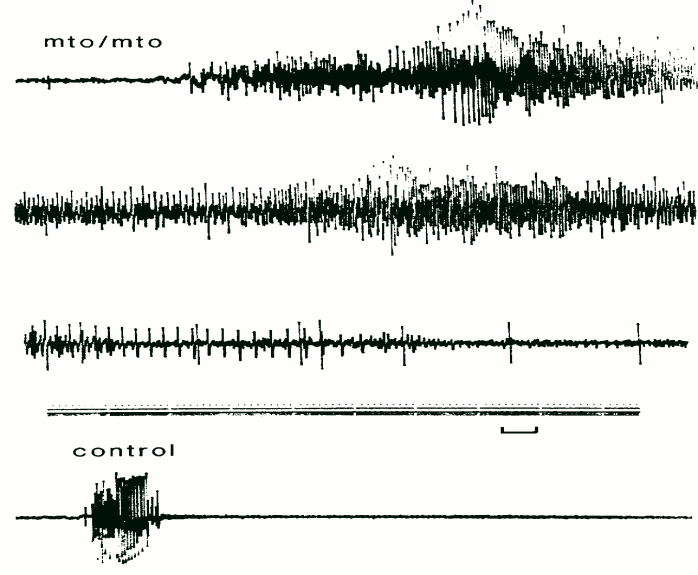
The condition, based on clinical findings and EMG-NCV was diagnosed as PROMM and the patient discharged on Mexiletine, the antimyotonia drug of choice. After 3 month of treatment, her muscle stiffness and strength improved; percussion myotonia is not remarkable anymore. Medication continues and she comes for follow- up monthly. She is now experiencing an acceptable quality of life as apposed before starting treatment. The differential diagnosis list consists of Hypothyroidism, DM 1 and 2 (Figure 1).
Conclusion
A previous case of DM with percussion myotonia was reported in 2009 in a 60-year-old woman; here we present a 17 y/o girl who’s Axonal Degeneration besides clinical findings which characterize DM2 make the patient unique in terms of combination of the condition [1].
The diagnosis of DM and Axonal Neuropath can usually be made clinically besides using Electromyography-Nerve Conduction Study. Phenytoin and mexiletine are the preferred agents for whom requiring an antimyotonia drug. Although genetic testing revealing CCTG repeats in DMPK gene confirms the diagnosis in uncertain and suspicious cases, it is not common in our routine practice and the present case matched completely with PROMM features and the treatment on mexiletine was successful, so we did not put an excessive financial burden on the patients and health care system to do the genetic test [2, 3].
References
-
Barroso FA, Nogues MA (2009) Percussion Myotonia. New England Journal of Medicine 360(10): 13.
-
Palazzolo J, Trucco E, Arce M, Riera AR, Femenia F (2011) Progressive conduction disturbance in myotonic dystrophy. Cardi J 18(3): 322-325.
-
Singla S, Islam MS (2013) Atypical Presentation of Myotonic Dystrophy: A Case Report. PM&R 5(9): 211- 212.
- Understanding Pediatric Multiple Sclerosis: Clinical Presentation, Diagnostic Criteria, Therapeutic Advances, and Supportive Care Approaches
- Hemophilia in Children
- Xia-Gibbs Syndrome- A Case Report
- A Study to Assess Effectiveness of Play Therapy in Reducing Post-Operative Pain among Children Age 2 To 5 Year who have Undergone General Surgeries in Selected Pediatric Hospitals of Vadodara
- Preterm Birth: Scope of the Problem, Cost of Care, Potential Complications and Current Guidelines for Management
- Noradrenaline: Can we Use it to Manage Hemodynamic Instability among Neonatal Septic Shock at the NICU?