
An Ergonomic Investigation of Musculoskeletal Strain in Laundry Ironers
The laundry business in India is especially vulnerable to work-related Musculoskeletal Disorder (MSD) due to a variety of variables such as ironing, awkward postures, repetitive duties, and so on. The goal of this case study is to investigate the severity of Musculoskeletal Disorder (MSD) among Indian laundry Ironers. Laundry Ironers in the laundry business are increasingly vocal about their dissatisfaction with musculoskeletal problems. The purpose of this research study was to identify the areas that are dangerous for a professional washing clothes over the whole work cycle. Furthermore, it throws light on the workplace-related issues encountered by Laundry Ironers as a result of existing laundry methods and equipment, particularly when considering the environment and equipment used. This research includes a wide range of these laundry houses, as well as their economic position and ratings of the working conditions they offer. The postural evaluations were carried out using Rapid Upper Limb Assessment (RULA) and Rapid Entire Body Assessment (REBA), methodologies for measuring and comparing ergonomic risk factors associated with a person's employment. The findings and results from this study were used to examine workplace-related dangers for professionals involved in every step of ironing clothes. These findings were also applied to design suggestions and actions to enhance workplace ergonomics and appropriateness.
Introduction
Occupation-related health and safety has garnered a lot of attention in recent years due to its vital role in sustaining employees’ well-being and productivity. The laundry sector, among others, is crucial to delivering essential services to consumers, businesses, and healthcare facilities. The musculoskeletal health of laundry ironers, on the other hand, is jeopardised due to the physical demands of the job, which include repetitive motions, lengthy standing, and unpleasant postures.
Musculoskeletal disorders (MSDs) impact workers globally and are a growing concern in the field of occupational health. Musculoskeletal Disorder (MSD) are a class of painful conditions that affect the muscles, tendons, ligaments, nerves, and other soft tissues. They can cause pain, reduced productivity, and possibly long-term disability. Wash staff do repetitive actions, lifting, and lengthy static postures on a daily basis, all of which can lead to Musculoskeletal Disorder (MSD). As a result, the wash business is not immune to these issues. The primary purpose of this research work is to comprehensively investigate the relationship between Musculoskeletal Disorder (MSD) incidence among laundry ironers and occupational posture. By investigating the distinctive work-related components that especially contribute to the development of Musculoskeletal Disorder (MSD), this study aims to provide insightful information and valuable ideas to improve the occupational health and well- being of laundry ironers.
To achieve this objective, a comprehensive strategy mixing quantitative and qualitative techniques will be adopted. A thorough review of the current literature will be conducted to identify relevant studies that have investigated the association between work posture and Musculoskeletal Disorder (MSD) in the laundry industry. Additionally, ergonomic evaluations and field observations will be conducted within a few washing facilities to collect information directly from workers on work postures, tasks, and potential risk factors. This study will also look at the impact of Musculoskeletal Disorder (MSD) on laundry ironers’ personal health and organisational productivity. The research will look at the social, psychological, and physical consequences of these disorders, emphasising the importance of effective prevention strategies and therapies.
Finally, the findings of this study will add to the body of knowledge on work-related Musculoskeletal Disorder (MSD) in the laundry industry. It is hoped that the findings of this study will contribute to the development of targeted interventions, ergonomic enhancements, and training programmes to reduce the risks associated with poor work posture, improve the general health and wellbeing of laundry ironers, and promote a safer workplace. By shedding light on the complicated relationships between work posture, Musculoskeletal Disorder (MSD), and laundry operations, this study aims to make a substantial contribution to the field of occupational health and safety. The insights learnt will benefit laundry ironers, but they will also help employers, legislators, and occupational health professionals develop evidence-based guidelines and treatments to protect the musculoskeletal health of laundry ironers across the laundry industry.
Literature Review
Domestic ironing, which is largely used in households, is important to a family’s financial well-being. Both men and women work in this industry, ironing and folding clothes. However, the nature of the profession usually leads to uncomfortable postures and occupational health dangers. Awkward postures and frequent acts aggravate musculoskeletal disorders, one of the leading reasons for low productivity. While there are solutions for industrial ergonomics to improve corporate productivity, there is nothing comparable for residential ironers. This study employed a Rapid Entire Body Assessment to assess levels of pain and recommend relevant therapies [1]. Activities of Daily Living (ADL) and Instrumental Activities of Daily Living (IADL) are essential for self-sufficiency. A growing study field involves slowing deterioration and utilising equipment to keep independence. Daily duties at home, on the other hand, might hasten deterioration. To address this, a survey was conducted to obtain information on ADL and IADL task performance, observational research was conducted to assess postural stress, and an ergonomics method was devised to create a Task Assessment Tool for Ease and Risk (TAER). TAER is a self-assessment approach for identifying psychological and physical risk factors in household duties. It can identify early warning signs in healthy people and help in recovery. Task Assessment Tool for Ease and Risk (TAER) streamlines issue identification in the house, resulting in an improved quality of life in the home environment [2].
The analyses individuals in the textile sector who used three different methodologies to quantify posture-based exposures, identify musculoskeletal stress factors, and assess working postures. The Rapid Entire Body Assessment (REBA), Ovako Working posture Assessment System (OWAS), and Plan for Identifiering av Belastnings faktorer (PLIBEL) methods were utilised in the study, which are observation- based scientific approaches. The research examined workers’ postures, workstations, and potentially harmful motions, making recommendations on how to prevent them and increase safety [3]. Upper crossover syndrome symptoms include muscle weakness in one group and tension in another. Weak deep neck flexors, tight pectorals, and tight sternocleidomastoid muscles all aggravate this issue. The illness is mostly caused by muscular imbalances between weak and overactive muscles. Laundry workers are more prone to get this sickness due to the stress of their occupations [4].
The purpose of this study was to examine the working conditions of garment ironers and determine how uncomfortable they felt while doing their duties. Twenty respondents between the ages of 30 and 50 who were actively engaged in ironing work were chosen for data collection. The majority of respondents (65.00%) worked between 10 and 12 hours each day, which might be a cause in musculoskeletal disorders, according to the research. We assessed grip strength and postural discomfort using a number of approaches, noting pain in the elbow, shoulder, palm, neck, and upper back. Both hands had grip issues. Workers were more at risk due to poor posture, painful movements, and prolonged standing. To reduce musculoskeletal disorders in ironing workers, more research and preventative measures must be implemented [5].
A variety of shady businesses, including 18 laundries with 49 staff, can be found in Bengkulu City›s Sukamerindu
area. Observations revealed that 75% of workers had ergonomic postures, whereas just 25% did not. Workers with severe symptoms (43%), as well as those with moderate complaints (57%), reported musculoskeletal problems. The goal of this research was to investigate the relationship between Sukamerindu area laundry employees› work posture and musculoskeletal illnesses. The study used a cross-sectional technique with a total sample size of 49 workers. Work posture was assessed using a checklist, and musculoskeletal issues were assessed using the Nordic Body Map questionnaire. Statistical analysis revealed a substantial relationship between complaints of musculoskeletal diseases and work position (p = 0.003). To prevent musculoskeletal disorders, it’s critical for employees to maintain good posture [6].
Seven employees from three dry-cleaning companies were subjected to workplace hazard assessments to establish their exposure to risk factors for musculoskeletal diseases (MSDs). The analysis was divided into two parts and followed the Washington State Ergonomics Rule. First, pressing tasks in three businesses were discovered to have a “caution zone job” based on observation and checklists. Second, extensive posture and motion analyses using video technologies showed the existence of a “MSD hazard” in the shoulder position. The dry-cleaning industry, according to the research, must reduce MSD risk factors, particularly unpleasant shoulder postures [7].
A variety of shady businesses, including 18 laundries with 49 staff, can be found in Bengkulu City’s Sukamerindu area. Observations revealed that 75% of workers had ergonomic postures, whereas just 25% did not. Workers with severe symptoms (43%), as well as those with moderate complaints (57%), reported musculoskeletal problems. The goal of this research was to investigate the relationship between Sukamerindu area laundry employees’ work posture and musculoskeletal illnesses. The study used a cross-sectional technique with a total sample size of 49 workers. Work posture was assessed using a checklist, and musculoskeletal issues were assessed using the Nordic Body Map questionnaire. Statistical analysis revealed a substantial relationship between complaints of musculoskeletal diseases and work position (p = 0.003). To prevent musculoskeletal disorders, it’s critical for employees to maintain good posture [8].
The purpose of this research is to learn more about the factors that influence the development of work-related musculoskeletal illnesses (WMSDs) among laundry shop ironing staff. The sample size of 300 Erode city occupational ironers was determined using simple random selection. A questionnaire structured after the Nordic questionnaire is used to collect information on personal, professional, and health-related matters. The survey found that symptoms of musculoskeletal problems are often reported, with neck pain (89.33%) having a higher prevalence than wrist/hand pain (81.33%) and shoulder discomfort (73%). These symptoms impact both male and female employees, emphasising the importance of taking preventative measures to improve the comfort of occupational ironing workers in laundries [9].
An observational study was done among laundry employees to better understand how age, work time, and duration of labour impact musculoskeletal diseases (MSDs). The study, which included 43 participants, was conducted in the Tembalang sub-district of Semarang City, Indonesia. Data was gathered using both the Nordic Body Map and a questionnaire. The Kruskal-Wallis test analysis found no statistically significant link between age, work time, or labour length and MSDs in laundry staff. As a consequence, the study concludes that these features have no effect on the incidence of musculoskeletal issues among laundry workers [10].
Objective of the Study
- To ascertain the level of physical pain experienced by domestic ironing employees;
- To assess the ironing workers’ ergonomic risk factors in order to ascertain how they view their activity.
- To analyse their posture throughout employment.
- To improve security and eliminate WMSDs of the shoulders, arms, spinal column, and feet at ironing workstations by using scientifically validated ergonomically optimum working positions.
Methodology
Double Diamond Method
Double Diamond simplifies the design process for both designers and non-designers. The two diamonds symbolise the process of undertaking more comprehensive or in-depth research (divergent thinking), followed by precise action (convergent thinking) as shown in Figure 1.
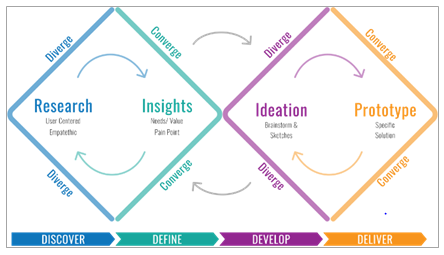
Discover: The first diamond assists in comprehending the situation rather than leaving folks to create assumptions. It requires speaking with and spending time with individuals affected by the issues. Define: Using the insights gathered during the exploration phase, you may reframe the problem. Develop: The second diamond enables people to give multiple solutions to the clearly stated problem, seeking inspiration elsewhere and co-designing with a diversity of people. Deliver: Delivery includes testing with various ideas on a small scale, rejecting those that will not work and improving those that will.
Rula
The Rapid Upper Limb Assessment (RULA) was developed to assess a worker’s exposure to ergonomic risk factors associated with upper extremity MSDs. The RULA ergonomic evaluation instrument considers the biomechanical and postural demands of professional work and expectations [11].
- Segment A: Wrist and Arms
- Segment B: Neck, Trunk and Leg Segment A (Wrist and Arms) must be assessed before group B (Upper arm, Lower arm, and Wrist).
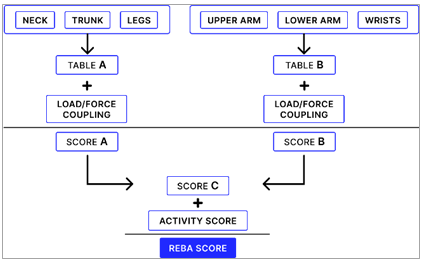
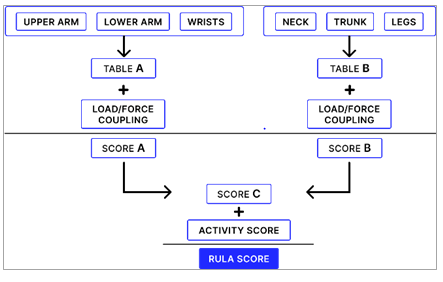
After allocating the postural score from the worksheet to each position, a force and coupling adjustment is performed.
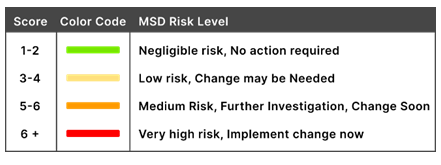
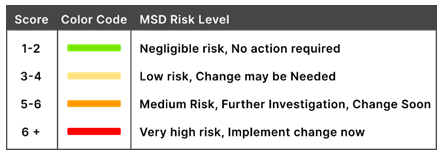
The total RULA score is determined by adding the activity score to the scores from groups A and B as shown in Figure 2. The Score determines the level of risk and corrective implementation to be done as shown in Figure 3.
Reba
The Rapid Entire Body Assessment (REBA) is a technique used to assess the number of body postures required, energy expenditure, the type of movement or activity, repetition, and difficulty of taking [12]. Segment A - Neck, Trunk and Leg Segment B - Wrist and Arms To ensure that the ergonomic risk was completed, all jobs were carefully evaluated before commencing, and workers were requested to submit detailed information. The Score determines the level of risk and corrective implementation to be done as shown in Figure 4 and Figure 5. Video and photos were collected during various operations, such as ironing and folding garments, to chronicle the varied worker movements and working postures.
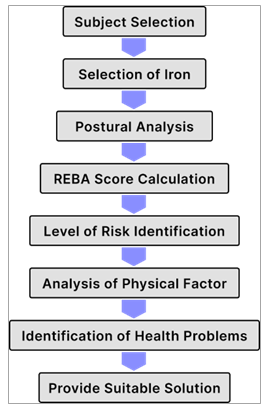
The photos are used for analysis, scoring, and evaluating the risk of a work or assignment utilising REBA & RULA analysis as per the methodology shown in Figure 6. The score is used to identify MSD concerns, and ergonomic interventions are advised.
Evaluation
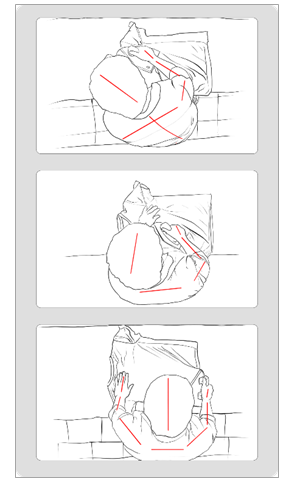
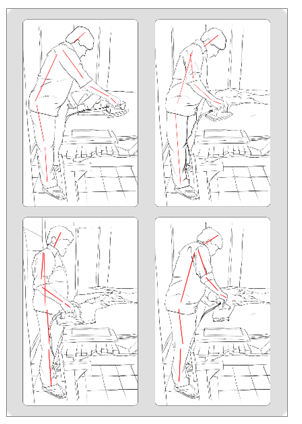
The conduction of Rapid Entire Body Assessment (REBA) for 5 samples. The 10 working postures were chosen to detect risk indicator. 10 positions are taken from various perspectives to aid with posture grading as shown in Figure 7 and Figure 8. For each activity, 10 folding and ironing postures are examined.
Posture Analysis
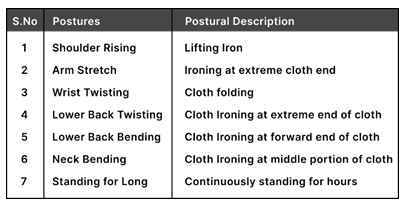
The postures of various body components are referred to as posture. Our muscles, tendons, and ligaments have to work harder and may get strained when we have bad posture. Awkward posture occurs when a body joint, such as the wrist, bends excessively. Working with our hands or arms aloft frequently or for a lengthy amount of time, bending, twisting, kneeling, squatting, or remaining in a sedentary position are all examples of awkward posture. A static posture is one that has been held for an extended amount of time. Bending and twisting, as well as inadequate workplace size, can all lead to incorrect posture as shown in Figure 9. The employee’s MSD was caused by an uncomfortable position. The degree a joint deviate from neutral raises the chance of injury.
Observational Analysis
Observational approaches, the most widely used methodology, may be used to assess ergonomic hazards at work, follow ergonomic progress, and conduct ergonomic research. It is a quantitative assessment of ergonomic risk exposure. This method makes data tracking straightforward. Because they are low-cost and quick to execute, observational techniques are particularly successful in detecting ergonomics issues in the workplace. To assess risk and control ergonomic hazards in the workplace, a clear observational method is necessary.
As a result, observational approaches may easily assess ergonomic hazards and severity in the workplace. In REBA, the static force or load score, coupling score, and activity score are added to the postural score to determine the final score. Ironing employees move their trunk, neck, leg, arm, and wrist while doing their responsibilities.
Calculation
This report contains research on the ergonomics of commercial laundry ironing. The REBA and RULA ratings for 40 postures were extensively examined. The highest RULA score was 5, indicating a medium risk level and the need for adjustments, whereas the highest REBA score was 5, indicating a medium risk level and the need for modifications. More research is needed, and adjustments must be implemented swiftly.
Reba Score Analysis
As per the REBA Score analysis majority of score was 3 which hold weightage of 47.5% in overall analysis shown in Table 1 and Chart 1 which indicates that change is needed, whereas score 4 which hold weightage of 40% in overall analysis which indicates that change is needed and score 5 which hold weightage of 47.5% in overall analysis which indicates that further investigation is needed (Figure 10).
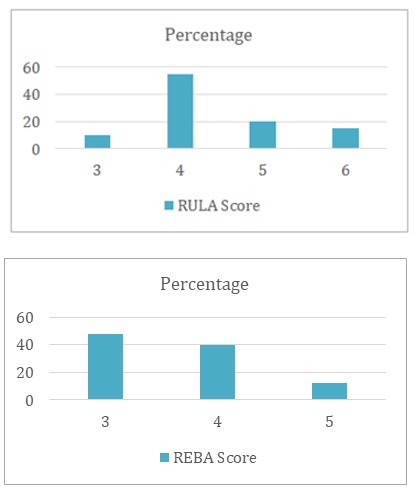
Chart 1: Graphical representation of REBA Score for Ironing.
| S. No. | REBA Score | Percentage |
|---|---|---|
| 1 | 3 | 47.50% |
| 2 | 4 | 40% |
| 3 | 5 | 12.50% |
Table 1: REBA Score Percentage for Ironing.
Rula Score Analysis
As per the RULA Score analysis majority of score was 4 which hold weightage of 55% in overall analysis which indicates that change is needed, whereas score 3 which hold weightage of 10% in analysis which indicates change is needed, score 5 which holds weightage of 20% in analysis which indicates that further investigation is needed and score 6 which holds weightage of 15% in analysis which indicates that further investigation is needed as shown in Table 2 and Chart 2, (Figure 11).
| S. No. | RULA Score | Percentage |
|---|---|---|
| 1 | 3 | 10% |
| 2 | 4 | 55% |
| 3 | 5 | 20% |
| 4 | 6 | 15% |
Table 2: RULA Score Percentage for Ironing.
Chart 2: Graphical representation of RULA Score for Ironing.
Identification of Pain Areas
The worker had a musculoskeletal problem. The most prevalent pain sensation in the response is neck soreness, which people suffer 80% of the time. Shoulder pain accounts for 70% of all complaints, followed by back pain (90%), heel pain (50%), elbow pain (30%), and wrist/hand pain (40%), in that order. Nearly 99.99% of commercial ironing workers stand while working. The most crucial qualities, as shown in Chart 2, are wrist/hand discomfort, neck pain, lower back pain, heel pain, and shoulder pain as shown in Table 3.
| Pain | Percentage % |
|---|---|
| Neck Pain | 80 |
| Shoulder Pain | 70 |
| Back Pain | 90 |
| Heel Pain | 50 |
| Elbow Pain | 30 |
| Wrist Pain | 40 |
Table 3: REBA Score Percentage for Ironing.
Long periods of standing while working, a shaky work table, and the weight of the iron box all contribute to bad posture, which causes shoulder and lower back pain. Excessive bending and stretching may cause lower back pain. To avoid shoulder and lower back strain, as well as bending and overstretching, the table height is adjusted to the individual’s height. A day of standing can cause heel pain, which is similar to back pain. Employees should take proper pauses between ironing sessions. Workers who conduct continuous and repetitive labour should take a 5- to 10-minute break every 45 minutes, according to the Applied Occupational and Environmental Hygiene.
Conclusion
The study’s purpose was to raise ergonomics knowledge among commercial laundry ironers. According to the study, there is evidence that workers’ overall working conditions are poor and must be addressed considerably in order to eradicate MSD risk factors. The findings of this study indicate that adjusting the height of the table to match the height of the workers can improve the comfort of ironing employees in laundry shops, and that ironing should be done with a simultaneous weight reduction of the iron box.
Employees who must perform repetitive jobs should take regular breaks. Warm-up stretching activities are advised to assist reduce musculoskeletal discomfort during work. Furthermore, the It is also recommended that workers have regular health checks, and that MSD knowledge be enhanced.
References
-
Bhuvaneshwaran P, Jishin JT (2022) Study on Postural Analysis and Musculoskeletal Disorder Risk on the Domestic Ironing Workers. International Research Journal of Engineering and Technology 9(1): 962-967.
-
Aujla P, Sandhu P, Kaur R (2017) An Ergonomic Study of Muscular Fatigue during Ironing Clothes with Selected Irons. Journal of Human Ecology 24(1): 31-34.
-
Isler M, Kucuk M, Guner M (2018) Ergonomic Assessment of Working Postures in Clothing Sector with Scientific Observation Methods. International Journal of Clothing Science and Technology 30(6): 757-771.
-
Sagar JH, Mujawar JC (2019) Prevalence of Upper Cross Syndrome in Laundry Workers. Indian Journal of Occupational and Environmental Medicine 23(1): 54-56.
-
Kumari S, Gupta R and Gill JK (2020) Assessment of Work Related Musculoskeletal Problems among Workers Engaged in Ironing Clothes. International Journal of Current Microbiology and Applied Sciences 9(5): 186- 193.
-
Mulyati S (2019) The Relationship Between Work Posture And Musculoskeletal Disorders Msds In Laundry Workers in the area of Puskesmas Sukamerindu Bengkulu. Advances in Health Sciences Research.
-
Park JK (2016) Job Hazard Analyses for Musculoskeletal Disorder Risk Factors in Pressing Operations of Dry- cleaning Establishments. Safety and Health at Work 7(4): 389-393.
-
Wahyuni EI (2015) The influence of work posture to the musculoskeletal disorder on laundry workers in tembalang region. Proceedings international seminar and workshop on public health action building healthy community, pp: 120-126.
-
Vijay AM, Vijaykuumar KCK, Murugan PC, Bhuvanesh KM (2019) Prevalence of wrist neck and shoulder pain symptoms among ironing workers in occupational laundry shop. International Journal of Scientific & Technology Research 8(11): 740-744.
-
Lahdji A, Anggraheny HAD (2020) Effect of Age Work Period and Work Duration on Musculoskeletal Disorders in Laundry Workers. Advances in Health Sciences Research.
-
Mishra A, Singh R, Tandon P (2020) Ergonomics international journal ergonomics risk factors among hairdressers working in india a case study. Ergonomics International Journal 4(4): 1-5.
-
Pandey A, Singh R (2021) Ergonomics International Journal A Designer’s Perspective on Ankylosing Spondylitis and its Impact on Quality of Life. Ergonomics International Journal 5(3): 1-5.
- The Expanding Landscape of Road Rage: A Systematic Review of Conflicts Involving Drivers, Pedestrians, and Micromobility
- Validating Cognitive Models of Royal Navy Performance on Control Systems
- Comparing Standard and State-of-the-art Firefighter Coats on Postural Balance and Gait in a Live Burn Environment
- Investigating the Integration of Telemedicine into Clinicians Workflow: A Review of Methods
- Risk Assessment of Ergonomic Factors in a Textile Firm by RULA, REBA and Fine Kinney Methods
- Impact of Self-Esteem Training on Individuals with Disabilities Aged 17-30