
Burn Fatalities in Benghazi city
Background: Burn deaths are an important public health problem in a developing country like Libya. Injuries are an increasingly recognized public health problem, substantially affecting nearly every population and every geographical zone in the world. Burns have always been considered as one of the most destructive injuries, causing not only deaths but also major economic and psychological impacts and long term somatic sequelae as well burn injury is a common type of traumatic injury, causing considerable morbidity and mortality. Moreover, burns are also among the most expensive traumatic injuries, because of long hospitalization and rehabilitation, and costly wound and scar treatment. Aim of Study: The purpose of this study was to record and evaluate the causes and the magnitude of the fatal burn injuries retrospectively. The objectives of this project were to investigate the epidemiology of burn fatalities among cases presented to Jala Hospital (big trauma hospital in Benghazi City) in a period of 6 years. Methodology: An analysis of 100 death cases due to burn recorded in Jala Hospital was studied. Over 6 year’s period (2015-2020). Finding and Conclusion: The majority of deaths occurred between 10 and 54 years of age group (83%) with a preponderance of males (65%). The flame burns were seen in more than 90 % of the victims. The majority of burn incidents were accidental 90% in nature followed by suicidal 10%. The percentages of burns (TBSA) over 30% were observed in most of the cases (89%). The results of this study provide the necessary information to develop proper burn prevention programs, thereby reducing the frequency of burns and burn-related deaths.
Introduction
Burn injuries and their sequel pose a public health problem. Every year, it was found that burns caused by fire were responsible for about 265,000 deaths globally. More than 90% of fatal fire-related burns occur in developing or lower and middle income countries (LMICs).
Burn is an injury which is caused by application of heat by conduction, radiation or chemical substance to the external or internal surface of the body which causes destruction of tissue [1]. Deaths are only a part of the problem, for every person who dies as a result of their burns; many more are left with lifelong disabilities and disfigurements. By law all dry heat lesions have been designated as burns [2].
Burn injuries have long been described as among the most serious injuries that may afflict a human being [3]. Burn is a unique but significant mode of suicide and homicide everywhere in the world. Burns are the fourth most common type of trauma worldwide, following traffic accidents; falls and interpersonal violence [4]. The most common cause of flame burns in modern society is accident [5, 6]. Local injury from heat occurs when an external source of heat raises the temperature of tissue above approximately 44.0 degree centigrade for long enough to damage the tissue. Extremes of age are more vulnerable to such injuries. However in India, it is most commonly seen in younger age group and is most common it female as against in developed countries where it is most common in males as is true with any form of trauma.
Burns are injuries produced by application of dry heat such as flame, radiant heat or some heated solid substance like metal or glass to the body. Local injury to the body by heat may result from dry heat, application of hot bodies, licking by flames resulting in simple burns, moist heat leading to scalds, and corrosive poisons resulting in corrosive burns. Electric spark, discharges, flashes and lightening leads to electric burns [7]. Burns are an important cause of injury to young children, being the third most frequent cause of injury resulting in death behind motor vehicle accidents and drowning. Burn injuries account for the greatest length of stay of all hospital admissions for injuries [8]. According to the World Health Organization, 238,000 individuals died of fire-related burns in 2000, and 95% of these deaths occurred in low and middle-income countries [9, 10]. The approach to burn prevention, to be effective in a particular area, should be based on a sound knowledge of etiological patterns of burn injuries and must take into account the geographical variations and socioeconomic differences in burn epidemiology [11, 12]. As in other low income countries, burns in Libya are considered as major health problems that are associated with high mortality and morbidity.
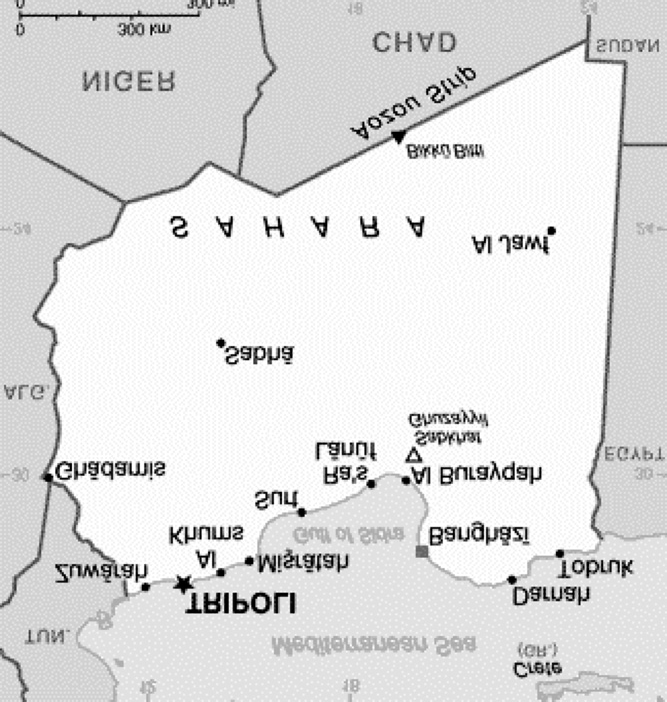
Benghazi is the second largest city in Libya and the main city (or capital) of the Cyrenaica region (or ex-Province), located in the North of Africa. Benghazi is located half way between Tripoli in the West (a distance of approximately 1000 km between these cities) and Cairo in the East (also approximately 1000 km) (Figure 1).
Subjects and Methods
A retrospective study was done on burn deaths from Benghazi city which were according to cases recorded in the main trauma hospital in the city of the 100 burn fatality cases between 2015 and 2020. Retrospective data were collected from the data available in that period. All the records revealed information regarding age, sex, and year. Type of burn, Manner of death, TBSA (estimated according to Lund– Browder chart).
Data were presented as numbers and percentages by using SPSS version 10.
Results and Discussion
Burn is a problem prevalent worldwide, [12] especially in developing countries [13]. Based on the available information regarding the incidence of burns and burn deaths, this should be considered as a significant problem in Libya. Male victims were more evident with accounting 65% cases as compared to females 35% and male: female ratio was 2:1 (Table 1).
| NO | Date of death | sex | age | Cause of death | Percentage of Burn | Description of cause death |
|---|---|---|---|---|---|---|
| 1 | 2018-06-05 | M | 34 | BURN | 100.00% | GAS EXPLOSION |
| 2 | 2018-08-12 | M | 48 | BURN | 60.00% | BENZENE |
| 3 | 2018-05-07 | M | 6 | BURN | 85.00% | KEROSENE INVOLVED |
| 4 | 2018-05-08 | F | 1.5 | BURN | 50.00% | WATER |
| 5 | 2018-09-03 | M | 48 | BURN | 45.00% | LIQUID EXPLOSION |
| 6 | 2018-08-06 | F | 45 | BURN | 67.00% | BENZENE IN OPEN AREA |
| 7 | 2018-06-05 | F | 16 | BURN | 40.00% | BENZENE |
| 8 | 2018-08-15 | M | 42 | BURN | 90.00% | ELECTRICAL CURRENT |
| 9 | 2018-05-10 | M | 5 | BURN | 46.00% | BENZENE/GASOLINE |
| 10 | 2018-05-01 | F | 44 | BURN | 90.00% | INHALATION INJURY/BENZENE |
| 11 | 2018-05-03 | M | 42 | BURN | 90.00% | INHALATION INJURY |
| 12 | 2018-04-26 | F | 55 | BURN | 50.00% | RTA/BURN |
| 13 | 2018-03-13 | M | 30 | BURN | 50.00% | GASOLINE |
| 14 | 2018-02-17 | M | 58 | BURN | 36.00% | BENZENE |
| 15 | 2018-02-20 | M | 54 | BURN | 45.00% | BENZENE |
| 16 | 2018-03-05 | M | 3 | BURN | 70.00% | DEEP DERMAL INHALATION INJURY |
| 17 | 2018-02-25 | M | 9 | BURN | 30.00% | BENZENE |
| 18 | 2018-01-28 | M | 30 | BURN | 30.00% | INHALATIOON INJURY |
| 19 | 2018-01-06 | M | 65 | BURN | 85.00% | FIRE WITH INHALATION INJURY |
| 20 | 2018-01-29 | M | 75 | BURN | 36.00% | GAS BURN |
| 21 | 2018-01-28 | M | 25 | BURN | 30.00% | ELECTRICAL BURN |
| 22 | 2017-09-05 | M | 20 | BURN | 80.00% | BENZENE |
| 23 | 2017-11-29 | F | 18 | BURN | 45.00% | UNKNOWN |
| 24 | 2017-11-14 | F | 25 | BURN | 85.00% | GAS BURN |
| 25 | 2017-12-15 | F | 29 | BURN | 46.00% | FIRE BURN |
| 26 | 2017-10-21 | F | 17 | BURN | 35.00% | LIQUID EXPLOSION |
| 27 | 2017-10-16 | F | 35 | BURN | 35.00% | PREGNANT 27 WEEK /FIRE BURN |
| 28 | 2017-10-11 | M | 60 | BURN | 33.00% | FIRE BURN |
| 29 | 2017-09-12 | M | 36 | BURN | 50.00% | BENZENE |
| 30 | 2017-08-29 | M | 35 | BURN | 90.00% | BENZENE |
| 31 | 2014-12-29 | M | 53 | BURN | 65.00% | BENZENE |
| 32 | 2014-08-09 | M | 40 | BURN | 24.00% | FIRE BURN |
| 33 | 2014-09-21 | M | 19 | BURN | 35.00% | LIQUID EXPLOSION |
| 34 | 2014-08-10 | M | 83 | BURN | 45.00% | DEEP BURN INJURY |
| 35 | 2014-02-07 | M | 24 | BURN | 90.00% | METABOILIC ACID |
| 36 | 2014-04-16 | M | 22 | BURN | 80.00% | GAS FIRE |
| 37 | 2019-11-06 | M | 32 | BURN | 85.00% | BENZENE |
| 38 | 2019-11-08 | M | 34 | BURN | 55.00% | BENZENE |
| 39 | 2019-10-30 | F | 18 | BURN | 60.00% | BENZENE |
| 40 | 2019-10-25 | M | 14 | BURN | 100.00% | GAS |
| 41 | 2019-04-07 | F | 86 | BURN | 89.00% | GASOLINE |
| 43 | 2019-08-10 | F | 45 | BURN | 60.00% | BENZENE |
| 44 | 2019-06-05 | M | 13 | BURN | 45.00% | GAZOLINE |
| 45 | 2019-07-15 | F | 47 | BURN | 100.00% | BENZENE |
| 46 | 2019-06-30 | M | 25 | BURN | 63.00% | LIQUID BURN |
| 47 | 2019-06-02 | F | 18 | BURN | 37.00% | EXPLOSIVES |
| 48 | 2019-05-23 | F | 55 | BURN | 70.00% | FLAME |
| 49 | 2019-05-05 | M | 39 | BURN | 30.00% | GASOLINE |
| 50 | 2019-04-29 | F | 47 | BURN | 85.00% | BENZENE |
| 51 | 2019-04-27 | F | 52 | BURN | 55.00% | GASOLINE |
| 52 | 2019-05-30 | F | 23 | BURN | 80.00% | SUICIDE GASOLINE |
| 53 | 2019-03-06 | F | 46 | BURN | 100.00% | BENZENE |
| 54 | 2019-02-24 | M | 75 | BURN | 20.00% | LIQUID FIRE |
| 55 | 2019-02-10 | M | 14 | BURN | 100.00% | ELECTICAL SHOCK |
| 56 | 2020-08-03 | F | 42 | BURN | 25.00% | FLAME |
| 57 | 2020-04-25 | M | 11 | BURN | 65.00% | FLAME |
| 58 | 2020-10-04 | M | 35 | BURN | 85.00% | GAS |
| 59 | 2020-10-05 | M | 30 | BURN | 60.00% | FLAME |
| 60 | 2020-10-08 | M | 16 | BURN | 65.00% | FLAME |
| 61 | 2020-03-04 | M | 35 | BURN | 65.00% | INHALATION |
| 62 | 2020-03-25 | M | 3 | BURN | 65.00% | BENZENE |
| 63 | 2020-03-24 | M | 5 | BURN | 80.00% | FLAMABLE BURN |
| 64 | 2020-03-08 | F | 25 | BURN | 45.00% | BENZENE |
| 65 | 2020-03-30 | F | 56 | BURN | 55.00% | BENZENE |
| 66 | 2020-04-06 | M | 51 | BURN | 50.00% | FLAME/BLEEDING |
| 67 | 2020-04-20 | M | 35 | BURN | 41.00% | EXPLOSIVES |
| 68 | 2020-03-12 | M | 13 | BURN | 75.00% | EXPLOSIVES |
| 69 | 2020-03-16 | F | 24 | BURN | 58.00% | INHALATION INJURY/BENZENE |
| 70 | 2015-06-05 | M | 40 | BURN | 30.00% | GAS EXPLOSION |
| 71 | 2015-05-04 | M | 35 | BURN | 60.00% | BENZENE |
| 72 | 2015-06-09 | M | 35 | BURN | 85.00% | BENZENE |
| 73 | 2015-06-10 | F | 26 | BURN | 50.00% | WATER |
| 74 | 2015-06-23 | M | 2 | BURN | 45.00% | LIQUID EXPLOSION |
| 75 | 2016-06-12 | F | 44 | BURN | 67.00% | BENZENE IN OPEN AREA |
| 76 | 2016-06-25 | F | 2.5 | BURN | 40.00% | BENZENE |
| 77 | 2016-03-26 | M | 62 | BURN | 90.00% | ELECTRICAL CURRENT |
| 78 | 2016-06-10 | M | 45 | BURN | 46.00% | BENZENE/GASOLINE |
| 79 | 2016-05-13 | F | 23 | BURN | 90.00% | INHALATION INJURY/BENZENE |
| 80 | 2016-05-13 | F | 23 | BURN | 90.00% | INHALATION INJURY |
| 81 | 2015-05-10 | M | 45 | BURN | 50.00% | RTA/BURN |
| 82 | 2015-07-11 | M | 16 | BURN | 50.00% | GASOLINE |
| 83 | 2015-05-30 | M | 38 | BURN | 36.00% | BENZENE |
| 84 | 2015-08-13 | M | 1.5 | BURN | 45.00% | BENZENE |
| 85 | 2015-08-04 | M | 18 | BURN | 70.00% | BENZENE |
| 86 | 2015-05-01 | M | 46 | BURN | 30.00% | BENZENE |
| 87 | 2015-11-16 | M | 11 | BURN | 30.00% | INHALATIOON INJURY |
| 88 | 2015-08-17 | M | 77 | BURN | 85.00% | FIRE WITH INHALATION INJURY |
| 89 | 2015-10-18 | M | 84 | BURN | 36.00% | GAS BURN |
| 90 | 2015-02-19 | M | 37 | BURN | 30.00% | ELECTRICAL BURN |
| 91 | 2016-06-05 | M | 25 | BURN | 80.00% | BENZENE |
| 92 | 2016-10-12 | F | 54 | BURN | 45.00% | BENZENE |
| 93 | 2016-10-13 | F | 1 | BURN | 85.00% | LIQUID BURN |
| 94 | 2016-08-14 | F | 54 | BURN | 46.00% | FIRE BURN |
| 95 | 2016-06-09 | F | 26 | BURN | 35.00% | FIRE BURN |
| 96 | 2016-07-01 | F | 49 | BURN | 35.00% | LIQUID EXPLOSION |
| 97 | 2016-11-11 | M | 36 | BURN | 33.00% | FIRE BURN |
| 98 | 2016-09-12 | M | 5 | BURN | 50.00% | BENZENE |
| 99 | 2016-06-13 | M | 14 | BURN | 90.00% | BENZENE |
| 100 | 2016-06-04 | M | 24 | BURN | 65.00% | BENZENE |
Table 1: Data collected from files.
Percentage of burn major when more than 30% in our death cases due to burn was 89%. Middle when between 15- 30% in our cases was 11%. Minor when less than 15% was 0% (Table 2).
| Major ->30% | 89% |
|---|---|
| Middle-15-30% | 11% |
| Minor-<15% | 0% |
Table 3: Percentage of burn.
Frequency of cases depending on degree of burn 20-29% was 3 cases, 30-39% was 20 cases, 40-49% was 17 cases, 50- 59% was 13 cases, 60-69% was 14 cases, 70-80% was 10 cases and 85-100% was 23 cases (Table 3).
| 20-29% | 3 |
|---|---|
| 30-39% | 20 |
| 40-49% | 17 |
| 50-59% | 13 |
| 60-69% | 14 |
| 70-80% | 10 |
| +80 (85-100%) | 23 |
Table 4: Frequency of cases depends on degree of burn.
Age group 10-14 was 19%, 14-24 was 14%, 25-34 was 13%, 35-44 was 19%, 45-54 was 17%, 55-64 was 9% and more than 60 was 8% (Table 4).
| 10-14 | 19% |
|---|---|
| 14-24 | 14% |
| 25-34 | 13% |
| 35-44 | 19% |
| 45-54 | 17% |
| 55-64 | 9% |
| +65 | 8% |
Table 2: Burn deaths and age group. Most of fatalities cases were accidently caused by Petroleum derivatives substances (Table 1)
In the present study, about 83% of the victims were in the age group of 10–54 years, which are similar to the observation of Singh, et al. [13] from Chandigarh who reported two thirds of fatal burn cases in the young age group (21–40 years). In other countries such as Iran [14] 93% of burn victims were below 60 years with peak incidence between 16 and 25 years whereas children were the commonest victims from Angola, Scotland and Jordan [15, 16, 17]. But in Spain [18] contrary to these 61.5% of patients were over 40 years of age. The higher incidence of burn deaths among males was observed throughout the study period, while in some other countries (Argentina, Thailand, Uruguay and Saudi Arabia) about 70% of burn victims are male [19, 20]. In Spain burn cases were observed to be more common among males in all age groups except in the elderly.18Burn is the only unnatural cause in which female not only outnumbered the males, but the sex ratio being almost three times higher in female in India [21].
Conclusion
In conclusion, the present study has highlighted some important features pertaining to burn deaths in Libya (Benghazi city). The highest incidence rates of burn deaths were in adolescent and young age groups. Majority of the burn victims are males. Flame was the major cause of burns. Accident is the commonest manner of death.
References
-
Reddy KSN (2017) Thermal Deaths. The Essentials of Forensic Medicine and Toxicology, 34th (Edn.), Jaypee Brothers Medical Publishers, pp: 297.
-
Pillay VV (2017) Injuries due to Heat, Lightening, Electrocution and radiation, pp: 270.
-
Reddy KSN (2009) Thermal Deaths. In: Devi K. Suguna, The Essentials of Forensic Medicine and Toxicology, 29th (Edn.), Hyderabad, pp: 283.
-
Saukko Pekka, Knight Bernard (2004) Burns and Scalds. Knight’s Forensic Pathology, 3rd (Edn.), Oxford University Press Inc, pp: 322.
-
Van Rijn Olga J, Bouter LM, Meertens RM (1989) The aetiology of burns in developed countries review of the literature. Burns 15(4): 217-221.
-
Vij Krishan (2008) Thermal Deaths. Text Book of Forensic Medicine and Toxicology, 5th (Edn.), Elsevier, pp: 159.
-
Modi NJ (1983) Injuries from burns, scalds, lightening and electricity. Asphyxiants. Modi’s Text Book of Medical Jurisprudence and Toxicology, 20th (Edn.), Bombay: NM, Tripathi; pp: 182-762.
-
Toon MH, Maybauer DM, Arceneaux LL, Fraser JF, Meyer W, et al. (2011) Children with burns injuries – assessment of trauma, neglect, violence and abuse. J Inj Violence Res 3(2): 98-110.
-
WHO (2002) Injury: A leading cause of the global burden of disease. World Health Organization, Geneva.
-
Forjuoh SN (2006) Burns in low- and middle-income countries: a review of available literature on descriptive epidemiology, risk factors, treatment, and prevention. Burns 32(5): 529-537.
-
Liao CC, Rossignol AM (2006) Landmarks in burn prevention. Burns 26(5): 422-434.
-
Linares AZ, Linares HA (1990) Burn prevention: the need for a comprehensive approach. Burns 16(4): 281-285.
-
Singh D, Singh A, Sharma AK, Sodhi L (1998) Burn mortality in Chandigarh zone: 25 years autopsy experience from a tertiary care hospital of India. Burns 24(2): 150-156.
-
Soltani K, Zand R, Mirghasemi A (1998) Epidemiology and mortality of burns in Tehran, Iran. Burns 24(4): 325- 328.
-
Adamo C, Esposito G, Lissia M, Vonella M, Zagaria N, et al. (1995) Epidemiological data on burn injuries in Angola: a retrospective study of 7230 patients. Burns 21(7): 536-538.
-
Sarhadi NS, Murray GD, Reid WH (1995) Trends in burn admissions in Scotland during 1970-1992. Burns 21(8): 612-615.
-
Muhtaseb HE, Qaryoute S, Ragheb SA (1984) Burn injuries in Jordan. A study of 338 cases. Burns 10(2): 116-120.
-
Reig A, Tejerina C, Baena P, Mirabet V (1994) Massive burns: a study of epidemiology and mortality. Burns 20(1): 51-54.
-
Saleh S, Gadalla S, Fortney JA, Rogers SM, Potts DM (1986) Accidental burn deaths to Egyptian women of reproductive age. Burns 12(4): 241-245.
-
Chaurasia AR (1982) Mortality from burns in developing countries. Burns 9(3): 184-186.
-
Vipul NA, Hemant VG (2006) Study of burn deaths in Nagpur, Central India. Burns 32(7): 902-908.
- Narcotics and Digital Forensics: Bridging Crimes in the Digital Age
- Ethics in Forensic Psychiatry: Principles, Dilemmas, and Human Rights
- Impact of Acute Stress on Attentional Orienting to Social Cues
- Head Injury and Intracranial Hemorrhage in Western Region of Libya
- A Forensic Study on Handedness: Examination of Handwriting Features in Right and Left Handed Writers
- Techniques for Latent Fingerprint Development Using Natural and Synthetic Powders: A Review