
Phytopharmacological Perspectives of Tinospora cordifolia Chemical Constituents and Medicinal Properties
According to the World Health Organization, 80% of the world’s population relies mostly on traditional remedies including the use of plant extracts or active components. India’s mega-biodiversity and knowledge of rich historic traditional systems of medicine (Ayurveda, Siddha, Unani, Amchi, and local health traditions) give a solid foundation for the use of a wide range of plants in general healthcare and the treatment of common disorders. Tinospora Cordifolia is a Deciduous woody climbing shrub found in India, China, and Africa. It is a member of the Menispermaceae family. This plant’s pharmacological importance stems mostly from its root, stem, and leaf. It contains a variety of photoactive chemicals, including alkaloids, steroids, glycosides, lactones, polysaccharides, and others. Practically every portion of the plant has immunomodulatory effects. It is a significant medicinal plant used in Ayurveda medicine to treat colds, fevers, diabetes, and even rheumatoid arthritis.
Introduction
80% of people worldwide, according to the World Health Organization, rely mostly on conventional treatments, including those that use Pharmacological chemicals including phytochemical compounds. The gigantic of Indian, as well as understanding of rich historical traditional systems of medicine (Ayurveda, Siddha, Unani, Amchi, and local health traditions), give a firm framework for the application of a varied variety of plants in healthcare and the cure for prevalent clinical maladies [1].
Tinospora Cordifolia is a shrub that’s also frequently utilized in Ayurveda medicine. It belongs to the Menispermaceae class. The plant is a woody, glabrous climbing shrub native to India. It may additionally be found in Burma and Sri Lanka. It thrives in the tropics, may reach vast heights, and climbs massive tree stumps. The stem is gray or creamy white in color, spirally and vertically split, and interspersed with huge clover small bumps. The wood is white, soft, and porous, and when exposed to air, the freshly cut surface immediately turns yellow. The leaves are simple, overlapping, allowed to escape, long petiolate, and chordate in shape, with such a preferable option reticulate venation.
The branches sprout long thread-like aerial roots.
Flowers are unisexual and tiny. Male flowers grow in bunches, where as female blooms grow alone. Six sepals are arranged in two whorls of three each. Six obovate and membranous petals form two whorls. The aggregate fruit is red, juicy, and has numerous drupelets on a robust stem with crimson sub terminal style scars [2]. Menispermeaceae is a tropical plant family with around 70 genera and 450 species. It may be found all across India, as well as in areas of Sri Lanka, Bangladesh, and China [3]. In Ayurveda, the plant is known as Rasayana and is widely recognized for strengthening the immune system and the body’s protection against certain invading Microorganisms [4] (Figure 1).
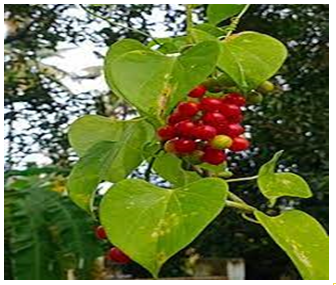
Common Name [5]
- Latin: Tinospora cordifolia (willd.) Hook.F. & homson
- English: Gulancha/ Indian Tinospora
- Sanskrit: Guduchi, Madhuparni, Amrita, Chinnaruha, Vatsadaani, Tantrika, Kundalini & chakralakshanika.
- Hindi: Giloya, Guduchi
- Bengali: Gulancha
- Telugu: Thippateega
- Tamil: Shindilakodi
- Marathi: Shindilakodi
- Gujarathi: Galo
Classification [6]
- Kingdom: Plantae – Plants ;
- Subkingdom: Tracheophyta –Vascular Plants;
- Super-division: Spermatophyta-Seed bearing plants
- Division: Magnoliophyta-Flowering;
- Class: Magnoliopsia-Dicotiledons
- Subclass: Polypeptalae-Petals are free;
- Series: Thalamiflorae-Many stamens and flower hypogynous
- Order: Ranunculales
- Family: Menispermaceae
- Tribe: Tinosporeace
- Genus: Tinospora Species: cordifolia
Chemical Constituents
Tinospora Cordifolia Alkaloids, diterpenoid, lactones, glycosides, steroids, sesquiterpenoid, phenolics, aliphatic chemicals, as well as polysaccharides are some of the constituents [7].
Medicinal Properties of Tinospora Cordifolia
Tinospora Cordifolia Since it has biological activities also including anti-inflammatory, immunomodulatory, anti-oxidant, anti-diabetic, anti-periodic, anti-spasmodic, anti-neoplastic, anti-stress, anti-leprotic, anti-malarial, hepatoprotective, anti-allergic, and anti-arthritic activity, it is extensively utilized in conventional Ayurvedic medicine in the country of India [8].
Tinospora Cordifolia Fever, asthma, diabetes, dyspepsia, jaundice, urinary problems, skin diseases, and chronic diarrhoea and dysentery are all treated with this medication. It is additionally utilized to treatment heart disease, leprosy, helminthiasis, and rheumatoid arthritis [9].
- T. cardifolia snake bite but instead scorpion stem and root injuries sting antidote [10].
- The stem is Bitter, stomachic, diuretic, increasing bile formation, thirst-quenching, blood enrichment, as well as healing jaundice [11].
- Plant stem juice can help Diabetes, dyspepsia, especially vaginal and urethral discharges are also possibilities are all symptoms [12].
- The bark of this plant possesses anti-allergic, anti- spasmodic, anti-pyretic, and anti-inflammatory properties and antileprotic properties [13].
- The Cancer being cured by combining root as well as stem powder with milk [14].
- The entire T.cardifolia plant It is utilized to treat pig scabies, diarrhea, urinary diseases, syphilis, skin issues, and bronchitis, in addition to being used to prolong life, boost immunity, and stimulate the immune system [15].
- The Usually combined with ghee but rather honey, dried fruit powder is used as a tonic and in the treatment of jaundice and rheumatism [16].
- This plant’s Dry stem crude extract, which was poly saccharide in nature, displayed polyclonal B-cell mitogen activity, as well as active stem extract components increased their humoral response in mice. [17].
- Giloy (T.cardifolia) juice, a combination of Giloy herb and tulasi leaves, is used to treat monkey malaria [18].
- T.cardifolia Across both acute as well as subacute inflammation scenarios, stem aqueous extract shows anti-inflammatory action [19].
- It has It seems to have anti-allergic rhinitis characteristics. Allergic rhinitis is an atopy condition characterized by hypersensitivity towards pollens emitted by grass, weeds, trees, and dust, among other things [20].
- The aqueous extract of T. cordifolia stem has radioprotective action [21]. It is used to cure jaundice because it decreases body heat [22].
- This same presence of alkaloids throughout this plant’s stem regulates blood sugar levels [23].
- It reduces radiation-induced tissue damage [24]. The herb is also used to cure eye problems and fractures [25].
Pharmacological Activity
Anti Diabetic Activity
T. cordifolia extracts have been shown in pharmacological investigations to have anti-diabetic properties in vivo. It is believed indicates alkaloids, tannins, cardiac glycosides, flavanoids, saponins, and steroids, among other physiologically active phytoconstituents produced from diverse portions of either the plant, mediate its anti-diabetic activity [26].
These chemicals have been reported to have several target actions in diabetes situations, allowing for possible Usage includes clinical and experimental research. Kannadhasan R and Venkataraman S investigated the effectiveness of Tinospora Cordifolia (SETc) (1000mg/kg/ p.o) on diabetic patients and discovered that it possesses antidiabetic activity as well as antiobese properties [27].
An increase in streptozotocin diabetic albino rats ethanolic extract of Tinospora Cordifolia leaves in two doses (200 and 400 mg/kg b.w.) During 10 and 30 days, it was given orally. In diabetic rats, TC has been shown to have a considerable anti-diabetic impact, with effectiveness ranging from 50% to 70% when compared to insulin [28]. Borapetoside C (5 mg/kg, i.p.) from Tinospora crispa decreased High plasma glucose levels in diabetic rats boosted glucose intake, delayed insulin emergence of resistance, as well as finally improved insulin sensitivity.
Borapetoside C’s hypoglycemic activity may have been aided by the stimulation of insulin-induced IR-Akt-GLUT2 expression in the liver and the increase of insulin sensitivity [29]. Palmatine, jatrorrhizine, and magnoflorine, which are isoquinoline alkaloid rich fractions from stem, have been demonstrated both in vitro and in vivo to replicate insulin and release insulin [30]. Water, ethanol, and methanol extracts of the plant stimulated glucose absorption in Ehrlich ascites tumor cells [31].
Anti Cancer Activity
Tinospora Cordifolia possesses anti-cancer efficacy that has been well shown in animal studies. This same anticancer activity of Tinospora Cordifolia alkaloid palmatine was successfully proven in a 7,12-dimethylbenz(a)anthracene DMBA-induced skin cancer model using mice utilizing response surface technique (RSM) [32]. A single injection of Tinospora Cordifoliae xtract at dosages of 200, 400, and 600 mg/kg dry weight, 24 hours before cyclophosphamide (at 50 mg/kg), decreased micronuclei generation in mouse bone marrow in a dose-dependent manner.
C57 Bl mice were administered a 50% methanolic extract of Tinospora Cordifolia at a dose of 750 mg/kg body weight for 30 days, which improved their life span and decreased tumor size considerably decreased when compared to controls [33].
Mishra R et al Using C6 glioma cells, researchers explored the anti-brain cancer potential of a 50% ethanolic extract of Tinospora Cordifolia (TCE). In C6 glioma cells, TCE, in a dose- dependent way, inhibited cell proliferation while promoted differentiation [34].
Manju Bala and colleagues Tinospora Cordifolia secondary metabolites KB (human oral squamous carcinoma), CHOK- 1 (hamster ovary), HT-29 (human colon cancer), and SiHa
(human cervical cancer) cell lines, together with primary mice cells, were tested.
Immunomodulatory Activity
Tinospora Cordifolia has a well-known immunomodulatory effect. It has been reported that the active substances Immunomodulatory and cytotoxic characteristics of 11-hydroxymustakone, N-methyl- 2-pyrrolidone, N-formylannonain, cordifolioside A, magnoflorine, tinocordiside, and syringin [35].
Tinospora Cordifolia ethanolic extract (100 mg/Kg/ p.o.) possesses immunomodulatory activity, according to the stem is validated by increasing the amount antioxidant enzymes, activating T and B cells, and generating antibodies, all of which have essential functions in immunity, along with boosting melatonin concentrations in the pineal gland and cytokine levels that play important roles in immunity, such as IL-2, IL-10, and TNF.
Aqueous Tinospora Extracts have also been demonstrated to have an effect on cytokine generation, mitogenicity, immunological effector cell stimulation, and activation [36].
PMN cells (polymorphonuclear leucocytes) are an important part of the host defensive system. Tinospora Cordifolia extracts activated PMN cells for phagocytosis of additional Candida cells utilizing with in vitro slide phagocytosis approach [37]. Oral treatment of T cordifolia alcoholic extract (100 mg/kg, p. o) resulted in a clear rise in foot pad thickness as well as a substantial increase in WBC counts and bone marrow cells, indicating a stimulatory impact on the hemopoetic system [38].
Bharti Umretia and colleagues According to the findings of the study, Guduchi Ghana (concentrated form of aqueous extract of Guduchi) prepared traditionally has a substantial immunostimulatory effect on the immune system [39].
Anti Oxidant Activity
Tinospora Cordifolia has the potentially for application as that of an antioxidant in food systems and maybe as a nutraceutical in biological systems. Tinospora Cordifolia extracts in methanol, ethanol, and water demonstrated substantial antioxidant capability when especially in comparison to these other solvents, these include metal chelation and power activity reduction [40].
According to the findings, Tinospora Cordifolia stem methanol extracts taken orally improved erythrocyte Catalase activity related membrane lipid peroxide. It moreover reduced the activities for superoxide dismutase and glutathione peroxidase in treated group diabetic rats [41]. Tinosporacordifolia potentially Scavenge free radicals induced by aflatoxicosis. Through the inclusion of alkaloids such as choline, tinosporin, isocolumbin, palmatine, tetrahydropalmatine, as well as magnoflorine, Tinospora Cordifolia provided protection towards aflatoxin-induced nephrotoxicity [42]. Neha Upadhyay et al According to the findings, Tinospora Cordifolia As compared to methanol extracts, Bark ethanol preparations seemed to have the highest free radical scavenging activity, as well as the highest phenolic content [43].
The treatment of an ethanolic extract of Tinospora Cordifolia (EETC) to male Wister albino rats with N-nitrosodiethylamine (DEN) caused liver cancer restored the levels of lipid peroxidation (LPO), enzymic and nonenzymic antioxidants to near normal [44].
Anti Toxic Activity
L-DOPA is considered the gold standard therapy for Parkinson’s disease, however several studies have shown that it causes the death of surviving dopaminergic neurons in Tinospora Cordifolia crude powder co-administration protected dopaminergic neurons in the Brain as compared to a Mock operation control group. Tinospora Cordifolia crude powder treatment has been shown to reduce the toxicity of L-DOPA therapy for Parkinson’s disease [45]. Tinospora Cordifolia alkaloids Aflatoxin-induced nephrotoxicity has been demonstrated to be protected by choline, tinosporine, isocolumbin, palmetine, tetrahydropalmatine, and magnoflorine.
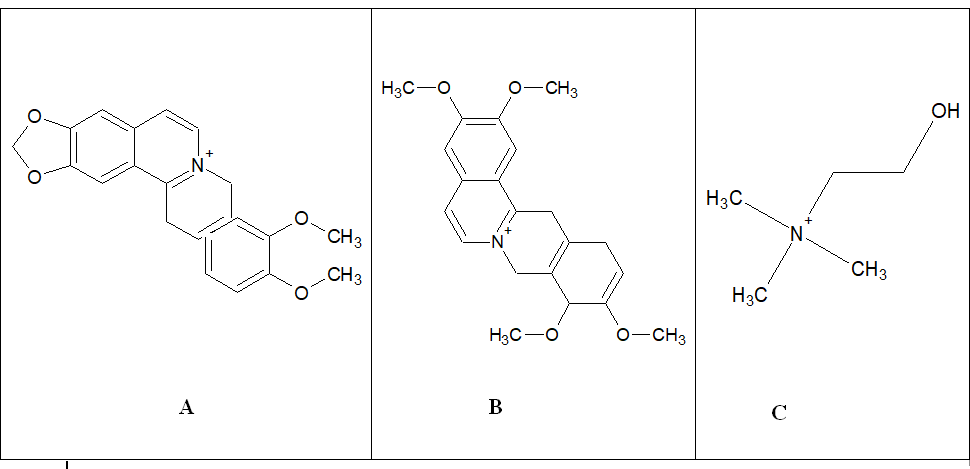
Tinospora Cordifolia extracts have been demonstrated to scavenge free radicals generated during aflatoxicosis. It has protective benefits by reducing thiobarbituric acid, GSH, ascorbic acid, protein, and increasing the activity of anti-oxidant enzymes in the kidney such as SOD, CAT, GPx, Glutathione S-transferase (GST), and glutathione reductase (GR) [46] Cyclophosphamide, an anti-cancer medication, has just been found to decrease glutathione levels within both the bladder and the liver, while additionally decreasing levels of the cytokines interferon- and IL-2 while elevated numbers of the pro-inflammatory cytokine TNF-. This impact might be reversed with Tinospora Cordifolia medication, showing Tinospora Cordifolia’s function in overcoming Cyclophosphamide-induced toxicities in cancer treatment [47]. (Figure 2-5).
Alkaloids
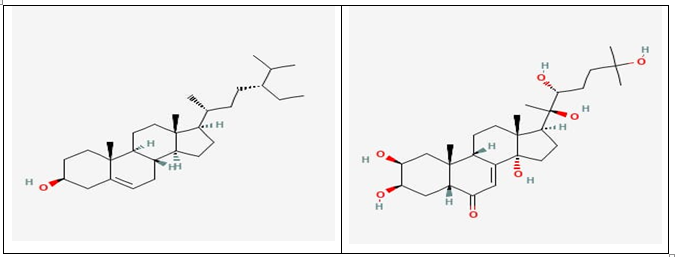
a b Figure 3: a) Beta – Sitosterol, b) Ecdysterone.
Aliphatic Compounds
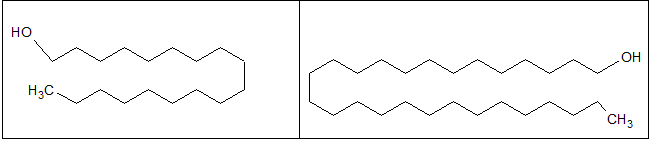
a b Figure 4: a) Octacosanol, b) Heptasosanol.
Miscellaneous
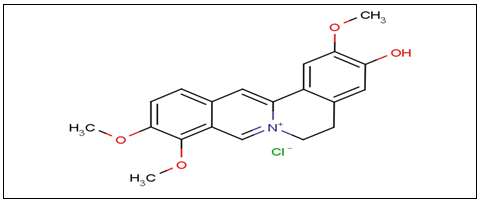
a Figure 5: a) Jatrorrhizine.
Discussion
Tinospora Cordifolia, often known as “Guduchi,” is a huge climber with several elongated branches. Tinospora cordifolia For millennia, it has been Fever, jaundice, chronic diarrhea, cancer, dysentery, bone fracture, pain, asthama, skin illness, deadly bug bite, snake bite, as well as eye disorders are all treated with it. Tinospora cordifolia extract components and biological activity have recently been discovered in investigations. Such qualities can be used to create novel formulations that are better and more promising than conventional ones. Although Tinospora is genetically heterogeneous and there have been reports of tissue culture- based multiplication, effective germplasm conservation measures.
The potential of a commercially significant medicinal plant with many biological functions that have not yet been realized. Significant research has really been carried out on the isolation and purification of active TC constituents that seem to be principally responsible for the treatment of numerous illnesses, as well as potential confirmation. It offers numerous health benefits to clients as a pharmaceutical agent. Nevertheless, since the crude variety of that kind of medicinal plant has a harsh and bitter flavor, future research should concentrate on the TC integrated product but also its diversification.
Conclusion
The current review focuses on Tinospora cordifolia’s botanical description and therapeutic value. Because of its great bio-diversity and historic medicinal relevance, the plant opens up a new avenue of study for Researchers are striving to extract pharmacologically active and therapeutic constituents from either the plant in attempt to heal a number of horrifying diseases. Tinospora cordifolia, a versatile medicinal plant, is a unique source of different chemicals with distinct chemical structures. Given that there has been minimal research on the biological activity and potential medicinal uses of these chemicals, further research is required before they may be used to treat diseases. To build modern pharmaceuticals from Tinospora cordifolia components, a drug-development initiative should be initiated.
The proposed review provides an overview on the traditional antidiabetic, anticancer, immunomodulatory, antioxidant, antibacterial, and antitoxic claims of Tinospora Cordifolia, as well as their support by modern research. In recent years, there has been a growing trend and interest in medicinal plant research. Over the past couple of decades, a significant amount of study has been conducted to better understand the chemistry of different sections of Tinospora cordifolia. While Tinospora Cordifolia has been Tinospora Cordifolia and also its compounds have been used effectively in Ayurvedic medicine for millennia; nevertheless, further research and development work on Tinospora Cordifolia and its products is required for increased economic and therapeutic application. This review can be utilized to conduct additional research.
References
-
Pandey MM, Rastogi S, Rawat AK (2007) Indian herbal drug for general healthcare An overview. Internet Journal of Alternative Medicine 6(1).
-
Raghu AV, Geetha SP, Martin G, Balachandran I, Ravindran PN (2006) In vitro clonal propagation through mature nodes of Tinospora Cordifolia Willd Hook F Thoms An important ayurvedic medicinal plant. In Vitro Cellular Developmental Biolology Plant 42: 584-588.
-
Tirtha SS (2007) The Ayurveda Encyclopedia Natural Secrets to Healing Prevention and Longevity. 1st(Edn.), Sat Yuga Press, pp:657.
-
Khare CP (2007) Indian Medicinal Plants An illustrated Dictionary. 1st(Edn.) Springer, New York, pp: 900.
-
Sinha K, Mishra NP, Singh J, Khanuja SPS (2004) Tinospora cordifolia Guduchi a reservoir plant for therapeutic application. Indian Journal of Traditional Knowledge 3(3): 257-270.
-
Sharma A, Gupta A, AmlaBatra SS (2010) Tinospora cordifolia Willd Hook F Thomson A plant with immense economic potential. Journal of Chemical and Pharmaceutical Research 2(5): 327-333.
-
Chaudhari S, Shaikh S (2013) Gaduchithe best ayurvedic herb. The Pharma Innovation Journal 2(4): 97-102.
-
Spandana U, Ali SL, Nirmala T, Santhi M, SipaiBabu SD (2013) A Review on Tinospora cordifolia. International Journal of Current Pharmaceutical Review and Research 4(2): 61-68.
-
Aiyer KN, Kolammal M (1963) Pharmacognosy of Ayurvedic Drugs. Journal of pharmacy and pharmacology 16(12): 836.
-
Bishayi B, Roychowdhury S, Ghosh S, Sengupta M (2002) Hepatoprotective and immunomodulatory properties of Tinospora Cordifoliain ccl4 intoxicated mature albino rats. The Journal of Toxicological Sciences 27(3): 139- 146.
-
Kirtikar KR, Basu BD (2005) Indian Medicinal Plants. Kirtikar KR, Basu BD (Eds), 2nd(Edn.), International Book Distributers, Dehradun.
-
Nasreen S, Radha R, Jayshree N, Selvaraj B, Rajendran A (2010) Assessment of quality of Tinospora Cordifolia willd miers pharmacognostical and phytophysicochemical profile. International Journal of Comprehensive Pharmacy 1(5): 1-4.
-
Raghunathan K, Cluneker KC, Sharma PV (1969) Pharmacognostical studies on Guduchi Tinospora Cordifolia (Miers). J Res Indian Med 6: 201.
-
(2005) Database on Medicinal Plants Used in Ayurveda. Vol 3, CCRAS Reprint, New Delhi.
-
Singh SS, Pandey SC, Srivastava S, Gupta VS, Patro B, et al. (2003) Chemistry and medicinal properties of Tinospora Cordifolia Guduchi. Indian Journal of Pharmacology 35(2): 83-91.
-
Upadhaya AK, Kumar K, Kumar A, Mishra HS (2010) Tinospora Cordifolia Willd Hook F and Thoms. Guduchi Validation of the Ayurvedic pharmacology through experimental and clinical studies. International Journal of Ayurveda Research 1(2): 112-121.
-
Rout GR (2006) Identification of Tinosporacordifolia (Willd.) Miers ex Hook F. &Thomas Using RAPD markers. Zeitschrift fur Naturforschung C 61(1-2): 118-122.
-
Patel SS, Shah RS, Goyal RK (2009) Antihyperglycemic anti-hyperlipidemic andantioxidant effects of Dihar, a poly herbal ayurvedic formulation in streptozotocin induced diabetic rats. Indian Journal of Experimental Biology 47(7): 564-570.
-
Gupta R, Sharma V (2011) Ameliorative effects of Tinospora Cordifoliaroot extract onhistopathological and biochemical changes induced by aflatoxinb 1 in mice kidney. Toxicology International 18(2): 94-98.
-
Jagetia GC, Rao SK (2006) Evaluation of the antineoplastic activity of guduchi Tinospora cordifolia in ehrlich ascites carcinoma bearing mice. Biological and Pharmaeutial Bulletin 29(3):460-466.
-
Patel MB, Mishra S (2011) Hypoglycemic activity of alkaloidal fraction of Tinospora cordifolia. Phytomedicine 18(12): 1045-1052.
-
Sriramaneni RN, Omar AZ, Ibrahim SM, Amirin S, Zaini AM (2010) Vasorelaxant effect of diterpenoid lactones from andrographis paniculata chloroform extract on rat aortic rings. Pharmacognosy Research 2(4): 242- 246.
-
Yang S, Evens AM, Prachands SAT, Bhalla S, Devid K (2010) Diterpenoid lactone and rographolide, the active component of and rographis paniculata. Clinical Cancer Research 16: 4755-4768.
-
Zhao F, He EQ, Wang L, Liu K (2008) Anti-tumor activities of andrographolide a diterpene from Andrographispaniculata by inducing apoptosis and inhibiting VEGF level. Journal of Asian Natural Products Research 10(5-6): 467-473.
-
Kohno H, Maeda M, Tanino M, Tsukio Y, Ueda N, et al. (2002) A bitter diterpenoid furanolactone columbin from calumbae Radix inhibits azoxymethane induced rat colon carcinogenesis. Cancer letters 183(2): 131-139.
-
Dhanasekaran M, Baskar AA, Ignacimuthu S, Agastian P, Duraipandiyan V (2009) Chemopreventive potential of Epoxy clerodane diterpene from Tinosporacordifolia against diethylnitrosamine induced hepatocellular carcinoma. Investigational New Drugs 27(4): 347-355.
-
Ly PTT, Singh S, Shaw CA (2007) Novel environmental toxins Steryl glycosides as apotential etiological factor for age related neurodegenerative diseases. Journal of Neuroscience Research.
-
Karpova EA, Vozny YV, Dudukina TV, Tsvetkova IV (1991) 4 Trifluoromethyl umbelliferyl glycosides as new substrates for revealing diseases connected with hereditary deficiency of lysosome glycosidases. Biochemistry International 24(6): 1135-1144.
-
Kapil A, Sharma S (1997) Immunopotentiating compounds from Tinospora cordifolia. Journal of Ethnopharmacology 58(2): 89-95.
-
Chen S, Wu K, Knox R (2000) Structure function studies of DT-diaphorase NQO1 and NRH Quinone oxidoreductase NQO2). Free Radical Biology and Medicine 29(3-4): 276- 284.
-
Badwin AS (2001) Control of oncogenesis and cancer therapy resistance by thetranscription factor NF kappa B. The Journal of Clinical Investigation 107(3): 241-246.
-
Yang JH, Kondratyuk TP, Marler LE, Qiu X, Choi Y, et al. (2010) Isolation andevaluation of kaempferol glycosides from the fern Neocheiropteris palmatopedata. Phytochemistry 71(5-6): 641-647.
-
Kim SK, Kim HJ, Choi SE, Park KH, Choi HK, et al. (2008) Antioxidative and inhibitory activities on nitric oxide NO and prostaglandin E2 COX 2 production of flavonoids from seeds of prunus tomentosaThunberg. Archives of Pharmacal Research 31(4): 424-428.
-
Lv J, Xu D, Perkovic V, Ma X, Johnson DW, et al. (2012) Corticosteroid Therapy in IgA nephropathy. Journal of American Society of Nephrology 23(6): 1108-1116.
-
McKeown E, Bykerk VP, De Leon F, Bonner A, Thorne C, et al. (2012) Quality assurance study of the use of preventative therapies in glucocorticoid induced osteoporosis in early inflammatory arthritis Result from the CATCH cohort. Rheumatology 51(9): 1662-1669.
-
Sundarraj S, Thangam R, Sreevani V, Kaveri K, Gunasekaran P, et al. (2012) ϒ Sitosterol from Acacia nilotica L.induces G2 M cell cycle arrest and apoptosis through c Myc suppression in MCF 7 and A549 cells. Journal of Ethnopharmacololgy 141(3): 803-809.
-
Maurya R, Handa SS (1998) Tinocordifolin a sesquiterpene from Tinospora cordifolia. Phytochemistry 49(5): 1343- 1345.
-
De Oliveira AM, Conserva LM, De SouzaFerro JN, Almeida Brito FD, Lyra Lemos RP (2012) Antinociceptive and anti-inflammatory effects of octacosanol from the leaves of sabicea grisea var Grisea in mice. International Journal of Molecular Sciences 13(2): 1598-1611.
-
Wang T, Liu YY, Wang X, Yang N, Zhu HB, et al. (2010) Protective effects of octacosanol on 6 hydroxydopamine induced Parkinsonism in rats via regulation of ProNGP and NGF signaling. Acta Pharmacologica Sinica 31(7): 765-774.
-
Thippeswamy G, Sheela ML, Salimath BP (2008) Octacosanol isolated from Tinospora Cordifolia down regulates VEGF gene expression by inhibiting nuclear translocation of NF kappa B and its DNA binding activity. European Journal of Pharmacology 588(2-3): 141-150.
-
Ghosh AK, Chapsal BD, Weber IT, Mitsuya H (2007) Design of HIV protease inhibitors targeting protein backbone An effective strategy for combating drug resistance. Accounts of Chemical Research 41(1): 78-86.
-
Mukherjee R, De UK, Ram GC (2010) Evaluation of mammary gland immunity and therapeutic potential of Tinospora Cordifolia against bovine subclinical mastitis. Tropical Animal Health and Production 42(4): 645-651.
-
Nadkarni KM, Nadkarni AK (1976) Indian Materia Medica. Popular Prakashan Private Limited Mumbai 3: 1-1319.
-
Kirtikar KR, Basu BD (1975) Indian medicinal plant. Kirtikar KR, et al. (Eds.), 2nd(Edn.), Bishen Singh Mahendra Pal Singh, Dehra Dun 1: 499–502.
-
Zhao TF, Wang X, Rimando AM, Che C (1991) Folkloric medicinal plants Tinospora sagittata var Cravaniana and Mahonia bealei. Planta Medica 57(5): 505.
-
Nayampalli SS, Ainapure SS, Samant BD, Kudtarkar RG, Desai NK, et al. (1998) A comparative study of diuretic effects of Tinospora Cordifolia and hydrochlorothiazide in rats and a preliminary phase I study in human volunteers. Journal of Postgraduate Medicine 34(4): 233-236.
-
Singla A, Akant Priya MR, Singla P (2010) Review of Biological Activities of Tinospora cordifolia. Webmed Central Pharmaceutical Sciences.
-
Nayampalli Sunanda S, Desai NK, Ainapure SS (1986) Antiallergic properties of Tinospora Cordifoliain animal models. Indian Journal of Pharmacology 18(4): 250-252.
- Potential Medicinal Herbs and Secondary Metabolites in Combating Corona Virus
- Monkeypox and its Clinical Implications in Pregnancy
- Pharmacognostical Analysis of the Leaves of Important Nervine Medicinal Plant: Strychnos Nux-Vomica L
- Assessment of Antibacterial Activity of Various Solvent Extracts of Dictyota Dichotoma Against Multidrug Resistant Bacterial Strain
- An Insights of Bioactive Elements on Malignancy: Mechanistic Avenues
- Advances and Future Directions in Pharmacognosy and Chinese Medicine