
Bioavailability and Pharmacological Properties of Medicinal Herbs and Their Bioactive Compounds Grown in Himalayan Region: A Review
The used of medicinal plants in traditional health care systems has been in practices from centuries ago and numerous cultures throughout the globe still rely on plants for their primary health care. Himachal Pradesh is considered to harbour an enormous diversity of herbs that possess medicinal value. These highly valuable medicinal herbs have been used in traditional health care systems in the form of ayurvedic and unani medicines. The role of these traditional herbs in supplementing their diverse uses in pharmaceuticals, cosmetics and perfumery opens up new avenues for higher level of gains to farmers with a significant scope for boosting rural economy. The Increasing demand of these herbs and their products by consumers could be attributed to rising awareness about the side effects of synthetic drugs along with their soaring prices. The observations by scientists revealed that Himachal Pradesh could excel in herbal medicine if these resources are exploited properly and effectively and thus could become the super power in near future in this herbal derived valuable product.
Farhan Mohiuddin Bhat*, Yadwiner Singh Dhaliwal, Ranjana Verma and Nilakshi Chauhan
Introduction
The medicinal usage of the indigenous herbs is gaining wide spread popularity and currency, that enhances the documentation of these invaluable plant species due to the recent controversies resulting from the illegal bio piracy [1]. The used of medicinal plants in traditional health care systems has been in practices from centuries ago and numerous cultures throughout the globe still rely on plants for their primary health care. Owing to recent advances done in plant sciences, there has been a tremendous increase in the use of these plants and products derived from such plants in both developing as well as developed countries for treatment of various ailments. About 70-80 percent of the world population still rely on medicinal plants for primary health care [2].
The trade in medicinal plants In India is estimated to be approximately US $1billion per year [3]. World Health Organization has listed more than 20,000 identified species of medicinal plants all around the world and has listed Himalaya as an abode of a rich diversity of medicinal plants due to its topographical [4]. The beautiful valley of Kashmir and Himachal Pradesh is considered to harbour an enormous diversity of herbs that possess medicinal value [5]. These highly valuable medicinal herbs have been used in traditional health care systems in the form of ayurvedic and unani medicines. The traditional uses of these medicinal herbs are being known to local herbal practitioners (hakims), forest-dwelling rural communities and other ethnic groups. The uses of these herbs are being transmitted by oral tradition from generation to generation and have been diminishing in recent decades due to rapid land use and cultural change [6].
The role of these traditional herbs in supplementing their diverse uses in pharmaceuticals, cosmetics and perfumery opens up new avenues for higher level of gains to farmers with a significant scope for boosting rural economy. The Increasing demand of these herbs and their products by consumers could be attributed to rising awareness about the side effects of synthetic drugs along with their soaring prices. Treatment with herbal medicines is the safest mode of treatment of diseases without any side effect and its usage is independent of any age group or gender. The growing environment and favourable altitude of J&K has enormous potential for boosting the production of medicinal and aromatic plants and so to become a hub of herbal entrepreneurship. For this purpose, the central government in J&K has proposed ‘Arogaya Gram Yojana’ scheme with support of National Medicinal Plant Board (NMPB), Council of Scientific & Industrial Research (CSIR), Indian Institute of Integrative Medicine (IIIM), Forest Department and other government agencies. The scientists under this scheme will educate and train the local farmers to bring up the cultivation of medicinal and aromatic plants [7]. Attempts are also made by various types of stakeholders including cultivators, practioners, and traders to promote and recommend the nationwide usage of herbal medicines in health care systems due to their least price and without side effects than synthetic drugs.
India is considered to possess one of the richest repositories of medicinal and aromatic plants as revealed by their usage since ancient civilizations. These medicinal plants are collected and utilized for the manufacturing of perfumes and medicines in the form of tablets, pastes, powders etc. The Ayush systems in India have confirmed about 8000 herbs used for treatment of various ailments, wherein Ayurveda, Unani, Siddha and Folk practices widely exploiting the potential of these indigenous medicines. These medicinal plants are being overexploited at an alarming rate owing to their medicinal benefits and the government is focusing on their conservation by providing financial initiative to rural farmers for their cultivation outside forests, so as to serve the twin purpose of biodiversity conservation and sustainable wild edible product usage [8].
More than 5000 aromatic and medicinal plants have been discovered in the Himalyan range extending the state of Jammu Kashmir and Himachal Pradesh till now and around 4000 are found in the forests of Kashmir valley. The observations by scientists revealed that Himachal Pradesh could excel in herbal medicine if these resources are exploited properly and effectively and thus could become the super power in near future in these herbal derived valuable products [9].
Pharmacological Properties of Medicinal Herbs
Increased concern over the safety of synthetic antioxidants like butylated hydroxyanisole (BHA) and butylated hydroxytoluene (BHT) has lead to an increased interest in exploration of effective and economical natural antioxidants. Medicinal plants are known to possess strong antioxidant activity due to number of phenolic compounds present in them [10]. Nowadays, much attention has been focused on the use of natural antioxidants derived from several medicinal plants to protect the human body especially tissues of brain from the oxidative damage of free radicals. The various types of medicinal plants have been validated to be effective in prevention of such diseases as analysed by ayurvedic practitioners through the traditional methods of psychoneuro pharmacology [11].
The major cause of morbidity and reduced mortality in developing countries has been found to be due to Infectious diseases. A wide range of synthetic and semi- synthetic antibacterial agents had been manufactured to combat these infection causing microorganisms; however these antibacterial agents are have been found to develop resistance in bacteria against infections [12]. The synthetic antibiotics also caused several adverse drug reactions like hypersensitivity and immunosuppression [13]. Keeping in view the negative effects of synthetic antibiotics and their continuous development of bacterial resistance, there is an increasing demand for the continuous development of newer antimicrobial agents effective against microorganisms. Therefore, the pharmaceutical industry has been developing alternative antimicrobial drugs from natural sources that also proved less harmful to the host. The essential oils derived from aromatic-plants have been revealed to be the most significant natural sources of antimicrobial agents, which are still used by traditional medicinal practitioners to combat infectious diseases [14].
The use of plants in traditional medicine have been used worldwide since ancient times due to variety of natural products which are an important source of potential and powerful drugs [15]. The large number plants as sources for new drugs are still unexplored, and as per the estimated 250,000- 500,000 plant species, only a small fraction has analysed for biological or pharmacological purposes. The therapeutic activity of plants is mainly attributed to their antimicrobial activities. The usage of antimicrobial agents derived from plants might be effective in reducing the dependence on antibiotics and minimizing the chances of antibiotic resistance in food borne pathogenic microorganisms [16].
Aromatic plants are widely used as nutritional supplements and are an important source of natural antioxidants [17]. The cheaper and safer sources of antioxidants extracted through proper exploitation of medicinal and aromatic plants for is of interest nowadays. The major plant compounds possessing antioxidant activity are polyphenols. The antioxidant activity of these polyphenols is attributed to their redox potential by quenching oxygen radicals, adsorbing and neutralizing free radicals and decomposing peroxides [18]. The flavonoids are the most common and widely distributed group of phenolic compounds in plants. These flavonoids are present in most plants and are considered to prevent from free radicals damages by scavenging of free radicals and inhibition of enzymes involved in free radical production [19].
The medicine of plant origin has been practiced from thousands of years and continues to be of use in the modern world. The World Health Organization has estimated that 80 percent of global population still rely on herbal medicines for recovery from various ailments, and calculated annual turnover of these products at approximately 60 billion dollars. The People of the United States have become more interested in herbal medicine due to rising cost of prescription medication and are thus reviving interest in natural medicines [20].
The naturally occurring traditional herbal medicines are plant-derived substances with minimal or no industrial processing and have been used to treat illness by the local or regional unani practitioners. Traditional herbal medicines are recieving significant attraction in world health debates. Traditional herbal medicine played an important role in treatment of severe acute respiratory syndrome in China. The traditional herbal medicine accounts for about eighty per cent of use in African populations. The medines from traditional herbs played a critical role in global health concerns nowadays. A number of countries including China, India, Nigeria, the United States of America (USA) along with WHO have made substantial investments for research purposes in traditional herbal medicines. Industries are also investing millions of US dollars for exploration of these medicinal herbs and extraction of novel compounds from them [21].
The ingredients present in whole herbs are used to treat a number of diseases and relieve symptoms. Herbal medicine, also called as botanical medicine includes the use of different plant parts such as berries, seeds, bark, roots, leaves or flowers for treatment of different ailments. The biological properties of these plants and their products are achieved by their use either as raw or in the form of extracts. The compounds present in these plant products included polyphenols, fatty acids, sterols, alkaloids, flavonoids, glycosides, saponins and others [22].
Herbal products are used by approximately 20% of the population and have gained increasing popularity in the last decade. Herbal products include complex mixtures of organic compounds that are recovered from any raw or processed part of a plant such as leaves, flowers, stems, roots, bark and seeds. Herbs are defined as dietary supplements under the existing law and manufacturers are therefore producing, selling and marketing herbs without demonstration of their safety and efficacy which may be required for pharmaceutical drugs [23].
Herbs are used for the treatment of acute and chronic diseases and several ailments that include some of the major health problems such as cardiovascular diseases, depression, prostate problems, inflammation and weakened immune system. These medicinal herbs are used to treat diseases globally and are available as herbal products in most healthy and grocery stores as herbal extracts, essential oils and organic teas. In fact, out of the 177 approved drugs used for treatment of cancer, more than 70 percent of these drugs are based on natural products [24].
Expected Outcome
- Understanding and manipulation of physico-chemical properties to reveal the desirable attributes of these traditional medicinal herbs.
- To reveal functional components, antioxidants and their presence in different plant parts and their expected health benefits
- The characterization and popularization of these medicinal plants for commercial exploitation in the state.
- Increasing the plant replacement rate and enhance productivity under diverse growing eco-systems.
- Emphasis is being laid for introduction and popularization of these highly valuable plants by IARI and other premier institutes of India in the region.
| Local name | Plant Families | Plant species | Parts used | Uses | Refrences |
|---|---|---|---|---|---|
| Dandelion, Karnphool | Asteraceae | Taraxacum officinale | Leaves, Roots, whole plant. | The leaves are used for fomentation in swollen parts, boils, sprains and as function as a diuretic. The roots are used to treat kidney and liver diseases and also act as a blood purifier. It also functions as a mild laxative and improves appetite and digestion. | [25] |
| Valerian, Mushk-bala | Valerianaceae | Valeriana jatamansi | roots | The roots are used as tranquilizer and used for relieving nervous tension, headache and insomnia. It also decreases muscular spasm, bowel syndrome, stomach and menstrual cramps. | [26] |
| Kolroi, Tosh, Talispatra | Pinaceae | Abies spectabilis | Leaves, Needles | Leaves in the form of decoctions or infusions are used to cure bronchitis, phthisis and pulmonary infections. Also function as antispasmodic, appetizer, digestive and diuretic. | [27] |
| Neelkanthi | Lamiaceae | Ajuga bracteosa | Leaves | Leaves are used as febrifuge, diuretic, and tonic. The herb is also used to treat gout, palsy, rheumatism and amenorrhoea | [28] |
| Sathra, Ban Tulsi | Lamiaceae | Origanum vulgare Linn. | Leaves, roots, whole plant | It is used as a flavouring agent in foods. Oil extracted from it possesses carminative, diuretic, stomachic, diaphoretic and ammenagogue properties. It is also used as a tonic to treat diarrhoea, bronchitis, cough, rheumatism, toothache and earache. | [29] |
| Puskarmool, Manu | Asteraceae | Inula racemosa | Root | Used as antiseptic, Anti inflammatory, expectorant and diuretic | [30] |
| Ratti, Gunja, Chuntli | Leguminosa | Abrus precatorius Linn | Roots, Seeds | Used in nervous disorders and cattle poisoning, | [31] |
| Khair | Mimosaceae | Acacia catechu | bark, flowers, leaves | It is used for treatment of cough, colic pain, diarrhoea, piles and bronchial infection. The bark is used to treat throat infection and fresh root is applied on the joints for treatment of rheumatism | [32] |
| Atvisha, Atish, Patish | Ranunculaceae | Aconitum heterophyllum Wall | Rhizomes, roots | It is used as a mild laxative agent and increases the secretion of bile. It also acts as diuretic, stomachic, hepatic stimulant and tonic. | [33] |
| Banskeora, Barakanwar | Agavaceae | Agave americana Linn | Leaves, roots | Leaves are used as hydrophobia in case of snake and insect bites. Paste and oil extracted from its roots are used to treat burns and healing of cuts. | [34] |
| Puthkanda, Apamarg | Amaranthaceae | Achyranthus aspera | Seeds, Stem | The seeds are crushed and applied for treatment of bleeding piles. Used in sore- mouth, chest pain, colic pain, and toothache. | [35] |
| Tirmira | Rutaceae | Zanthoxylum alatum | Stem, seeds | Used in treatment of toothache, fever and sore throat. It also act as carminative, tonic and and aromatic stimulant. | [36] |
| Guchi, dunglu | Morchellaceae | Morchella esculenta | Whole plant | Used for treating Indigestion and also acts as Immunoregulatory. It also function as antiviral and possess antioxidant properties. | [35] |
| Wild rue, Sepan | Zygophyllaceae | Peganum harmala | Seeds | Used to treat fever, stomach problems, measles, asthma. It also act as antiseptic, anthelmintic and used to treat joint pains, lactation and mensural problems. It also function as diuretic and appetiser | [34] |
| Khair, Khadir, Catechu | Leguminosa | Acacia catechu Wild | Heart wood, Extract (sapwood) | Used in sore- mouth, chest pain, colic pain, cancer and bronchial asthama | [29] |
| Kikar, Babul | Leguminosa | Acacia nilotica Delite | Heart wood, gum, pod, bark | Used to cure sore throat, asthma, diabetes, skin diseases, urinary and vaginal discharge | [30,37] |
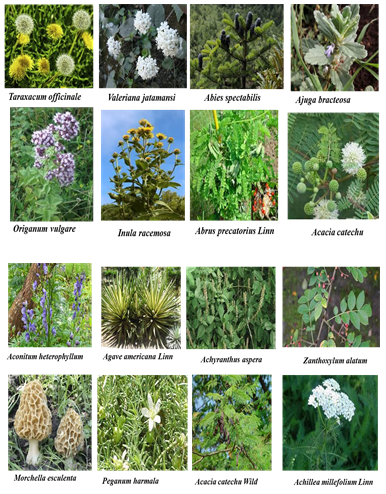
Table 1: Description of the commonly used medicinal plants.
Conclusion
Herbal medicines include complex mixtures of organic compounds that are recovered from any raw or processed part of a plant such as leaves, flowers, stems, roots, bark and seeds. These medicinal herbs are used to treat diseases globally and are available as herbal products in most healthy and grocery stores as herbal extracts, essential oils and organic teas. The biological properties of these plants and their products are achieved by their use either as raw or in the form of extracts. The compounds present in these plant products included polyphenols, fatty acids, sterols, alkaloids, flavonoids, glycosides, saponins. The promotion of conservation practices by Medicinal Plants Conservation Areas in various regions of Himalayan ranges ensures economic development of the residing communities through various stakeholders. The medicines from traditional herbs played a critical role in global health concerns nowadays. A number of countries including China, India, Nigeria, and the United States of America (USA) along with WHO have made substantial investments for research purposes in traditional herbal medicines. Industries are also investing millions of US dollars for exploration of these medicinal herbs and extraction of novel compounds from them.
References
-
Loreau M, Oteng-Yeboah A, Arroyo MTK, Babin D, Barbault R, et al. (2006) Diversity without representation. Nature 422: 245-246.
-
Singh JS (2002) The biodiversity crisis A multifaceted review. Current Sciences 82(6): 638-647.
-
Malik AR, Siddique MAA, Sofi PA, Butola JS (2011) Ethnomedicinal Practices and Conservation Status of Medicinal Plants of North Kashmir Himalayas. Research Journal of Medicinal Plant 5(5): 515-530.
-
Pandey MM, Rastogi S, Rawat AK (2008) Indian herbal drug for general health care- An over view. The Internet Journal of Alternative Medicine 6(1): 1-10.
-
Mittermeier RA, Gil PR, Hoffmann M, Pilgrim J, Brooks T, et al. (2005) Earth’s Biologically Richest and most Threatened Terrestrial Ecoregions. In: Hotspots Revised. Conservation International, The University of Chicago, Chicago, USA, pp: 392.
-
Khan ZS, Khuroo AA, Dar GH (2004) Ethnomedicinal survey of Uri, Kashmir Himalaya. Indian Journal of Traditional Knowledge 3: 351.
-
Lone RA (2016) Herbal wealth: Promoting Herbal Gardens in Kashmir. Greater Kashmir.
-
Kaul MK (1997) Medicinal Plants of Kashmir and Ladakh: Temperate and Cold Arid Himalaya 1st(Edn.), Indus Publishing Co, New Delhi, India, pp: 173.
-
Zahir-ud-Din (2006) Kashmir: Land of medicinal and aromatic plants. Greater Kashmir.
-
Witschi HP (1986) Enhanced tumour development by butylated hydroxytoluene (BHT) in the liver, lung and gastro-intestinal tract. Food and Chemical Toxicology 24(10-11): 1127-1130.
-
Dhawan BN (1995) Centrally acting agents from Indian plants. In: Koslow SH, et al. (Eds.), Decade of the Brain India/USA Research in Mental Health and Neurosciences. National Institute of Mental Health, Rockville, USA, pp: 197-202.
-
Andersson DI, Hughes D (2010) Antibiotic resistance and its cost: is it possible to reverse resistance. Nature Reviews Microbiology 8(4): 260-271.
-
Tsuruga M, Nakajima H, Magae J (2007) Immunosuppressive activity of 4-O-Methylascochlorin. The Journal of Antibiotics 60(1): 20-26.
-
Saric M (1989) Medicinal plants SR Serbia. Serbian academy of sciences and arts. Special editions DXCVIII. Department of Mathematics and Natural Sciences 65: 1-640.
-
Sivastava J, Lambart J, Vietmeyer N (1996) Medicinal plants, an expanding role in development. Word bank technical paper pp: 320.
-
Voon HC, Bhat R, Gulam R (2012) Flower extracts and their essential oils as potential antimicrobial agents for Food Uses and Pharmaceutical Applications. Comprehensive Reviews in Food Science and Food Safety 11(1): 34-55.
-
Tiwari BK, Valdramidis VP, Donnel CPO, Muthukumarappan K, Bourke P, et al. (2009) Application of natural antimicrobials for food preservation. Journal of Agricultural and Food Chemistry 57: 5987-6000.
-
Zheng W, Wang SY (2001) Antioxidant activity and phenolic compounds in selected herbs. Journal of Agricultural and Food Chemistry 49(11): 5165-5170.
-
Sandhar HK, Kumar B, Prasher S, Tiwari P, Salhan M, et al. (2011) A review of phytochemistry and pharmacology of flavonoids. International journal of Pharmacy and Pharmaceutical Sciences. 25-41.
-
WHO (2002) Traditional medicine strategy 2002–2005.
-
Zamiska N (2006) On the trail of ancient cures. Wall Street Journal 15: 2006.
-
Swerdlow JL (2000) Medicine Changes: late 19th to early 20th century. In: Nature’s Medicine: Plants that Heal. National Geographic Society, Washington DC, USA, pp: 158-191.
-
Bent S (2008) Herbal Medicine in the United States: Review of Efficacy, Safety, and Regulation: grand rounds at University of California, San Francisco Medical Center. Journal of General Internal Medicines 23(6): 854-859.
-
Vickers A, Zollman C (2001) Herbal medicine. Western Journal of Medicine 175 (2): 125-128.
-
Sharma PK, Lal B (2005) Ethnobotanical notes on some medicinal and aromatic plants of Himachal Pradesh. Indian Journal of Traditional Knowledge. 4(4): 424-428.
-
Sharma KR, Sood M (2007) Important Medicinal and Aromatic Plants of Himachal Pradesh. Directorate of Extension Education and Department of Forest Products. Dr.Y.S. Parmar University of Horticulture and Forestry, Nauni, Solan, India.
-
Balokhra JM (1995) The Wonderland Himachal Pradesh. H.G. Publications, New Delhi, India, pp: 93.
-
Khare CP (2007) Indian Medicinal Plants: An Illustrated Dictionary. Springer Science, New Delhi, India, pp: 834.
-
Chauhan NS (1999) Medicinal and Aromatic Plants of Himachal Pradesh. Indus Publishing Co, New Delhi, India.
-
Rana MS, Samant SS (2011) Diversity, indigenous uses and conservation status of medicinal plants in Manali wildlife sanctuary, North Western Himalaya. Indian. Journal of Traditional Knowledge 10(3): 439-459.
-
Kumar M, Sharma B (2014) Commonly used medicinal plants in Tehsil Baijnath, district Kangra, Himachal Pradesh, India. Research in Pharmacy 4(5): 11-15.
-
Bhardwaj J, Seth Mk (2017) Medicinal plant resources of Bilaspur, Hamirpur and Una districts of Himachal Pradesh: An ethno-botanical enumeration. Journal of Medicinal Plants Studies 5(5): 99-110.
-
Ambasta SP (1986) The Useful Plants of India. CSIR, New Delhi, India, pp: 918.
-
Kumar N, Jakhar AK, Choyal RR (2014) Ethno Medicinal uses of some plants of Hamirpur district of Himachal Pradesh for The treatment of piles. Life Sciences Leaflets 50: 1-10.
-
Sharma S, Rana M (2016) Commonly used Medicinal Plants in Tehsil Pachhad, District Sirmour, Himachal Pradesh. Pharmatutor journal 4(3): 34-38.
-
Singh G, Rawat GS (2011) Ethnomedicinal Survey of Kedarnath Wildlife Sanctuary in Western Himalaya, India. Indian Journal of Fundamental and Applied Life Sciences 1(1): 35-46.
-
Saric M (1989) Medicinal plants of Serbia. Serbian Academy of Science, Belgrade, Serbian.
- Potential Medicinal Herbs and Secondary Metabolites in Combating Corona Virus
- Monkeypox and its Clinical Implications in Pregnancy
- Pharmacognostical Analysis of the Leaves of Important Nervine Medicinal Plant: Strychnos Nux-Vomica L
- Assessment of Antibacterial Activity of Various Solvent Extracts of Dictyota Dichotoma Against Multidrug Resistant Bacterial Strain
- An Insights of Bioactive Elements on Malignancy: Mechanistic Avenues
- Advances and Future Directions in Pharmacognosy and Chinese Medicine