
Biological, Phytochemical and Medicinal Aspects of Cannabis sativa L.: A Review
Aromatic and medicinal plants have played key roles in the lives of tribal peoples living in the Himalayaby providing products for both food and medicine. These plant resources, therefore, have become important domains of intervention and are increasingly attracting the attentions of public and private sector policy researchers, policy makers and development program implementers. There has been increased interest in the role of Cannabis for treating medical conditions.
Introduction
Hemp (cannabis, Cannabis sativa L.) has been emerging as a resourceful plant that is highly adaptable to the most of European climate and geographical conditions [1]. A modest, non-demanding cultivation accompanied by a sustainability of cannabis-derived products are the main reasons of its evident agronomic expansion. Historically, hemp was frequently grown in 1930s/40s mainly for the production of technical textiles, but despite its versatility, the cultivation of hemp was prohibited in the beginning of the 1950s by reason of problematic presence of psychoactive substance Δ-9-tetrahydrocannabinol (THC) that is produced by some hemp varieties. Nowadays, this has been partly abolished and the European Union permits the cultivation of hemp with THC content being less than 0.20% [2]. The Charak Samhita, a document on herbal therapy written about 300 BC, reports on the production of 340 herbal drugs and their indigenous uses [3]. The Indian Himalayan Region is well known to have a great range of plant diversity. The state of Uttarakhand is a part of north-western Himalaya, and still maintains a dense vegetation cover (65%). The maximum species of medicinal plants have been reported from Uttarakhand [4, 5, 6]. This region alone supports about 18,440 plant species (Angiosperm: 8,000 spp., Gymnosperm: 44 spp., Pteridophytes: 600 spp., Bryophytes: 1,736. Lichens:
1,159 spp. and fungi: 6,900 spp [7]. According to Samant, et al. out of the total vascular plant species, 1,748 species are of medicinal uses [8]. In my previously individual and combined publications of research and review articles, I have published about essential oil, biological and medicinal values of various aromatic and medicinal plants [9, 10, 11, 12, 13, 14, 15, 16, 17, 18, 19, 20, 21]. The origin of wild Cannabis is not known with certainty, but the plant, which appears to have been cultivated in northern China since 4000 BC [22] is widely distributed and cultivated throughout the world [23]. Some confusion and controversy regarding the taxonomy of Cannabis does exist [24]. Small and Cronquist (1976) had proposed a monotypic genus, C. sativa with two subspecies, sativa and indica, while several others have recognized three different species, C. sativa, C. indica, and C. ruderalis [25, 26, 27, 28]. About its taxonomy literature survey revealed that Small and Cronquist [24] had proposed a monotypic genus, C. sativa with two subspecies, sativa and indica, while several others have recognized three different species, C. sativa, C. indica, and C. ruderalis [25, 26, 27, 28]. Bur recent, genetic, morphological, and biochemical investigations have helped to delineate the three species of Cannabis [29, 30]. C. sativa generally has lower levels of Δ9- tetrahydrocannabinol (THC) than cannabidiol (CBD), while C. indica has less CBD than THC [30].Wide-leaf varieties of C. indica have shown relatively high ratio of guaiol, γ-eudesmol, and ß-eudesmol, while the narrow-leaf varieties of C.indica
have a relatively high ratio of (E)-ß-farnesene [29]. Cannabis in India has been used since as early as 2000 BCE. In Indian society, common terms for cannabis preparations include charas (resin), ganja (flower), and bhang (seeds and leaves), with Indian drinks, such as, bhang lassi and bhang thandai, made from bhang, being one of the most common legal uses. As of 2000, per the UNODC the "prevalence of usage" of cannabis in India was 3.2% [31]. A 2019 study conducted by the All India Institutes of Medical Sciences reported that about 7.2 million Indians had consumed cannabis within the past year [32]. The Ministry of Social Justice and Empowerment’s “Magnitude of Substance Use in India 2019” survey found that 2.83% of Indians aged 10-75 years (or 31 million people) were current users of cannabis products. According to the UNODC’s World Drug report 2016, the retail price of cannabis in India was US$0.10 per gram, the lowest of any country in the world [33]. Bhanga is mentioned in several Indian texts dated before 1000 CE. However, there is philological debate among Sanskrit scholars as to whether this bhanga can be identified with modern bhang or cannabis [34]. The Hindu god Shiva is said to have chosen cannabis as his favorite food, after having spent one night sleeping under the plant's leaves and when eating of it in the morning refreshed him. Another legend suggests that when the poison Halahala came out from the Samudramanthan, Shiva drank it to protect everyone from it. Later, bhang was used to cool him down. Shiva Purana suggests offering bhang to Shiva during the summer months. But not all devotees offer bhang to Shiva [35]. Many Ayurvedic texts mention cannabis as vijaya, while tantric texts mention it as samvid [36].
Chemical Constituents of Cannabis Species
Cannabis is a complex herbal medicine containing several classes of secondary metabolites, including at least 104 cannabinoids, 120 terpenoids (including 61 monoterpenes, 52 sesquiterpenoids, and 5 triterpenoids), 26 flavonoids, and 11 steroids among 545 identified compounds [37, 38, 39, 40, 41, 42, 43, 44]. Cannabis has attracted a new wave of interest for its broad medicinal applications as 1) an analgesic, potentially as an adjunct to or substitute for opiates in the treatment of chronic pain [45] and 2) an appetite stimulant and digestive aid [46] among others. THCA is the major cannabinoid in the drug type Cannabis, while CBDA predominates in fiber-type hemps.CBCA has been reported to dominate in the cannabinoidfraction of young plants and to decline with maturation [47]. Terpenes form the largest group of phytochemicals, withmore than 100 molecules identified in Cannabis [48, 49]. Terpenes are responsible for the odor and flavor of the different Cannabis strains. They have therefore likely contributed to the selection of Cannabisnarcotic strains under human domestication [50]. Also Mono- and sesquiterpenes have been detected in flowers, roots, and leaves of Cannabis, with the secretory glandular hairsas main production site. Monoterpenes dominate generally the volatile terpene profile (from 3.1 to 28.3 mg gofflower dry weight [51] and include mainly D-limonene, ß-myrcene, and ß-pinene, terpinolene and linalool. Sesquiterpenes and ß-caryophyllene and a-humulenein particular, occur also to a large extent in Cannabis extracts (from 0.5 to 10.1 mg of flower dry weight [52]. Triterpenes have also been detected in hemp roots, as friedelin and epifriedelanol [53] in hemp fibersas ß-amyrin [54] and in hemp seed oil as cycloartenol, ß-amyrin, and dammaradienol [55]. Terpenes, along with cannabinoids, have successfully been used as chemotaxonomic markers in Cannabis, as they areboth considered as the main physiologically active secondarymetabolites [56]. When grown in standardized conditions, a significant andpositive correlation was found between the level of terpenesand cannabinoids [57]. This may beexplained by the fact that mono- and sesquiterpenes are synthesized in the same glandular trichomes in which the cannabinoids are produced [58]. This association was, however, not confirmed on a larger panelof samples coming from different origins [59]. In Cannabis, about 20 flavonoids have been identified, mainly belonging to the flavone and flavonol subclasses [60]. Phenolic amides and lignanamides have also been described in Cannabis fruits and roots [61, 62]. The lignanamides belong to the lignin class of compounds and include cannabisin-like compounds (of the types A-, B-, C-, D-, E-, F-, and G) and grossamide [60]. Similar compounds such as cannabisin D, have been described in Cannabis leaves, where it was strongly induced upon the UV-C treatment [63]. Interesting amounts of lignans were recently found in the hydrophilic extract of hemp seeds. The hemp seed lignan profile was shown to be dominated by syringaresinol and medioresinol, followed by secoisolariciresinol, lariciresinol, and pinoresinol [64]. Hemp seeds contain, however, about 20-times less total lignans (32 mg of total lignansper 100 g of dry weight) than flax seeds, a well-known source of lignans. Interestingly, the lignan content of hulled hempseeds represents only 1% of the content in whole seed [65]. Nineteen stilbenes have been isolated in Cannabiswith characteristic structural backbones such as spirans, phenanthrenes and bibenzyls [60]. They include molecules such as cannabistilbene as well as dihydroresveratrol. Interestingly, bibenzylstilbenes, including the putative 3-O-methylbatatasin, werestrongly induced in Cannabis leaves by UV radiations [63].
Modern Use in India
As bhang, Cannabis is still popular in India [66]. It is also mixed in thandai, a milkshake-like preparation. Bhang is consumed as prasad of Shiva, and is popular between Mahashivaratri and Holi (February–March) [67]. Among Sikh Nihangs, bhang is popular, especially during Hola Mohalla [68]. Muslim Indian Sufis place the spirit of Khidr within the cannabis plant, and consume bhang [69, 70]. Even in Assam, where bhang has been explicitly banned since 1958, it is consumed by thousands during the Ambubachi Mela. In 2015, the police did not stop devotees from consuming bhang, although they fined two people for smoking tobacco in public places, under the Cigarettes and Other Tobacco Products Act [71]. Indian law enforcement agencies seized a total of 182,622 kg of ganja and 2,489 kg of hashish in 2016 [72]. Enforcement agencies eradicated 1,980 hectares of illicit cannabis cultivation in 2018, lower than the 3,446 hectares eradicated in 2017. The International Narcotics Control Board’s 2019 annual report noted that India is among those countries worldwide with the greatest extent of illicit cannabis cultivation and production [73]. The Ministry of Social Justice and Empowerment’s Magnitude of Substance Use in India 2019 survey found that 2.83% of Indians aged 10-75 years (or 31 million people) were current users of cannabis products, with 0.66% of the population considered to be using cannabis “in a dependent pattern”. The survey found that 2.02% of the population consumed bhang and 1.21% consumed charas or ganja. It also noted that most cannabis users were male with 5% of the male population consuming cannabis compared to 0.6% of the female population. In November 2015, Uttarakhand legalized the cultivation of cannabis for industrial purposes [74]. Patanjali Ayurved CEO Balkrishna stated in February 2018 that his company had begun researching the benefits of cannabis and its extracts at its research and development facility in Haridwar, for use in the company’s medicines and other products [75]. Madhya Pradesh’s Law Minister, P.C. Sharma stated on 20 November 2019 that the state was considering legalizing the cultivation of cannabis for medical and industrial purposes [75]. Manipur Chief Minister N. Biren Singh informed the State Assembly on 21 February 2020 that his government was considering legalizing the cultivation of cannabis for medical and industrial purposes [76].
• Legal status of Cannabis worldwide
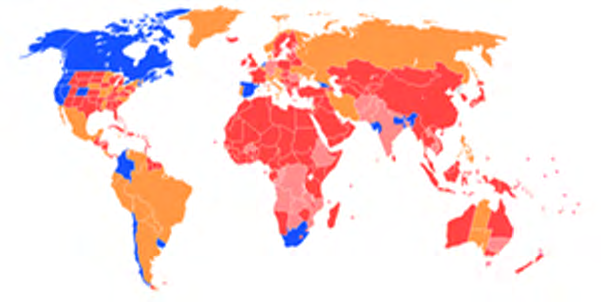
Literature survey about legality of cannabis revealed that criminalizing cannabis in British India were made, and mooted, in 1838, 1871, and 1877 [77]. Cannabis plant (excluding the seeds and leaves when not accompanied by the tops) from which the resin has not been extracted; by whatever name they may be designated. Commentary on the Single Convention on Narcotic Drugs, 1961: Paragraph I, subparagrah (b) [78]. Bhang was thus left out from the definition of “Cannabis”. This allowed India to carry on the tradition of large-scale consumption of bhang during Holi. The treaty also gave India 25 years to clamp down on recreational drugs. Towards the end of this exemption period, the Indian government passed the Narcotic Drugs and Psychotropic Substances Act in 1985 [79].
Conclusion
From the ancient time immemorial, plants have been widely used as curative agents for variety of ailments. Cannabis in India has been used since as early as 2000 BCE. In Indian society, it is used commonly used as preparations for charas (resin), ganja (flower), and bhang (seeds and leaves), with Indian drinks, such as, bhang lassi and bhang thandai, made from bhang, being one of the most common legal uses. In Uttarakhand legalized the cultivation of cannabis for industrial purposes. Patanjali Ayurved CEO Balkrishna stated in February 2018 that his company had begun researching the benefits of cannabis and its extracts at its research and development facility in Haridwar, for use in the company’s medicines and other products. Madhya Pradesh’s Law Minister, P.C. Sharma stated on 20 November 2019 that the state was considering legalising the cultivation of cannabis for medical and industrial purposes. In Uttakhand it may be used as a source of raising economy in rural areas by cultivation in large scale.
References
-
Salentijn EMJ, Zhang Q, Amaducci S, Yang M, Trindade L (2015) New developments in fiber hemp (Cannabis sativa L.) breeding. Ind Crops Prod 68: 32-41.
-
EU Regulation (2013) No 1307/2013 of the European Parliament and of the Council of 17 December 2013 establishing rules for direct payments to farmers under support schemes within the framework of the common agricultural policy and repealing Council Regulation (EC) No 637/2008 and Council Regulation (EC) No 73/2009. Off J Eur Union, 347/608.
-
Shiva MP (1996) Inventory of forestry resources for sustainable management and biodiversity conservation. New Delhi, Indus Publishing Company.
-
Prajapati ND, Purohit SS, Sharma AK, Kumar T (2003) A handbook of medicinal plants, Jodhpur, Agro bios.
-
Singh D, Srivastava RK, Khanduri VP (2005) Marketing strategies and trade of medicinal plants in Uttaranchal: Present and future prospects. Indian Forester 131(3): 330-340.
-
Kala CP (2004) Assessment of species rarity. Curr Sci 86(8): 1058-1059.
-
Singh DK, Hajra PK (1977) Floristic Diversity. In: Biodiversity Status in the Himalaya. Edited by Gujral. British Council, New Delhi, India, pp: 23-38.
-
Samant SS, Dhar U, Palni LMS (1988) Medicinal Plants of Indian Himalaya: Diversity Distribution Potential Values. Almora: G.B. Pant Institute of Himalayan Environment and Development.
-
Joshi RK (2013) Genus Morina: valuable aromatic plant for herbal drug. VRI Phytomedicine (USA) 1(2): 81-84.
-
Joshi RK (2013) Artemisia capillaris: Medicinal uses and future source for commercial uses from Western Himalaya of Uttrakhand. Asian J Res Pharm Sci 3(3): 137-140.
-
Joshi RK (2015) Chemical composition of Filipenduala vestita from India. Chemistry of Natural Compounds 51: 169-170.
-
Joshi RK (2015) Volatile oils composition of Artemisia japonica Thunb from Western Himalaya of Uttarakhand. Journal of pharmacognosy and phytochemistry 3(5): 96- 97.
-
Joshi RK, Setzer WN, Valdir F daVeiga (2015) Aromatic and medicinal plants with anti-diabetic potential from India: A review. American Journal of Essential Oils and Natural Products 2(4): 22-28.
-
Joshi RK, Satyal P, Setzer WN (2016) Himalayan Aromatic Medicinal Plants: A Review of their Ethanopharmacology, Volatile Phytochemistry, and Biological Activities: Medicines.
-
Joshi RK (2016) Phytochemical and medicinal aspect of Cordyceps sinensis (Berk.): A review. Journal of Medicinal Plants Studies 4(1): 65-67.
-
Joshi RK (2016) Asparagus racemosus (Shatawari), phytoconstituents and medicinal importance, future source of economy by cultivation in Uttrakhand: A review. International Journal of Herbal Medicine 4(4): 18-21.
-
Joshi RK (2016) Volatile oil composition of aerial parts of Selinum tenuifolium Wall.Ex.C.B.Clarke from Western Himalaya of Uttrakhand, India. Journal of Medicinal Plants Studies 4(5): 08-10.
-
Joshi RK (2016) Chemical constituents of leaf essential oils of Heracleum candicans Wall. Ex DC from Western Himalaya of Uttrakhand, India. American Journal of Essential Oils and Natural Products 4(2): 1-4.
-
Joshi RK (2016) Essential oil composition of Thymus linearis (Benth) from Western Himalaya of Uttrakhand, India. Asian J PharmTech 6(4): 199-201.
-
Joshi RK, Setzer WN, daSilva JK (2017) Phytoconstituents, traditional medicinal uses and bioactivities of Tulsi (Ocimums anctum Linn.): A review. American Journal of Essential Oils and Natural Products 5(1): 18-21.
-
Joshi RK (2018) Salicylaldihyde rich leaf essential oil composition of Filpendula vestita from Western Himalaya of Uttakhand, India. Vietnam Journal of Science and Technology 56(4): 441-445.
-
Mabberley DJ (2008) Mabberley’s Plant Book, 3rd [Edn.], Cambridge University Press, UK.
-
Nigam MK, Handa I, Nigam, Levi L (1965) The essential oils of Marihuana composition ofgenuine Indian Cannabis sativa L. Canadian Journal of Chemistry 43: 3372-3376.
-
Small E, Cronquist A (1976) A practical andnatural taxomony for Cannabis. Taxon 25(4): 405-435.
-
Schultes RE, Klein WM, Plowman T, Lockwood TE (1974) Cannabis: an example of taxonomic neglect. Harvard University, Botanical Museum Leaflets 23: 337-367.
-
Anderson LC (1974) A study of systematic wood anatomy in Cannabis. Harvard University Botanical Museum Leaflets 24: 29-36.
-
Anderson LC (1980) Leaf variation among Cannabis species from a controlled garden. Harvard University Botanical Museum Leaflets 28: 61-69.
-
Emboden WA (1974) Cannabis-a polytypic genus. Economic Botany 28: 304-310.
-
Hillig KW, Mahlberg PG (2004) Achemotaxonomic analysis of cannabinoid variation in Cannabis (Cannabaceae). American Journal of Botany 91: 966- 975.
-
Hillig KW (2004) A chemotaxonomic analysis of terpenoid variation in Cannabis. Biochemical Systematics and Ecology 32: 875-891.
-
(2008) Report of the International Narcotics Control Board. DIANE Publishing, pp: 90.
-
(2019) After alcohol, India has a rising cannabis addiction problem, warns AIIMS study. Business Insider.
-
Infographic (2017) Cannabis-and-opium-based drugs cheapest in India-Times of India. The Times of India.
-
Russo E (2006) Raphael Mechoulam, Cannabis in India: ancient lore and modern medicine (PDF). Cannabinoids as Therapeutics. Springer, pp: 3-5.
-
Bennett C (2010) Cannabis and the Soma Solution. Trine Day.
-
Conard C (1997) Hemp for Health. Inner Traditions, pp: 43-44.
-
David F (2012) Soma in Yoga and Ayurveda: The Power of Rejuvenation and Immortality. Lotus Press, pp: 156.
-
Sander LG (2004) Smoke: A Global History of Smoking. Reaktion Books, pp: 74.
-
Mikuriya T (1994) Excerpts from the Indian hemp Commission Report. Last Gasp, pp: 38.
-
Conard C (1997) Hemp for Health. Inner Traditions, pp: 43-44.
-
Turner CE, Elsohly MA, Boeren EG (1980) Constituents of Cannabis sativa L. XVII. A review of the natural constituents. Journal of Natural Products 43(2): 169- 234.
-
Ross SA (2005) Flavonoid glycosides and cannabinoids from the pollen of Cannabis sativa L. Phytochemical Analysis: An International. Journal of Plant Chemical and Biochemical Techniques 16: 45-48.
-
ElSohly MA, Slade D (2005) Chemical constituents of marijuana: the complex mixture of natural cannabinoids. Life sciences 78: 539-548.
-
ElSohly MA, Gul W (2014) Constituents of Cannabis Sativa in Handbook of Cannabis 3-22, Oxford University Press.
-
Russo EB, Marcu J (2017) Cannabis Pharmacology: The Usual Suspects and a Few Promising Leads. In Cannabinoid Pharmacology, pp: 67-134.
-
Pollastro F, Minassi A, Fresu LG (2018) Cannabis Phenolics and their Bioactivities. Current medicinal chemistry 25: 1160-1185.
-
Flores-Sanchez IJ, Verpoorte R (2008) PKS Activities and Biosynthesis of Cannabinoids and Flavonoids in Cannabis sativa L. Plants. Plant and Cell Physiology 49: 1767-1782.
-
Andre CM, Hausman JF, Guerriero G (2016) Cannabis sativa: The Plant of the thousand and one molecules. Frontiers in Plant Science.
-
Lucas P (2012) Cannabis as an adjunct to or substitute for opiates in the treatment of chronic pain. Journal of psychoactive drugs 44: 125-133.
-
Zuardi AW (2006) History of cannabis as a medicine: a review. Revista Brasileira de Psiquiatria 28: 153-157.
-
Meijer EPM, de Hammond KM, Micheler M (2009) The inheritance of chemical phenotype in Cannabis sativa L. (III): variation in cannabichromene proportion. Euphytica 165: 293-311.
-
Rothschild M, Bergstrom G, Wangberg S (2005) Cannabis sativa: volatile compounds from pollen and entire male and female plants of two variants, Northern Lights and HawaianIndica. Bot J Linn Soc 147: 387-397.
-
Brenneisen R (2007) Chemistry and analysis of phytocannabinoids and other Cannabis constituents in Marijuana and the Cannabinoids Forensic Science and Medicine, ed. M. ElSohly (New York, NY: Humana Press), pp: 17-49.
-
Small E (2015) Evolution and classification of Cannabis sativa (marijuana, hemp) in relation to human utilization. Bot Rev 81: 189-294.
-
Fischedic JT, Hazekamp A, Erkelens T, Choi YH, Verpoorte R (2010) Metabolic fingerprinting of Cannabis sativa L., cannabinoids and terpenoids for chemotaxonomic and drug standardization purposes. Phytochemistry 71: 2058-2073.
-
Slatkin DJ, Doorenbos NJ, Harris LS, Masoud AN, Quimby MW, et al. (1971) Chemical constituents of Cannabis sativa L. Root J Pharmaceut Sci 60: 1891-1892.
-
Gutierrez A, ddel Rio JC (2005) Chemical characterization of pitch deposits produced in the manufacturing of high- quality paper pulps from hemp fibers. Bioresour Technol 96: 1445-1450.
-
Paz S, Montserrat MA, Fernandez-Arche MA (2014) Hemp (Cannabis sativa L.) seed oil: analytical and phytochemical characterization of the unsaponifiable fraction. J Agr Food Chem 62(5): 1105-1110.
-
Elzinga S, Fischedick J, Podkolinski R, Raber JC (2015) Cannabinoids and terpenes as chemotaxonomic markers in cannabis. Nat Prod Chem Res 3(4): 81.
-
Flores-Sanchez IJ, Verpoorte R (2008) Secondary metabolism in Cannabis. Phytochem Rev 7: 615-639.
-
Ross SA, ElSohly MA, Sultana GNN, Mehmedic Z, Hossain CF, Chandra S (2005) Flavonoid glycosides and cannabinoids from the pollen of Cannabis sativa L. Phytochem Anal 16(1): 45-48.
-
Sakakibara I, Ikeya Y, Hayashi K Mitsuhashi H (1992) Three phenyldihydronaphthalene lignanamides from fruits of Cannabis sativa L. Phytochemistry 31: 3219- 3223.
-
Marti G, Schnee S, Andrey Y, Simoes-Pires C, Carrupt PA, et al. (2014) Study of leaf metabolome modifications induced by UV-C radiations in representative Vitis, Cissus and Cannabis species by LC-MS based metabolomics and antioxidant assays. Molecules 19: 14004-14021.
-
Smeds AI, Eklund PC, William SM (2012) Content, composition, and stereo chemical characterisation of lignans in berries and seeds. Food Chem 134: 1991- 1998.
-
LIversen L (2007) The Science of Marijuana. Oxford University Press.
-
Bhang, thandai market booms (2014) The Times of India. Hola Mohalla: United colours of celebrations.
-
Mad About Words (2004) Telegraphindia.com.
-
Kashyap SG (2015) Kamakhya ushers in annual festival, with annual cannabis problem.
-
Lloyd Ridgeon (2006) Sufi Castigator: Ahmad Kasravi and the Iranian Mystical Tradition. Routledge, pp: 30.
-
Knight M (2009) Journey to the End of Islam. Soft Skull, pp: 28.
-
Balachandran (2017) Manu. The push to make marijuana legal in India now has support from one of Narendra Modi’s ministers. Quartz.
-
(2010) INCB raises concern over illicit cultivation of cannabis in India, its impact on children | India News- Times of India. The Times of India.
-
Magnitude of Substance Use in India (2019) (PDF) Ministry of Social Justice and Empowerment, pp: 17-19.
-
(2017) Uttarakhand to become first Indian state to legalize Cannabis cultivation. India times.
-
Suneera T (2018) India’s cannabis economy has a new hope-Patanjali. Quartz.
-
(2020) Madhya Pradesh Government to legalize cannabis cultivation. Deccan Herald, 21 November 2019.
-
(2020) Manipur Government considering legalizing cannabis plantation. Hindustan Times.
-
A Cannabis Reader (2008) Global Issues and Local Experiences: Perspectives on Cannabis Controversies, Treatment and Regulation in Europe. European Monitoring Centre for Drugs and Drug Addiction pp: 100.
-
Nahas G, Frick HC (2013) Drug Abuse in the Modern World: A Perspective for the Eighties. Elsevier pp: 262.
- Management of Ear Keloid with Ksharsutra: A Case Study
- Yoga and Global Sustainability: A Holistic Path to One Earth, One Health
- Autoimmune Diseases in Ayurveda: A Narrative Review with Classical and Modern Perspectives
- Management of Cluster Headache Associated with Pituitary Apophysitis by CERT (Chakrasiddh Energy Release Technique): A Case Report on Energy Rebalancing
- Zygophyllum Geslini Coss : Biochemicals and Antioxidant Activity
- Observations of a Beginner Vaidya