
Role of a Panchatikta Ksheer Basti and Pipplayadi Anuvasna Basti on Conservative Management of Avascular Necrosis of the Bilateral Femoral Head( Asthi Majja Gata Vata)
The most typical form of bone necrosis is avascular necrosis (AVN) of the femoral head. The goals of AVN treatment are to maintain structure, function and pan alleviation. Numerous surgical techniques are used to treat the problem, but they are all expensive and have a bad prognosis. These procedures include drilling and inserting bone grafts, performing modified Whitman or Colonna reconstructions and inserting prostheses. Avascular necrosis symptoms are more comparable to Asthivha Srotodusti Vikara (musculoskeletal origin illnesses) and can be taken into consideration with Gambhir Avastha (chronic stage). The goal of the current case study was to assess the effectiveness of the Ayurvedic system in the conservative management of AVN. In the current instance a 34 yrs male was diagnosed with AVN of bilateral hip joint and was treated with Panchtikta Ksheera Basti, Pipplayadi Anuvasna Basti and other drugs. Based on the patient’s sign and symptoms both before and after treatment we looked for symptomatic improvements. The gait, discomfort, tenderness and range of movement were significantly improved as a result of the therapy. Ayurvedic principles conservative therapy of AVN significantly reduced signs and symptoms while enhancing quality of life.
Introduction
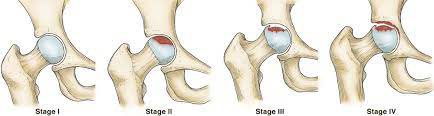
Osteonecrosis is a degenerative bone disorder marked by the death of bone cellular constituents as a result of the subchondral blood supply being cut off [1]. It is also referred to as ischemic bone necrosis, aseptic necrosis and avascular necrosis. Epiphysis of long bones at weight- bearing joints are typically affected. In severe Circumstances a joint may completely collapse or subchondral bone may be destroyed. The most common kind of bone necrosis is AVN of the femur head because the arteries that supply the femoral head area are so small, the area is easily injured, leading to a simple dislocation or a sub capital fracture of the femur [2]. Trauma
blood vessel obstruction and other factors can all contribute to this. Typically, people between the ages of 30 and 50 are affected [3]. Usually, it affects the head of the femur. Except for minor soreness near the hip joint, the patient won’t exhibit any symptoms in the early stages. Later on there will be severe hip, buttock, groin and thigh discomfort as well as restrictions on all hip joint movements. AVN can be correlated in Ayurveda with Asthi-Majja Gatha Vata.
Symptoms
Bhedoasthiparvanam -Breaking pain in bones and joints Sandhishoola- Joint pain Mamsakshaya - Muscular wasting Balakshaya- Weakness Sandhi Shaithilayam - Laxity of joints Aswapanasantat Ruk- Sleeplessness due to continuous pain Shiryantiva Cha Asthinidurbalani - Destruction of bony tissue causing generalized weakness [4].
Case Report
A 34 yrs old male came to the Out Patient Department of Panchkarma_,_ Rishikul Ayurvedic College, Haridwar, India with complaints of pain and stiffness in bilateral anterior hip since one year. Pain aggravated with prolonged inactivity, he was asymptomatic 2 years ago, in 2021 he was covid positive and treated with steroidal drugs, and also having history of migraine from last 10 yrs. In 2022 he suddenly started having pain in bilateral hips the pain was less in starting days but gradually it got worsen with time and the pain was referred to bilateral knees. The pain was constant throughout the day and intense during the night hours. He consulted Prem hospital in Ranipur Mor, Haridwar and advised analgesics but didn’t get any significant relief. Than he consulted AIIMS Rishikesh and in 14th Feb, 2023 he was diagnosed with AVN Bilateral hips - Ficat Ariet grade 3 on both sides. {MRI} And
Movements of Hip Joint
also diagnosed with disc degenerative changes at L5-S1 with no compressive neuropathy. For AVN he underwent Hyperbaric oxygen therapy {HBOT} [5] treatment for about 45 days. By increasing the oxygen flow to joint, hyperbaric oxygen [HBO], a type of therapy in which patients Breathe only oxygen may help AVN. At this time, its primary function in AVN is to manage joint discomfort, enhance range of motion and postpone joint loss [6]. According to certain investigation, HBO helped AVN stages 1 and 2 radio graphically. However, HBO has not previously reported the full resolution of stage 2 AVN.
On Examination: Inspection: Front- no scars, asymmetry, pelvic tilt, quadriceps wasting Back- gluteal wasting, pelvic tilt Gait- Antalgic, Trendelenberg sign [7] was positive
| Range of movement | Right leg( in degrees) | Left leg(in degrees) |
|---|---|---|
| Abduction | 12 | 11 |
| Adduction | 11 | 12 |
| Flexion | 55 | 65 |
| Extension | 15 | 20 |
| Internal rotation | 25 | 25 |
| External rotation | 22 | 22 |
| Sr. No. | Drugs | Quantity |
| 1 | Ksheerpaka dravyas: Guduchi | 40 grams + godugdha( 300ml)+ water ( 1200ml)= reduced to Ksheeravashesha ( 500ml-600ml) |
| Vasa | ||
| Nimba | ||
| Patola | ||
| Kantkari | ||
| 2 | Madhu | 60ml |
| 3 | Saindhava | 5gm |
| 4 | Sneha- Panchtikta Ghrita | 120ml |
| 5 | Kalka - shatpushpa | 20gms |
| 6 | Panchtikta ksheerpaka | 500ml-600ml |
Treatment was prepared using Chikitsa Krama (treatment plan) based on the principles of Shadvidhupakarma. Indications for treatment included Pippalyadi Anuvasna Basti, Panchtikta Ksheera Basti. (Kala basti).
Panchtikta Ksheera Basti [8]
Pipplayadi Anuvasna Basti [9]
Pipplayadi Taila- 60ml
Method
Form of Basti-Ksheera Basti Dosage- 480ml Kala - pratah (8am-10am) Duration of trial -16 days Route of administration - per rectal Study Design: Kala Basti [10]
| Day 1 | 2 | 3 | 4 | 5 | 6 | 7 | 8 | 9 | 10 | 11 | 12 | 13 | 14 | 15 | 16 |
|---|---|---|---|---|---|---|---|---|---|---|---|---|---|---|---|
| A | A | N | A | N | A | N | A | N | A | N | A | N | A | A | A |
First two days Anuvasna Basti is given, than from third day Ksheerbasti is given in the morning (8am to 10am) empty stomach as Niruha Basti and alternate day Pipplayadi Anuvasna Basti is given for next 12 days, last 2 days Pipplayadi Anuvasna Basti is given to the patient. This Basti is given for 16 days known as Kala Basti.
Discussion
Osteonecrosis is a degenerative bone disorder marked by the death of bone cellular constituents as a result of the subchondral blood supply being cut off. It is also referred to as ischemic bone necrosis, aseptic necrosis and avascular necrosis.AVN can be correlated in Ayurveda with Asthi-Majja Gatha Vata. Panchtikta ksheera basti and Pipplayadi Anuvasna Basti is planned as Kala Basti for the line of treatment.
Properties of constituents of Panchtikta Gana , Rasa- predominantly Tikta, Anu Rasa- Katu or Kashaya, Vipaka - Katu , except Guduchi - Madhur Vipaka , Guna- Ruksha , Laghu. Basti karma is mentioned as the best for vata Dosha.Acharya Charak said that in diseases related to Asthi, we should give Basti using Tikta Rasatmaka Aushadhi Dravya along with Ghrut and Ksheer that is Tikta Ksheer Basti. Tikta Rasa is having Akash and Vayu Mahabhut. So we have given Panchtikta Ksheer Basti and Pipplayadi Anuvasna Basti. It also contains Tiktaprasadan Dravyas, having Prithvi Mahabhuta which helps in bone formation and nourishment. Panchtikta Ghrut has snigdha Guna, Balya and Brimhna actions. Anuvasana Basti with Pipplayadi Taila is Vatashamak. Patient showed a considerable improvement by subjective assessment during follow-up.
Conclusion
Ayurveda in this instance_, Panchkarma_ treatment of the femoral head AVN produced notable results. There was a moderate improvement in the hip joint’s range of motion, walking difficulty, and discomfort and stiffness. According to this case study, bastikarma might have a substantial impact on Asthi Majja Gat Vata.
References
-
Jin H, Li L, Yu W, Fu Y (2021) The efficacy of acupuncture and moxibustion for early and middle-stage osteonecrosis of the femoral head: A systemic review and meta-analysis of randomized controlled trials. Medicine (Baltimore) 100(22): e26210.
-
Mont MA, Zyweil MG, Marker DR, McGrath MS, Delanois RE (2010) The natural history of untreated asymptomatic osteonecrosis of the femoral head: A Systemic literature review. J Bone Joint Surg Am 92(12): 2165-2170.
-
Amal T, Rajneesh VG (2022) Ayurvedic management of Avascular Necrosis of Femoral Head - A Case Study. Journal of Ayurveda and Integrated Medical Sciences _7_(5): 150-152.
-
Acharya YT (2014) Editor, Shri Chakrapanidatta, Commentator, Agnivesha, Charka Samhita, Chikitsasthana , Vatavyadhichikitsa Adhyaya, 28/33, Chaukhamba Surbharati Prakashan , Varanasi , Page 617
-
Alshurafa A, Elhissi M, Yassin MA (2022) Complete resolution of stage II avascular necrosis affecting three joints by hyperbaric oxygen in a patient with sickle cell disease: A case report. Front Med 9: 1063255.
-
Reis ND, Schwartz O, Militianu D, Ramon Y, Levin D, et al. (2003) Hyperbaric oxygen therapy as a treatment for stage-I avascular necrosis of the femoral head. J Bone Joint Surg Br 85(3): 371-375.
-
Hardcastle P, Nade S (1985) The Significance of the Trendelenburg test .J Bone joint Surg Br 67(5): 741-746.
-
Tripathi B (2007) Sharangdhar samhita. Madhyam khanda 12//5, Sharangdhar Samhita, published by Chaukhamba Surbharti Prakashana, Varanasi.
-
Charak Samhita Hindi Commentary part 1 & 2 by Dr. Bramhanand Tripathi (2006) Chowkhamba Surbharati Prakashan, Varanasi, Reprinted edition, Chikitsa Sthan 14: 131-134.
- Management of Ear Keloid with Ksharsutra: A Case Study
- Yoga and Global Sustainability: A Holistic Path to One Earth, One Health
- Autoimmune Diseases in Ayurveda: A Narrative Review with Classical and Modern Perspectives
- Management of Cluster Headache Associated with Pituitary Apophysitis by CERT (Chakrasiddh Energy Release Technique): A Case Report on Energy Rebalancing
- Zygophyllum Geslini Coss : Biochemicals and Antioxidant Activity
- Observations of a Beginner Vaidya