
Burden and Trends of Cancer in Bangladesh: Insights into Breast, Lung, Cervical, and Liver Cancers and Implications for Public Health Interventions
Introduction: Cancer is a major public health concern worldwide, causing significant morbidity and mortality. It surpasses other diseases like HIV and tuberculosis as a leading cause of death. The impact of cancer has been on the rise, with the burden of cancer in low-income countries increasing from 25% in 1960 to 55% in 2010. If this trend continues, it is projected that by 2030, the burden of cancer will increase by 70%. In Bangladesh, the burden of cancer has steadily increased over the years, posing a formidable challenge to the country's healthcare system and socioeconomic development. Cancer is the fourth leading cause of death in Bangladesh and has profound implications for the well-being and livelihoods of its population. Methodology: In this study, a comprehensive literature review was conducted to gather relevant information and insights regarding cancer in Bangladesh. Data for this study were collected from various sources, including hospitals and academic institutions in Bangladesh. This research paper employed a mixed-methods approach to gather data and explore two distinct research questions. Two surveys were conducted, one focusing on smoking prevalence and age, and the other on the demographic and reproductive characteristics of women. For the smoking and age survey, a random sampling method was employed to select participants. The second survey targeted women and aimed to gather information about their demographic and reproductive characteristics. • Breast Cancer: The present research aimed to analyze the incidence rates of breast cancer at the National Institute of Cancer Research & Hospital (NICRH) over a ten-year period. The findings revealed a fluctuating pattern in breast cancer incidence, with the highest rate observed in 2014 (12.5%) and the lowest rate in 2011 (9.8%). According to WHO data from 2020, no cases of breast cancer were reported in individuals aged 0-19 years. However, the incidence of breast cancer dramatically increased after the age of 20. Factors such as early marriage and early pregnancy may contribute to this trend. In Bangladesh, a significant proportion of individuals (21%) get married before the age of 15 and 55.6% get married the age between 16 to 17 years while only 23.4% are married above the age of 20. • Lung cancer: The data analysis conducted for lung cancer in Bangladesh Cancer Hospital incidence over the ten-year period from 2005 to 2014 revealed a consistent increase in the number of cases. The highest number of lung cancer cases was observed in 2014, with 1983 cases recorded. Lung cancer is a leading cause of cancer-related deaths worldwide, with high incidence and mortality rates. The causative factor, smoking and environmental pollution are discussed in detail in the factor section. These alarming statistics underscore the urgent need for effective strategies in lung cancer prevention, early detection, and treatment. Cervical Cancer: The number of cervical cancer patients in the Bangladesh Cancer Hospital varied from year to year. According to WHO data from 2020, 8268 new cases of cervical cancer were reported, with 4971 deaths recorded. Another critical aspect to consider is the age distribution of general public in Bangladesh. The analysis of our data indicates that a significant percentage of women had their first delivery at a young age. This highlights the issue of early childbirth, which may be a major contributing factor to the development of cervical cancer. • Liver Cancer: The analysis of liver cancer incidence at the National Institute of Cancer Research & Hospital (NICRH) revealed fluctuating patterns over an eight-year study period. An interesting observation from the data is the high prevalence of tobacco smoking among Bangladeshi males. Certain chemicals found in smoking, such as nitrosamines, vinyl chloride, tar, and 4-aminobiphenyl, have been identified as potential causes of liver cancer. A closer examination of the age distribution of tobacco smoking addiction revealed that a small percentage of males below 20 years old were addicted to tobacco smoking, whereas a large number of individuals became addicted after reaching 20 years of age. These findings suggest a potential association between tobacco smoking and the increased incidence of liver cancer in males. Factor: We aimed to explore the impact of various factors, including tobacco use, on cancer. Our survey conducted among 313 participants aimed to examine the prevalence of tobacco use across different age groups. The survey data revealed varying rates of tobacco use across different age groups, with the highest prevalence observed among individuals aged 31-35 years. These findings emphasize the importance of targeted interventions and preventive measures to address tobacco use, particularly among younger age groups, to mitigate the risk of developing lung cancer. The data was collected from a sample of individuals, and the frequencies of different age groups were recorded. The prevalence of early marriages and early childbirth is evident, with a significant number of individuals experiencing these milestones at young ages. Our review examined the impact of water pollution on cancer risk, with a focus on environmental contaminants and their potential carcinogenic effects. Opportunities for Cancer Treatment: Recent developments have opened up new opportunities for cancer treatment in Bangladesh. This includes advancements in technology and infrastructure, collaboration with international organizations, expansion of oncology services, and a growing emphasis on cancer research and clinical trials. These opportunities indicate positive developments in Bangladesh's healthcare landscape. Conclusion: The burden of cancer in Bangladesh is increasing, posing significant challenges to the healthcare system and socioeconomic development of the country. Tobacco use, both active and passive, has been identified as a significant risk factor for various types of cancer. Public health interventions, including improved screening programs, awareness campaigns, access to timely and quality healthcare services, and vaccination programs, are crucial for early detection, prevention, and treatment of cancer in Bangladesh.
Rokonuzzaman*, Mahdi H, Shafikul I , Tasneem Binte T, Mim R and Rakibul I
Manarat International University, Bangladesh *Corresponding author: Rokonuzzaman, Department of Pharmacy, Manarat International University, Bangladesh, Email: rokonripon1@gmail.com • Cervical Cancer: The number of cervical cancer patients in the Bangladesh Cancer Hospital varied from year to year. According to WHO data from 2020, 8268 new cases of cervical cancer were reported, with 4971 deaths recorded. Another critical aspect to consider is the age distribution of general public in Bangladesh. The analysis of our data indicates that a significant percentage of women had their first delivery at a young age. This highlights the issue of early childbirth, which may be a major contributing factor to the development of cervical cancer. • Liver Cancer: The analysis of liver cancer incidence at the National Institute of Cancer Research & Hospital (NICRH) revealed fluctuating patterns over an eight-year study period. An interesting observation from the data is the high prevalence of tobacco smoking among Bangladeshi males. Certain chemicals found in smoking, such as nitrosamines, vinyl chloride, tar, and 4-aminobiphenyl, have been identified as potential causes of liver cancer. A closer examination of the age distribution of tobacco smoking addiction revealed that a small percentage of males below 20 years old were addicted to tobacco smoking, whereas a large number of individuals became addicted after reaching 20 years of age. These findings suggest a potential association between tobacco smoking and the increased incidence of liver cancer in males. Factor: We aimed to explore the impact of various factors, including tobacco use, on cancer. Our survey conducted among 313 participants aimed to examine the prevalence of tobacco use across different age groups. The survey data revealed varying rates of tobacco use across different age groups, with the highest prevalence observed among individuals aged 31-35 years. These findings emphasize the importance of targeted interventions and preventive measures to address tobacco use, particularly among younger age groups, to mitigate the risk of developing lung cancer. The data was collected from a sample of individuals, and the frequencies of different age groups were recorded. The prevalence of early marriages and early childbirth is evident, with a significant number of individuals experiencing these milestones at young ages. Our review examined the impact of water pollution on cancer risk, with a focus on environmental contaminants and their potential carcinogenic effects. Opportunities for Cancer Treatment: Recent developments have opened up new opportunities for cancer treatment in Bangladesh. This includes advancements in technology and infrastructure, collaboration with international organizations, expansion of oncology services, and a growing emphasis on cancer research and clinical trials. These opportunities indicate positive developments in Bangladesh's healthcare landscape. Conclusion: The burden of cancer in Bangladesh is increasing, posing significant challenges to the healthcare system and socioeconomic development of the country. Tobacco use, both active and passive, has been identified as a significant risk factor for various types of cancer. Public health interventions, including improved screening programs, awareness campaigns, access to timely and quality healthcare services, and vaccination programs, are crucial for early detection, prevention, and treatment of cancer in Bangladesh.
Keywords: Nicrh; Breast; Lung; Cervical; Liver Cancers; Burden of Cancer; Prevalence Rate
Introduction
Cancer has emerged as a major public health concern worldwide, causing significant morbidity and mortality [1]. It is a complex and devastating disease that poses a significant global health challenge. It surpasses other diseases like HIV and tuberculosis as a leading cause of death worldwide. Over the past few decades, the impact of cancer has been on the rise [2]. In 1960, low-income countries experienced a cancer burden of 25%, but by 2010, this percentage had increased to 55%. If this trend continues, it is projected that by 2030, the burden of cancer will increase by 70% [3]. Disturbingly, by 2050, the chances of individuals in developing countries contracting cancer during their lifetime may reach a staggering 50-60% at the current growth rate. Consequently, cancer in these countries is estimated to rise from 650,000 to a staggering 2.2 million per year [4]. In 2020, there were an estimated 9.5 million cancer deaths worldwide [5]. In Bangladesh, the burden of cancer has steadily increased over the years, posing a formidable challenge to the country’s healthcare system and socioeconomic development [6]. As the fourth leading cause of death in Bangladesh, cancer has profound implications for the well-being and livelihoods of its population [6].
Methodology
Literature Review
In this study, a comprehensive literature review was conducted to gather relevant information and insights regarding cancer in Bangladesh. Various electronic databases, including PubMed, Scopus, and Google Scholar, were searched using appropriate keywords such as “cancer,” “Bangladesh,” “epidemiology,” “risk factors,” and “prevalence.” The search was limited to articles published in English and covered the period from 2005 to 2023.
Data Extraction
Data for this study were collected from various sources, including hospitals and academic institutions in Bangladesh. Specifically, information was obtained from the Bangladesh Cancer Hospital, Enam Medical College, Bangabandhu Sheikh Mujib Medical University, and relevant articles were published in reputable peer-reviewed journals. The data extraction process involved meticulously reviewing and documenting the relevant information from each source. Data collectors followed a standardized protocol to ensure consistency and accuracy in extracting the data. To maintain confidentiality, all collected data were anonymized by removing any personal identifiers before analysis. The combination of hospital-based data and information from published articles allowed for a comprehensive analysis of the cancer situation in Bangladesh. The integration of these different data sources provided a broader perspective on cancer incidence, prevalence, risk factors, and treatment patterns in the country.
Survey Data Collection
This research paper employed a mixed-methods approach to gather data and explore two distinct research questions. Two surveys were conducted, one focusing on smoking prevalence and age, and the other on the demographic and reproductive characteristics of women.
Survey 1: Smoking Rates by Age • Participants: For the smoking and age survey, a random sampling method was employed to select participants. The target population consisted of individuals of various age groups. The sample size for this survey was n=313 participants.
• Data Collection Procedure: To collect data, trained data collectors were assigned to approach potential participants individually. They administered the survey questionnaire using a custom-made software specifically designed for this research. The software facilitated efficient data collection, ensuring accuracy and consistency in the responses.
• Survey Instrument: The survey questionnaire for the smoking and age survey was carefully designed to capture relevant information. It included questions related to smoking status (smoker or non- smoker), age, duration of smoking (if applicable), tobacco consumption patterns, and previous smoking cessation attempts. The questions aimed to gather comprehensive data on participants’ smoking behaviors and patterns.
Survey 2: Demographic and Reproductive Characteristics of Women • Participants The second survey targeted women and aimed to gather information about their demographic and reproductive characteristics. The sample size for this survey was n=12,922 participants.
• Data Collection Procedure An online survey platform, specifically Google Forms, was utilized for data collection in the demographic and reproductive characteristics survey. The survey link was made available to a wide range of individuals, allowing for convenient participation. Participants were able to respond to the survey at their own convenience, ensuring flexibility and ease of engagement.
Questionnaire Development
A structured questionnaire was developed specifically for this study to collect data on smoking behaviors and their association with cancer. The questionnaire included questions related to smoking habits, including smoking status (current smoker, former smoker, or non-smoker), frequency of smoking, duration of smoking, and the type of tobacco products used. Additionally, participants were asked about their knowledge and awareness of the link between smoking and cancer.
Statistical Analysis
The collected data were analyzed using appropriate statistical methods. Descriptive statistics were used to summarize the demographic characteristics of the participants and the prevalence of various factors related to cancer. Inferential statistics, such as chi-square tests and logistic regression analysis, were applied to examine associations between variables and identify significant predictors of cancer risk, awareness, or screening behavior. Statistical software, such as SPSS or R, was used for data analysis.
Result
![Figure 1: Year and Case Counts [7].](/fulltextimages/10538/fig_1.png)
The graph indicates the relationship between the year and the corresponding number of cases presented as counts (n) or percentages (%). The x-axis represents the years from 2005 to 2014, while the y-axis represents the number of cases recorded. Each data point on the graph corresponds to a specific year and displays the count of cases recorded. The graph provides a visual representation of the fluctuations in the number of cases over the ten-year period, with the highest count observed in 2014 (1386) and the lowest count in 2005 (559).
![Figure 2: Cancer Types and Data [7].](/fulltextimages/10538/fig_2.png)
The graph represents the different types of cancers and their corresponding data points for each year. The x-axis represents the years from 2005 to 2014, while the y-axis represents the number of cases recorded for each cancer type. The graph displays four cancer types: Lung, Cervix, Esophagus, and Stomach. Each data point on the graph corresponds to a specific cancer type and year, showing the number of cases recorded for that particular combination. The data points indicate the changing trends in the number of cases for each cancer type over the ten-year period.
![Figure 3: Year and Patient Count [7].](/fulltextimages/10538/fig_3.png)
The graph represents the year and the corresponding number of liver cancer patients in National Institute of Cancer Research & Hospital (NICRH). The x-axis represents the years from 2007 to 2014, while the y-axis represents the number of liver cancer patients recorded for each year.
Each data point on the graph corresponds to a specific year, showing the number of liver cancer patients recorded for that particular year. The data points indicate the changing trends in the number of liver cancer patients over the eight- year period.
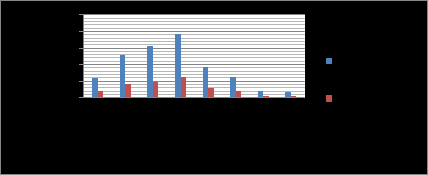
The graph represents the relationship between age groups and the corresponding data points of tobacco use and cancer. The x-axis represents different age groups ranging from 15 to 55 years, while the y-axis represents the number of people surveyed. Each data point on the graph corresponds to a specific age group and displays the count of individuals surveyed. The total number of people surveyed for this data set is 313 (n=313). Additionally, the graph also includes the percentage of individuals within each age group out of the total surveyed. The percentages range from 2.23% to 24.6%, indicating the distribution of individuals across the different age groups. This legend provides a comprehensive understanding of the graph and allows for an accurate interpretation of the data presented.
| Characteristics | Categories | Number (%) |
|---|---|---|
| Age | Less than 29 years | 2,145 (16.6) |
| 30-39 years | 8,182 (63.3) | |
| 40-49 years | 1740 (13.7) | |
| 50 years and above | 855 (6.6) | |
| Education of Women | No Formal Education | 2,123 (16.4) |
| Primary (5 years of schooling) | 7,748 (59.9) | |
| SSC (10 years of schooling) | 2,002 (15.5) | |
| HSC (12 years of schooling) and above | 1,049 (8.1) | |
| Occupation of Women | House Wife | 12,417 (96.1) |
| Service holder | 367 (2.8) | |
| Labor | 138 (1.1) | |
| Occupation of Husband | Service holder | 5,343 (41.3) |
| Business | 4,312 (33.7) | |
| Farmer | 1,266 (9.8) | |
| Labor | 899 (6.9) | |
| Driver | 405 (3.1) | |
| Not alive | 672 (5.2) | |
| Unemployed | 25 (0.1) | |
| Monthly family income | Up to Taka 3,000 | 107 (0.8) |
| Taka 3,001 - 6,000 | 1,563 (12.1) | |
| Taka 6,001 - 10,000 | 1,629 (12.6) | |
| Taka 10,000 and above | 9,623 (74.5) | |
| Age of marriage | Less than 15 years | 2,720 (21.0) |
| 16 to 17 years | 7,180 (55.6) | |
| 18 years and above | 3,022 (23.4) | |
| Age of delivery | No children | 293 (2.3) |
| <15 years | 2,862 (22.1) | |
| 16-20 years | 9,412 (72.8) | |
| 21 years and above | 2,174 (16.8) |
Table 1: Estimated number of new cases and number of deaths in 2020 [8].
- Estimated number of new cases and number of deaths in 2020, Bangladesh, both sexes.
- Cancer types
- Male
- Female
- Age
- Incidence
- Mortality
- Incidence
- Mortality
- Incidence
- Mortality
- Incidence
- Mortality
- Oesophagus
- 14141
- 13211
- 7604
- 7108
- -
- -
- 13370(M),
- 12558(M),
- Lung
- 9797
- 9148
- 3202
- 2855
- 11(F)
- 10(F)
- 8867(M),
- 8279(M),
- Liver
- 2471
- 2380
- 790
- 759
- 28(F),
- 14(F),
- 2117(M),
- 2148(M),
- Penis
- 640
- 246
- -
- -
- -
- -
- 605(M)
- 220(M)
- Brest
- -
- -
- 13028
- 6783
- -
- -
- 12176(F)
- 5966(F)
- Cervix
- -
- -
- 8268
- 4971
- -
- -
- 8112(F)
- 4820(F)
Table 2: Estimated number of new cases and number of deaths in 2020 [8].
Breast Cancer
The research aimed to analyze the incidence rates of breast cancer at the National Institute of Cancer Research & Hospital (NICRH) over a ten-year period. The findings revealed a fluctuating pattern in breast cancer incidence, with the highest rate observed in 2014 (12.5%) and the lowest rate in 2011 (9.8%). Throughout the study period, the incidence rates ranged between 9.8% and 12.5%. The most significant increase in breast cancer incidence occurred between 2007 and 2009, with a rise of 2.1 percentage points. Subsequently, the incidence rate remained relatively stable, fluctuating within a narrow range of 10.1% to 12.5%. These findings provide valuable insights into the annual incidence rates of breast cancer at NICRH, indicating some variability in the occurrence of breast cancer cases during the study period.
The observed increase in breast cancer incidence from 2007 to 2009 suggests a potential underlying trend or changes in diagnostic practices or awareness campaigns during that period. Furthermore, the higher incidence rates observed in recent years, particularly in 2014, may indicate an increasing burden of breast cancer in Bangladesh. Notably, although the incidence rate of breast cancer has increased over time, the number of deaths attributed to breast cancer has decreased. In 2020, a total of 12,176 cases of breast cancer were reported all over the country, with 5,966 deaths recorded Table 2. This decline in breast cancer- related mortality despite the increasing incidence suggests improvements in early detection, treatment strategies, and access to quality healthcare services. According to WHO data from 2020, no cases of breast cancer were reported in individuals aged 0-19 years. However, the incidence of breast cancer dramatically increased after the age of 20. Factors
such as early marriage and early pregnancy may contribute to this trend. In Bangladesh, a significant proportion of individuals (21%) get married before the age of 15 and 55.6% get married the age between 16 to 17 years while only 23.4% are married above the age of 20. Additionally, a substantial portion of the population exhibits low levels of education, with 59.9% having no formal education, 56% completing primary schooling (5 years), 15.5% completing SSC (10 years), and 8.1% completing HSC (12 years) or above. These factors may also contribute to the incidence of breast cancer in the population. The analysis of breast cancer incidence at NICRH over a ten-year period highlights a fluctuating pattern, with an overall increase in breast cancer cases. The decrease in breast cancer-related mortality suggests improvements in healthcare interventions and access to treatment. The data also indicates that breast cancer primarily affects individuals above the age of 20, potentially influenced by factors such as early marriage, early pregnancy, and low levels of education. These findings underscore the need for comprehensive and targeted public health interventions, including improved screening programs, awareness campaigns, and increased access to timely and quality healthcare services for early detection and treatment of breast cancer in Bangladesh.
5.2 Lung Cancer
The data analysis Figure 1 conducted for lung cancer in Bangladesh Cancer Hospital incidence over the ten-year period from 2005 to 2014 revealed a consistent increase in the number of cases. The highest number of lung cancer cases was observed in 2014, with 1983 cases recorded. The incidence rates gradually increased from 902 cases in 2005 to 1983 cases in 2014. These findings highlight the significant burden of lung cancer, which is consistent with global trends. Lung cancer is a leading cause of cancer- related deaths worldwide, with high incidence and mortality rates. Specifically looking at the year 2020 across the country, approximately 9797 men were diagnosed with lung cancer, and tragically, about 9148 males succumbed to this fatal disease. Table 2 this accounts for approximately 93% of the total infected males. In the same year, approximately 3202 females were affected by lung cancer, and approximately 2855 females lost their lives to this devastating disease. This represents approximately 89% of the total infected females. These statistics indicate a poor treatment system in Bangladesh. It also indicates that in the age group of 0-19, only reported 11 females were affected by lung cancer, while no males were affected. However, after the age of 20, the number of affected males increased dramatically to 8867, and nearly 8279 males lost their lives to this disease. The causative factor, smoking and environmental pollution are discussed in detail in the factor section. These alarming statistics underscore the urgent need for effective strategies in lung cancer prevention, early detection, and treatment.
Public health initiatives should prioritize smoking cessation programs and require proactive initiatives by the local government to address this pressing issue.
Cervical Cancer
According to our data analysis Figure 2 the number of cervical cancer patients in the Bangladesh Cancer Hospital varied from year to year. There was a slight increase in cases from 2005 to 2006, followed by a small decline in 2007. However, a significant rise in the number of patients was observed in 2008, indicating a potential upward trend. From 2009 onwards, there was a consistent increase in the number of cases, reaching a peak of 991 in 2010. A decline was seen in 2012, but this was followed by a substantial increase in 2014.
While this data provides insights into the historical trends, it is crucial to analyze it critically in light of other relevant information. According to WHO data from 2020, 8268 new cases of cervical cancer were reported, with 4971 deaths recorded. These recent statistics indicate a substantial increase in the incidence of cervical cancer, which suggests an increasing burden on the healthcare system in Bangladesh. This finding emphasizes the urgent need for enhanced treatment and preventive measures.
Another critical aspect to consider is the age distribution of general public in bangladesh. The analysis of our data Table 1 indicates that a significant percentage of women had their first delivery at a young age. Specifically, 22.1% of individual were below 15 years old at the time of their first delivery, and 72.8% were between 16 and 20 years old. This highlights the issue of early childbirth, which may be a major contributing factor to the development of cervical cancer. Furthermore, the data in Table 3 indicates that the rate of cervical cancer increases significantly after the age of 20, reinforcing the need for targeted interventions and awareness campaigns for this age group.
Liver Cancer
The analysis of liver cancer incidence at the National Institute of Cancer Research & Hospital (NICRH) revealed fluctuating patterns over an eight-year study period (Figure 3). The highest number of liver cancer cases was recorded in 2014, with 390 cases reported, while the lowest number of cases was observed in 2008, with 215 cases. Throughout the study period, the number of liver cancer cases ranged from 215 to 390. One noteworthy finding is the highest increase in the number of cases that occurred between 2009 and 2010, with an increase of 55 cases. However, after this peak, the number of cases remained relatively stable, fluctuating within a range of 246 to 390. These findings suggest that the incidence of liver cancer at NICRH did follow a clear upward trend during the study period. An interesting observation from the data is the high prevalence of tobacco smoking among Bangladeshi males. Our study found that 98% (n=315) of Bangladeshi males were addicted to tobacco smoking (Figure 4).
This information is relevant because certain chemicals found in smoking, such as nitrosamines, vinyl chloride, tar, and 4-aminobiphenyl, have been identified as potential causes of liver cancer [9]. Furthermore, a closer examination of the age distribution of tobacco smoking addiction revealed that a small percentage of males below 20 years old were addicted to tobacco smoking, whereas a large number of individuals became addicted after reaching 20 years of age. This aligns with data from the World Health Organization (WHO) database, which indicates that the majority of liver cancer patients are male and over 20 years old.
In 2020, there were 2,471 reported cases of liver cancer in males in Bangladesh, out of which 2,380 resulted in death. Additionally, 790 cases were reported among females, with 759 resulting in death. These findings suggest a potential association between tobacco smoking and the increased incidence of liver cancer in males, indicating a weakness in healthcare interventions and preventive measures. Overall, the analysis of liver cancer incidence at NICRH revealed fluctuating patterns over the eight-year study period. The highest number of cases occurred in 2014, and the lowest number was observed in 2008. The significant prevalence of tobacco smoking among Bangladeshi males, along with the higher incidence of liver cancer among males over 20 years old, indicates a potential relationship between smoking and liver cancer development. These findings highlight the need for targeted interventions and policies to address the healthcare weaknesses and reduce the burden of liver cancer in Bangladesh.
Factor
We aimed to explore the impact of various factors, including tobacco use, sexual and reproductive factors associated with cancer. Through an extensive analysis of existing literature and research studies, we have synthesized key findings to shed light on these crucial aspects of cancer.
Tobacco Use and Cancer
Our survey conducted among 313 participants aimed to examine the prevalence of tobacco use across different age groups (Figure 4). The survey data provided insights into the varying rates of tobacco use among participants of different ages. One significant factor observed was the age- related differences in tobacco use prevalence. The survey participants were distributed across different age groups as follows: 15-20 years (24 individuals, approximately 8%), 21-25 years (51 individuals, over 16%), 26-30 years (62 individuals, around 20%), 31-35 years (37 individuals, around 25%), 36-40 years (37 individuals, almost 12%), 41- 45 years (25 individuals, 9%), 46-50 years (8 individuals, 3%), and 51-55 years (7 individuals, approximately 3%). By analyzing the survey data, it was observed that the prevalence of tobacco use varied across different age groups. The highest prevalence rate was found among individuals aged 31-35 years, with approximately 25% of respondents in this age bracket reporting tobacco use. Following this, the 26-30 years age group had a prevalence rate of approximately 20%. The 36-40 years age group showed an almost 12% prevalence rate, while the 41-45 years age group had a prevalence rate of 9%. Among the younger age groups, the 21-25 years age group had a prevalence rate of over 16%, whereas the 15-20 years age group had the lowest prevalence rate, with nearly 8% reporting tobacco use.
Furthermore, a notable factor was the decrease in tobacco use prevalence among older age groups. The 46-50 years and 51-55 years age groups had the lowest rates, at 3% and approximately 3%, respectively.
This suggests a decrease in tobacco use as individuals age. Based on previous observations in the results section, where lung cancer and liver cancer were more prevalent in males than females, it is noteworthy that no data were reported for male lung cancer below the age of 20, while 11 cases were reported in females. However, after the age of 20, there was a significant increase in reported cases of male lung cancer, with 8867 individuals, compared to 2843 in females. This observation aligns with the survey data, which indicates a higher smoking rate after the age of 20. Considering these findings, the higher prevalence of tobacco use among individuals aged 31-35 years and 26-30 years, as well as the increased incidence of lung cancer among males after the age of 20, suggest that tobacco use may be a significant factor contributing to lung cancer. The survey data revealed varying rates of tobacco use across different age groups, with the highest prevalence observed among individuals aged 31-35 years. Additionally, the data aligns with previous observations of increased lung cancer incidence among males after the age of 20, indicating a potential association between smoking and lung cancer. These findings emphasize the importance of targeted interventions and preventive measures to address tobacco use, particularly among younger age groups, to mitigate the risk of developing lung cancer. Our review supports these findings, highlighting the increased risk of lung, oral, esophageal, and several other cancers among individuals who use tobacco products [8, 9]. Furthermore, we examined the impact of secondhand smoke exposure on cancer risk, emphasizing the need for comprehensive tobacco control measures to mitigate the burden of this preventable cause of cancer [10].
Study investigated the relationship between sexual and reproductive factors and the prevalence of cancer. Specifically, the age of marriage and the age of delivery were analyzed in
Sexual and Reproductive Factors and Cancer
This relation to the occurrence of cancer. The data was collected from a sample of individuals, and the frequencies of different age groups were recorded (Table 1). Regarding the age of marriage, the results indicated that a significant proportion of individuals got married at a young age. Specifically, 2,720 individuals (21.0% of the sample) reported getting married before the age of 15. A larger proportion, comprising 7,180 individuals (55.6% of the sample), got married between the ages of 16 and 17. Only a relatively smaller proportion, consisting of 3,022 individuals (23.4% of the sample), reported getting married at the age of 18 and above. When examining the age of delivery, it was found that a considerable number of individuals had children at a relatively young age. Among the sample, 293 individuals (2.3%) reported having no children. A higher number of individuals, amounting to 2,862 (22.1% of the sample), delivered their first child before the age of 15. The majority of individuals, 9,412 (72.8% of the sample), had their first child between the ages of 16 and 20. A smaller proportion, consisting of 2,174 individuals (16.8% of the sample), reported having their first child at the age of 21 and above. These findings highlight important patterns and trends related to sexual and reproductive factors in the population under study. The prevalence of early marriages and early childbirth is evident, with a significant number of individuals experiencing these milestones at young ages. Such trends may have implications for the occurrence of cancer within this population.
Water Pollution and Cancer
Water pollution and its association with cancer in Bangladesh have significant implications for public health. Bangladesh, being a densely populated country, heavily relies on groundwater and surface water sources for various purposes, including drinking water. However, these water sources are contaminated by a range of pollutants, including arsenic, bacteria, heavy metals, and pesticides, leading to adverse health outcomes. Arsenic, a naturally occurring element found in elevated levels in groundwater, poses a substantial risk to human health. Exposure to arsenic- contaminated water is linked to several types of cancer, such as liver, lung, bladder, and kidney cancers, as well as the development of skin lesions, cardiovascular diseases, and neurological disorders [10, 11]. Bacterial contamination is another concerning aspect of water pollution in Bangladesh. Improper sanitation, inadequate sewage systems, and animal waste contribute to the presence of coliforms and pathogens in water supplies. These bacteria can cause various infectious diseases, including diarrhea, dysentery, cholera, and typhoid [3, 11]. The release of heavy metals into water sources from industrial effluents, mining activities, tanneries, batteries, and paints is a significant contributor to water pollution in Bangladesh. Accumulation of heavy metals, such as lead, cadmium, chromium, nickel, and mercury, in the body can lead to damage in vital organs like the liver, kidney, brain, and blood [11]. Pesticide contamination, primarily stemming from agricultural practices, introduces chemicals such as DDT, endosulfan, carbofuran, and glyphosate into waterways. Prolonged exposure to these pesticides through water pollution can disrupt the hormonal system, affect the nervous system, and increase the risk of cancers, including breast, prostate, lymphoma, and leukemia [11]. Water pollution affects human health through both acute and chronic exposure to contaminants, with the extent of exposure dependent on the pollution source, duration, and level. Acute exposure can result from incidents such as chemical spills, leading to immediate health effects. Chronic exposure to water pollution contributes to long-term health risks, including the development of various cancers [11]. In addition to the impact on human health, water pollution also poses a significant threat to the environment. It disrupts ecosystems, reduces biodiversity, and affects food chains, thereby indirectly affecting human health as well [11]. Effective public health interventions and policies are crucial to address the burden of water pollution-related cancer in Bangladesh and mitigate its consequences. According to a study conducted by Hasan, et al. [10], water pollution is responsible for approximately 24% of all deaths in Bangladesh [10].
Economic Impact of Cancer
This study (Table 1) aimed to examine the economic impact of cancer by analyzing the occupation of women, the occupation of husbands, and the monthly family income. The data collected from a sample of individuals provided insights into the distribution of occupations among women and husbands, as well as the range of monthly family incomes. Regarding the occupation of women, the results showed that the majority of women, accounting for 12,417 individuals (96.1% of the sample), identified themselves as housewives. A smaller proportion of women, comprising 367 individuals (2.8% of the sample), were engaged in service-related jobs. The remaining individuals, 138 (1.1% of the sample), reported being involved in labor-intensive occupations. When examining the occupation of husbands, the data revealed that the majority of husbands, amounting to 5,343 individuals (41.3% of the sample), were employed in service-related jobs. A significant number of husbands, 4,312 individuals (33.7% of the sample), were involved in business-related activities. A smaller proportion of husbands reported being farmers (1,266 individuals, 9.8%), laborers (899 individuals, 6.9%), drivers (405 individuals, 3.1%), or unemployed (25 individuals, 0.1%). Additionally, 672 individuals (5.2% of the sample) reported that their husbands were no longer alive. Regarding the monthly family income, the data showed a range of income levels. A relatively small proportion of families, consisting of 107 individuals (0.8% of the sample), reported earning up to Taka 3,000 per month. A larger proportion, comprising 1,563 individuals (12.1% of the sample), reported earning between Taka 3,001 and 6,000 per month. Similarly, 1,629 individuals (12.6% of the sample) reported earning between Taka 6,001 and 10,000 per month. The majority of families, accounting for 9,623 individuals (74.5% of the sample), reported a monthly family income of Taka 10,000 and above. These findings provide insights into the economic context of the population under study and shed light on the potential economic impact of cancer. The high prevalence of housewives among women suggests that cancer may have a significant impact on the financial stability and well-being of families, as it may lead to a loss of household income and increased financial burden. The distribution of occupations among husbands indicates the potential variability in income levels and the capacity to bear the costs associated with cancer treatment and care.
Opportunities for Cancer Treatment
Cancer is a leading cause of morbidity and mortality worldwide, including in low- and middle-income countries like Bangladesh. With a population of over 160 million people, Bangladesh faces numerous challenges in providing effective cancer treatment and care. However, recent developments have opened up new opportunities for cancer treatment in the country. This section explores some of these opportunities, supported by relevant journal references.
Advancements in Technology and Infrastructure
Bangladesh has made significant progress in improving its healthcare infrastructure and adopting modern technologies in recent years. This includes the establishment of specialized cancer centers equipped with state-of-the-art facilities for diagnosis, treatment, and research [12]. Such advancements are crucial for delivering advanced cancer treatments and improving patient outcomes.
Collaboration with International Organizations
Collaboration with international organizations has played a vital role in enhancing cancer treatment opportunities in Bangladesh. Organizations such as the International Atomic Energy Agency (IAEA) have provided support in capacity building, training healthcare professionals, and introducing advanced treatment techniques, such as radiation therapy [13]. This collaboration has not only improved treatment options but also facilitated knowledge exchange and skills development.
Expansion of Oncology Services: There has been a notable expansion of oncology services across Bangladesh, with an increasing number of hospitals offering specialized cancer care. This expansion has resulted in improved access to cancer diagnosis, treatment, and supportive care services for patients across the country [13]. The availability of comprehensive oncology services is essential for early detection, timely treatment, and improved survival rates.
Research and Clinical Trials
There is a growing emphasis on cancer research and clinical trials in Bangladesh. Research studies conducted in the country have contributed to a better understanding of cancer epidemiology, risk factors, and treatment outcomes among the Bangladeshi population [14]. Additionally, participation in international clinical trials has allowed access to novel therapies and improved patient outcomes [15]. Research and clinical trials provide opportunities for advancing cancer treatment options tailored to the specific needs of the population. These opportunities in cancer treatment indicate positive developments in Bangladesh’s healthcare landscape. While challenges remain, such as financial constraints, lack of trained personnel, and limited access in rural areas, the progress made in recent years provides a promising foundation for further advancements in cancer treatment and care.
Limitation
The survey on smoking rates by age was conducted exclusively among male participants due to cultural conditions in Bangladesh. It is important to acknowledge that this gender-specific focus limits the generalizability of the findings to the entire population. The results may not accurately represent the smoking prevalence and age correlation among females, thereby restricting the broader applicability of the findings.
Conclusion
The burden of cancer in Bangladesh is increasing, posing significant challenges to the healthcare system and socioeconomic development of the country. Breast cancer, lung cancer, colorectal cancer, cervical cancer, and liver cancer are among the major types of cancer with high prevalence rates. The analysis of cancer incidence rates over a specific period revealed fluctuating patterns, indicating the need for further investigation into underlying trends and risk factors. Tobacco use, both active and passive, has been identified as a significant risk factor for various types of cancer. The prevalence of tobacco use was found to vary across different age groups, emphasizing the importance of targeted interventions and education programs for tobacco prevention and cessation. Sexual and reproductive factors, such as early marriage and early childbirth, were also explored in relation to cancer prevalence. The findings highlighted the need for promoting awareness about the potential risks associated with these factors and implementing strategies to delay marriage and childbirth. Public health interventions, including improved screening programs, awareness campaigns, access to timely and quality healthcare services, and vaccination programs, are crucial for early detection, prevention, and treatment of cancer in Bangladesh. Comprehensive tobacco control measures, reduction of environmental pollution, and promotion of a healthy lifestyle can contribute to mitigating the burden of cancer in the country. Further research is needed to explore the specific risk factors contributing to the rising incidence of cancer in Bangladesh and to develop targeted interventions and policies to address the growing burden of this devastating disease.
References
-
(2022) World Health Organization, Cancer World Health Organization.
-
(2017) Addressing Continuous Threats: HIV/AIDS, Tuberculosis, and Malaria.E. Global Health and the Future Role of the United States. National Academies of Sciences, Hardcopy Version at National Academies Press.
-
Noronha V, Tsomo U, Jamshed A, Hai M, Wattegama S, et al. (2012) A Fresh Look at Oncology Facts on South Central Asia and SAARC Countries. South Asian Journal of Cancer 1(1): 1-4.
-
Kumar P, Bhattacharyya G, Dattatreya S, Malhotra H (2009) Tackling the cancer Tsunami. Indian Journal of Cancer 46(1): 1-4.
-
Sung H, Jacques F, Rebecca L, Laversanne M, Soerjomataram I, et al. (2021) Global Cancer Statistics (2020) Globocan Estimates of Incidence and Mortality Worldwide for 36 Cancers in 185 Countries. CA: Cancer Journal for Clinicians 71(3): 209-249.
-
Hussain SA (2013) Comprehensive Update on Cancer Scenario of Bangladesh. South Asian Journal of Cancer 2(4): 279-284.
-
National Institute of Cancer Research & Hospital (NICRH).
-
Jain D, Chaudhary P,Varshney N,Razzak KS,Verma D, et al. (2021) Tobacco Smoking and Liver Cancer Risk: Potential Avenues for Carcinogenesis. Journal of Oncology pp: 1-11.
-
Hasan Md, Shahriar A, Jim KU (2019) Water Pollution in Bangladesh and its impact on Public Health. Heliyon 5(8).
-
Parvin F, Haque MM, Tareq SM (2022) Recent Status of Water Quality in Bangladesh: A Systematic Review, Meta- Analysis and Health Risk Assessment. Environmental Challenges 6.
-
(2015) Bangladesh Health System Review. Manila WHO Regional Office for the Western Pacific, World Health Organization 5(3).
-
(2016) Programme of Action for Cancer Therapy (PACT).
-
Habib WB, Molla MAM (2022) State of Cancer Care in Bangladesh. The Daily Star.
-
Condon L, Curejova J, Morgan DL, Miles G, Fenlon D (2021) Knowledge and Experience of Cancer Prevention and Screening Among Gypsies, Roma and Travellers: A Participatory Qualitative Study. BMC Public Health 21.
- Capacity Constraints in Pediatric Inpatient Psychiatric Care: A Cross-Sectional Analysis of Bed Availability and Geographic Access in North Carolina
- Why Healthcare Analytics Still Optimizes the Wrong Things
- Coding, Coverage, and Care: The Infrastructure of Transgender Health Inequities
- The Effect of Classroom Attendance on Academic Achievement of Management and Leadership Discipline of Nursing Students at Instituto Superior Cristal and Universidade de Dili, Timor-Leste, 2024: A Case Study
- The Role of Social Bonds in Facilitating Shared Investments and Resource Allocation: Addressing the “Wrong Pocket Problem” in Public Health and Healthcare
- Social-Cultural Factors Contributing to Antimicrobial Resistance in Livestock Farmers and Community Households in Kayonza District, Rwanda