
Social Anxiety during the Covid-19 and Treatment with Cognitive Behavioral Therapy
A case study was performed to test and verify the improvement of anxiety symptoms through cognitive behavioral therapy. Cognitive-behavioral therapy was developed based on the earlier therapeutic framework of cognitive-behavioral therapy with the aim to improve mental health during the pandemic. The objective of the study was to check the efficacy of Cognitive Behavior Therapy for treating Social Anxiety Disorder during Covid-19. The current case study of Linda, a 23-year-old with SAD, implemented this mutualized CBT for SAD. Treatment consisted of 15 individual sessions, with follow-ups occurring 2 and 8 months post- treatment. According to the results Linda showed significant reductions in SAD symptoms throughout the course of treatment, resulting in complete remission of SAD at the end of formal treatment. Based on the evidence, we conclude that cognitive behavioral therapy is currently the most effective treatment for social anxiety disorder during a Pandemic situation. Future research in this area should focus on comparing cognitive-behavioral psychotherapy with other relevant treatments.
Introduction
Anxiety disorders have become one of the most common mental health issues faced by adults today. Social anxiety disorder is the fourth most common psychiatric disorder, with only major depression, alcohol abuse, and specific phobia being more prevalent. More conservative lifetime prevalence estimates suggest that clinically significant social anxiety affects a compelling but more modest 4% of the population [1]. When social anxiety disorder was first included as a diagnostic category in the third edition of the Diagnostic and Statistical Manual of Mental Disorders (DSM- IV) [2], it was thought to result in only minimal disruption in role functioning. Research has since revealed that social anxiety disorder can be quite incapacitating. The vast majority of individuals with social anxiety disorder report that their career, academic, and general social functioning has been seriously impaired by their fears [3].
Approximately 70-80 % of individuals with social anxiety disorder meet the criteria for an additional diagnosis and in most cases; social anxiety disorder predates the onset of the co-morbid condition. In community samples, the most common additional diagnoses include specific phobia, agoraphobia, major depression, and alcohol abuse and dependence. Compared to individuals with uncomplicated social anxiety disorder, persons with social anxiety disorder and co- morbid disorders have higher rates of suicide attempts, are more likely to report significant role impairment, and more often use medication to control their symptoms [4].
Cognitive-Behavioral Treatment and Social Anxiety
Researchers have investigated the efficacy of a broad range of treatments for social anxiety disorder, including social skills training, cognitive therapy, relaxation training exposure, interpersonal psychotherapy, dynamically oriented, supportive psychotherapy, and various pharmacotherapies [5]. Cognitive Behavior Therapy is one of the most effective ways of treating various disorders such as depression and anxiety. It has been indicated that CBT and its exposure- based modalities are effective to treat anxiety disorders such as SAD [1]. Cognitive Behavior Therapy includes techniques like verbal challenging for cognitive restructuring and behavior experiments. In addition, relaxation exercises are also used to treat symptoms like fatigue and tiredness [6].
Objective of the Study
The objective of the study was to find out the efficacy of cognitive therapy in cases of Social Anxiety Disorder during Covid-19. Cognitive behavioral therapy will significantly reduce the client’s complaints, such as excessive worry about going out in public, anxiety related to the fear of Covid-19, and concern for her family’s health, and the ability to return to studies and social life.
Method
Research Design
A research design was used in the study to check the efficacy of CBT in treating SAD. In this research, design assessment is done prior to the treatment and after the treatment is given.
Sample
The sample consisted of a 23-year-old girl, who is studying bachelors in Law. She is the eldest daughter in the family and has one brother.
Case Presentation
Linda is 23 years, old Albanian female. She studies lawyer and she lives in Prishtina. She grew up in Pristina, she lives in a house with one brother and her parents. She appeared smartly dressed in an outfit, which was age-appropriate. She was attentive and oriented to person, place, and time and made every effort to be open with me. All the time during the session she was a cooperative attitude toward the therapist. Thus, it was easy to establish a good rapport with her. Her speech was coherent and relevant. Memory was intact as observed. Insight was estimated as good. Linda was highly motivated to change and willing to engage in therapy to improve her condition. Linda was referred by a psychiatrist who had gone with her mother to be checked for the first time.
After a consultation with a psychiatrist, he prescribed two types of tablets for you to use for one month and recommended a consultation with a psychologist. After the psychiatrist’s recommendation, she contacted me on the phone to make an appointment. The reason for the referral was that during the last 6-7 months, there was fear and anxiety to go out of the house. This fear has hindered them in their studies and social life in general. This situation started 6 months ago when she received the unexpected news about the death of her aunt’s son from Covid-19 on a bus, who was healthy and young. This sudden death on the bus caused the client fear and anxiety to travel by bus, leaving the house, going to college, and being with friends. Linda has never seen a psychologist or a psychiatrist before.
Assessment
For the specific case, we decided to offer individual cognitive behavior therapy based on Clark and Well’s model for Social Anxiety Disorder. We started with the observation and assessment of mental status, and Mini International Neuropsychiatric Interview. The Mini-International Neuropsychiatric Interview [7] is a brief structured interview designed to assess the major psychiatric disorders in the DSM-5 and ICD-10. Diagnostic criteria for anxiety disorders, bipolar disorders, depressive disorders, obsessive-compulsive and related disorders, trauma- and stressor-related disorders, feeding and eating disorders, and substance-related and addictive disorders. Then we use two assessment measures (STAI and SPAI).
The state-trait anxiety inventory (STAI) the appropriate instrument for measuring anxiety in adults, differentiates between state anxiety, which represents the temporary condition, and treats anxiety, which is the general condition. The STAI is a validated 20-item self-report assessment device that includes separate measures of state and trait anxiety. The STAI includes forty questions, with a range of four possible responses. In each of the two subscales scores range from 20 to 80, with high scores indicating a high anxiety level. Higher scores correspond to greater anxiety. The Social
Phobia and Anxiety Inventory (SPAI) is a 45-item self-report measure that assesses cognitive, physical symptoms, and avoidance/escape behavior in various situations. It includes two subscales: Social Phobia and Agoraphobia. A difference score above 60 indicates a potential phobia, and a cut-off score of 80 maximizes this identification rate [8].
Procedures
Conceptualizing the case. Following a model suggested by Clark DM, et al. [9], Linda’s experience of unhelpful social anxiety is conceptualized as follows. Examples of fearful situations included college exams, leaving home, talking to a group of students, fear of getting on the bus, fear of covid-19 being around other students and her worries including what others would think him as disabled or unfit for society. Her concerns seemed to be confirmed by physiological reactivity (eg, feeling warm) and feelings of “dread” by her performance. To avoid negative outcomes, Linda engaged in avoidance behavior, wearing “thick clothes that she perceived would not show sweat, or running out of class, or crowded places. The conceptual model is described in more detail below and the model is shown in Figure 1.
![Figure 1: Cognitive model of social anxiety disorder [8].](/fulltextimages/9072/fig_1.png)
Intervention
The total, the client was seen for 15 sessions.Sessions1-3 of treatment usually consist of case formulation, creating a therapeutic relationship, socialization, goal settings, cognitive preparations for restructuring, and psych education, involving manipulations of safety behaviors and of attention. Treatment sessions 4-6 we started with the structuring of the session, then the homework, after we focus on advanced cognitive restructuring, also on a continuation of behavioral experiments, in the beginner systematic exposure imaginative, after this involving exposure to test negative appraisal and predictions. During the session, 7-9 continue with cognitive and behavior reattribution methods and introduce band with man overs aimed at further interrogating the environment, also video feedback methods to correct the distorted self-image [10, 11].
We applied relaxation techniques, e.g. deep breathing and progressive muscle relaxation. In sessions 10-12 we continued with a review of homework after continuing to use cognitive restructuring to explore Linda’s core beliefs, and challenge them, also during the sessions we teach a coping strategy (i.e., Attitudes and actions that can help) [12]. In the last 2 final sessions, the treatment concludes with a discussion of relapse prevention and the therapist helping the clients set specific goals for the year the following treatment (Table 1).
| Socialization to the model is achieved by the following: | |
|---|---|
| 1. Presentation of the model and discussion of relationships between Cognition, emotion, and behavior. | |
| 2. Use of guided discovery to explore the roles of vicious cycles | |
| 3. Socialization experiments. | |
Table 1: includes examples of socialization.
During the presentation of the model, I give a brief description of what happened when the patient was confronted with a recent social situation. It is useful here to note the occurrence of automatic negative thoughts just prior to the situation that led to the reflexive activation of anxiety and anxiety symptoms. It should be noted that the patient has developed a series of coping or safety behaviors that have become counterproductive and lead to the maintenance of the problem. In the last two therapy sessions, we have focused on relapse prevention issues. This usually consists of prompting patients to describe a detailed summary of information learned during treatment. This therapy plan has also included a detailed list of strategies that have been helpful in overcoming social anxiety [13].
Results
During 15 therapy sessions, Linda has managed to reduce social anxiety and control her behavior. In general, sleep has improved; motivation each time was raised. It successfully passed the anxiety hierarchy facing fears and reducing anxiety in general. She demonstrates the ability to successfully pass exams. She has learned to identify her automatic thoughts and her opinion has improved in black and white by finding alternative answers [13]. She has started to appear more often in public places. It feels good, particularly about acquiring the knowledge, skills, and professional support in this process, and also it is ready to all these skills to use in different situations stressful everyday life (Figure 2).
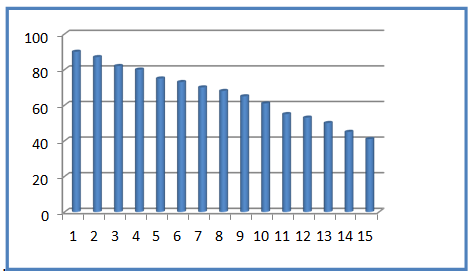
Figure 2_:_ Anxiety level during treatment sessions.
Follow-up
Results from symptom measures completed after session 15 supported the qualitative observation of significant improvement since baseline, as well as a continued improvement since the time point of the previous assessment, which had been before the onset of local measures of the COVID-19 pandemic. An additional follow- up appointment was scheduled for 6 months after the final session, to coincide with the client’s anticipated return to social life and college.
Discussion
Based on the studies done on mental health during the Covid-19 period, psychological treatment has been necessary and has been implemented in many hospitals and university clinics. One of the most favorable and effective psychotherapeutic approaches that have been applied is CBT. Also, based on studies, CBT has long been effective in the treatment of psychological disorders of clients during the pandemic situation, especially in the treatment of social anxiety disorder. During the intervention, it was found that by providing enough accurate information about the management of COVID-19, the client’s negative emotions were significantly improved. In addition, we found that by offering free psychotherapy to the client during the pandemic period, her anxiety level significantly improved during CBT treatment.
Conclusion
Future research should focus on and investigate the long-term effects of CBT for anxiety disorders specifically for social anxiety during Covid-19. It is also preferable to make a comparison between cognitive-behavioral psychotherapy and other psychotherapeutic treatments for social anxiety disorder.
Declaration of Conflict Interests
The author declared no potential conflict of interest with respect to the research, authorship, and or publication of this article.
References
-
Baum KB, Knappe S, Fehm L, Höfer M, Lieb R, et al. (2012) The natural course of social anxiety disorder among adolescents and young adults. Acta Psychiatrica Scandinavica 126(6): 411-425.
-
American Psychiatric Association (2013) Diagnostic and Statistical Manual of Mental Disorders. In: 5th (Edn.), Washington DC, USA.
-
Rapee RM, Heimberg RG (1997) A cognitive-behavioral model of anxiety in social phobia. Behav Res Ther 35(8): 741-756.
-
Becker CB, Namour N, Zayfert C, Hegel MT (2001) Specificity of the Social Interaction Self-Statement Test in social phobia. Cognitive Therapy and Research 25(2): 227-233.
-
Clark DM, Ehlers A, McManus F, Hackmann A, Fennell M, et al. (2003) Cognitive therapy versus fluoxetine in generalized social phobia: A randomized placebo- controlled trial. J Consult Clin Psychol 71(6): 1058-1067.
-
Beck JS, Beck AT (1995) Cognitive therapy: basics and beyond. Guilford Press, New York, USA.
-
Sheehan DV, Lecrubier Y, Sheehan KH, Amorim P, Janavs J, et al. (1998) The Mini International Neuropsychiatric Interview (M.I.N.I.): The development and validation of a structured diagnostic psychiatric interview. J Clin Psychiatry 59(20): 22-33.
-
Antony MM, Coons MJ, McCabe RE, Ashbaugh A, Swinson RP (2005) Psychometric properties of the Social Phobia Inventory: Further evaluation. Behav Res Ther 44(8): 1177-1185.
-
Clark DM, Wells A (1995) A cognitive model of social phobia. In: Heimberg R, Liebowitz M, et al. (Eds.), Social phobia: Diagnosis, assessment and treatment, pp: 69-93.
-
Ataturk C, Graaf R, Straten A, Have M, Cuijpers P (2008) Social phobia and number of social fears, and their association with comorbidity, health-related quality of life and help seeking. Social Psychiatry Psychiatr Epidemiol 43(4): 273-279.
-
Beck AT, Epstein N, Brown B, Steer RA (1988) An inventory for measuring clinical anxiety: Psychometric properties. J Consult Clin Psychol 56(6): 893-897.
-
Chippers P, van Straiten A, Warmerdam L (2007) Behavioral activation treatments of depression: A meta- analysis. Clin Psychol Rev 27(3): 318-326.
-
Hope DA (1993) Exposure and social phobia: Assessment and treatment considerations. Behav Ther 16: 7-7.
- Systematic Review and Meta-analysis Investigating the Prevalence of Depression, Anxiety, Loneliness and Help seeking among International Students
- Family Experiences and their Interpretations as a Source of Adaptive Behaviour in Young Adults: A Qualitative Model of Adaptive Behaviour
- The Development of Responsibility in Teenage Mothers: A Qualitative Model
- Post-Truth Reality: Worldwide Infodemia and Mental Health Concerns during and Post COVID-19 Pandemic Scenarios
- Psycho-Emotional Rehabilitating Means of Overcoming Extreme and Stressful Impact
- The Paradox of Humbleness, Arrogance and the Concept of Fluid Individuality