
Micro and Nanoplastics–Plastisphere, Biotoxicity, Impact on Human Health, and Mitigation Strategies
The Omnipresence of micro and nano plastics is associated with several risks to ecology and toxicity to humans. Nanoplastics are directly released into the environment or secondarily derived from plastic disintegration in atmospheric as well as aquatic environments. Nanoplastics are widely detected in environmental samples and the food chain, leading to the plastisphere - a human-made ecosystem consisting of organisms that can live on plastic waste. The potentially biotoxicity effects have recently been explored through the food chain. We explore biotoxicity due to plastisphere and its potential impact on human health via potential sources of nanoplastics and exposure routes to illustrate hazard identification of nanoplastics, cell internalization, and effects on intracellular target organelles. We review strategic approaches to mitigate or minimize the levels of micro- and nanoplastics in our surroundings to ensure environmental safety and improve human health and quality of life. In addition, challenges on the study of nanoplastics and future research areas are presented.
Abbreviations
MNPs: Micro- and Nanoplastics; POP: Persistent Organic Pollutants; EDCs: Endocrine-Disrupting Chemicals; SDG: Sustainable Development Goals; PCPs: Personal Care Products; PCBs: Polychlorinated Biphenyls; PAHS: Polycyclic Aromatic Hydrocarbons; GAPDH: Glyceraldehyde-3- Phosphate Dehydrogenase; BBB: Blood-Brain Barrier; MPTP: Mitochondrial Permeability Transition Pores; VDAC: Voltage- Dependent Anion Channels; AOPs: Advanced Oxidation Processes; EPR: Extended Producer Responsibility; EPA: Environmental Protection Agency; UNEP: United Nations Environment Programme; ROS: Reactive Oxygen Species.
Introduction
Plastics have become indispensable in modern society, with applications ranging from packaging and textiles to medicine and electronics. However, their extensive use and improper disposal have led to widespread environmental contamination, giving rise to microplastics (MPs) and nanoplastics (NPs)—minute plastic fragments measuring less than 5 mm and 1 µm, respectively. These particles originate from the degradation of larger plastic debris from primary plastics sources, manufactured for specific industrial or household applications, viz., facial cleansers, toothpaste, cosmetics, and drug carriers, to name a few. Secondary microplastics are derived from larger plastics that are broken down into smaller fragments by complex environmental conditions such as wave action, ultraviolet radiation, and physical wear and tear. From several available polymers, polystyrene (PS), polyethylene (PE), and polypropylene (PP) are the most commonly found microplastics in the environment. Due to their small size, light weight, and persistence, MPs and NPs have infiltrated virtually every ecosystem, including marine and freshwater environments, soil, air, and even food and drinking water [1, 2, 3, 4]
Global plastic production has experienced a dramatic increase over the past decades, rising from approximately 2 million metric tons in 1950 to over 450 million metric tons in recent years. This surge has resulted in a corresponding escalation in plastic waste generation, which reached 353 million metric tons in 2019. The management of this waste varies significantly, with approximately 50% of global plastic waste being directed to landfills, around 19% undergoing incineration processes, and only about 9% being successfully recycled or upcycled. The remaining ~22% is generally mismanaged, often ending up in uncontrolled dumpsites, being openly burned, or leaking into terrestrial and aquatic environments [4, 5].
One of the most intriguing yet concerning aspects of these particles is their ability to serve as substrates for microbial colonization in aquatic environments, forming what is known as the plastisphere. This dynamic microbial ecosystem consists of bacteria, fungi, and other microorganisms that can alter the chemical properties of plastics, influencing their degradation and potential ecotoxicity. Certain microbes within the plastisphere may also harbor pathogenic traits or facilitate the bioaccumulation of harmful contaminants such as heavy metals, persistent organic pollutants (POPs), and endocrine-disrupting chemicals (EDCs). These MNPs tend to accumulate toward the water surface, as shown in Figure 1(l), and are more likely to contaminate the municipal water intake and are introduced in the food supply chain, shown conceptually in Figure 1(r) [1].
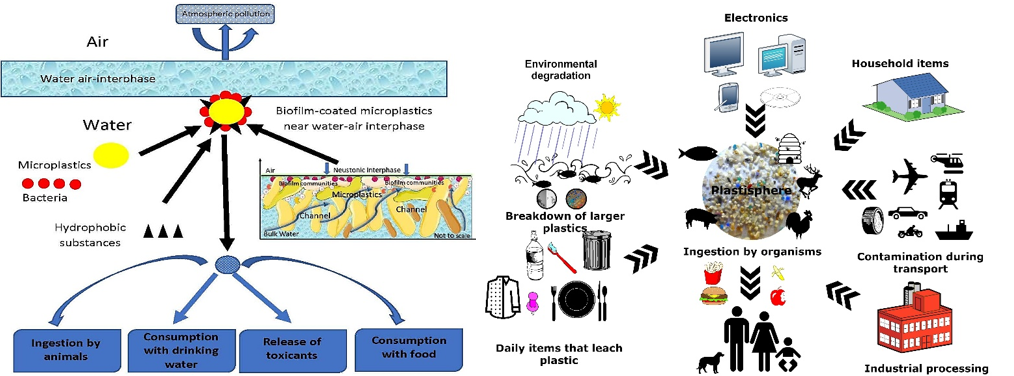
Figure 1(l): Accumulation of MNPs at the Water-Air Boundary. [1] (r): Potential Pathways for MNPs to Contaminate the Food- Supply Chain.
The implications of micro- and nanoplastic (MNPs) exposure on biological systems are profound and have been the subject of several recent studies suggesting that ingestion, inhalation, and dermal absorption of these particles can lead to oxidative stress, inflammation, cytotoxicity, and even genotoxic effects in organisms. In marine life, MPs and NPs have been linked to developmental and reproductive toxicity, while in humans, their presence has been detected in blood, lung tissues, and even the placenta, raising concerns about long-term health effects. Chronic exposure could potentially contribute to metabolic disorders, immune system disorder, and increased susceptibility to neurodegenerative diseases and cancer.
The authors posit that plastic pollution is yet another grand challenge of the 21st century. The contamination data mentioned above underscores the urgent need for improved waste management strategies and the development of sustainable alternatives to mitigate the environmental impact of plastic pollution. The subject needs further attention by the scientific community to be listed as one of the substacks of 17 sustainable development goals (SDG) established by the United Nations as part of the 2030 agenda for sustainable development or introduced as the 18th SDG to create a more sustainable, equitable, and prosperous world by 2030. Hence, this chapter focuses on the urgent aspects, viz., an overview of biotoxicity due to micro and nanoplastics in the aquatic environment and mitigation strategies required to curb plastic pollution and reduce human and environmental exposure. The review first presents MNPs exposure pathways and toxic potential due to bioaccumulation within the human body, followed by exploring cutting-edge approaches, including advancements in wastewater treatment, biodegradable alternatives, microplastic filtration technologies, and policy- driven interventions aimed at limiting plastic production and waste. By addressing the challenges posed by micro- and nanoplastics, we can pave the way for a more sustainable future while safeguarding ecosystem integrity and human health.
Plastisphere, Exposure Pathways of MNPs, and Bioaccumulation
Plastisphere Dynamics
The Plastisphere refers to a complex and dynamic microbial community that colonizes plastic surfaces in aquatic and terrestrial environments. This unique biofilm, comprising bacteria, fungi, and algae, can influence the fate and transport of micro- and nanoplastics (MNPs) while facilitating the adsorption and transformation of environmental pollutants. The Plastisphere also serves as a vector for pathogenic microorganisms and invasive species, raising concerns about ecosystem and human health risks. Originating from various primary sources (engineered plastics) and secondary sources (fragmentation of larger plastics), the MNPs enter the environment through various pathways, such as: (a). Atmospheric Transport and Deposition, e.g., Airborne MNPs settle onto terrestrial and aquatic ecosystems. One of the major contributors of MNPs is from tires and brakes in vehicles worldwide, as they become airborne through mechanical abrasion and thermal degradation during vehicle operation. These particles— ranging from micrometers down to the nanoscale—are suspended in the atmosphere via turbulent airflow around moving vehicles and resuspension from road surfaces. Their aerodynamic properties, including low density and small size, enable prolonged atmospheric residence; (b). Aquatic Systems, e.g., Wastewater discharge, surface runoff, and direct plastic waste leading to MNP contamination in freshwater and marine environments. Primary sources of MNPs in aquatic environments are personal care products (PCPs), single-use plastic bottles, synthetic textiles, nurdels, packaging, and fishing gear left due to negligence; (c). Food Chain Contamination, e.g., MNPs infiltrate trophic levels through bioaccumulation in marine and terrestrial organisms; and Dermal and Inhalation Exposure, e.g., Humans and wildlife may inhale airborne MNPs or absorb them through dermal contact with contaminated water and surfaces. Figure 2, shows size dependence of MNPs, exposure routes, and toxicokinetic pathways.
![Figure 2: Size Dependence, Exposure Routes, and Toxicokinetic Pathways of MNPs [1].](/fulltextimages/13903/fig_2.png)
Exposure Routes and Size Dependence
The potential impact of MPs on human health is a growing concern, although ongoing studies are still in their early stages. The size of MNPs plays an important role in determining their exposure routes, transport mechanisms, and biological interactions in both aquatic environments and organisms. These tiny plastic particles, less than 5 mm in size, can enter the human body through a variety of routes, including inhalation, ingestion (through the food chain), and dermal pathways. As many authors noted, after entering the body, MPs can affect various organs and systems. The smaller the particle size, the duration of exposure enhances internalization of these particles into the human body [6]. These include the digestive, respiratory, circulatory, reproductive, and immune systems, liver, and kidneys, as shown in Figure 3․ Depending upon size, these particles can enter through various entry routes, such as 250 µm and above entering via dermal exposure, while smaller size particles enter via inhalation routes, as shown in Figure 2 [1], and particles of size of ~100 µm or below can enter veins, and around 20 µm can enter organs. Smaller sizes of <100 nm can translocate to the blood-brain barrier and have been observed in the placenta [7].
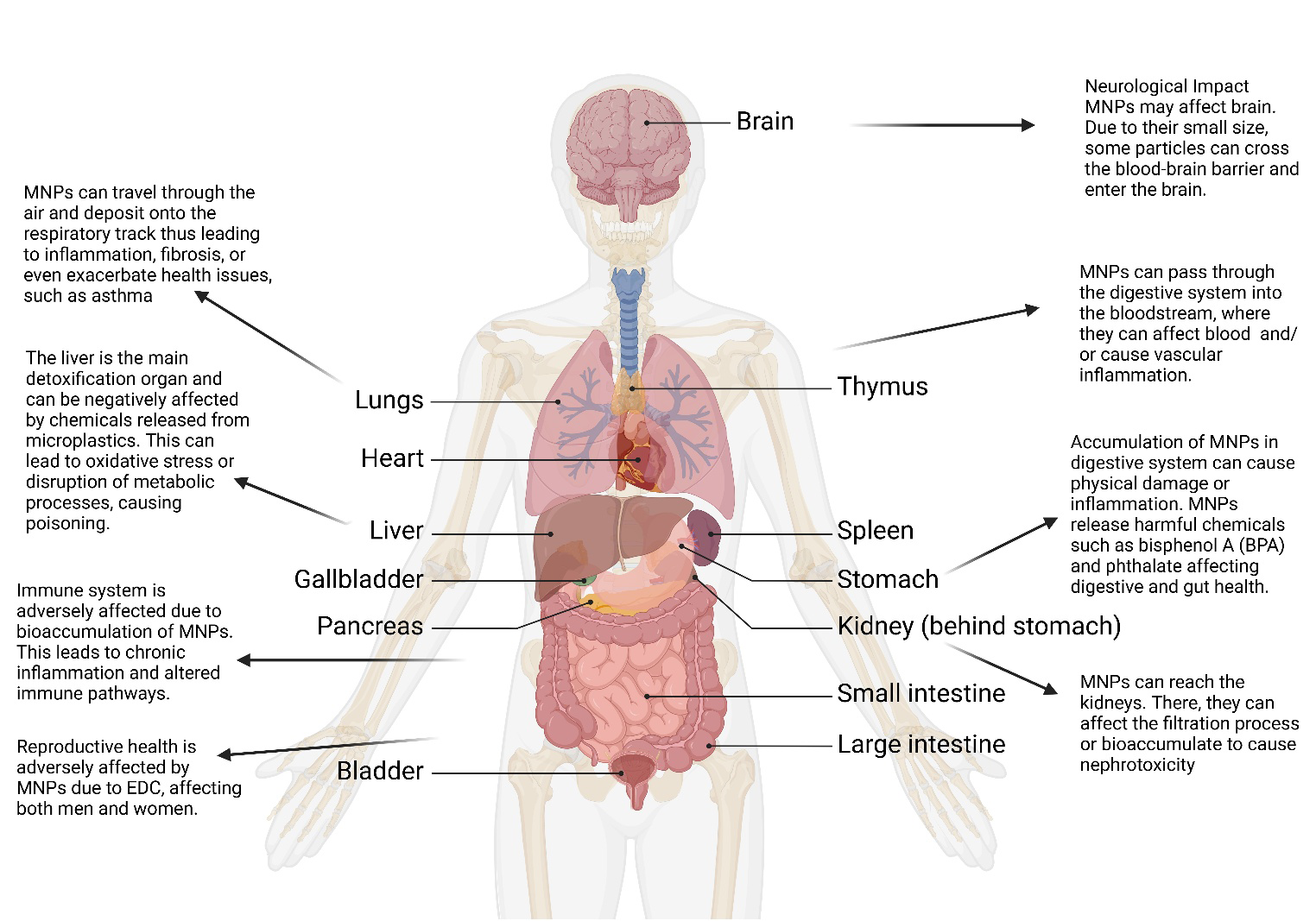
Bioaccumulation: Mechanisms and Impacts
Bioaccumulation of MNPs occurs when organisms ingest and retain MNPs over time, leading to potential trophic transfer through the food web. The relationship between MNPs and marine organisms, particularly eukaryotic microbes, is quite complex and reciprocal by nature. MNPs can disrupt marine food webs, affect prey-predator dynamics, and alter the structure and function of microbial communities [8]. The risks associated with MNPs in aquatic ecosystems can be direct, viz. MNPs are ingested by organisms and accumulate in their tissues, or indirect, viz. MNPs release toxic micropollutants into the environment [9]. There are intricate pathways through which MNPs infiltrate marine environments, creating adverse impacts on biodiversity and food webs with possible risks to human health through the food chain. MNPs exert significant impacts on living organisms through both physical and chemical mechanisms. Physically, marine animals can become entangled in larger plastic debris or ingest smaller particles, leading to blockages in their digestive systems, reduced feeding efficiency, and physical harm [10, 11]. This ingestion of plastic can cause various health issues and even death in marine organisms [12].
Chemically, MPs can leach and adsorb harmful substances from the surrounding environment. These include persistent organic pollutants (POPs) such as polychlorinated biphenyls (PCBs), polycyclic aromatic hydrocarbons (PAHs), and heavy metals, which are known for their carcinogenic, teratogenic, and mutagenic properties [13]. When ingested, these toxic chemicals can bioaccumulate in the tissues of marine organisms, potentially affecting their health and reproductive success [14, 15]. MPs from the aquatic environment can enter the human body through the food chain, representing a potential pathway for human exposure. As MPs pollute water bodies, they are ingested by aquatic organisms at the base of the food chain, such as plankton and small fish. As larger predators consume these contaminated organisms, MPs accumulate and bio-magnify, leading to increased concentrations in species higher up the food chain, including fish commonly consumed by humans [16].
Studies have shown the presence of MNPs in various seafood, such as shellfish, crustaceans, and fish, highlighting the potential for human exposure through the consumption of contaminated seafood [17]. In addition, MNPs have been found in drinking water, salt, and other foodstuffs, further expanding human exposure pathways. In general, the presence of MNPs in the aquatic environment and their accumulation in the food chain raises concerns about possible effects on human health. Continuous studies are needed to better understand the exposure pathways, bioavailability, and potential health effects associated with MP ingestion. MNPs can be absorbed into tissues via translocation across biological membranes, facilitated by their small size and physicochemical properties. Once internalized, they can accumulate in key organs such as the liver, intestines, and brain, affecting physiological functions.
As MNPs are ingested, most of them pass through the digestive tract and are excreted from the body. In vitro studies have examined the translocation of nanoparticles, showing that 50 nm nanoparticles exhibit a higher translocation rate (up to 7.8%) compared to 100 nm nanoparticles (0.8%) [18]. In the intestines, MNPs can cause damage, inflammatory diseases, disruption of microbiota, and absorption of toxic substances. In vivo and in vitro studies have shown that after exposure, bioavailable particles that enter the bloodstream can move to secondary organs, where they can accumulate to levels that may lead to adverse consequences at the cellular level [19]. Studies show that chronic liver diseases may occur due to the accumulation of MNPs in the liver. In vitro studies of the effects of polystyrene (PS-MP) on HepG2 cells demonstrate that they lead to a decrease in the expression of the genes for glyceraldehyde-3-phosphate dehydrogenase (GAPDH), which is involved in glycolysis, as well as CAT and SOD2, thereby reducing the potential of antioxidant enzymes in detoxifying ROS [20, 21]. The results demonstrated that PS-MPs, even at small quantities, cause hepatotoxicity and lipotoxicity through enhanced apoptotic with decreased cell viability, and by modifying molecular markers, viz., increased AST, ALT, and LDH activity in supernatants, reduced GST, GSH, and SOD activity in liver organoids, and increased MDA levels, indicating oxidative stress. PS-MPs induced lipid accumulation decreased ATP production, increased ROS production, and the release of inflammatory markers IL-6 and COL1A1. PS-MPs also increase the expression of HNF4A and CYP2E1 in the liver, raising the risk of steatosis and liver fibrosis [22, 23, 24], and may cause damage to nuclear and mitochondrial DNA, triggering activation of the STING pathway, which leads to liver fibrosis [25].
MNPs have shown an increased macrophage activation in the gut compared to MPs. [26] Studies have shown that NPs cause lysosomal damage, triggering the reprogramming of macrophages to produce IL-1. Notably, IL-1 signaling from the gut impacted brain immunity, leading to microglial activation and Th17 differentiation, which was associated with cognitive impairment in mice [26]. Mice exposed to NPs via nasal inhalation exhibited altered behavior and neurotoxic effects, as evidenced by decreased acetylcholinesterase (AChE) activity. It underscores the complex relationship between the gut and the brain, as well as the need to address MNP pollution globally. MNPs induce dysfunction in nerve cells, leading to either an increase or decrease in levels of appropriate biomarkers. In laboratory studies, it was shown that neurons exhibit reduced energy metabolism, mitochondrial function, and proteostasis.
MNPs migrate through the bloodstream to the cardiovascular system [25, 26]. Translocation of MNPs to the heart can lead to impaired circulation and heart function – such as reduced heart rate, disruptive heart rate variability, inflammation, and direct or indirect oxidative damage, leading to apoptosis and pyroptosis of cardiomyocytes, including heart fibrosis through activation of the Wnt/β-catenin pathway, by increasing levels of creatine kinase-MB and cardiac troponin [27, 28]. MNPs can also induce microvascular toxicity through hemolysis, thrombosis, blood clotting, and endothelial cell damage [29, 30]. By crossing the blood-brain barrier (BBB), MNPs accumulate in the nervous system, altering the secretion of neuroinflammatory cytokines and chemokines, as well as the levels of neurotransmitters [31]. This can lead to excessive accumulation of acetylcholine, causing neurological disorders [30, 31]. When exposed to MPs, immune cells cause strong modulation at the transcriptional level of enzymes for cytokine release [32] showing high toxicity and autophagic cell death through the Akt/mTOR and AMPK pathways [33]. However, depending on the exposure time, size, and concentration of MNPs, they may lead to a stronger immune response through the increased expression of TLR4, AP- 1, and IRF5 [34] in innate immunity. Components found in MPs, such as bisphenol A and phthalates, are considered EDC compounds that can potentially interfere with normal endocrine function and affect hormonal balance as agonists or antagonists, causing neuroendocrine effects at critical stages of development. In a related study, in an in-vivo study, a single dose of BPA (10 µg/kg) led to a rapid increase in plasma insulin levels and consequently, a decrease in blood glucose, which may increase the risk of developing type 2 diabetes, lower testosterone levels, cause testicular inflammation, and disrupt the blood-testis barrier [35].
Biotoxicity on MNPS: Toxicokinetics and Toxicology
• Toxicokinetics: Numerous studies on MNPs toxicology focus on toxicokinetics—absorption, distribution, and excretion—as well as the biochemical and molecular mechanisms underlying their toxicity. These studies examine how MNPs’ physicochemical properties, such as size, shape, and core material, influence toxicity and interact with other compounds. Humans experience chronic exposure to low concentrations of MNPs through ingestion, inhalation, and dermal contact, with the highest risk associated with consuming seafood and other environmental sources [36, 37, 38]. Intracellular uptake of MNPs occurs through size-dependent mechanisms. MNPs smaller than 700 nm enter cells via receptor- mediated endocytosis [39], whereas larger particles are internalized through phagocytosis [40]. More recent studies have further elucidated these pathways: particles of ~50 nm is absorbed through clathrin- and caveolin- mediated means and using micropinocytosis, while ~500 nm MNPs enter primarily via macropinocytosis. MNPs of ~5 µm or larger, in particular, exhibit limited uptake due to their size and weak Brownian motion [41].
The toxicokinetics of MNPs are influenced by their entry pathway into the body. Due to their minute size, MNPs can penetrate the skin, lungs, and gastrointestinal tract [42, 43, 44]. The presence of MNPs has been observed in the human colon, placental tissues, blood, and lungs [45, 46]. Research indicates that smaller MNPs exhibit higher absorption rates [47]. Furthermore, in aquatic studies, fish tend to absorb PET fibers ~ 700 µm within two hours [48], and young mummichogs and red sea bream can absorb PE particles ~ 850 µm [49]. Beyond direct exposure, trophic transfer represents an indirect route of MNP uptake [50, 51]. MNPs can infiltrate the lymphatic system (<150 µm), portal vein (110 µm), and internal organs (20 µm). Once internalized, submicron-sized MNPs can cross biological barriers, including the blood-brain barrier (BBB) and placental barrier (with ~7% permeability), potentially inducing toxicity [52, 53]. MNPs that breach the BBB can trigger neuro-inflammation, disrupt cytokine and chemokine secretion, and impair neurotransmitter function, raising concerns about central nervous system (CNS) dysfunction. Neurotoxicity is often assessed through acetylcholinesterase activity [37].
MNP accumulation has been observed in various organs. Studies have suggested that the high presence of polystyrene MPs (PS-MPs) in aquatic environments can damage liver and pancreatic tissues, causing significant increase is ROS levels.PS-MPs activate Toll-like receptor 2 (TLR2) signaling pathway and decrease the activity of antioxidant enzymes, such as catalase (CAT), glutathione peroxidase (GSH-Px), juvenile Larimichthys crocea [54], Brachionus koreanus (monogonont rotifer) [55], with superoxide dismutase (SOD), and total antioxidant capacity (T-AOC), whereas excessive accumulation of ROS leads to oxidative stress [56]. In C57BL/6 mice, orally administered MNPs (0.5-5 µm) accumulate in the liver, spleen, kidneys, heart, and lungs, based on their size [57]. MNPs measuring ~35.5 µm have been identified in hepatocytes following dietary exposure, while ~293 nm particles have been found to cross the BBB and accumulate in the brain within a matter of hours [52]. Once inside biological systems, MNPs interact with macromolecules such as proteins and lipids, forming soft and hard coronas. These interactions alter MNP physicochemical properties, potentially increasing toxicity and enhancing cellular uptake [58, 59]. MNP removal depends on the particle size. Human stool samples revealed MNPs ranging from 1 µm to 5 mm. In Wistar rats, 94% of MNPs (sizes ~108 µm, 1160 µm, and <0.1 µm) were excreted in feces within seven days, with half-lives of 19.9, 23.7, and 36.9 hours, respectively [60]. In fish, 95% of MNPs were excreted in ~ 25 hours [49]. Knowing their pervasiveness, MNPs pose significant health risks through direct absorption, bioaccumulation, and neurotoxicity, meriting further research on their long-term impacts and mitigation strategies.
• Toxicology: The potential mechanisms of MNPs toxicity include physical interactions with cells, chemical toxicity due to their composition, and their role as carriers of environmental pollutants [38, 61, 62, 63]. Studies suggest MNPs induce toxicity across biological systems, affecting macromolecules (viz., DNA damage, altered gene expression, and protein transcription), cellular organelles (viz., cytotoxicity, oxidative stress, apoptosis, and metabolic disruption), tissues (viz., osteolysis, inflammation, and fibrosis), and organs (viz., carcinogenesis, altered metabolism, and energy redistribution) [34, 46, 64, 65, 66, 67]. MNP exposure is also linked to reduced fertility and population decline in animals and humans. Nonetheless, research on mammalian toxicity remains limited, often relying on cell-based models.
It should be noted that MNP internalization is size- dependent, such that particles <5 nm can bypass biological barriers, while larger ones interact with cell surface receptors and are internalized via endocytosis. Experimental models show MNPs generate ROS, such as superoxide anions, hydroxyl radicals, and hydrogen peroxide. MNPs act as electron donors, generating superoxide radicals [68, 69].
Interaction with metals like iron and copper triggers the Fenton and Haber-Weiss reactions, leading to further ROS production [70]. Extracellular ROS formation is influenced by MNP weathering, driven by photo-oxidation and UV radiation, since weathered plastics exhibit increased crosslinking reactions, generating polymeric peroxyl and alkyl radicals that further elevate intracellular ROS [71, 72, 73]. Reactive nitrogen species (RNS) formation in MNP-exposed cells is not well understood but may be linked to nitrogen- containing plastics, such as polyamide. Photoaging of these materials induces NO-containing radicals, potentially promoting RNS generation Zhu et al. [29]. In vitro studies show that various cell types—including immune, kidney, lung, and colon cells—generate ROS in response to MNP exposure, with smaller particles and higher concentrations intensifying oxidative stress (Das, 2023). ROS disrupt cellular membranes, impair organelles, damage genetic material, and initiate apoptosis, increasing risks for neurodegenerative and cardiovascular diseases [74, 75, 76].
A couple of studies examined the direct effects of MNPs in lung epithelial cells. In a bronchial epithelial cell line, exposure to PS-MPs led to a decrease in the expression of the α1-antitrypsin protein, which is a well-established risk factor for the -(COPD) [77]. In lung, liver, stomach, and bone marrow stem cells, oxidative stress alters metabolism and proliferation [20, 25, 78]. Mitochondrial dysfunction is a crucial factor, with MNPs inducing membrane depolarization and modifying mega-channels like mitochondrial permeability transition pores (MPTP) and voltage- dependent anion channels (VDAC). ROS-driven modifications of adenine nucleotide translocator (ANT) and interactions with pro-apoptotic proteins generally promote Cytochrome c (cyt c) release, activating the caspase-3 apoptosis pathway [79, 80]. Mitochondrial ROS further increase lipid peroxidation products like malondialdehyde (MDA) and 4-hydroxy-2-nonenal, damaging mitochondrial DNA and critical enzymes. Elevated mitochondrial DNA oxidation is linked to Alzheimer’s disease, with ROS enhancing amyloid production and worsening neuronal dysfunction [81]. MNP- induced oxidative stress disrupts electron transport chain subunits, reducing ATP production and leading to cellular energy collapse [82].
MNPs also provoke immune responses. Exposure increases pro-inflammatory cytokines and histamine levels in human cell lines [83, 84, 85, 86]. In vivo studies show MNP-exposed rodents exhibit heightened cytokine levels, immunoglobulin A (IgA), and neutrophil counts [34, 87]. Polystyrene particles (202–535 nm) upregulate IL-8 in human lung cells, while nanoparticles (20–44 nm) enhance IL-6 and IL-8 expression, contributing to inflammation in cancer [88, 89]. Polyethylene particles from prosthetic implants induce liver inflammation and bone resorption, increasing IL-6, IL-1β, and TNF secretion in murine macrophages [90]. Microplastics have been detected in human lungs and respiratory secretions, correlating with smoking and tracheal procedures [45, 91]. Inhaled MNPs impair alveolar structures, disrupt airway barriers, and induce lung epithelial cell apoptosis, enhancing pro-inflammatory cytokine release. MNPs also worsen allergen-induced airway inflammation, upregulating MALT1 in asthmatic mice and further aggravating allergic responses [92, 93]. Reproductive toxicity studies reveal MNP-induced reductions in sperm count and motility and morphological alterations in rodents, as well as changes in ovarian structures in ICR mice [89, 90, 91, 92]. MNPs accumulate in lysosomes, leading to pH disruptions, membrane damage, and activation of transcription factors like EB, enhancing autophagy and potential cell death [94, 95, 96]. Corona-coated MNPs degrade within lysosomes, exacerbating cellular damage [97]. While substantial evidence links MNPs to organ dysfunction, further clinical and animal studies are required to establish definitive health risks. Notably, inhaled MNPs may translocate to other organs via the bloodstream, emphasizing the need to consider cross-exposure routes in toxicity assessments.
• Mitigation Strategies: Technical and Waste Management: In industrial enterprises, developing a closed-loop system to regulate environmental MNP pollution is crucial. Since the early 2000s, research on MNP pollution has gained significant attention, particularly regarding its impact on oceans and seas. This growing concern necessitates urgent action to identify effective solution pathways. A comprehensive understanding of not only the sources and transport mechanisms of MPs in aquatic environments but also viable mitigation strategies are essential [98]. While developed countries typically manage landfill waste by covering it with soil or synthetic materials or enclosing it with fences to prevent wind-driven plastic dispersion, waste disposal in developing and transitional economies often lacks proper management. In many cases, waste is directly dumped into the environment without adequate containment measures [98].
Addressing this issue requires a systematic and sustainable approach, as illustrated in Figure 4. The figure categorizes solutions into two main domains: technical and waste management. The technical domain encompasses four primary MP removal methods: physical, chemical, biological, and combined approaches, each with specific techniques tailored to different pollution contexts. On the management side, one category focuses on policy recommendations, while the other emphasizes intergovernmental coordination to develop a robust policy framework. A holistic integration of these approaches is essential for effective MNP pollution control and environmental sustainability.
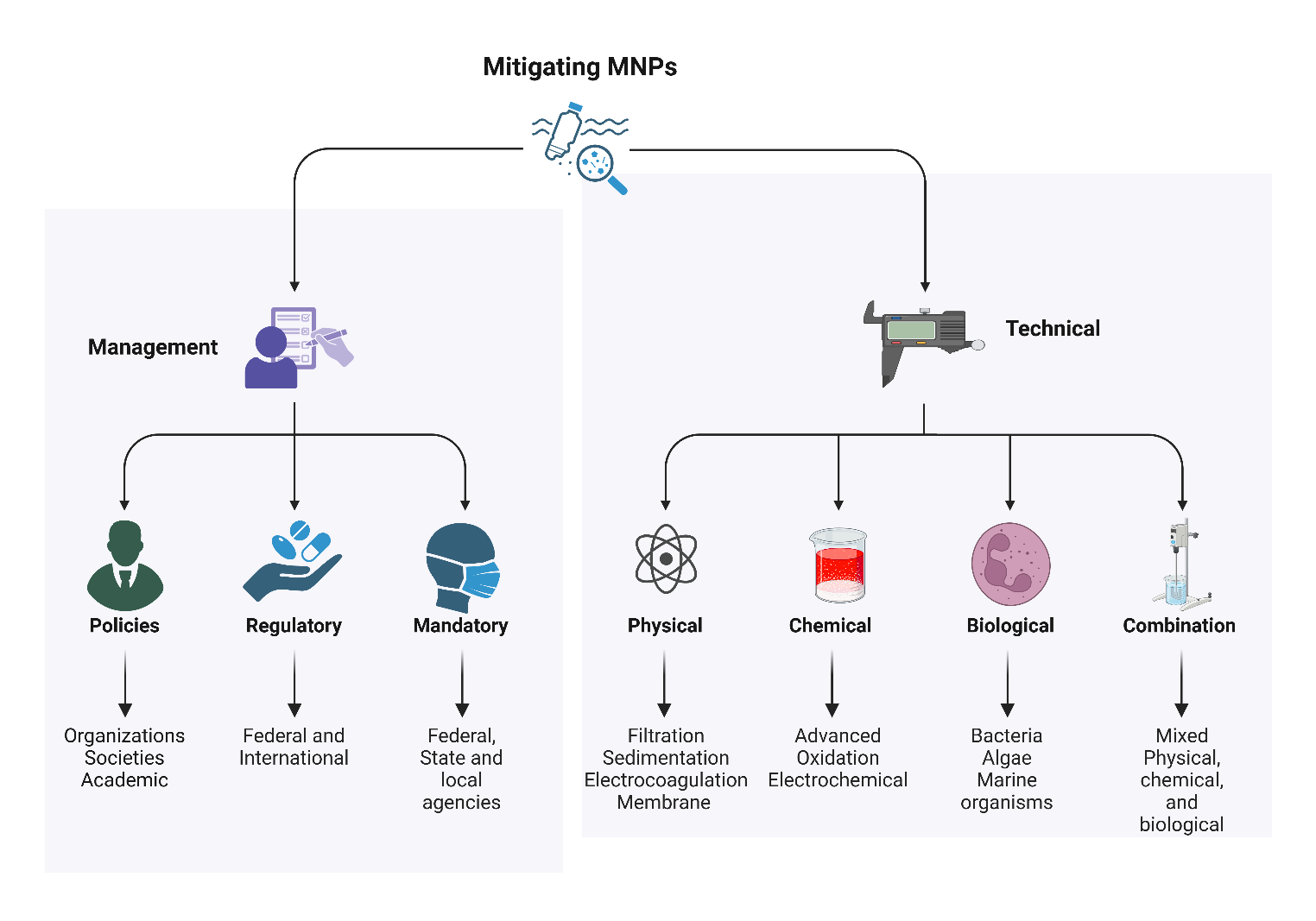
• MNPS Mitigation Using Technological Platforms: Emerging strategies for mitigating MNP waste incorporate advanced technologies aimed at enhancing detection, filtration, and degradation. High-efficiency membrane filtration techniques, such as nanofiltration and reverse osmosis, effectively remove MNPs from wastewater effluents. Additionally, electrocoagulation and magnetic separation leverage charge-based interactions and magnetically responsive materials to isolate MNPs from aquatic environments, demonstrating promising scalability. Nanophotocatalysis has gained attention as a cutting-edge method for degrading MNPs into non-toxic, eco-friendly byproducts using light-activated catalysts. Upcycling has also emerged as an innovative solution, converting microplastic waste into high-value products rather than merely recycling it. Unlike conventional recycling, which often degrades material quality, upcycling repurposes microplastic-containing waste into durable materials, thereby extending its lifecycle and reducing environmental impact. Furthermore, bioengineered enzymatic degradation systems utilize specialized enzymes, such as PETase and MHETase, to catalyze the breakdown of synthetic polymers into biodegradable components. Chemical remediation approaches, including advanced oxidation processes (AOPs), employ highly reactive species—such as ozone, hydroxyl radicals, and photocatalytic nanoparticles— to degrade MNPs at the molecular level. Plasma-based degradation techniques, particularly non-thermal plasma reactors, present another promising solution by fragmenting plastic pollutants through ionized gas interactions. These innovative strategies not only enhance MNP removal but also prioritize environmental safety and energy efficiency. This section provides an overview of scalable mitigation techniques, specifically focusing on filtration, photocatalytic degradation, and bioengineered enzymatic systems for large-scale MNP reduction.
Physical methods are widely employed for the extraction and removal of microplastics (MPs) from various environmental matrices. Among these, filtration is one of the most effective and commonly used techniques. Filtration involves passing water through different types of filters, including membrane filters, mesh filters, activated carbon filters, sand filters, ultrafiltration, and nanofiltration membranes. This method is generally considered cost- effective and efficient but has limitations. Fine and nanoscale MPs (NPs) may evade capture by certain filters, necessitating additional filtration systems, which increases operational costs. Furthermore, prolonged use of filters leads to clogging, requiring periodic replacement to maintain efficiency. Filtration is most effective when integrated with complementary MP removal techniques [99]. Additionally, in many developing and transitional economies, financial constraints hinder the large-scale implementation of MP filtration systems. Another widely used physical method is sedimentation, which relies on the natural settling of MPs to the bottom of water bodies or, in controlled environments, to the bottom of laboratory containers. To enhance sedimentation efficiency, coagulants and flocculants are often introduced. Coagulants such as aluminum sulfate (alum), ferric chloride, and polyaluminum chloride promote the aggregation of fine, insoluble particles, forming larger clusters [100]. Flocculants, typically high-molecular- weight polymers, further facilitate particle aggregation, increasing their size and weight to accelerate settling or subsequent filtration [101]. Electrocoagulation is another effective method, achieving removal efficiencies exceeding 80% as per some studies. This process involves passing an electric current through water, inducing coagulation of suspended MPs, which can then be separated. However, electrocoagulation has limitations, including high energy consumption and the generation of sludge, which requires proper disposal [102]. Membrane filtration technologies represent a highly advanced and efficient physical method for MP removal. Ultrafiltration and nanofiltration membranes are particularly effective in wastewater treatment applications [103]. Electrocoagulation-electroflotation processes have demonstrated nearly 100% removal efficiency, as has membrane filtration in some cases. Given that wastewater treatment plants are a major source of MPs entering aquatic environments, effective filtration at this stage can significantly reduce MP contamination in natural water bodies [104]. Despite their high removal efficiency, membrane technologies present challenges such as membrane fouling, energy-intensive operation, and high initial and maintenance costs. Regular membrane replacement and operational expenditures can pose financial barriers, particularly in resource-limited regions. Notwithstanding, the advantages of these methods—including high removal efficiency, versatility, and continuous operation—render them crucial components of comprehensive MP mitigation strategies.
Biological removal is an eco-friendly approach that utilizes microorganisms and other living organisms to degrade or assimilate microplastics (MPs) from aquatic environments. Various biological agents, including bacteria, algae, fungi, enzymes, zooplankton, marine clams, corals, and marine microorganisms such as archaea and eukaryotes, have demonstrated MP degradation capabilities [105]. A key advantage of this method is its sustainability, as it does not rely on chemical treatments, minimizing secondary pollution. Additionally, certain microorganisms can completely metabolize MPs, converting them into non-toxic byproducts such as biomass, water, and carbon dioxide [106]. Biological degradation is also cost-effective compared to physical and chemical methods, as it requires minimal infrastructure and energy inputs for operation and maintenance. However, the effectiveness of this method varies based on MP type, size, and environmental conditions. Certain MPs, such as polyethylene and polypropylene, degrade at a significantly slower rate, requiring optimal conditions to enhance microbial activity [107]. Additionally, continuous monitoring and research are necessary to understand the complex interactions between microorganisms, MPs, and surrounding environmental factors to improve biodegradation efficiency. Another promising technique for MP removal is adsorption, which involves the attachment of MPs to materials with a high affinity for plastic particles, such as activated carbon and specialized resins. Adsorption can be classified into physical adsorption—which relies on intermolecular forces and typically occurs at low temperatures—and chemical adsorption, which involves covalent, ionic, or hydrogen bonding [108]. This method offers high removal efficiency and versatility, as it can be applied to various water sources and can simultaneously capture other pollutants, including trace elements and organic compounds. Additionally, certain adsorbents can be regenerated and reused, reducing both operational costs and environmental waste [109]. However, adsorption has limitations, such as the saturation of adsorbent materials over time, necessitating periodic replacement and increasing financial costs. Since different adsorbents exhibit varying affinities for different MP types, combining multiple adsorbents can enhance overall efficiency. The proper disposal or regeneration of used adsorbents is essential to prevent secondary pollution.
Both biological removal and adsorption methods offer promising and sustainable solutions for microplastic (MP) mitigation, with ongoing advancements enhancing their efficiency and scalability for large-scale water treatment applications. A key area of research is the use of microbial consortia, which consist of multiple microbial species— either in endosymbiotic or ectosymbiotic relationships— working synergistically to degrade MPs more effectively than individual strains. The biodegradation potential of the consortia method lies in their ability to transform plastic waste into biodegradable byproducts through coordinated metabolic activities. While individual microorganisms such as Pseudomonas fluorescens, Penicillium verrucosum, and Aspergillus flavus have demonstrated MP degradation capabilities, microbial consortia often achieve superior efficiency, as shown in Figure 5. This is due to their complementary metabolic functions: for instance, certain bacteria initiate MP oxidation, making polymer surfaces more susceptible to degradation, while fungi further break down the resulting fragments into simpler compounds. These
cooperative interactions enable microbial consortia to adapt to diverse environmental conditions and enhance plastic degradation beyond the capabilities of single strains. Despite its potential, the field of metabolic engineering for microbial consortia remains in its early stages. Recent advances in synthetic biology offer promising avenues for optimizing microbial interactions, improving degradation rates, and expanding the range of degradable plastic polymers. However, challenges remain, particularly in engineering stable and controllable consortia, optimizing intercellular communication, and ensuring the long-term viability of engineered microbial systems in natural environments. Addressing these challenges will be critical to unlocking the full potential of microbial consortia for large-scale MP bioremediation.
Nanophotocatalysis is an advanced oxidation process that utilizes nanostructured photocatalysts to degrade microplastics (MPs) and nanoplastics (NPs) into non-toxic byproducts such as carbon dioxide and water. This method relies on semiconductor materials, such as titanium dioxide (TiO₂), zinc oxide (ZnO), and graphitic carbon nitride (g-C₃N₄), which, when exposed to ultraviolet (UV), visible, or solar light, generate reactive oxygen species (ROS), including hydroxyl radicals (•OH) and superoxide anions (O₂⁻•). These ROS initiate oxidative degradation, breaking down polymer chains and facilitating the mineralization of plastic pollutants, as shown in Figure 6. Nanophotocatalysis offers several advantages, including high efficiency, environmental compatibility, and the potential for solar- driven operation, reducing the need for external energy inputs. However, challenges remain, such as catalyst stability, selectivity, and scalability for large-scale applications. To enhance photocatalytic efficiency, researchers are exploring modifications such as doping with noble metals, heterojunction formation, and surface functionalization to extend light absorption into the visible spectrum and improve charge carrier separation. Additionally, integrating nanophotocatalysis with other remediation techniques, such as adsorption or membrane filtration, could provide a more comprehensive solution for mitigating MP and NP contamination in aquatic environments.
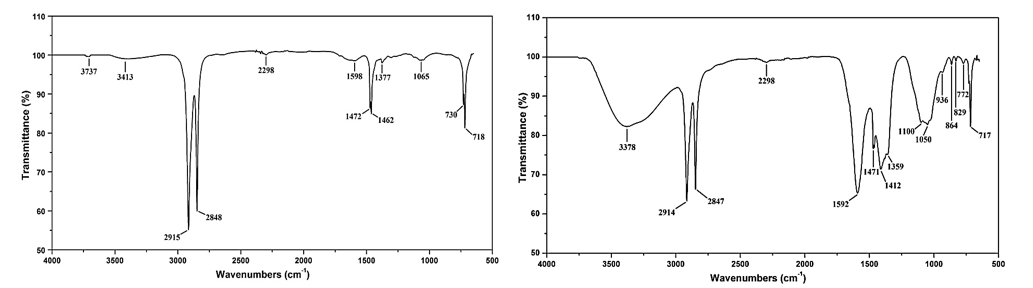
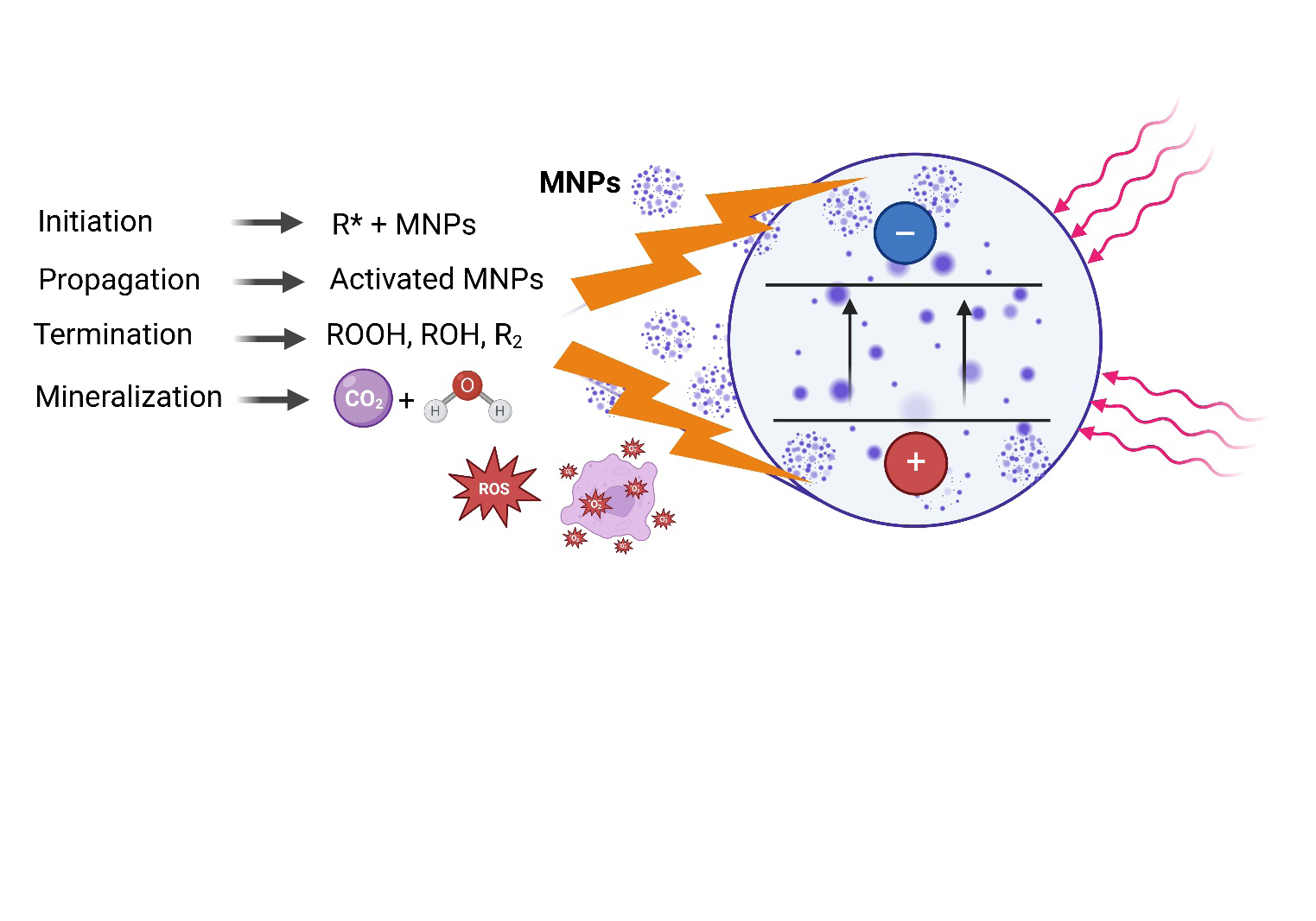
Advanced oxidation processes (AOPs) are among the most effective methods for degrading microplastics (MPs) in aquatic environments by utilizing highly reactive oxidizing agents or irradiation to break down polymeric structures at the molecular level [111, 112]. Common AOP techniques include hydrogen peroxide oxidation, ozonation, photocatalysis, and electrochemical oxidation, each offering unique advantages based on water quality parameters, MP composition, and particle size. A key advantage of AOPs is their high degradation efficiency, making them effective for eliminating both primary and secondary MPs from various water sources, including freshwater bodies and wastewater effluents. Additionally, AOPs facilitate the breakdown of persistent organic pollutants (POPs) and hazardous chemicals associated with MPs, contributing to broader environmental decontamination. Unlike conventional chemical treatments, certain AOPs minimize the need for external chemical additives, reducing secondary pollution [113]. Furthermore, when combined with physical removal techniques such as filtration and sedimentation, AOPs enhance MP removal efficiency, making them suitable for large-scale applications. Among the various AOP methods, photocatalysis has gained significant attention due to its efficiency and environmental compatibility. This process employs a semiconductor photocatalyst, typically titanium dioxide (TiO₂), which, upon exposure to ultraviolet (UV) light, generates reactive oxygen species (ROS) such as hydroxyl radicals (•OH) and superoxide anions (O₂⁻•). These ROS actively degrade MPs into smaller, non-toxic byproducts. Laboratory studies confirm the effectiveness of photocatalysis, with ongoing research focused on enhancing its efficiency through doping, heterojunction formation, and extending photocatalytic activity into the visible-light spectrum. Electrochemical oxidation is another promising AOP technique that leverages an applied electric current to induce oxidation-reduction reactions, breaking down MPs into biodegradable fragments. Although still in the early stages of development, electrochemical methods show strong potential for MP removal, especially when integrated with advanced sensor technologies for real-time MP detection [114].
Ozonation, which employs ozone gas (O₃) as a powerful oxidizing agent, is also widely studied for MP degradation. Ozone reacts with MPs upon dissolution in water, triggering oxidative cleavage of polymer chains and facilitating MP fragmentation and mineralization. The effectiveness of ozonation is influenced by factors such as ozone dosage, contact time, and water chemistry [115, 116]. Despite their high efficacy, AOPs face challenges related to energy consumption and operational costs, particularly in large- scale applications. However, ongoing advancements in catalyst design, process optimization, and hybrid treatment systems are driving improvements in their efficiency, affordability, and environmental impact. With continued research and investment, AOPs have the potential to play a crucial role in mitigating MP pollution in aquatic ecosystems.
• Waste Management and Regulatory Framework: To combat the growing environmental and health concerns posed by microplastics, governments and international organizations have implemented a range of waste reduction policies aimed at minimizing their release and promoting sustainable alternatives. These policies encompass regulatory bans, extended producer responsibility (EPR) programs, technological innovations, and public awareness initiatives.
One of the most effective regulatory measures is the prohibition of intentionally added microplastics in consumer products, such as cosmetics, personal care items, and industrial abrasives. The European Union’s Microplastics Restriction Proposal and the Microbead-Free Waters Act in the United States exemplify stringent legislation targeting these sources. Additionally, restrictions on single-use plastics, including packaging and disposable items, play a crucial role in reducing microplastic fragmentation over time. Extended producer responsibility (EPR) frameworks mandate that manufacturers take accountability for the entire lifecycle of plastic products, encouraging the development of sustainable materials, improved recyclability, and reduced plastic waste. Policies promoting circular economy models further drive innovation in biodegradable plastics and eco- friendly packaging alternatives.
Investment in wastewater treatment enhancements, such as advanced filtration systems and microplastic capture technologies, is another critical policy direction. Additionally, consumer education campaigns and incentives for plastic-free alternatives empower individuals to make environmentally responsible choices, reinforcing the broader goal of reducing microplastic pollution at its source. By integrating stringent regulatory frameworks with technological advancements and public engagement, policymakers can effectively mitigate microplastic pollution and promote a sustainable approach to plastic waste management.
Governments and international agencies are progressively formulating regulatory measures to address MNP pollution. The European Union’s Microplastics Restriction Proposal aims to limit the intentional addition of microplastics in consumer products, while directives such as the Urban Wastewater Treatment Directive enforce stricter wastewater treatment standards to reduce MNP discharge. Similarly, the United States has implemented the Microbead-Free Waters Act, prohibiting microplastic- containing personal care products, while agencies like the Environmental Protection Agency (EPA) continue to develop guidelines for MNP monitoring and remediation.
At a global scale, initiatives such as the United Nations Environment Programme (UNEP) Global Plastics Treaty seek to establish legally binding agreements for plastic waste reduction. Additionally, extended producer responsibility (EPR) policies mandate manufacturers to develop sustainable materials, improve recyclability, and manage post-consumer plastic waste. Incorporating blockchain-based traceability systems and artificial intelligence-driven monitoring networks further enhances regulatory enforcement and compliance tracking.
The integration of multi-stakeholder collaboration, public-private partnerships, and innovative policy instruments is crucial for addressing MNP pollution. The future of waste management lies in the development of biodegradable polymers, circular economy models, and enhanced recycling infrastructures. Moreover, the advancement of real-time MNP detection sensors, powered by nanotechnology and spectroscopy-based analytics, will significantly improve environmental monitoring and regulatory oversight. By leveraging a synergy of technological innovations and robust governance frameworks, the global community can effectively mitigate the environmental and health risks posed by micro- and nanoplastics, ensuring a more sustainable and pollution-free future.
Conclusions
Given the exponential rise of micro- and nanoplastics (MNPs) in the environment, understanding their implications for human health is imperative. This review has examined the biotoxicity of MNPs, which arises from their inherent chemical properties and their capacity to adsorb environmental contaminants, including persistent organic pollutants (POPs), heavy metals, and pharmaceuticals. Notably, MNP exposure induces oxidative stress and inflammation through reactive oxygen species (ROS) generation, leading to cellular damage and pro-inflammatory responses. Additionally, genotoxicity and cytotoxicity have been reported, with studies linking MNP exposure to DNA fragmentation, apoptosis, and impaired cellular function. Endocrine disruption is another critical concern, as leaching plastic additives such as bisphenols and phthalates can interfere with hormonal homeostasis. Furthermore, emerging research suggests potential neurotoxic and developmental effects, as demonstrated by neurobehavioral alterations and embryotoxicity in exposed organisms. Given their environmental persistence and bio-accumulative potential, MNPs represent a significant ecological and public health hazard. However, it remains challenging to definitively assess the genotoxic risks of nanoplastics derived from polyethylene (PE), polypropylene (PP), polyvinyl chloride (PVC), and polyethylene terephthalate (PET), as these materials have been inadequately studied in toxicological assessments.
Addressing the environmental burden of MNPs necessitates both source reduction and remediation strategies. Future directions include the development of bio-based plastics, enhanced polymer designs to minimize shedding, and upcycling initiatives to extend plastic life cycles. Regulatory interventions, including stringent bans and restrictions on high-risk plastic products, are essential for curbing MNP release. Additionally, public awareness campaigns can drive behavioral shifts toward sustainable plastic alternatives. Remediation technologies, such as nanofiltration, advanced membrane systems, and improved wastewater treatment infrastructure, can play a pivotal role in mitigating MNP contamination. Promising emerging approaches include surface skimming technologies, magnetic separation, and photocatalytic or enzyme-based degradation methods. Advanced oxidation processes utilizing ozone or hydrogen peroxide are also being explored for large-scale MNP degradation. However, a critical challenge remains ensuring that these solutions are not only scalable and cost- effective but also environmentally safe, avoiding unintended ecological trade-offs.
Ultimately, the mitigation of MNP pollution requires an integrated approach that balances economic feasibility, regulatory frameworks, and scientific advancements. Collaborative efforts between policymakers, researchers, industries, and communities are essential in driving innovation, enforcing stricter environmental policies, and implementing sustainable solutions. By leveraging cutting- edge technologies alongside robust regulatory measures, we can work toward minimizing the ecological and human health risks posed by micro- and nanoplastics in aquatic ecosystems.
Acknowledgements
The work was carried out within the framework of the project No. 020201 of the Moldova State Program “Nanostructures and advanced materials for implementation in spintronics, thermoelectricity and optoelectronics”.
References
-
Vaseashta A, Ivanov V, Stabnikov V, Marinin A (2021) Environmental Safety and Security Investigationsof Neustonic Microplastic Aggregates NearWater-Air Interphase. Pol J Environ Stud 30(4): 3457-3469.
-
Stabnikova O, Stabnikov V, Marinin A, Klavins M, Vaseashta A (2022) The role of microplastics biofilm in accumulation of trace metals in aquatic environments. World J Microbiol Biotechnol 38: 117.
-
Alderton M (2022) Scientists Discover Surprising Remedy to Plastic Pollution. Caterpillar Spit, USA.
-
Bergmann M, Gutow L, Klages M (2015) Marine Anthropogenic Litter. Springer International Publishing, Cham.
-
Anderson AG, Grose J, Pahl S, Thompson RC, Wyles KJ (2016) Microplastics in personal care products: Exploring perceptions of environmentalists, beauticians and students. Marine Pollution Bulletin 113(1-2): 454- 460.
-
Ramsperger AFRM, Bergamaschi E, Panizzolo M, Fenoglio I, Barbero F, et al. (2023) Nano- and microplastics: a comprehensive review on their exposure routes, translocation, and fate in humans. NanoImpact 29: 100441.
-
Shen F, Li D, Guo J, Chen J (2022) Mechanistic toxicity assessment of differently sized and charged polystyrene nanoparticles based on human placental cells. Water Research 223: 118960.
-
Kumar R, Dhanker R, Américo-Pinheiro JHP, Kumar D, Hwang JS (2024) Effects of microplastics on ecosystem functioning of eukaryotic marine microbes. Front Ecol Evol 12: 1390158.
-
Chaukura N, Kefeni KK, Chikurunhe I, Nyambiya I, Gwenzi W, et al. (2021) Microplastics in the Aquatic Environment—The Occurrence, Sources, Ecological Impacts, Fate, and Remediation Challenges. Pollutants 1(2): 95-118.
-
Browne MA, Crump P, Niven SJ, Teuten E, Tonkin A, et al. (2011) Accumulation of Microplastic on Shorelines Woldwide: Sources and Sinks. Environ Sci Technol 45(21): 9175-9179.
-
Rochman CM, Browne MA, Halpern BS, Hentschel BT, Hoh E, et al. (2013) Classify plastic waste as hazardous. Nature 494: 169-171.
-
Wright SL, Rowe D, Thompson RC, Galloway TS (2013) Microplastic ingestion decreases energy reserves in marine worms. Current Biology 23: R1031-R1033.
-
Andrady AL (2017) The plastic in microplastics: A review. Marine Pollution Bulletin 119: 12-22.
-
Teuten EL, Saquing JM, Knappe DRU, Barlaz MA, Jonsson S, et al. (2009) Transport and release of chemicals from plastics to the environment and to wildlife. Phil Trans R Soc B 364: 2027-2045.
-
Galloway TS, Cole M, Lewis C (2017) Interactions of microplastic debris throughout the marine ecosystem. Nat Ecol Evol 1: 0116.
-
Borriello L, Scivicco M, Cacciola NA, Esposito F, Severino L, et al. (2023) Microplastics, a Global Issue: Human Exposure through Environmental and Dietary Sources. Foods 12(18): 3396.
-
Unuofin JO, Igwaran A (2023) Microplastics in seafood: Implications for food security, safety, and human health. Journal of Sea Research 194: 102410.
-
Walczak AP, Kramer E, Hendriksen PJM, Tromp P, Helsper JPFG, et al. (2015) Translocation of differently sized and charged polystyrene nanoparticles in in vitro intestinal cell models of increasing complexity. Nanotoxicology 9(4): 453-461.
-
Ali N, Katsouli J, Marczylo EL, Gant TW, Wright S, et al. (2024) The potential impacts of micro-and-nano plastics on various organ systems in humans. eBioMedicine 99: 104901.
-
Goodman KE, Hua T, Sang QXA (2022) Effects of Polystyrene Microplastics on Human Kidney and Liver Cell Morphology, Cellular Proliferation, and Metabolism. ACS Omega 7: 34136-34153.
-
Cheng L, Chen X, Gu J, Kobayashi N, Yuan H, et al. (2024) Chemical recycling of waste plastics: Current challenges and perspectives. Fundamental Research S2667325824000578.
-
Cheng W, Li X, Zhou Y, Yu H, Xie Y, et al. (2022) Polystyrene microplastics induce hepatotoxicity and disrupt lipid metabolism in the liver organoids. Science of The Total Environment 806: 150328.
-
Deng Y, Zhang Y, Lemos B, Ren H. (2017) Tissue accumulation of microplastics in mice and biomarker responses suggest widespread health risks of exposure. Sci Rep 7: 46687.
-
Braeuning A (2019) Uptake of microplastics and related health effects: a critical discussion of Deng et al., Scientific reports 7: 46687, 2017. Arch Toxicol 93: 219-220.
-
Shen R, Yang K, Cheng X, Guo C, Xing X, et al. (2022) Accumulation of polystyrene microplastics induces liver fibrosis by activating cGAS/STING pathway. Environ Pollut 300: 118986.
-
Yang Q, Dai H, Cheng Y, Wang B, Xu J, et al. (2023) Oral feeding of nanoplastics affects brain function of mice by inducing macrophage IL-1 signal in the intestine. Cell Rep 42: 112346.
-
Zhu X, Wang C, Duan X, Liang B, Genbo Xu E, et al. (2023) Micro- and nanoplastics: A new cardiovascular risk factor. Environment International 171: 107662.
-
Liang B, Zhong Y, Huang Y, Lin X, Liu J, et al. (2021) Underestimated health risks: polystyrene micro- and nanoplastics jointly induce intestinal barrier dysfunction by ROS-mediated epithelial cell apoptosis. Part Fibre Toxicol 18: 20.
-
Wei J, Wang X, Liu Q, Zhou N, Zhu S, et al. (2021) The impact of polystyrene microplastics on cardiomyocytes pyroptosis through NLRP3/Caspase-1 signaling pathway and oxidative stress in Wistar rats. Environ Toxicol 36: 935-944.
-
Oslakovic C, Cedervall T, Linse S, Dahlbäck B (2012) Polystyrene nanoparticles affecting blood coagulation. Nanomedicine: Nanotechnology, Biology and Medicine 8: 981-986.
-
Mak CW, Ching-Fong Yeung K, Chan KM (2019) Acute toxic effects of polyethylene microplastic on adult zebrafish. Ecotoxicol Environ Saf 182: 109442.
-
Lehner R, Wohlleben W, Septiadi D, Landsiedel R, Petri-Fink A, et al. (2020) A novel 3D intestine barrier model to study the immune response upon exposure to microplastics. Arch Toxicol 94: 2463-2479.
-
Han S, Bang J, Choi D, Hwang J, Kim T, et al. (2020) Surface Pattern Analysis of Microplastics and Their Impact on Human-Derived Cells. ACS Appl Polym Mater 2(11): 4541-4550.
-
Li Z, Zhu S, Liu Q, Wei J, Jin Y, et al. (2020) Polystyrene microplastics cause cardiac fibrosis by activating Wnt/β- catenin signaling pathway and promoting cardiomyocyte apoptosis in rats. Environ Pollut 265: 115025.
-
Jin H, Ma T, Sha X, Liu Z, Zhou Y, et al. (2021) Polystyrene microplastics induced male reproductive toxicity in mice. Journal of Hazardous Materials 401: 123430.
-
Jeong J, Im J, Choi J (2024) Integrating aggregate exposure pathway and adverse outcome pathway for micro/ nanoplastics: A review on exposure, toxicokinetics, and toxicity studies. Ecotoxicology and Environmental Safety 272: 116022.
-
Prüst M, Meijer J, Westerink RHS (2020) The plastic brain: neurotoxicity of micro- and nanoplastics. Part Fibre Toxicol 17: 24.
-
Stabnikova O, Stabnikov V, Marinin A, Klavins M, Klavins L, et al. (2021) Microbial Life on the Surface of Microplastics in Natural Waters. Applied Sciences 11: 11692.
-
Goldstein JL, Anderson RG, Brown MS (1979) Coated pits, coated vesicles, and receptor-mediated endocytosis. Nature 279: 679-685.
-
Aderem A, Underhill DM (1999) Mechanisms of phagocytosis in macrophages. Annu Rev Immunol 17: 593-623.
-
Liu L, Xu K, Zhang B, Ye Y, Zhang Q, et al. (2021) Cellular internalization and release of polystyrene microplastics and nanoplastics. Sci Total Environ 779: 146523.
-
Cheung PK, Fok L (2016) Evidence of microbeads from personal care product contaminating the sea. Marine Pollution Bulletin 109(1): 582-585.
-
Rist S, Hartmann NB (2018) Aquatic Ecotoxicity of Microplastics and Nanoplastics: Lessons Learned from Engineered Nanomaterials. In: Wagner M, Lambert S (Eds.), Freshwater Microplastics. Springer International Publishing, Cham, pp: 25-49.
-
Syberg K, Hansen SF, Christensen TB, Khan FR (2018) Risk Perception of Plastic Pollution: Importance of Stakeholder Involvement and Citizen Science. In: Wagner, M. and Lambert, S. (eds.) Freshwater Microplastics. Springer International Publishing, Cham, pp: 203-221.
-
Jenner LC, Rotchell JM, Bennett RT, Cowen M, Tentzeris V, et al. (2022) Detection of microplastics in human lung tissue using μFTIR spectroscopy. Sci Total Environ 831: 154907.
-
Leslie HA, Van Velzen MJM, Brandsma SH, Vethaak AD, Garcia-Vallejo JJ, et al. (2022) Discovery and quantification of plastic particle pollution in human blood. Environment International 163: 107199.
-
Hoang TC, Felix-Kim M (2020) Microplastic consumption and excretion by fathead minnows (_Pimephales_ _promelas_): Influence of particles size and body shape of fish. Sci Total Environ 704: 135433.
-
Santana MFM, Dawson AL, Motti CA, Van Herwerden L, Lefevre C, et al. (2021) Ingestion and Depuration of Microplastics by a Planktivorous Coral Reef Fish, _Pomacentrus amboinensis_. Front Environ Sci 9: 641135.
-
Ohkubo N, Ito M, Hano T, Kono K, Mochida K (2020) Estimation of the uptake and gut retention of microplastics in juvenile marine fish: Mummichogs (_Fundulus heteroclitus_) and red seabreams (_Pagrus_ _major_). Mar Pollut Bull 160: 111630.
-
da Costa Araújo AP, Malafaia G (2021) Microplastic ingestion induces behavioral disorders in mice: A preliminary study on the trophic transfer effects via tadpoles and fish. J Hazard Mater 401: 123263.
-
Mattsson K, Johnson EV, Malmendal A, Linse S, Hansson LA, et al. (2017) Brain damage and behavioural disorders in fish induced by plastic nanoparticles delivered through the food chain. Sci Rep 7: 11452.
-
Kopatz V, Wen K, Kovács T, Keimowitz AS, Pichler V, et al. (2023) Micro- and Nanoplastics Breach the Blood-Brain Barrier (BBB): Biomolecular Corona’s Role Revealed. Nanomaterials (Basel) 13: 1404.
-
Yuan Z, Nag R, Cummins E (2022) Human health concerns regarding microplastics in the aquatic environment - From marine to food systems. Science of The Total Environment 823: 153730.
-
Li L, Gu H, Chang X, Huang W, Sokolova IM, et al. (2021) Oxidative stress induced by nanoplastics in the liver of juvenile large yellow croaker _Larimichthys crocea_. Marine Pollution Bulletin 170: 112661.
-
Jeong CB, Won EJ, Kang HM, Lee MC, Hwang DS, et al. (2016) Microplastic Size-Dependent Toxicity, Oxidative Stress Induction, and p-JNK and p-p38 Activation in the Monogonont Rotifer (_Brachionus koreanus_). Environ Sci Technol 50: 8849-8857.
-
Liu Z, Huang Y, Jiao Y, Chen Q, Wu D, et al. (2020) Polystyrene nanoplastic induces ROS production and affects the MAPK-HIF-1/NFkB-mediated antioxidant system in Daphnia pulex. Aquatic Toxicology 220: 105420.
-
Zhang Z, Chen W, Chan H, Peng J, Zhu P, et al. (2024) Polystyrene microplastics induce size-dependent multi- organ damage in mice: Insights into gut microbiota and fecal metabolites. J Hazard Mater 461: 132503.
-
Bashiri G, Padilla MS, Swingle KL, Shepherd SJ, Mitchell MJ, et al. (2023) Nanoparticle protein corona: from structure and function to therapeutic targeting. Lab Chip 23: 1432-1466.
-
Cao J, Yang Q, Jiang J, Dalu T, Kadushkin A, et al. (2022) Coronas of micro/nano plastics: a key determinant in their risk assessments. Part Fibre Toxicol 19: 55.
-
Peng C, He N, Wu Y, Lu Y, Sun H, et al. (2022) Excretion characteristics of nylon microplastics and absorption risk of nanoplastics in rats. Ecotoxicol Environ Saf 238: 113586.
-
Bradney L, Wijesekara H, Palansooriya KN, Obadamudalige N, Bolan NS, et al. (2019) Particulate plastics as a vector for toxic trace-element uptake by aquatic and terrestrial organisms and human health risk. Environ Int 131: 104937.
-
Llorca M, Farré M (2021) Current Insights into Potential Effects of Micro-Nanoplastics on Human Health by in- vitro Tests. Front Toxicol 3: 752140.
-
Stamatin I, Berlic C, Vaseashta A (2006) On the computer- aided modelling of analyte–receptor interactions for an efficient sensor design. Thin Solid Films 495: 312-315.
-
Kaushik A, Singh A, Kumar Gupta V, Mishra YK (2024) Nano/micro-plastic, an invisible threat getting into the brain. Chemosphere 361: 142380.
-
Hua T, Kiran S, Li Y, Sang QXA (2022) Microplastics exposure affects neural development of human pluripotent stem cell-derived cortical spheroids. J Hazard Mater 435: 128884.
-
Pontecorvi P, Ceccarelli S, Cece F, Camero S, Lotti LV, et al. (2023) Assessing the Impact of Polyethylene Nano/ Microplastic Exposure on Human Vaginal Keratinocytes. Int J Mol Sci 24: 11379.
-
Rosellini M, Schulze A, Omer EA, Ali NT, Marini F, et al. (2023) The Effect of Plastic-Related Compounds on Transcriptome-Wide Gene Expression on CYP2C19- Overexpressing HepG2 Cells. Molecules 28: 5952.
-
Hu M, Palić D (2020) Micro- and nano-plastics activation of oxidative and inflammatory adverse outcome pathways. Redox Biology 37: 101620.
-
Hellack B, Nickel C, Albrecht C, Kuhlbusch TAJ, Boland S, et al. (2017) Analytical methods to assess the oxidative potential of nanoparticles: a review. Environ Sci Nano 4: 1920-1934.
-
Hrycay EG, Bandiera SM (2015) Involvement of Cytochrome P450 in Reactive Oxygen Species Formation and Cancer. Advances in Pharmacology, pp: 35-84.
-
Jeon S, Lee DK, Jeong J, Yang SI, Kim JS, et al. (2021) The reactive oxygen species as pathogenic factors of fragmented microplastics to macrophages. Environmental Pollution 281: 117006.
-
Bracco P, Costa L, Luda MP, Billingham N (2018) A review of experimental studies of the role of free-radicals in polyethylene oxidation. Polymer Degradation and Stability 155: 67-83.
-
Andrady AL, Barnes, PW, Bornman JF, Gouin T, Madronich S, et al. (2022) Oxidation and fragmentation of plastics in a changing environment; from UV-radiation to biological degradation. Science of The Total Environment 851: 158022.
-
Aslam M, Ali MH, Erum W, Shehzadi S, Khalid Z (2021) Effect of Environmental Pollutants on Neurological Disorders. MJZ 2: 2.
-
Domenech J, Annangi B, Marcos R, Hernández A, Catalán J (2023) Insights into the potential carcinogenicity of micro- and nano-plastics. Mutation Research - Reviews in Mutation Research 791: 108453.
-
Wang K, Du Y, Li P, Guan C, Zhou M, et al. (2024) Nanoplastics causes heart aging/myocardial cell senescence through the Ca2+/mtDNA/cGAS-STING signaling cascade. J Nanobiotechnol 22: 96.
-
Dong CD, Chen CW, Chen YC, Chen HH, Lee JS, et al. (20520) Polystyrene microplastic particles: In vitro pulmonary toxicity assessment. Journal of Hazardous Materials 385: 121575.
-
Domenech J, De Britto M, Velázquez A, Pastor S, Hernández A, et al. (2021) Long-Term Effects of Polystyrene Nanoplastics in Human Intestinal Caco-2 Cells. Biomolecules 11: 1442.
-
Yarjanli Z, Ghaedi K, Esmaeili A, Rahgozar S, Zarrabi A (2017) Iron oxide nanoparticles may damage to the neural tissue through iron accumulation, oxidative stress, and protein aggregation. BMC Neurosci18: 51.
-
Zhang Z, Huang Q, Zhao D, Lian F, Li X, et al. (2023) The impact of oxidative stress-induced mitochondrial dysfunction on diabetic microvascular complications. Front. Endocrinol 14: 1112363.
-
D’Errico M, Parlanti E, Pascucci B, Filomeni G, Mastroberardino PG, et al. (2021) The interplay between mitochondrial functionality and genome integrity in the prevention of human neurologic diseases. Archives of Biochemistry and Biophysics 710: 108977.
-
Sharma SK (2021) Spinel Nanoferrites: Synthesis, Properties and Applications. In: (Edn.), Springer International Publishing, Switzerland.
-
Da Silva Brito WA, Singer D, Miebach L, Saadati F, Wende K, et al. (2023) Comprehensive in vitro polymer type, concentration, and size correlation analysis to microplastic toxicity and inflammation. Science of The Total Environment 854: 158731.
-
Mattioda V, Benedetti V, Tessarolo C, Oberto F, Favole A, et al. (2023) Pro-Inflammatory and Cytotoxic Effects of Polystyrene Microplastics on Human and Murine Intestinal Cell Lines. Biomolecules 13: 140.
-
Alijagic A, Kotlyar O, Larsson M, Salihovic S, Hedbrant A, et al. (2024) Immunotoxic, genotoxic, and endocrine disrupting impacts of polyamide microplastic particles and chemicals. Environment International 183: 108412.
-
Maharjan KCPB, Acharya A, Lee M, Kusma D, Gautam S, et al. (2023) Polytetrafluorethylene microplastic particles mediated oxidative stress, inflammation, and intracellular signaling pathway alteration in human derived cell lines. Science of The Total Environment 897: 165295.
-
Lim SL, Ng CT, Zou L, Lu Y, Chen J, et al. (2019) Targeted metabolomics reveals differential biological effects of nanoplastics and nanoZnO in human lung cells. Nanotoxicology 13: 1117-1132.
-
Prietl B, Meindl C, Roblegg E, Pieber TR, Lanzer G, et al. (2014) Nano-sized and micro-sized polystyrene particles affect phagocyte function. Cell Biol Toxicol 30L: 1-16.
-
Forte M, Iachetta G, Tussellino M, Carotenuto R, Prisco M, et al. (2016) Polystyrene nanoparticles internalization in human gastric adenocarcinoma cells. Toxicol In Vitro 31: 126-136.
-
Nich C, Goodman SB (2014) Role of macrophages in the biological reaction to wear debris from joint replacements. J Long Term Eff Med Implants 24: 259- 265.
-
Amato-Lourenço LF, Carvalho-Oliveira R, Júnior GR, Dos Santos Galvão L, Ando RA, et al. (2021) Presence of airborne microplastics in human lung tissue. Journal of Hazardous Materials 416: 126124.
-
Alfano DN, Klei LR, Klei HB, Trotta M, Gough PJ, et al. (2020) MALT1 Protease Plays a Dual Role in the Allergic Response by Acting in Both Mast Cells and Endothelial Cells. J Immunol 204: 2337-2348.
-
Lu K, Lai KP, Stoeger T, Ji S, Lin Z, et al. (2021) Detrimental effects of microplastic exposure on normal and asthmatic pulmonary physiology. J Hazard Mater 416: 126069.
-
Song W, Popp L, Yang J, Kumar A, Gangoli VS, et al. (2015) The autophagic response to polystyrene nanoparticles is mediated by transcription factor EB and depends on surface charge. J Nanobiotechnology 13: 87.
-
Saftig P, Haas A (2016) Turn up the lysosome. Nat Cell Biol 18(10): 1025-1027.
-
Wang K, Li S, Petersen M, Wang S, Lu X (2018) Detection and Characterization of Antibiotic-Resistant Bacteria Using Surface-Enhanced Raman Spectroscopy. Nanomaterials 8: 762.
-
Wang L, Stueckle TA, Mishra A, Derk R, Meighan T, et al. (2014) Neoplastic-like transformation effect of single- walled and multi-walled carbon nanotubes compared to asbestos on human lung small airway epithelial cells. Nanotoxicology 8: 485-507.
-
Jambeck JR, Geyer R, Wilcox C, Siegler TR, Perryman M, et al. (2015) Plastic waste inputs from land into the ocean. Science 347: 768-771.
-
Demir D, Bölgen N, Vaseashta A (2021) Chitosan–Gelatin Cryogels as Bio-Sorbents for Removal of Dyes from Aqueous Solutions. In: Vaseashta A, Maftei C (Eds.), Water Safety, Security and Sustainability. Springer International Publishing, Cham, pp. 263–274.
-
Rani M, Ducoli S, Depero LE, Prica M, Tubić A, et al. (2023) A Complete Guide to Extraction Methods of Microplastics from Complex Environmental Matrices. Molecules 28: 5710.
-
Jachimowicz P, Cydzik-Kwiatkowska A (2022) Coagulation and Flocculation before Primary Clarification as Efficient Solutions for Low-Density Microplastic Removal from Wastewater. IJERPH 19: 13013.
-
Mao Y, Zhao Y, Cotterill S (2023) Examining Current and Future Applications of Electrocoagulation in Wastewater Treatment. Water 15: 1455.
-
Egea-Corbacho A, Martín-García AP, Franco AA, Quiroga JM, Andreasen RR, et al. (2023) Occurrence, identification and removal of microplastics in a wastewater treatment plant compared to an advanced MBR technology: Full-scale pilot plant. Journal of Environmental Chemical Engineering 11: 109644.
-
Carr SA, Liu J, Tesoro AG (2016) Transport and fate of microplastic particles in wastewater treatment plants. Water Research 91: 174-182.
-
Nikolaivits E, Dimopoulou P, Maslak V, Nikodinovic- Runic J, Topakas E (2020) Discovery and Biochemical Characterization of a Novel Polyesterase for the Degradation of Synthetic Plastics. In: The 1st International Electronic Conference on Catalysis Sciences (Edn.), MDPI, pp: 33.
-
Shaji A, Kamalesh R, Dinakarkumar Y, Saravanan A, Arokiyaraj S, et al. (2024) Microbial degradation of marine plastic debris: A comprehensive review on the environmental effects, disposal, and biodegradation. Biochemical Engineering Journal 201: 109133.
-
Viel T, Manfra L, Zupo V, Libralato G, Cocca M, et al. (2023) Biodegradation of Plastics Induced by Marine Organisms: Future Perspectives for Bioremediation Approaches. Polymers 15: 2673.
-
Reza T, Mohamad Riza ZH, Sheikh Abdullah SR, Abu Hasan H, ‘Izzati IN, et al. (2023) Microplastic Removal in Wastewater Treatment Plants (WWTPs) by Natural Coagulation: A Literature Review. Toxics 12: 12.
-
Verma R, Vinoda KS, Papireddy M, Gowda ANS (2016) Toxic Pollutants from Plastic Waste- A Review. Procedia Environmental Sciences 35: 701-708.
-
Rastimesina I (2023) Isolation of Microbial Consortia From Polyethylene Films Surface. In: Book of Abstracts SIMI 2023. National Research and Development institute for Industrial Ecology, pp: 84-85.
-
Duca G, Vaseashta A (2023) Environmental and Technological Aspects of Redox Processes. IGI Global.
-
Vaseashta A (2022) Future of Water: Challenges and Potential Solution Pathways Using a Nexus of Exponential Technologies and Transdisciplinarity. In: Vaseashta A, Duca G, et al. (Eds.), Advances in Environmental Engineering and Green Technologies. IGI Global, pp: 37- 63.
-
Wang B, Liang B, Huang Y, Li Z, Zhang B, et al. (2023) Long‐Chain Acyl Carnitines Aggravate Polystyrene Nanoplastics‐Induced Atherosclerosis by Upregulating MARCO. Advanced Science 10: 2205876.
-
Wilsey MK, Taseska T, Meng Z, Yu W, Müller AM (2023) Advanced electrocatalytic redox processes for environmental remediation of halogenated organic water pollutants. Chem Commun 59: 11895-11922.
-
Wu J, Zhang Y, Tang Y (2022) Fragmentation of microplastics in the drinking water treatment process - A case study in Yangtze River region, China. Science of The Total Environment 806: 150545.
-
Kazaryan SA, Oganian SA, Vardanyan SG, Sidorenko AS, Hovhannisyan AA (2024) Liver-targeting iron oxide nanoparticles and their complexes with plant extracts for biocompatibility. Beilstein J Nanotechnol 15: 1593- 1602.
- Solution-Processed Chiral Perovskites for Biomedical Applications
- Nanotechnology in Health Chemistry and Medicine: Current Challenges and Future Directions
- Human Exposure to Micro- and Nanoplastics: Pathways, Toxicity, and Intervention Strategies
- Exosome Nanomedicine for Cancer Therapy
- Process Validation of Cefixime Powder for Suspension Dosage Form, 50 mL
- Applications and Challenges of Nano Medicine for Covid-19 Outbreak: The Potential Relevance of Therapeutic and Diagnostic Approaches for Treatment