
Future of Smart Farming Techniques: Significance of Urban Vertical Farming Systems Integrated with IoT and Machine Learning
World population in recent decades has significant impacts on the traditional agricultural systems which has resulted in increased demand for food, land use and deforestation, water scarcity, climate changes but not limited to these impacts. In order to overcome all these issues, there is a need for advanced farming technologies for growing the most demand food crops. Smart farming also known as precision agriculture has evolved which uses the advanced technology to optimize the efficiency and productivity of the farming operations. It involves the integration of various technologies such as IoT sensors, drones, robotics and machine learning technologies, big data analytics to gather data on crop growth, environmental conditions and weather patterns. Vertical framing (VF) is one such precision framing efficient crop growth practices which adapts the integration of Internet of Things (IoT) and machine learning (ML) technologies in easier manner. Since, the vertical farming is completely an indoor farming technique, they do not depend on the particular geographical locations and outdoor growth parameters (like soil) for crop cultivation; hence, vertical farming is also known as controlled environment agriculture. This article explores the significance of different indoor vertical farming practices under controlled environment with the comparative analysis, efficiency, productivity, advantages and their potential benefits highlighting the need for sustainable agricultural practices that can meet the growing demand for food while minimizing the negative environmental impacts.
Introduction
A massive surge in population growth will cause huge changes in global ecological problems during the next fifty years. According to the United Nations “World Population Prospects 2019” reports, in 2050 the world population is expected to reach 9.7 billion which is an increase of nearly 2 billion people from the present estimated population of 7.7 billion. This growth in worldwide population faces several risks, including an increase in global food demands and more cultivable land. To fulfil the global food requirement of 38% of the globe, varied regions are now being used for farming. Agriculture accounts for 80% of the world’s cultivable land [1, 2]. Apart from the challenges posed by expanding global population, there has also been a surge in demand for organic and pollution-free food during the continuing pandemic [3]. These worries are prompting experts to seek out alternative agricultural practices that are less harmful to the environment. To fulfill the growing requirement for food, a large amount of cultivable land is necessary, as well as the development of new and novel agricultural techniques that may assist in adapting to the daily rising global food demands and becoming more effective practices [4]. Several attempts have been made over the years to address these issues, but only a few of them have been significant and successful.
Recent research investigations concentrated on looking into a novel farming approach called urban vertical farming, which has shown promising outcomes. This is a relatively new notion, and various research is being conducted to investigate this new sector, it has the potential to reduce the world’s expanding food demands. It is a cutting-edge agricultural technology that combines engineering and natural sciences. In principle, the aim of vertical farming is to produce large-scale food in high-quality buildings in cities by regulating all variables essential for quicker development and rapid production of the plants using cutting-edge technology while using as little land as possible [5]. This technology has the potential to address a wide range of future challenges, including starvation, dirty food, illness prevention, and so on. Vertical farming includes reusing and recycling resources such as water, which produces less waste because plant development occurs without soil. Traditional farming techniques also put farmers in the most difficult conditions due to long hours of labour, weather disasters, yield unpredictability, and crop fragility due to pests and diseases. Vertical farming occurs in a completely automated system with no human interaction. It is one of the most recent agricultural developments [6]. This technology has resulted in beneficial outcomes in recent years, and much research has been conducted to investigate various applications that might be done to enhance urban vertical farming [7, 8].
However, emerging technologies such as AI, robotics, big data analytics, and IoT can be integrated into urban vertical farming [9]. IoT and ML technologies, in particular, can aid in improving the performance of vertical farming systems. This article is organized in such a way for easy and better understanding of the vertical farming technologies including literature survey, design, types, comparative study, performance analysis followed by the conclusion in the end.
Research Background
Recent advances in technology, such as vertical farming, a soil-free approach for producing crops of the same or even greater quality, are being employed to produce food in traditional ways. This could be achieved in three ways: hydroponics, aquaponics, and aeroponics. The root system in aquaponics is submerged in fish habitat, in hydroponics in a nutrient-rich water solution, and in aeroponics in nutrient misting [10, 11, 12].
Researchers and scientists created fogponics systems to minimize maintenance, enhance output, and maximize agricultural production. The improved nutrients supplied by fog that permeate into the tissues keeping them moist and well-nourished are only a few benefits of a fogponics system. Furthermore, due to the limited use of water consumption, it can save up to 50% of the water and nutrients used. Because crop productivity is independent of land and soil quality, the approach is also sufficient even in small areas [13]. When urban farming was still a theoretical notion in 2006, substantial study was conducted to actually address this issue, and various research papers and magazines were published about this relatively new concept that had the potential to revolutionise world food production. Various benefits and drawbacks of this farming technique were investigated and compared in this study [14]. The Following Are Some Urban Agricultural Research Projects: In the Republic of South Korea, a three-story building was used in 2011 to grow leafy microgreens and strawberries in a fully controlled environment that included controlled lighting, fertilisation, and irrigation with a close- loop conveyer hydroponics system [15]. Plant factory Japan (Kyoto) was a four- story facility used to cultivate leafy green vegetables in a growing area measuring 30,000 square feet by 57,000 square feet. With the addition of hydroponics, an automated rack system with LED lighting was deployed [16]. A three-story subterranean building in Holland was utilised to produce a wide range of crops such as cucumbers, tomatoes, and strawberries in the absence of natural light, thanks to Advanced LED lighting. The vegetables were grown using aeroponics and hydroponics [16, 17, 18].
In [19], a technique for predicting crop growth rates, the authors suggested. Crop growth is heavily influenced by environmental changes. The right moisture level, pH, EC, light, PPM, turbidity, and nutrient solution combination were automatically monitored and notified in response to external changes in weather patterns. The authors created such a system using two separate approaches, nutrient film technique (NFT) and Deep Water Culture (DWC), and compared it to the traditional soil-based method. Deep water culture was shown to be more suited in terms of crop development period by 15 days, greater photosynthetic values, and a good range of plant/yield for the system, although NFT approaches resulted in more water savings than any other methodology [20].
The automated hydroponics system was created by recording real-time data via IoT sensor systems and storing it on the cloud, then applying DNN and other ML algorithms to discover the maximum prediction accuracy, where the models are trained on massive amounts of data to reach the best accuracy [21].
Explanatory notes on Vertical Farming Systems
Indoor farming, also known as vertical farming or controlled environment agriculture, controls all crop growth factors for optimal crop growth. This agricultural system permits crop production all year round, independent of weather conditions.
Design of Vertical Farming Systems
Vertical farming is an innovative technology that combines the controlled growth of plants to produce plant crops without soil and nourishing the plants with specialised nutrients supplied to the water in the sprinkling system. This agricultural practise is named for the fact that it is conducted in vertical drums or vertical cylinders, which require less area for cultivation. Vertical farming techniques are accessible at many scales, ranging from modest home-scale systems to commercial large-scale systems.
There are some parameters that must be fulfilled while experimenting with vertical farming in order to produce higher crop production and revenue: i) A minimum farm size of 200 square feet is required. ii) These towers should use the stacking process, in which plants are produced in a number of levels that resemble a stack. Some examples of vertical farm stacking are given below, with tower heights of 5 sections tall (minimum), 7 sections tall, 9 sections tall, 11 sections tall, and 13 sections tall (maximum).
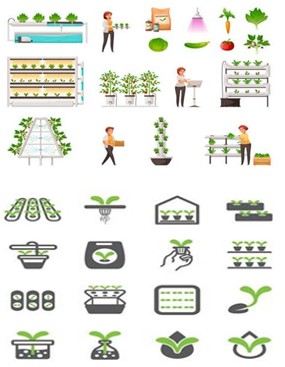
Figure 1a: Vertical farming Techniques.
Figure 1b: Symbolic Representation.
Yield and profit calculation
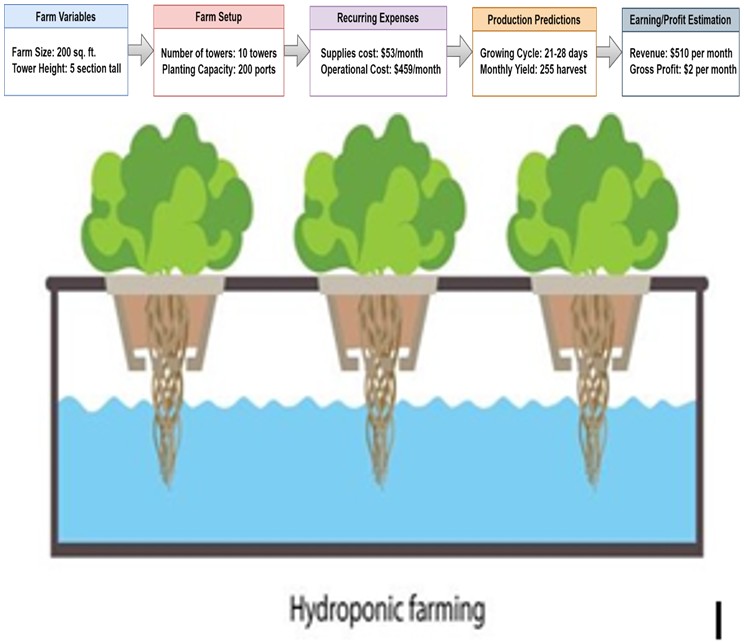
The profit should be computed based on the yield once the crop has been cultivated. Here is a profit calculation programme that simply takes the production variables as input. Farm factors, farm setup, recurrent costs, production estimates, and earnings are the input variables evaluated while calculating crop yield profit.
Here, an example is given: In the above figure, the considered farm size is 200 sq. ft.; the height of the growth tower is 5 sections tall and 200 ports planting capacity is observed. Also, from the above flow chart, it is clear that, if the area of the cultivation increases, there will be increase in the planting capacity with respect to the tower height which is directly proportional to the increase in the profit in the crop yield.
Temperature for Different Plant Variety in Vertical Farming Systems
The temperature of the plants depends on the specific crop variety to be cultivated by the vertical farming systems. Since, the temperature is fixed for a particular crop variety (see table below for illustration), it should be maintained from seedling to the final stage of crop yield.
| Crop name | Temperature (in °Fahrenheit) |
| Leafy greens | 55 to 75 |
| Tomatoes | 60 to 85 |
| Rooted vegetables | 50 to 70 |
| Herbs | 60 to 75 |
| strawberries | 60 to 80 |
Table 1: Specification of Temperature ranges for Different Crop varieties.
Types of Vertical Farming
The researchers conceived and built four distinct sorts of vertical farming systems. These vertical farming systems were developed in such a manner that they are all soil-free in nature, with the only difference being how fertilizers are provided to the plants. The following are the four forms of vertical farming:
- Hydroponics
- Aquaponics
- Aeroponics
- Fogponics
Hydroponic System
It is the most commonly used VF technique which involves the process of cultivation of plants in the nutrient solution. Here, water plays an important role because, the plant roots are being submerged into the water which consists of sufficient nutrients required for plant growth.
- Nutrients required for plant growth: Nitrogen, sodium, phosphorous, potassium, calcium, magnesium, sulphur, iron, copper, manganese, zinc, molybdenum, boron, chloride.
- Crops that can be grown in hydroponics system: Tomato, cucumber, pepper, lettuce, beans, cauliflower, strawberry, melon, roses, mint, cabbage, spinach, broccoli, peas.
- Pros: Major advantages of hydroponic systems were mentioned as follows: Helps to save the farming land, helps to conserve water, no soil is required for plant growth, requires only fewer number of chemicals, faster growth of plants can be achieved, climate control is possible based on the integration of IoT and AI, plant nutrients are controlled since the chemicals are mixed with water (completely observed), healthier crops can be grown, high harvest yield, less soil erosion and labor intensive, less disease causing agents, growth of weeds can be prevented and relieve stress to human beings. High yield, Versatile, Easy to maintain are the other advantages of hydroponics system.
Figure 3a: Simple Hydroponic Farming.
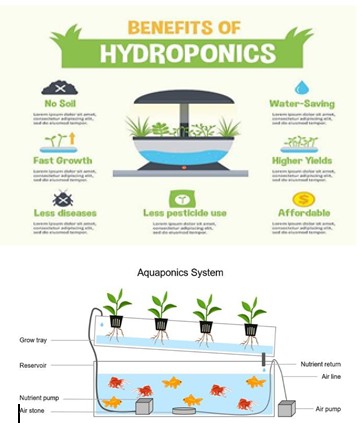
Figure 3b: Benefits of Hydroponic Technique.
• Cons: High initial cost, High energy Consumption, Requires regular monitoring of nutrient levels, Susceptible to disease outbreaks, Automation is required, Prone to system failures.
• Water Utilization and Specification: Water that can be used for the growth of the plants in hydroponic system might be well water or tap water. Since, the water is not directly supplied into the cultivation system, necessary nutrients are mixed into the water (required for efficient plant growth). Then, the pH and EC values of the nutrient solution (water mixed with nutrients) were measured corresponding to the crop variety to be grown on the vertical farming system. Once the processes are completed, finally the nutrient solution is supplied to the plants.
• Water Recycling and Re-usage: According to the modern vertical farming systems, changing of water is not required for the regular intervals of time, if the recycling system is incorporated. However, in some cases, change of water is recommended for avoiding the damages to plants during the plant growth.
Aquaponic System
Aqua + Ponics = Aquaponics. As the name suggests that, it is the method of cultivating plants in aquaculture systems, where the fishes feed the essential nutrients to the plants for better growth. Here, the fishes and plants are grown in the same ecosystem, where, fish are raised in indoor ponds, creating nutrient- rich excrement that may be utilized to feed the plants in the vertical farming system. In turn, the plants clean and filter the wastewater that is recycled to the fish ponds.
Figure 4a: Simple Aquaponic System.
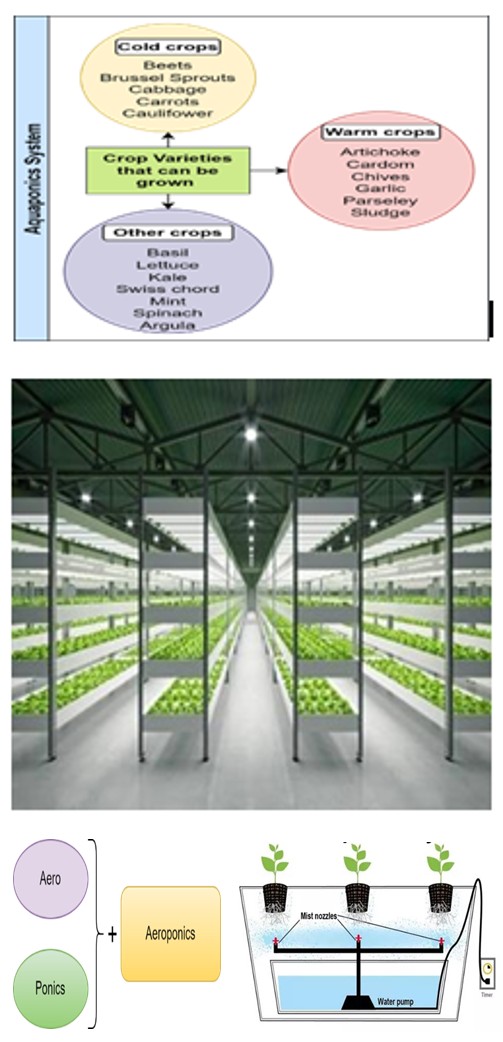
Figure 4b: Crop varieties that can be grown.
- Benefits of Aquaponics System: Environment friendly, Organic fertilizers are used, Recycling is possible, Saves water to the extreme, High level of nutrient utilization, Simple and Affordable for installation, Easy to maintain, Easily adaptable, Space efficient, Good profit and better yield of food crops.
- Pros: High yield, Efficient use of water, Combines fish and plants production, Produces fishes as secondary crop.
- Cons: Limited crop varieties, Requires regular monitoring of fish health and nutrient levels, Sensitive to environmental factors, Automation is required, Prone to system failures.
Aeroponic System
It refers to the growth of plants in the medium of air where, the plants are nourished by means of the nutrient sprinkling system in which the nutrients are sprayed to the plants at regular intervals of time. This indoor farming is an highly beneficiary and advantageous technique which was developed by NASA. Aeroponics is still an anamoly in the area of indoor farming, which are most efficient than the hydroponic farming that uses 90% less water than other vertical farming types, although it takes the necessary minerals and vitamins to grow the healthier plants.
Figure 5a: Simple Aeroponic System.
Figure 5b: Typical Aeroponic System.
- Crops that can be Grown In Aeroponics System: Basil, peppermint, legumes, scallions, daisy, French parsley, coriander, gherkin, fennel, cannabis, scallion, greens, fragrant herb, sweet marjoram, wild marjoram, garden parsely, evergreen shrub, leafy vegetable, dragon herb, savory.
- Benefits of Aeroponic System: No growing medium is required for crop growth, direct delivery of nutrients to the plants, technology can conserve more energy, it can be combined with the hydroponics system for enhancement, water usage can be reduced to the greater extent, moisture control for better growth of plants, easier crop cultivation in the absence of soil, reduced labor cost, high quality food crops can be grown. Plants have better exposure to oxygen (o2), scalable agricultural systems produces on demand food crops with less effort, year round crop production is possible, scalable agricultural system, soil and water borne diseases can be prevented, usage of insecticides and pesticides can be avoided, automation of crop growth monitoring is possible by the integration of IoT and ML applications, human intervention can be minimized for periodic monitoring of the growth environment.
- Pros: High yield, Efficient use of water, Efficient use of space, Less susceptible to disease outbreaks, Shorter growing cycle.
- Cons: High initial cost, Sensitive to environmental factors, Requires careful monitoring of nutrient levels and crop growth, Requires automation, Prone to system failures.
Fogponics
It is a modified form of an aeroponics system, often known as “Aeroponics 2.0.” Because the high pressure aeroponic system produces a fine mist that floats around in the air and resembles fog, the name fogponics is frequently used to describe this method of growth. NASA has practiced and introduced this sort of agricultural technology via several studies and tests. It is similar to the aeroponics method in that it employs soilless cultivation and the technique of growing plants by suspending them in fog rather than relying on the growth medium to provide the nutrients that plants require to thrive. Furthermore, the mist is generated by inserting an ultrasonic mist generator into a confined base chamber containing a blend of water and nutrients. This ultrasonic mist generator can vibrate at supersonic frequencies, producing tiny water droplets enriched with nutrients to promote rapid plant growth and facilitate efficient absorption of the mixture and oxygenation. The fogponics approach involves atomizing water and nutrients and dispersing them in a mist with droplets ranging between 30 and 80 microns. NASA’s research in the 1990s found that a droplet size of 50 microns was optimal for roots to assimilate nutrient.
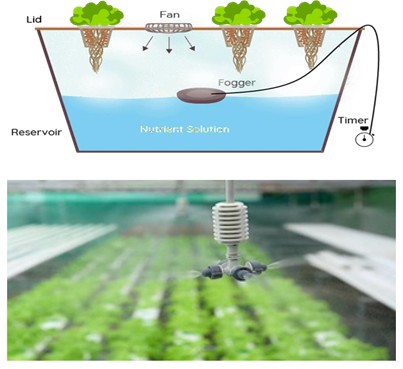
Figure 6a: Simple Fogponic System.
Figure 6b: Typical Fogger.
- Benefits of Fogponic System: Tiny droplets provide good coverage, a substantial amount of important nutrients, and are simple to use, faster crop growth than aeroponics system, tastier crops can be grown, prevention of water and soil-borne diseases, water consumption can be reduced, energy can be saved, better crop yield and profit, cultivated crops are of healthier and good quality.
- Pros: High yield, efficient use of water and space, less susceptible to disease outbreaks.
- Cons: Limited crop varieties, High initial cost than other three VF systems, Requires careful monitoring of fog, nutrient levels and crop growth, Automation is required, prone to system failures.
Comparative Study of Vertical Farming Techniques
Though there are multiple vertical farming techniques are available, each of them differs from productivity to crop varieties grown. Thus, comparative analysis has been done based on their individual systems in Table 2 as represented below.
| Hydroponic System | Aquaponic System | Aeroponic System | Fogponic System | |
|---|---|---|---|---|
| Productivity (yield/sq.m/year) | 150-200 kg | 50-80 kg | 200-250 kg | 150-200 kg |
| Water saving percentage | Upto 90% | Upto 90% | Upto 95% | Upto 95% |
| Space utilization efficiency | Upto 90% | Upto 75% | Upto 95% | Upto 95% |
| Energy Efficiency | high | high | high | high |
| Labor requirements | high | high | low | low |
| Resource requirements | Nutrient rich water, Grow lights, Growing medium(optional) | Nutrient rich water solution, Fish tank, Grow bed, Grow lights | Misting nozzles, Nutrient richwater solution, Grow lights | Foggers, Nutrient rich water solution, Grow lights |
| Crop Varieties grown | Many | limited | more | limited |
Table 2: Comparison of Vertical Farming Techniques.
From Table 1 it should be noted that, the yield and performance of each vertical technique may vary depending on the crop species, environmental conditions and system design. The water saving percentage refers to the amount of water saved compared to the traditional soil-based cultivation agriculture. The space utilization efficiency refers to the amount of vertical space required to produce the crops than horizontal farming. The energy efficiency takes into the account the amount of energy required to operate the system. The labor requirements refers to the number of human labors needed to operate and maintain the system individually. Finally, the resource requirements and crop varieties, are also listed in the table. So, it is inferred that, when comparing all the four vertical farming technqiues together, each system varies with their own specialties and growth ratio.
Discussions on Various Cultivation Structural Systems used in Vertical Farming
The growth of vertical farms is closely linked with urban development. As sustainable production methods and structures continue to evolve, practical applications of this technology in existing urban areas must take into account the current urban context. Some examples of vertical structures used for crop cultivation include:
- Skygreens: This space-saving structural system produces 5-10 times more crops per unit area than traditional farming. It is environmentally friendly, uses low amounts of energy and water, and incorporates sustainable waste water management and green technologies. Skygreens uses a soil-based hydroponic media that allows for better tasting vegetable crops, consistent and reliable harvesting, and easy installation, adjustment, and crop harvesting.
- Cropbox: This movable structure allows for adaptive reuse of containers and can be stacked to reduce urban footprint. It requires less space and enables automated record keeping. Cropbox uses 90% less water than greenhouse cultivation and 80% less fertilizers than conventional cultivation. It can be used for commercial scale crop production.
- Plantagon: This highly automated sphere-shaped building includes a centrally located helix-shaped structure. It can be integrated into existing or future office, hotel, and retail spaces. This system allows for the exchange of carbon dioxide from people to plants and oxygen from plants to people.
- La tour Vivanete: This mixed-use building allows residents to be employed for agricultural growth within the building. It employs renewable energy sources such as rainwater from the roof, wind energy, and solar energy. This system also allows for the exchange of carbon dioxide from people to plants.
- Gotham Greens: This system uses advanced information and communication technology to control heating, cooling, irrigation, and plant nutrition. It produces more food than traditional farming and reduces energy usage through green technology. Gotham Greens also provides socio-economic benefits through community engagement and local generation of the food economy, as well as improved nutritional value of the food produced.
IoT and Machine Learning in Vertical Farming
Vertical farming, as an epitome of intelligent agriculture, ushers in a new era of precision agriculture. The use of Internet of Things and machine learning technology into vertical farming systems has created new prospects for sustainable and efficient agriculture. Artificial intelligence techniques are available that combine the examination of vast amounts of information obtained through Internet of Things (IoT) systems, the implementation of machine and deep learning formulas in diverse vertical irrigation contexts, and the prediction of crop yield, monitoring of plant growth and disease, and evaluation of sample quality. Smart agricultural engineering has the potential to meet forthcoming food requirements by opening up innovative opportunities in vertical farming. VF may use all sorts of agricultural IoT devices in different dimensions, based on current agricultural trends. Using sophisticated technologies such as AI and ML will result in increased productivity and quality aspects in the VF system’s efficiency [22].
Intelligent agriculture systems are agriculture systems that rely on data and can adapt to future changes by utilizing various new technologies to advance agricultural knowledge systems through the availability of larger volumes of data [23]. Agriculture database management employs spatial and time- based data collected from plants’ soil (in the case of outdoor farming) or nutrient solution (in the case of indoor farming) and other parameters, data from sensors, and a decision stage that involves pre-processing activities and an AI algorithm approach to obtain the appropriate data and assist in making the right decisions. Smart agriculture is progressing rapidly as data management advances, and producing meaningful data has become a crucial aspect of contemporary agriculture to support farmers and users in decision-making [24]. The idea of data-centric agriculture, which was formed from telematics and data management combined with the concept of precision agriculture to enhance operational accuracy [25], has been promoted in various forms such as Agriculture 4.0, digital farming, and smart farming.
In agriculture, IoT refers to the use of sensors and other devices to convert every element and activity in agriculture into data [26]. IoT serves as a model for agricultural 4.0 advancements [27] and is one of the reasons why agriculture can provide a significant amount of valuable information. Technical advances and breakthroughs in IoT are expected to have a substantial impact on the agricultural industry, providing a wide range of agricultural applications [28, 29, 30].
Performance Analysis of IoT and Machine Learning Applications in Vertical farming
The performance analysis of various vertical farming techniques have been done based on the parameters how data is being collected, types of machine learning techniques applied to the individual farming technique, yield prediction accuracy including the advantages and applications of respective cultivation techniques. Table 3 represents the performance assessment of different vertical farming methodologies as shown below.
| Data Collection | ML algorithm | Accuracy | Advantages | Applications | |
|---|---|---|---|---|---|
| Hydroponics | IoT sensors (pH, EC,light, humidity, temperature) | ANN RF SVR | 89.18% | Precise control over the nutrient delivery and environmental conditions, Reduces water usage, increased crop yield, minimizes chemical usage | Leafy greens, herbs, strawberries, tomatoes, cucumbers, peppers |
| Aquaponics | IoT sensors (pH, EC,light, humidity, temperature) | Decision trees RF LR | 91.28% | Minimize water usage, utilize fish waste as nutrientsource, high crop yield | Garlic, Chives, carrots, mint, water cross |
| Aeroponics | IoT sensors (pH, EC,light,) | RF XGBoost | 94.37% | Precise control over the nutrient delivery | Herbs, lettuce, cabbage, carrots, tomatoes, leafy |
Table 3: Performance Assessment of Vertical Farming Techniques.
Conclusion
In conclusion, vertical farming has emerged as a promising approach to address the challenges of conventional agriculture such as limited land availability, water scarcity and climatic changes. In this research article, the current technologies of vertical cultivation and resource necessities have been deliberated alongside the enhancements in the farming systems. Additionally, diverse techniques of vertical farming have been comparatively analyzed and it has been observed that these farming methods are highly beneficial for cultivating most demand food crops in a healthier way. The supplementary worth of vertical agriculture has numerous advantages as compared to the flat rice fields from the viewpoints of environmental, social and economic factors in the endeavor of global food security. The preceding researches on the Internet of Things (IoT) applications have been developed to control the various amenities on vertical farms. The utilization of Artificial Intelligence (AI) algorithms has been extensively explored regarding the vertical farming applications. This study reveals that there are new research prospects to examine and scrutinize indoor food crop production by using smart and precise indoor vertical farming and lead to the development of more sustainable and efficient food production systems. Our analysis shared that each system has their unique characteristics and benefits, and the choice of the system depends on various factors such as crop type, space availability and investment cost.
References
-
Nijwala D, Sandhu AK (2021) Vertical Farming-An Approach to Sustainable Agriculture. 2021 International Journal for Research in Applied Science & Engineering Technology.
-
Lutz W, KC S (2010) Dimensions of global population projections: what do we know about future population trends and structures?. Philosophical Transactions of the Royal Society B: Biological Sciences 365(1554): 2779-2791.
-
Lal R (2020) Home gardening and urban agriculture for advancing food and nutritional security in response to the COVID-19 pandemic. Food security 12(4): 871-876.
-
Davis KF, Gephart JA, Emery KA, Leach AM, Galloway JN, et al. (2016) Meeting future food demand with current agricultural resources. Global Environmental Change 39: 125-132.
-
Xi L, Zhang M, Zhang L, Lew TT, Lam YM (2022) Novel materials for urban farming. Advanced Materials 34(25): 2105009.
-
Sivamani S, Bae N, Cho Y (2013) A smart service model based on ubiquitous sensor networks using vertical farm ontology. International Journal of Distributed Sensor Networks 9(12): 161495.
-
Al-Chalabi M (2015) Vertical farming: Skyscraper sustainability?. Sustainable Cities and Society 18: 74-77.
-
Benke K, Tomkins B (2017) Future food-production systems: vertical farming and controlled- environment agriculture. Sustainability: Science Practice and Policy 13(1): 13-26.
-
Verma A, Prakash S, Srivastava V, Kumar A, Mukhopadhyay S C (2019) Sensing, controlling, and IoT infrastructure in smart building: a review. IEEE Sensors Journal 19(20): 9036-9046.
-
Ziegler R (2005) The vertical aeroponic growing system. Synergyii International Inc.
-
Concepcion IIR, Lauguico S, Alejandrino J, Dadios E, Sybingco E, et al. (2022) Aquaphotomics determination of nutrient biomarker for spectrophotometric parameterization of crop growth primary macronutrients using genetic programming. Information Processing in Agriculture 9(4): 497-513.
-
Lakhiar IA, Jianmin G, Syed TN, Chandio FA, Buttar NA, et al. (2018) Monitoring and control systems in agriculture using intelligent sensor techniques: A review of the aeroponic system. Journal of Sensors 2018: 1-18.
-
Al-Kodmany K (2018) The vertical farm: A review of developments and implications for the vertical city. Buildings 8(2): 24.
-
Kalantari F, Mohd Tahir O, Mahmoudi Lahijani A, Kalantari, S (2017) A review of vertical farming technology: A guide for implementation of building integrated agriculture in cities. In Advanced engineering forum 24: 76-91.
-
Marvin S, Rutherford J (2018) Controlled environments: An urban research agenda on microclimatic enclosure. Urban Studies 55(6): 1143-1162.
-
Parkes MG, Azevedo DL, Domingos T, Teixeira RF (2022) Narratives and Benefits of Agricultural Technology in Urban Buildings: A Review. Atmosphere 13(8): 1250.
-
Battaglia D (2017) Aeroponic gardens and their magic: Plants/persons/ethics in suspension. History and Anthropology 28(3): 263-292.
-
Molla MB (2015) The value of urban green infrastructure and its environmental response in urban ecosystem: A literature review. International Journal of Environmental Sciences 4(2): 89- 101.
-
Concepcion IIR, Dadios E, Cuello J, Duarte B (2022) Thermo-gas dynamics affect the leaf canopy shape and moisture content of aquaponic lettuce in a modified partially diffused microclimatic chamber. Scientia Horticulturae 292: 110649.
-
Lucero L, Lucero D, Ormeno-Mejia E, Collaguazo G (2020, October) Automated aeroponics vegetable growing system. Case study Lettuce. In 2020 IEEE ANDESCON, pp: 1-6.
-
Structure of Labor Cost in the Philippines. Philippine Statistics Authority Labstat Updates 20 no 2016: 20.
-
Swain M (2022) Vertical Farming Trends and Challenges: A New Age of Agriculture Using IoT and Machine Learning. Internet of Things for Agriculture 4.0: 1-16.
-
Schimmelpfennig D (2016) Farm profits and adoption of precision agriculture. 1477: 121190.
-
Saiz-Rubio V, Rovira-Más F (2020) From smart farming towards agriculture 5.0: A review on crop data management. Agronomy 10(2): 207.
-
CEMA CEMA-European Agricultural Machinery- Priorities CEMA aisbl-European Agricultural Machinery Industry Association.
-
(2021) IoT in Agriculture: Internet of Things Solutions for Smart Farming. Digiteum.
-
Uddin MM (2020) Factors Influencing Adoption and Adoption Intensity of Precision Agriculture Technologies in South Dakota. South Dakota State University.
-
Tzounis A, Katsoulas N, Bartzanas T, Kittas C (2017) Internet of Things in agriculture, recent advances and future challenges. Biosystems engineering 164: 31-48.
-
Kalantari F, Tahir OM, Joni RA, Fatemi E (2018) Opportunities and challenges in sustainability of vertical farming: A review. Journal of Landscape Ecology 11(1): 35-60.
-
Dhivyaa CR, Anbukkarasi S, Saravanan K (2022) Machine Learning Approaches for Agro IoT Systems. Internet of Things and Analytics for Agriculture 3: 93-111.
- Enhancement of Vegetative Growth and Fruit Yield in Cucumber (Cucumis sativus L.) via Spiritual Blessing (Biofield) Energy Intervention
- Production of Açaí (Euterpe oleracea Mart.) under Different Agroforestry System Management Intensities in Amazonian Floodplain (Varzea) Forests
- Coffee and the Production Region: What is the Secret to the Expression "Quality"?
- Experiential Agripreneurship Training in Sub-Saharan Africa: Integrating a Business Incubator into Postgraduate Livestock Education at the University of Buea
- Advances in Agricultural High-Quality Development
- Linking Compost Residue to ABAGE in Plants - a Short Note