
AI in Food Science: Exploring Core Elements, Challenges, and Future Directions
This article examines the integration of Artificial Intelligence (AI) in food science and technology, emphasizing its state-ofthe- art applications and the associated challenges. AI is reshaping various sectors, including food quality control, supply chain optimization, safety monitoring, and product development. Innovative techniques such as machine learning, predictive analytics, and computer vision are being deployed to enhance food safety and quality, streamline supply chains, and optimize agricultural practices. Notable applications include real-time monitoring of environmental conditions, microbial detection, and personalized nutrition recommendations. However, the adoption of AI in food technology is not without obstacles. Concerns surrounding data privacy, potential biases in AI algorithms, regulatory challenges, and the skills gap in the workforce pose significant hurdles to implementation. Additionally, the environmental impact of AI technologies necessitates careful consideration to ensure sustainable practices. Organizations utilizing AI must navigate a complex landscape of data security and privacy challenges, especially in light of regulations like GDPR. Solutions for these challenges require a multi-faceted approach encompassing technology, policies, and practices aimed at protecting personal data. Organizations can better ensure compliance with data protection laws while fostering trust and accountability in their AI initiatives. The article emphasizes the importance of collaboration among communities of technologists, food scientists, and policymakers to address these challenges effectively. By leveraging AI's capabilities while ensuring ethical and responsible practices, the food industry can enhance its resilience, efficiency, and sustainability. Ultimately, the continued evolution of AI holds great promise for improving food safety, quality, and overall public health outcomes in the global food landscape.
Rania IM Almoselhy¹* and Afreen Usmani²
¹Oils and Fats Research Department, Food Technology Research Institute, Agricultural Research Center, Egypt ²Department of Pharmacology, MESCO Institute of Pharmacy, India
Abbreviations
AES: Advanced Encryption Standard; AGI: Artificial General Intelligence; AI: Artificial Intelligence; BD: Big Data; BERT: Bidirectional Encoder Representations from Transformers; CNNs: Convolutional Neural Networks; DL: Deep Learning; GDPR: General Data Protection Regulation; GPS: Global Positioning System ; GPT: Generative Pre-trained Transformer; GPUs: Graphics Processing Units; HRI: Human- Robot Interaction; IoT: Internet of Things; LiDAR: Light
Detection And Ranging; LSTM: Long Short-Term Memory; ML: Machine Learning; NER: Named Entity Recognition; NGOs: Non-governmental Organizations; NNs: Neural Networks; NLP: Natural Language Processing; PCA: Principal Component Analysis; PIAs: Privacy Impact Assessments; RBAC: Role-Based Access Control; RNNs: Recurrent Neural Networks; RL: Reinforcement Learning; TPUs: Tensor Processing Units.
Introduction
Artificial Intelligence (AI) is increasingly becoming a transformative force in food science and technology. It offers tools and methodologies that can enhance food production, safety, quality, and sustainability. Here’s an overview of the state-of-the-art applications of AI in this field, as well as some emerging challenges that accompany its adoption. Today, it’s common practice to apply cutting- edge technology, particularly artificial intelligence (AI) and machine learning (ML), which has both benefits and drawbacks, in both academic and industrial domains. Some of the accomplishments of the combination of food science and artificial intelligence include improving agriculture, making crop classification easier, creating formulations and new food and nutraceutical-related products, improving sensory evaluation, industrial processing, improving food quality, guaranteeing food safety, managing the supply chain, reusing waste, and, lastly, estimating calorie and nutrient amounts. Electronic nose (E-nose), bio-electronic and electronic tongue (E-tongue), and machine vision are specifically used for accurate sensory evaluation. A major advancement in this scientific breakthrough could be the development of an intelligent from-farm-to-fork cycle through the use of AI algorithms in agriculture, food science, and nutrition [1]. AI integrated with advanced sensors improves monitoring real-time food safety and packaging and decision-making. However, issues including high costs, data security, transparency, and ethical concerns continue to exist. AI has the potential to improve food security through predictive analytics of agricultural yields, optimize resource usage, spur innovation in individualized nutrition, and automate the supply chain to ensure specialized goods and prompt delivery [2].
Elements of Artificial Intelligence (AI)
AI encompasses a diverse range of elements (Figure 1) that collectively enable machines to perform tasks traditionally requiring human intelligence. Key components include Machine Learning (ML), which is divided into supervised, unsupervised, and reinforcement learning, allowing models to learn from labeled and unlabelled data, respectively [3, 4]. Neural Networks (NNs) and Deep Learning (DL) further enhance AI capabilities, particularly in image and speech recognition through multi-layered architectures. Natural Language Processing (NLP) facilitates human language interaction, while Computer Vision enables machines to interpret visual data [5, 6]. Robotics integrates AI for autonomous task execution, and Expert Systems simulate human expertise in specific domains Additionally, ethical considerations and data management are crucial for responsible AI deployment, ensuring fairness and accountability in applications across various sectors, including healthcare and finance [7]. There are some key elements of AI:
![Figure 1: Artificial Intelligence (AI) Elements [3].](/fulltextimages/13636/fig_1.png)
Machine Learning (ML)
Machine learning is a core area of artificial intelligence (AI) that focuses on developing algorithms and statistical models that allow systems to improve automatically through experience and data, without explicit programming. ML can be divided into several key subfields: Supervised Learning: In supervised learning, models are trained on labeled data, meaning that each input is paired with the correct output. The model learns to map inputs to the correct outputs, and its performance is assessed using a validation set. Common algorithms include linear regression, decision trees, and neural networks. Applications include classification tasks like email spam detection and regression tasks such as predicting house prices.
Unsupervised Learning: In unsupervised learning, the model is trained on data that has no labels or predefined outcomes. The goal is to find underlying patterns or structures in the data, such as clusters or associations. Common methods include clustering (e.g., K-means) and dimensionality reduction (e.g., principal component analysis or PCA). Unsupervised learning is often used in anomaly detection, customer segmentation, and market basket analysis.
Reinforcement Learning: In reinforcement learning (RL), an agent learns to make decisions by interacting with an environment. The agent takes actions and receives feedback in the form of rewards or penalties. Over time, the agent learns to choose actions that maximize cumulative reward. RL is used in applications such as robotics, game playing (e.g., AlphaGo), and autonomous driving [4, 8, 9].
Neural Networks (NNs)
Neural networks are computational models inspired by the structure and function of the human brain. They consist of layers of interconnected nodes (neurons), where each neuron processes input data and passes its output to the next layer. Neural networks can model complex, nonlinear relationships and are capable of learning from large datasets. The most basic form is the feedforward neural network, but more complex architectures include convolutional neural networks (CNNs) for image tasks and recurrent neural networks (RNNs) for sequence-based data like speech or text [10].
Deep Learning (DL)
Deep learning is a subset of machine learning that leverages deep neural networks, which are neural networks with many layers (hence “deep”). These deep architectures allow for the automatic extraction of complex features from raw data without needing manual feature engineering. Deep learning has achieved breakthrough performance in fields such as: Image Recognition: Convolutional Neural Networks (CNNs) excel in tasks such as object detection, facial recognition, and medical image analysis.
Speech Recognition: Recurrent Neural Networks (RNNs), especially Long Short-Term Memory (LSTM) networks, are widely used for speech-to-text applications.
Natural Language Processing (NLP): Deep learning methods, such as transformers, have revolutionized language modeling, enabling advanced translation, summarization, and question-answering systems. Deep learning models are highly data-driven and require significant computational power for training, often utilizing GPUs (graphics processing units) or TPUs (tensor processing units) to speed up the learning process [11].
Natural Language Processing (NLP)
Natural Language Processing (NLP) is a subfield of AI focused on enabling machines to understand, interpret, and generate human language. NLP combines linguistics, computer science, and machine learning to handle tasks such as: Text Analysis: Extracting insights and meaning from textual data, such as named entity recognition (NER) and sentiment analysis.
Machine Translation: Translating text or speech between languages (e.g., Google Translate).
Chatbots and Virtual Assistants: Conversational AI systems like Siri, Alexa, and chatbots that can interact with users in natural language. NLP models typically use methods like statistical learning, sequence models (such as RNNs), and more recently, transformer architectures (like GPT and BERT) [6, 12].
Computer Vision
Computer vision enables machines to “see” and interpret the world, simulating human visual perception. It involves the extraction of meaningful information from images and videos, enabling a variety of tasks such as: Image Recognition: Identifying objects, people, or scenes within an image, e.g., in security systems or social media photo tagging.
Object Detection: Detecting and localizing multiple objects within images, useful in autonomous driving, retail, and medical imaging.
Facial Recognition: Identifying or verifying individuals based on facial features, used in security and user authentication.
Image Segmentation: Dividing an image into regions of interest, often used in medical imaging or satellite imagery. Computer vision tasks often rely on convolutional neural networks (CNNs) to detect and classify visual patterns [13].
Robotics
Robotics is the field of designing and building robots— machines capable of performing tasks autonomously or semi-autonomously. AI plays a critical role in enabling robots to process sensory input, plan actions, and adapt to changing environments. Key areas of robotics include: Autonomous Navigation: Robots use sensors (e.g., LiDAR or Light Detection and Ranging, cameras, GPS or global positioning system) to navigate their environment without human intervention, such as in autonomous vehicles or drones.
Manipulation and Interaction: Robots can manipulate objects with precision, allowing them to perform tasks like assembly in manufacturing or surgical procedures in healthcare.
Human-Robot Interaction (HRI): Robotics systems designed to interact with humans in a natural way, often using AI-driven vision, speech recognition, and decision- making processes [14].
Expert Systems
Expert systems are AI programs that emulate the decision-making abilities of a human expert in a specific domain. They use a set of rules (knowledge base) and inference mechanisms to solve complex problems. Common applications include: Medical Diagnosis: Expert systems can help doctors by suggesting possible diagnoses based on patient symptoms and test results.
Financial Advisory: AI systems can assist with investment strategies, risk assessment, and credit scoring by applying domain-specific knowledge. Expert systems often include a knowledge base of facts and rules, and an inference engine that applies logical reasoning to derive conclusions from that knowledge [15].
Knowledge Representation
Knowledge representation refers to the ways in which information about the world is structured and encoded for AI systems to process. It is crucial for enabling machines to perform reasoning and solve problems. Common forms of knowledge representation include: Databases: Store structured data that AI systems can query for decision-making.
Ontologies: Hierarchical structures that define the relationships between concepts in a domain, facilitating machine understanding and reasoning.
Semantic Networks: Graph-based structures that represent knowledge in terms of nodes (concepts) and edges (relationships). Effective knowledge representation enables machines to solve complex problems by leveraging available data and reasoning about it [16].
Perception
Perception in AI refers to the ability of machines to sense and interpret the world around them, often by processing data from multiple sensors. Perception is foundational to many AI applications, particularly those in robotics and autonomous systems. It involves:
Sensor Fusion: Combining data from different sensors (e.g., cameras, microphones, radar) to create a coherent understanding of the environment.
Environmental Understanding: AI systems can interpret spatial, temporal, and contextual information, helping robots navigate and interact with the world. Perception systems rely heavily on techniques in computer vision, sound processing, and signal processing to transform raw sensor data into useful information [17].
Cognitive Computing
Cognitive computing systems aim to mimic human thought processes in complex, dynamic environments. These systems use AI techniques to simulate human reasoning, problem-solving, and decision-making. Cognitive computing is often applied in fields where human-like understanding is required, such as: Healthcare: Assisting doctors in diagnosis and treatment by analyzing complex patient data.
Customer Service: Cognitive systems can engage in sophisticated conversations, understanding context and emotions, and offering tailored solutions. These systems often employ advanced machine learning, natural language processing, and reasoning algorithms to process and interpret complex data [18].
Artificial General Intelligence (AGI)
Artificial General Intelligence (AGI) represents a theoretical form of AI capable of performing any intellectual task that a human can do. Unlike narrow AI, which is specialized for specific tasks, AGI would have the ability to generalize knowledge across different domains. AGI remains a long-term research goal and presents both exciting possibilities and significant challenges, such as ensuring safe and ethical deployment [19].
Ethics and Governance in AI
As AI systems become more integrated into society, the ethical implications of their use are critical. Key ethical concerns include: Bias: Ensuring AI systems do not perpetuate or amplify existing biases in data or decision-making.
Privacy: Safeguarding sensitive personal data and ensuring that AI systems respect privacy rights.
Accountability: Determining who is responsible when AI systems make mistakes or cause harm.
Fairness: Ensuring that AI systems operate equitably and do not disadvantage certain groups or individuals. Effective governance frameworks and ethical guidelines are necessary to ensure that AI is developed and deployed in a manner that benefits society as a whole [20].
Data
Data is the foundation of AI. High-quality, large, and diverse datasets are required to train robust AI models. The success of machine learning and deep learning systems depends heavily on the quantity and quality of the data available. Key challenges in data for AI include: Data Collection and Preparation: Gathering, cleaning, and preprocessing data to ensure it is ready for model training.
Data Governance: Managing data privacy, security, and quality to ensure ethical and legal standards are met.
Bias and Fairness in Data: Ensuring datasets are representative and free from biases that may lead to unfair or inaccurate AI outputs [19].
Automation
AI-powered automation refers to the use of AI systems to perform tasks without direct human intervention. Automation can significantly improve efficiency, reduce costs, and enhance productivity [7, 21, 22]. Common applications of AI-driven automation include: Manufacturing and Industry: AI is used for automating production lines, predictive maintenance, and quality control. Robotics, powered by AI, can work autonomously to assemble parts, inspect products, and detect defects in real- time, optimizing production processes and reducing human labor costs.
Customer Service: AI-driven chatbots and virtual assistants are increasingly used to handle customer inquiries, process orders, and provide support. These systems can understand and respond to customer requests in real time, improving customer satisfaction and reducing the need for human operators.
Finance: AI is used to automate tasks such as fraud detection, risk assessment, trading algorithms, and customer support in banking. Machine learning models can analyze vast amounts of financial data to predict market trends, evaluate credit risk, and identify suspicious activities.
Logistics and Supply Chain: AI and robotics are transforming supply chain management by automating warehousing, inventory management, and delivery routes. AI systems can predict demand, optimize stock levels, and manage deliveries in real-time, improving efficiency and reducing costs.
Healthcare: In healthcare, AI is automating administrative tasks such as scheduling appointments, processing insurance claims, and managing patient records. More advanced applications include AI-powered diagnostic tools that analyze medical imaging (e.g., X-rays, MRIs) and assist in patient monitoring and treatment planning [23].
Applications of AI in Libraries
Artificial Intelligence (AI) has a number of applications in the academic libraries offering a highly positive effect for improvement of library services by saving time and money with fast growing developments in many tools in AI which contributes effectively to libraries through the utilization of expert systems, artificial neural networks, fuzzy logic, natural language processing, image processing, robotics, speech recognition, as shown in Figure 2 [24].
![Figure 2: Artificial Intelligence (AI) Components [24].](/fulltextimages/13636/fig_2.png)
State-of-the-Art Applications of AI in Food Science and Technology
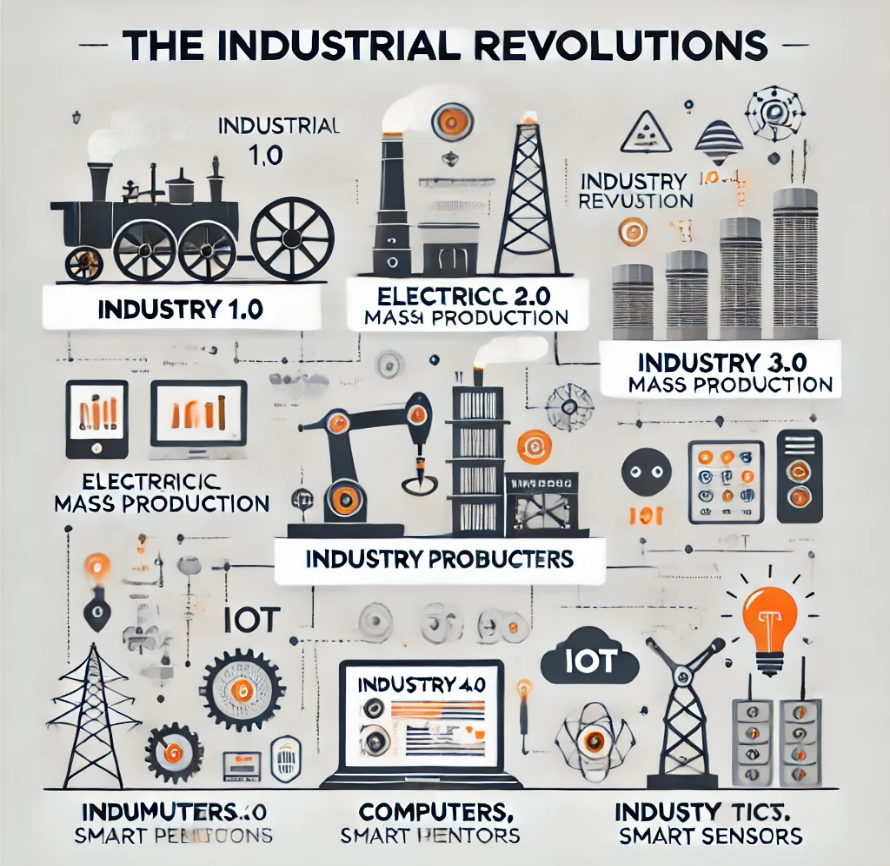
AI has the potential to completely transform the food and agriculture industries by boosting productivity, fostering sustainability, and enhancing efficiency [25]. Over the past few decades, the food industry has adopted artificial intelligence (AI) as a result of growing food demands in tandem with the world’s population. The demand for the aforementioned intelligent systems in the food business has increased due to their capacity for a variety of activities, including determining food quality, controlling tools, classifying food, and making predictions [26]. Humans need food. Reducing food waste, streamlining the supply chain, and improving food delivery, logistics, and safety are all vital. AI and ML play a major role in achieving these objectives. Modern industrial and logistical systems are made possible by increasingly complex and pervasive computing networks. Within these networks, sensors, machines, systems, intelligent gadgets, and humans are constantly producing data. As computer power increases, this Big Data is evaluated more thoroughly, more quickly, and more thoroughly than before. These innovations have reshaped and ushered in a new era known as Industry 4.0, the Smart Factory, and the importance of artificial intelligence. Supply chain optimization, crop selection, logistics, food distribution, and forecasting and maintenance in food processing equipment are some of the major uses [27]. In order to improve the quality and safety of processed food products, lower production costs and time, save energy and resources, and reduce food loss and waste, the “Food Processing 4.0” concept refers to the use of fourth industrial revolution also known as Industry 4.0 – (Figure 3) technologies in food processing in the current digital era. The food processing industry is one of the numerous manufacturing sectors that Industry 4.0 technologies have revolutionized and transformed in recent years. The food business has a strong need for automation and digitization of numerous processing procedures. It is clear that the moment has come to use the latest developments and innovations of the fourth industrial revolution (Industry 4.0) to improve digitalization and automation in the food sector, including food processing, particularly in light of the COVID-19 pandemic [28].
Role of AI in Environmental Protection
It is anticipated that the AI integrated strategy, will improve environmental protection and food quality more broadly across the food supply chain. Artificial intelligence (AI) technologies have demonstrated significant promise in transforming the detection, handling, and remediation of toxins to improve overall food safety and lessen the environmental burden associated with them. This has reduced the risk to public health and environmental sustainability by giving stakeholders access to real-time monitoring, predictive analytics, and proactive pollution management, which has improved response times for contamination incidents [29].
Image Analysis: Machine learning algorithms analyze images of fruits, vegetables, and packaged products for quality assessment. Techniques like computer vision can identify defects, ripeness, and even estimate nutritional content.
Sensor Data Analysis: AI-driven models process data from various sensors, monitoring parameters such as temperature, humidity, and gas levels to assure food quality throughout the supply chain.
Supply Chain Optimization
Demand Forecasting: AI algorithms analyze historical sales data, seasonal trends, and consumer behavior to forecast demand, helping to minimize food waste and optimize inventory management.
Logistics and Route Optimization: Machine learning optimizes transportation routes for food delivery, improving efficiency and reducing carbon emissions [30].
Food Safety
Predictive Analytics: AI models predict potential food safety incidents by analyzing environmental, historical, and operational data. This can help prevent contamination and outbreaks before they occur.
Traceability: Blockchain integrated with AI can trace the supply chain of food products, enhancing transparency and accountability, which is crucial for food safety [31, 32].
Formulation and Product Development
Nutritional Optimization: AI algorithms assist in developing new food products with tailored nutritional profiles based on consumer preferences and health trends. This is particularly important for functional foods and dietary supplements.
Flavors and Pairing: AI analyses flavor compounds and consumer palates to suggest innovative recipes and food pairings, contributing to culinary creativity [33].
Agricultural Efficiency
Precision Farming: AI technologies, including drones and satellite imagery, monitor crop health, soil conditions, and pest presence, enabling targeted interventions that maximize yields while minimizing chemical use.
Genetic Engineering: AI aids in the analysis of genetic data, facilitating the development of crops with desirable traits, such as drought resistance or improved nutritional content [32].
Consumer Engagement
Personalized Nutrition: AI-driven apps and platforms provide personalized dietary recommendations based on individual health data, preferences, and lifestyle, promoting healthier consumer choices.
Chatbots and Virtual Assistants: These tools enhance customer service in food businesses, addressing consumer inquiries and managing orders efficiently [31].
AI in Food Microbiology
AI is increasingly being utilized in food microbiology [34, 35, 36], playing a crucial role in enhancing food safety, quality, and efficiency in production. Here are several key areas where AI is making significant contributions:
Microbial Detection and Identification
AI can analyze complex data from various sources, such as genomic sequencing and biosensors, to rapidly detect and identify foodborne pathogens. Machine learning models can be trained on extensive datasets to recognize patterns in microbial profiles, improving the speed and accuracy of pathogen diagnostics.
Predictive Modeling
AI algorithms can predict microbial growth patterns based on environmental conditions (temperature, humidity, pH, etc.). This helps in assessing food safety and shelf life, allowing producers to optimize storage and handling practices to minimize spoilage and foodborne illness.
Quality Control
AI-driven computer vision systems can inspect food products for microbial contamination or spoilage indicators. These systems can be trained to recognize abnormalities or defects in the appearance of food products, improving the efficacy of quality control measures.
Microbiome Studies
AI facilitates the analysis of microbial communities present in food products, processing environments, and human microbiomes. By employing machine learning methods, researchers can identify relationships between dietary patterns, food microbiomes, and health outcomes, leading to better product formulations and health recommendations.
Fermentation Monitoring
In food production processes that involve fermentation (like yogurt, cheese, and sauerkraut), AI can monitor microbial activity and environmental conditions in real- time. By analyzing data from sensors and fermentation parameters, AI systems can optimize fermentation processes to enhance product quality and consistency.
Safety Risk Assessment
AI can be used to model the risk of foodborne illness outbreaks by analyzing historical data on food contamination, environmental factors, and consumption patterns. These predictive models provide insights into potential risks and help inform food safety regulations.
Supply Chain Management
AI applications can improve supply chain transparency and traceability concerning microbial contamination. Machine learning can analyze data across the supply chain to identify potential contamination sources and implement real-time monitoring systems.
Training and Education
AI-driven training modules and simulations can be developed to educate food industry personnel about microbiological hazards and best practices. Interactive AI systems can provide tailored learning experiences based on the user’s knowledge level and needs.
Food Reformulation and Innovation
AI can assist in the development of new food products that are designed to suppress harmful microorganisms while maintaining product quality. By analyzing ingredient interactions and microbial responses, AI tools can help food technologists create safer and more palatable products.
Consumer Engagement
AI chatbots and applications can offer information about food safety and handling practices to consumers. This can empower consumers to make informed choices and practices regarding food safety. The integration of AI in food microbiology holds the potential to greatly enhance food safety protocols, improve product quality, and enable proactive management of microbial risks in food production. Continued advancements in AI technologies will likely lead to more sophisticated applications and improved outcomes in food microbiology.
AI in Food Biotechnology
AI is having a transformative impact on food biotechnology, enhancing various aspects from production to safety and quality assurance. The development of intelligent systems that can carry out particular activities that ordinarily need human intelligence is known as artificial intelligence (AI). AI is now frequently utilized to support industrial biotechnology research and development. AI tools are used by many biotech companies, one of the major sectors where AI has only lately been investigated is the food business. By assisting in food enzyme engineering, microbial metabolic engineering, food safety, and, more generally, food microbiology, artificial intelligence (AI) advances food biotechnology. The application of AI tools in the food sector spans from food processing, which includes all facets of ingredient production, to food safety and quality [36]. The following are some main areas where AI is creating significant contributions:
Genetic Engineering and Breeding
AI algorithms are used to analyze genetic data, predict traits, and accelerate the breeding of crops and livestock. Machine learning models can interpret genomic sequences to identify desirable traits such as disease resistance, yield potential, and nutritional quality.
Food Safety and Quality Control
AI can enhance food safety monitoring by analyzing data from sensors and Internet of Things (IoT) devices, detecting contaminants, pathogens, or spoilage indicators in real-time. Computer vision systems trained with AI can inspect food products for quality assurance, ensuring compliance with safety standards.
Predictive Analytics
Companies are using AI to predict food demand, optimize supply chains, and minimize waste. Predictive algorithms analyze historical sales data, seasonality, and market trends to forecast consumer demand and adjust production accordingly.
Flavor and Texture Optimization
AI models can help in the formulation of food products by predicting consumer preferences related to flavor, texture, and aroma. This is particularly useful in developing new food products or reformulating existing ones to enhance sensory traits.
Personalized Nutrition
AI can analyze individual dietary habits and health data to provide personalized nutrition recommendations. This is particularly relevant in the development of functional foods tailored to specific health needs or conditions.
Fermentation Processes
In food biotechnology, AI is being used to optimize fermentation processes in products such as yogurt, cheese, and alcoholic beverages. AI can monitor environmental conditions and microbial activity in real-time, enabling precise control of fermentation parameters to enhance product quality.
Sustainable Practices
AI can support sustainable agriculture by optimizing resource use (water, fertilizers, pesticides) through precision farming techniques. Machine learning models can analyze soil health, weather conditions, and crop health to recommend tailored interventions that minimize environmental impact.
Food Composition Analysis
AI tools can analyze complex food matrices to identify and quantify nutrients, bioactive compounds, or contaminants. This is particularly significant for regulatory compliance and labelling accuracy.
Supply Chain Management
AI enhances transparency and efficiency in the food supply chain by predicting spoilage, improving logistics, and ensuring traceability from farm to fork. This leads to reduced food waste and better inventory management.
Consumer Insights and Market Trends
AI-driven analytics can scour social media, customer reviews, and market data to provide insights into consumer preferences and emerging food trends. This information is helpful in product development and marketing strategies.
Plant-Based and Cultured Products
For the rapid development of plant-based or lab-grown meat alternatives, AI is utilized to model cellular processes, optimize product formulations, and predict consumer acceptance.
Regulatory Compliance
AI can assist in navigating the complex regulatory landscape by analyzing data related to food safety standards and compliance requirements, thereby reducing the risk of non-compliance and potential recalls. The integration of AI in food biotechnology is poised to continue evolving, with advances in machine learning and data analytics further enhancing research and development capabilities, quality assurance, and sustainability practices in the food industry. This leads to more innovative, safe, and efficient food production and processing systems.
AI in Food Quality and Safety
AI is significantly transforming food quality and safety by providing innovative solutions to monitor, assess, and manage the safety of food products throughout the supply chain [37]. Here are several key applications and advantages of AI in these areas:
Real-Time Monitoring
IoT Integration: AI systems integrated with Internet of Things (IoT) devices can monitor temperature, humidity, and other environmental factors in real-time during transportation and storage. This helps ensure that food products are kept within safe conditions to maintain quality and prevent spoilage.
Predictive Maintenance: AI can analyze data from equipment used in food processing to predict maintenance needs and prevent critical failures that could impact food safety [38].
Microbial Detection and Safety Assurance
Pathogen Detection: AI algorithms can analyze complex datasets to identify foodborne pathogens more rapidly and accurately than traditional methods. Machine learning models can be trained on genetic and environmental data to enhance detection capabilities.
Risk Assessment: AI can evaluate multiple variables, such as historical data on outbreaks, product characteristics, and environmental conditions, to assess the risk of contamination and outbreaks, allowing for proactive measures [39].
Quality Control Systems
Automated Inspection: Computer vision powered by AI can be used to identify defects or contamination in food products during production. This can include visual inspections of packaging, color, size, and shape, ensuring that only products meeting quality standards reach consumers.
Sensor Data Analysis: AI can process data from various sensors to assess product quality indicators—such as chemical composition, freshness, and spoilage levels— enabling informed decision-making regarding product safety [40].
Supply Chain Traceability
Blockchain Integration: AI can enhance traceability in the food supply chain by analyzing data recorded on blockchain platforms. This provides transparency regarding the origin and journey of food products, ensuring that any safety issues can be quickly traced back to the source.
Predictive analytics: By analyzing historical supply chain data, AI tools can predict potential disruptions, ensuring that food safety protocols are in place throughout the supply chain [30, 31].
Consumer Insight and Feedback
Social Media & Review Analysis: Natural language processing (NLP) can be employed to analyze consumer reviews and feedback on social media platforms. This insights-driven approach helps manufacturers understand consumer concerns regarding food safety and quality and address them effectively.
Personalized Safety Information: AI can tailor food safety information to consumers based on their buying habits and dietary preferences, providing advice on safe handling and storage of products [41].
Food Authenticity and Fraud Detection
Adulteration Detection: AI technologies can identify food fraud and adulteration by analyzing the chemical composition of food products and comparing them to known standards. Machine learning algorithms can detect anomalies that suggest contamination or mislabeling.
Geolocation Data: AI can analyze geolocation and environmental data to authenticate the sourcing of food products, ensuring that they meet quality and safety standards [42].
Shelf Life Prediction
Accelerated Testing: Machine learning models can predict a product’s shelf life by analyzing various factors, such as microbial growth patterns and chemical changes. This enables manufacturers to adjust production and distribution strategies to minimize waste while ensuring freshness.
Dynamic Shelf Life: AI can help in adjusting shelf life predictions based on real-time data from inspections and environmental monitoring, allowing for more accurate inventory management [43].
Compliance and Reporting Automation
Document Management: AI solutions can automate the documentation process required for compliance with food safety regulations, making it easier for businesses to maintain accurate records and generate reports.
Monitoring Regulatory Changes: AI can assist in tracking updates to food safety regulations and standards, ensuring that companies remain compliant with changing legal requirements.
The integration of AI in food quality and safety represents a significant advancement in the industry’s ability to ensure the safety of products and the satisfaction of consumers. By utilizing data-driven approaches and predictive analytics, stakeholders throughout the food supply chain can optimize quality management processes, mitigate risks, and enhance overall food safety standards. As AI technology continues to evolve, its impact on food quality and safety is expected to grow, leading to more robust and efficient systems for protecting public health.
Challenges and Future Directions
Among the difficulties AI faces in the food sector are integration with conventional techniques, technological complexity, and data privacy and security. At the same time, the advent of Industry 4.0 has accelerated the development of various technologies in the food industry, which is expected to realize a large number of industrial applications. As technology continues to advance, we can investigate more sophisticated deep learning algorithms to improve the accuracy of detection in the food field, as well as the combination of blockchain and big data as well as artificial intelligence to ensure the security of the data. Furthermore, the food business will be driven toward innovation, sustainability, and intelligence operations by the intimate integration of AI and big data.
Data Privacy and Security
Large volumes of operational and personal data are being collected and analyzed, which raises questions with data protection, permission, and privacy. Ensuring compliance with regulations like GDPR is essential. Data security and privacy are crucial challenges in the field of artificial intelligence (AI), particularly as organizations increasingly rely on data-driven insights. With the advent of stringent regulations like the General Data Protection Regulation (GDPR) in Europe, addressing these concerns becomes essential. Below are detailed solutions and considerations for tackling data security and privacy challenges in AI, with a focus on GDPR compliance:
Data Encryption • At Rest and In Transit: Use strong encryption protocols to protect data both while stored (at rest) and while being transmitted (in transit). AES (Advanced Encryption Standard) is commonly used for encrypting sensitive data. • Key Management: Implement robust key management practices to ensure that encryption keys are stored securely and are access-controlled.
Access Control Role-Based Access Control (RBAC): Limit data access based on user roles and responsibilities, ensuring that only authorized personnel can access sensitive data. - Least Privilege Principle: Ensure that individuals have the minimum access necessary to perform their jobs. This reduces the risk of data exposure.
Data Minimization • Collect Only What You Need: Align with GDPR’s principle of data minimization, which suggests only collecting data that is necessary for the intended purpose. • Anonymization and Pseudonymization: When possible, anonymize or pseudonymize data to protect individual identities. This also reduces privacy risks while still allowing for data analysis.
Regular Audits and Assessments • Security Audits: Conduct regular security audits to identify vulnerabilities in data handling and storage practices. • Privacy Impact Assessments (PIAs): Perform PIAs to evaluate risks and impacts on personal data utilization, especially before implementing new AI systems.
Data Governance Framework • Establish Clear Policies: Develop and enforce data governance policies that address data handling, storage, sharing, and deletion. • Training and Awareness: Educate employees about data protection laws, internal policies, and best practices for handling personal data securely.
User Consent Management • Explicit Consent: Obtain explicit consent from users before collecting or processing their personal data, as mandated by GDPR. Make the consent process clear and straightforward. • Right to Withdraw Consent: Implement mechanisms for users to easily withdraw consent and ensure that their data is deleted or no longer processed.
Data Subject Rights • Transparency: Provide users with clear information on how their data is used, stored, and processed. This transparency is a key requirement under GDPR. • Facilitating Rights: Ensure mechanisms are in place for users to exercise their rights under GDPR, including the right to access, rectify, and erase their data.
Secure Development Practices • Privacy by Design: Incorporate privacy considerations into the design and development of AI systems. This includes assessing privacy implications during the development lifecycle. • Vulnerability Testing: Regularly test and validate AI models for vulnerabilities and biases that may compromise data privacy or security.
Data Sharing and Processing Agreements • Third-Party Contracts: Create contracts with third-party vendors that outline data protection responsibilities, ensuring compliance with GDPR for any data shared with these entities. • Data Processing Addendums: Include specific clauses in contracts that clarify how personal data will be handled, protected, and processed.
Incident Response Plan • Breach Response Plans: Develop a clear incident response plan to address potential data breaches promptly, as GDPR mandates that organizations notify authorities and affected individuals within a specified time frame (usually 72 hours).
Bias and Fairness
AI systems can inherit biases present in training data, leading to unfair outcomes in applications such as hiring in food businesses or nutritional advice. Ensuring fairness in AI algorithms is crucial.
Integration and Interoperability
Combining AI technologies with existing systems and processes in food production can be complex, requiring significant investment in infrastructure and training.
Regulatory Challenges
Regulatory frameworks may lag behind technological advancements, complicating the approval and use of AI applications in food safety and production. Establishing standardized practices is necessary.
Skill Gap
The rapid evolution of AI technologies poses a challenge in terms of workforce skills. There is a need for training programs to equip employees with the necessary AI competencies.
Sustainability Concerns
While AI can contribute to sustainability, its applications also need to be assessed for their environmental impact, such as energy consumption in data processing and server farms. AI in food science and technology is reshaping the landscape by enhancing processes, improving safety, and promoting sustainability. However, stakeholders must address emerging challenges to fully leverage the potential of AI while ensuring ethical, fair, and responsible implementation. Continued collaboration between technologists, food scientists, policymakers, and consumers will be vital in navigating the future of AI in this sector.
AI’s Contribution to Sustainability: AI has the potential to support sustainability efforts in various ways, including: • Energy Efficiency: AI can optimize energy usage in buildings and industrial processes by predicting energy demand and making real-time adjustments. • Resource Management: AI systems can help in managing natural resources more efficiently, such as water management in agriculture or optimizing supply chains to reduce waste. • Emissions Reduction: Machine learning algorithms can enhance the monitoring of greenhouse gas emissions and identify ways to minimize them. • Biodiversity Protection: AI can analyze ecological data to help in conservation efforts, track wildlife, and predict the impacts of climate change.
Environmental Impact of AI While AI holds promise for promoting sustainability, it’s essential to consider the environmental costs associated with its development and deployment: • Energy Consumption: AI models, especially complex ones like deep learning networks, often require significant computational power. This leads to high energy consumption during training and inference phases. For instance, training a large AI model can consume as much energy as several households use in a year. • Data Processing: The infrastructure needed for AI, including data centers and server farms, requires a substantial amount of electricity to operate those servers and to keep them cool. The source of this energy matters—if the electricity comes from carbon-intensive sources (like coal), it can negate the sustainability benefits that AI might provide. • Electronic Waste: The hardware used in AI systems has a limited lifespan and contributes to electronic waste when it is discarded or replaced. Dismantling and recycling electronic devices is also resource-intensive.
Holistic Assessment Given these points, it is crucial for stakeholders (such as companies, researchers, and policymakers) to conduct a comprehensive assessment of AI applications. This assessment should account for: • Lifecycle Analysis: Evaluating both the benefits and environmental costs throughout the entire lifecycle of an AI system—from development and deployment to eventual disposal. • Sustainable Practices: Adopting practices that minimize the carbon footprint of AI operations, such as using renewable energy sources for data centers and optimizing algorithms to require less computation. • Regulatory Frameworks: Implementing policies that encourage energy efficiency and sustainable practices in the AI industry.
Future Trends in AI
Artificial Intelligence (AI) is increasingly being integrated into various sectors to enhance efficiency, promote sustainability, and shape future innovations. Here’s a deeper dive into future trends in AI, specifically focusing on food waste reduction, climate-smart agriculture, personalized nutrition, and the potential applications in plant-based foods and sustainable practices.
Food Waste Reduction Food waste is a significant global issue with considerable environmental and economic implications. AI technologies are being leveraged to tackle this problem in several ways: • Predictive Analytics: AI can analyze historical consumption data alongside other variables (e.g., seasonal trends, events, and weather) to forecast food demand more accurately. This information can help retailers and food producers minimize overproduction and reduce waste. • Inventory Management: Smart inventory systems utilizing AI can track food products in real-time, alerting businesses when items are nearing expiration or needing replenishment. This helps ensure that perishable items are sold before they spoil. • Consumer Applications: Mobile apps powered by AI can provide users with recipes based on the ingredients they currently have, encouraging them to use what they have on hand rather than purchasing new items that may lead to waste.
Climate-Smart Agriculture AI has the potential to play a transformative role in agriculture, especially as climate change becomes an increasing concern: • Precision Agriculture: Through the use of AI- powered drones and sensors, farmers can gather data on soil conditions, crop health, and weather patterns. This information allows for optimized planting and harvesting, reducing resource usage and increasing yields. • Adaptive Management: Machine learning algorithms can help farmers understand how different practices affect crop performance and resilience to climate stressors. This leads to informed decisions about what crops to plant and how to manage them sustainably. • Carbon Footprint Analysis: AI can assist in analyzing the carbon footprint of different agricultural practices, helping farmers to adopt methods that are not only productive but also reduce greenhouse gas emissions.
Personalized Nutrition AI is enriching the field of nutrition by helping individuals achieve their health goals through tailored dietary recommendations: • Data-Driven Insights: Wearable devices and mobile applications can gather extensive data on an individual’s health, physical activity, and dietary preferences. AI can analyze this data to create personalized nutrition plans that consider individual needs, preferences, and goals. • Food Quality Assessment: AI can help monitor the nutritional content and quality of food products. With the integration of computer vision, AI can assess the freshness of produce or detect contaminants, ensuring consumers have access to safe and nutritionally sound foods. • Dietary Recommendations: Based on health data, lifestyle choices, and individual preferences, AI can suggest meal plans or modifications to improve health outcomes, such as reducing the risk of chronic diseases.
AI and Plant-Based Foods The rise of plant-based diets can be positively impacted by AI technologies: • Product Development: AI can accelerate the research and development of plant-based food products by predicting consumer preferences, optimizing ingredient combinations, and simulating flavors, textures, and nutritional profiles. This can help develop alternatives that appeal to a wider audience. • Supply Chain Optimization: AI-based tools can optimize the supply chain for plant-based food products, from sourcing raw materials to distribution. Efficient logistical operations can reduce waste and increase sustainability. • Consumer Analysis: AI can help companies analyze consumer trends and preferences regarding plant-based foods, providing insights that drive the development of products that meet emerging market demands.
Sustainable Practices: AI’s application in fostering sustainable practices extends beyond just agriculture and nutrition: • Resource Management: AI systems can optimize the usage of water, energy, and fertilizers in food production, minimizing waste and environmental impact. • Waste Management: AI can improve recycling and waste processing through better sorting systems and predictive maintenance for waste management infrastructure. • Consumer Education: AI-driven platforms can educate consumers about sustainability practices, such as responsible consumption, proper food storage, and reducing ecological footprints.
Scalability of AI, Particularly in Developing Countries, and the Challenges Associated with Implementation
Scalability of AI refers to the capability of AI systems and technologies to grow and adapt to increasing demands, complexities, and wider use cases without sacrificing performance or requiring proportional increases in resources. In the context of developing countries, scalability leads to various opportunities and challenges that must be addressed for effective AI implementation. By leveraging local data sources, fostering partnerships, and creating responsive regulatory environments, developing countries can harness the power of AI to drive economic growth, enhance public services, and improve quality of life. However, overcoming infrastructural, educational, and regulatory challenges will be crucial for the successful implementation and scaling of AI solutions in these contexts.
Opportunities for Scalability in AI • Increased Data Availability: The proliferation of smartphones and internet access in developing countries has led to the generation of large datasets. This data can be harnessed to train AI models that cater specifically to regional needs, such as healthcare, agriculture, and education. • Cost Reduction: Cloud computing and open-source AI tools allow countries with limited resources to deploy AI solutions without significant upfront investments in infrastructure. This can democratize access to AI technology.
• Localized Solutions: AI solutions can be scaled and adapted to meet local languages, cultural norms, and regulatory frameworks, leading to improvements in public services, economic development, and poverty alleviation. • Partnership and Collaboration: International tech companies and non-governmental organizations (NGOs) often collaborate with local governments and businesses, bringing expertise and resources to develop scalable AI solutions customized for local needs. • Innovation: The unique challenges faced by developing countries often spur innovative applications of AI, particularly in sectors like agriculture (precision farming), healthcare (diagnostic tools), and education (personalized learning).
Challenges Associated with Implementation • Infrastructure Limitations: Many developing countries lack the necessary digital infrastructure (high-speed internet, reliable electricity) to support sophisticated AI solutions, which can hinder widespread adoption. • Skill Gaps: There is often a shortage of skilled professionals trained in AI and data science. This limits local capacity to develop, manage, and scale AI systems effectively. Education and training initiatives are crucial to bridge this gap. • Data Privacy and Security: With an increase in data collection, concerns about user privacy, consent, and data security become paramount. Developing countries may struggle with establishing legislation and frameworks to protect individuals’ rights. • Bias and Representativeness: AI models are only as good as the data they are trained on. If the data is biased or not representative of the population, it can lead to suboptimal or harmful outcomes, perpetuating inequality. • Regulatory Challenges: The lack of a robust legal and regulatory framework can create uncertainty for businesses and investors, making it difficult to scale AI solutions in a compliant manner. • Funding and Investment: Scarcity of funding for AI initiatives can restrict the ability of startups and governments in developing countries to invest in and scale AI solutions. Access to capital, especially at an early stage, is often limited. • Cultural Resistance: There may be resistance to adopting AI technologies due to societal attitudes toward technology or skepticism regarding its benefits. Awareness and education campaigns may be necessary to change perceptions. • Integration with Existing Systems: AI systems need to be integrated into existing workflows and processes, which can be challenging. There may be legacy systems in place that are not designed to work with new technologies, leading to compatibility issues.
Conclusion
This article explores the transformative role of Artificial Intelligence (AI) in the field of food science and technology, highlighting its current applications and the challenges associated with implementation. AI technologies, including machine learning and data analytics, are revolutionizing areas such as food microbiology, biotechnology, quality assessment, and safety monitoring. By leveraging vast datasets, AI improves microbial risk assessments, enhances the efficiency of fermentation processes, and facilitates predictive modeling for food quality and shelf life. However, the integration of AI in these domains is not without hurdles. Challenges include data privacy concerns, the need for standardization in AI methodologies, and the requirement for interdisciplinary collaboration between food scientists and data scientists. Moreover, the accessibility of AI tools for smaller food enterprises remains a significant barrier. This article provides a comprehensive overview of the state-of- the-art AI applications within food science and underscores the necessity for ongoing research and development to address existing challenges. Ultimately, it advocates for a collaborative approach to harness AI’s potential fully, ensuring that technological advancements contribute to improving food safety, quality, and sustainability in the global food industry.
References
-
Esmaeily R, Razavi MA, Razavi SH (2024) A step forward in food science, technology and industry using artificial intelligence. Trends in Food Science & Technology 143: 104286.
-
Zatsu V, Shine AE, Tharakan JM, Peter D, Ranganathan TV, et al. (2024) Revolutionizing the food industry: The transformative power of artificial intelligence-a review. Food Chemistry 10(24): 101867.
-
Mpofu F (2023) The application of Artificial Intelligence in external auditing and its implications on audit quality? A review of the ongoing debates. International Journal of Research in Business and Social Science 12(9): 496-512.
-
Vankov ER, Gadhoumi K (2024) Supervised learning. Statistical Methods in Epilepsy, pp: 272.
-
Manju S, Gupta M, Joshi A, Mahajan A (2024) Artificial intelligence – its evolution, future, and growing importance in different fields.
-
Geada N (2024) Artificial intelligence. Advances in Finance, Accounting, and Economics Book Series.
-
Alzoubi AA, Al-Aqeel I, Alzoubi HM (2024) Review of artificial intelligence and machine learning recent advancements. Technology Innovation for Business Intelligence and Analytics, pp: 223-236.
-
Najjar E, Breesam AM (2023) Supervised machine learning: A brief survey of approaches. Al-Iraqia Journal for Scientific Engineering Research 2(4): 71-82.
-
Bishop CM, Nasrabadi NM (2006) Pattern recognition and machine learning. Springer, New York 4(4): 738.
-
Nielsen MA (2015) Neural networks and deep learning. Determination Press, San Francisco, USA, 25: 15-24.
-
Goodfellow I, Bengio Y, Courville A (2016) Deep learning. The MIT Press, pp: 800.
-
Jurafsky D, Martin JH (2000) Speech and Language Processing: An Introduction to Natural Language Processing, Computational Linguistics, and Speech Recognition. Upper Saddle River, Prentice Hall, New Jersey 24: 934.
-
Szeliski R (2022) Computer vision: Algorithms and applications. Springer Nature.
-
Zafar MH, Langås EF, Sanfilippo F (2024) Exploring the synergies between collaborative robotics, digital twins, augmentation, and Industry 5.0 for smart manufacturing: A state-of-the-art review. Robotics and Computer-Integrated Manufacturing 89: 102769.
-
Judijanto L, Simatupang CD, Doyle H (2024) Optimizing expert systems: Advanced techniques for enhanced decision-making efficiency. CIT Medicom Information Engineering Journal 16(3): 129-142.
-
Syed MB, Al-Shammari NK (2023) Knowledge representation and reasoning.
-
Taddy M (2018) The technological elements of artificial intelligence. National Bureau of Economic Research, Cambridge University, UK.
-
Syed MM, Mian MS, Kaur A (2024) Artificial intelligence (AI), machine learning (ML) & deep learning (DL): A comprehensive overview on techniques, applications, and research directions.
-
Tella KR (2024) Artificial intelligence: From theory to application and ethical considerations. International Journal for Science Technology and Engineering.
-
Santosh RD (2024) Influence of intelligent automation on industries and daily life. Hyperautomation in Business and Society, pp: 12.
-
Adeyemo A (2024) The role of technology and automation in streamlining business processes and productivity for SMEs. International Journal of Entrepreneurship 7(3): 25-42.
-
Temitayo OA, Adesoga TO, Ajibaye KCN, Imam-Lawal UT, Ayobamidele EI, et al. (2024) The rise of the “smart” supply chain: How AI and automation are revolutionizing logistics. International Journal of Science and Research Archive 12(2): 790-798.
-
Vijayakumar S, Sheshadri KN (2019) Applications of artificial intelligence in academic libraries. International Journal of Computer Sciences and Engineering 7: 136- 140.
-
Taneja A, Nair G, Joshi M, Sharma S, Sharma S, et al. (2023) Artificial intelligence: Implications for the agri- food sector. Agronomy 13(5): 1397.
-
Mavani NR, Ali JM, Othman S, Hussain MA, Hashim H, et al. (2022) Application of artificial intelligence in the food industry—a guideline. Food Engineering Reviews 14: 134-175.
-
Ramirez-Asis E, Vilchez-Carcamo J, Thakar CM, Phasinam K, Kassanuk T, et al. (2022) A review on the role of artificial intelligence in food processing and manufacturing industry. Materials Today: Proceedings 51(8): 2462-2465.
-
Hassoun A, Jagtap S, Trollman H, Garcia-Garcia G, Abdullah NA, et al. (2023) Food processing 4.0: Current and future developments spurred by the fourth industrial revolution. Food Control 145: 109507.
-
Kuppusamy S, Meivelu M, Praburaman L, Alam MM, Al-Sehemi AG, et al. (2024) Integrating AI in food contaminant analysis: Enhancing quality and environmental protection. Journal of Hazardous Materials Advances 16: 100509.
-
Saydulu K (2024) Innovative applications of AI for sustainable supply chain management in environmental conservation. Artificial Intelligence and Machine Learning for Sustainable Development, pp: 12.
-
Dhal SB, Kar D (2024) Transforming agricultural productivity with AI-driven forecasting: Innovations in food security and supply chain optimization. Forecasting 6(4): 46.
-
Vilhouphrenuo Z, Shine A, Tharakan JM, Dayanand P, Thottiam V, et al. (2024) Revolutionizing the food industry: The transformative power of artificial intelligence—a review. Food Chemistry 24: 101867.
-
Queiroz LP, Nogueira IBR, Ribeiro AM (2024) Flavor engineering: A comprehensive review of biological foundations, AI integration, industrial development, and socio-cultural dynamics. Food Research International 115: 100.
-
Ma L, Yi J, Wisuthiphaet N, Earles M, Nitin N (2023) Accelerating the detection of bacteria in food using artificial intelligence and optical imaging. Applied and Environmental Microbiology 89(1): e0182822.
-
Oh S, Byeon H, Wijaya J (2024) Machine learning surveillance of foodborne infectious diseases using wastewater microbiome, crowdsourced, and environmental data. Water Research 265: 122282.
-
Amore A, Philip S (2023) Artificial intelligence in food biotechnology: Trends and perspectives. Frontiers in Industrial Microbiology 1: 1255505.
-
Aggarwal A, Mishra A, Tabassum N, Kim YM, Khan FR (2024) Detection of mycotoxin contamination in foods using artificial intelligence: A review. Foods 13(20): 3339.
-
Liu Z, Wang S, Zhang Y, Feng Y, Liu J, et al. (2023) Artificial intelligence in food safety: A decade review and bibliometric analysis. Foods 12(6): 1242.
-
Kumari K, J, KS, Isaac SV, Pratheep M, Jasmin A, et al. (2024) Smart food quality monitoring by integrating IoT and deep learning for enhanced safety and freshness. Edible Electronics for Smart Technology Solutions, pp: 32.
-
Nikzadfar M, Rashvand M, Zhang H, Shenfield A, Genovese F, et al. (2024) Hyperspectral imaging aiding artificial intelligence: A reliable approach for food qualification and safety. Applied Sciences 14(21): 9821.
-
Lee PS, Chakraborty I, Banerjee S (2023) Artificial intelligence applications to customer feedback research: A review. In: Sudhir K, et al. (Eds.), Artificial Intelligence in Marketing, 20: 169-190.
-
Liu P (2024) Consumer behavior prediction and market application exploration based on social network data analysis. Journal of Electrical Systems 20(6S): 806-811.
-
Saroha K, Sehrawat M, Jain V (2023) Machine learning and sentiment analysis for analyzing customer feedback. In Advances in Business Information Systems and Analytics, pp: 17.
-
Ding H, Tian J, Yu W, Wilson DI, Young BR, et al. (2023) The application of artificial intelligence and big data in the food industry. Foods 12(24): 4511.
- Antifungal Activity of New Acetophenone Derivatives
- Interconnected Microbiomes Human Health Within an Environmental Framework
- Silkworm-Based Vaccine Production for H5N1: A One Health Approach to Pandemic Preparedness
- Microbial Diversity and Lipolytic Activity of Bacteria and Fungi from Oil-Contaminated Sites in Makurdi Metroplois
- Antibiotic Resistance Profile of Bacteria Isolated at the Central Laboratory of the National Hospital Center of Nouakchott
- Epidemiology and Sensitivity to Antibiotics of Germs Isolated from Blood Cultures in the Laboratory of the National Hospital Center of Nouakchott-Mauritania