
Immunity Enhancement by Micronutrients to Mitigate the Pathological Effects Induced by the SARS-Cov-2 Infection
Coronavirus has held humanity hostage since 2020 and its dominance continues with emerging variants. Although various medications and vaccines are available world-wide but none can prevent the disease, focusing our attention to modalities which can help in strengthening the immune system. The fact of the matter is the COVID-19 infection hampers the immune system through various inflammatory responses. Hence, the need of the hour is to emphasise on balanced diet which includes vitamins along with macro and micronutrients which would be beneficial in prevention of various infections. The paper discusses the available data on the role of minerals and vitamins in the COVID-19 treatment. The functioning of immune system is compromised when the vitamins and mineral content are deficient. The minerals and vitamins can be used as preventive measures to reduce the mortality and morbidity rates in patients with the viral infection.
Introduction
The overall health of an individual and functioning of the immune system is dependent on vitamins and minerals [1]. The fat-soluble Vitamin D helps in enhancing the pathogens- fighting ability of macrophages and monocytes, important constituent of the white blood cells which plays a pivotal role in immune responses and decreasing inflammation [2]. Vitamin A and K are fat-soluble nutrient essential to the health and functioning of the immune system. The water- soluble Vitamin C is mostly taken as a supplement to provide protection against infection [3, 4]. Vitamin C supports and enhances the functioning of the various immune cells, it also acts as powerful antioxidant. It protects against the reactive oxygen species and free radicals which are generated during infection [5]. Vitamin E is also a powerful antioxidant and provides protection against variety of bacterial and viral infections and also important for maintaining the overall immunity and health especially for the elderly [6]. Vitamin E functions in improving humoral and cell-mediated immunity and stops the spread of lipid peroxidation. Macro and micro nutrients supplementation also increase the immune power which help the body to fight against coronavirus [7].
Minerals mainly essential macro and micro nutrients play pivotal role in many physiological processes like heartbeat regulation, formation of blood, development of bones, and hormone synthesis. It has been documented by researchers that supplementing of minerals have had positive impact on immunity during viral infections [8]. Studies have also shown that minerals are essential in regulating the expression of angiotensin-converting enzyme (ACE-2) which is required to boost the immune system [9]. Moreover, the SARS-Cov2 virus enters the respiratory system by attaching itself to ACE-2 receptors [9] and level of ACE-2 is augmented through RAAS activation when there is mineral deficiency. Hence, the pathogenicity and sensitivity of corona virus would be impacted by increased level of ACE2 in lower respiratory tract due to prolonged mineral deficiency [10, 11]. Various pathogenic infections are triggered by lower availability of minerals which affects the immune system. The infections can be prevented as each mineral is helping in building stronger immunity [12]. As a preventive strategy during the COVID-19, the scientific community and the medical practitioners underlined the importance of immunity to combat the COVID-19 infections. The vaccines and medications available till date are not able to prevent the disease and the immune system needs to be healthy to ward off any viral infection [13, 14]. Along with the essential minerals, trace elements like zinc, calcium, magnesium, iron are important in improvising the immune response and altering the viral genome. The defence system is improvised by these elements through multiple immunomodulatory pathways [15, 16].
So, there is a need for proper vitamin and mineral supplementation for boosting the immunity which decline the deleterious effects of coronavirus.
Role of Immunity on Health
The successful immunization program has helped in eradication of number of diseases world over. The containment of the COVID-19 pandemic was also successful due to concerted efforts of researchers and scientists involved in vaccine development [17, 18, 19]. Hence immunity is central for fighting any infections against microbes and utility of vaccines have been understood by public and health authorities [20]. The function of immune system varies with time, age and individuals. When the world was grappling with COVID-19 pandemic and most of the countries were in lockdown along with the mandated protocol, people were dependent on immunity boosters in form of vitamin and mineral supplements [21, 22].
Many studies have supported that adequate levels of vitamins D, C and E were critical in reducing the symptoms of COVID-19 as well as respiratory infection. Many studies have supported essential role of minerals like zinc in improving immune response as well suppression in virus replication due to their anti-viral activity [23, 24, 25].
Hence the concept of balanced diet enriched with vitamins and minerals is critical in proper functioning of the immune system as a whole [26]. It’s important to remember that diet should consist of dairy products, fruits, vegetables, along with fish, meat and poultry [27, 28].
Boosting the Immune System with Vitamin Supplements
The body requires vitamins for carrying out the formal functions of the body and mostly these vitamins have to be supplemented from outside except for vitamin D [29]. Hence, the source of these vitamins are the dietary intake. The requirement of micronutrients (Figure 1) such as vitamins and minerals is miniscule compared to that of macronutrients such as fats, proteins and carbohydrates [30, 31, 32, 33, 34].
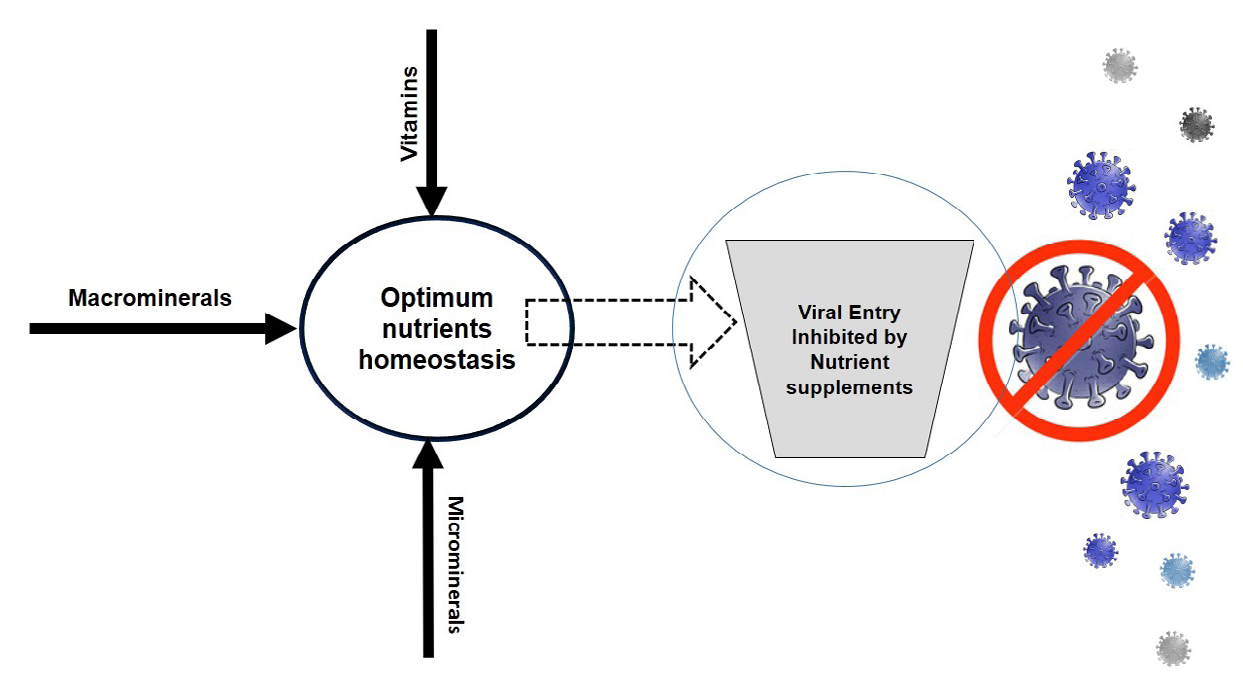
The immune functions of the individuals are dependent on zinc, vitamin D, vitamin C, omega-3 fatty acid and docosahexaenoic acid (DHA). The role of vitamin C is widely known and is required in functioning and proper growth of immune cells as well as in production of antibodies [35]. The role of vitamin D is that they influence the response of immune cells during infection as vitamin D receptors are present on immune cells [36]. Vitamin A deficiency is quite prevalent in India as subsistence is dependent on cereals with limited intake of fruits and green leafy vegetables. Supplementation of vitamin A in preschool children helps in decreasing morbidity and mortality by reducing incidence of measles, malaria, diarrhoea and improves immunity [37].
Role of Vitamins in Preventing COVID19
The expression of antibacterial proteins is increased due to presence of Vitamin D. Vitamin D plays a protective role and is involved in reducing the risks of autoimmune diseases and also tissue transplant rejection [38]. Vitamin D can be obtained from some food and also can be synthesized by the body using sunlight (Table 1). Some of the common sources are mushrooms, fish, egg-yolk, sardines, cheese, milk etc. All over the world the deficiency of vitamin D is seen in spite of ample sunshine it is quote prevalent in India across all gender, age and socio-economic groups [39, 40]. Vitamin D is known for its absorption of calcium and maintain healthy bones along with supportive role in immunity (Figure 1). Nevertheless, it improves both acquired and innate immunity as well as white blood cells capability of fighting pathogens [41, 42].
| Vitamins | Daily requirement (adults > 19 years) | Common Sources | |
|---|---|---|---|
| 1 | A (Retinol) | 650-850mcg | Retinol (liver, dairy, fish), carotenoids (sweet potatoes, carrots, spinach) Green leafy vegetables, nuts, tomatoes, oranges, ripe yellow fruits, guava, milk, liver, carrots, broccoli and watermelon. |
| 2 | D (Calciferol) | 620-860 IU | Sunlight, fish oil, milk, fish, beef, cod liver oil, egg yolk, liver, chicken breast and cereals. |
| 3 | E (Tocopherol) | 14-18mg | Sunflower seeds, wheat germ, almonds, potatoes, pumpkin, guava, mango, milk, nuts and seeds. |
| 4 | K (Phytonadione) | 85-125mcg | Leafy greens, soybeans, pumpkin, tomatoes, broccoli, mangoes, grapes, chestnuts, cashew nuts, beef and lamb. |
Table 1: Regular Common Sources and recommended daily intakes of the fat soluble vitamins.
The recommended daily dietary intake of Vitamin C (Table 2) is 75 mg and 90 mg for women and men respectively. Vitamin C is a strong antioxidant and is involved in protecting against infection by boosting immunity. It helps in production of lymphocytes and phagocytes which is body’s defence mechanism. Vitamin C is also implicated in protection against the free radicals and reactive oxygen species. Vitamin C is also important in strengthening the barrier of the skin [43]. Some of the rich sources of vitamin C are bell peppers, strawberry, gooseberry, lemon, broccoli etc. Supplements of vitamin C have found to be essential in fighting against corona virus.
| Vitamins | Daily requirement (adults > 19 years) | Common Sources | |
|---|---|---|---|
| 1 | B1 (Thiamine) | 1.1-1.2mg | Fresh fruits, corn, cashew nuts, potatoes, sweet potatoes, peas, wheat, milk, dates, black beans, etc. |
| 2 | B2 (Riboflavin) | 1.1-1.3mg | Bananas, grapes, mangoes, peas, pumpkin, dates, yoghurt, milk, mushrooms, popcorn, beef liver, etc. |
| 3 | B3 (Niacin) | 14-17mg | Meat, eggs, fish, milk products, guava, mushroom, peanuts, cereals, green peas, etc. |
| 4 | B5 (Pantothenic Acid) | 4-5mg | Meat, kidney, egg yolk, broccoli, peanuts, fish, chicken, milk, yoghurt, legumes, mushrooms, avocado, etc. |
| 5 | B6 (Pyridoxine) | 1.3mg | Pork, chicken, fish, bread, wholegrain cereals, eggs, vegetables, soya beans, etc. |
| 6 | B7 (Biotin) | 30-35mcg | Walnuts, peanuts, cereals, milk, egg yolks, salmon, pork, mushroom, cauliflower, avocados, bananas, raspberries, etc. |
| 7 | B9 (Folic Acid) | 400mcg | Citrus fruits, green leafy vegetables, whole grains, legumes, beets, etc. |
| 8 | B12 (Cobalamin) | 2.4mcg | Fish, meat, poultry, eggs, milk, etc. |
| 9 | C (Ascorbic acid) | 75-95mg | Fresh citrus fruits such as orange and grapefruit, broccoli, goat milk, black currant and chestnuts. |
Table 2: Regular Common Sources and recommended daily intakes of the water soluble vitamins.
Vitamin E
Vitamin E alpha tocopherol is a fat-soluble vitamin and available from vegetable oils, seeds, green leafy vegetables, and nuts [44]. Green leafy vegetables are also rich in vitamin E (Table 1). It is involved in modulating immune functions and has ability to neutralize free radicals owing to its antioxidant property [45]. Its deficiency is rare but the immune responses are enhanced on supplementation that too in elderly population [46].
Vitamin B
Vitamin B helps in improving cell functioning, respiratory and immune responses. The following vitamins are essential for normal cellular function [47, 48, 49].
Vitamin B1 (Thiamine)
Thiamine assists in immune response against infection. It plays an effective role in decreasing the neuro inflammation and spikes antibody response, improving the functioning of the immune system. This effective antibody responses helped combating the COVID-19 infection and also decreasing the stay in hospitals [50]. It is also implicated in inhibiting the enzyme carbonic anhydrase which aids in improving hypoxia associated with COVID-19 infection. More intensive research is required to support the importance of thiamine in infection caused by SARS-CoV2 (Table 2).
Vitamin B2 (Riboflavin)
Both UV rays and riboflavin have the ability to disrupt the replication of DNA and RNA and have been effective against MERS-CoV infections. Riboflavin (Table 2) has proved to effective in reducing the viral titre in blood and hence in reducing the infection severity [51].
Vitamin B3 (Nicotinamide, Niacin)
Niacin is one of the components of Nicotinamide adenine dinucleotide phosphate and Nicotinamide adenine dinucleotide and having immunomodulatory properties, helps in reducing the mediators of inflammation like Interleukin-1β, Interleukin-6, and homo trimer protein known as Tumor necrosis factor -α during an infection [52, 53, 54]. The role of IL-6 was much evident in patients infected by the SARS-CoV 2 virus. Additionally, nicotinamide aids in the viruses like hepatitis B and human immunodeficiency from replicating. It helps in strengthening the immune system against infection and could be effective agent in reducing inflammation [55, 56].
Vitamin B5 (Pantothenic acid)
Vitamin B5 helps in wound healing and in reducing inflammation. Definite role of vitamin B5 in COVID-19 is yet to be established.
Vitamin B6 (Pyridoxal 5′-phosphate, Pyridoxine) (Vit B6)
Deficiency of Vitamin B6 or Pyridoxal 5′-phosphate leads to reduced immune responses as it has role in inflammatory pathways (Table 2). It reduces the pro-inflammatory cytokines and stops hypercoagulation, played role in soothing COVID-19 symptoms [57].
Vitamin B9 (Folic Acid, Folate)
Vitamin B9 or folic acid is essential vitamin and integral for DNA and protein synthesis as well as in adaptive immune response. It can inhibit furin which participates in the replication of virus and bacteria as well binding of the spike protein of the SARS-CoV2. The role of folic acid is vital in the managing the COVID-19 link respiratory disorders. The derivatives of folicacid such as 5-methyl tetrahydrofolic acid and tetrahydrofolic acid have affinity for SARS-CoV2 and can bind to the structure based on molecular docking [58].
Vitamin B12 (cobalamin)
The deficiency of Vitamin B12 or cobalamin leads to oxidative stress, reactive oxygen species and inflammation, almost similar symptoms (Table 2) are observed in coronavirus infection. Clinical study has shown that magnesium, vitamin D, vitamin B12 have potential of reducing severity of symptoms caused by SARS-Cov2 virus [59, 60, 61].
Role of Micronutrients in Preventing COVID-19
Zinc
Zinc is important essential nutrient with crucial role in immunity. In innate and acquired immunity immune cell need zinc supplementation for cellular growth (Table 3). Zinc is important vital and essential nutrient for the synthesis of antibodies [62]. This nutrient is also essential and important component for proteins and enzymes critical for normal immune function. Immunoglobulins and macrophages are primarily responsible for the immune responses [63].
Zinc not only plays an important role in functioning and development of macrophages, T and B-lymphocytes and immunoglobulins but also in hindering the replication of RNA virus including SARS-CoV [64]. The deficiency of zinc is known to hinder the process of phagocytosis, production of T lymphocytes, activities of natural killer cells, complement activity, reduced functioning of T and B lymphocyte [65] and augments production of inflammatory cytokines (Figure 2). The barriers such as the epidermis is affected and also the respiratory and gastrointestinal mucosa is damaged during zinc deficiency [66].
| Sl. No. | Micro minerals | Daily requirement (adults > 19 years) | Common Sources |
|---|---|---|---|
| 1 | Copper (Cu) | 920mcg | Liver, crabs, cashews |
| 2 | Manganese (Mn) | 1.8-2.5mg | Pineapple, pecans, peanuts |
| 3 | Iron (Fe) | 8-20mg | Oysters, white beans, spinach |
| 4 | Fluoride (F) | 3-4mg | Fruit juice, water, crab |
| 5 | Iodine (I) | 150-180mcg | Seaweed, cod, yogurt |
| 6 | Selenium (Se) | 320-450mg | Brazil nuts, sardines, ham |
| 7 | Zinc (Zn) | 8-12mg | Shellfish: oysters, crab, lobster, Beef, Poultry, Pork, Legumes, Nuts, seeds, Whole grains, Fortified breakfast cereals |
In Indian context as subjected to doctors and practitioners as to patients who test as COVID positive are recommended to consume vitamins and minerals (micro & macro) supplementation for early and safe recovery. The research in being carried out but apart from normal recommended dose no other specific dose not is recommended for recovery of COVID 19 infection.
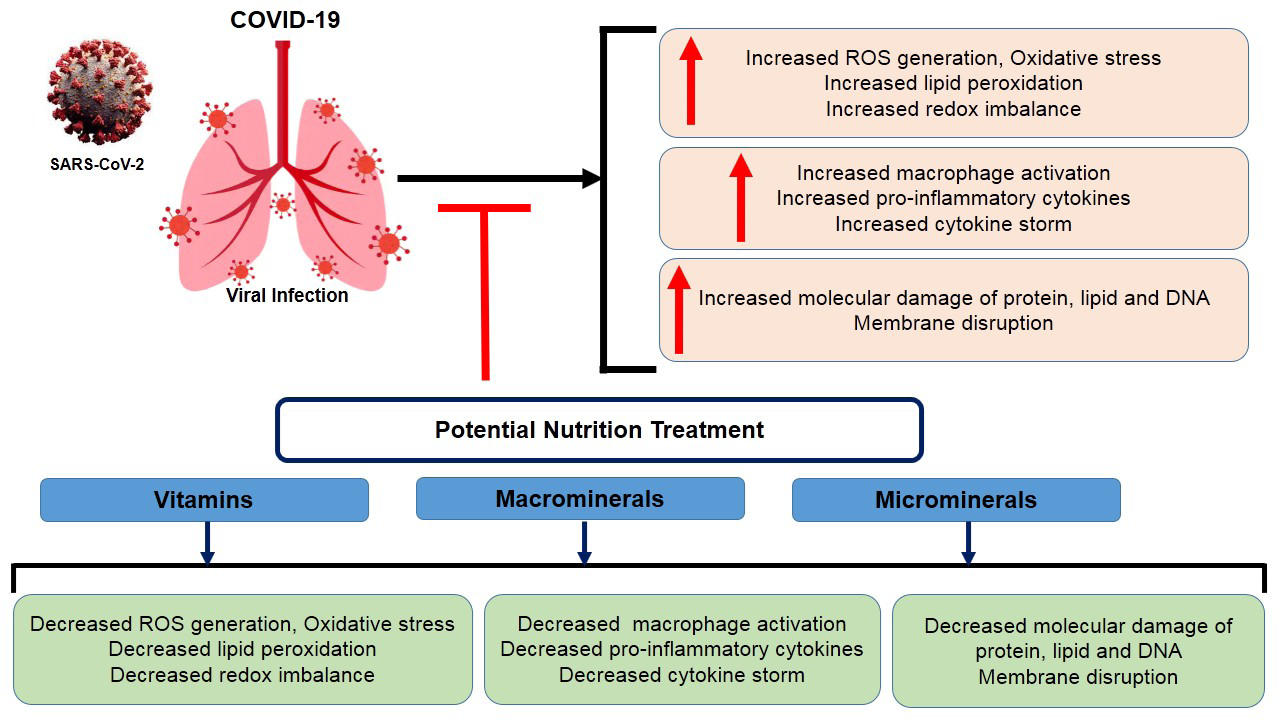
Another important role that zinc plays is as an antioxidant, protecting the cells from damage from free radicals which happens during activation of the immune system. Zinc being a central ion, being cofactor of greater than 300 enzymes, it is important to the structural integrity of the enzyme and modulates enzymatic activities. In animal models it was seen that zinc deficiency leads to atrophy of lymphoid tissue [67] and young zinc deficient mice had impaired immune response. Zinc deficiency also causes high number of regulatory T cells and T17 cells which in turn causes high inflammatory responses and high levels of cytokines (Figure 2) like IL-6, Il-8, and TNF-α [68]. In developing countries elderly and children with low levels of zinc are susceptible to lower respiratory infections.
However, the immune responses can be modified with zinc supplementation. Elderly with zinc deficiency if supplemented with moderate doses of zinc showed reduction in overproduction of inflammatory cytokine and in many adults decreased the risk of respiratory infections [69]. Supplementation of zinc led to decreased mortality in case of severe pneumonia patients as well reduced period of common cold in children as well lowering the risk of pneumonia in them.
Calcium
Calcium and its role in immune responses have been documented by various studies. The change in the availability of calcium present in free form in the cytoplasm mediates the essential immune responses such as killing of pathogens by neutrophils, production of antibodies etc. The immune cells get activated when free cytoplasmic calcium [70, 71] gets augmented which is linked with change in permeability of membranes towards cations which in turn induces necessary physiological changes such as generation of free radicals, proliferation of lymphocytes and degranulation of neutrophils [72]. Verapamil and nifedipine, the calcium channel blockers prevent the immune responses through calcium (Table 4) immobilization. There exists a causal relationship between immune response and free cytoplasmic calcium. Calcium is acting as second messenger in the signalling of lymphocyte (Figure 2) and leukocyte [73, 74, 75].
| Essential Chemical elements | Daily requirement (adults > 19 years) | Common Sources | |
|---|---|---|---|
| 1 | Calcium (Ca) | 2200-2500mg | Milk products, leafy greens, broccoli |
| 2 | Chloride (Cl-) | 1700-2200mg | Seaweed, salt, celery |
| 3 | Potassium (K) | 4500mg | Lentils, acorn squash, bananas |
| 4 | Sodium (Na) | 2400mg | Salt, processed foods, canned soup |
| 5 | Phosphorus (P) | 700-800mg | Salmon, yogurt, turkey |
| 6 | Magnesium (Mg) | 320-450mg | Almonds, cashews, black beans |
Table 4: Regular Common Sources and recommended daily intakes of the essential chemical elements.
Magnesium
Magnesium is a macronutrient which is required abundantly in humans. The increased use of processed food and fertilizers have contributed to low levels of magnesium in the body especially in the western countries. Magnesium deficiency is difficult to detect early as most of the magnesium (Table 4) is present in inner layer of bones and rest intracellularly. Magnesium is required in more than 300 essential metabolic reactions which are ATP dependent, required in protein synderesis, RNA and DNA synthesis. It also regulated blood glucose levels, neuromuscular and signal conduction as well as maintains blood pressure. Hence magnesium deficiency impacts multiple organs systems and their functioning like cardiovascular system, gastrointestinal tract, central nervous system, and metabolism and mood disorders. Few researchers [76] have hypothesized that patients with hypomagnesia and COVID-19 have pathogenesis which is overlapping like increased inflammatory cytokines, reduction of T cells and endothelia dysfunction. The effect on comorbid patients with diabetes, hyper tension is manifested as reduced organ function and compromised immune system due to endothelial dysfunction, compromised vascular integrity and reduced CD4+ and CD8+ T cells [77]. Mg plays a crucial role in inhibiting the inflammatory markers such as prostaglandin E2, C-reactive protein, cytokines (IL-6), and cyclooxygenase-2 of lung tissues by L-type calcium channel inhibition, which in turns inhibits smooth muscle contraction of airways, seen mostlyin asthmatic patients [78]. Magnesium inhibits the formation of blood clots by preventing the formation of plasmin on vascular endothelial through up regulating plasminogen activator inhibition. Magnesium deficiency may promote thromboembolism [79], which has been found in hospitalized COVID-19 patients. The delay in detecting hypomagnesemia diagnosis becomes critical to health of COVID-19 patients. The dose of magnesium and its dietary supplement varies in individuals hence consulting the physician is recommended for proper dosing and usage.
Iron
Iron is also an essential micronutrient and the recommended dietary daily allowance varies with age and sex. In case of pregnant women, the requirement is more compared to non-pregnant women. Since it exists in variable oxidation state (ferrous and ferric state), it can act as catalyst in various intracellular mechanisms such DNA replication etc., as well as participates in electron transport chain and oxygen transport [80].
Pathogens also require iron for their survival and innate immunity gives protection against the microbes as it locks iron (Table 3) intracellularly and decreases the intestinal absorption. This role is carried out by hepcidin and lactoferrin. The enzymes requiring iron as a cofactor are also required for survival and replication of the virus. Researchers have well documented evidences supporting the role of limiting metals such as iron and chromium in fighting and inhibiting growth of viruses such as human immunodeficiency virus, influenza, hepatitis etc., [81, 82] as well as against SARS-CoV-2 also. Some case reports are also document that patients with haemochromatosis had poor prognosis of infections whereas anaemic people are susceptible to higher infections as well as leading to mortality. Hence requirement is having iron levels within the prescribed normal range [83, 84].
Discussion
It has been seen that body’s immunity is severally affected during the SARS-COV-2 infection in humans, hence body is unable to fight against the virus [85]. Health data from various hospitals and medical practitioners suggest that vitamins along with essential minerals supplements in right time can help in combating the virus [86, 87]. The use of vitamins and supplements for the treatment of COVID-19 has shown positive results and early recovery from corona virus infection. Drug therapies included oral vitamin D, intravenous and oral vitamin C, oral vitamin D/magnesium/ vitamin B12, oral zinc, oral combination zinc/ascorbic acid, and intravenous alpha-lipoic acid have showed promising results as supportive care [88, 89, 90].
Earlier studies using vitamin D had shown its antiviral effects, which led to PR actioners theoretically belief in using it as an adjuvant in treating COVID-19 infections. Many studies retrospectically conducted has shown a positive relationship between COVID-19 recovery rate and vitamin D levels [91, 92]. Another study where COVID-19 patients with age above 70 years old, had significantly lower median vitamin D levels in comparison to patients tested negative for COVID-19 (9.3ng/mL versus 23.1ng/mL, respectively; p=0.037) [93]. Some researchers also found similar relation between COVID-19 positivity and vitamin D deficiency [94].
Deficiency of micronutrients can dramatically aggravate the clinical course of SARS-CoV- 2 infection and lead to various complications. The use of vitamin C as therapeutic intervention in such patients is helpful in increasing in recovery and survival rate. Vitamin C helps in decreasing the over-activation of the immune response which leads to decrease in the cytokines storm [95]. Studies have shown a negative correlation between risk factors and zinc level which leads to severity in complications in COVID-19 patients. Obese, diabetic and immune compromised individuals are more likely to have zinc deficiency. Magnesium is a major modulator of the cytokine storm that manifests during COVID-19 infection. Magnesium deficiency can occur as a clinical consequence of diabetes mellitus and chronic kidney disease. Thus, magnesium supplementation is highly recommended in managing patients with co-existing risk factors [96].
Deficiency of several micronutrients such as vitamin D, vitamin C, vitamin A, zinc, selenium, copper and magnesium play a remarkable role in COVID-19 clinical course, where they can alter the disease outcomes and prognosis [97, 98]. Poor outcomes have been noticeably linked to patients with malnutrition, specifically low level of these micronutrients, which can further influence the innate and humoral immune system. In contrast, available studies have suggested that sufficient level of these micronutrients can improve the diseases outcomes, decline complications and optimize the efficiency of COVID-19 vaccine.
Conclusion
During the COVID-19 pandemic it was observed that people with suppressed immunity were more susceptible to being prone to be infected. The plant-based food and supplements could boost immunity and was also studied by many researchers’ world over. The supporting role of Vitamins E, D and C in improving immunity has also been investigated. The importance of diet have been iterated since childhood but the pandemic was an eye-opener to many who used to prefer junk food and now focused on diet rich in fruits and vegetables. Some of the vegetables like spinach, beetroot, cauliflower, bell peppers and eggplant are rich in vitamin C whereas fruits like guava, kiwi, and oranges are rich in vitamin C too. Vitamin C is known to improve immunity and hence the food should be supplemented with these vitamins and minerals to fight infections. Clinical and preclinical studies which can prove the association of vitamins and micronutrients in effectively managing COVID-19 are lacking. Extensive research needs to be conducted across continents to find the mechanism of action with supplements, vitamins and nutrients in relation to the pathogenesis of SARs-CoV-2 infection.
Moreover, various vaccines have been successfully marketed and work on targeted drug therapy is undergoing which is complicated, expensive and has narrow spectrum activity, whereas contrastingly the supplementation of micronutrients and vitamins are relatively cost effective having broad spectrum activity along with plausible long- term benefits. The risk outweighs the benefits with novel drugs and vaccine in contrast to negligible risk associated with the micronutrients. Hence, it is desirable and advisable to manage the SARS-CoV-2 infection by supplementing with minerals and vitamins.
Acknowledgment
The authors are thankful to Dr. Atiskumar Chottopadhyay, Principal Secretary, Faculty Council of Science, Jadavpur University, Kolkata-700032 for his guidance and valuable suggestion to full fill this review. The authors are also grateful to the management of Dey’s medical & RCCIIT for their valuable support.
Consent for Publication: Not applicable.
Availability of Data and Material: PubMed, Google Scholar, Medscape.
Competing Interests: The authors declare that they have no competing interests.
Authors’ Contributions: SD and SA conceptualized, wrote and edited this manuscript.
References
-
Calder PC, Carr AC, Eggersdorfer M, Gombart AF (2020) Optimal Nutritional Status for aWell-Functioning Immune System Is an Important Factor to Protect against Viral Infections. Nutrients 12(4): 1181.
-
Karim T, Muhit M, Khandaker G (2017) Interventions to prevent respiratory diseases-Nutrition and the developing world. Paediatr Respir Rev 22: 31-37.
-
WHO (2020) COVID-19 Studies from the World Health Organization Database; WHO: Geneva, Switzerland.
-
Xu Z, Shi L, Wang Y, Zhang J, Huang L, et al. (2020) Pathological findings of COVID-19 associated with acute respiratory distress syndrome. Lancet Respir Med 8(4): 420-422.
-
Yan R, Zhang Y, Guo Y, Zhou Q, Li Y, et al. (2020) Structural basis for the recognition of SARS-CoV-2 by full-length human ACE2. Science 367(6485): 1444-1448.
-
Chen L, Hao G (2020) The role of angiotensin-converting enzyme 2 in coronaviruses/influenza viruses and cardiovascular disease. Cardiovasc Res 116(12): 1932- 1936.
-
Jayawardena R, Sooriyaarachchi P, Chourdakis M, Jeewandara C, Ranasinghe P (2020) Enhancing immunity in viral infections, with special emphasis on COVID-19: A review. Diabetes MetabSyndr Clin Res Rev 14(4): 367- 382 .
-
Ivanov V, Ivanova S, Niedzwiecki A, Rath M, Niedzwiecki A (2020) Effective and safe global public health strategy to fight the COVID-19 pandemic: Specific micronutrient composition inhibits Coronavirus cell-entry receptor (ACE2) expression.
-
Jeffrey CTC, Liu M, Katovich MJ, Raizada MK, Shenoy V (2015) ACE2, and microbiota: emerging targets for cardiopulmonary disease therapy. J Cardiovasc Pharmacol 66(6): 540-550.
-
Gheblawi M, Wang K, Viveiros A, Nguyen Q, Zhong JC, et al. (2020) Angiotensin-converting enzyme 2: SARS- CoV-2 receptor and regulator of the renin-angiotensin system: celebrating the 20th anniversary of the discovery of ACE2. Circ Res 126(10): 1456-1474.
-
Gombart AF, Pierre A, Maggini S (2020) A review of micronutrients and the immune system-working in harmony to reduce the risk of infection. Nutrients 2(1): 236.
-
Ashour HM, Elkhatib WF, Rahman M, Elshabrawy HA (2020) Insights into the recent 2019 novel coronavirus (SARS-CoV-2) in light of past human coronavirus outbreaks. Pathogens 9(3): 186.
-
Cascella M, Rajnik M, Cuomo A, Dulebohn SC, Napoli RD (2020) Features, evaluation and treatment coronavirus (COVID-19). _In_: Statpearls.
-
Calder PC, Carr AC, Gombart AF, Eggersdorfer M (2020) Reply to Comment on: Optimal Nutritional Status for a Well-Functioning Immune System Is an Important Factor to Protect against Viral Infections. Nutrients 12(8): 2326.
-
Zabetakis I, Lordan R, Norton C, Tsoupras A (2020) COVID-19: the inflammation link and the role of nutrition in potential mitigation. Nutrients 12(5): 1466.
-
World Health Organization (2020) WHO Director- General’s Remarks at the Media Briefing on 2019-nCoV On. 11.
-
Gorbalenya AE, Baker SC, Baric RS, De Groot RJ, Drosten C, et al. (2020) The Species Severe Acute Respiratory Syndrome-related Coronavirus, Classifying 2019-nCoV and Naming It SARS-CoV-2. Nat Microbiol 5(4): 536-544.
-
Li J, Zhang L, Liu B, Song D (2020) Case Report: Viral Shedding for 60 Days in a Woman with COVID-19. The American Journal of Tropical Medicine and Hygiene 102(6): 1210-1213.
-
Rothe C, Schunk M, Sothmann P, Bretzel G, Froeschl G, et al. (2020) Transmission of 2019-nCoV Infection from an Asymptomatic Contact in Germany. N Engl J Med 382(10): 970-971.
-
Agarwal S, Darbar S, Saha S (2020) The role of immunity in the physical and mental well-being of women in India during Covid-19 pandemic. Parana Journal of Science and Education 6(7): 1-8.
-
Agarwal S, Darbar S, Saha S, Deb T (2021) Prevention is always better than Cure: Immunity Boosting to Fight Infections. Open Journal of Medical Sciences 1(1): 28-42
-
Darbar S, Agarwal S, Saha S (2021) COVID19 vaccine: COVAXIN®-India’s first indigenous effective weapon to fight against coronavirus (A Review). Parana J Sci Educ 7(3): 1-9.
-
Darbar S, Saha S, Agarwal S (2021) Immunomodulatory role of vitamin C, D and E to fight against COVID-19 infection through boosting immunity: A Review. Parana Journal of Science and Education 7(1): 10-18.
-
Cervantes LK, Pampena MB, Meng W, Rosenfeld AM, Ittner CAG et al. (2020) Immunologic perturbations in severe COVID-19/SARS-CoV-2infection. BioRxiv2020.
-
Tay MZ, Poh CM, Renia L, MacAry PA, Ng LFP (2020) The trinity of COVID-19: Immunity, inflammation and intervention. Nat Rev Immunol 20(6): 363-374.
-
Pae M, Wu D (2017) Nutritional modulation of age- related changes in the immune system and risk of infection. Nutr Res 41: 14-35.
-
Agarwal S, Darbar S, Saha S (2020) Immunity augmenting food supplements for susceptible individuals in combating pandemic COVID-19. Parana Journal of Science and Education 6(4): 79-88.
-
Agarwal S, Darbar S, Saha S (2020) Covid-19 Pandemic and its socio-economic impact in India. Virus Economy 1.
-
Darbar S, Agarwal S, Saha S, Srimoyee (2021) Effective food habits to improve immunity against Covid-19. Journal of Basic Pharmacology and Toxicology 5(1): 1-6.
-
Darbar S, Agarwal S, Saha S (2021) Pervasiveness and Consequence of Co-Infection and Superinfection with SARS-CoV and Mucormycosis (Black Fungus): A Systematic Review. Global Journal of Epidemiology and Infectious Disease 1: 1-11.
-
Li G, Fan Y, Lai Y, Han T, Li Z, et al. (2020) Coronavirus infections and immune responses. J Med Virol 92(4): 424-432.
-
Dai X, Hakizimana O, Zhang X, Kaushik AC, Zhang J (2020) Orchestrated efforts on host network hijacking: Processes governing virus replication. Virulence 11(1): 183-198.
-
Zhou P, Yang XL, Wang XG, Hu B, Zhang L, et al. (2020) Addendum: A pneumonia outbreak associated with a new coronavirus of probable bat origin. Nature 588(7836): E.
-
Mathew D, Giles JR, Baxter AE, Greenplate AR, Wu JE, et al. (2020) Deep immune profiling of COVID-19 patients reveals patient heterogeneity and distinct immunotypes with implications for therapeutic interventions. BioRxiv.
-
Baeke F, Takiishi T, Korf H, Gysemans C, Mathieu C (2010) Vitamin D: Modulator of the immune system. Curr Opin Pharmacol 10(4): 482-496.
-
Holick MF (2004) Sunlight and vitamin D for bone health and prevention of autoimmune diseases, cancers, and cardiovascular disease. Am J Clin Nutr 80(sup 6): 1678s-1688s.
-
Jiancheng Z, Bing X, Kenji H (2020) Current status of potential therapeutic candidates for the COVID-19 crisis. Brain Behav Immun 87: 59-73.
-
Biancatelli RMLC, Berrill M, Catravas JD, Marik PE (2020) Quercetin and Vitamin C: An Experimental, Synergistic Therapy for the Prevention and Treatment of SARS- CoV-2 Related Disease (COVID-19). Front Immunol 11: 1451.
-
Liu F, Zhu Y, Zhang J, Li Y, Peng Z (2020) Intravenous high- dose vitamin C for the treatment of severe COVID-19: Study protocol for a multicentre randomised controlled trial. BMJ Open 10(7): e039519.
-
Carr AC, Maggini S (2017) Vitamin C and Immune Function. Nutrients 9(11): 1211.
-
Lee GY, Han SN (2018) The Role of Vitamin E in Immunity. Nutrients 10(11): 1614.
-
Galmes S, Serra F, Palou A (2018) Vitamin E Metabolic Effects and Genetic Variants: A Challenge for Precision Nutrition in Obesity and Associated Disturbances. Nutrients 10(12): 1919.
-
Beck MA, Kolbeck PC, Rohr LH, Shi Q, Morris VC, et al. (1994) Vitamin E deficiency intensifies the myocardial injury of coxsackievirus B3 infection of mice. J Nutr 124(3): 345-358.
-
Zhang L, Liu Y (2020) Potential interventions for novelcoronavirus in China: A systematic review. J Med Virol 92(5): 479-490.
-
Michele CA, Angel B, Valeria L, Marinelli T, De Luca P, et al. (2020) Vitamin supplements in the era of sars-cov2 pandemic. GSC Biological and Pharmaceutical Sciences 11(2): 007-019.
-
Mikkelsen K, Apostolopoulos V (2019) Vitamin b1, b2, b3,b5, and b6 and the immune system. In: Mahmoudi M, et al. (Eds.), Nutrition and Immunity. Cham: Springer International Publishing 2019: 115-125.
-
Ozdemir ZO, Senturk M, Ekinci D (2013) Inhibition ofmammalian carbonic anhydrase isoforms I, II and VIwith thiamine and thiamine-like molecules. J EnzymeInhib Med Chem 28(2): 316-319.
-
Ragan I, Hartson L, Pidcoke H, Bowen R, Goodrich R (2020) Pathogen reduction of SARS-CoV-2 virus in plasma and whole blood using riboflavin and UV light. PLOSONE 15(5): e0233947.
-
Mikkelsen K, Apostolopoulos V (2018) B vitamins and ageing. SubcellBiochem 90: 451-470.
-
Mikkelsen K, Stojanovska L, Apostolopoulos V (2016) The effects of vitamin b in depression. Curr Med Chem 23(38): 4317-4337.
-
Mikkelsen K, Stojanovska L, Prakash M, Apostolopoulos V (2017) The effects of vitamin B on theimmune/cytokine network and their involvement indepression. Maturitas 96: 58-71.
-
Liu B, Li M, Zhou Z, Guan X, Xiang Y (2020) Can we useinterleukin-6 (IL-6) blockade for coronavirus disease 2019 (COVID-19)-induced cytokine release syndrome(Crs)?. J Autoimmun 111: 102452.
-
Mehmel M, Jovanovic N, Spitz U (2020) Nicotinamideriboside-the current state of research and therapeutic uses. Nutrients 12(6): 1616.
-
Nix WA, Zirwes R, Bangert V, Raimund PK, Matthias S, et al. (2015) Vitamin B status in patients with type 2 diabetes mellitus with andwithout incipient nephropathy. Diabetes Res Clin Pract 107(1): 157-165.
-
Kumar V, Sudhakar K, Jena M (2020) In silico virtual screening-based study of nutraceuticals predicts the therapeutic potentials of folic acid and its derivatives against COVID-19. Virus disease 32(1): 29-37.
-
Sabry W, Elemary M, Burnouf T, SeghatchianJ, Goubran H (2020) Vitamin B12 deficiency and metabolism mediated thrombotic microangiopathy (Mm-tma). Transfus Apher Sci 59(1): 102717.
-
Stipp MM (2020) SARS-CoV-2: micronutrient optimization in supporting host immunocompetence. Int J ClinCase Rep Rev J Nutri Bio 6(1): 430-443.
-
Grange S, Bekri S, Artaud-Macari E (2015) Adult- onsetrenal thrombotic microangiopathy and pulmonary arterial hypertension in cobalamin C deficiency. Lancet 386(9997): 1011.
-
Fuhrman J (2020) Immunity Benefits of Zinc as We Age very well health.
-
Calder PC, Carr AC, Gombart AF, Eggersdorfer M (2020) Optimal Nutritional Status for a Well-Functioning Immune System Is an Important Factor to Protect against Viral Infections Nutrients. 12(4): 1181.
-
Maares M, Haase H (2016) Zinc and Immunity: An Essential Interrelation. Arch Biochem Biophys 611: 58- 65.
-
Maywald M, Wessels I, Rink L (2017) Zinc Signals and Immunity. Int J Mol Sci 18(10): 2222.
-
Wessels I, Maywald M, Rink L (2017) Zinc as a Gatekeeper of Immune Function. Nutrients 9(12): 1286.
-
Razzaque MS (2020) COVID-19 Pandemic: Can Maintaining Optimal Zinc Balance Enhance Host Resistance?. Tohoku J Exp Med 251(3): 175-181.
-
Read SA, Obeid S, Ahlenstiel C, Ahlenstiel G (2019) The Role of Zinc in Antiviral Immunity. Adv Nutr 10 (4): 696- 710.
-
TeVelthuis AJ, van den Worm SH, Sims AC, Baric RS, Snijder EJ, et al. (2010) Zn(2+) Inhibits Coronavirus and Arterivirus RNA Polymerase Activity in Vitro and Zinc Ionophores Block the Replication of These Viruses in Cell Culture. PLoS Pathog 6(11): e1001176.
-
Grinstein S, Klip A (1989) Calcium homeostasis and the activation of calcium channels in cells of the immune system. Bull N Y Acad Med 65: 69-79.
-
Lewis RS (2001) Calcium signaling mechanisms in T lymphocytes.Annu Rev Immunol 19: 497-521.
-
Gronski MA, Kinchen JM, Juncadella IJ, Franc NC, Ravichandran KS (2009) An essential role for calcium flux in phagocytes for apoptotic cell engulfment and the anti-inflammatory response. Cell Death Differ 16(10): 1323-1331.
-
Zhou Y, Frey TK, Yang JJ (2009) Viral calciomics: Interplays between Ca2+ and virus. Cell Calcium 46(1): 1-17.
-
Cappellini F, Brivio R, Casati M, Cavallero A, Contro E, et al. (2020) Low levels of total and ionized calcium inblood of COVID-19 patients. Clinical Chemistry and Laboratory Medicine 58(9): e171-e173.
-
Sun JK, Zhang WH, Zou L, Ying L, Jing JL, et al. (2020) Serum calcium as a biomarker of clinical severity and prognosis in patients with coronavirus disease 2019. Aging 12(12): 11287-11295.
-
Tang CF, Ding H, Jiao RQ, Wu XX, Kong LD (2020) Possibility of magnesium supplementation for supportive treatment in patients with COVID-19. Eur J Pharmacol 886: 173546.
-
Lotti S, Wolf F, Mazur A, Maier JA (2020) The COVID- 19pandemic: is there a role for magnesium? Hypotheses and perspectives. Magnes Res 33(2): 21-27.
-
Price LC, McCabe C, Garfield B, Wort SJ (2020) Thrombosis and COVID-19 pneumonia: the clot thickenss! Eur Respir J 56(1): 2001608.
-
Abbaspour N, Hurrell R, Kelishadi R (2014) Review on iron and its importance for human health. J Res Med Sci 19(2): 164-174.
-
Weiss G (2002) Iron and immunity: A double-edged sword. Eur J Clin Investig 32(1): 70-78.
-
Resnick MW (2018) Crossing the Iron Gate: Why and How Transferrin Receptors Mediate Viral Entry. Annu Rev Nutr 38: 431-458.
-
Jayaweera J, Reyes M, Joseph A (2019) Childhood iron deficiency anemia leads to recurrent respiratory tract infections and gastroenteritis. Sci Rep 9(1): 12637.
-
Maggini S, Pierre A, Calder PC (2018) Immune Function and Micronutrient Requirements Change over the Life Course. Nutrients 10(10): 1531.
-
Weiler RB, Lanser L, Fritsche G, Woll E, Rangger L, et al. (2020) Prevalence and Predictive Value of Anemia and Dysregulated Iron Homeostasis in Patients with COVID-19 Infection. J Clin Med 9(8): 2429.
-
World Health Organization (WHO) (2021) Naming the coronavirus disease (COVID-19) and the virus that causes it.
-
World Health Organization (WHO) (2021) Rolling updates on coronavirus disease (COVID-19).
-
World Health Organization (WHO) (2021) Virtual press conference on COVID-19.
-
Johns Hopkins University and Medicine (2021) Coronavirus Resource Center.
-
Baden LR, El Sahly HM, Essink B, Karen K, Sharon F, et al. (2021) Efficacy and safety of the mRNA-1273 SARS- CoV-2 Vaccine. N Engl J Med 384(5): 403-416.
-
Polack FP, Thomas SJ, Kitchin N, Judith A, Alejandra G, et al. (2020) Safety and efficacy of the BNT162b2 mRNA Covid-19 Vaccine. N Engl J Med 383(27): 2603-2615.
-
Sadoff J, Le Gars M, Shukarev G, Dirk H, Carla T, et al. (2021) Interim results of a phase 1-2a trial of Ad26. COV2.S Covid-19 vaccine. N Engl J Med 384(19): 1824- 1835.
-
Cavalcanti AB, Zampieri FG, Rosa RG, Luciano CPA, Viviane CV, et al. (2020) Hydroxychloroquine with or without azithromycin in mild-to-moderate Covid-19. N Engl J Med 383(21): 2041-2052.
-
Jee J, Hoet AE, Azevedo MP, Vlasova AN, Loerch SC, et al. (2013) Effects of Dietary Vitamin A Content on Antibody Responses of Feedlot Calves Inoculated Intramuscularly with an Inactivated Bovine Coronavirus Vaccine. Am J Vet Res 74(10): 1353-1413.
-
Demir M, Demir F, Aygun H (2021) Vitamin D deficiency is associated with COVID-19 positivity and severity of the disease. J Med Virol 93(5): 2992-2999.
-
Infusino F, Marazzato M, Mancone M, Fedele F, Mastroianni CM, et al. (2020) Diet supplementation, probiotics, and nutraceuticals in SARS-CoV-2 infection: a scoping review. Nutrients 12(6): 1718.
-
Bae M, Kim H (2020) The role of vitamin C, vitamin D, and selenium in immune system against COVID-19. Molecules 25 (22): 5346.
-
Elham AS, Azam K, Azam J, Mostafa L, Nasrin B, et al. (2021) Serum vitamin D, calcium, and zinc levels in patients with COVID-19. Clinical Nutrition ESPEN 43: 276-282.
-
Shakeri H, Azimian A, Moghaddam HG, Safdari M, Haresabadi M, et al. (2022) Evaluation of the relationship between serum levels of zinc, vitamin B12, vitamin D, and clinical outcomes in patients with COVID‐19. Journal of Medical Virology 94(1): 141-146.
- Hydrogen Peroxide Scavenging by Methanolic Extracts of Coriander: An In Vitro Antioxidant Study
- Aromatherapy in Palliative Care: A Fragrant Quest for Relief
- Empowering Women, Securing Futures: Contraception’s Role in Socioeconomic Progress in India
- Effect of Crospovidone, Croscaramellose Sodium in Combination on the Drug Release of Anti diabetic Medication in Tablet Form
- Knowledge, Attitudes, Anxiety, and Preventive Behaviors Regarding Covid-19 Affliction among Healthcare Workers in Pakistan
- “Competitive Landscape and Brand Equivalents: Implications for ANDA (Abbreviated New Drug Application) Approval”