
Prevalence of Hypertension and Risk Factors
Hypertension is a major chronic life style disease and important public health problem worldwide. Hypertension as rule defined by the existence of a chronic altitude of systemic arterial pressure above a certain sill value. However, rising evidence indicates that the cardiovascular (CV) risk associated with elevation of blood pressure (BP) above approximately 115/75mmHg increases in a logâ€linear fashion. A recent review indicates that nearly one billion adults had hypertension in 2000 and this is predicted to increase to 1.56billion by 2025. The review previous studies were method to take out of recently study. The aim of review article to showing of both classification aspects of hypertension, blood pressure measurement, treatment of hypertension, hypertension in specific circumstances, hypertension and disease and blood pressure relationship with risk factor. In conclusion knowledge and awareness regarding the health consequences of lifestyle changes are generally expected to be high among clinicians. This in turn could influence the prevalence of lifestyle diseases such as diabetes and hypertension among them.
Introduction
Hypertension is indicates that nearly one billion adults had hypertension in 2000 and this is predicted to increase to 1.56billion by 2025 [1]. Hypertension is a precursor to major diseases like CVD and renal failure etc. High BP is estimated to cause 7.1million deaths and annually accounting for 13% of all a major chronic life style disease and important public health problem worldwide. A recent report deaths globally. In the developing countries the mortality and morbidity of CVD are on the rise [2]. Hypertension and obesity are very strongly associated with cardiovascular diseases all over the world. Cardiovascular disease (CVD) is the first cause of death globally, killing about 17.5million people annually, representing 30% of all global deaths. Projections suggest that by 2013, over 23million people would die of CVDs annually [3].
The Problem Statement doctors play a vital role in the health and welfare of the people of a nation. Health of the doctors is of importance because they themselves must be healthy to perform their jobs optimally under challenging work environments. Many of the previous studies reported that, doctors who have healthy behaviors or received some preventive practices, were more likely to counsel their patients to have similar health-promoting behaviors. Doctors’ health, including Physical and mental health issues, is very important where their health affects their patients [4]. Knowledge and awareness regarding CVDs and the associated risk factors is expected to be good among doctors and nurses since they have access to information. However, they are also known to have a sedentary lifestyle with high levels of stress, lack of proper rest and irregular eating habits making them highly vulnerable to Cardio-vascular diseases [5, 6, 7].
Though there are multiple studies that have looked at the prevalence of hypertension risk factors in the general population, there are only few studies looking at the prevalence of risk factors for hypertension among the doctors in Yemen or abroad. The prevalence of risk factors for hypertension among the doctors in a tertiary care hospital will help in designing necessary interventions for the prevention of hypertension among them. Hence, I aim from this study to quantify the prevalence of hypertension and the hypertension risk factors among doctors in tertiary care medical college hospitals in Sana’a city.
Justification
I hope from this research to be a guide for the health system and help health administrators in surveillance and monitoring the disease and contribute in drawing up the policy strategy for health services on this matter especially in the absence and a little reliable information in this scope. This research provides information for health workers, students of health and interested readers about the determinants and risk factors which contribute in occurrence of hypertension among medical doctors, and the aim study also viewing to determine the prevalence of hypertension among doctors and risk factors affecting it.
Methodology
This chapter reviews the relevant literature from previous studies on patients. The conceptual, as well as the theoretical frameworks will be described.
Definition, Classification, and Epidemiological Aspects of Hypertension
Definition of Hypertension
The relationship between BP and cardiovascular (CV) and renal events is continuous, making the distinction between normotension and hypertension, based on cut- off BP values, somewhat arbitrary [8, 9, 10]. However, in practice, cut-off BP values are used for pragmatic reasons to simplify the diagnosis and decisions about treatment. Epidemiological associations between BP and CV risk extend from very low levels of BP [i.e. systolic BP (SBP) >115mmHg]. However, ‘hypertension’ is defined as the level of BP at which the benefits of treatment (either with lifestyle interventions or drugs) unequivocally outweigh the risks of treatment, as documented by clinical trials. This evidence has been reviewed and provides the basis for the recommendation that the classification of BP and definition of hypertension remain unchanged from previous ESH/ESC Guidelines (Table 1) [8]. Hypertension is defined as office SBP values >_140mmHg and/or diastolic BP (DBP) values >_90mmHg. This is based on evidence from multiple RCTs that treatment of patients with these BP values is beneficial.
Classification of Blood Pressure
It is recommended that BP be classified as optimal, normal, high–normal, or grades 1-3 hypertension, according to office BP [8].
| Systolic (mmHg) | Diastolic (mmHg) | ||
|---|---|---|---|
| Optimal | <120 | and | <80 |
| Normal | 120-129 | and/or | 80-84 |
| High Normal | 130-139 | and/or | 85-89 |
| Grade 1 Hypertension | 140-159 | and/or | 90-99 |
| Grade 2 Hypertension | 160-179 | and/or | 100-109 |
| Grade 3 Hypertension | >180 | and/or | >110 |
| Isolated Systolic Hypertension b | >140 | and | <90 |
Table 1: Classification of office blood pressure and definitions of hypertension grade.
Changes in Recommendations between 2013 and 2018
| Changes in Recommendations | |
|---|---|
| 2013 | 2018 |
| Diagnosis | Diagnosis |
| Office BP is recommended for screening and diagnosis of hypertension. | It is recommended to base the diagnosis of hypertension on: Repeated office BP measurements; or Out-of-office BP measurement with ABPM and/or HBPM if logistically and economically feasible. |
| Treatment thresholds Highnormal BP (130-139/85-89 mmHg): Unless the necessary evidence is obtained, it is not recommended to initiate antihypertensive drug therapy at high-normal BP. | Treatment thresholds High normal BP (130-139/85-89 mmHg): Drug treatment may be considered when CV risk is very high due to established CVD, especially CAD. |
| Treatment thresholds Treatment of low-risk grade 1 hypertension: Initiation of antihypertensive drug treatment should also be considered in grade 1 hypertensive patients at low-moderate-risk, when BP is within this range at several repeated visits or elevated by ambulatory BP criteria, and remains within this range despite a reasonable period of time with lifestyle measures. | Treatment thresholds Treatment of low-risk grade 1 hypertension: In patients with grade 1 hypertension at low- moderate-risk and without evidence of HMOD, BP-lowering drug treatment is recommended if the patient remains hypertensive after a period of lifestyle intervention. |
| Treatment thresholds Older patients Antihypertensive drug treatment may be considered in the elderly (at least when younger than 80 years) when SBP is in the 140-159mmHg range, provided that antihypertensive treatment is well tolerated. | Treatment thresholds Older patients BP-lowering drug treatment and lifestyle intervention is recommended in fit older patients (>65 years but not >80 years) when SBP is in the grade 1 range (140-159 mmHg), provided that treatment is well tolerated. |
| BP treatment targets | BP treatment targets |
| An SBP goal of <140 mmHg is recommended. | It is recommended that the first objective of treatment should be to lower BP to <140/90 mmHg in all patient and, provided that the treatment is well tolerated, treated BP values should be targeted to 130/80 mmHg or lower in most patients. In patients <65 years it is recommended that SBP should be lowered to a BP range of 120-129 mmHg in most patients. |
Table 2: Classification of office blood pressure and definitions of hypertension grade.
BP Treatment Targets in Older Patients (65-80 Years) BP Treatment Targets in Older Patients (65-80 Years) An SBP target of between 140-150mmHg is recommended for older patients (65-80 years). In older patients (>65 years), it is recommended that SBP should be targeted to a BP range of 130-139 mmHg.
BP treatment targets in patients aged over 80 years BP treatment targets in patients aged over 80 years An SBP target between 140-150mmHg should be considered in people older than 80 years, with an initial SBP >160 mmHg, provided that they are in good physical and mental condition.
An SBP target range of 130-139 mmHg is recommended for people older than 80 years, if tolerated.
DBP targets DBP targets
A DBP target of <90mmHg is always recommended, except in patients with diabetes, in whom values <85mmHg are recommended.
A DBP target of <80 mmHg should be considered for all hypertensive patients, independent of the level of risk and comorbidities.
Initiation of drug treatment Initiation of drug treatment
It is recommended to initiate an antihypertensive treatment with a two-drug combination, preferably in a SPC. The exceptions are frail older patients and those at low risk and with grade 1 hypertension (particularly if SBP is <150 mmHg).
- Initiation of antihypertensive therapy with a two-drug combination may be considered in patients with markedly high baseline BP or at high CV risk.
- Resistant hypertension
- Resistant hypertension
- Mineralocorticoid receptor antagonists, amiloride, and the alpha-1 blocker doxazosin should be considered if no contraindication exists.
- Device-based therapy for hypertension
- Device-based therapy for hypertension
- In case of ineffectiveness of drug treatment, invasive procedures such as renal denervation and baroreceptor stimulation may be considered.
- Recommendation Grading
- Grade 1 Grade 1A
- Grade 11B Grade 111
Table 3: Changes in recommendations between 2013 and 2018.
Based on office BP, the global prevalence of hypertension was estimated to be 1.13billion in 2015 [11, 12, 13, 14], with a prevalence of over 150million in central and eastern Europe. The overall prevalence of hypertension in adults is around 30%-45% [15], with a global age standardized prevalence of 24% and 20% in men and women, respectively, in 2015 [11]. This high prevalence of hypertension is consistent across the world, irrespective of income status, i.e. in lower, middle, and higher income countries [15]. Hypertension becomes progressively more common with advancing age, with a prevalence of >60% in people aged >60 years [15, 16]. As populations age, adopt more sedentary lifestyles, and increase their body weight, the prevalence of hypertension worldwide will continue to rise. It is estimated that the number of people with hypertension will increase by 15% 20% by 2025, reaching close to 1.5 billion [17].
Blood Pressure Measurement
Conventional office Blood Pressure Measurement
Auscultatory or oscillometric semi-automatic or automatic sphygmomanometers are the preferred method for measuring BP in the doctor’s office. These devices should be validated according to standardized conditions and protocols [8]. BP should initially be measured in both upper arms, using an appropriate cuff size for the arm-circumference.
Home BP is the average of all BP readings performed with a semiautomatic, validated BP monitor, for at least 3days and preferably for 6-7 consecutive days before each clinic visit, with readings in the morning and the evening, taken in a quiet room after 5min of rest, with the patient seated with their back and arm supported. Two measurements should be taken at each measurement session, performed 1-2min a part [19].
Treatment of Hypertension
Lifestyle Changes
Healthy lifestyle choices can prevent or delay the onset of hypertension and can reduce CV risk [8]. Effective lifestyle changes may be sufficient to delay or prevent the need for drug therapy in patients with grade 1hypertension. They can also augment the effects of BP lowering therapy, but they should never delay the initiation of drug therapy in patients with HMOD or at a high level of CV risk. The recommended lifestyle measures that have been shown to reduce BP are salt restriction, moderation of alcohol consumption, high consumption of vegetables and fruits, weight reduction and maintaining an ideal body weight, and regular physical activity.
Dietary Sodium Restriction
There is evidence of a causal relationship between sodium intake and BP, and excessive sodium consumption (>5g sodium per day, e.g. one small teaspoon of salt per day) has been shown to have a presser effect and be associated with an increased prevalence of hypertension and the rise in SBP with age.
Smoking Cessation
Smoking is a major risk factor for CVD and cancer. No chronic effect of smoking has been reported for office BP [20, 21, 22], which is not lowered by smoking cessation. Smoking is second only to BP in contributing risk to the global burden of disease, and smoking cessation is probably the single most effective lifestyle measure for the prevention of CVD, including stroke, myocardial infarction, and PAD [8, 23].
Regular Physical Activity
Physical activity induces an acute rise in BP, especially SBP, followed by a short-lived decline in BP below baseline. Epidemiological studies suggest that regular aerobic physical activity may be beneficial for both the prevention and treatment of hypertension, and to lower CV risk and mortality. A meta-analysis of RCTs, which rely on self- reported exercise and are by necessity unblended, has shown that aerobic endurance training, dynamic resistance training, and isometric training reduce resting SBP and DBP by 3.5/2.5, 1.8/3.2, and 10.9/6.2mmHg, respectively, in general populations [8].
Weight Reduction
Excessive weight gain is associated with hypertension, and reducing weight towards an ideal body weight decreases BP [20]. In a meta-analysis, the mean SBP and DBP reductions associated with an average weight loss of 5.1 kg were 4.4 and 3.6 mmHg, respectively [21].
Pharmacological Therapy for Hypertension
Most patients will require drug therapy in addition to lifestyle measures to achieve optimal BP control. In the previous Guidelines, five major drug classes were recommended for the treatment of hypertension: ACE inhibitors, ARBs, beta-blockers, CCBs, and diuretics (thiazides and thiazide-like diuretics such as chlortalidone and indapamide), based on:
- Proven ability to reduce BP.
- Evidence from placebo-controlled studies that they reduce CV events; and
- Evidence of broad equivalence on overall CV morbidity and mortality, with the conclusion that benefit from their use predominantly derives from BP lowering [8].
Blockers of the Renin-Angiotensin System (Angiotensin-Converting Enzyme Inhibitors and Angiotensin Receptor Blockers)
Both ACE inhibitors and ARBs are among the most widely used classes of antihypertensive drugs. They have similar effectiveness [24, 25, 26], as each other and other major drug classes on major CV events and mortality outcomes [9]. ARBs are associated with significantly lower treatment discontinuation rates for adverse events than those of all other antihypertensive therapies [27], and similar rates to placebo [24]. ACE inhibitors and ARBs should not be combined for the treatment of hypertension because there is no added benefit on outcomes and an excess of renal adverse events [28, 29]. Both ACE inhibitors and ARBs reduce albuminuria more than other BP-lowering drugs and are effective at delaying the progression of diabetic and non- diabetic CKD [8].
Calcium Channel Blockers
CCBs are widely used for the treatment of hypertension and have similar effectiveness as other major drug classes on BP, major CV events, and mortality outcomes.2,292CCBs have a greater effect on stroke reduction than expected for the BP reduction achieved, but may also be less effective at preventing HFrEF [8].
Thiazide/Thiazide-Like Diuretics
Diuretics have remained the cornerstone of antihypertensive treatment since their introduction in the 1960s. Their effectiveness in preventing all types of CV morbidities and mortality has been confirmed in RCTs and meta-analyses.300 Diuretics also appear to be more effective than other drug classes in preventing heart failure [8].
Beta-Blockers
RCTs and meta-analyses demonstrate that when compared with placebo, beta-blockers significantly reduce the risk of stroke, heart failure, and major CV events in hypertensive patients.
| Drug | Contraindications | |
|---|---|---|
| Compelling | Possible | |
| Diuretics (thiazides/thiazide- like, e.g. chlortha- li done and indapamide) | Gout | Metabolic syndrome |
| Glucose intolerance | ||
| Pregnancy | ||
| Flypercalcaemia | ||
| HYPokalaemia | ||
| Beta-blockers | Asthma | Metabolic syndrome |
| Any high-grade sinoatrial or atrioventricular block | Glucose intolerance | |
| Bradycardia (heart rate <60 beats per min) | Athletes and physically active patients | |
| Calcium antagonists (dihydropyridnes) | Tachyan-hythmia | |
| Heart failure (HFrEF, class III or IV) | ||
| Pre-existing severe leg oedema | ||
| Calcium antagonists (verapamil, dltiazem) | Any high-grade sinoatrial or atrioventricular block | Constipation |
| Severe LV dysfunction (LV ejection fraction <40%) | ||
| Bradycardia (heart rate <60 beats per min) | ||
| ACE inhibitors | Pregnancy | Women of child-bearing potential without reliable contraception |
| Previous angioneurotic oedema | ||
| Hyperkalaemia (potassium >5.5 mmol/L) | ||
| Bilateral renal artery stenosis | ||
| ARBs | Pregnancy | Women of child-bearing potential without reliable contraception |
| Hyperkalaemia (potassium >5.5 mmol/L) | ||
| Bilateral renal artery stenosis |
Table 4: Comparison of ambulatory blood pressure monitoring and home blood pressure monitoring. Techniques are being developed to
Hypertension in Specific Circumstances
Resistant Hypertension Hypertension is defined as resistant to treatment when the recommended treatment strategy fails to lower office SBP and DBP values to <140mmHg and/or<90mmHg, respectively, and the inadequate control of BP is confirmed by ABPM or HBPM in patients whose adherence to therapy has been confirmed. The recommended treatment strategy should include appropriate lifestyle measures and treatment with optimal or best-tolerated doses of three or more drugs, which should include a diuretic, typically, an ACE inhibitor or an ARB, and a CCB. Pseudo-resistant hypertension and secondary causes of hypertension should also have been excluded [8].
Masked Hypertension
Masked hypertension is defined in people whose BP is normal in the office but elevated on out-of-office BP measurements. Such people usually have dysmetabolic risk factors and asymptomatic organ damage, which are substantially more frequent than in people who are truly normotensive [8].
Hypertension and Pregnancy
Hypertensive disorders in pregnancy affect 5-10% of pregnancies worldwide and remain a major cause of maternal, foetal, and neonatal morbidity and mortality. Maternal risks include placental abruption, stroke, multiple organ failure, and disseminated intravascular coagulation. The foetus is at high risk of intrauterine growth retardation (25% of cases of pre-eclampsia), prematurity (27% of cases of preeclampsia), and intrauterine death (4% of cases of pre- eclampsia) [8].
Oral Anticoagulants and Hypertension
Many patients requiring oral anticoagulants (e.g. with AF)
will be hypertensive. Hypertension is not a contraindication to oral anticoagulant use. However, although its role has been unappreciated in most old and more recent RCTs on anticoagulant treatment [8], hypertension does substantially increase the risk of intracerebral hemorrhage when oral anticoagulants are used, and efforts should be directed towards achieving a BP goal of <130/80mmHg in patients receiving oral anticoagulants. Detailed information on hypertension and oral anticoagulants has been published recently [8]. Anticoagulants should be used to reduce the risk of stroke in most AF patients with hypertension, including those with AF in whom hypertension is the single additional stroke risk factor [8]. BP control is important to minimize the risks of AF-related stroke and oral anticoagulant- related bleeding. Until more data are available, BP values in AF patients taking oral anticoagulants should be at least <140mmHg for SBP and <90mmHg for DBP. Oral anticoagulants should be used with caution in patients with persistent uncontrolled hypertension (SBP >_180mmHg and/or DBP >_100mmHg), and urgent efforts to control BP should be made.
White-Coat Hypertension and Masked Hypertension
White-coat hypertension refers to the untreated condition in which BP is elevated in the office, but is normal when measured by ABPM, HBPM, or both [30]. Conversely, ‘masked hypertension’ refers to untreated patients in whom the BP is normal in the office, but is elevated when measured by HBPM or ABPM [31]. The term ‘true normotension’ is used when both office and out-of-office BP measurements are normal, and ‘sustained hypertension’ is used when both are abnormal. In white-coat hypertension, the difference between the higher office and the lower out-of-office BP is referred to as the ‘white-coat effect’, and is believed to mainly reflect the pressor response to an alerting reaction elicited by office BP measurements by a doctor or a nurse,82 although other factors are probably also involved [32].
Hypertension and Disease
Hypertension and Chronic Obstructive Pulmonary Disease Hypertension is the most frequent comorbidity in patients with COPD, and coincidence of the two diseases may affect 2.5% of the adult population [33]. Patients with hypertension and COPD are at particularly high CV risk [33, 34]. Both conditions share similar environmental risks and, in addition, hypoxia may exacerbate risk [33, 35]. Treatment of COPD with anticholinergic agents and long- acting beta-2 adrenoceptor agonists may adversely affect the CV system (increase heart rate and BP). The presence of COPD also has an impact on the selection of antihypertensive drugs, which should consider their effects on pulmonary function. Concern has been predominantly directed to the use of beta-blockers, although there is evidence that in COPD these drugs maintain their CV-protective effects [35, 36]. Beta-blockers may negatively affect the reduced basal lung function in patients with COPD, diminish the effectiveness of emergency beta-agonist administration, reduce the benefit of long acting beta-agonist treatment, and make the discrimination of asthma and COPD more difficult. That said, when tolerated, the use of cardiac beta1-selective beta-blockers in patients with COPD has proven to be safe in different settings, including hypertension [35]. It should also be noted that diuretics may decrease the plasma level of potassium (in addition to the hypokalaemic effects of glucocorticoids and beta2-adrenoceptor agonists), worsen carbon dioxide retention (including metabolic alkalosis- related hypoxia in hypoventilated patients), increase haematocrit, and deteriorate mucus secretion in bronchi. Therefore, in general, diuretics are not recommended for widespread use in hypertensive patients with COPD [33, 37]. In conclusion, management of hypertensive patients with COPD should include lifestyle changes, among which cessation of smoking is essential. CCBs, ARBs or ACEIs, or the CCB/RAS blocker combination are recommended as the initial drugs of choice. If the BP response is poor, or depending on other comorbidities, thiazides or thiazide-like diuretics and beta1-selective beta-blockers can be considered.
Hypertension and Heart Disease (Coronary Artery Disease)
There are strong epidemiological relationships between CAD and hypertension. The Inter heart study showed that 50% of the population-attributable risk of a myocardial infarction can be accounted for by lipids, with hypertension accounting for 25% [14, 38]. Another registry-based study of over 1million patients showed that ischaemic heart disease (angina and myocardial infarction) accounted for most (43%) of the CVD-free years of life lost due to hypertension from the age of 30 years [12]. More compelling is the beneficial effect of BP treatment on reducing the risk of myocardial infarction. A recent meta-analysis of RCTs of antihypertensive therapy showed that for every 10mmHg reduction in SBP, CAD was reduced by 17% [9]. A similar risk reduction has been reported by others with more intensive BP control. 496 The benefits of reducing cardiac events are also evident in high-risk groups, such as those with diabetes [8]. There remains some inconsistency over the optimal BP target in hypertensive patients with overt CAD, and especially whether there is a J-curve relationship between achieved BP and CV outcomes in CAD [8]. A recent analysis501 of 22672 patients with stable CAD who were treated for hypertension found that, after a median follow-up of 5.0years, an SBP of >_140mmHg and a DBP of >_80mmHg
were each associated with increased risk of CV events. An SBP of <120mmHg was also associated with increased risk, as was a DBP of <70mmHg. Similar findings were also reported from another analysis of RCT data evaluating the relationships between achieved BP and risks of CV outcomes. Whether a J-curve phenomenon exists in patients with CAD who have been revascularized remains uncertain. Other analyses do not support the existence of a J-curve, even in hypertensive patients at increased CV risk [8, 39]. For example, in patients with CAD and initially free from congestive heart failure enrolled in On target, a BP reduction from baseline over the examined BP range had little effect on the risk of myocardial infarction and predicted a lower risk of stroke.8 Thus, a target BP of approximately <130/80mmHg in patients with CAD appears safe and can be recommended, but achieving a BP <120/80mmHg is not recommended. In hypertensive patients with CAD, beta-blockers and RAS blockers may improve outcomes post-myocardial infarction [8]. In patients with symptomatic angina, beta-blockers and calcium antagonists are the preferred components of the drug treatment strategy [40, 41, 42].
Hypertension and Chronic Kidney Disease
Hypertension is a major risk factor for the development and progression of CKD, irrespective of the cause of CKD. In patients with CKD, resistant hypertension, masked hypertension, and elevated nighttime BP are common, and are associated with a lower eGFR, higher levels of albuminuria, and HMOD [8].
Hypertension in Valvular Disease and Aortopathy-Coarctation of the Aorta
When feasible, treatment of aortic coarctation is predominantly surgical and usually done in childhood. Even after surgical correction, these patients may develop systolic hypertension at a young age and require long-term follow- up. Few patients with aortic coarctation remain undetected until adult life, and by then often have severe hypertension, HMOD (especially LVH and LV dysfunction), and an extensive collateral circulation below the coarctation. Such patients should be evaluated in a specialist center.
| I Class | Level b | |
|---|---|---|
| In patients with CAD receiving BP-lowering drugs, it is recommended: | ||
| To target SBP to < 130 mmHg if tolerated, but not <120 mmHg.2.496 | I | A |
| In older patients (aged >65 years), to target to an SBP range of 130-190 mmHg.1496 | I | A |
| To target DBP to <80 mmHg, but not <70 mmHg. | I | C |
| In hypertensive patients with a history of myocardial infarction, beta-blockers and RAS blockers are recommended as part of treatnent.s03 | II | A |
| In patients with symptomatic angina, beta-blockers and/or CCBs are recommended.s°3 | li | A |
Table 5: Therapeutic strategies for treatment of hypertension in CAD.
Blood Pressure Relationship with Risk Factors
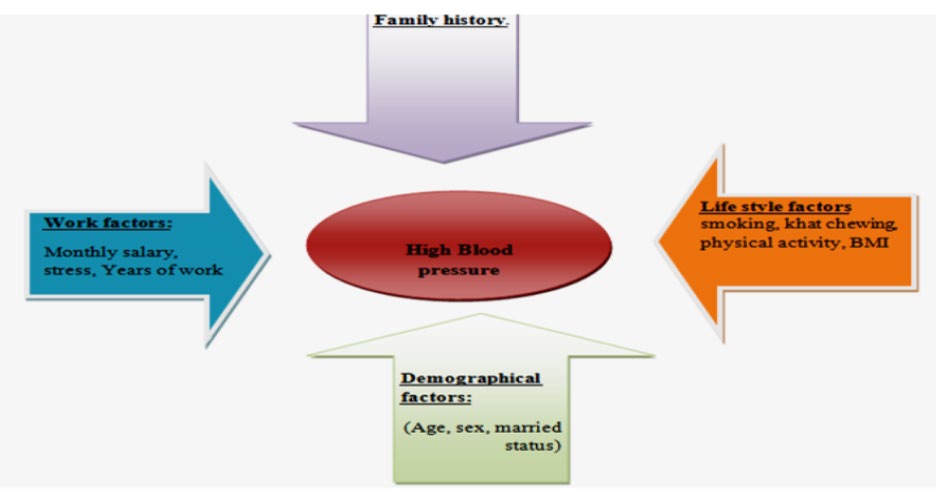
Elevated BP was the leading global contributor to premature death in 2015, accounting for almost 10 million deaths and over 200million disability-adjusted life years [8, 43]. Importantly, despite advances in diagnosis and treatment over the past 30years, the disability-adjusted life years attributable to hypertension have increased by 40% since 1990.3 SBP >_140mmHg accounts for most of the mortality and disability burden (70%), and the largest number of SBP-related deaths per year are due to ischaemic heart disease (4.9million), haemorrhagic stroke (2.0million), and ischaemic stroke (1.5million) [8, 44]. Both office BP and out-of-office BP have an independent and continuous relationship with the incidence of several CV events [haemorrhagic stroke, ischaemic stroke, myocardial infarction, sudden death, heart failure, and peripheral artery disease (PAD)], as well as end-stage renal disease [10, 45, 46, 47]. The findings from the literature review will be discussed according to the framework which content the following expected risk factors:
- Demographical factors (age, sex, married status)
- Lifestyle factors (smoking, qat chewing, physical activity, BMI)
- Family history.
- Work factors (monthly salary, stress, hours of work/ day and occupational period).
Demographical Factors
According to the study of Ajaykumar G, et al. [2] conducted among doctors working in M.R. Medical College Hospital, Gulbarga; the prevalence of hypertension among doctors was 32.07% in which the prevalence was more in female doctors with 46.67%. There was increase in the prevalence of hypertension as the age of the doctors increased. Prevalence was more in doctors with age more than 61 years [47, 48].
Family History
Body Mass Index (BMI)
Various studies suggest that high BMI is one of the major risk factors for hypertension. Obesity, especially central obesity, has been consistently associated with hypertension and increased risk of cardiovascular diseases. Populations based studies indicate that at least two-thirds of the prevalence of hypertension can be directly attributed to obesity [46].
Conceptual Framework
Conclusion
In this chapter the researcher described the study the justifications and reference to the rationale for the study, the problem statement, aims of the study. This study for prevalence of the hypertension estimated and significant risk factors were indicated and could be addressed.
Acknowledgment
First and foremost I feel always deeply indebted to ALLAH who helped me to achieve this research. I dedicate this research to my parents who implicated seeds of the success in myself and encouraged me to continue the medicine study until to reach the specialization degree in internal medicine. I would like to express my great thankful to my supervisor Professor Ahmad Kaed and to Pro. Yahya Alezzy, Prof. Yassin Abdalkadir, prof. Abdulhafid Alselwy and prof. Khalid saeed who kindly supervised and motivated me to performance this research, thanks for their support, guidance and constant encouragement throughout this work. I would like to thank all my colleagues for helping me in preparation this research. I am greatly honoured to express my sincere appreciation to all who contributed in this work for devoting their precious time to help me until complete this study.
References
-
Kearney PM, Whelton M, Reynoldsd K, Muntner P, Whaelton PK, et al. (2005) Global Burden of hypertension: Analysis of world wide data. Lancet 365(9455): 217-223.
-
Nigudgi SR, Ajaykumar G, Tenglikar SG, Shrinivasreddy B (2013) Prevalence of Hypertension among Doctors Working in M. R. Medical College, Gulbarga. RGUHS J Med Sciences 3(1): 1-3.
-
Hegde SKB, Sathiyanarayanan S, Venkateshwaran S, Sasankh A, Ganeshkumar P, et al. (2015) Prevalence of Diabetes, Hypertension and Obesity among Doctors and Nurses in a Medical College Hospital in Tamil Nadu, India. National Journal of Research in Community Medicine 4(3): 235-239.
-
Kao LT, Chiu YL, Lin HC, Lee HC, Chung SD (2016 ) Prevalence of chronic diseases among physicians in Taiwan: a population-based cross-sectional study. BMJ Open 6(3): e009954.
-
Kay MP, Mitchell GK, Del Mar CB (2004) Doctors do not adequately look after their own physical health. Med J Aust 181(7): 368-370.
-
Richards JG (1999) The health and health practices of doctors and their families. N Z Med J 112(1084): 96-99.
-
Sharma D, Vatsa M, Lakshmy R, Narang R, Bahl VK, et al. (2011) Study of cardiovascular risk factors among tertiary hospital employees and their families. Indian Heart J 64(4): 356-363.
-
Zagrosek RV (2018) ESC Guidelines for the management of cardiovascular diseases during pregnancy. Eur Heart J 32: 3147-3197.
-
Ettehad D, Emdin CA, Kiran A, Anderson SG, Callender T, et al. (2016) Blood pressure lowering for prevention of cardiovascular disease and death: a systematic review and meta-analysis. The Lancet 387(10022): 957-967.
-
Lewington S, Clarke R, Qizilbash N, Peto R, Collins R (2002) Age-specific relevance of usual blood pressure to vascular mortality: a meta-analysis of individual data for one million adults in 61 prospective studies. The Lancet 360(9349): 1903-1913.
-
NCD Risk Factor Collaboration (2017) Worldwide trends in blood pressure from 1975 to 2015: a pooled analysis of 1479 population-based measurement studies with 19.1million participants. The Lancet 389(10064): 37-55.
-
Rapsomaniki E, Timmis A, George J, Pujades Rodriguez M, Shah AD, et al. (2014) Blood pressure and incidence of twelve cardiovascular diseases: lifetime risks, healthy life-years lost, and age-specific associations in 1.25 million people. Lancet 383(9932): 1899-1911.
-
Thomopoulos C, Parati G, Zanchetti A (2014) Effects of blood pressure lowering on outcome incidence in hypertension. 1. Overview, meta-analyses, and metaregression analyses of randomized trials. J Hypertens 32(12): 2285-2295.
-
Yusuf S, Hawken S, Ounpuu S, Dans T, Avezum A, et al. (2004) Effect of potentially modifiable risk factors associated with myocardial infarction in 52 countries (The INTERHEART study): case-control study. Lancet 364(9438): 937-952.
-
Chow CK, Teo KK, Rangarajan S, Islam S, Gupta R, et al. (2013) Prevalence, awareness, treatment, and control of hypertension in rural and urban communities in high-, middle-, and low-income countries. JAMA 310(9): 959- 968.
-
(2003) European Society of Hypertension-European Society of Cardiology guidelines for the management of arterial hypertension. J Hypertens 21: 1011-1053.
-
Clark CE, Taylor RS, Shore AC, Ukoumunne OC, Campbell JL (2012) Association of a difference in systolic blood pressure between arms with vascular disease and mortality: a systematic review and meta-analysis. The Lancet 379(9819): 905-914.
-
Parati G, Stergiou GS, Asmar R, Bilo G, de Leeuw P, et al. (2008) European Society of Hypertension guidelines for blood pressure monitoring at home: a summary report of the Second International Consensus Conference on Home Blood Pressure Monitoring. J Hypertens 26(8): 1505-1526.
-
Hall JE, Do Carmo JM, Da Silva AA, Wang Z, Hall ME (2015) Obesity-induced hypertension: interaction of neurohumoral and renal mechanisms. Circ Res 116(6): 991-1006.
-
Neter JE, Stam BE, Kok FJ, Grobbee DE, Geleijnse JM (2003) Influence of weight reduction on blood pressure: a meta-analysis of randomized controlled trials. Hypertension 42(5): 878-884.
-
Primatesta P, Falaschetti E, Gupta S, Marmot MG, Poulter NR (2001) Association between smoking and blood pressure: evidence from the health survey for England. Hypertension 37(2): 187-193.
-
Doll R, Peto R, Wheatley K, Gray R, Sutherland I (1994) Mortality in relation to smoking: 40 years’ observations on male British doctors. BMJ 309(6959): 901-911.
-
Thomopoulos C, Parati G, Zanchetti A (2016) Effects of blood-pressure-lowering treatment in hypertension: 9. Discontinuations for adverse events attributed to different classes of antihypertensive drugs: meta- analyses of randomized trials. J Hypertens 34(10): 1921- 1932.
-
Volpe M, Mancia G, Trimarco B (2005) Angiotensin II receptor blockers and myocardial infarction: deeds and misdeeds. J Hypertens 23(12): 2113-2118.
-
Reboldi G, Angeli F, Cavallini C, Gentile G, Mancia G, et al. (2008) Comparison between angiotensin-converting enzyme inhibitors and angiotensin receptor blockers on the risk of myocardial infarction, stroke and death: a meta-analysis. J Hypertens 26(7): 1282-1289.
-
Kronish IM, Woodward M, Sergie Z, Ogedegbe G, Falzon L, et al. (2011) Meta-analysis: impact of drug class on adherence to antihypertensives. Circulation 123(15): 1611-1621.
-
Fried LF, Emanuele N, Zhang JH, Brophy M, Conner TA, et al. (2013) Combined angiotensin inhibition for the treatment of diabetic nephropathy. N Engl J Med 369(20): 1892-1903.
-
Yusuf S, Teo KK, Pogue J, Dyal L, Copland I, et al. (2008) Telmisartan, Ramipril, or both in patients at high risk for vascular events. N Engl J Med 359: 426-427.
-
Mancia G, Zanchetti A (1996) White-coat hypertension: misnomers, misconceptions and misunderstandings. What should we do next?. J Hypertens 14(9): 1049-1052.
-
Bobrie G, Clerson P, Menard J, Vinay PN, Chatellier G, et al. (2008) Masked hypertension: a systematic review. J Hypertens 26(9): 1715-1725.
-
Parati G, Omboni S, Staessen J, Thijs L, Fagard R, et al. (1998) Limitations of the difference between clinic and daytime blood pressure as a surrogate measure of the ‘white-coat’ effect. Syst-Eur investigators. J Hypertens 16(1): 23-29.
-
Farsang CK, Kiss I, Tykarski A, Narkiewicz K (2016) Treatment of hypertension in patients with chronic obstructive pulmonary disease (COPD). European Society of Hypertension Scientific Newsletter 17: 62.
-
Baker JG, Wilcox RG (2017) Beta-Blockers, heart disease and COPD: current controversies and uncertainties. Thorax 72(3): 271-276.
-
Salpeter SR, Buckley NS, Ormiston TM, Salpeter EE (2006) Meta-Analysis: Effect of Long-Acting Beta- Agonists on Severe Asthma Exacerbations and Asthma- Related Deaths. Ann Intern Med 144: 904-912.
-
Rutten FH, Zuithoff NP, Hak E, Grobbee DE, Hoes AW (2010) Beta-Blockers May Reduce Mortality And Risk of Exacerbations in Patients with Chronic Obstructive Pulmonary Disease. Arch Intern Med 170(10): 880-887.
-
Coiro S, Girerd N, Rossignol P, Ferreira JP, Maggioni A, et al. (2017) Association of beta-blocker treatment with mortality following myocardial infarction in patients with chronic obstructive pulmonary disease and heart failure or left ventricular dysfunction: a propensity matched-cohort analysis from the High-Risk Myocardial Infarction Database Initiative. Eur J Heart Fail 19(2): 271-279.
-
Kish L (1965) Survey sampling. New York: John Wiley & Sons.
-
Aram VC, George LB, Henry RB, William CC, Lee AG, et al. (2003) The seventh report of the Joint National Committee on prevalence, detection, evaluation & treatment of high blood pressure: The JNC 7 report. JAMA 289(19): 2560-2572.
-
(1996) Hypertension control: WHO Expert Committee Geneva.
-
(2011) Waist circumference and waist–hip ratio: Report of a WHO expert consultation, Geneva, 8–11 December 2008. World Health Organization, pp: 39.
-
Abhishek G, Keshab M, Rama B, Raju D (2016) Prevalence of hypertension and prehypertension among doctors of different specialties in tertiary-care teaching hospital in Eastern India and its correlation with body mass index. Int J Med Sci Public Health 5(4): 709-713.
-
Oghagbon EK, Okesina AB, Biliaminu SA (2008) Prevalence of hypertension and associate variables in paid workers in Ilorin, Nigeria. Niger J Clin Pract 11(4): 342-346.
-
Owolabi AO, Owolabi MO, OlaOlorun AD, Amole IO (2015) Hypertension Prevalence and Awareness among A Health Workforce in Nigeria. Internet Journal of Medical Update 10(2): 10-19.
-
Franklin SS, Gustiti W, Wang ND, Martin GL, Michael AW, et al. (1997) Hemodynamic Pattern Of Age-Related Changes in Blood Pressure: The Framingham Heart Study. Circulation 96: 308-315.
-
Desai MH, Kavishwar A (2009) Study on Effect of Life Style Risk Factors on Prevalence of Hypertension among White Collar Job People of Surat. The Internet Journal of Occupational Health 1(1): 1-10.
-
Mohan V, Deepa M, Farooq S, Datta M, Deepa R (2007) Prevalence, Awareness and Control of Hypertension in Chennai-The Chennai Urban Rural Epidemiology Study. JAPI 55: 326-332.
-
Landsbergis PA, Schnall PL, Pickering TG, Warren K, Joseph ES (2003) Life-Course Exposure to Job Strain and Ambulatory Blood Pressure in Men. Am J Epidemiol 157(11): 998-1006.
-
Mitwalli AH, Harthi AA, Mitwalli H, Juwayed AA, Turaif NA, et al. (2013) Awareness, attitude, and distribution of high blood pressure among health professionals. J Saudi Heart Assoc 25(1): 19-24.
- Intersecting Epidemics and Climate Vulnerabilities in Conflict- Driven Displacement: Epidemiology, Systemic Challenges, and One Health Gaps in South Sudan
- Advancing Domestic Health Financing for Community Health System Sustainability in South Sudan: The Boma Health Initiative Model (2025–2035)
- Prevalence and Correlates of Post-Exposure Prophylaxis Uptake among Men Who Have Sex with Men in Kisumu County, Kenya
- Medical, Ethical, and Legal Conflicts Surrounding Euthanasia in Argentina. Its Global Implications
- Knowledge and Attitude on Menstrual Hygiene among Adolescent Girls Studying in Secondary Level in Public Schools of Chitwan District, Nepal
- Biological Efficacy of an Adulticide Mixture (clothianidin + deltamethrin) as an Indoor Residual Spray against Adult Anopheles flavirostris in Palawan, the Philippines