
The Evaluation of Risk in Relation to Children's Health and the Environment: A Paradigm of Health
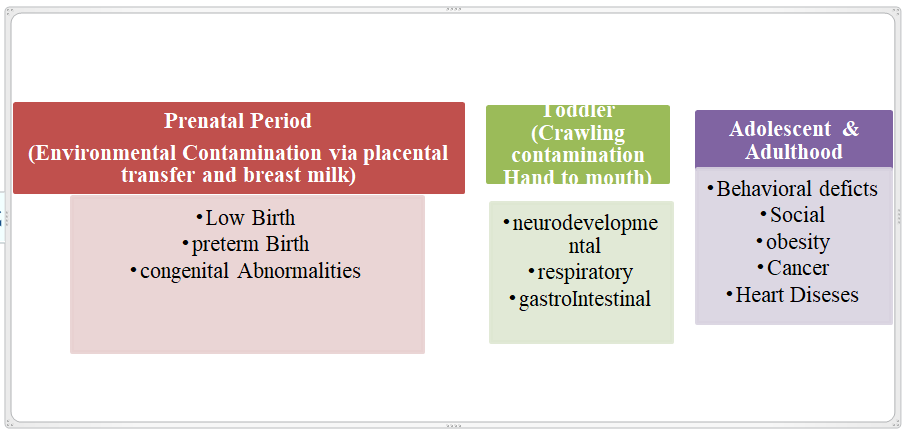
In recent times, a considerable body of research has been dedicated to investigating the correlation between prenatal or earlylife exposure to environmental contaminants and the subsequent development of enduring health consequences. After the Systematic literature review it is revealed that he newborn may have direct or indirect impacts on neurobehavioral responses, as well as the immunological, endocrine, and respiratory systems, through placental transfer or breastfeeding (figure 03). These effects may be influenced, in part, by epigenetic mechanisms. Children are vulnerable to excessive exposure as a result of their relatively tiny stature, increased absorption of oxygen, food and fluids relative to their body weight, and their inability to crawl. Limited research has been conducted on the enduring impacts of early exposures. In order to address chemical pollution through educational efforts, it is imperative for medical professionals, child care establishments, and pregnant women to employ a risk assessment approach that incorporates the complexities of human biology. The present study offers a thorough overview of behavioral and physiological traits seen during infancy and pregnancy, proposing an innovative methodology for evaluating the potential risks associated with the management of chronic pediatric illnesses.
Introduction
The primary objectives of human risk assessment and risk management encompass the safeguarding and mitigation of health disorders resulting from exposure to environmental pollutants. The early periods of embryonic, fetal, and juvenile development are significant contributors to the onset of various diseases later in life as a result of exposure to hazardous substances. However, these stages often receive limited attention in research and public health efforts, since there is a greater focus on adult exposures and the advancement of novel risk estimating methods [1]. It is imperative to recognize that children and adolescents ought not to be perceived merely as scaled-down replicas of adults, but rather as a susceptible demographic whose physiological systems are still in the process of maturation and transformation [2]. Infants, due to their slower metabolic processes involved in the absorption and disposal of environmental toxins, have increased vulnerability to disease following exposure to even minimal levels of toxins [3]. Crawling is a typical component of a child’s everyday activities, hence augmenting the probability of hand-to- mouth contact and subsequent exposure to potentially hazardous substances.
Based on empirical evidence from both human and animal research, it has been observed that the exposure to harmful substances can result in long-lasting impacts on various aspects of development, including endocrine, neurological, sexual, and behavioral domains. Individuals may encounter these repercussions at any point in their developmental trajectory. From a public health and preventive medicine standpoint, it is imperative to perform a risk assessment during pregnancy and the early stages of a child’s life. The focus of this study should be on child protection considerations, including examining data related to pesticide exposure and other potentially harmful pollutants, like lead, arsenic, and particulates. The prevailing level of advancement in scholarly investigations concerning the environmental well-being of youngsters is represented by the whole environment model [4].
Extensive study has been conducted on the impact of environmental pollutants on the health of adults; however, comparatively limited knowledge exists regarding the consequences of exposure during pregnancy or infancy and their predictive capacity for future health outcomes. In our analysis, we undertake initial steps towards that objective. To the best of our knowledge, no information has been divulged. As a substitute for this, we present a concise overview of the physiological and behavioral attributes of prenatal individuals and children, aiming to establish a more inclusive framework for evaluating potential risks, particularly during the initial phases of life.
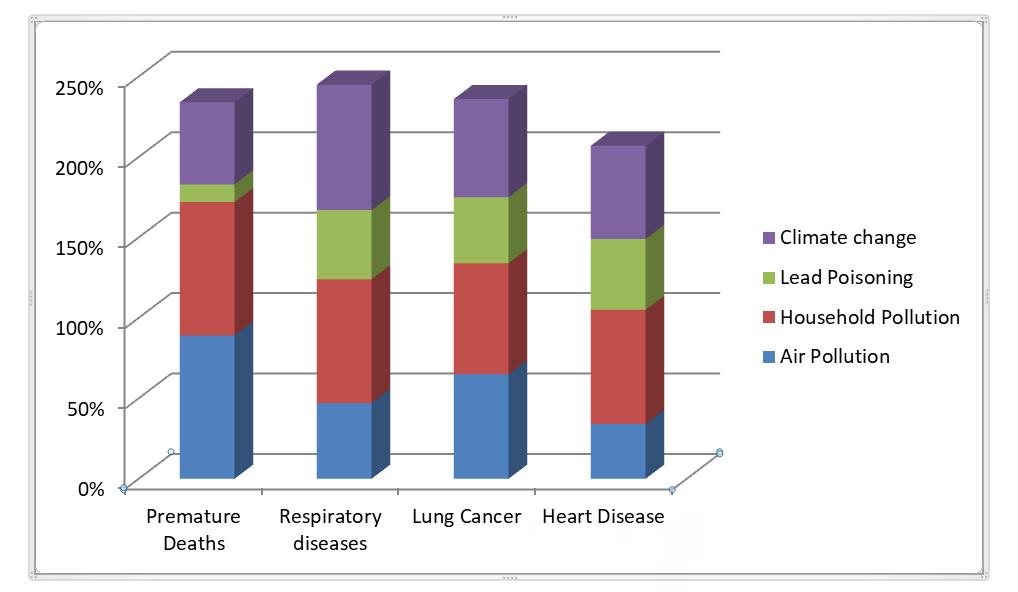
According to a research study conducted by the World Health Organization in 2022, children exhibit heightened vulnerability to environmental risks due to a multitude of factors. In comparison to adults, children possess a greater physiological demand for oxygen, food, and water relative to their body weight. Furthermore, the ongoing process of development encompasses various systems within their organism, including the central nervous system, immune system, reproductive system, and digestive system. Hence, the presence of contaminants in the environment during crucial stages of growth can lead to enduring detrimental effects. The profound and intricate impacts of environmental factors on public health are exemplified by statistical data. Air pollution is responsible for 47% of respiratory diseases and 89% of premature deaths. The prevalence of heart disease and lung cancer is notable, accounting for 65% and 34% of cases, respectively. Household pollution has been identified as the primary contributor, accounting for 77% of cases, to the incidence of heart disease, lung cancer, and respiratory disorders. Additionally, it has been found to be responsible for a significant proportion, namely 83%, of premature mortality. Although there has been a decrease in its occurrence, it is noteworthy that lead poisoning remains responsible for a significant proportion of respiratory ailments, accounting for 43% of such cases, as well as 11% of premature mortality. In conclusion, it has been observed that climate change is responsible for 51% of premature deaths, 78% of respiratory illnesses, 61% of lung cancer cases, and 58% of heart disease occurrences. The aforementioned numerical data underscores the imperative for the implementation of public health initiatives and comprehensive environmental regulations as a means to mitigate the adverse impacts of environmental issues on human health.
Methodology
The systematic literature review (SLR) adhered to the Preferred Reporting Items for Systematic Reviews and Meta-Analyses (PRISMA) requirements established in 2009. In order to locate relevant English-language publications, Internet searches were conducted in 2010 and then amended in 2023 using the databases Google scholar, Embase, MEDLINE, and PubMed. No limitations were imposed on the range of possible publication dates for the identified publications. The abstract augments the evaluation of risk in relation to children’s health and the environment was examined and pertinent abstracts were obtained through online searches of congresses’ websites. In an effort to locate scholarly articles germane to the research question, the search queries included information about the population, intervention, comparator, results, and study categories.
Analysis of the Relevant Literature
Following the elimination of duplicate entries, two analysts carried out an in-depth review of the titles and abstracts of each and every article that was retrieved from the results of the literature search. The purpose of this task was to decide whether or not each article qualified for consideration by applying the inclusion and disqualification standards that had been established in advance. Disagreements in their evaluations were discussed and resolved with the assistance of a third expert in order to arrive at a conclusion that was accepted by all. The approach described above was followed throughout all of the subsequent stages of the Systematic Literature Review (SLR), which included the initial screening being performed by two analysts and the subsequent engagement of a third analyst to address any differences that arose as a result of the initial screening. The aforementioned analysts were responsible for performing the same responsibilities throughout each phase. In a second screening round, only the publications that had previously been determined to be eligible for inclusion were assessed using the same criteria for both inclusion and exclusion. At this point in the process, the evaluation covers the entirety of the linguistic content that is contained within the publications.
Result
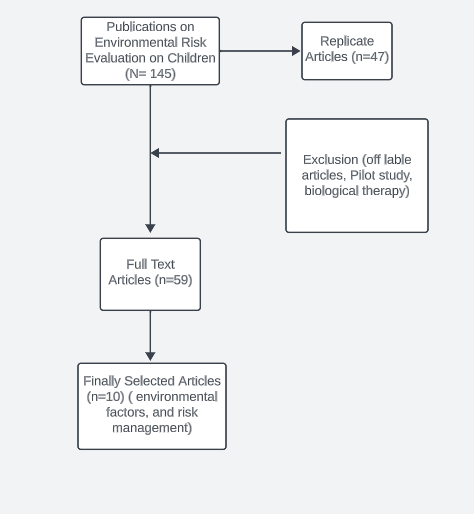
Figure 1 illustrates the depiction of the systematic literature review. A total of 145 articles were gathered, of which 47 were identified as duplicates. Additional exclusion criteria were implemented for the publications, specifically targeting off-label doses, pilot studies, and unsuccessful biological treatments. Subsequently, a total of 59 comprehensive publications were gathered, focusing on the evaluation of environmental factors and risk management for the children 10 articles were added into the current article.
Vulnerability Experienced by Individuals throughout the Perinatal and Infant Stages
Children exhibit greater sensitivity compared to adults due to variations in their metabolic processes and the differential excretion of pollutants [5]. The ongoing maturation of the blood-brain barrier allows for the infiltration of xenobiotics into the central nervous system, leading to discernible variations at both prenatal and postnatal stages [6]. The significance of perinatal research pertaining to the impact of environmental pollutants on neurodevelopment and behavior is heightened due to the fast physiological changes that occur during this period. Throughout the stages of embryonic, fetal, and newborn development, the central nervous system (CNS) undergoes the formation and arrangement of its core components, leading to the establishment of highly receptive periods. Furthermore, despite the utilization of enzymes for detoxification, there has been no observed enhancement in their metabolic processes [7]. Chemical exposure may be heightened by several means, including ingestion, inhalation, breast milk, physical contact with food and objects, as well as placental transfer (Figure 2).
Throughout the course of neurodevelopment, both the internal and external environment play a significant role in providing signals that have an impact on complex physiological processes [8]. The growth of the brain requires evolutionary flexibility, resulting in increased sensitivity of the brain to both internal and external stimuli. Exposure to environmental toxins during this particular timeframe has the potential to induce enduring alterations in the brain and other bodily systems, hence exerting an impact on physiological functions and behavioral patterns. The long-term consequences including impairments in cerebral development, cognitive abilities, information retention, and affective reactions.
Endocrine-disrupting chemicals (EDCs) have the potential to induce neurological and reproductive diseases by their interference with the development of embryonic and fetal endocrine systems, particularly in relation to adult reproductive processes [9]. The presence of endocrine-disrupting chemicals and toxic metals in food has been observed to result in the accumulation of these substances in the placenta. This accumulation has been associated with various adverse health effects, including the development of preeclampsia, increased resistance in uterine blood vessels, impaired vascularization of the placenta, and the onset of gestational diabetes in the mother. Furthermore, exposure to these substances has also been linked to intrauterine growth restriction and preterm birth in the child. Numerous investigations undertaken on both human subjects and animal models throughout the periods of pregnancy and breastfeeding have consistently demonstrated this phenomenon. Endocrine disruptors (EDs) encompass a range of synthetic organic substances, including flame retardants, antifoulant paint additives, plastics, plasticizers, polychlorinated biphenyls, dioxins, and pharmaceutical drugs [10]. EDCs, or endocrine-disrupting chemicals, are often encountered by children through their exposure to contaminated food, water, air, and various chemical substances. This exposure has been seen to impede the normal development of the female reproductive system, hinder testosterone synthesis, and disrupt sexual differentiation. Consequently, these effects can manifest in adulthood as testicular dysfunction and infertility [11]. A multitude of animal and human studies have provided evidence, consistent with epigenetic processes that suggest the possibility of transgenerational transmission, that the exposure to endocrine-disrupting substances (EDs) during the stages of embryonic and fetal development has adverse consequences on the individuals who are exposed, as well as on subsequent generations [12]. This proposal posits a novel perspective on non-communicable illnesses, using the concept of disease evolution. It is plausible that neurodevelopmental problems, including autism, ADHD, dyslexia, and behavioral challenges, may be associated with toxic substances that disrupt the neurodevelopment of newborns [13].
Until recently, a limited number of studies done on animals have indicated that the exposure to maternal endocrine- disrupting chemicals (EDCs) during the periods of gestation and breastfeeding might lead to persistent behavioral abnormalities in offspring [14]. Recent studies have shown a correlation between maternal exposure to bisphenol A (BPA) and an elevated risk of noncommunicable disorders, including endometriosis, infertility, obesity, diabetes, early puberty, susceptibility to infections, autoimmune diseases, cognitive impairments, neurological diseases, and heart disease. Bisphenol has garnered significant attention because to the fact that 95% of individuals exhibit measurable amounts of BPA in their bodily tissues. This includes newborns who display increased levels of BPA in their plasma, liver, and amniotic fluid. The ongoing discourse surrounding the health hazards associated with Bisphenol A (BPA) remains a subject of academic inquiry. Bisphenol A (BPA) has the potential to interfere with perinatal endocrine signaling, modify the quantity of estrogen receptors, and impact behavioral pathways by mimicking the actions of estrogen [15]. The stress response may be impacted by prenatal exposure to bisphenol A (BPA). The manipulation of the stress system has been seen to alter behavioral phenotypes associated with anxiety and depression, similar to the effects of exposure to bisphenol A (BPA) during pregnancy and infancy. Conflicting study findings suggest that prenatal exposure to bisphenol A (BPA) may be linked to anxiety in adolescents. However, it is worth noting that the observed association between early exposure to BPA and anxiety symptoms appears to be limited to male adolescents. It is possible that a significant period of interaction exists, given this divergence of perspectives is likely associated with the duration of prenatal exposure. Depressive symptoms seem to be influenced by both gender and length of exposure, as indicated by the available evidence. The study conducted by Zoeller RT, et al. [16] demonstrates a significant association between reactive behavior in boys and prenatal exposure to bisphenol A (BPA), as shown by the Child Behavior Checklist. Reactive behavior refers to a response that is driven by emotional factors and characterized by impulsiveness, occurring in reaction to a perceived provocation.
Based on animal models, it has been observed that maternal exposure to environmental pollutants, such as endocrine-disrupting chemicals (EDCs), during pregnancy can result in behavioral changes. The observed alteration in behavior has transgenerational implications, indicating that hazardous substances may exert an influence on subsequent generations. Epigenetic variations exert influence on behavioral patterns, cognitive capacities, and alterations pertaining to health [17]. This finding offers empirical evidence in favor of the Developmental Origins of Health and Disease (DOHaD) hypothesis. The DOHaD hypothesis posits that diseases, health issues, and adult mortality can be attributed to early life events and exposures, such as the intrauterine environment. The study done in Mexico Yilmaz B, et al. [18] shown that child development might be influenced by epigenetic modifications resulting from exposure to contaminants, with a special emphasis on maternal bone lead load. The area of epigenetic research is currently limited due to the predominance of studies focusing on animals and the exclusion of investigations into newborn development.
Moreover, it is noteworthy that children exhibit a higher intake of food, drink, and oxygen in comparison to adults. This disparity is most pronounced during the initial half-year period, whereby infants eat a staggering sevenfold increase in water. Furthermore, between the ages of one and five, children consume three to four times their own body weight in food. In typical conditions, the oxygen intake of an adult is double their body weight, which presents significant health risks.
To construct a framework for assessing and categorizing risks to children, it is necessary to consider the various modalities of exposure to environmental contaminants and their corresponding health impacts during different stages of development. Furthermore, notwithstanding the impact of stress and lifestyle choices on the amplification of hereditary determinants in non-communicable illnesses, the notable escalation of these factors implies the involvement of additional environmental dynamics. Therefore, it is imperative to recognize, understand, and, if feasible, mitigate factors that have the potential to modify the prenatal milieu, therefore heightening vulnerability to and prevalence of illnesses.
Risk of Exposure to Chemicals, both Natural and Man-Made
Out of the extensive collection of over eighty thousand chemical compounds registered by the Environmental Protection Agency (EPA) for commercial purposes, a mere two hundred have been identified as neurotoxic, with only a negligible proportion being deemed dangerous. There exists a limited and contentious body of data pertaining to the impacts on teenagers. Epidemiological associations have been shown between pesticides, air pollution, and toxic metals and the cognitive development of children. Toxic metals have neurotoxic properties due to their ability to alter the structure and functionality of the central nervous system [19]. Lead, mercury, and organophosphate (OP) insecticides possess neurotoxic properties. Historically, the assessment of neurotoxicity relied on the evaluation of individuals who had been subjected to high levels of exposure. Both in vivo and in vitro cellular models offer advanced diagnostic capabilities for the detection of harmful effects at low doses. The limited capacity of molecular investigations to ascertain illnesses or behavioral reactions poses challenges in evaluating their potential toxicity and establishing connections to impacts on the overall organism (figure 3).
Despite the reduction in negative consequences associated with lead exposure following its removal from gasoline, prenatal exposure to lead continues to be a concern. In the early stages of human development, infants are often exposed to substances through the processes of ingestion or inhalation. It is important to note that even low levels of exposure can lead to cognitive impairments, while excessive levels can result in fatality [20]. Multiple research investigations (36) have shown a correlation between extended exposure to low levels of lead and reduced cognitive abilities, attention deficits, and behavioral issues. The association between childhood lead exposure and externalizing behaviors as well as cannabis usage has been shown among Inuit children residing in Northern Quebec.
Methyl mercury, which is secreted in breast milk and transferred from the maternal blood to the developing brain of the fetus, is also linked to neurodevelopmental consequences. The consumption of fish with elevated levels of mercury from various aquatic sources, such as lakes and oceans, by pregnant women has been associated with the potential development of cerebral palsy and other cognitive deficits in their unborn offspring [21].
Air pollution has been identified as a contributing factor to the occurrence of noncommunicable illnesses, particularly respiratory ailments, in youngsters. The presence of flu-like symptoms such as tiredness, headaches, vertigo, nausea, vomiting, cognitive impairment, and tachycardia may be attributed to the exposure to wood furnaces or substances that release formaldehyde and organic gases. The rise in asthma morbidity observed in recent times might perhaps be linked to the presence of ambient air pollution. There is evidence suggesting a correlation between daily fluctuations in PM10 and both autistic spectrum disorder and asthma. Previous epidemiological research has established a correlation between ambient air pollution, notably carbon monoxide (CO), and adverse birth outcomes such as low birth weight, preterm birth, and congenital anomalies [22]. The emissions resulting from the combustion and inhalation of tobacco, commonly referred to as environmental tobacco smoke (ETS), may have certain influences on the prenatal development of babies. Exposure to environmental tobacco smoke (ETS) has been found to potentially exacerbate the prevalence of disease. This is due to the fact that prenatal exposure to ETS has been linked to an increased risk of low birth weight, which in turn is related with worse health outcomes in neonates, including morbidity and death, as well as the development of chronic illnesses later in life. In the initial trimester of infancy, exposure to environmental tobacco smoke (ETS) has detrimental effects on both the upper and lower respiratory systems, as well as impeding lung growth and development in infants. In contrast to other forms of environmental pollutants, early exposure to environmental tobacco smoke (ETS) may exhibit a reduced magnitude of unfavorable short-term impacts. However, it is important to note that such exposure can still lead to adverse long-term consequences. Consequently, conducting comprehensive long-term research becomes imperative in order to ascertain suitable therapeutic interventions. Alongside traditional environmental contaminants, waste streams associated with industry, such as electronic trash (e-waste) and plastic pollution, are seeing rapid growth and provide significant health hazards [23]. The correlation between the social and economic background and the quantity and method of e-waste exposure is evident, but few data is available on this subject. Several e-waste industries operating in developing countries, including Ghana, Nigeria, India, and Mexico, have been shown to utilize child labor. Additionally, the blood levels of hazardous metals among these personnel are seen to be higher. Neurodevelopmental difficulties and perinatal abnormalities have been seen in pregnant women and newborns who have been exposed to electronic trash. There exist recorded instances of preterm deliveries, spontaneous abortions, stillbirths, as well as variations in BMI, height, and weight, as supported by relevant literature.
Evaluation of Children’s Exposure to Environmental Contaminants
In order to safeguard the well-being of children, it is imperative to take into account their key times of sensitivity, as well as the potential health consequences in the short, medium, and long term resulting from their exposure to environmental toxins. The present methodologies encompass a combination of direct and indirect methodologies for evaluating dosage and exposure. Indirect methodologies, exemplified by mathematical models and algorithms, exhibit a higher degree of efficacy compared to direct methodologies, such as skin patches and air monitors, in the context of monitoring long-term consequences.
The modeling approach involves the use of ambient concentrations and activity patterns, whereas direct techniques evaluate exposure over a shorter duration [24]. The parameters for evaluation are limited by the child’s age- specific behaviors (such as mouthing, sleeping, and eating), physiological patterns (such as pulse rate and respiration rate), dietary habits (including water and juice consumption, as well as fruit and meat intake), and the mode of exposure (such as skin contact).
In order to accurately evaluate the cumulative effects of various chemicals, it is imperative that a comprehensive risk assessment model incorporates a wide range of substances, each characterized by different amounts and exposure pathways. The integration of datasets inside a Monte Carlo model has the potential to facilitate a full examination of exposure distribution, hence offering potential use. Innovative research approaches and animal testing can be utilized to elucidate the impacts of prenatal and postnatal exposure [25]. This would facilitate the development of databases pertaining to the impacts on the immunological, respiratory, reproductive, cardiovascular, and endocrine systems, which have thus far not been well addressed. In the context of quantifying concentrations of hazardous metabolites within defined time intervals, it is important to consider the physiological and metabolic reactions of children at different developmental stages. These responses have a significant impact on metabolism during exposure to toxic substances and should thus be taken into consideration. The Environmental Protection Agency (EPA) is a federal agency in the United States that is The handbook and scenarios pertaining to exposure factors specific to children. The cited references encompass exposure factors and overall activity patterns in children.
The user did not provide any text to rewrite. The National Research Council (NRC) put up a risk assessment approach in 1993 that takes into consideration the vulnerability of children to pesticides and their level of exposure to these substances. The analysis conducted by the National Research Council (NRC) was influenced by the evaluation of developmental toxicity risk conducted by the United States Environmental Protection Agency (EPA) in 1986. It is recommended that children be assessed within a separate risk group. The present work delineates the fundamental constituents of a proactive risk assessment protocol. There is a need for more quantitative evaluation of children’s exposures to acute, chronic, and multiple routes throughout their development from infancy through adolescence. The examination of toxicodynamic and toxicokinetic methodologies is crucial in order to gain new insights into the many functional, organ, cellular, and molecular impacts that manifest throughout an individual’s lifespan.
Strategies to Prevent Present and Future Exposure to Contaminants
There are several factors that might potentially alleviate the detrimental impacts of environmental pollutants on the process of development. The health risks associated with exposure to pollutants can be influenced by individual variations in biological, psychological, and dietary variables. The investigation of one factor, namely “environmental enrichment,” is conducted using animal models. In a study conducted by researchers, it was shown that rats who were exposed to lead and provided with larger cages containing toys had a reduced incidence of spatial learning difficulties. For a considerable duration, children hailing from economically disadvantaged households have been susceptible to the adverse consequences of lead poisoning. However, the detrimental impacts of this condition can be mitigated or prevented altogether via exposure to a nurturing and stimulating environment.
The potential outcomes for children who have been exposed to harmful substances are influenced in an indirect manner by environmental enrichment. Specifically, children from disadvantaged socioeconomic situations are at a higher risk of being exposed to polycyclic aromatic hydrocarbons, particularly during the prenatal period [26]. Nutritional parameters may potentially exhibit a correlation with environmental enrichment as a countermeasure. The implementation of a specific dietary regimen has the potential to mitigate the adverse effects resulting from exposure to pollutants. There is evidence suggesting that increased consumption of tomatoes among children may be associated with reduced levels of mercury. This correlation can be attributed to the presence of lycopene, an antioxidant found in several dietary sources, including tomatoes. Animal models have demonstrated that lycopene possesses protective properties against mercury poisoning . The inclusion of zinc and iron in one’s diet has been found to possess preventive properties. Consequently, the use of iron supplements may potentially mitigate the likelihood of lead poisoning and blood lead poisoning . Research indicates that children who are exposed to air pollution may have reduced levels of Vitamin D, therefore implying the potential need for them to consider taking dietary supplements [27].
Limited study exists about the potential correlation between psychiatric disorders and environmental toxins, despite the notable role of dietary variables in offering substantial protection against such toxins. Initially, the presence of deleterious pollutants might provide challenges for individuals to navigate their accustomed surroundings, particularly for expectant mothers or those with young offspring. The findings of a research study done in Mexico City indicate a positive association between mothers’ self- esteem and higher scores on the Bayley Scales of Infant Development (BSID). This finding implies that the presence of maternal conduct has the potential to alleviate the adverse effects of pollutants, since it diminishes the inverse relationship between blood lead levels and BSID scores in children. Therefore, it is imperative to use an interdisciplinary and integrated approach when examining the pathogenetic pathways of environment-induced disorders in children, taking into account the functional, organ, cellular, and molecular consequences. According to the findings of the PENSAMI Project, a prospective large-scale multicenter study on secondary prevention for pediatric patients with chronic diseases, it is suggested that utilizing an integrated and multidimensional health framework that incorporates clinical, lifestyle, psychosocial, and environmental determinants is more advantageous for patient stratification. The objective of this study is to provide assistance to adolescent patients in effectively managing chronic diseases with long-term implications. The development of preventive health initiatives necessitates consideration of an intricate and diverse causal pathway encompassing several risk factors, spanning from behavioral and psychological factors to hereditary influences. Numerous clinical and epidemiological research have been conducted to investigate the correlation between environmental exposures and pediatric illness. Nevertheless, recent studies have indicated that child outcomes are substantially influenced by environmental toxins, and these factors are intricately connected to several areas of risk and prevention, including social, psychological, and environmental factors. Environmental data play a substantial role in the clinical and quality of life outcomes, impacting both acute and chronic illnesses. This underscores the need of adopting a comprehensive and integrated strategy to managing adolescent chronic illness. The incidence and mortality of respiratory disorders and neoplastic diseases have been linked to environmental pollution through epidemiological studies [28]. In recent times, there has been an emerging association between environmental data and the occurrence of chronic degenerative ailments, including cardiovascular disease. The study included the participation of adult individuals residing in the region of Tuscany, Italy. Limited evidence exists about the potential long-term health consequences of environmental pollutants on pregnant women and children in Italy.
Consequently, it is important to do study on these impacts. To optimize clinical, educational, and social decision-making, mitigate adverse outcomes, and improve overall quality of life, it is imperative to adopt an integrated and comprehensive framework for managing childhood development challenges. This framework should encompass both clinical and psychosocial factors, while also considering environmental parameters such as dosage, exposure duration, and toxicity levels.
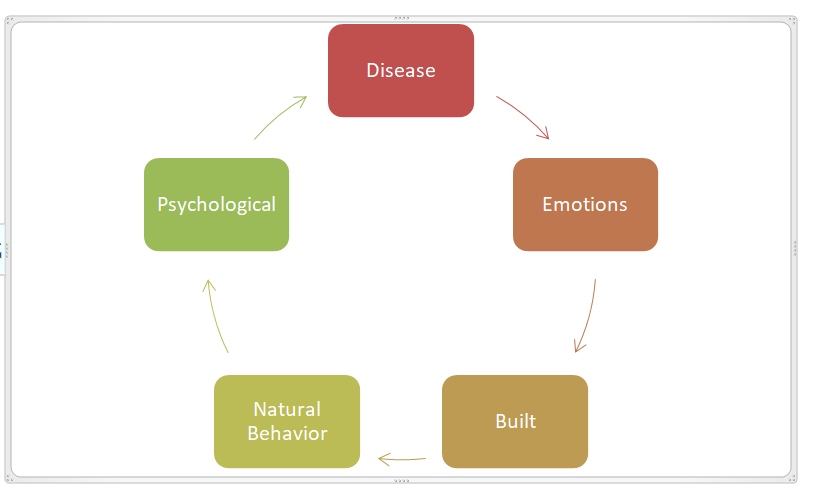
In Figure 4 Risk management approaches are employed in various domains, including mental health, physical settings, artificial environments, illness prevention, and natural behaviors. Disease preventive techniques commonly encompass vaccinations, regular examinations, and the adoption of healthy lifestyle behaviors, such as engaging in physical exercise and maintaining a well- balanced diet. Emotions play a significant role in the field of risk management, as individuals engage in various coping mechanisms, seek support from others, and pursue professional therapy to uphold their mental well-being. The built environment include safety precautions in both home and workplace settings. The practice of natural behavior risk management entails the identification of external hazards and the implementation of precautionary measures. Lastly, psychological risk management emphasizes the utilization of counseling, mindfulness practices, and self-care strategies as means to effectively cope with stress, anxiety, and mental health challenges within a multifaceted societal context.
Conclusion
A child’s growth and health can be permanently altered by exposure to environmental pollutants. The clinical implications of pollutants and their effects on socialization, emotional health, and everyday life must be included in risk assessment approaches notwithstanding progress in our understanding of the role of chemicals in many domains of development, from embryonic through infancy. Considering how quickly the term “environment” is changing, more and more people are beginning to see the inextricable links between environmental factors and human health. Risk factors are identified in all three contexts (social, natural, and constructed), according to all analyses. Therefore, it is best to utilize an integrated strategy that integrates clinical and psychological views in order to avoid and control risk factors. For intervention on major shared risk factors to reduce premature mortality and morbidity of chronic illnesses in childhood and later life, there must be integration of primary, secondary, and tertiary prevention, health promotion, and associated activities across sectors and disciplines.
References
-
Lanzoni A, Castoldi AF, Kass GE, Terron A, De Seze G, et al. (2019) Advancing human health risk assessment. EFSA J 17: e170712.
-
Patton GC, Coffey C, Cappa C, Currie D, Riley L, et al. (2012) Health of the world’s adolescents: A synthesis of internationally comparable data. Lancet 379(9826): 1665-1675.
-
Ferguson A, Penney R, Solo-Gabriele H (2017) A Review of the Field on Children’s Exposure to Environmental Contaminants: A Risk Assessment Approach. Int Journal Environ Res Public Health 14(3): 265.
-
Tulve N, Tulve NS, Ruiz JD, Lichtveld K, Darney SP, et al. (2016) Development of a conceptual framework depicting a child’s total (built, natural, social) environment in order to optimize health and well- being. J Environ Health Sci 2: 1-8.
-
NAS National Academy of Sciences (1993) Pesticides in the Diets of Infants and Children. Academy Press National Washington DC.
-
Spielberg SP (1992) Anticonvulsant adverse drug reactions: Age dependent and age independent. In: Guzelian PS, Henry CJ, et al. (Eds.), Similarities and Differences between Children and Adults. Implications for Risk, Assessment. International Life Sciences Institute Press; Washington, DC, USA. pp: 104-106.
-
Rodier PM (1995) Developing brain as a target of toxicity. Environ Health Perspect 103(6): S73-S76.
-
Grandjean P, Landrigan PJ (2014) Neurobehavioural effects of developmental toxicity. Lancet Neurol 13(3): 330-338.
-
Rodier PM (1994) Vulnerable periods and processes during central nervous system development. Environ Health Perspect 102: 121-124.
-
Bayer SA, Altman J, Russo RJ, Zhang X (1993) Timetables of neurogenesis in the human brain based on experimentally determined patterns in the rat. Neurotoxicology 14(1): 83-144.
-
Meredith RM (2014) Sensitive and critical periods during neurotypical and aberrant neurodevelopment: A framework for neurodevelopmental disorders. Neurosci Biobehav Rev 50: 180-188.
-
Rohlman DS, Anger WK, Lein PJ (2011) Correlating neurobehavioral performance with biomarkers of organophosphorous pesticide exposure. Neurotoxicology 32(2): 268-276.
-
Street ME, Angelini S, Bernasconi S, Burgio E, Cassio A, et al. (2018) Current Knowledge on Endocrine Disrupting Chemicals (EDCs) from Animal Biology to Humans, from Pregnancy to Adulthood: Highlights from a National Italian Meeting. Int J Mol Sci 19: 1647.
-
Gómez-Roig MD, Pascal R, Cahuana MJ, García-Algar O, Sebastiani G, et al. (2021) Environmental Exposure during Pregnancy: Influence on Prenatal Development and Early Life: A Comprehensive Review. Fetal Diagn Ther 48: 245-257.
-
Bergman Å, Heindel JJ, Jobling S, Kidd K, Zoeller TR (2012) State of the Science of Endocrine Disrupting Chemicals 2012. World Health Organization.
-
Zoeller RT, Brown TR, Doan LL, Gore AC, Skakkebaek N, et al. (2012) Endocrine-disrupting chemicals and public health protection: A statement of principles from the Endocrine Society. Endocrinology 153(9): 4097-4110.
-
Beszterda M, Frański R (2018) Endocrine disruptor compounds in environment: As a danger for children health. Pediatr Endocrinol Diabetes Metab 24(2): 88-95.
-
Yilmaz B, Terekeci H, Sandal S, Kelestimur F (2020) Endocrine disrupting chemicals: Exposure, effects on human health, mechanism of action, models for testing and strategies for prevention. Rev Endocr Metab Disord 21(1): 127-147.
-
Horan TS, Marre A, Hassold T, Lawson C, Hunt PA (2017) Germline and reproductive tract effects intensify in male mice with successive generations of estrogenic exposure. PLoS Genet 13(7): e1006885.
-
Heindel JJ, Blumberg B, Cave M, Machtinger R, Mantovani A, et al. (2017) Metabolism disrupting chemicals and metabolic disorders. Reprod Toxicol 68: 3-33.
-
Wolstenholme JT, Edwards M, Shetty SR, Gatewood JD, Taylor JA, et al. (2012) Gestational exposure to bisphenol a produces transgenerational changes in behaviors and gene expression. Endocrinology 153(8): 3828-3838.
-
Chin-Chan M, Navarro-Yepes J, Quintanilla-Vega B (2015) Environmental pollutants as risk factors for neurodegenerative disorders: Alzheimer and Parkinson diseases. Front Cell Neurosci 9: 124.
-
Heindel JJ, Vom Saal FS, Blumberg B, Bovolin P, Calamandrei G, et al. (2015) Parma consensus statement on metabolic disruptors. Environ Health 14: 1-7.
-
Wiersielis KR, Samuels BA, Roepke TA (2020) Perinatal exposure to bisphenol A at the intersection of stress, anxiety, and depression. Neurotoxicol Teratol 79: 106884.
-
Alonso-Magdalena P, Ropero AB, Soriano S, García- Arévalo M, Ripoll C, et al. (2012) Bisphenol-A acts as a potent estrogen via non-classical estrogen triggered pathways. Mol. Cell Endocrinol 355(2): 201-207.
-
Perera F, Nolte ELR, Wang Y, Margolis AE, Calafat AM, et al. (2016) Bisphenol A exposure and symptoms of anxiety and depression among inner city children at 10- 12 years of age. Environ Res 151: 195-202.
-
Braun JM, Yolton K, Dietrich KN, Hornung R, Ye X, et al. (2009) Prenatal bisphenol A exposure and early childhood behavior. Environ Health Perspect 117(12): 1945-1952.
-
Perera F, Vishnevetsky J, Herbstman JB, Calafat AM, Xiong W, et al. (2012) bisphenol a exposure and child behavior in an inner-city cohort. Environ Health Perspect 120: 1190-1194.
- Measuring What Matters: Data Gaps, Certificate of Need Reform, and Pediatric Psychiatric Inpatient Capacity in North Carolina
- Intersecting Epidemics and Climate Vulnerabilities in Conflict- Driven Displacement: Epidemiology, Systemic Challenges, and One Health Gaps in South Sudan
- Advancing Domestic Health Financing for Community Health System Sustainability in South Sudan: The Boma Health Initiative Model (2025–2035)
- Prevalence and Correlates of Post-Exposure Prophylaxis Uptake among Men Who Have Sex with Men in Kisumu County, Kenya
- Medical, Ethical, and Legal Conflicts Surrounding Euthanasia in Argentina. Its Global Implications
- Knowledge and Attitude on Menstrual Hygiene among Adolescent Girls Studying in Secondary Level in Public Schools of Chitwan District, Nepal